
Baltimore, MD
A Journey guide to
Breckenridge is one of Colorado's most celebrated mountain destinations, built around a world-class ski resort that spans five peaks and more than 2,900 acres of terrain. The resort consistently ranks among the most visited in North America, drawing skiers and snowboarders from around the globe. Yet Breckenridge is far more than a ski town — its culture, character, and year-round appeal set it apart from nearly every other alpine destination in the American West.
At the heart of town, a remarkably preserved Victorian-era Main Street anchors the visitor experience. The street is lined with independently owned restaurants, galleries, boutiques, and breweries, all housed in 19th-century storefronts that date to the gold rush era. Breckenridge was founded as a mining camp in 1859 and retains a genuine historical identity that gives the town depth beyond its resort reputation. The Breckenridge Historic District is one of the largest in Colorado.
Beyond skiing, Breckenridge draws hikers, mountain bikers, climbers, and trail runners who come for the high-alpine terrain surrounding the town. The Colorado Trail passes through the area, and the nearby Tenmile Range offers some of the most dramatic ridge walking in the Rockies. At an elevation exceeding 9,600 feet, even the town itself sits higher than most North American ski resorts' base areas — a fact that shapes everything from the landscape to the pace of life.
The traveler Breckenridge attracts is discerning but unpretentious. Families, adventure seekers, couples on romantic escapes, and solo explorers all find their footing here. The town balances genuine small-town warmth with sophisticated dining and lodging options. It is a place where a gondola ride to the summit and a craft beer on a sun-soaked patio feel equally essential to the experience.
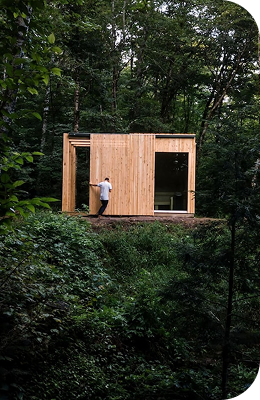

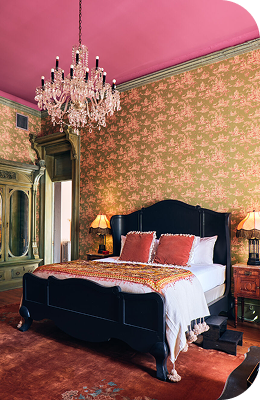

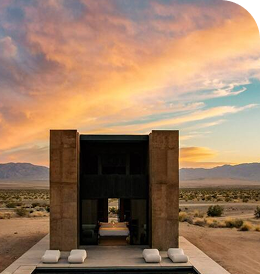

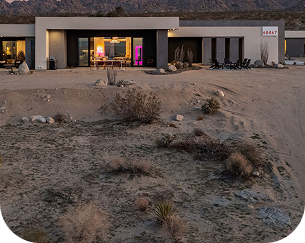

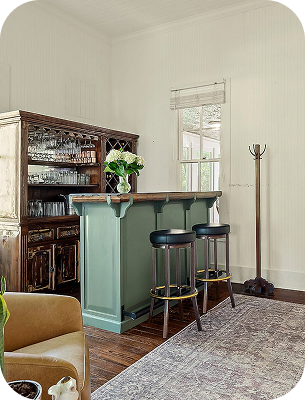

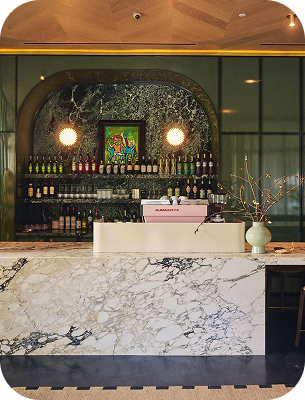

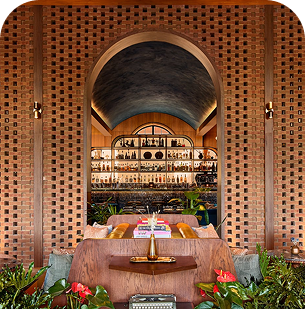

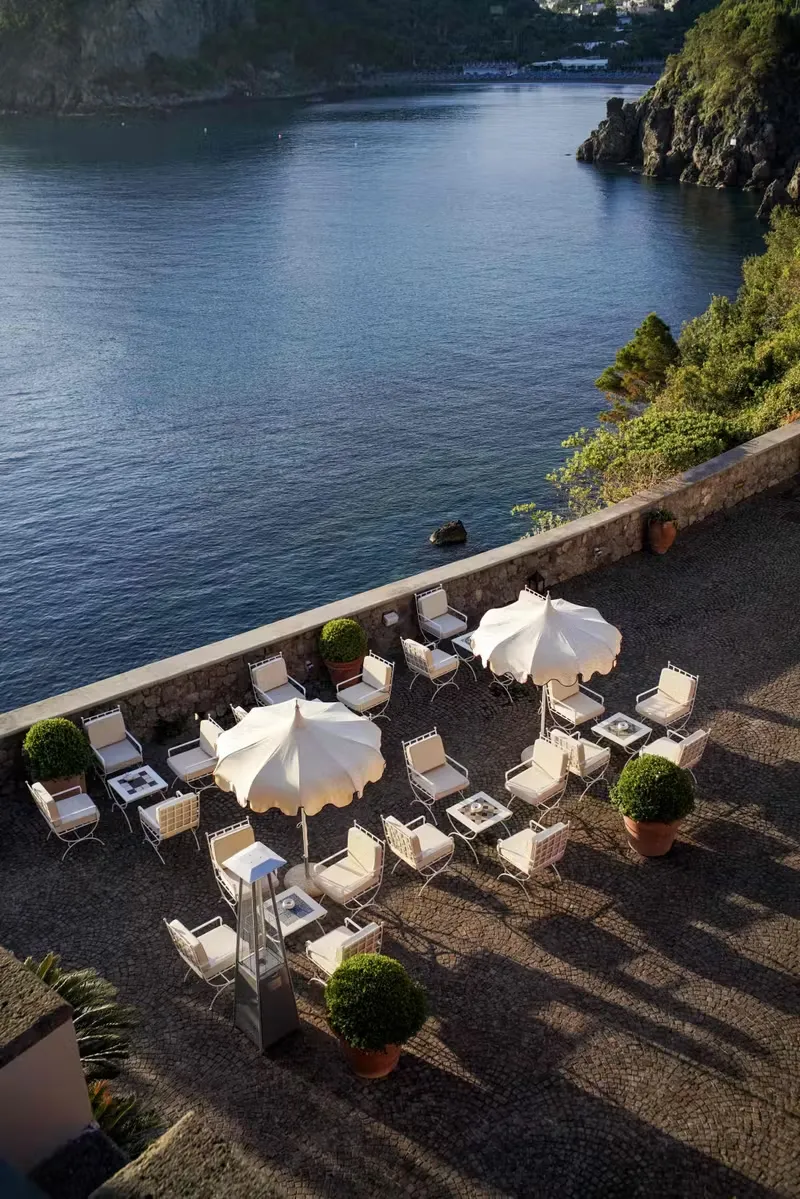

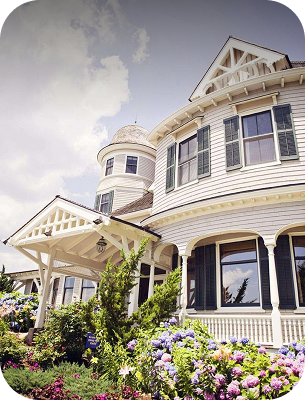

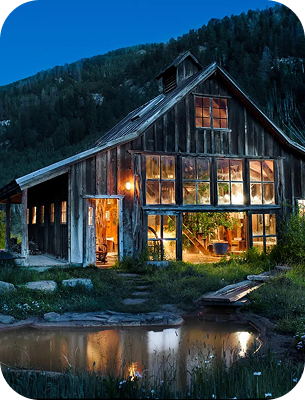

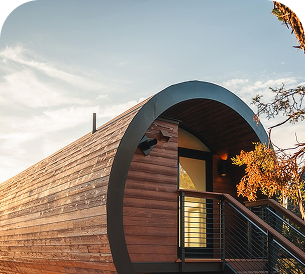

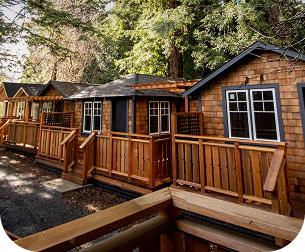

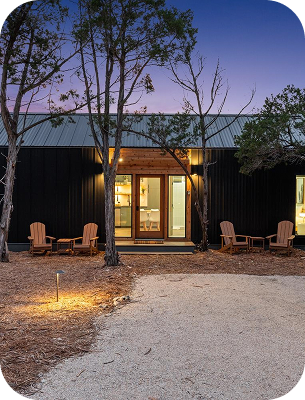

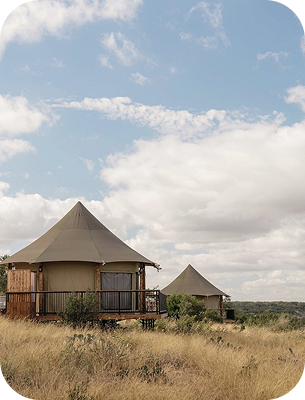

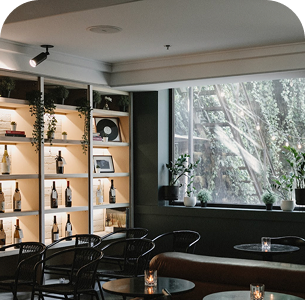

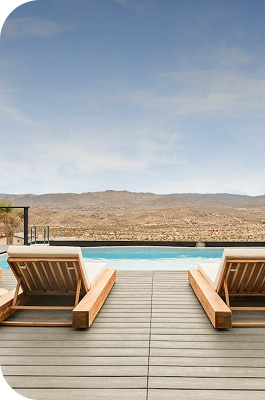

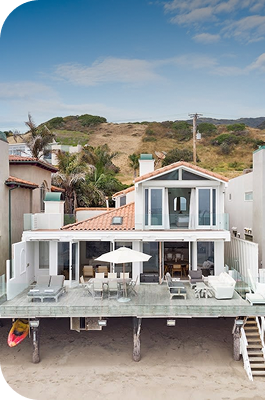

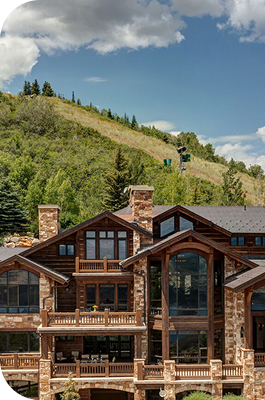
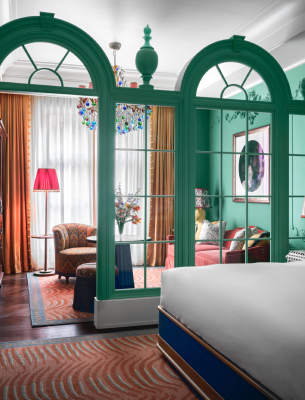

Journey connects travelers to a curated network of boutique hotels and distinctive residences around the world, all united under one rewards program. Explore handpicked stays for your trip while earning points, unlocking exclusive offers, and receiving rewards across the Journey collection.
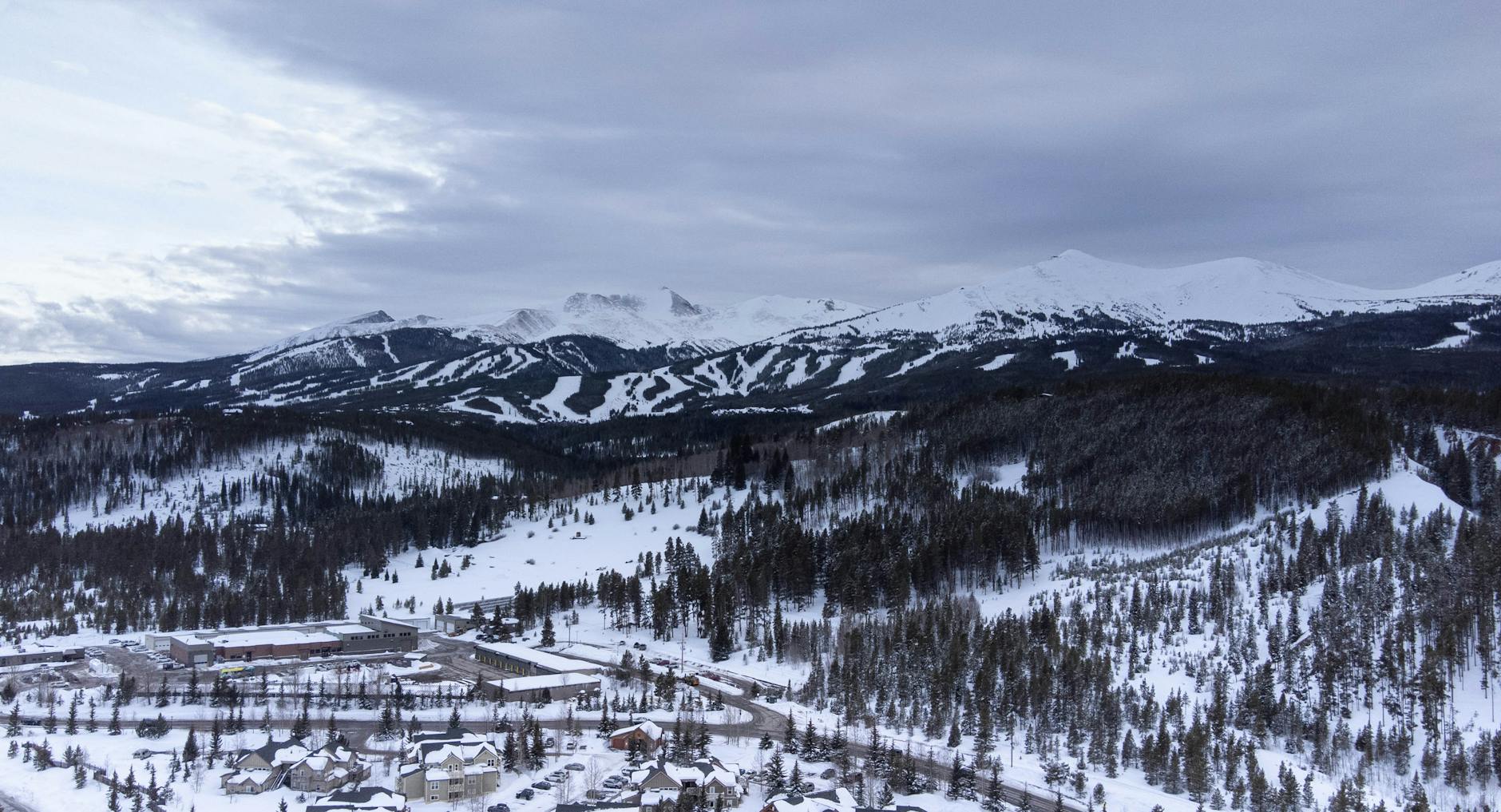
Breckenridge sits at 9,600 feet above sea level in Summit County, Colorado, tucked into a valley carved by the Blue River and flanked by the peaks of the Tenmile Range. The town lies roughly 80 miles west of Denver via Interstate 70 and sits at the geographic and cultural heart of Colorado's mountain resort corridor — a region that includes Keystone, Copper Mountain, and Arapahoe Basin within easy driving distance.
The landscape here is unambiguously alpine. The ski resort climbs to a summit elevation of 12,998 feet, and the surrounding wilderness extends into the White River National Forest and the Buffalo Peaks Wilderness Area. The Blue River Valley floor, where the town sits, is broad enough to feel open and unhurried, while the ridgelines above remain jagged and imposing — a visual reminder of the scale of the Rockies.
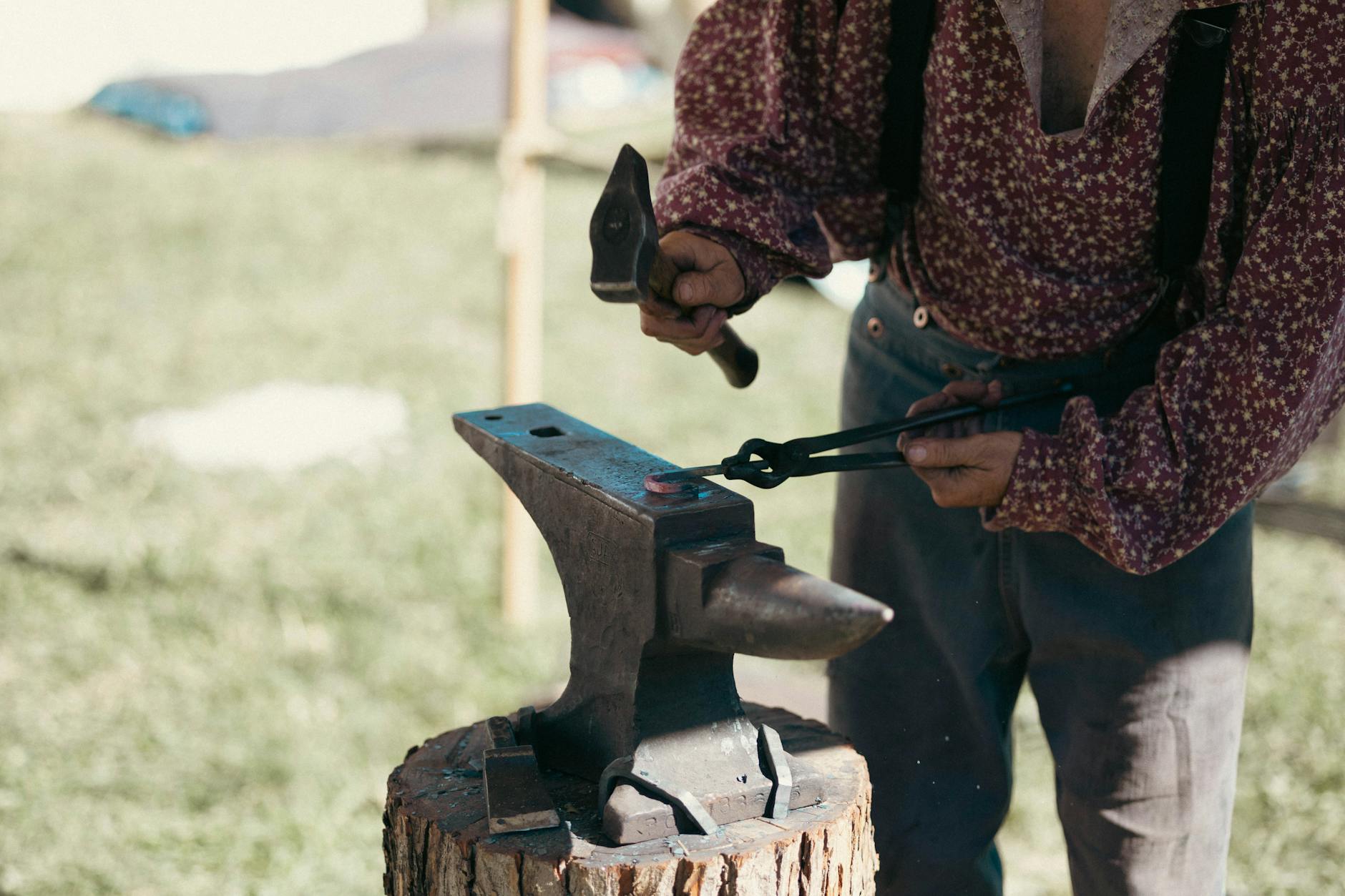
Historically, Breckenridge was born from gold. Placer gold was discovered in the Blue River in 1859, triggering a rush that swelled the population and shaped the town's grid, architecture, and identity. Mining continued in various forms well into the 20th century, and the legacy of that era is visible in the Victorian commercial buildings along Main Street, the dredge boat preserved at the Lomax Placer Gulch, and the Gold Panning Park where visitors can still try their luck in the river.
The ski resort opened in 1961 and transformed Breckenridge from a fading mining community into one of the most recognized mountain destinations in the world. Today, the town is a study in successful reinvention — a place that has embraced its resort identity without erasing its history. The result is a destination with genuine layers: a walkable, human-scaled downtown, a serious mountain for serious athletes, and a cultural life that includes public art installations, a thriving brewery scene, and a performing arts center that hosts year-round programming.
For travelers, Breckenridge offers an experience that is both accessible and genuinely elevated. The combination of altitude, history, outdoor ambition, and refined hospitality makes it one of the most complete mountain towns in North America.
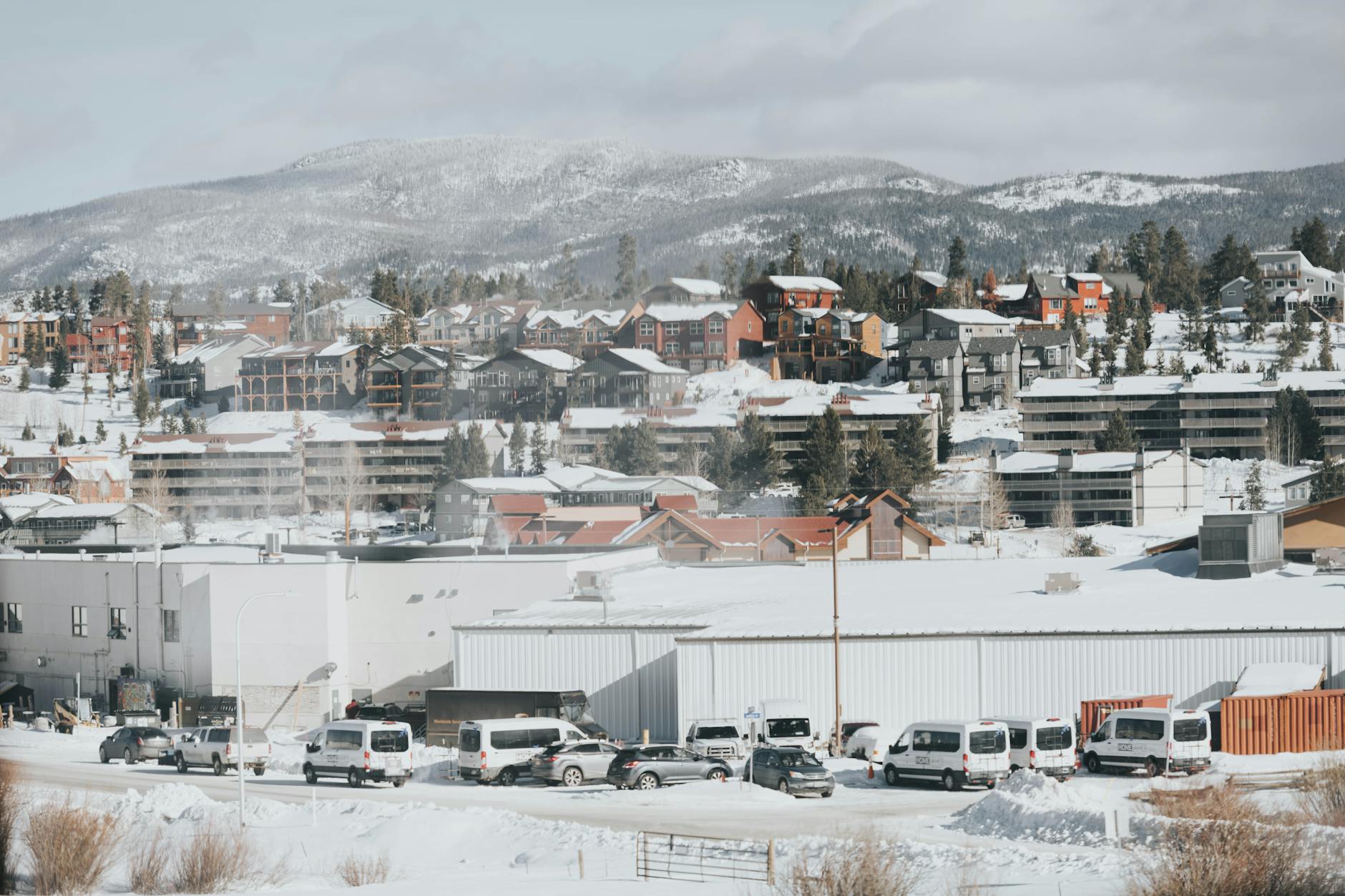
Choosing when to visit Breckenridge depends largely on what kind of experience you are after, as each season brings a distinctly different version of the town.
Winter, from late November through March, is peak ski season and the most popular time to visit. Crowds are heaviest during the holiday weeks around Christmas, New Year's, and Presidents' Day, when lift lines are longest and lodging prices peak. If skiing is the priority but you want to avoid the worst congestion, aim for January or early February, when snowpack is typically at its deepest and midweek crowds thin considerably.
Spring skiing through April offers a relaxed alternative, with fewer visitors, discounted lodging, and long sunny days on the mountain. The resort often stays open into late April or even early May, making it a smart window for skiers who prefer a laid-back atmosphere over peak-season energy.
Summer, from June through August, has become increasingly popular as travelers discover Breckenridge's hiking, mountain biking, and festival scene. The Colorado Trail and Tenmile Range trails come into full accessibility, and the town hosts a packed calendar of outdoor events, art festivals, and live music. July and August draw the largest summer crowds, particularly on weekends, so visiting in June or early September offers a quieter experience with trails still in excellent condition.
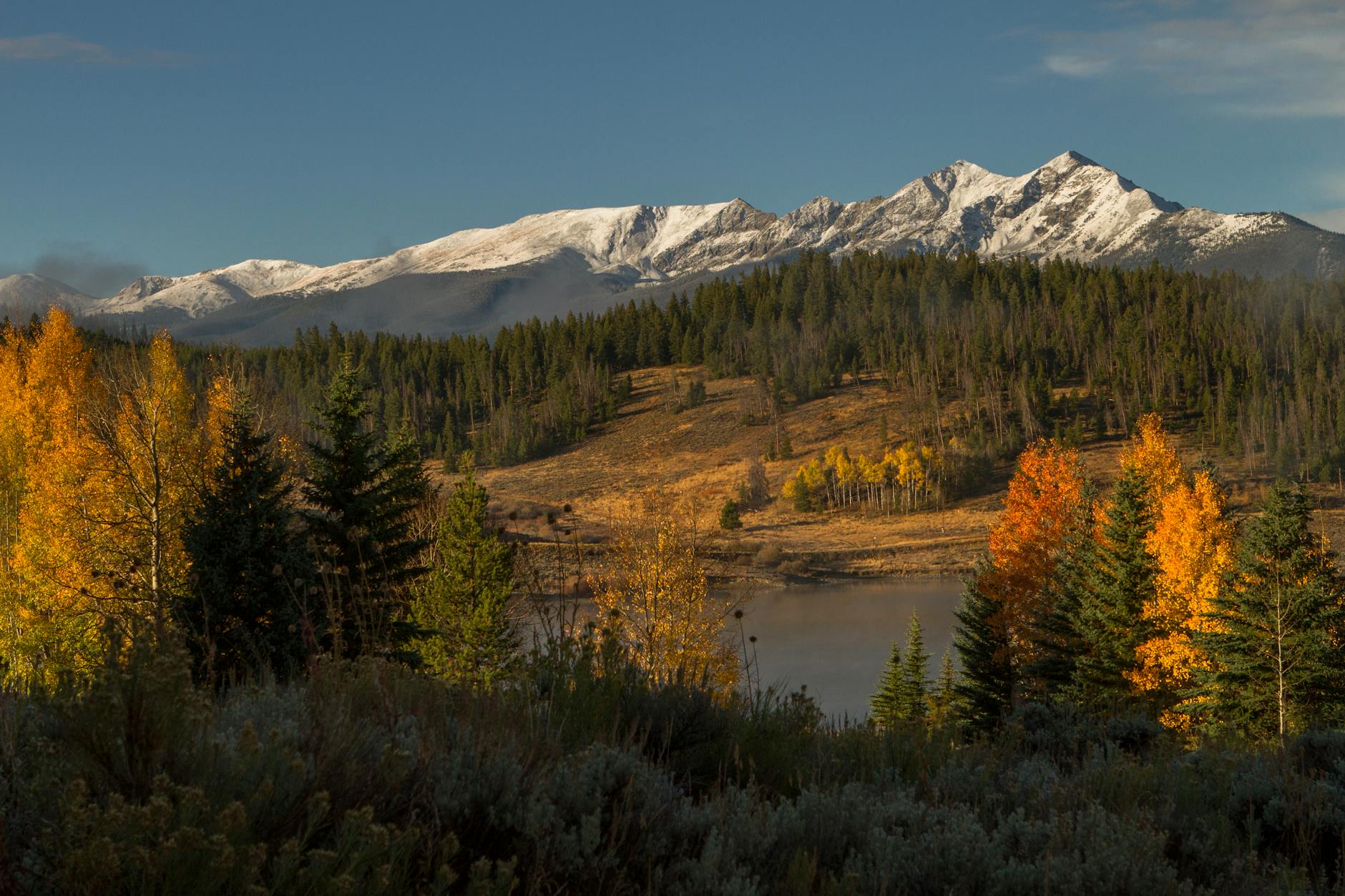
Fall, from mid-September through mid-October, is arguably the most underrated time to visit. The aspen groves surrounding town turn brilliant gold, hiking trails are uncrowded, and the town settles into a quieter rhythm between summer and ski season. This shoulder period offers some of the best lodging value of the year and a more local, unhurried feel that is increasingly hard to find in a resort town of Breckenridge's caliber.
The beating heart of Breckenridge, Main Street is lined with colorful Victorian storefronts dating to the gold rush era of 1859. Independent restaurants, boutiques, art galleries, and craft breweries fill these 19th-century buildings, creating a walkable corridor that feels both historic and alive. It is the natural gathering place for visitors and locals alike, especially after a day on the mountain.
Tucked along the southern edge of town, South Ridge is a quieter residential district that offers a more local perspective on Breckenridge life. Tree-lined streets give way to cozy mountain homes and easy trailhead access, making it a favorite for hikers and trail runners seeking a calmer base. The neighborhood feels removed from the resort bustle while remaining just minutes from everything.
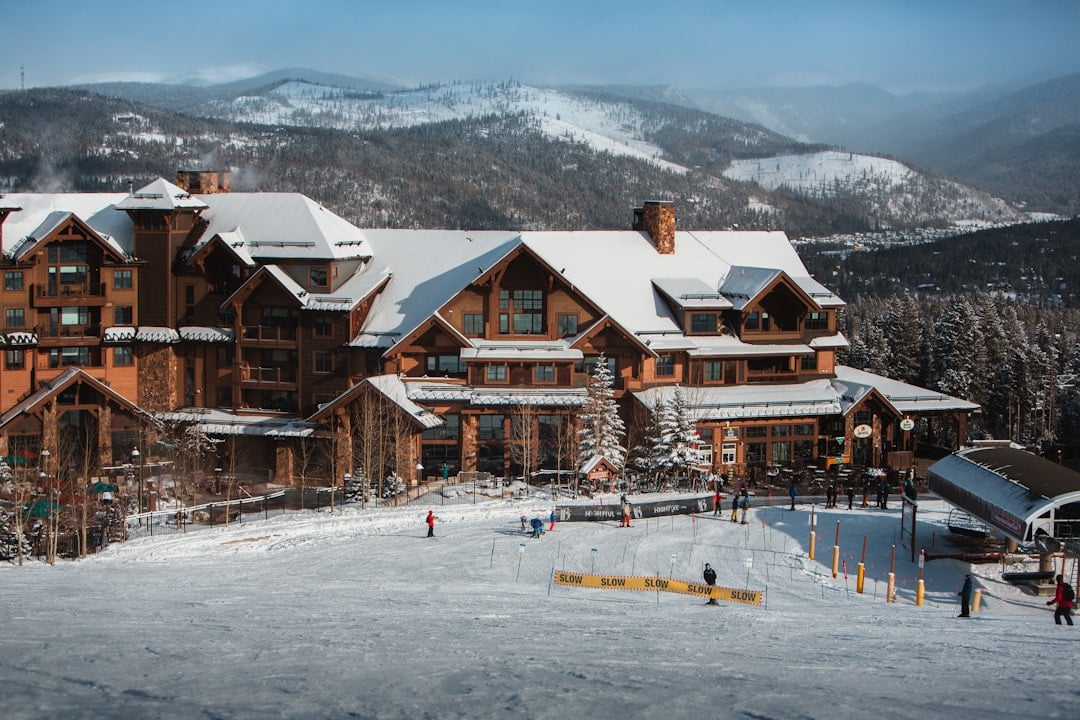
Situated at the base of Peak 9, the Village is the resort's ski-in, ski-out hub and the epicenter of alpine activity. Gondola plazas, slope-side lodges, and après-ski patios define the atmosphere here, drawing a lively crowd from first chair to last call. The energy is high-altitude and unapologetically mountain resort, with stunning views of the Tenmile Range framing every angle.
Running parallel to Main Street, French Street is Breckenridge's creative underbelly, home to independent galleries, artist studios, and the Breckenridge Arts District. The corridor has a relaxed, unhurried character that rewards slow exploration, with rotating exhibitions and public art installations woven between historic buildings. It is a reminder that Breckenridge has genuine cultural depth beyond its ski resort identity.
Flanking the Blue River as it winds through the southern end of town, this district blends riparian scenery with a laid-back local atmosphere. Riverside paths connect parks, fishing spots, and neighborhood eateries that cater more to year-round residents than seasonal visitors. It is the side of Breckenridge that feels most grounded, offering a peaceful counterpoint to the energy of the slopes and Main Street.
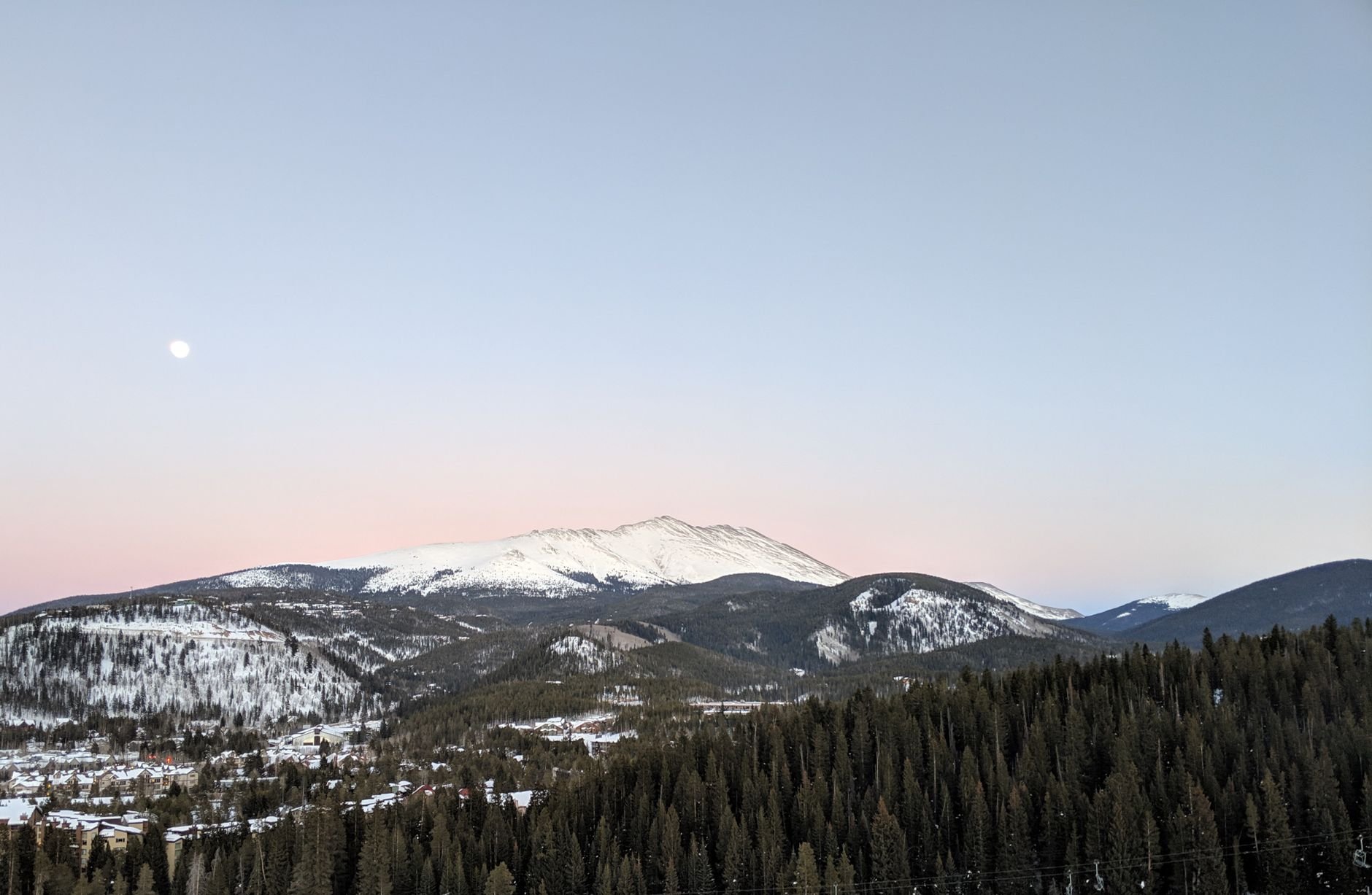
Breckenridge has a handful of experiences so deeply tied to the place that they define why travelers return year after year.
Skiing and Riding the Five Peaks
The centerpiece of any winter visit is Breckenridge Ski Resort itself. With five interconnected peaks, terrain parks, high-alpine bowls, and runs stretching from beginner-friendly groomers to expert-only chutes, the resort is one of the most complete ski destinations in North America. The gondola ride from town to the summit is an experience in its own right, offering sweeping views of the Tenmile Range and the Blue River Valley far below.
Walking the Historic Victorian Main Street
Few mountain towns in the American West can match Breckenridge's sense of place. The Historic District's 19th-century storefronts, many dating to the gold rush era of the 1860s, create a backdrop that feels authentic rather than manufactured. Strolling Main Street — stopping into a gallery, a craft brewery, or a Victorian-era museum — is a signature experience that connects visitors to the town's genuine character.
High-Alpine Hiking Above 12,000 Feet
The trails around Breckenridge reach elevations that most hikers never encounter elsewhere. Routes like McCullough Gulch lead through glacially carved valleys to turquoise alpine lakes and cascading waterfalls. The Tenmile Range offers ridge walks with panoramic views that stretch across multiple mountain ranges. This is hiking at a scale and altitude that is specific to Colorado's high country — and Breckenridge sits at the center of it.
Nordic Skiing Through the Backcountry
The Breckenridge Nordic Center offers groomed cross-country and snowshoe trails through quiet, snow-covered forests just outside town. It is a slower, more meditative counterpoint to the resort's energy — and a way to experience the winter landscape that many visitors overlook entirely.
Breckenridge delivers an exceptional range of activities across every season, anchored by its world-class mountain terrain and a lively, historically rich town center.
Outdoor Recreation
The mountains surrounding Breckenridge offer some of the finest outdoor pursuits in Colorado. In winter, Breckenridge Ski Resort spans five peaks and more than 2,900 acres of skiable terrain, drawing riders of every ability level. Cross-country skiers and snowshoers head to the Breckenridge Nordic Center for groomed trails through pristine backcountry. When the snow melts, hikers and trail runners take over routes like Spruce Creek Trail and McCullough Gulch Trailhead, both offering dramatic alpine scenery and access to waterfalls and high-elevation lakes. Continental Falls is a rewarding destination for those seeking a shorter but scenic hike. Mountain bikers, climbers, and golfers round out the warm-season lineup, with Breckenridge Golf Club providing a stunning 27-hole course designed by Jack Nicklaus.
Cultural Attractions and History
Breckenridge's gold rush roots are well preserved and genuinely engaging. The Breckenridge History Museum, the Edwin Carter Museum, and the Lomax Placer Mine offer layered perspectives on the town's 19th-century mining heritage. Carter Park and Pavilion serves as a beloved community gathering space with sweeping mountain views.
Arts, Entertainment, and Leisure
The town's entertainment scene punches well above its size. Escape room experiences from Mountain Time Escape Rooms and Escape Room Breckenridge offer creative, themed adventures for groups. Blue River Plaza hosts outdoor events and live entertainment throughout the year. Castaways Cove and I Scream Arcade round out the family-friendly options.
Food and Dining
Main Street and the surrounding blocks are packed with independent restaurants, craft breweries, and cozy cafes. Highlights include:
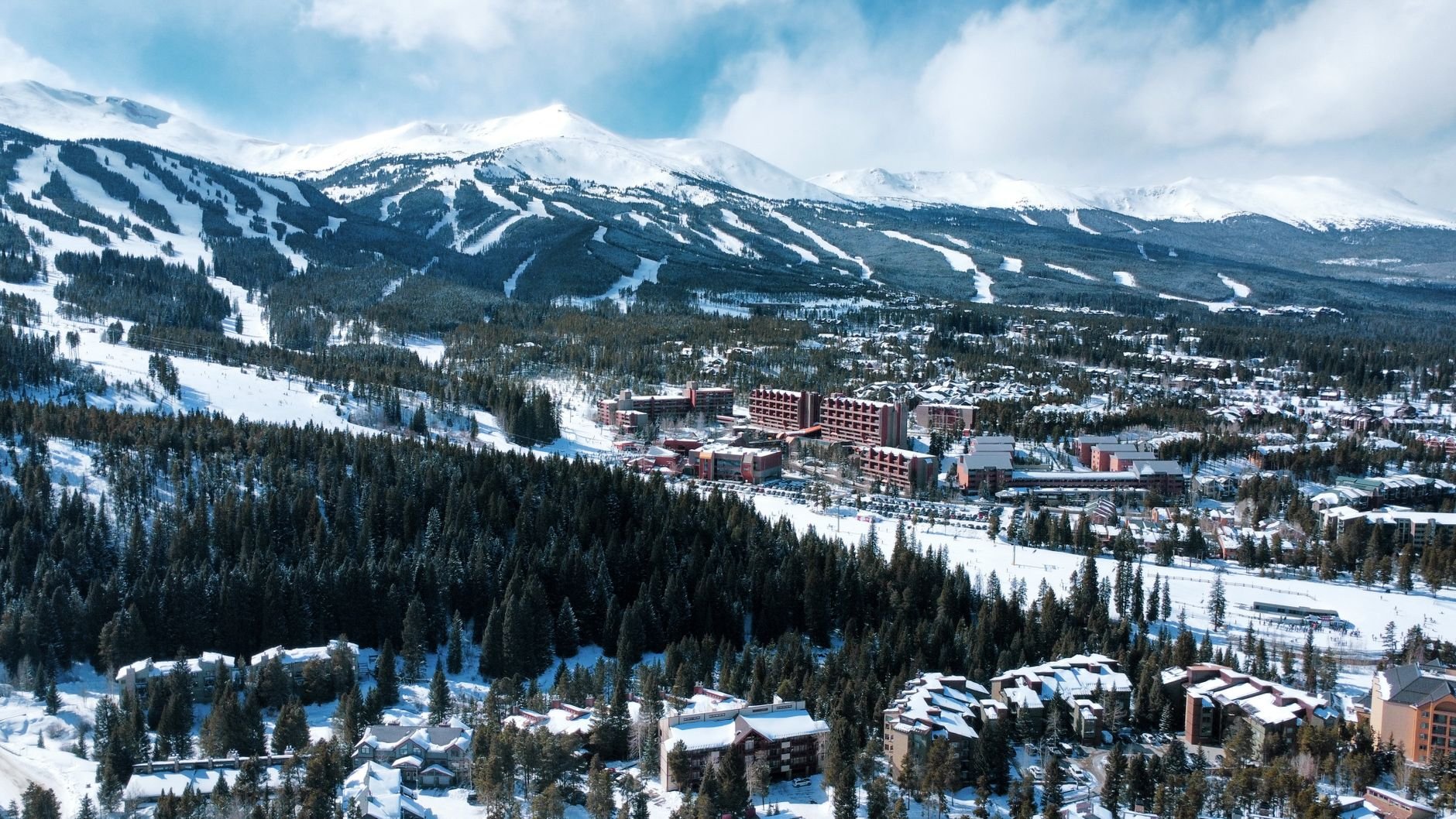
Start your first morning with a stroll down historic Main Street, browsing galleries and grabbing breakfast at a local cafe. In the afternoon, ride the BreckConnect Gondola up to Peak 8 for sweeping views of the Tenmile Range. As the sun sets, settle into one of Breckenridge's craft breweries for a cold pint and a hearty dinner at a Victorian-era storefront restaurant.
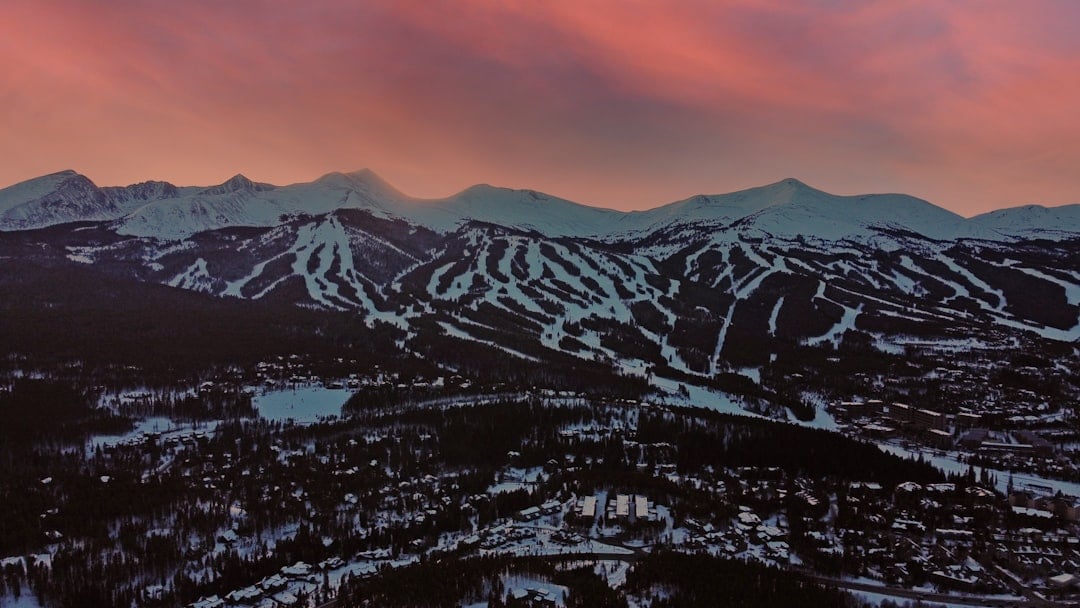
Hit the slopes early at Breckenridge Ski Resort, choosing from beginner groomers or expert terrain across five peaks. Break for lunch at an on-mountain lodge before an afternoon run or two. Wind down with an après-ski soak if your lodging has a hot tub, then explore the town's restaurant scene for a sit-down dinner featuring locally sourced Rocky Mountain cuisine.
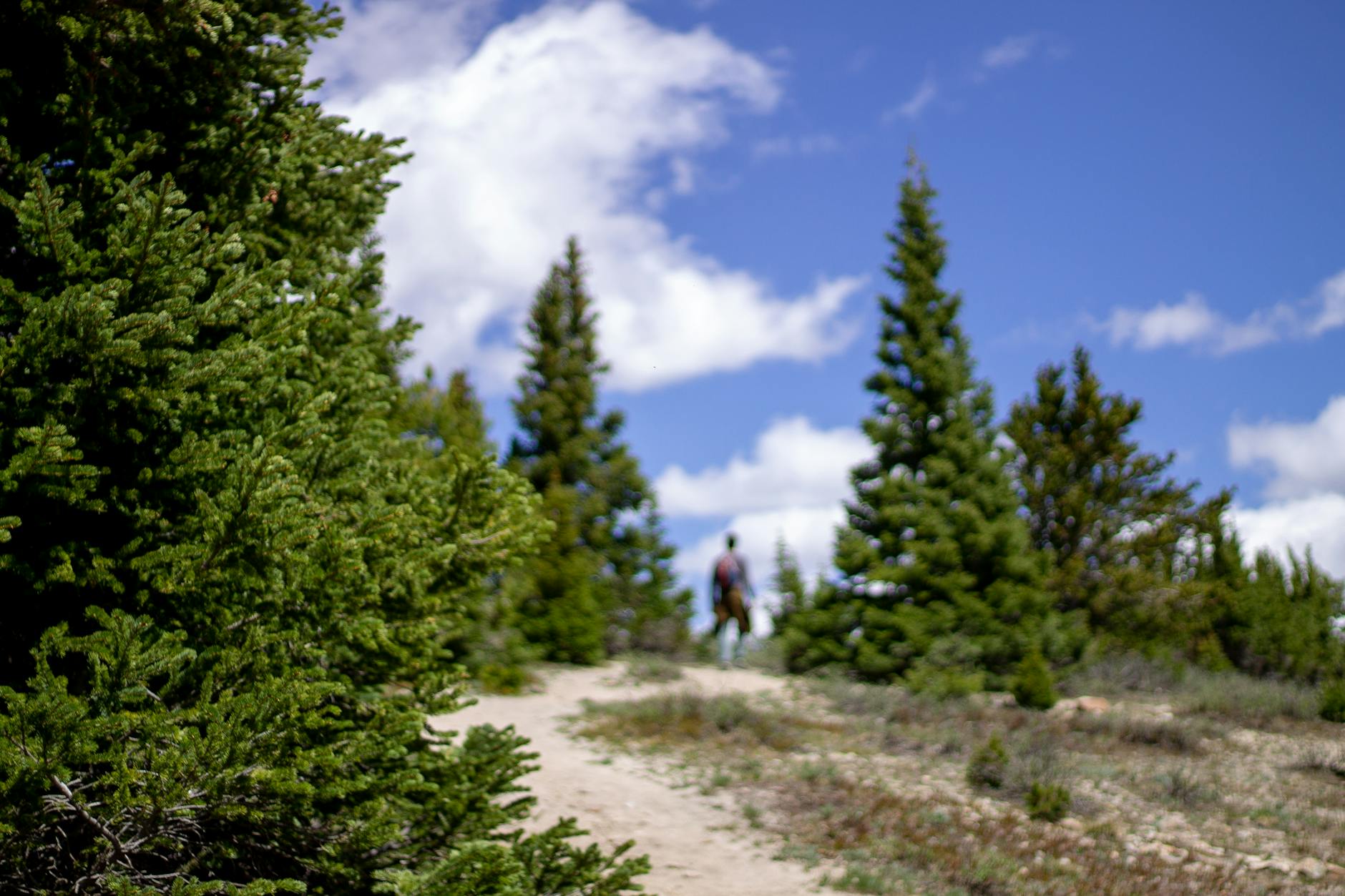
Spend the morning hiking a section of the Colorado Trail near Breckenridge, enjoying high-alpine meadows and panoramic ridge views above 10,000 feet. Return to town for a late lunch at a patio cafe on Main Street. Before heading out, visit the Breckenridge Historic District to explore gold rush-era buildings and pick up a few souvenirs from the independent boutiques lining the street.
Breckenridge earns its reputation as a four-season destination through a cultural calendar that mirrors the rhythms of mountain life. Winter is defined by the mountain itself, but as the snow melts, the town pivots toward outdoor festivals, arts celebrations, and community gatherings that reveal a creative, spirited local identity. Summer brings the longest days and the most diverse programming, with high-altitude trails and open-air venues setting the stage for everything from mountain bike races to outdoor theater. Fall arrives quietly but beautifully, drawing visitors who come for the aspen color and the slower pace before the first snowfall returns.
Dining in Breckenridge has evolved well beyond the mountain town clichés of burgers and après-ski nachos, though you will still find excellent versions of both. The town supports a surprisingly sophisticated culinary scene for its size and elevation, driven by chefs who have chosen mountain life without sacrificing culinary ambition. The result is a dining culture that balances comfort and craft in equal measure.
Denver International Airport (DEN) is the primary gateway for most visitors,
sitting about 85 miles northeast of Breckenridge with a roughly two-hour drive west along I-70 through the Eisenhower Tunnel into Summit County.
Eagle County Regional Airport (EGE), near Vail, is a closer alternative at about 65 miles away
and receives seasonal nonstop flights from cities including Dallas, Houston, Chicago, and New York, cutting drive time to under 90 minutes.
Direct shuttle services such as Epic Mountain Express run scheduled routes from DEN to Breckenridge,
offering a door-to-door option that eliminates the need for a rental car and typically takes two to two-and-a-half hours depending on conditions.
Bustang, Colorado's state-operated intercity bus, connects Denver's Union Station to Frisco,
just 9 miles from Breckenridge, with connecting local transit options available for the final leg into town.
I-70 through the mountains is subject to closures and chain laws during heavy snowstorms,
so drivers should check Colorado Department of Transportation (CDOT) alerts at cotrip.org before departing and carry traction devices in winter months.
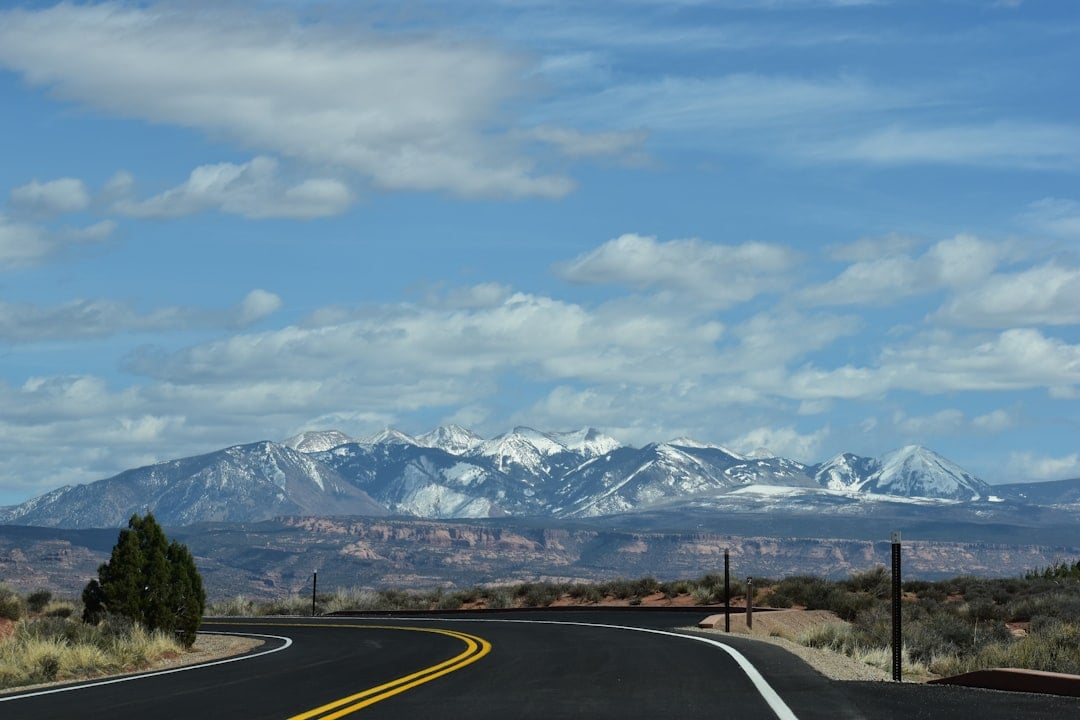
The Breckenridge Free Ride bus system operates color-coded routes at no cost,
connecting Main Street, the Peak 7, 8, and 9 base areas, and outlying neighborhoods with frequent service during ski season and summer peak periods.
Summit Stage, Summit County's free regional bus network, links Breckenridge to Frisco, Silverthorne, Dillon, Keystone, and Copper Mountain,
making it possible to explore the broader Summit County area without a car and at no additional cost.
Main Street and the Historic District are compact and easily walkable,
so most visitors staying centrally can reach the majority of restaurants, shops, galleries, and the gondola base on foot without needing transit or a vehicle.
The free public parking structure on Airport Road near the base of Peak 9
is a reliable alternative to street parking in the Historic District, which fills quickly on weekends, holidays, and high-traffic powder days.
Rideshare services like Uber and Lyft operate in Breckenridge but can be unreliable during peak hours and storm days,
so the Free Ride bus or pre-arranged shuttle services are a more dependable option when timing and reliability matter.
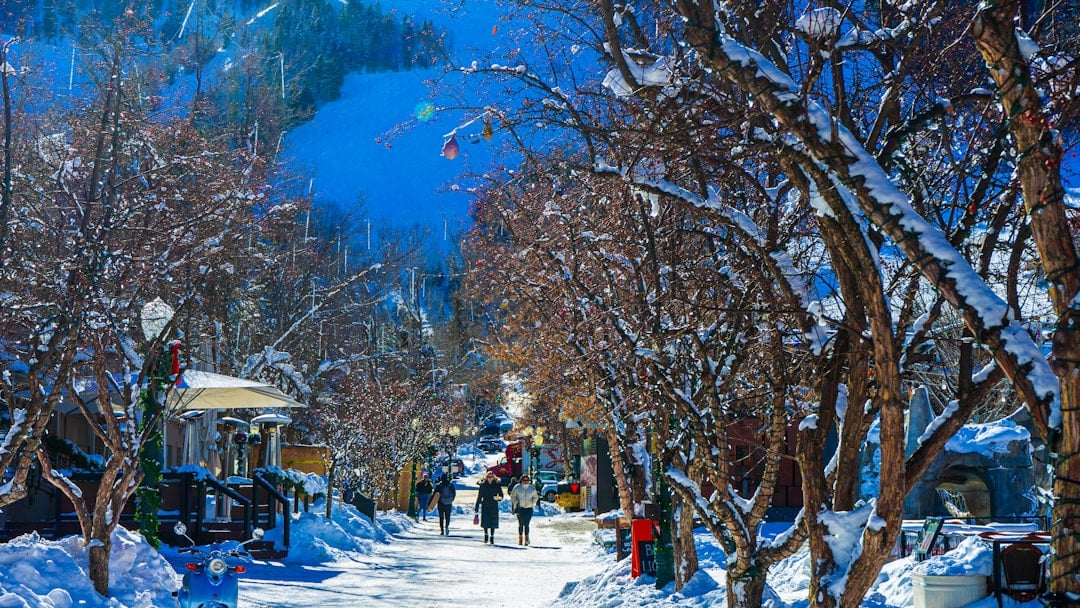
Altitude is the most important factor to plan around - Breckenridge sits above 9,600 feet, and many visitors experience headaches, fatigue, or shortness of breath in the first day or two. Drink extra water, limit alcohol on arrival day, and consider spending a night in Denver before heading up. Sun intensity is significantly stronger at elevation, so sunscreen is essential even on overcast or cold days. Tipping follows standard US norms: 18 to 20 percent at restaurants, and similar expectations at bars and for shuttle drivers. Lift tickets and ski rentals should be booked online in advance - walk-up prices at Breckenridge Ski Resort are substantially higher than pre-purchased rates. The Breckenridge app and the Epic Mix app are both useful for tracking conditions, lift status, and resort navigation. Cell service is generally reliable in town but can drop in backcountry terrain above the resort.
Most visitors spend 3 to 5 days in Breckenridge. That gives you enough time to ski multiple peaks, explore the historic Main Street district, and get out on the trails. If you are focused purely on skiing, 3 days covers the essentials. Extend to a week if you want to hike, bike, or take day trips into the surrounding Tenmile Range.
Breckenridge is best known for its world-class ski resort, which spans five peaks and over 2,900 acres of terrain - one of the largest ski areas in North America. It is also recognized for its well-preserved Victorian-era Main Street, its gold rush history dating to 1859, and its high-alpine setting above 9,600 feet in the Colorado Rockies.
Yes, Breckenridge works well as a weekend trip, especially from Denver, which is about 90 miles away. A long weekend gives you two solid days on the mountain or trails plus time to enjoy Main Street. Travel time from Denver is roughly 1.5 to 2 hours depending on traffic and road conditions, making it an easy getaway.
Breckenridge is a premium mountain destination and costs reflect that. Ski lift tickets, lodging, and dining all trend toward the higher end, especially during peak winter and summer seasons. Budget travelers can find savings by booking early, visiting in shoulder season, and cooking some meals. Overall, expect to spend more here than at a typical Colorado town.
Winter (December through March) is peak season for skiing and snowboarding, with the best snow conditions typically in January and February. Summer (June through August) is ideal for hiking, mountain biking, and festivals, with mild temperatures and stunning alpine scenery.