
Baltimore, MD
A Journey guide to
Colorado Springs sits at the foot of Pikes Peak, one of North America's most iconic summits, and the city has built an identity around the extraordinary landscape that surrounds it. Travelers come for world-class outdoor recreation: hiking and rock climbing in Garden of the Gods, cycling the Pikes Peak Highway, and exploring the trails of Cheyenne Mountain State Park. The sheer variety of terrain packed into a compact area makes it a standout destination for active travelers of all skill levels.
Beyond the trails, Colorado Springs carries a deep military heritage that shapes its culture and character. It is home to the United States Air Force Academy, NORAD, Fort Carson, and Peterson Space Force Base, making it one of the most significant military communities in the country. The Colorado Springs Fine Arts Center at Colorado College and a thriving downtown gallery scene demonstrate that the city's identity extends well beyond its outdoor reputation.
The city draws a broad mix of travelers: adventure seekers chasing summit views and technical climbs, families exploring Cheyenne Mountain Zoo (the only mountain zoo in North America), history enthusiasts visiting the Western Museum of Mining and Industry, and couples seeking dramatic Rocky Mountain scenery. The presence of several luxury resorts, including The Broadmoor, adds a polished hospitality dimension rarely found in cities of this size.
Colorado Springs also serves as a natural base for broader Colorado exploration. Manitou Springs, a quirky and historic spa town, sits immediately to the west. Royal Gorge Bridge and Park is within easy driving distance, and Denver is just over an hour north via I-25. For travelers who want genuine Rocky Mountain immersion without the altitude extremes of higher resort towns, Colorado Springs offers a compelling and highly accessible entry point.
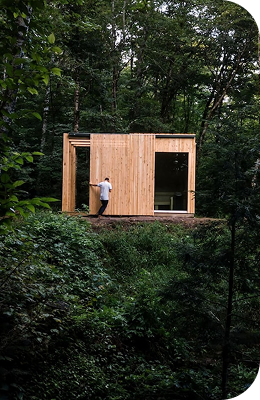



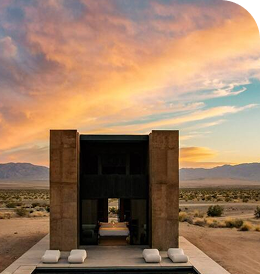

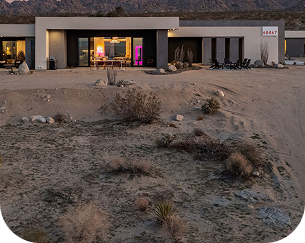





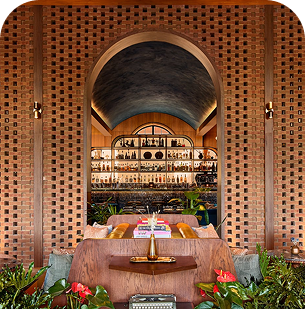



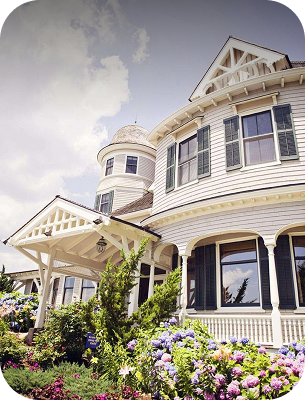

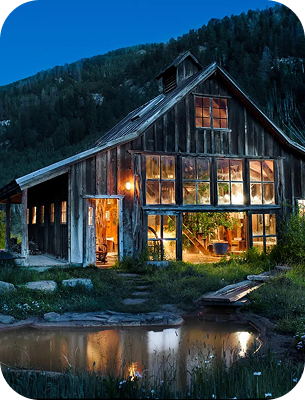

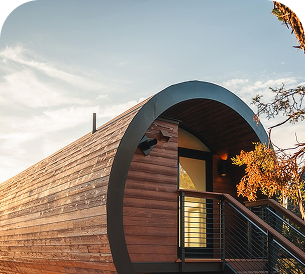

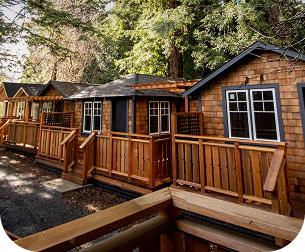

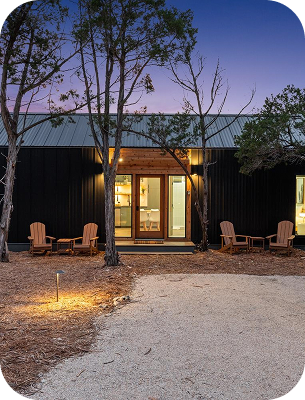

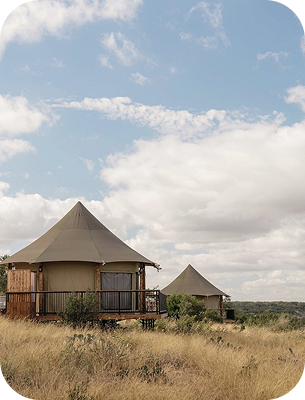



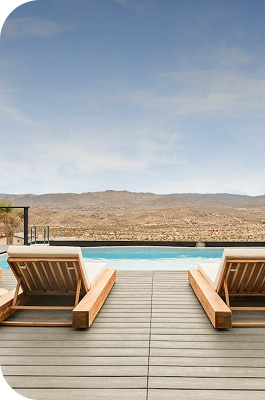



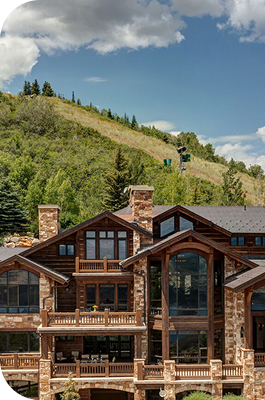



Journey connects travelers to a curated network of boutique hotels and distinctive residences around the world, all united under one rewards program. Explore handpicked stays for your trip while earning points, unlocking exclusive offers, and receiving rewards across the Journey collection.
Colorado Springs occupies a dramatic position on the eastern flank of the Rocky Mountains, spread across a high plateau at roughly 6,035 feet above sea level with Pikes Peak rising to 14,115 feet directly to the west. The Front Range setting gives the city an immediate and visceral connection to the mountains that few American cities of comparable size can match. The skyline is defined not by towers but by geology: red sandstone fins, granite massifs, and a horizon dominated by one of the most recognized peaks in the Western Hemisphere.
The city was founded in 1871 by General William Jackson Palmer, who envisioned it as a refined resort destination for health-seekers and wealthy visitors drawn by the clean mountain air. That original aspiration toward elegance never entirely disappeared. The Broadmoor resort, opened in 1918, became a symbol of that ambition and remains one of the most celebrated destination resorts in the United States, having hosted presidents, royalty, and Olympic athletes across more than a century of operation.
Colorado Springs grew substantially through the 20th century as the U.S. military established a major presence in the region. Today, the city is one of the most significant military hubs in the country, a fact that has shaped its demographics, economy, and civic culture in lasting ways. The United States Air Force Academy alone draws hundreds of thousands of visitors annually to its striking modernist campus and chapel.
Culturally, the city occupies an interesting middle ground. It is deeply tied to outdoor and athletic identity, reinforced by the presence of the U.S. Olympic and Paralympic Training Center, which has been based here since 1978. At the same time, Colorado College anchors a genuine arts and intellectual community, and the historic Old Colorado City neighborhood preserves a 19th-century commercial district with independent galleries, restaurants, and shops.
For travelers, Colorado Springs delivers a layered experience: natural grandeur, living history, athletic culture, and genuine hospitality, all within a city that remains approachable and navigable.
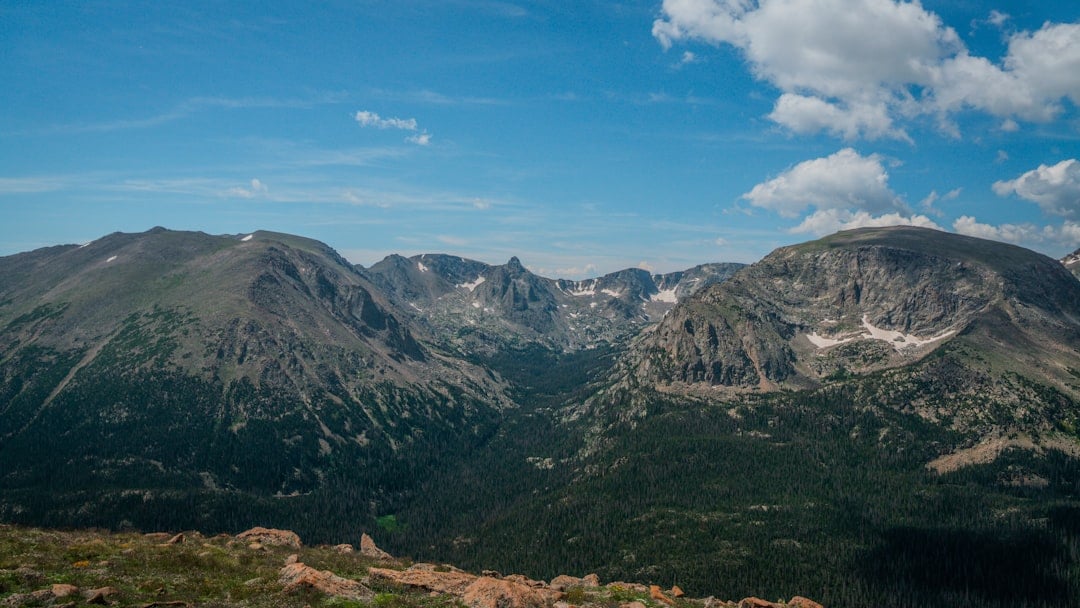
Late spring through early fall - roughly late May through early October - covers the broadest window of outdoor access and activity in Colorado Springs, but the single best stretch for most travelers is late August through September. Crowds thin noticeably after summer peak, trails are fully accessible, and the weather settles into its most reliable pattern of the year.
Summer, particularly July and early August, draws the largest crowds to Garden of the Gods, the Pikes Peak Highway, and Cheyenne Mountain Zoo. Reservations fill quickly at popular trailheads and the city's top resorts. Travelers who prioritize elbow room should target the shoulder periods on either side.
Late May and June offer a good balance of warming conditions and lighter crowds, though some higher-elevation trails on and around Pikes Peak may still be recovering from winter closures. This window works well for visitors focused on lower-elevation attractions like Garden of the Gods, Manitou Springs, and the downtown arts and dining scene.
Fall is arguably the most rewarding season for outdoor enthusiasts. September in particular delivers golden aspen color in the surrounding hills and canyons, uncrowded trails, and some of the clearest skies of the year. The Pikes Peak Highway typically remains open through October, making summit drives feasible well into autumn.
Winter suits a specific type of traveler: those drawn to the city's quieter pace, lower hotel rates, and the dramatic visual contrast of snow against red rock formations in Garden of the Gods. The Air Force Academy and indoor cultural venues like the Colorado Springs Fine Arts Center remain fully operational year-round.
Families with school-age children tend to cluster visits around summer and spring break, so traveling just outside those windows - even by a week or two - makes a meaningful difference in crowd levels across the city's major attractions.
The urban core of Colorado Springs pulses with creative energy, anchored by Tejon Street's mix of independent boutiques, craft breweries, and galleries. The Colorado Springs Fine Arts Center at Colorado College anchors the cultural scene, while Acacia Park provides a leafy gathering spot at the heart of it all. It is the most walkable part of the city and the natural starting point for exploring local life.
Stretching along West Colorado Avenue, Old Colorado City is the historic commercial district that predates Colorado Springs itself, founded as a rowdy frontier town in 1859. Today its Victorian-era storefronts house art galleries, glassblowing studios, quirky shops, and casual restaurants that give it a bohemian, small-town feel. It serves as the gateway neighborhood heading west toward Manitou Springs and Garden of the Gods.
Immediately west of Colorado Springs, Manitou Springs is a funky, artistic spa town built around natural mineral springs that bubble up throughout the village. Narrow streets lined with murals, eccentric galleries, and independent cafes climb the canyon walls toward the Manitou Incline, one of the most demanding fitness hikes in Colorado. The town draws a creative, counterculture crowd and feels worlds apart from the broader metro area.
The Broadmoor neighborhood sits at the southwestern edge of the city, defined by the legendary Broadmoor resort complex and the forested slopes of Cheyenne Mountain rising behind it. This is Colorado Springs at its most refined: lakeside dining, manicured grounds, and the entrance to Cheyenne Mountain State Park just minutes away. Travelers seeking a quieter, more luxurious base gravitate here.
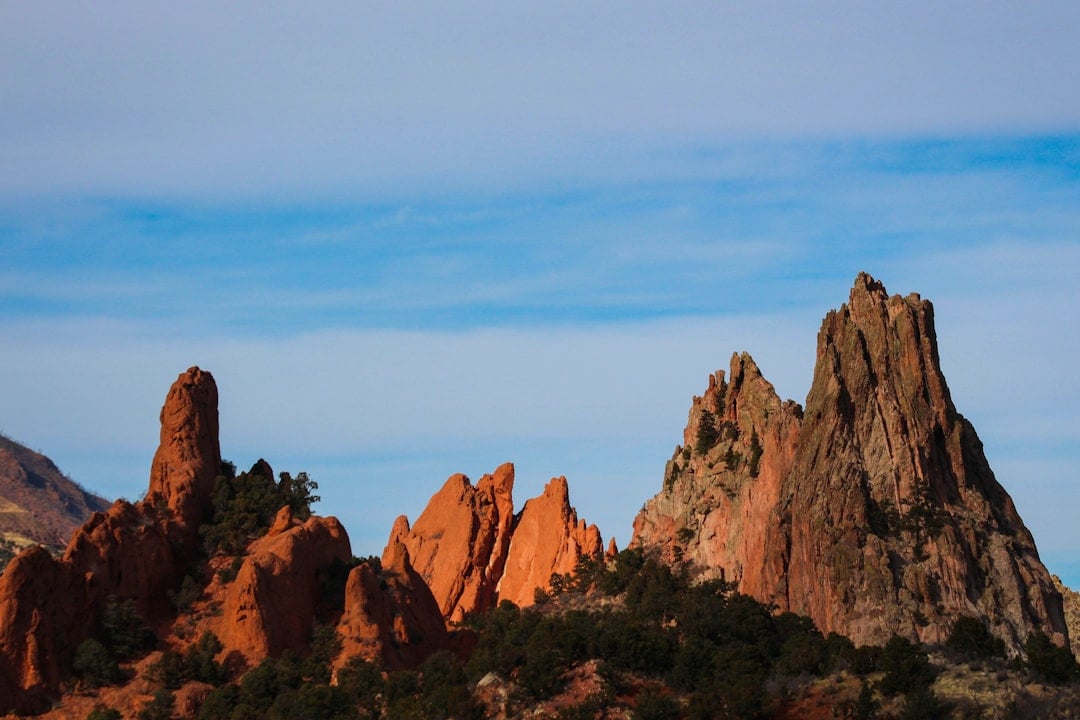
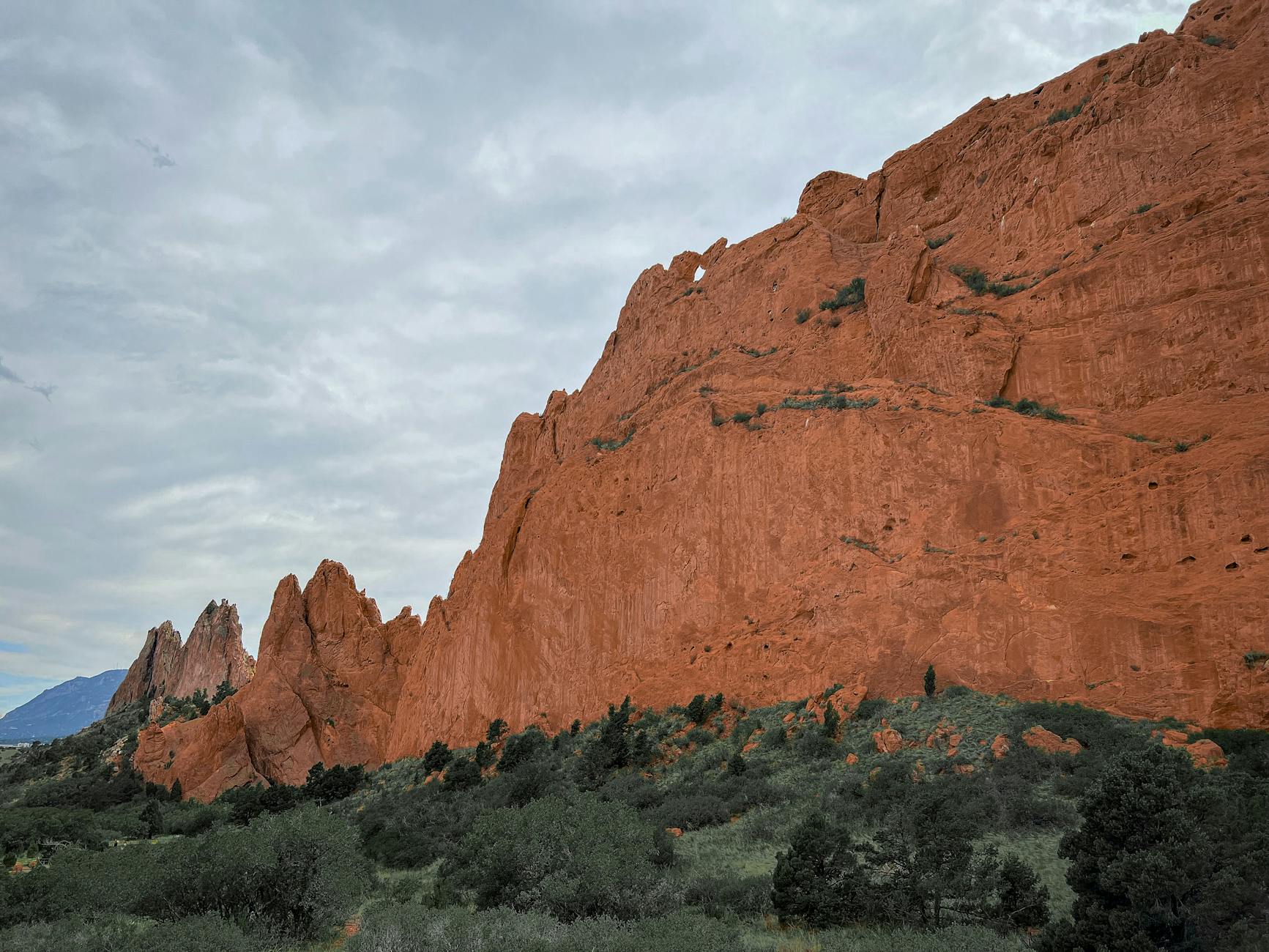
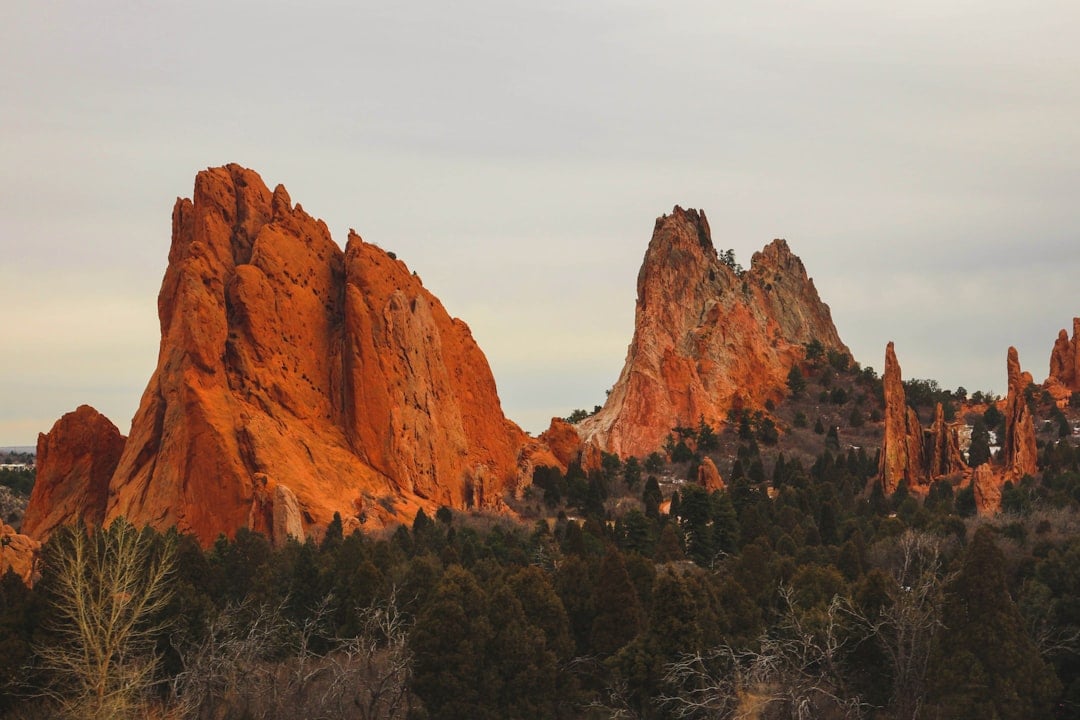
The neighborhoods clustered near Garden of the Gods Park are shaped entirely by proximity to one of Colorado's most spectacular natural landmarks. Striking red sandstone formations tower above the surrounding residential streets, and the park itself draws hikers, rock climbers, and cyclists year-round. The visitor center and nearby Rock Ledge Ranch Historic Site add educational and historical depth to what is primarily an outdoor experience.
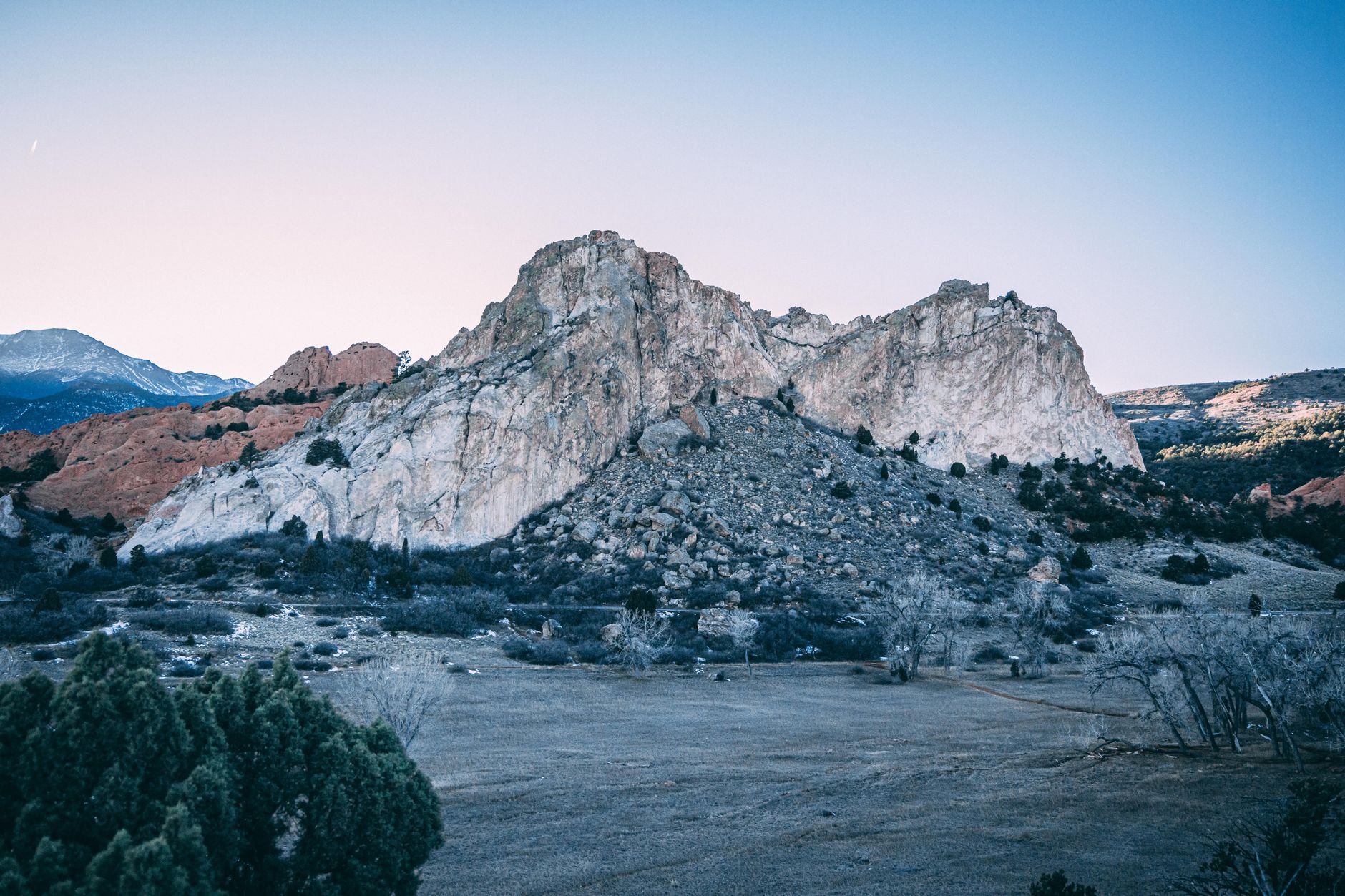
Colorado Springs is defined by a handful of experiences that exist nowhere else in quite the same form, and they are the reason travelers return again and again.
Standing Inside Garden of the Gods
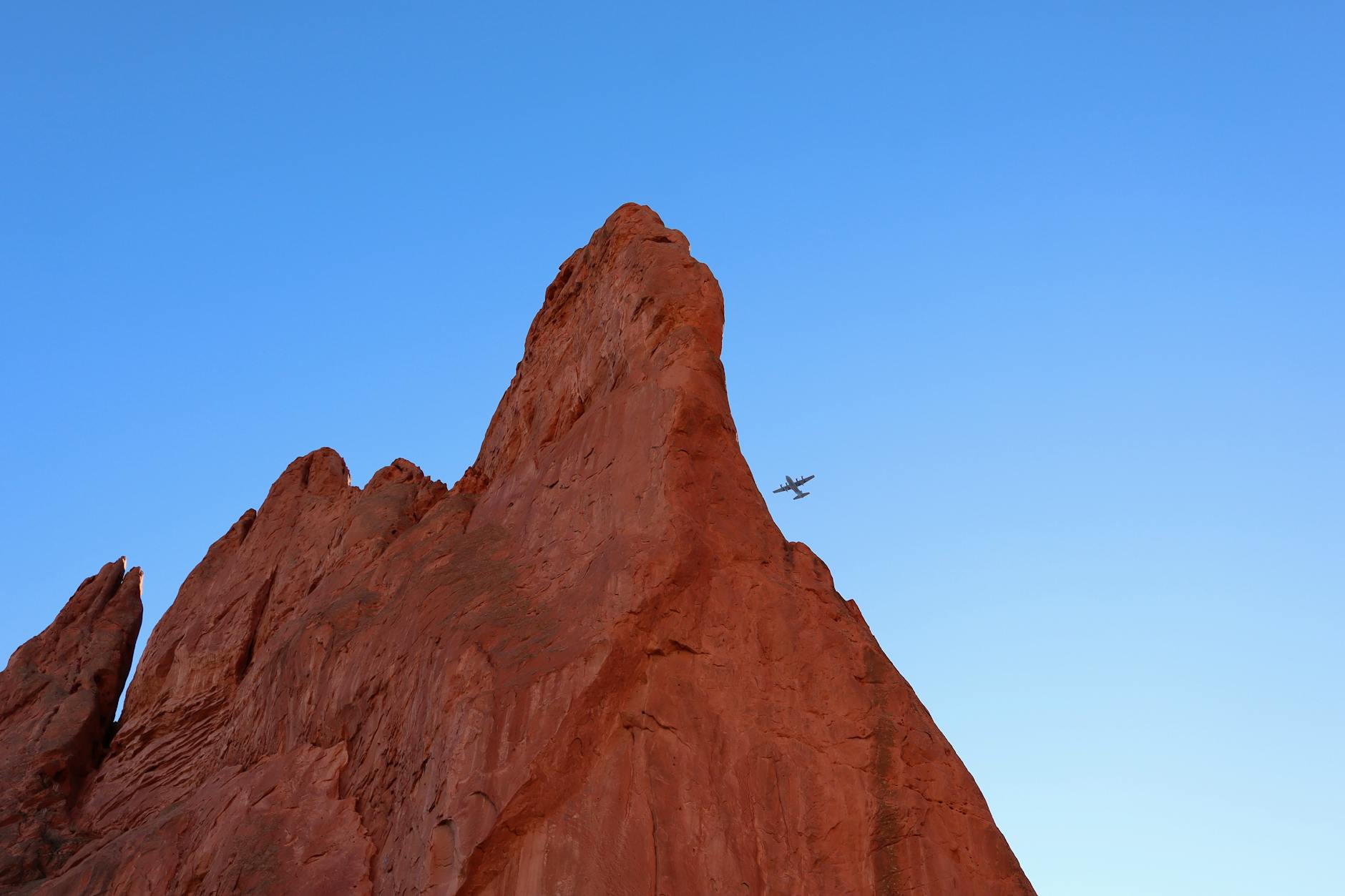
The 300-foot red sandstone fins and spires of Garden of the Gods rise improbably from the high plains, framing Pikes Peak in the background in what is arguably the most photographed view in Colorado. Walking the paved central path or venturing onto the backcountry trails at sunrise or sunset, when the rock turns deep crimson, is a genuinely awe-inspiring experience. Rock climbers from around the world come specifically to test themselves on these formations.
Reaching the Summit of Pikes Peak
At 14,115 feet, Pikes Peak is one of the most accessible fourteeners in North America, reachable by car, bicycle, or the historic cog railway. The summit inspired Katharine Lee Bates to write "America the Beautiful" in 1893, and the panoramic views across the Great Plains and the Rockies remain as extraordinary today. The annual Pikes Peak International Hill Climb, one of the oldest motorsport events in the United States, adds another layer of legend to the mountain.
Exploring Manitou Springs
Immediately west of the city, Manitou Springs is a Victorian spa town built around natural mineral springs, and it operates on its own distinct frequency. The Manitou Incline, a former funicular railway converted into a brutally steep hiking trail, has become a cult destination for fitness enthusiasts. The town's galleries, independent shops, and vintage architecture make it a rewarding half-day exploration alongside the outdoor adventure.
Staying at The Broadmoor
Few American resort hotels carry the same weight of history and setting as The Broadmoor. Opened in 1918 at the base of Cheyenne Mountain, it has hosted presidents, royalty, and celebrities across more than a century of operation. A stay here, even a single meal or afternoon on the grounds, is an experience deeply embedded in the identity of Colorado Springs.
Colorado Springs delivers an exceptional range of activities anchored by its dramatic natural setting at the base of Pikes Peak. Whether you are an outdoor enthusiast, a history lover, or a traveler seeking arts and culture, the city offers compelling options across every category.
Outdoor Recreation
The region is a playground for hikers, climbers, and cyclists. Garden of the Gods draws visitors into a landscape of towering red sandstone formations with trails ranging from easy walks to technical scrambles. Red Rock Canyon Open Space offers quieter trails with equally striking geology, while Seven Bridges Trail winds through a forested canyon in North Cheyenne Canon Park. Ute Valley Park and Austin Bluffs Open Space provide accessible options for trail runners and casual hikers. For guided adventures, Adventures Out West organizes jeep tours, ziplines, and more across the Pikes Peak region.
Scenic Exploration
The Pikes Peak Highway and the historic Pikes Peak Cog Railway both deliver summit views at 14,115 feet. Balanced Rock and the Siamese Twins formations inside Garden of the Gods are among the most photographed geological features in Colorado. Cave of the Winds Mountain Park, perched above Manitou Springs, combines underground cave tours with outdoor thrill experiences and sweeping canyon views.
Cultural Attractions and History
Rock Ledge Ranch Historic Site recreates frontier-era Colorado life with living history demonstrations. The Ghost Town Museum offers a walkable indoor recreation of an 1800s Western town. Glen Eyrie Castle, a Victorian-era estate set within a dramatic canyon, hosts tours and seasonal events. Bear Creek Nature Center provides interpretive programming on the region's natural and cultural history.
Arts and Entertainment
The Colorado Springs Fine Arts Center at Colorado College presents rotating exhibitions and performing arts. Stargazers Theatre and Event Center hosts live music and comedy in a distinctive venue. The Rabbit Hole is a popular downtown spot for craft cocktails and local nightlife.
Food and Dining
Downtown Colorado Springs has a growing independent dining scene. Shuga's is a beloved neighborhood restaurant known for eclectic, globally inspired dishes. COATI brings creative Latin American flavors to the table, while Streetcar 520 offers a relaxed setting for American comfort food. GAIA MASALA AND BURGER rounds out the options with a distinctive international menu.
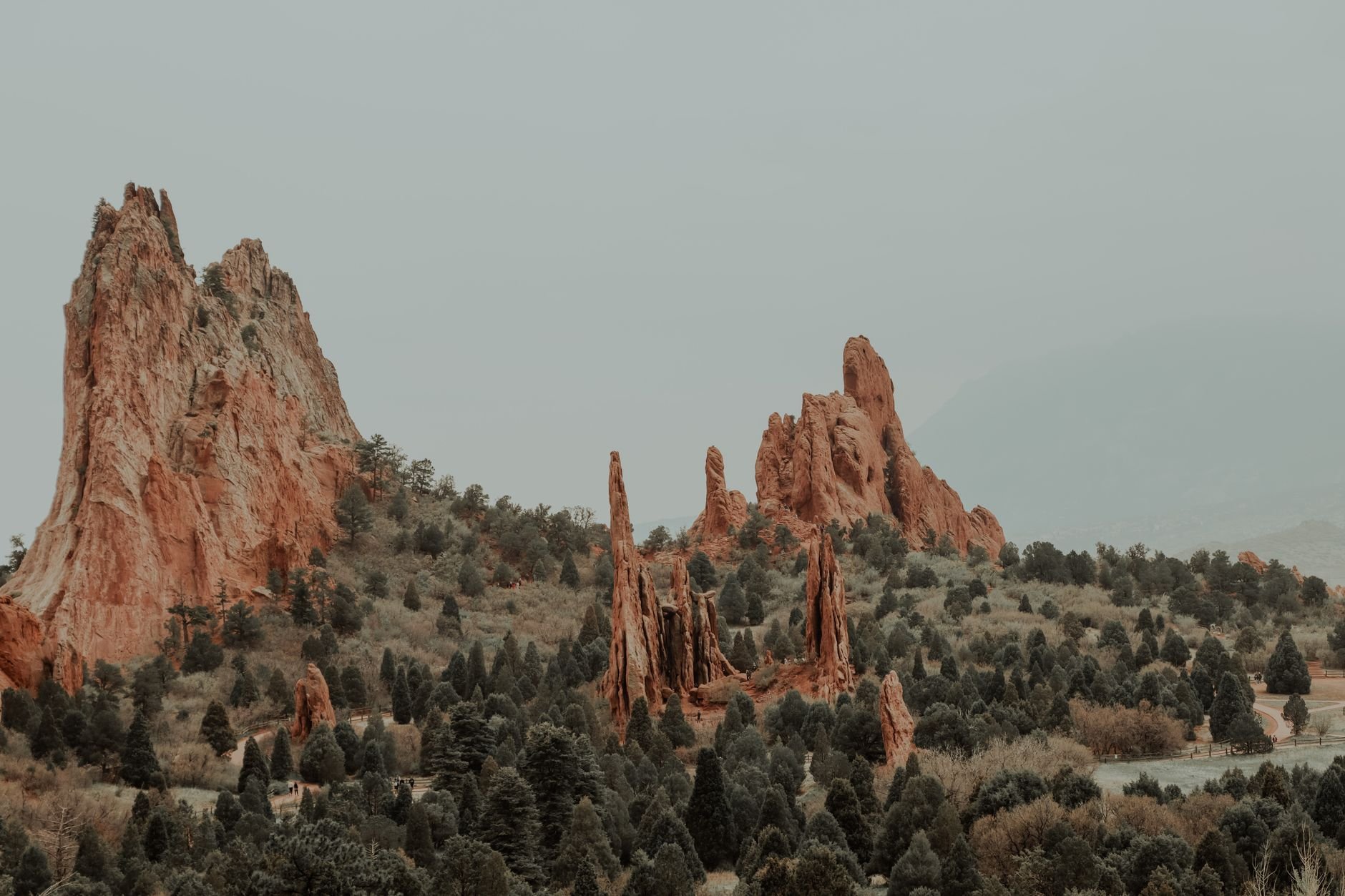
Start the morning at Garden of the Gods, walking the Central Garden Trail for sweeping views of the red rock formations. In the afternoon, head to Manitou Springs to explore the quirky shops, sip from the natural mineral springs, and grab lunch along Manitou Avenue. End the evening downtown Colorado Springs with dinner and drinks in the Old Colorado City neighborhood.
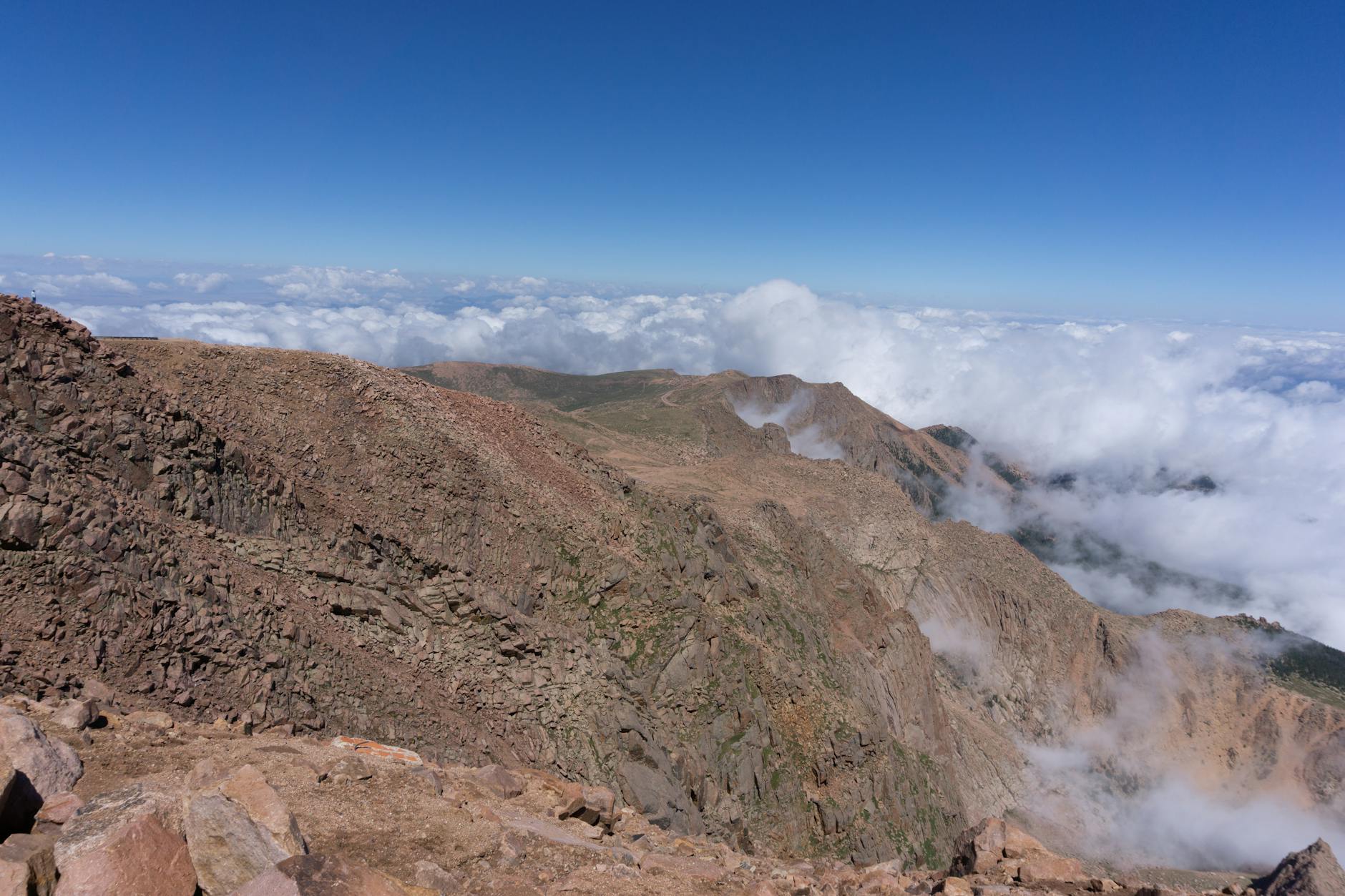
Dedicate the morning to Pikes Peak - drive or take the Pikes Peak Cog Railway from Manitou Springs to the 14,115-foot summit for breathtaking Rocky Mountain views. Back in the afternoon, visit the Cheyenne Mountain Zoo for a uniquely elevated wildlife experience. Wrap up the evening with dinner at The Broadmoor resort area, soaking in the mountain ambiance.
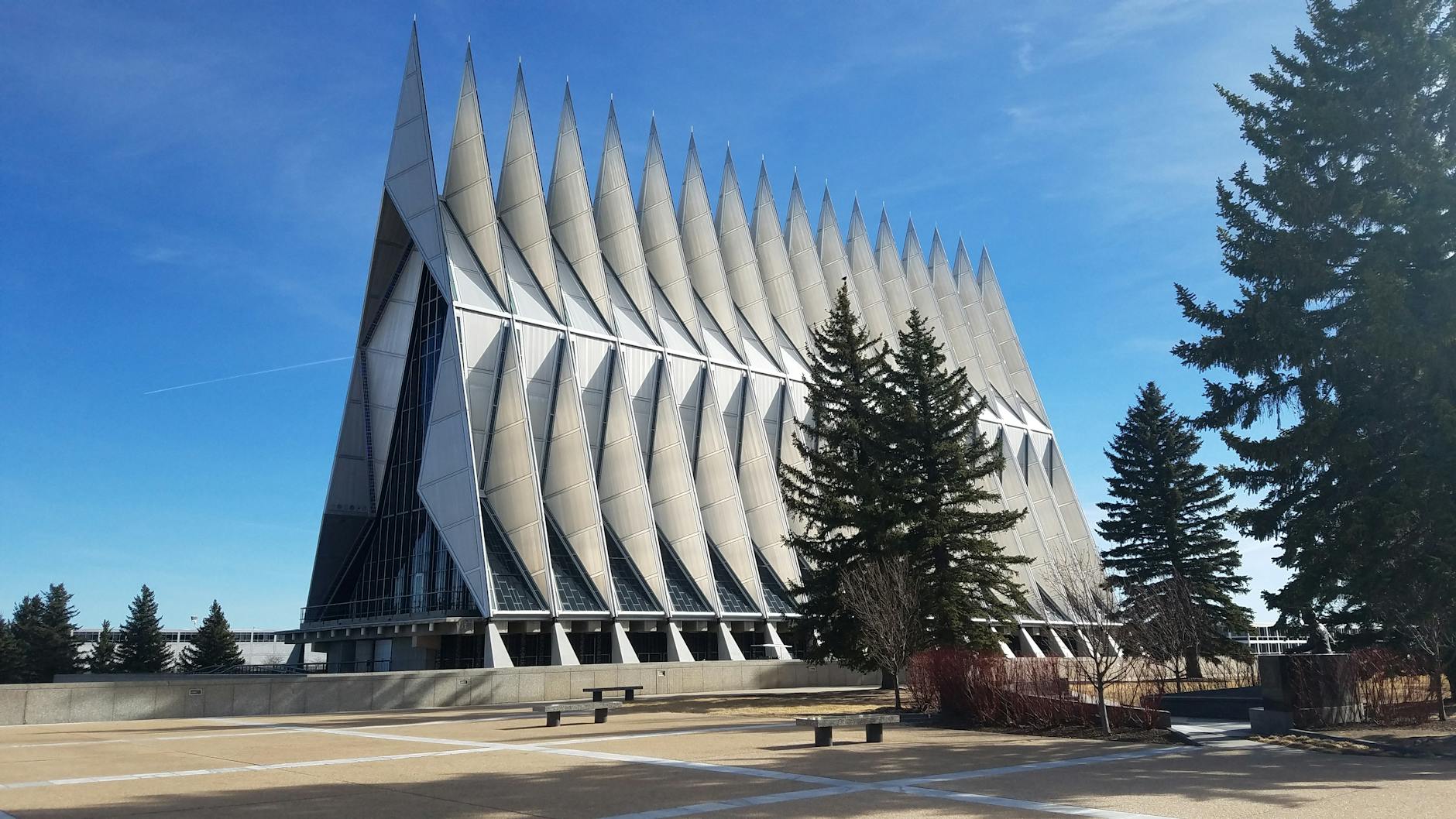
Spend the morning touring the United States Air Force Academy campus, including the iconic Cadet Chapel. In the afternoon, explore the Colorado Springs Fine Arts Center at Colorado College and browse the downtown gallery scene. Close out your trip with a sunset walk along the Pikes Peak Greenway Trail followed by a farewell dinner in the vibrant downtown core.
Colorado Springs moves to a rhythm shaped by its mountain setting, military heritage, and outdoor culture. Spring arrives with the annual Wine Festival of Colorado Springs, a sign that the social season is warming up alongside the temperatures. As the city shakes off winter, Territory Days on Memorial Day weekend transforms Old Colorado City into a sprawling street festival celebrating the region's frontier past, drawing tens of thousands of visitors to its outdoor stages and artisan vendors.

Jul 30, 2026
Colorado Springs has developed a dining scene that reflects its personality: unpretentious, ingredient-driven, and shaped by the outdoor culture that defines daily life here. The city sits at the crossroads of Colorado's agricultural bounty and its craft beverage movement, and both influences show up clearly on local menus. Green chile, whether smothered over breakfast burritos or ladled onto burgers, is the region's defining flavor, rooted in the culinary traditions of the broader Southern Colorado and New Mexico corridor.
Colorado Springs Airport (COS) offers direct flights from major hubs including Dallas, Phoenix, and Los Angeles,
making it the most convenient arrival point for visitors, located about 8 miles east of downtown with rental cars, rideshare, and taxis readily available.
Denver International Airport (DEN), roughly 80 miles north via I-25,
is worth considering for travelers with flexible schedules, as it offers far more routes and often lower fares, with a drive of about 75 to 90 minutes to downtown Colorado Springs.
I-25 is the primary highway corridor into Colorado Springs,
running directly through the city and connecting it to Denver to the north and Pueblo to the south, making it the most straightforward driving route from most directions.
Amtrak's Thruway bus connection from Denver's Union Station
provides a car-free option for travelers arriving by train, linking the Denver Amtrak station to Colorado Springs without requiring a rental car.
Greyhound and FlixBus both operate intercity bus routes between Denver and Colorado Springs,
offering a budget-friendly alternative for travelers coming from Denver or other Front Range cities, with drop-off points near downtown Colorado Springs.
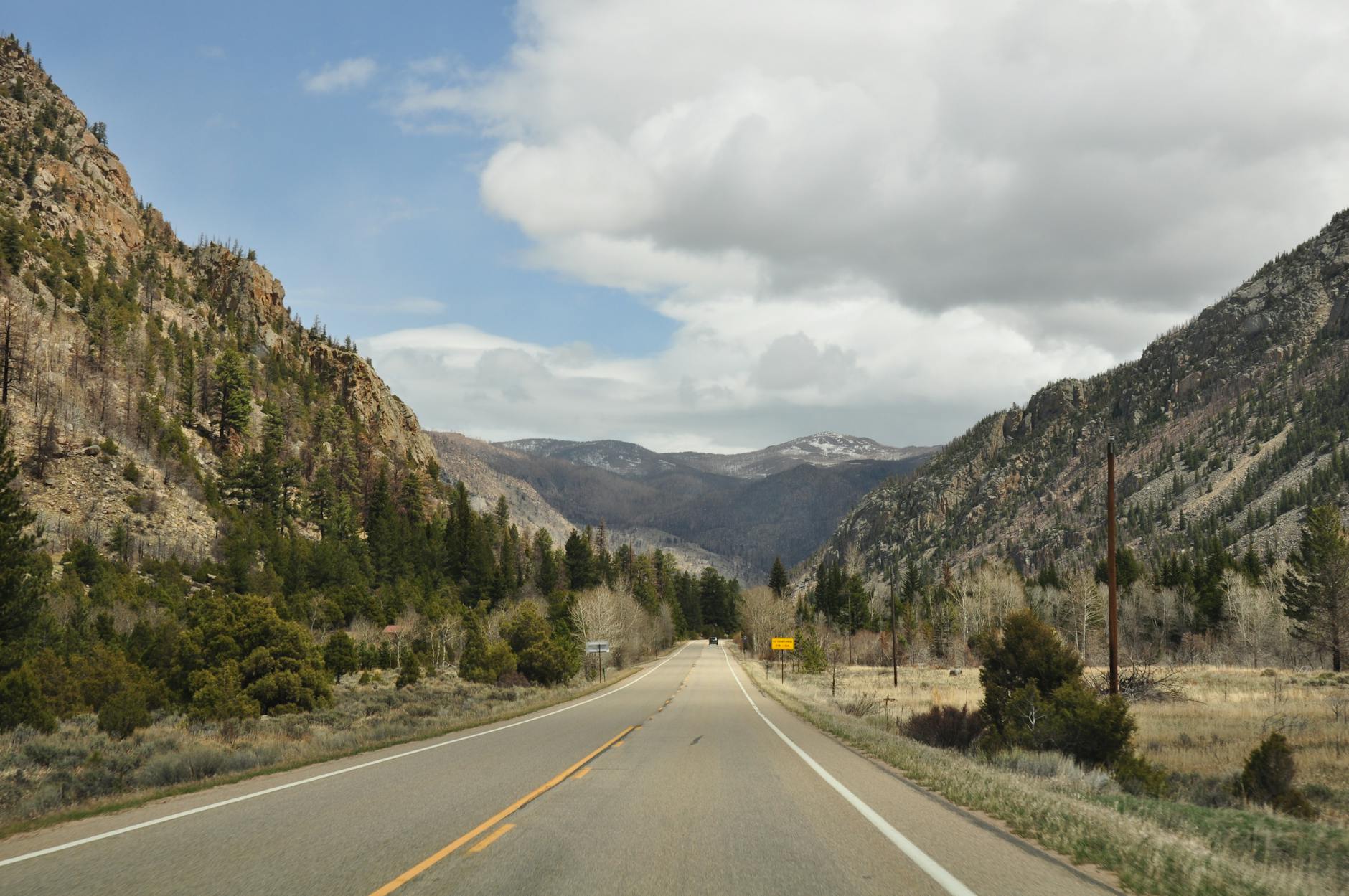
Garden of the Gods, Cheyenne Mountain State Park, and the Pikes Peak Highway are all spread well outside downtown,
making a rental car the most practical choice for any itinerary that includes these major attractions, as public transit does not serve them effectively.
Mountain Metropolitan Transit (Mountain Metro) runs bus routes across Colorado Springs,
but service frequency is limited and routes are not oriented toward visitor destinations, so it works best as a supplement rather than a primary way to get around.
Downtown Colorado Springs and Old Colorado City are the most walkable districts,
with restaurants, galleries, and shops concentrated within a few compact blocks, making them easy to explore on foot once you have parked or been dropped off.
Uber and Lyft operate reliably throughout Colorado Springs,
and are a convenient option for evening trips between downtown restaurants and hotels, though surge pricing can occur on busy summer weekends and during major events.
Parking in Colorado Springs is generally straightforward and affordable,
with free or low-cost street and lot parking widely available outside the immediate downtown core, and most trailheads and state parks charging a modest day-use fee.

Colorado Springs sits at an elevation of roughly 6,000 feet, and altitude effects are real: drink extra water, limit alcohol on your first day, and pace yourself on hikes, especially if arriving from sea level. Sunscreen is essential year-round due to the high-altitude UV intensity. Summer afternoons bring frequent afternoon thunderstorms, particularly on Pikes Peak and exposed ridgelines - start hikes early and plan to be off summits by noon. Book Pikes Peak Cog Railway tickets and popular trail permits well in advance for summer visits, as they sell out weeks ahead. Tipping follows standard US norms: 18 to 20 percent at restaurants, a few dollars for rideshare drivers. Most businesses are cashless-friendly, but carry some cash for smaller trailhead vendors. The Mountain Metro Transit app and Google Maps both work well for navigating bus routes if needed. Cell coverage is strong in the city but can be patchy on mountain roads and backcountry trails.
Three to four days is ideal for Colorado Springs. That gives you enough time to hike Garden of the Gods, drive or cycle the Pikes Peak Highway, visit Cheyenne Mountain Zoo, and explore downtown. If you plan to day-trip to Manitou Springs or Royal Gorge Bridge and Park, budget an extra day or two.
Colorado Springs is best known for Pikes Peak, one of North America's most iconic summits, and Garden of the Gods, a stunning park of dramatic red rock formations. The city is also recognized for its major military presence, including the U.S. Air Force Academy and NORAD, and for The Broadmoor, one of the country's premier luxury resorts.
Yes, Colorado Springs works well as a weekend destination. Two days is enough to cover highlights like Garden of the Gods, a Pikes Peak drive, and downtown. It sits just over an hour south of Denver via I-25, making it an easy road trip add-on or a standalone weekend getaway for travelers based anywhere along the Front Range.
Colorado Springs is moderately priced compared to many major U.S. destinations. Many top attractions, including Garden of the Gods, are free. Costs rise if you stay at luxury resorts like The Broadmoor or add paid activities such as the Pikes Peak Highway toll road. Budget-friendly lodging and dining options are widely available throughout the city.
Late spring through early fall, roughly May to September, offers the best weather for outdoor activities and sightseeing. Summer brings warm days and peak trail conditions, though afternoon thunderstorms are common at higher elevations.