
Baltimore, MD
A Journey guide to
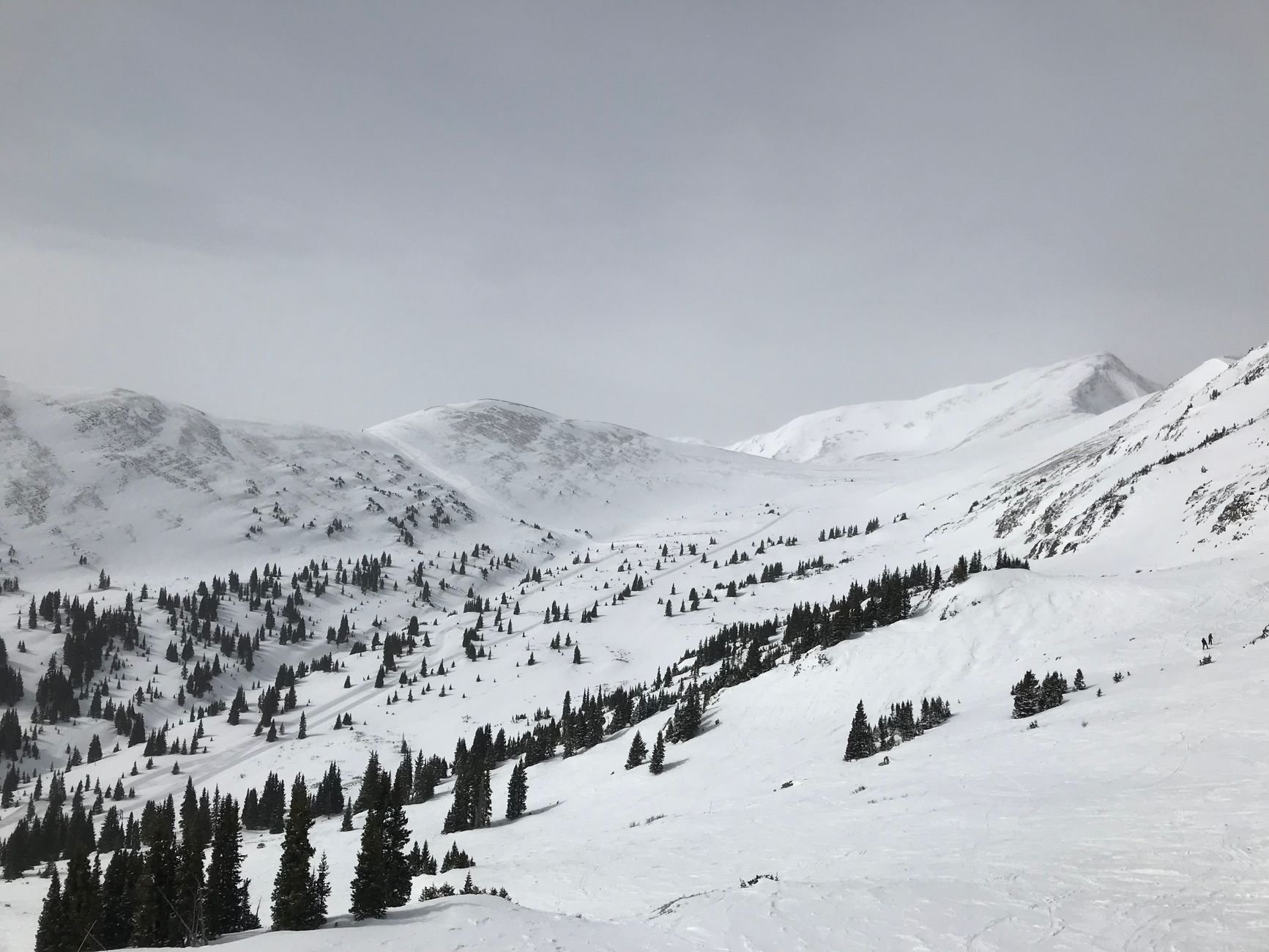
Copper Mountain is one of Colorado's most celebrated ski resorts, renowned for terrain that naturally separates by ability level — a rare geographic gift that makes it equally appealing to beginners finding their footing and expert skiers chasing steep chutes. The mountain's 2,465 acres of skiable terrain span three distinct faces: East Village for advanced and expert runs, Center Village for intermediate cruisers, and Union Creek for beginners. That natural progression is Copper's defining feature and a major draw for families and groups of mixed ability.
Beyond the slopes, Copper Mountain functions as a self-contained alpine village. The pedestrian-friendly base area is compact and walkable, with ski-in/ski-out lodging, restaurants, and retail clustered tightly around the lifts. It lacks the glitz of Vail or the celebrity scene of Aspen, and that is precisely the point. Copper attracts travelers who prioritize the mountain itself over the aprés-ski spectacle — skiers and riders who want access, value, and terrain over flash.
Summer transforms Copper into a hub for mountain biking, hiking, and high-altitude trail running. The resort's lift-served bike park draws riders from across the region, and the surrounding White River National Forest opens up hundreds of miles of backcountry trails. Copper also sits adjacent to the Tenmile Range, offering some of the most accessible high-alpine hiking in Summit County.
Copper Mountain appeals to a particular kind of mountain traveler: one who values authenticity over status, terrain over scene, and efficiency over extravagance. It draws serious skiers, active families, and outdoor enthusiasts who want a genuine Rocky Mountain experience without the resort-town markup. Its position along I-70 makes it one of the most accessible major ski areas from Denver, adding a practical appeal that keeps it consistently popular.




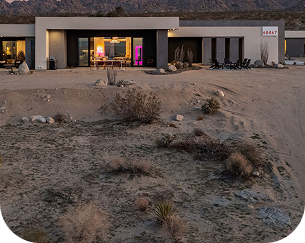

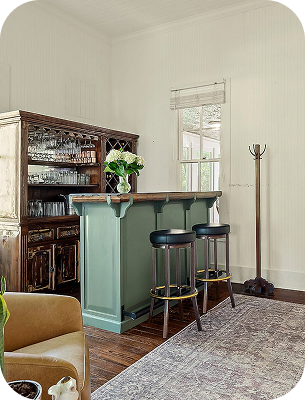

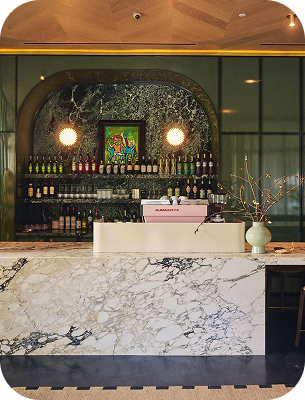

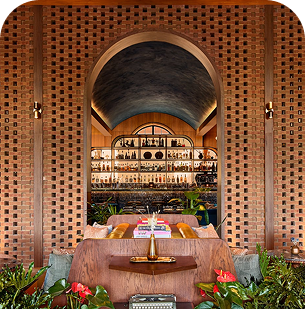



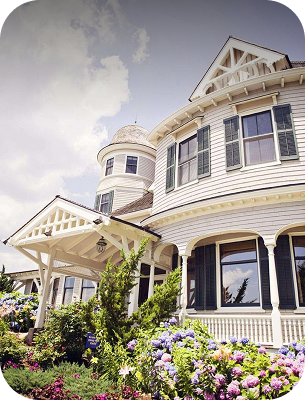

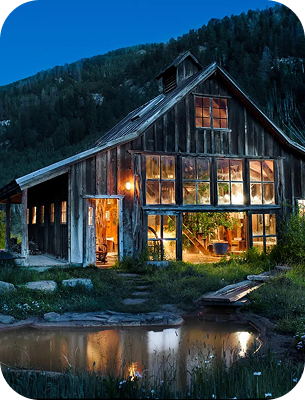

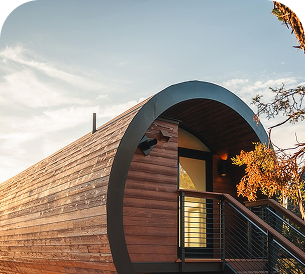

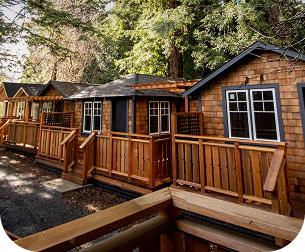

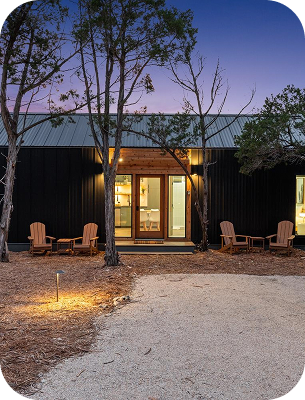

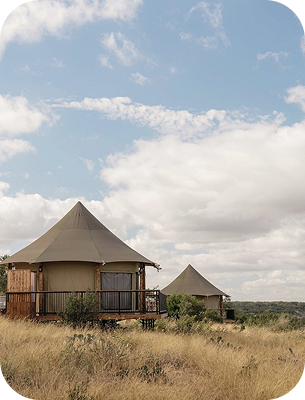

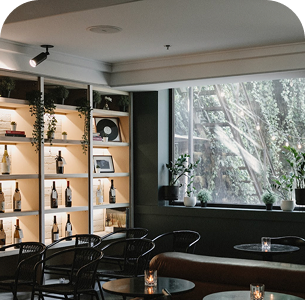

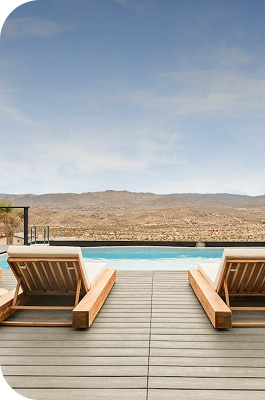

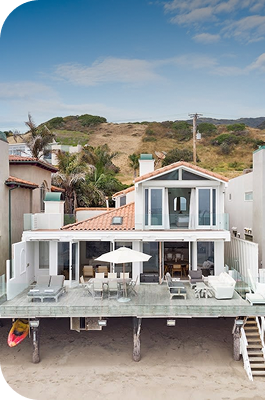

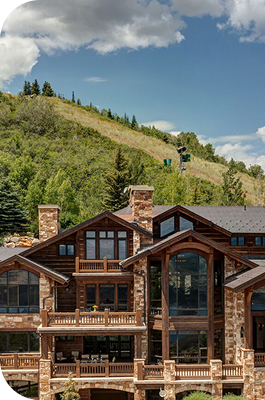



Journey connects travelers to a curated network of boutique hotels and distinctive residences around the world, all united under one rewards program. Explore handpicked stays for your trip while earning points, unlocking exclusive offers, and receiving rewards across the Journey collection.
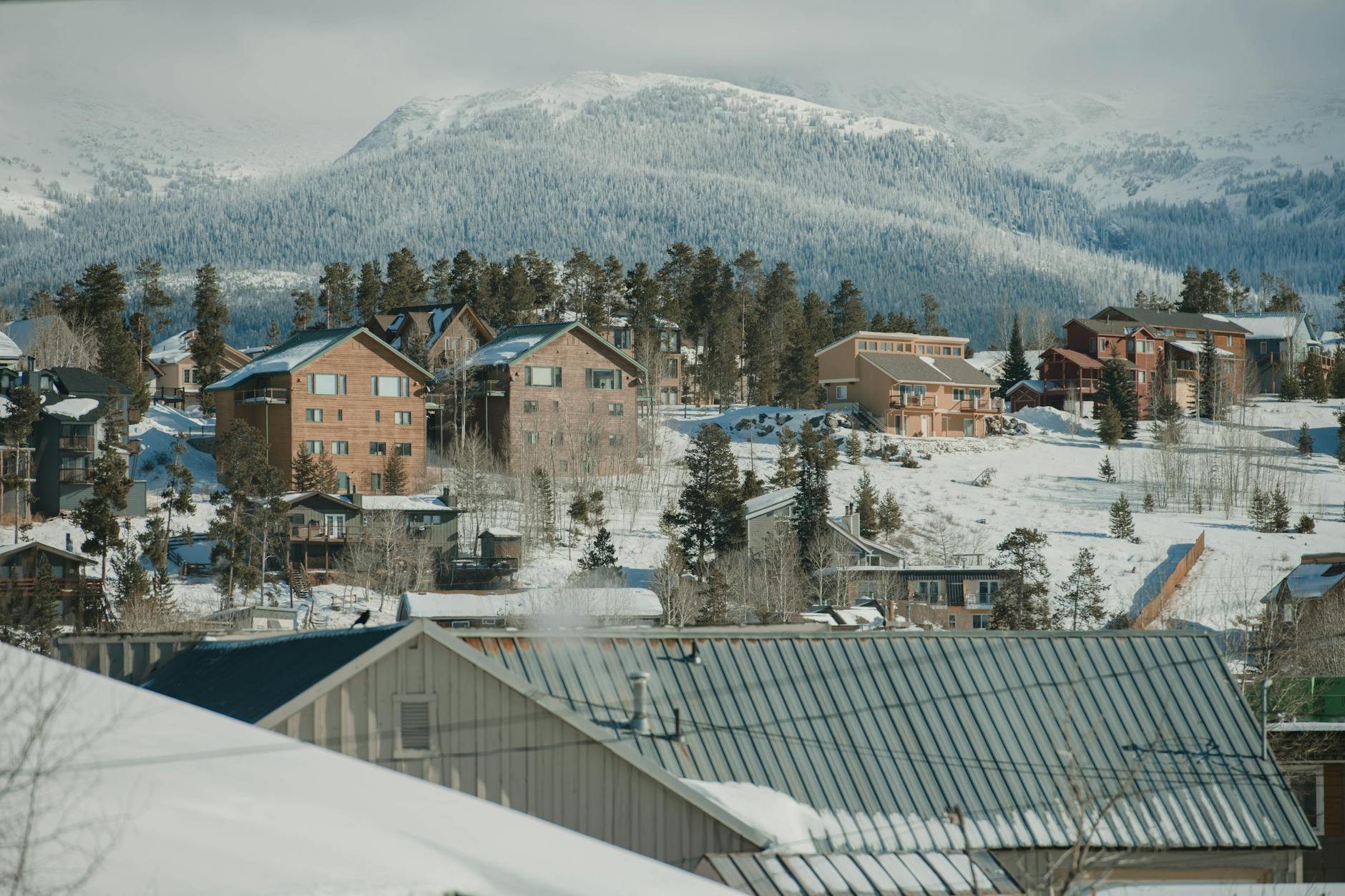
Copper Mountain sits at approximately 9,712 feet in Summit County, Colorado, nestled within the Tenmile Range of the Rocky Mountains. The resort occupies a natural bowl carved by glacial forces, with the Tenmile Creek valley running along its base and the Continental Divide forming a dramatic ridgeline backdrop. Its position along Interstate 70, roughly 75 miles west of Denver, places it squarely in the heart of Colorado's mountain corridor — a stretch of peaks and passes that defines the state's outdoor identity.
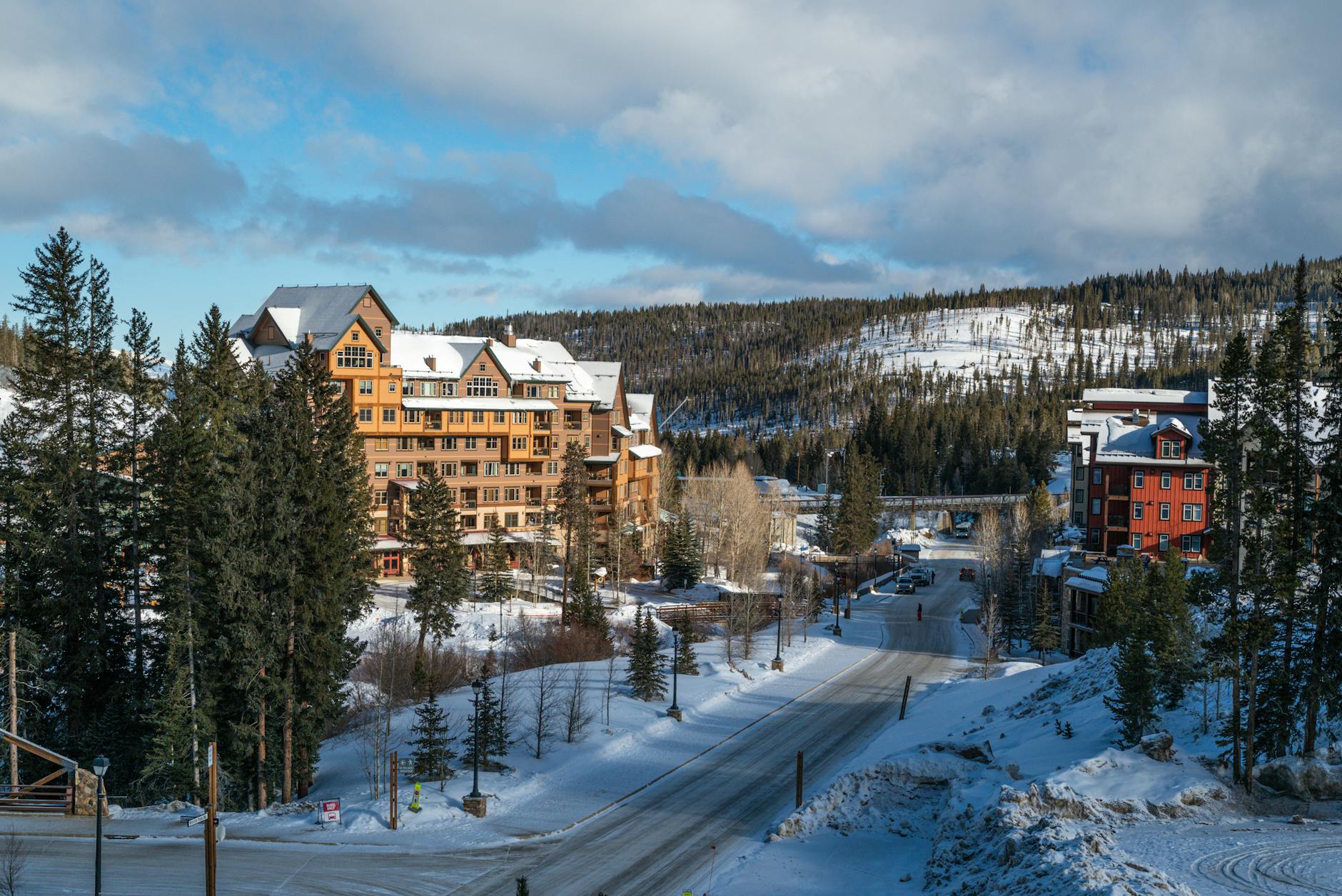
The destination is not a historic mining town like nearby Breckenridge or a Victorian-era railroad hub like Georgetown. Copper Mountain was purpose-built as a ski resort, opening in 1972, and its character reflects that origin. The base village is modern and functional, designed around lift access and pedestrian flow rather than around a pre-existing community. What it lacks in historic Main Street charm it compensates for with cohesion — everything at Copper is oriented toward the mountain.
Summit County provides the broader cultural and geographic context. Copper sits within one of the highest-elevation counties in the United States, sharing a regional identity with Breckenridge, Keystone, and Arapahoe Basin. The county's year-round population is small, but the influx of visitors during ski season and summer transforms it into one of Colorado's most active outdoor recreation zones. Frisco, the nearest full-service town, is just a few miles away and offers additional dining, lodging, and access to the Dillon Reservoir.
The travel atmosphere at Copper Mountain is relaxed and outdoors-focused. There is no pretense here. Guests come to ski, ride, hike, or bike, and the resort infrastructure supports those pursuits directly. The village hums with activity during peak periods but never feels overwhelming. For travelers who want a Colorado mountain experience grounded in terrain and access rather than luxury branding, Copper Mountain delivers with quiet confidence.
Choosing when to visit Copper Mountain depends largely on what kind of experience you are after, as the resort shifts character dramatically between its winter ski season and its summer outdoor recreation window.
For skiing and snowboarding, mid-January through mid-March is the sweet spot. The mountain has typically built up a deep snowpack by this point, crowds are more manageable than during the holiday rushes, and the full lift network is generally operational. The weeks between Christmas and New Year's Day and the President's Day weekend in February are the busiest periods of the ski season, with lift lines, lodging prices, and base village congestion all peaking. Skiers who can travel in early January or late February will find the same terrain with noticeably fewer people and better rates on accommodations.
Spring skiing from late March through closing day in April draws a laid-back crowd looking for long sunny laps and a festive end-of-season atmosphere. Terrain options narrow as the season winds down, but the vibe is relaxed and prices drop considerably.
Summer is ideal for mountain bikers and hikers. The lift-served bike park typically opens in late June, and trail conditions in the surrounding White River National Forest peak through July and into August. This is also the quietest period for the resort overall, making it a strong choice for travelers who want access to high-alpine terrain without the winter crowds.
Fall, from mid-September through mid-October, offers arguably the most scenic window of the year. The aspen groves surrounding Copper turn vivid gold, hiking trails are uncrowded, and the mountain has a peaceful, between-seasons quality. Travelers who prioritize scenery and solitude over resort amenities will find fall especially rewarding before the ski season ramps up again in late November.
The heart of Copper Mountain, Center Village is the resort's main hub where lifts, lodging, restaurants, and retail converge in a compact, walkable layout. It serves intermediate skiers and riders during winter and transforms into a lively gathering place for summer events and outdoor concerts. The pedestrian plaza buzzes with activity from first chair to last call.
East Village is the domain of advanced and expert skiers, sitting at the base of Copper's most demanding terrain including steep chutes and mogul fields. The atmosphere here is quieter and more focused, attracting serious riders who want direct access to challenging runs without the crowds of Center Village. A handful of lodging options make it a preferred base for those who prioritize terrain over amenities.
Union Creek occupies the western edge of the resort and serves as Copper's dedicated learning area, with gentle slopes and a calm, family-friendly atmosphere. It is the natural starting point for beginners and young skiers, with ski school operations and wide-open runs that build confidence. In summer, the area connects to hiking and biking trails that wind through the surrounding White River National Forest.
When the snow melts, the mountain's lift-served bike park becomes a destination in its own right, drawing riders from across the Rocky Mountain region to its network of flow trails, jump lines, and technical descents. The park operates out of the Center Village base area and offers rentals and instruction for all skill levels. It represents Copper's summer identity as clearly as the ski runs define its winter character.
Copper Mountain is built around one defining promise: terrain that works for everyone, naturally. Unlike most resorts where ability levels are scattered across the mountain, Copper's geography does the sorting automatically. Beginners gravitate toward Union Creek on the western side, intermediate skiers find their rhythm on the groomed cruisers through Center Village, and advanced and expert skiers push into the steep, challenging runs of East Village and the high-alpine bowls above. That natural separation is not a marketing claim — it is a genuine feature of the mountain's layout, and it is what makes Copper the resort of choice for families and groups with mixed abilities.
For serious skiers and riders, the East Village terrain is the main event. Steep chutes, tree lines, and access to Spaulding Bowl offer a level of challenge that rivals far more expensive resorts. The consistent snowpack and high-altitude base elevation — over 9,700 feet — mean reliable conditions throughout the season.
Summer at Copper has its own signature draw: the lift-served bike park. Downhill and flow trails accessed by chairlift draw mountain bikers from across Colorado and beyond, and the surrounding Tenmile Range opens up high-alpine hiking routes that reach well above treeline. The combination of lift-accessed descents and backcountry-adjacent trails makes Copper a legitimate summer mountain destination, not just an off-season afterthought.
The resort's compact, pedestrian-friendly base village adds a practical kind of charm. Everything — lodging, dining, lifts, and retail — sits within a short walk. There is no shuttle dependency, no sprawl, and no wasted time. For travelers who want to maximize time on the mountain rather than navigating a resort town, that efficiency is itself a signature feature of the Copper Mountain experience.
Copper Mountain delivers a full spectrum of mountain activities across every season, anchored by its world-class ski terrain and surrounded by the vast trails and peaks of Summit County.
Outdoor Recreation
The mountain is the centerpiece. With 2,465 acres of skiable terrain spread across three distinct faces, Copper offers skiing and snowboarding for every ability level — from gentle beginner slopes at Union Creek to expert chutes and glades on the East Village side. In summer, the resort pivots to a lift-served mountain bike park, trail running, and hiking, with access to the Tenmile Range and White River National Forest just beyond the base area. Nearby trailheads including Miners Creek Trail Head, Mayflower Gulch Trail, and Ten Mile Creek Trailhead connect hikers and trail runners to high-alpine terrain within minutes of the village.
Scenic Exploration
The landscape around Copper Mountain is defined by dramatic high-alpine scenery. Spaulding Bowl and Officer's Gulch offer accessible backcountry-adjacent terrain, while Tenderfoot Scenic Overlook near Dillon provides sweeping views of the reservoir and surrounding peaks. Mesa Cortina Wilderness Open Space adds another dimension for those seeking quieter, forested routes.
Arts and Entertainment
Copper Mountain's base village hosts live music events, outdoor festivals, and seasonal programming throughout the year. Hidden Table Games in nearby Silverthorne offers an indoor entertainment option for off-mountain evenings, and Hit Ballz Golf Studios provides year-round entertainment for groups.
Food and Dining
The base village clusters a range of dining options within easy walking distance of the lifts. From casual après-ski spots to sit-down restaurants, the dining scene is compact and convenient. Bird Craft in Frisco and Bar Down Tavern in Breckenridge are popular regional options for travelers exploring beyond the resort.
Start with a morning ski warm-up on Center Village's intermediate groomed runs to find your legs. By midday, push into East Village for steeper terrain on runs like Resolution and Spaulding Bowl. Fuel up at Incline Bar and Grill for lunch. Spend the afternoon lapping Storm King or Enchanted Forest glades, then wind down with dinner and drinks at Endo's Adrenaline Cafe in the base village.
Head to Union Creek first thing for a few mellow morning runs, perfect for easing into the day or accompanying beginners in your group. After lunch at Storm King Burger, take the American Flyer lift up for long cruising laps on Roundabout and Carefree. As the afternoon light shifts, explore the Tenmile Range views from the summit. End the evening at Endo's or grab pizza at Mountain Munchies.
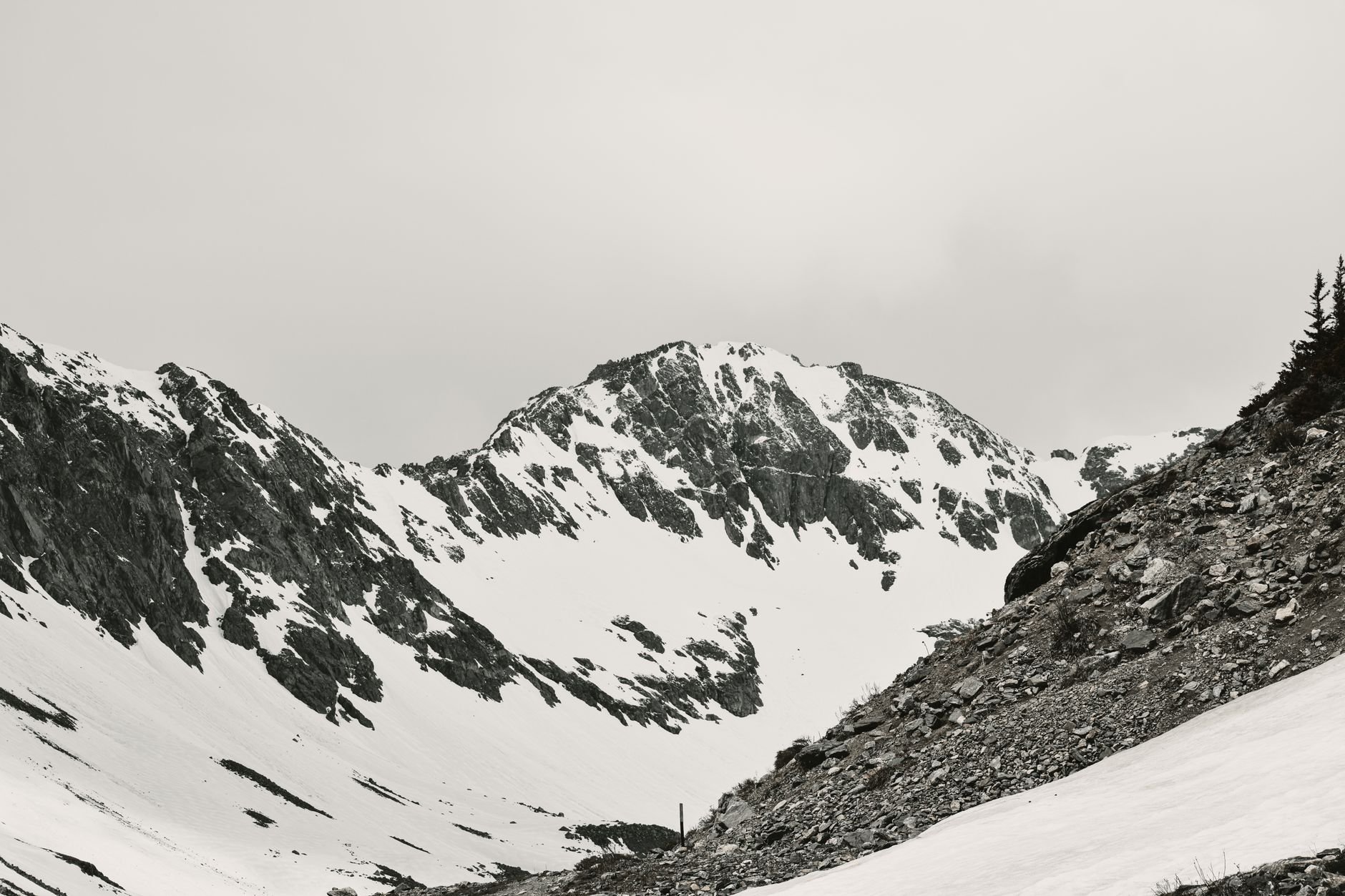
On your final morning, hit the mountain early before crowds build - target Super Bee lift for top-to-bottom runs on Copper's widest open terrain. After a midday break at the base village, rent fat bikes or snowshoes for an afternoon explore around the resort perimeter. Wrap up the trip with a hearty dinner at Eleven Restaurant inside the Eleven by Westin, toasting the Tenmile Range views.
Copper Mountain's calendar reflects its dual identity as a world-class ski resort in winter and an active mountain playground in summer. The rhythm of the year is shaped by snow conditions, seasonal transitions, and a community that genuinely loves the outdoors.
Dining at Copper Mountain reflects the resort's no-nonsense character - the food is built around fueling mountain days rather than impressing critics, but that does not mean it lacks personality. The culinary scene is compact and concentrated in Center Village, with a range of options that covers everything from quick slope-side refueling to relaxed sit-down dinners after a long day on the mountain.
Denver International Airport (DEN) is the primary gateway for most visitors,
located about 75 miles east of Copper Mountain with rental cars, rideshares, and dedicated mountain shuttles all available at the terminal.
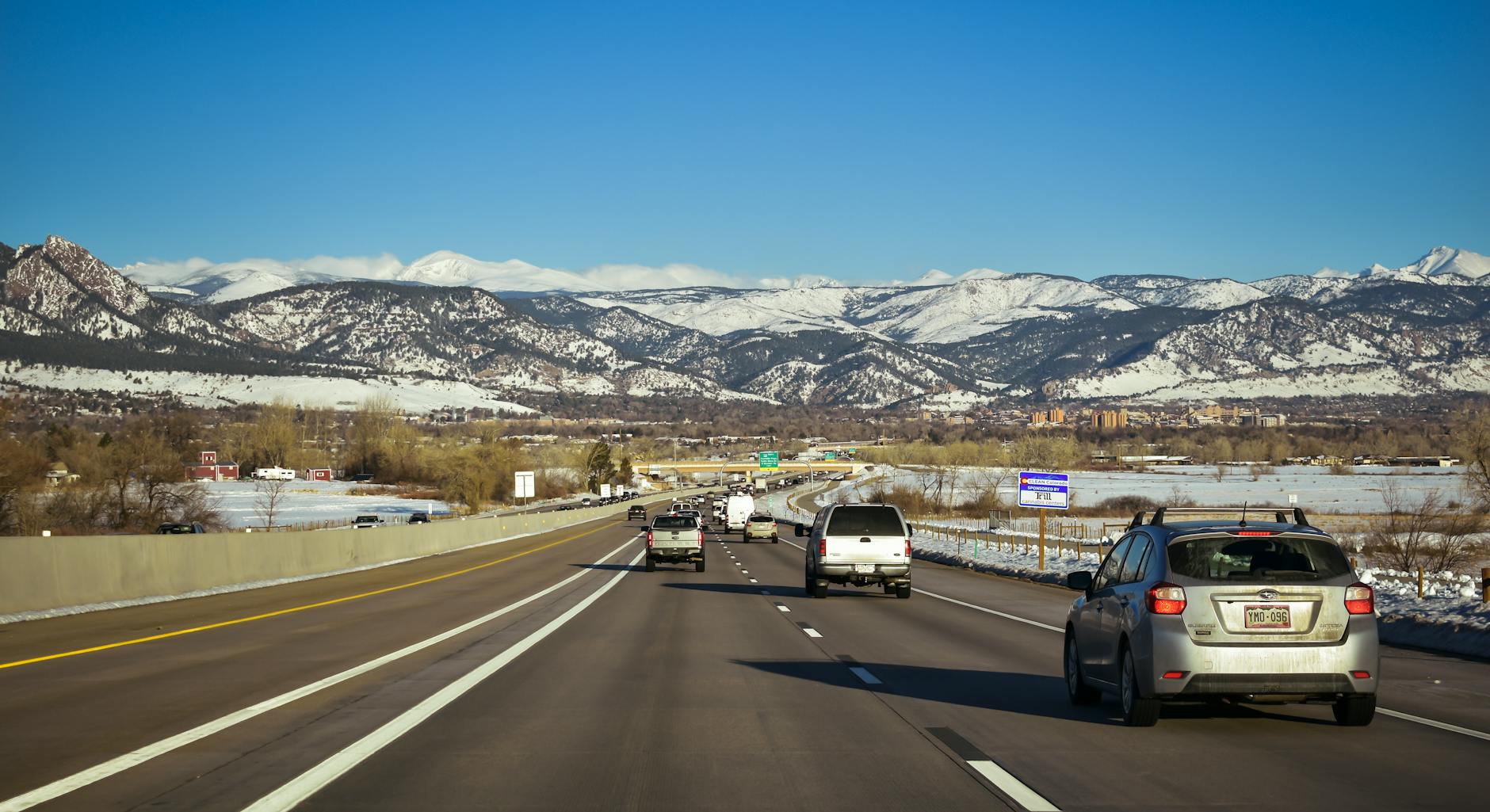
Interstate 70 westbound to Exit 195 is the direct driving route from Denver,
covering roughly 75 miles in 1.5 to 2 hours under normal conditions, though Friday afternoon and Sunday evening traffic can stretch that considerably.
Colorado Mountain Express and Resort Express run daily shuttle service between DEN and Copper Mountain,
making them a practical alternative to renting a car, especially for travelers who plan to stay on-mountain for their entire trip.
Eagle County Regional Airport (EGE) in Vail is a closer option for some travelers,
sitting about 40 miles west of Copper Mountain and offering seasonal nonstop flights from major hubs during ski season.
Carrying chains or having an AWD or 4WD vehicle is strongly recommended for winter driving on I-70,
as Colorado law requires traction devices during certain road conditions and closures can occur with little warning during heavy snowstorms.
The free Copper Mountain shuttle loops continuously between Center Village, East Village, and Union Creek,
making it the easiest way to move between the resort's three base areas without touching a car during your stay.
Center Village is the most walkable hub on the mountain,
with lodging, restaurants, rental shops, and lift access all within a few minutes on foot, so many guests never need transportation beyond their own two feet.
Summit Stage, Summit County's free regional bus system,
connects Copper Mountain to Frisco, Breckenridge, Keystone, and other nearby towns, making day trips around the county easy without a rental car.
Rideshare options like Uber and Lyft are available but can be unreliable and expensive at Copper Mountain,
so plan around the free shuttle and Summit Stage rather than counting on app-based rides, especially during peak ski weekends.
Purchase lift tickets online in advance - walk-up window prices at Copper Mountain are significantly higher than advance rates, and popular days can sell out. If you hold an Ikon Pass, Copper Mountain is an Ikon partner resort, so confirm your pass tier and reservation requirements before arriving. Altitude is a real factor at Copper Mountain, which sits above 9,700 feet at the base and climbs to over 12,300 feet at the summit - drink extra water, limit alcohol on your first day, and give yourself time to acclimate. Layers are essential year-round; mountain weather shifts quickly even in summer. For dining and rentals, booking ahead during peak season saves time and often money. The resort uses a cashless system in many locations, so a card is more useful than cash. Cell service can be spotty on the upper mountain, so download trail maps offline before heading out.
Three to four days is the sweet spot for most visitors. That gives you enough time to explore the mountain's three distinct terrain zones - East Village, Center Village, and Union Creek - without rushing. Skiers who want to dig into expert terrain or hit the summer bike park trails may want to extend to five or six days to fully experience the 2,465 acres.
Copper Mountain is best known for its naturally divided terrain - a rare geographic feature where beginner, intermediate, and expert runs fall on separate faces of the mountain without artificial separation. It is also recognized for its compact, pedestrian-friendly base village, strong value relative to other Colorado resorts, and a lift-served mountain bike park that draws riders in summer.
Yes - Copper Mountain works well as a weekend destination, especially from Denver, which is roughly 75 miles away via I-70. The compact base area means no time is wasted getting around, and two days gives you a solid taste of the skiing or summer trails. It is one of the most accessible major ski areas from the Front Range.
Copper Mountain is more affordable than neighboring resorts like Vail or Aspen. Lift tickets, lodging, and dining are generally priced lower than the region's flashier destinations. The ski-in/ski-out base area keeps costs manageable since everything is walkable. Budget-conscious travelers find it one of the better value options among major Colorado ski resorts.
For skiing, mid-January through March offers the most reliable snow conditions and the fullest terrain access. Summer visitors should aim for July through early September for hiking, mountain biking, and trail running in the White River National Forest and surrounding Tenmile Range.