
Baltimore, MD
A Journey guide to
Bowling Green is a small, unhurried city in Hardee County, tucked into the agricultural heartland of central Florida. Far removed from the theme parks and coastal resorts that define the state in popular imagination, it offers a grounded, authentic slice of old Florida — one shaped by cattle ranching, citrus farming, and tight-knit community life. Travelers who seek the real rural South will find it here.
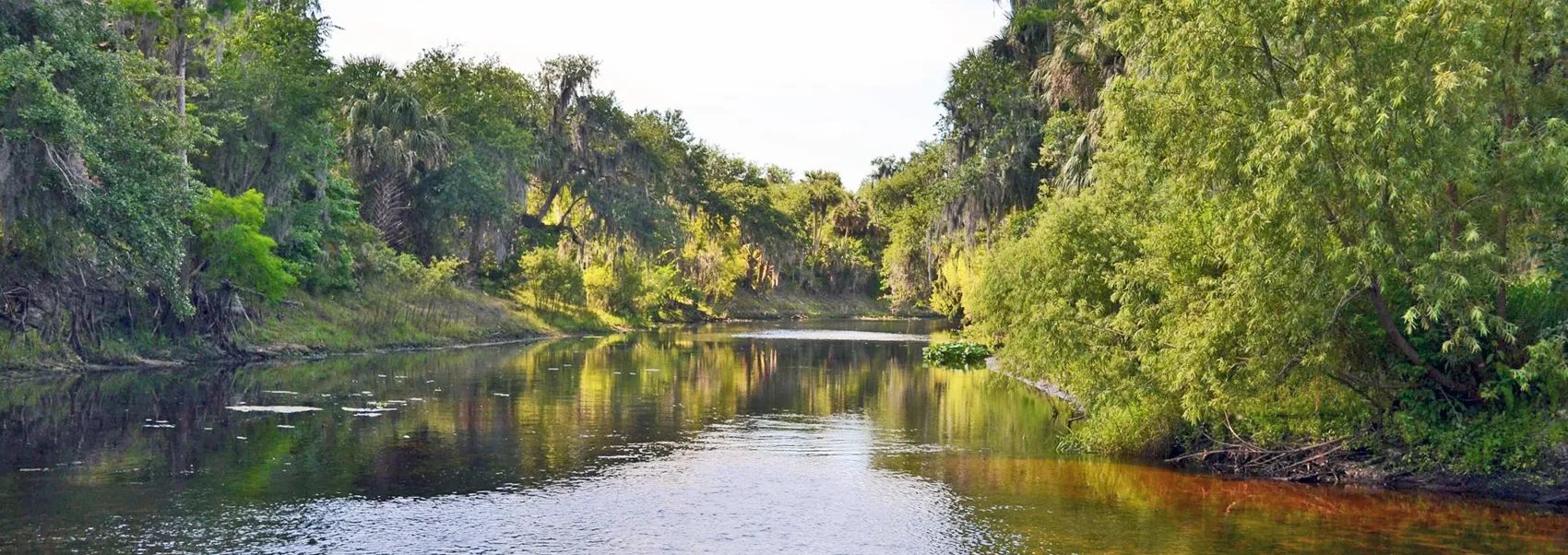
The city sits along the Peace River corridor, a region prized by paddlers, anglers, and fossil hunters. The Peace River is one of Florida's most productive sites for finding prehistoric shark teeth and megalodon fossils, drawing enthusiasts from across the country. Nearby Paynes Creek Historic State Park preserves the site of a 19th-century frontier trading post and offers quiet trails and creek-side paddling in a landscape largely unchanged for generations.
Bowling Green attracts a particular kind of traveler: those drawn to slow travel, heritage tourism, and outdoor recreation without the crowds. The surrounding Hardee County landscape is defined by open pastureland, working cattle ranches, and groves that have anchored the local economy for over a century. It is a place where Florida's agricultural identity is not a backdrop but the main story.
For those exploring the broader Peace River Valley or making their way between Tampa and Lake Okeechobee, Bowling Green serves as an honest, welcoming waypoint. Its modest downtown retains a small-town character, and the surrounding countryside rewards those willing to slow down, explore back roads, and engage with a Florida that exists well beyond the tourist trail.
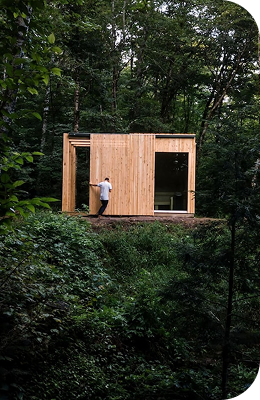





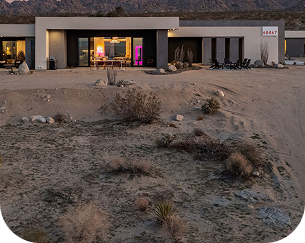









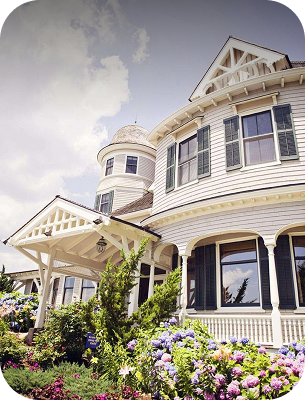

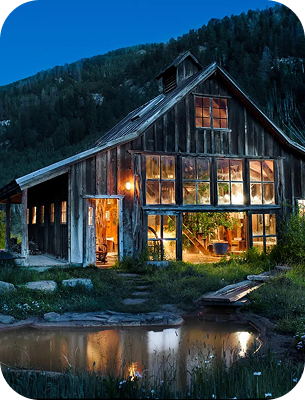

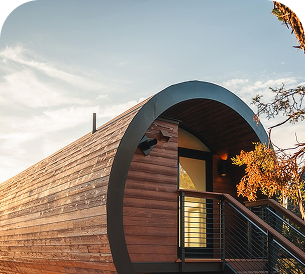

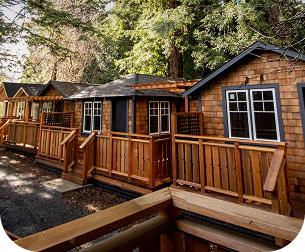

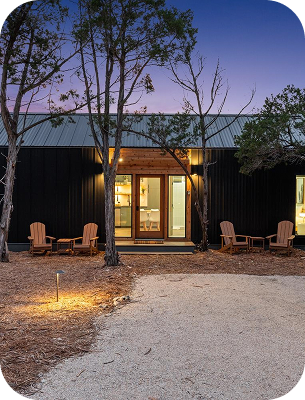













Journey connects travelers to a curated network of boutique hotels and distinctive residences around the world, all united under one rewards program. Explore handpicked stays for your trip while earning points, unlocking exclusive offers, and receiving rewards across the Journey collection.
Bowling Green occupies a quiet corner of Hardee County in central Florida's interior, positioned roughly midway between Tampa to the northwest and Lake Okeechobee to the southeast. The city sits at a modest elevation above the surrounding flatlands, bordered by the Peace River watershed that has long defined the region's ecology and economy. This is not coastal Florida — there are no beaches, no high-rises, and no theme park corridors. Instead, the landscape is one of open pastures, scattered oaks, and working groves that stretch to the horizon.
The city was incorporated in the late 19th century and grew steadily alongside the expansion of Florida's phosphate mining and citrus industries. Hardee County became one of the state's leading citrus producers, and Bowling Green developed as a local commercial and civic center serving the surrounding agricultural community. That heritage remains visible today in the rhythm of daily life, the land use patterns, and the pride residents take in their working landscape.
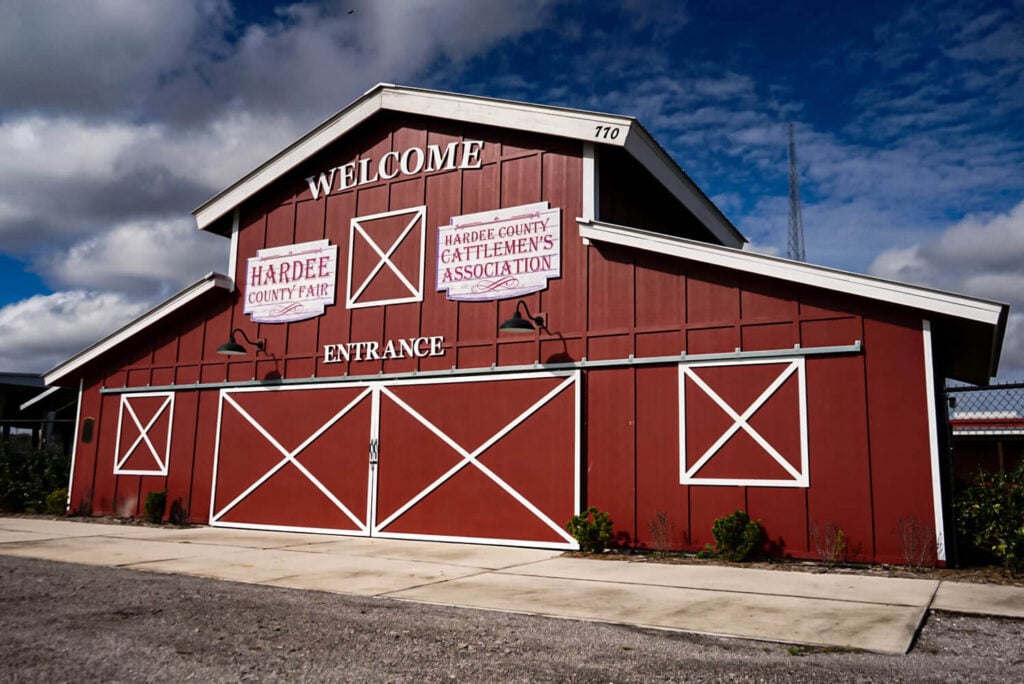
Culturally, Bowling Green reflects the broader character of Florida's Heartland region: conservative, community-oriented, and deeply connected to the land. It is a place where local rodeos, church gatherings, and county fairs carry genuine social weight. The city's population is modest, and its pace is deliberately unhurried — a contrast that many visitors find refreshing after the sensory overload of Florida's more visited destinations.
The Peace River, which flows near the city, is the region's defining natural feature. It has drawn explorers, naturalists, and fossil hunters for generations, and today supports a quiet but dedicated community of paddlers and outdoor enthusiasts. Paynes Creek Historic State Park, just outside town, adds a layer of frontier history to the natural landscape, commemorating a chapter of Florida's Seminole War era.
For the traveler willing to venture off the interstate and into the state's agricultural interior, Bowling Green offers an unvarnished, genuinely local Florida experience that is increasingly rare.
The best time to visit Bowling Green is from November through April, when the dry season brings clear skies, low humidity, and conditions ideal for the outdoor activities that define this corner of central Florida. This window is particularly well suited to fossil hunting and paddling on the Peace River, where lower water levels make wading and searching for prehistoric shark teeth and megalodon fossils far more productive. Trails at Paynes Creek Historic State Park are also at their most accessible and enjoyable during these months, with comfortable conditions for walking and wildlife observation.
December through February represents the sweet spot for visitors who want the most settled weather. Crowds remain thin throughout the year given Bowling Green's off-the-beaten-path character, so there is no high-season rush to contend with, but the dry months do draw a modest uptick in outdoor enthusiasts and heritage travelers exploring Hardee County's rural landscape.
Spring, particularly March and April, offers a pleasant shoulder period with longer daylight hours and the surrounding pastures and river corridors at their greenest. This is a rewarding time for those interested in slow travel, back-road exploration, and engaging with the local agricultural community before summer heat and humidity set in.
Summer and early fall bring the wet season, with heavy afternoon thunderstorms that can interrupt outdoor plans and make river access less predictable. These months are best suited to travelers with flexible itineraries who do not mind working around the rain.
Visitors with a specific interest in local heritage and community events should check the Hardee County calendar, as the cooler months occasionally host small festivals and agricultural gatherings that offer an authentic window into Bowling Green's ranching and farming culture.
The modest historic core of the city, Downtown Bowling Green centers on a quiet main street lined with small businesses, local services, and a few longtime gathering spots. It reflects the unhurried pace of rural Florida life and offers a genuine look at a working small-town center that has changed little over the decades.
Stretching along the banks of the Peace River, this natural corridor is the outdoor heart of the Bowling Green area, drawing paddlers, anglers, and fossil hunters to its slow-moving waters. The landscape is lush and largely undisturbed, offering some of the best freshwater recreation in central Florida without any of the crowds found at better-known destinations.
Anchored by Paynes Creek Historic State Park, this district on the southern edge of town blends Florida frontier history with quiet natural beauty. Visitors come to walk shaded trails, explore the preserved site of a 19th-century trading post, and paddle the calm creek through a landscape that feels genuinely remote.
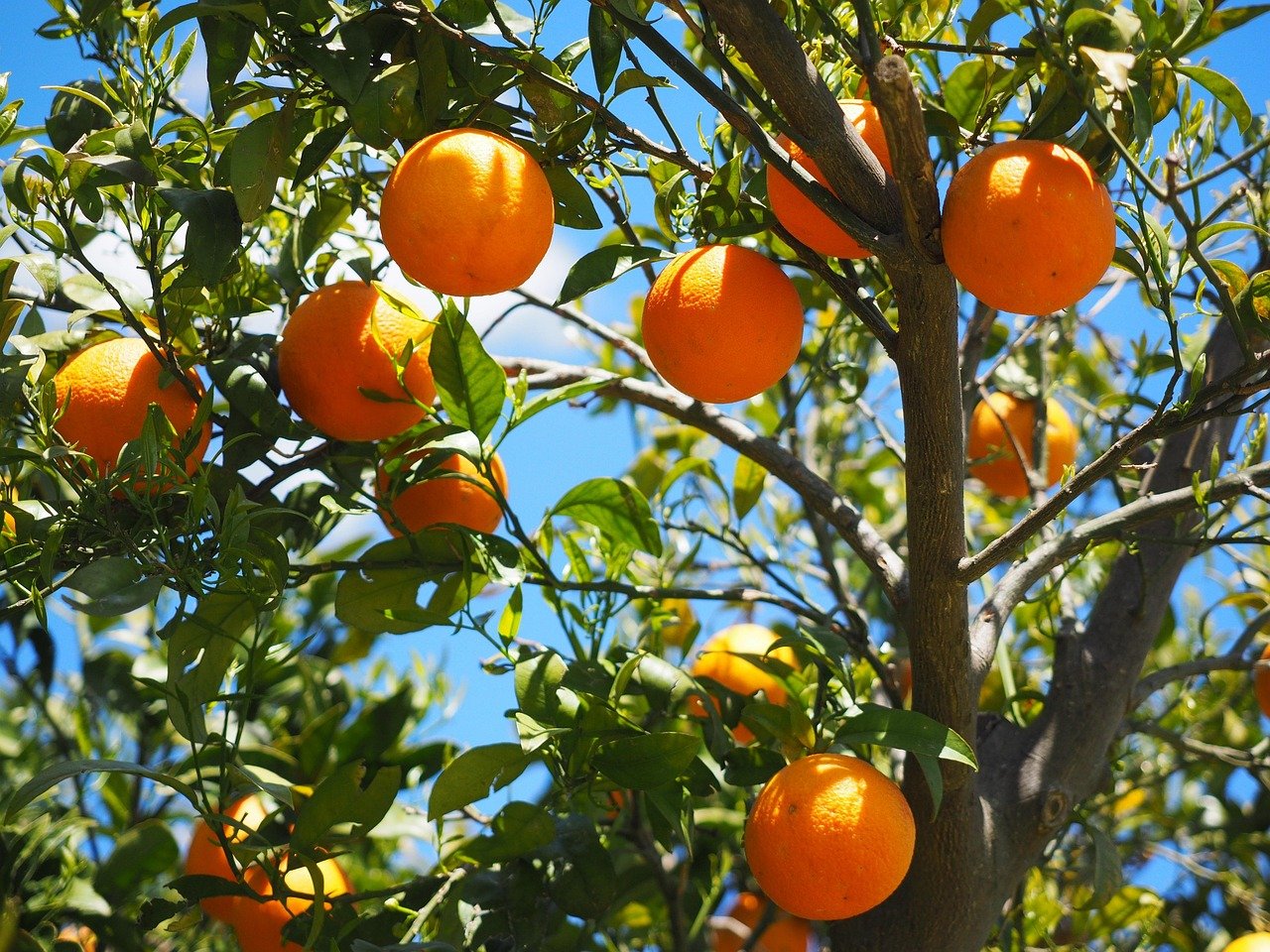
Fanning out from the city limits, the open ranchlands of Hardee County define Bowling Green's broader sense of place. Working cattle operations and citrus groves stretch across the flat terrain under wide Florida skies, offering a rare window into the agricultural heritage that has shaped this corner of the state for well over a century.

Bowling Green, Kentucky has a handful of experiences so tied to its identity that they define why travelers make the trip in the first place.
The National Corvette Museum
No experience is more synonymous with Bowling Green than a visit to the National Corvette Museum. This is the only city in the world where the Chevrolet Corvette has been manufactured, and the museum sits directly across from the GM assembly plant. Its collection spans every generation of America's sports car, from the original 1953 model to current production vehicles. The infamous 2014 sinkhole that swallowed eight cars into a cavern beneath the museum floor has itself become part of the exhibit, with recovered and preserved vehicles on permanent display. Corvette enthusiasts travel from across the country and beyond to see their cars built at the adjacent plant.
Underground at Lost River Cave
Lost River Cave offers one of Kentucky's most unusual outdoor experiences: a guided boat tour through a subterranean river system that winds beneath the city. The cave sheltered Civil War soldiers and once powered a grist mill. Above ground, the nature preserve features butterfly gardens and walking trails, but it is the underground journey that draws visitors seeking something genuinely unlike anything else in the region.
Cave Country Day Trips
Bowling Green sits at the edge of Kentucky's Cave Country, placing travelers within easy reach of Mammoth Cave National Park and the Hidden River Cave and American Cave Museum in nearby Horse Cave. The concentration of karst cave systems in this corridor is among the densest in the world, making Bowling Green a natural base for exploring this subterranean landscape.
Streamsong and Golf
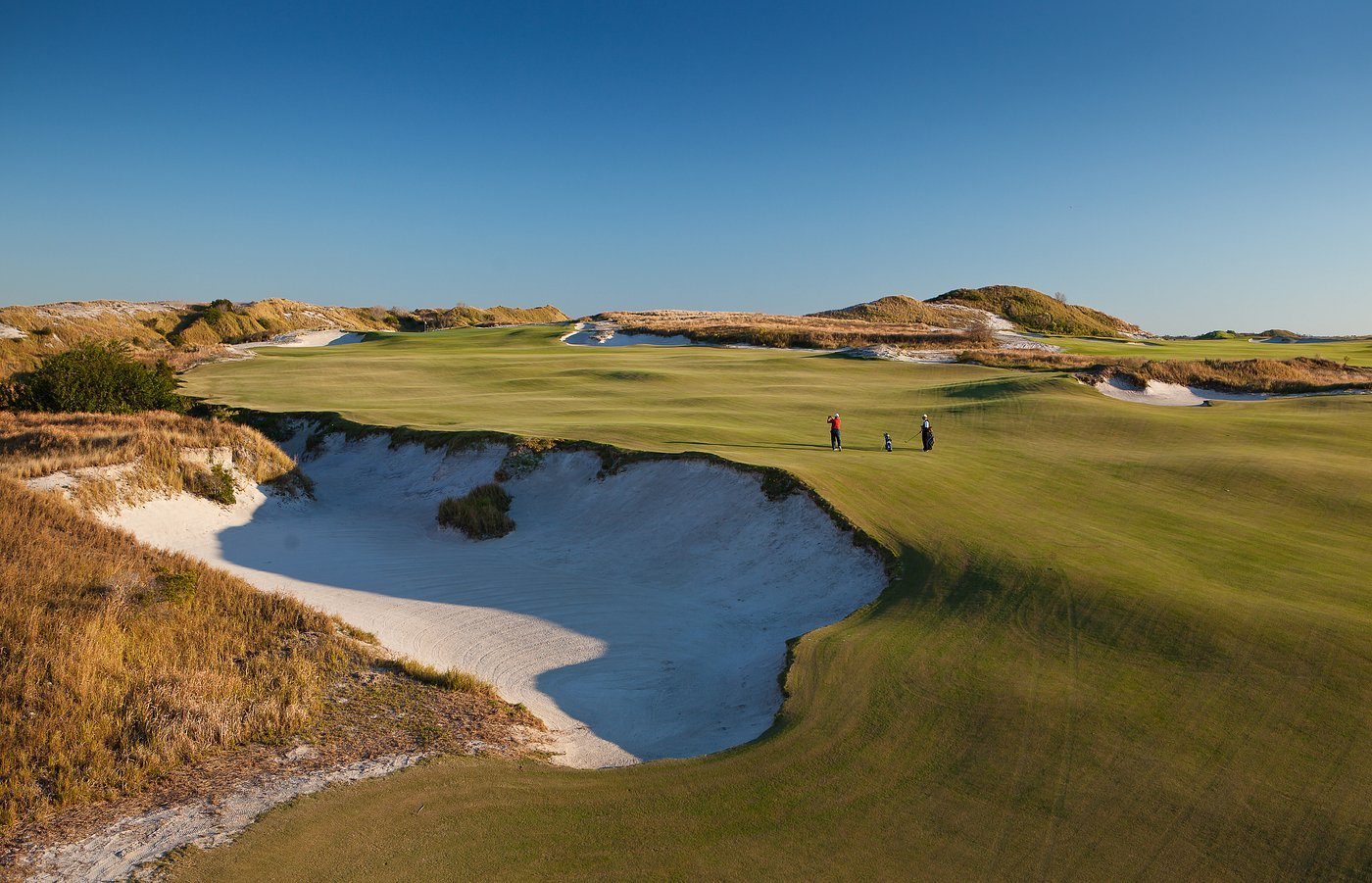
For golfers, the nearby Streamsong Golf Resort represents one of the most acclaimed golf destinations in the American South, drawing serious players to its nationally ranked courses set across a striking reclaimed landscape.
Bowling Green, Kentucky packs a surprising range of activities into a mid-sized city with a distinct sense of place. Whether you are drawn by world-class museums, outdoor green spaces, or a lively dining scene, there is something here to anchor any itinerary.
Outdoor Recreation
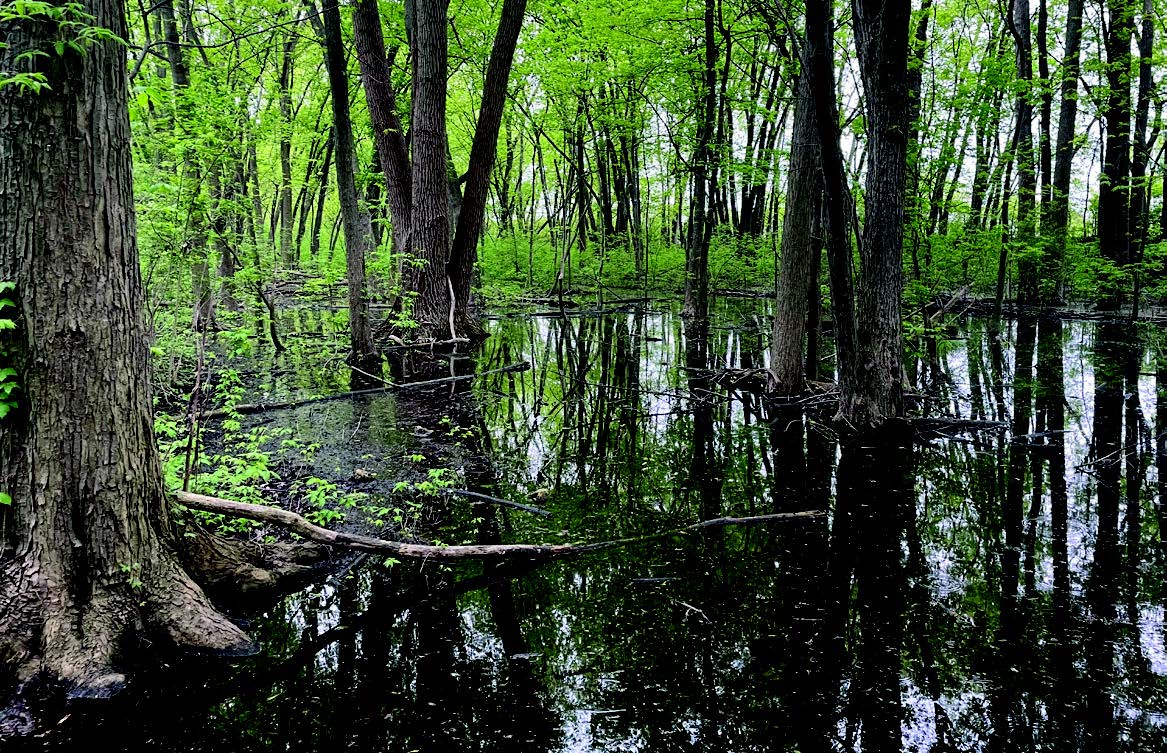
The city's parks and natural areas offer accessible escapes throughout the year. Hardee Lakes County Park and Black Swamp Preserve provide trails, wildlife watching, and quiet natural scenery. Simpson Garden Park is a beloved local landmark featuring manicured gardens and seasonal blooms, while G.H. Freeman Park and Warren County Parks Athletic facilities serve active visitors and families alike.
Cultural Attractions
Bowling Green's museums punch well above their weight. The National Corvette Museum is a pilgrimage site for automotive enthusiasts, celebrating America's iconic sports car with rotating exhibits and an impressive collection. Aviation Heritage Park and Museum honors the region's military aviation history, and Riverview at Hobson Grove offers a beautifully preserved antebellum mansion with guided tours that illuminate Civil War-era life in Kentucky.
Scenic Exploration
The Lost River Cave sits just minutes from downtown, where underground boat tours glide through one of the longest known cave systems in the eastern United States. The Baker Arboretum and Downing Museum combines botanical gardens with rotating art exhibitions on a serene campus. Heartland Place anchors the downtown experience with public art and community gathering space.
Arts and Entertainment
Bowling Green supports a creative local scene. Conundrum Workshop offers hands-on maker experiences, while Rock'em Sock'em Retro delivers nostalgic arcade fun. Cue Time Cocktails and Billiards is a go-to for an easygoing evening out.
Food and Dining
The local dining scene ranges from beloved barbecue joints to upscale farm-to-table fare. Chaney's Dairy Barn is a local institution for ice cream and family outings.
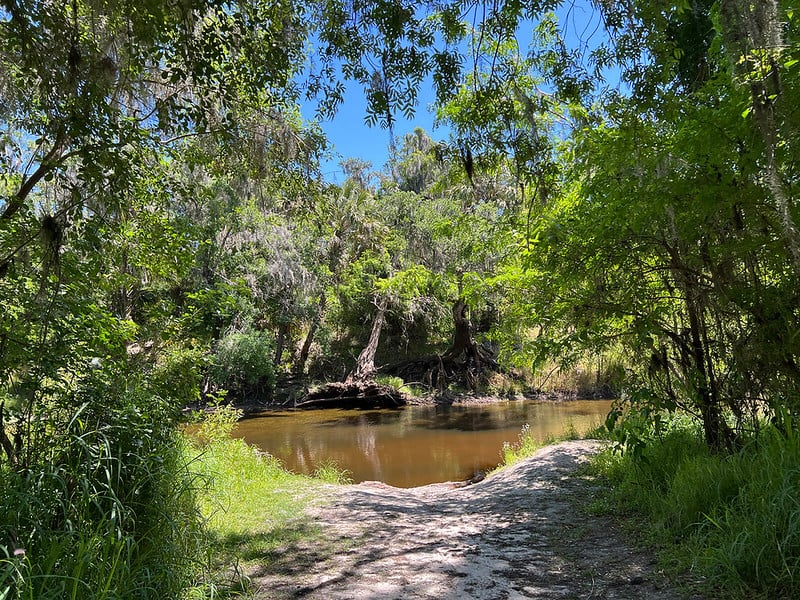
Start your morning at Paynes Creek Historic State Park, exploring the frontier trading post ruins and walking the shaded trails along the creek. Pack a lunch and spend the afternoon fossil hunting and wading along the Peace River, one of Florida's best spots for finding prehistoric shark teeth. In the evening, head into downtown Bowling Green to browse local shops and grab a casual dinner at a hometown diner.
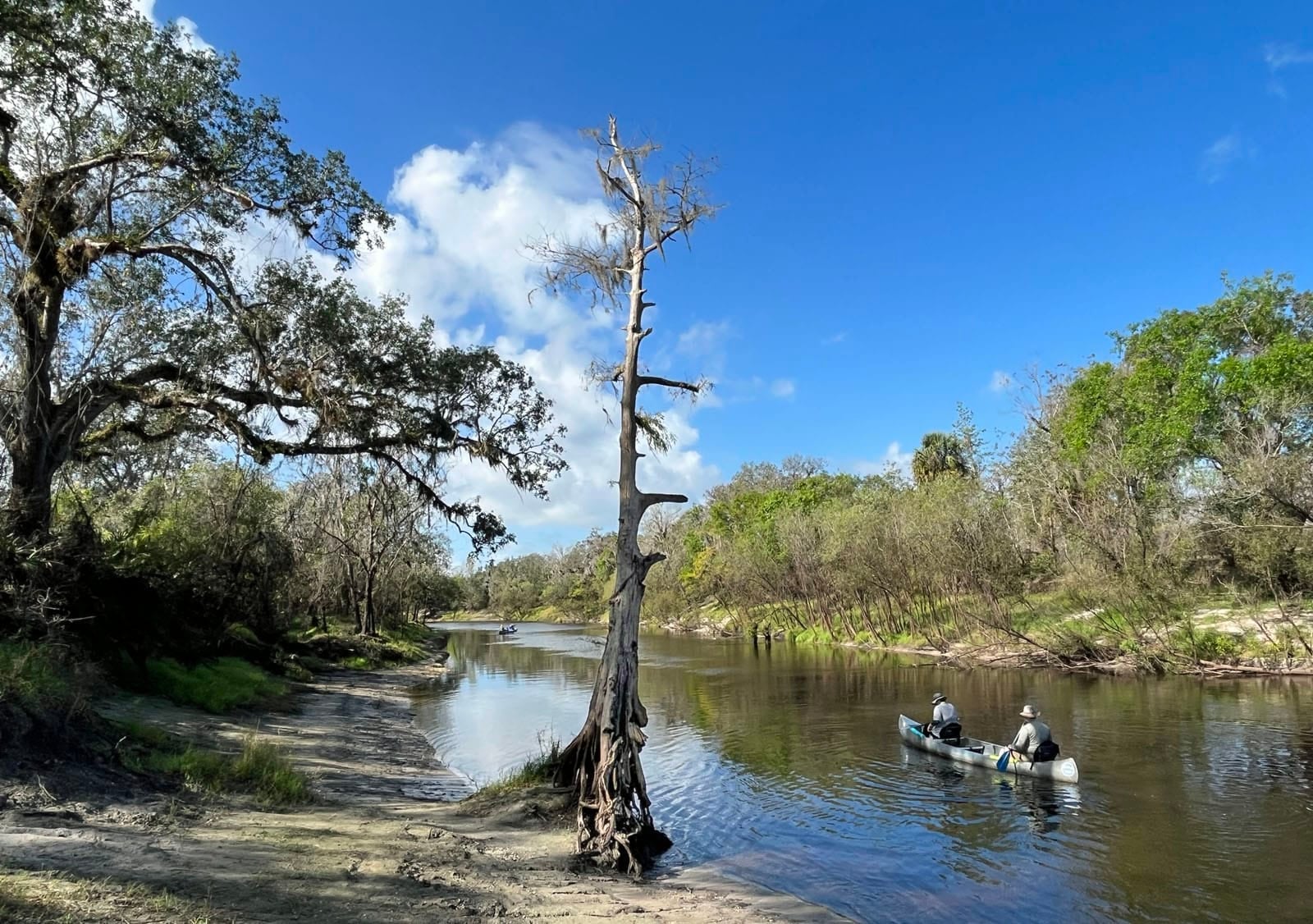
Rent a canoe or kayak in the morning and paddle a stretch of the Peace River, taking in the quiet, old-Florida scenery of cypress trees and open skies. Stop along the banks to search for megalodon fossils in the riverbed. In the afternoon, drive the back roads of Hardee County to take in the working cattle ranches and citrus groves that define the region. End the evening with a sunset over open pastureland.
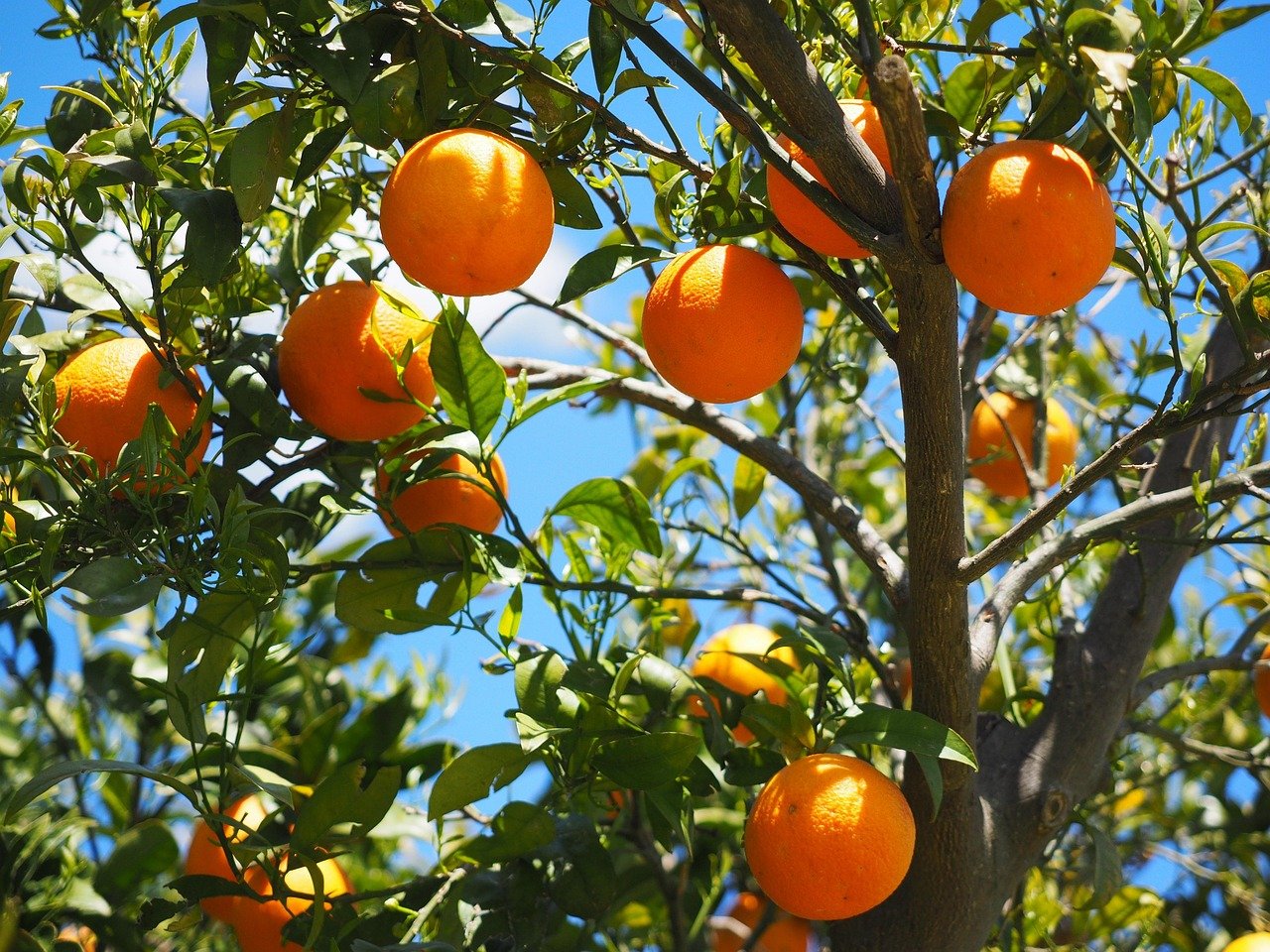
Spend your final morning revisiting the Peace River corridor for a last round of fossil hunting or a short nature walk at Paynes Creek. After lunch, take a scenic drive south toward Lake Okeechobee or north toward Tampa, stopping at roadside citrus stands along the way to pick up local fruit and preserves. It is a fitting, unhurried farewell to the agricultural heart of central Florida.
The cultural calendar in Bowling Green is shaped more by the rhythms of the land and the sporting traditions of central Florida than by large-scale festivals. Life here follows agricultural seasons and community gatherings that reflect a deep-rooted rural identity. Autumn brings cooler air and a renewed energy to outdoor pursuits, while summer draws golfers and sporting enthusiasts to the nationally recognized courses at nearby Streamsong Resort. Local traditions lean toward rodeo culture, county fairs, and church-anchored community events that have anchored Hardee County social life for generations. The Peace River itself sets a quiet seasonal cadence, with fossil-hunting and paddling activity peaking in the dry winter and spring months when water levels drop and visibility improves. For those attuned to small-town Florida, the real cultural experience lies in the everyday rhythms: the feed stores, the cattle auctions, and the roadside stands selling local citrus when the harvest comes in.
Dining in Bowling Green is an exercise in authenticity. This is not a city with a curated restaurant scene or a roster of chef-driven concepts. What it offers instead is something increasingly rare: straightforward, honest cooking rooted in the traditions of rural Florida and the broader American South. Meat is central, portions are generous, and the atmosphere is almost universally casual and welcoming.
Tampa International Airport (TPA) is the closest major airport to Bowling Green,
sitting about 60 miles northwest via US-17 or I-75 South to SR-64, with a drive time of roughly 75 to 90 minutes depending on traffic.
Orlando International Airport (MCO) is a viable alternative for arrivals from the east,
located about 90 miles northeast of Bowling Green via US-27 South or the Florida Turnpike, with a drive of approximately 90 minutes to two hours.
US-17 is the main driving artery through Bowling Green,
connecting the town north to Zolfo Springs and south to Wauchula, making it the most straightforward approach for travelers arriving from either Tampa or Fort Myers.
There is no Amtrak or intercity bus service directly to Bowling Green,
so a rental car picked up at TPA or MCO is essentially required for this trip, and booking one in advance is strongly recommended, especially on weekends.
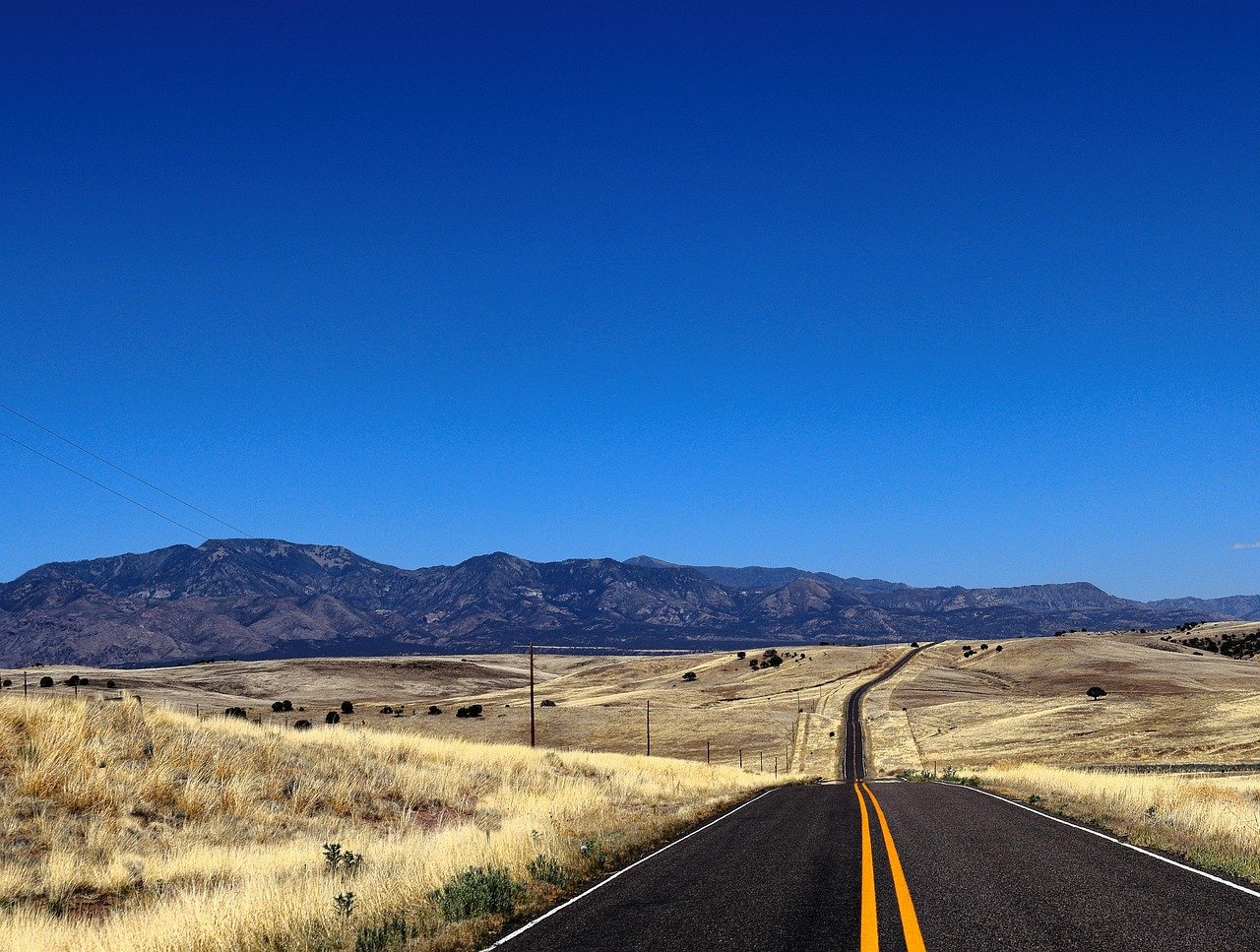
Paynes Creek Historic State Park is about 3 miles east of downtown Bowling Green on SR-664A,
and while the drive is short, there is no public transit or reliable rideshare to get there, so a rental or personal vehicle is the only practical option.
Downtown Bowling Green's small commercial strip along US-17 is walkable,
with the few local shops, diners, and civic landmarks close enough together that you can cover the core on foot once you have parked.
Rideshare apps like Uber and Lyft have very limited coverage in Hardee County,
so travelers should not rely on them for getting between attractions or returning from river access points after a paddling trip.
Peace River canoe and kayak launch points are scattered across several miles of the river corridor,
so plan your put-in and take-out logistics in advance, as shuttling between access points requires a vehicle or a pre-arranged outfitter shuttle service.
Bowling Green rewards travelers who come prepared for a self-sufficient, outdoors-focused trip. Bring cash, as some local businesses and park concessions do not accept cards. Cell coverage can be patchy along the Peace River and in the more remote parts of Hardee County, so download offline maps before you head out. If you plan to hunt for fossils in the Peace River, wear water shoes and bring a mesh screen and small shovel - the river bottom is rocky and silty. Sun protection is non-negotiable year-round in central Florida; heat and humidity peak from June through September, making spring (March to May) and fall (October to November) the most comfortable windows for outdoor activity. Tipping follows standard Florida norms at 18 to 20 percent in restaurants. Respect private ranch and grove land, as much of the surrounding countryside is working agricultural property with no public access.
One to two days is enough to experience Bowling Green's highlights. Spend a day paddling or fossil hunting along the Peace River, and another exploring Paynes Creek Historic State Park and the surrounding countryside. If you are combining it with a broader Peace River Valley road trip, it works well as a one-night stop between Tampa and Lake Okeechobee.
Bowling Green is best known for its deep roots in Florida's agricultural heritage - particularly cattle ranching and citrus farming - and its access to the Peace River, one of the state's top spots for finding prehistoric shark teeth and megalodon fossils. Paynes Creek Historic State Park, preserving a 19th-century frontier trading post, is another key draw for heritage and nature travelers.
Yes, Bowling Green works well as a weekend trip, especially for travelers based in Tampa or the broader central Florida region. A two-day visit gives you time to paddle or fossil hunt on the Peace River, explore Paynes Creek Historic State Park, and soak up the unhurried pace of rural Hardee County. It suits those looking for a low-key, nature-focused escape from busier Florida destinations.
Bowling Green is one of Florida's more affordable destinations. As a small rural town with no major theme parks or resort infrastructure, accommodation and dining costs are modest. Outdoor activities like fossil hunting on the Peace River and hiking at Paynes Creek Historic State Park are low-cost or free. Budget travelers and those seeking value will find it a refreshing alternative to pricier Florida destinations.
The best time to visit is between November and April, when temperatures are mild and humidity is low. Summer months bring intense heat and frequent afternoon thunderstorms, which can affect outdoor activities along the Peace River and at Paynes Creek Historic State Park.