
Baltimore, MD
A Journey guide to
Cocoa Beach sits at the intersection of two of Florida's most compelling identities: surf culture and space exploration. Perched on a barrier island along the Atlantic, it draws wave riders, rocket watchers, and sun seekers in equal measure. The town's laid-back energy is genuine rather than manufactured, shaped by decades of surfers, NASA workers, and beach lovers who chose this stretch of coast over flashier Florida alternatives.
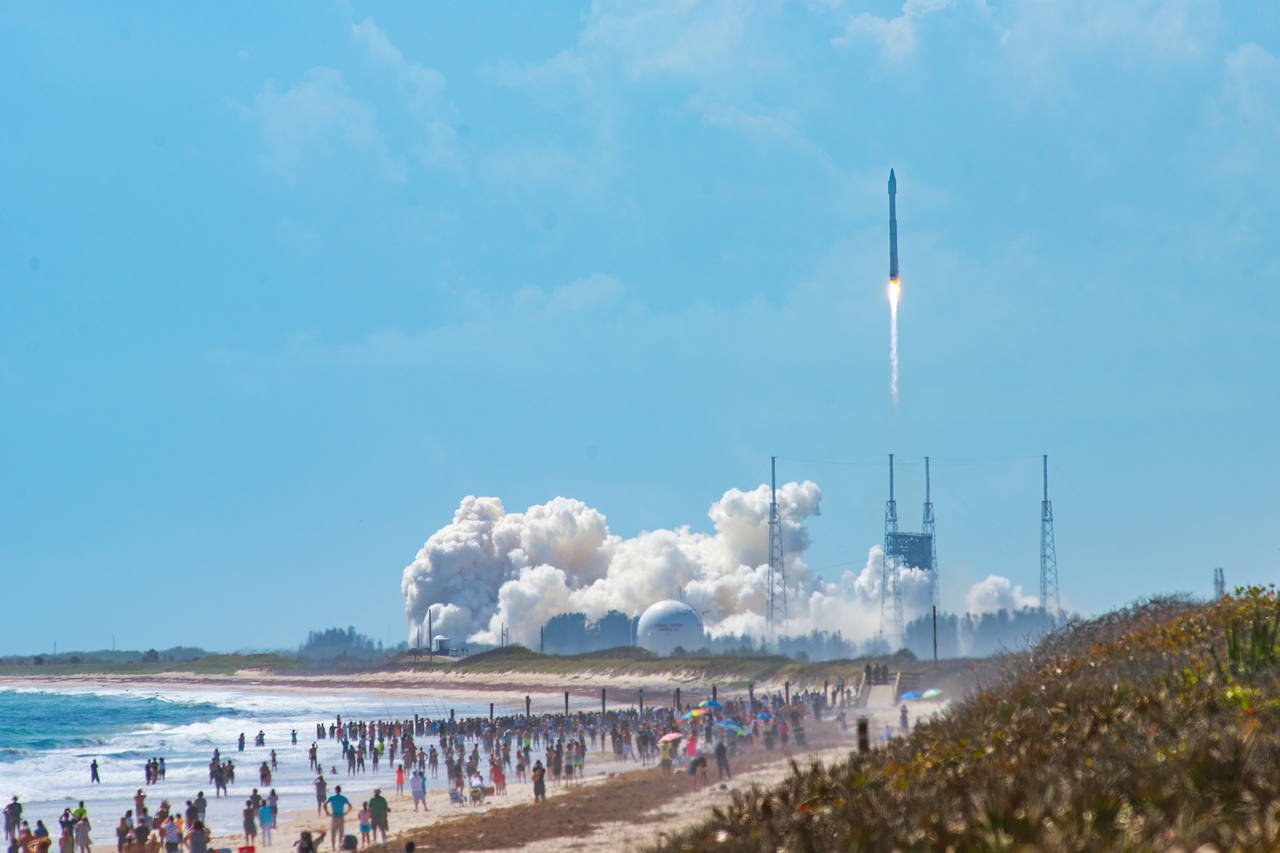
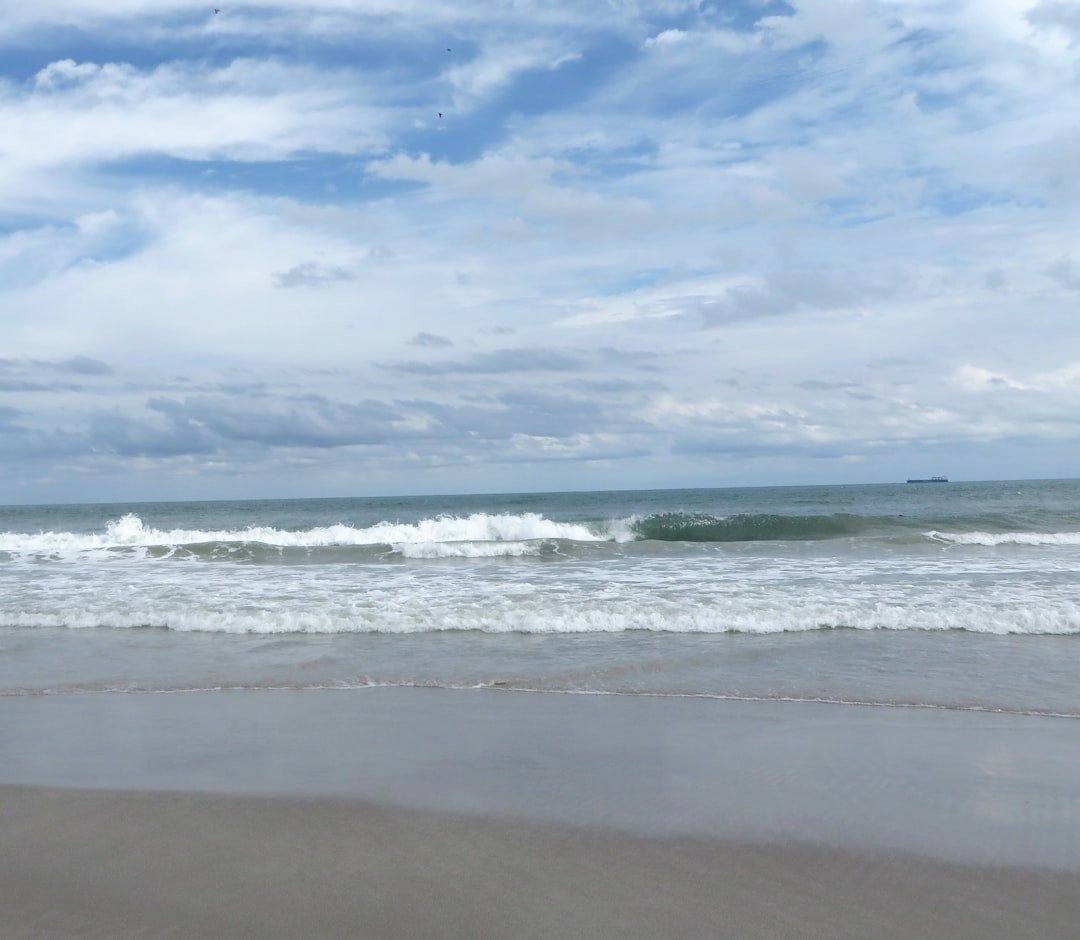
The Space Coast connection is no marketing slogan. Kennedy Space Center lies just 12 miles north, and rocket launches are a regular part of life here. Residents and visitors alike step outside to watch boosters streak across the sky, a spectacle that transforms an ordinary afternoon into something extraordinary. The beach itself faces due east, making it one of the best spots in Florida to watch a launch over open water.
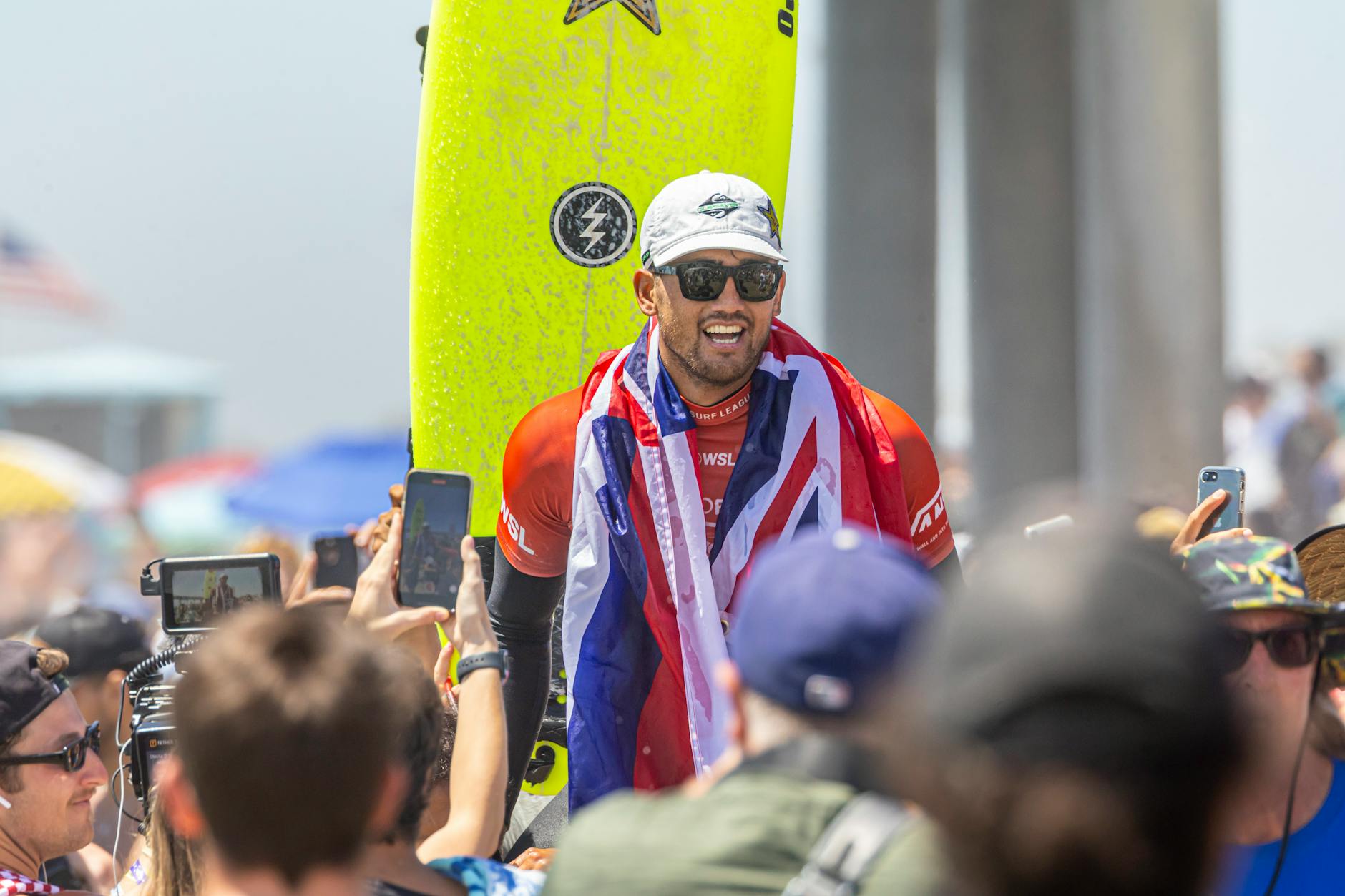
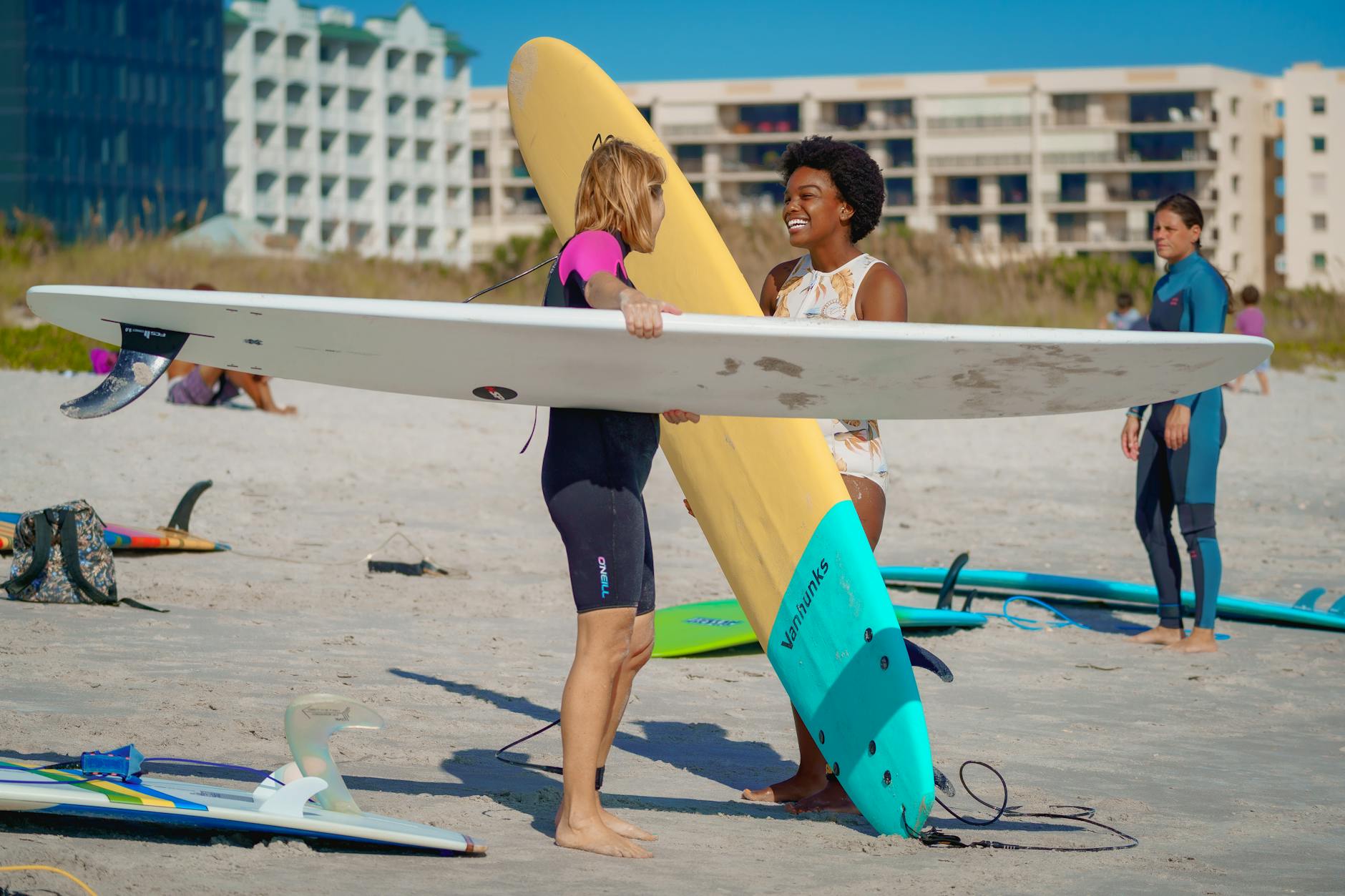
Ron Jon Surf Shop, open 24 hours a day, has been a landmark since 1963 and remains the largest surf shop in the world. But Cocoa Beach's surf identity runs deeper than retail. The town produced Kelly Slater, the most decorated competitive surfer in history, and the Cocoa Beach Pier hosts surf competitions that draw serious talent. The waves here are modest by global standards but reliable enough to sustain a real surf culture year-round.
Cocoa Beach appeals to travelers who want authentic Florida without the theme park crowds or the high-rise condo aesthetic of Miami or Fort Lauderdale. It is a place where a craft beer on the pier, a morning surf session, and a night launch from Kennedy Space Center can all happen in the same 24 hours. Families, couples, solo adventurers, and space enthusiasts all find their footing here on the same stretch of Atlantic sand.























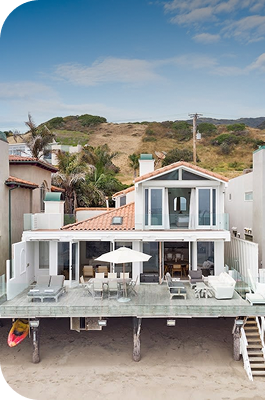



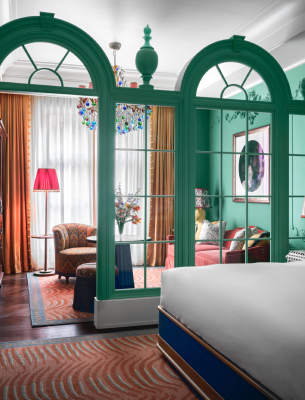

Journey connects travelers to a curated network of boutique hotels and distinctive residences around the world, all united under one rewards program. Explore handpicked stays for your trip while earning points, unlocking exclusive offers, and receiving rewards across the Journey collection.
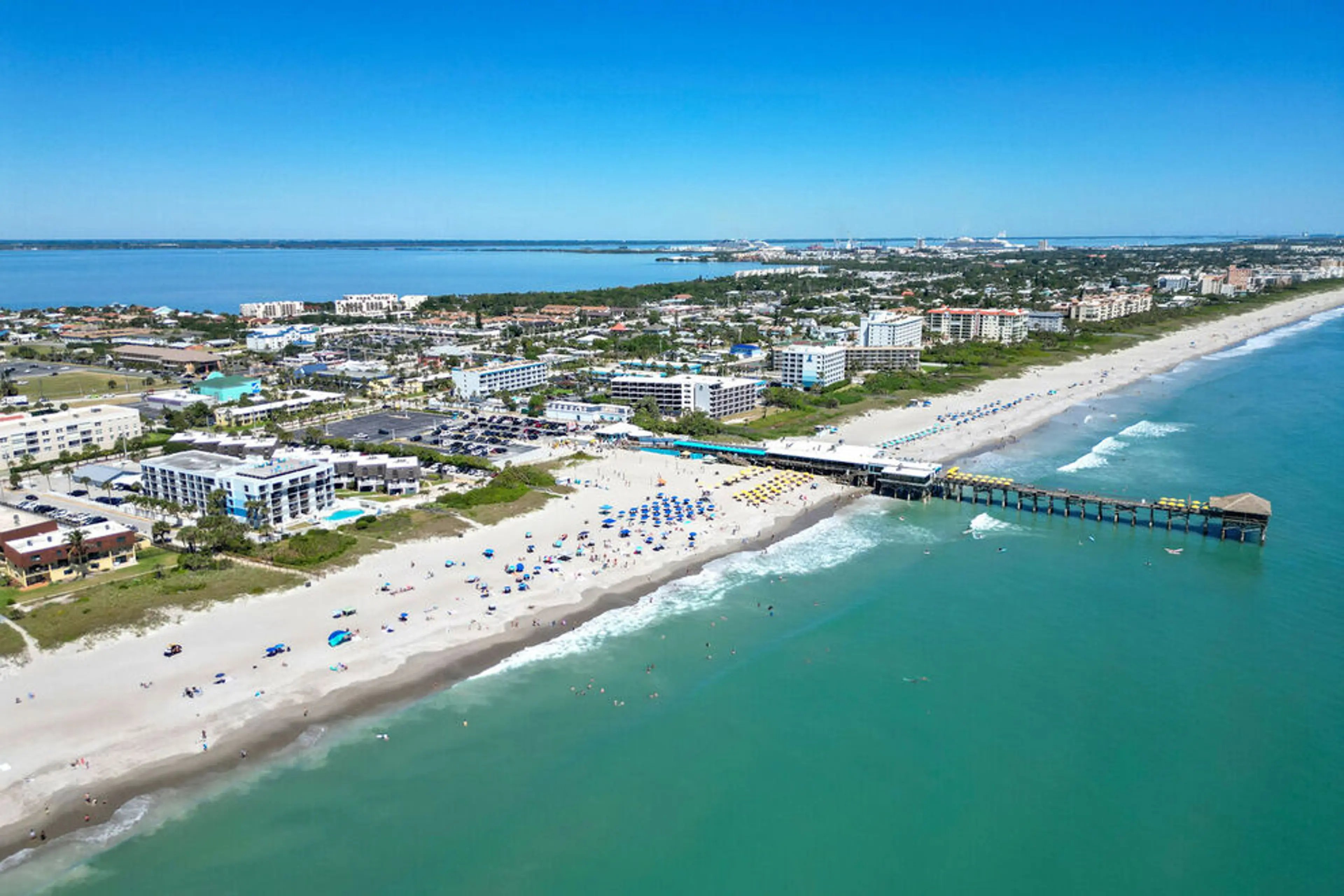
Cocoa Beach occupies a narrow barrier island on Florida's central Atlantic coast, separated from the mainland by the Banana River and the Indian River Lagoon. The town stretches roughly 5 miles along the coast, never more than a mile wide, giving it an intimate, almost village-like scale that stands in contrast to the enormous ambitions of the space program unfolding just to its north.
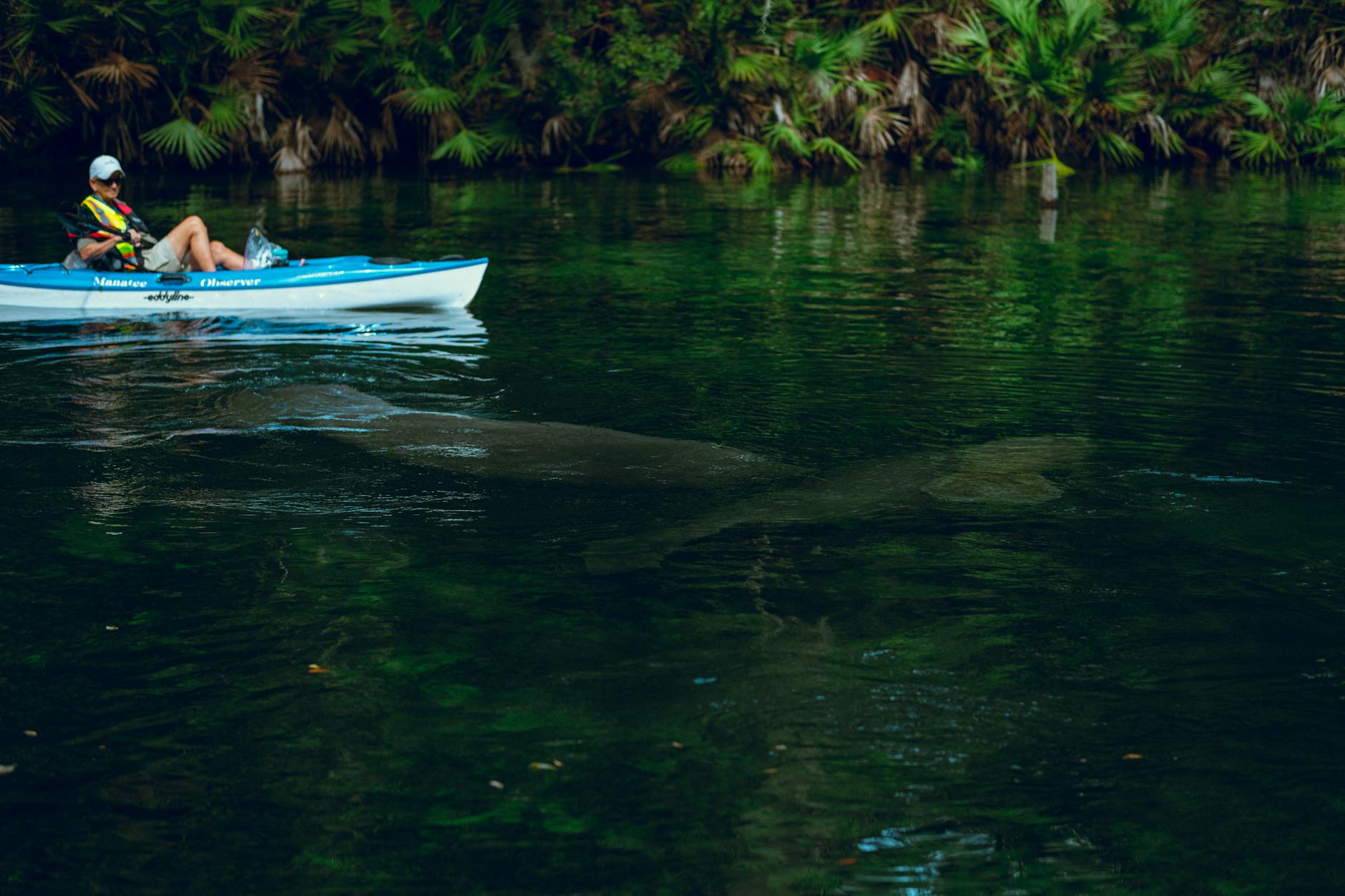
The Indian River Lagoon, one of the most biodiverse estuaries in North America, defines the western edge of the island. Manatees, bottlenose dolphins, and hundreds of bird species inhabit these waters, making kayaking and paddleboarding through the lagoon a legitimate wildlife experience rather than a casual paddle. The Atlantic side delivers the surf, the sunrises, and the unobstructed horizon that gives Cocoa Beach its open, expansive feel.
Historically, Cocoa Beach was a quiet fishing community until the space race transformed Brevard County in the late 1950s and 1960s. The arrival of NASA and the Apollo program brought engineers, scientists, and a wave of economic activity that permanently shaped the town's character. That legacy is still visible in the culture: residents follow launch schedules the way sports fans follow game days, and the proximity to Kennedy Space Center gives the destination a sense of purpose and wonder that few beach towns can claim.
The town's commercial spine runs along A1A, the coastal highway that threads through the heart of Cocoa Beach. Surf shops, seafood restaurants, tiki bars, and independent motels line the road, maintaining a retro Florida charm that feels increasingly rare. There are no mega-resorts dominating the skyline here, and the architecture stays low and human-scaled.
Cocoa Beach draws travelers who want the Atlantic Ocean on one side, a living rocket launch site on the other, and a community that has never tried too hard to be anything other than exactly what it is: a real Florida beach town with an extraordinary view of the sky.
Cocoa Beach rewards visitors differently depending on the season, and choosing the right time comes down to what kind of experience you are after.
November through February is widely considered the sweet spot for most travelers. Crowds are noticeably thinner than during peak summer, beaches are uncrowded on weekdays, and the town has a relaxed, local feel. This window is ideal for those who want easy access to the shore, shorter waits at popular restaurants, and a quieter atmosphere overall. Rocket launch schedules from Kennedy Space Center remain active year-round, so space enthusiasts lose nothing by visiting in the cooler months.
March and April bring a surge of spring break visitors, particularly in mid-March when beach crowds peak and accommodation prices climb. Travelers who can avoid the spring break window and visit in late April or early May will find good conditions with fewer people competing for space. Surf activity picks up in spring, making it a good time for wave riders and spectators at the Cocoa Beach Pier.
Summer draws families with school-age children, filling hotels and the beach from June through August. The Cocoa Beach Pier and Ron Jon Surf Shop see their heaviest foot traffic during this period. Those who do visit in summer should plan beach time for mornings before the daily storms arrive in the afternoon. Water conditions for swimming and surfing are at their warmest.
October and November offer perhaps the most underrated window to visit. Crowds have thinned significantly from summer, the Atlantic is still warm enough for comfortable swimming, and the pace of the town slows to something more authentic. Late fall is also an excellent time for wildlife watching, as sea turtle nesting season winds down and shorebird activity increases along the barrier island.
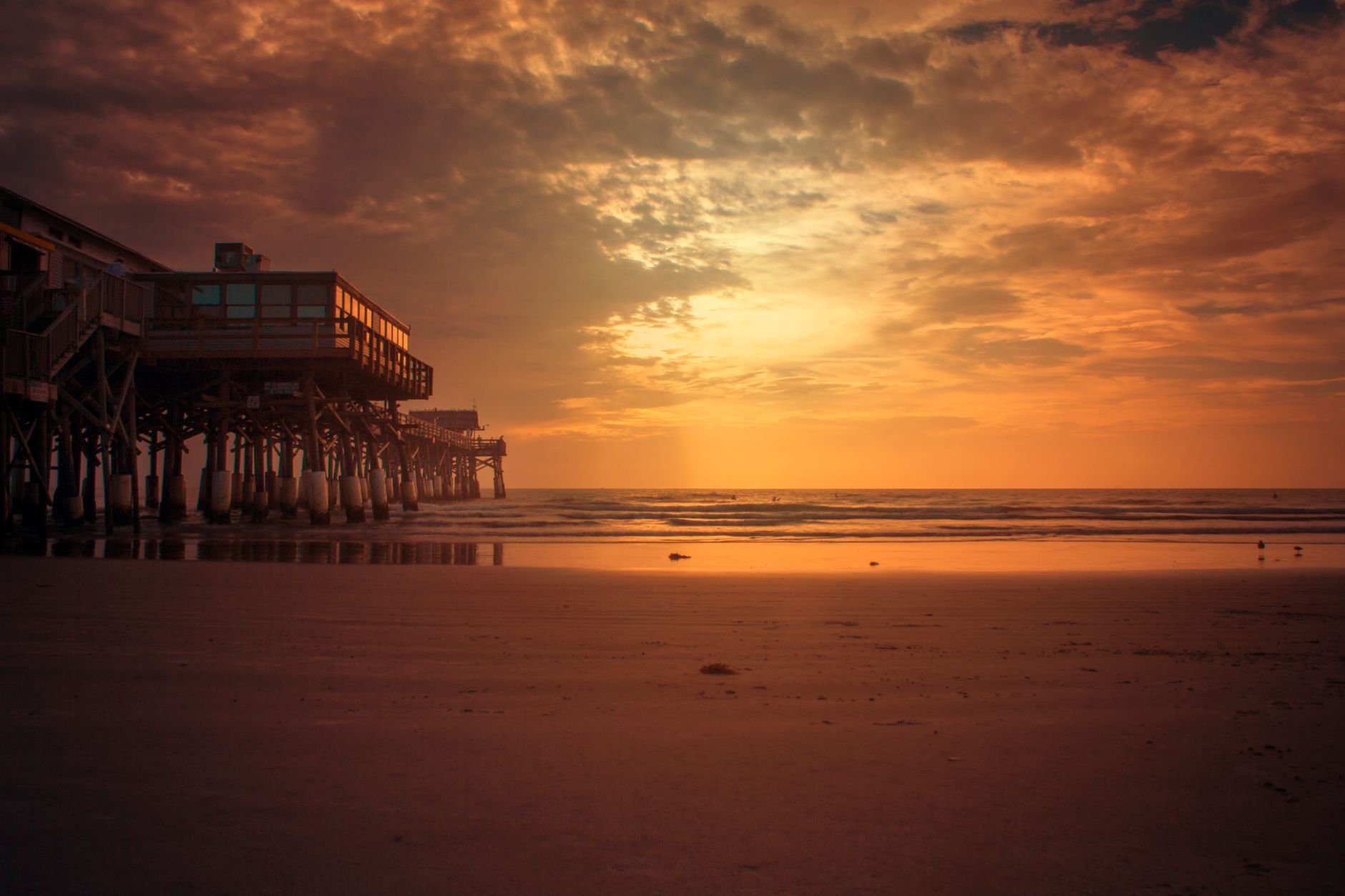
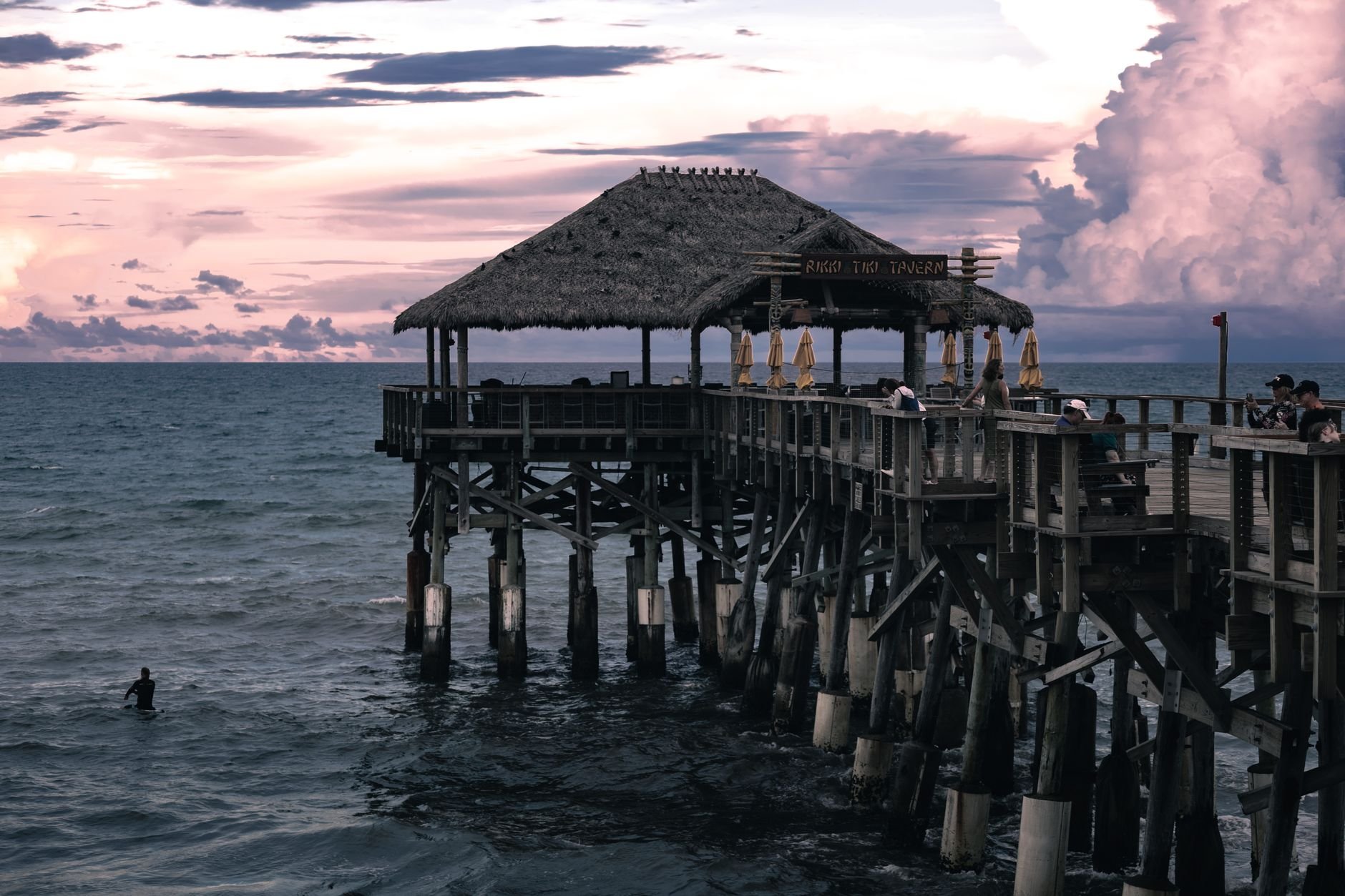
The heart of Cocoa Beach's social scene, the Pier Area stretches along the Atlantic with bars, restaurants, and surf shops clustered within easy walking distance. The wooden pier itself juts 800 feet into the ocean and hosts live music, surf competitions, and some of the best people-watching on the Space Coast. It is the place locals and visitors converge at sunset for cold drinks and ocean views.
Anchored by the iconic 24-hour Ron Jon Surf Shop, this stretch of North Atlantic Avenue is the commercial and cultural core of Cocoa Beach's surf identity. Colorful storefronts, surf rentals, beachwear boutiques, and casual eateries line the corridor, giving it an energetic, sun-bleached character that feels distinctly Florida. It is a natural starting point for first-time visitors getting their bearings in town.
South Cocoa Beach trades the bustle of the pier area for a quieter, more residential stretch of coastline where the crowds thin and the pace slows considerably. Smaller inns, local seafood spots, and uncrowded beach access points define this end of the island. Travelers who want the Atlantic without the noise gravitate here for a more relaxed version of the Cocoa Beach experience.
Cocoa Beach has a handful of experiences that simply cannot be replicated anywhere else in Florida, and they are the reason people return year after year.
Watching a Rocket Launch from the Beach
Kennedy Space Center sits 12 miles north, and rocket launches are a defining feature of life on the Space Coast. The beach faces due east, giving spectators an unobstructed view of boosters climbing over open water before arcing into orbit. Whether it is a SpaceX Falcon 9 or an Artemis mission, the ground shakes, the sky lights up, and the crowd goes silent. No ticket required.
Surfing the Space Coast
Cocoa Beach is the birthplace of Kelly Slater, the most decorated competitive surfer in history, and the town's surf identity is earned rather than borrowed. Ron Jon Surf Shop, open 24 hours since 1963 and the largest surf shop in the world, is a landmark in its own right. The Cocoa Beach Pier hosts surf competitions that draw serious talent, and the waves are consistent enough to support year-round surfing for beginners and intermediates alike.
Bioluminescence Kayaking on the Indian River Lagoon
On warm summer nights, the Indian River Lagoon erupts in natural blue-green light as bioluminescent dinoflagellates respond to movement in the water. Paddling through this living light show, with every stroke of the paddle trailing a glowing wake, is one of the most otherworldly experiences available on Florida's coast. Guided tours run seasonally and book up quickly.
Exploring Cocoa Village
Just across the causeway from the beach, the historic district of Cocoa Village feels like a different era entirely. Brick streets, a beautifully restored 1924 playhouse, independent restaurants, and boutique shops create a walkable counterpoint to the surf-and-sand scene. It is the kind of place that rewards slowing down.
Cocoa Beach packs a remarkable range of activities into a compact barrier island setting, drawing visitors who want more than just a day at the beach.
Outdoor Recreation
The Atlantic shoreline is the obvious starting point, with swimming, sunbathing, and surfing available at parks like Lori Wilson Park, Sidney Fischer Park, and Cherie Down Park. Kayaking and paddleboarding are equally popular, with guided eco tours through the Banana River Aquatic Preserve revealing manatees, dolphins, and seabirds in calm, sheltered waters. Fin Expeditions and Cocoa Beach Eco Tours lead paddling excursions suited to all skill levels, while Wildlife Watersports and Cruise Cocoa offer additional ways to explore the Indian River Lagoon system. One of the region's most memorable after-dark adventures is a bioluminescence kayak tour, where the water glows electric blue with every paddle stroke.
Cultural Attractions
The Brevard Museum of History and Natural Science in nearby Cocoa traces the region's story from prehistoric fossils to Space Age milestones. The Historic Cocoa Village Playhouse brings live theater to a beautifully restored 1924 venue, and the quirky Wizard of Oz Museum adds a one-of-a-kind roadside curiosity to any itinerary. Cocoa Riverfront Park anchors the charming Cocoa Village district, where boutique shops and galleries line brick streets.
Arts, Entertainment, and Family Fun
Golf N Gator delivers classic miniature golf with a Florida twist, and Escape Cocoa Beach offers puzzle-room challenges for groups. The Cocoa Beach Pier hosts live music, surf competitions, and waterfront dining throughout the year.
Food and Dining
The dining scene leans heavily into fresh seafood and tiki-bar culture. Grills Seafood Deck and Tiki Bar, Sandbar Sports Grill, and Rising Tide Tap and Table all deliver waterfront eats with cold drinks and laid-back atmosphere. Nolan's Irish Pub keeps things lively after dark, while The Florida Key Lime Pie Company is a mandatory stop for dessert.
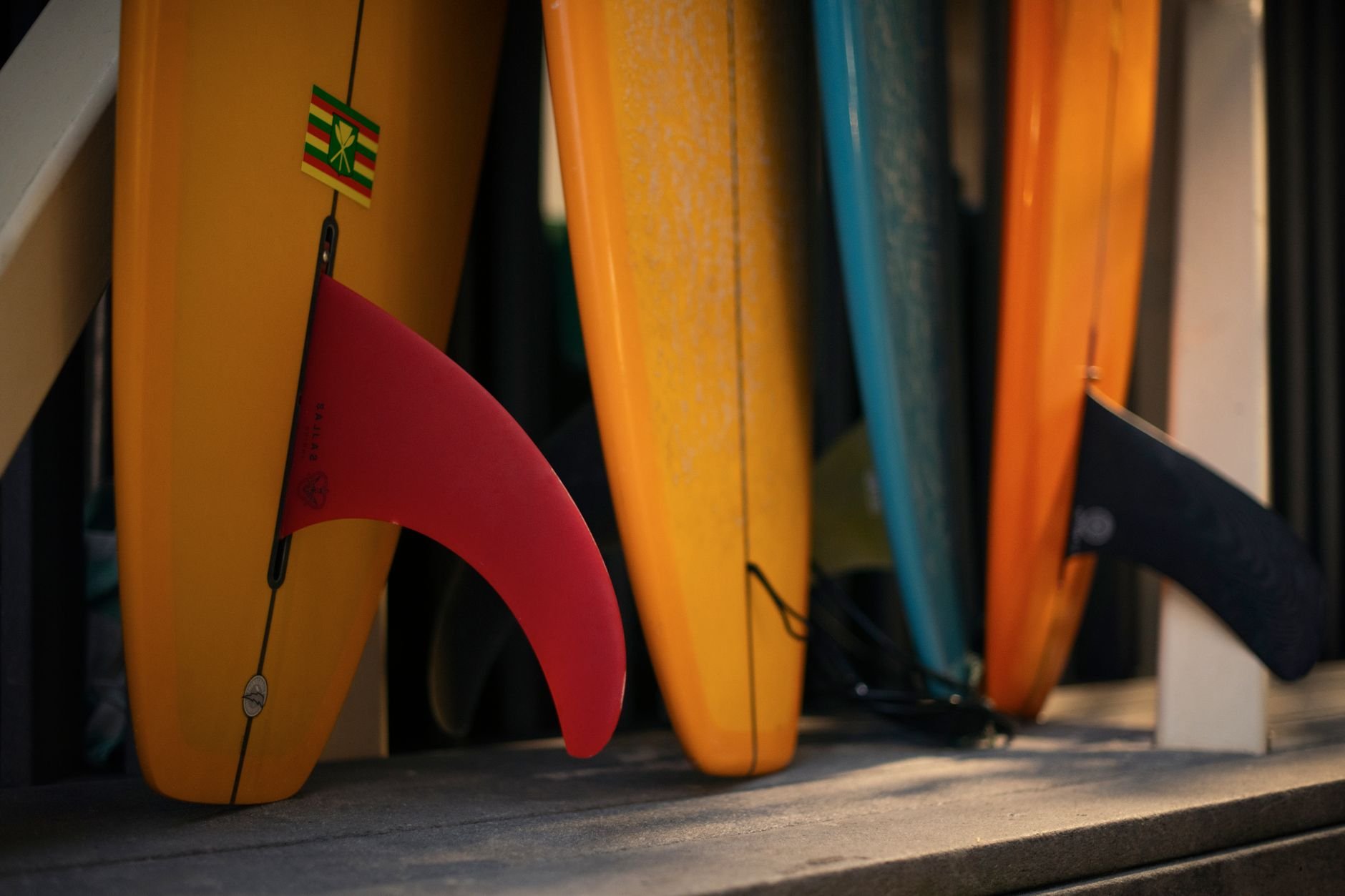
Start the morning with a surf lesson at Cocoa Beach Surf Company, one of the longest-running surf schools on the Space Coast. Grab lunch at Coconuts on the Beach, right on the sand. Spend the afternoon exploring the iconic Ron Jon Surf Shop and strolling the shoreline. In the evening, head to the Cocoa Beach Pier for sunset views, cold drinks, and live music.
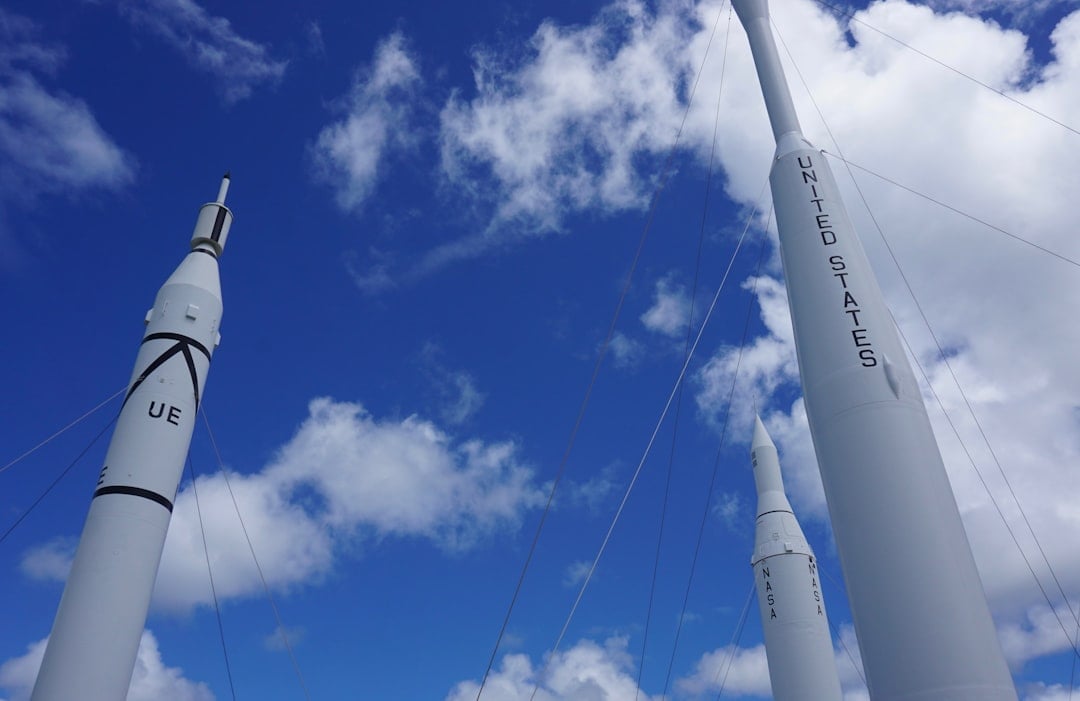
Dedicate the day to Kennedy Space Center, just 12 miles north. Arrive early to explore the Rocket Garden, the Space Shuttle Atlantis exhibit, and the Apollo/Saturn V Center. Book a guided bus tour for behind-the-scenes access to launch pads. Return to Cocoa Beach in the evening and watch for a scheduled rocket launch over the Atlantic - one of Florida's most unforgettable sights.
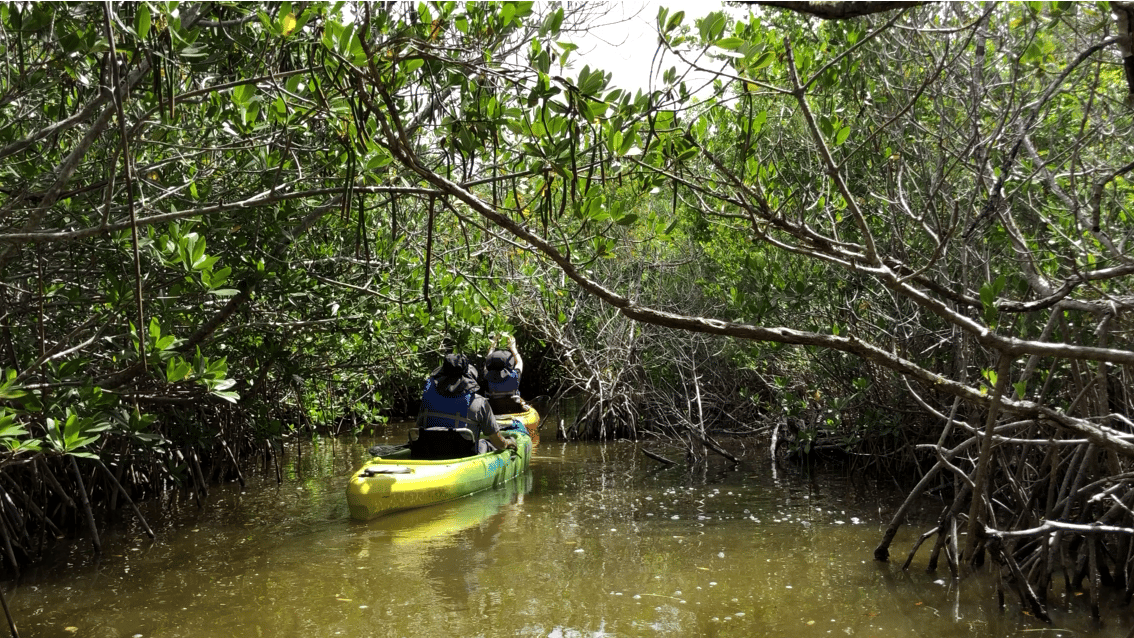
Spend the morning kayaking or paddleboarding through the Thousand Islands Conservation Area in the Indian River Lagoon - a calm, wildlife-rich contrast to the ocean. Look for manatees, dolphins, and shorebirds along the way. Grab a late lunch at Florida's Fresh Grill. In the afternoon, take a final beach walk and pick up souvenirs before heading home.
Cocoa Beach pulses with a cultural calendar shaped by two forces that define the town: the ocean and outer space. The surf season runs year-round, but spring and fall bring the most consistent swells and the biggest competitive events. Summer is launch season at Kennedy Space Center, drawing space enthusiasts who gather on the beach to watch rockets rise over the Atlantic in one of Florida's most singular spectacles. Autumn is the liveliest stretch on the cultural calendar, with surf festivals and music gatherings filling the weekends.
Cocoa Beach's food culture is rooted in the sea and shaped by the unhurried rhythms of a town that has never tried to be anything other than itself. Fresh seafood is the foundation: grouper sandwiches, shrimp baskets, fish tacos, and raw oysters appear on menus from the most casual beach shacks to the sit-down waterfront restaurants near Port Canaveral. The proximity to working fishing docks means the catch is genuinely local and genuinely fresh.
Orlando International Airport (MCO) is the main arrival hub for Cocoa Beach,
located about 60 miles west via the Beachline Expressway (SR 528), with the drive taking roughly one hour and rental cars available at the terminal.
Melbourne Orlando International Airport (MLB) offers a closer alternative,
sitting approximately 30 miles south of Cocoa Beach with shorter security lines and less congestion, though flight options are more limited.
The Beachline Expressway (SR 528) is the primary driving route from Orlando,
connecting directly to Cocoa Beach in about an hour and serving as the most straightforward corridor for road-trippers arriving from central Florida.
Amtrak's nearest station is in Orlando, not on the Space Coast,
so train travelers will need to arrange a rental car or rideshare for the remaining 60-mile leg to Cocoa Beach.
Greyhound and FlixBus serve the broader Orlando-to-Space Coast corridor,
but schedules are infrequent and stops are not centrally located in Cocoa Beach, making a rental car the more practical choice for most visitors.
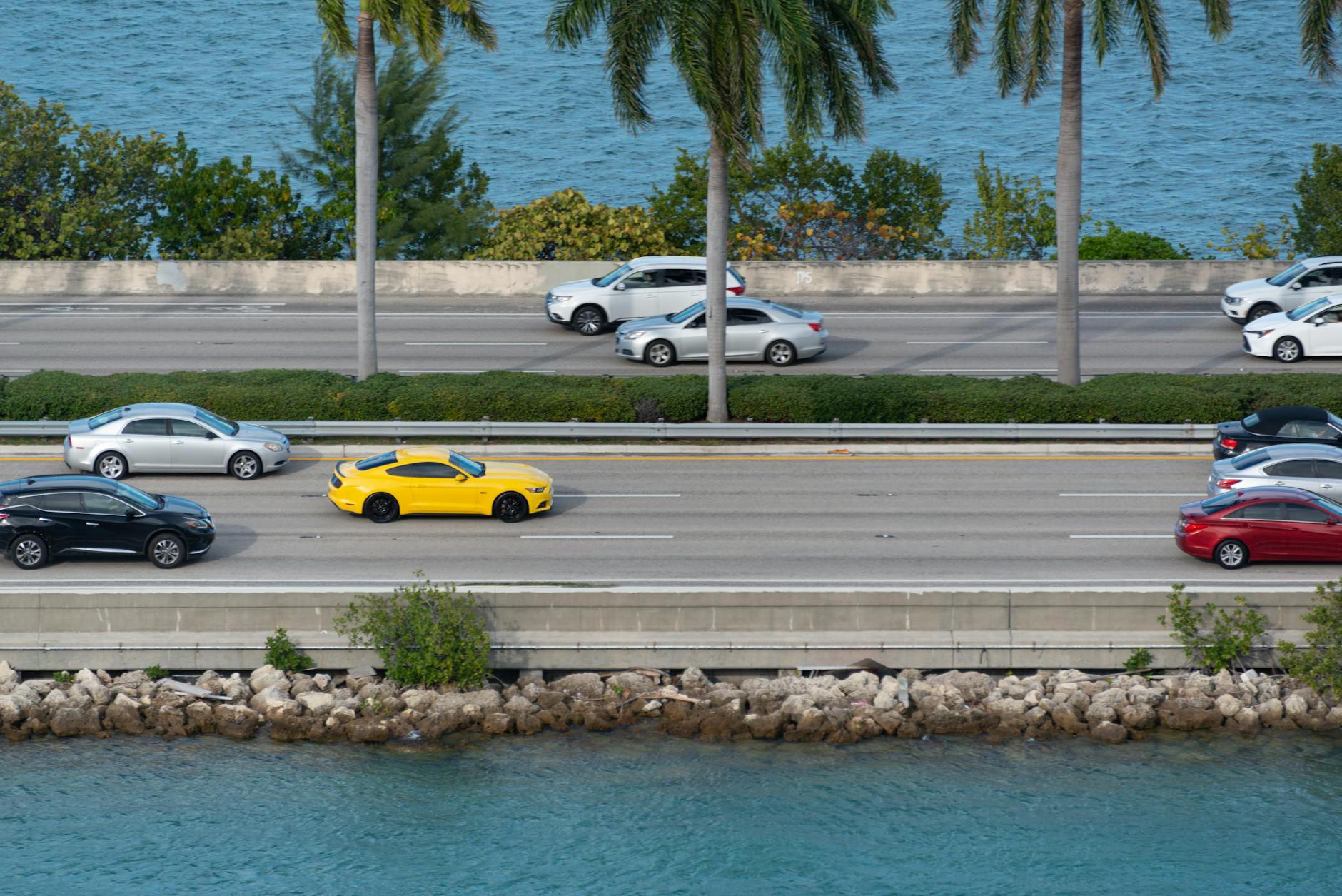
The A1A corridor through central Cocoa Beach is walkable for most visitors,
with Ron Jon Surf Shop, the pier, and a concentration of restaurants and bars all within comfortable walking distance if you are staying along this strip.
Biking along the A1A bike path is one of the best ways to move around Cocoa Beach,
with flat terrain and dedicated lanes making it easy to reach the beach, shops, and eateries, and several local shops renting cruisers by the hour or day.
Uber and Lyft are available throughout Cocoa Beach and the surrounding Space Coast,
though expect higher fares and longer wait times during rocket launch windows when demand across the area surges significantly.
A rental car is the most practical option for reaching Kennedy Space Center, Canaveral National Seashore, or Merritt Island,
as these destinations are 12 to 25 miles from central Cocoa Beach and are not served by convenient public transit.
Brevard County Transit (BCT) operates limited bus routes on the Space Coast,
but service frequency is low and coverage does not extend to most visitor attractions, making it a poor substitute for a car or rideshare.
Book Kennedy Space Center tickets online before you arrive - timed entry sells out quickly around launches, and walk-up availability is not guaranteed. Check the Space Launch Schedule at kennedyspacecenter.com or the Launch Schedule page on the Kennedy Space Center site for confirmed launch windows, as dates shift frequently. The SpaceX and NASA launch trackers are worth bookmarking on your phone. Sun protection is non-negotiable: UV intensity on the Atlantic-facing beach is high year-round, and midday exposure is intense even in cooler months. Tipping follows standard Florida norms - 18 to 20 percent at restaurants and bars. Tap water is safe to drink. Rip currents are a real hazard at Cocoa Beach; always swim near a lifeguard station and check the beach flag color system before entering the water. Hurricane season runs June through November, so travel insurance is worth considering for trips during those months.
Two to three days is enough to experience the best of Cocoa Beach. One day covers the beach, the pier, and Ron Jon Surf Shop. A second day works well for a visit to Kennedy Space Center, about 12 miles north. A third day leaves room for water activities, local dining, or catching a rocket launch if one is scheduled.
Cocoa Beach is best known for two things: surf culture and space exploration. It is home to Ron Jon Surf Shop, the largest surf shop in the world, and produced legendary surfer Kelly Slater. It also sits 12 miles from Kennedy Space Center, making it one of the best places in Florida to watch rocket launches over the Atlantic Ocean.
Yes, Cocoa Beach is an excellent weekend destination, especially for travelers based in Florida or the Southeast. Two days is enough to hit the beach, explore Ron Jon Surf Shop, and visit the Cocoa Beach Pier. If a rocket launch is scheduled during your visit, it makes the trip even more memorable without requiring extra time.
Cocoa Beach is relatively affordable compared to other Florida beach destinations. Accommodation ranges from budget motels to mid-range hotels, and dining options include plenty of casual spots near the beach. Kennedy Space Center admission is the biggest single expense, typically around $75 for adults. Overall, it is a accessible destination for a range of budgets.
Spring (March to May) and fall (September to November) offer the best combination of warm temperatures, lower humidity, and smaller crowds. Summer brings peak heat and afternoon storms but is the busiest season for families.