
Baltimore, MD
A Journey guide to
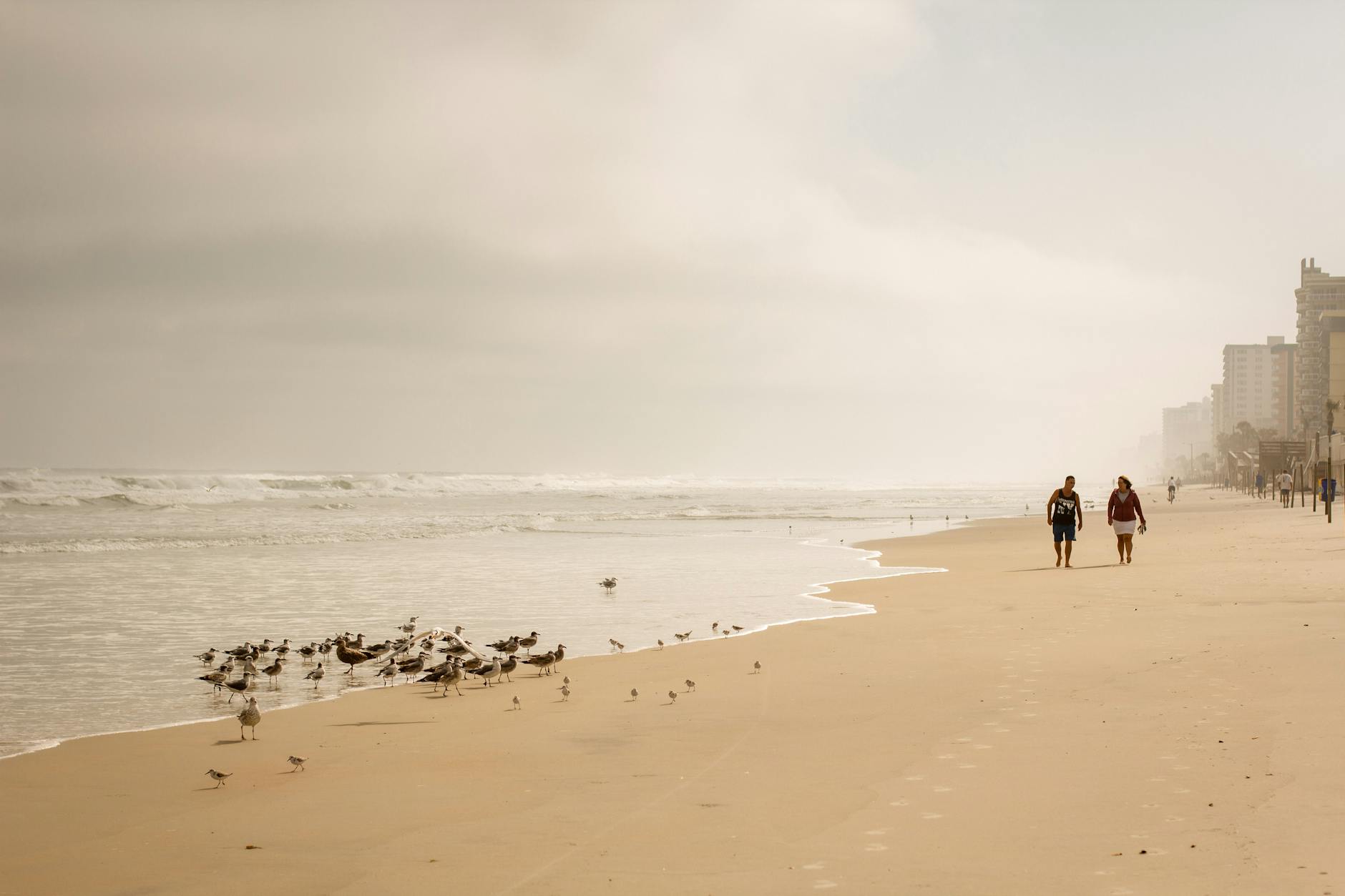
Daytona Beach is one of America's most iconic coastal destinations, built on the twin pillars of sand and speed. Its 23-mile stretch of hard-packed Atlantic shoreline is among the most recognizable in the world, wide enough to drive on in designated areas, a tradition that dates back to the early 1900s when land speed records were set right on the beach. That combination of ocean and motorsport culture gives Daytona Beach a character unlike any other Florida city.
The destination draws a remarkably diverse mix of travelers. Racing fans converge for marquee events at Daytona International Speedway, one of the most storied oval tracks in motorsport and home to the Daytona 500. Surfers and swimmers stake out spots along the shore, while families gravitate toward the Main Street Pier, the oceanfront boardwalk, and the Daytona Lagoon water park. Motorcycle enthusiasts have long claimed the city as a spiritual home, with Bike Week drawing hundreds of thousands of riders each year.
Beyond the adrenaline, Daytona Beach has a genuine cultural and artistic dimension. The Museum of Arts and Sciences holds an impressive collection including a Cuban art wing and a rare pre-Columbian gallery. The historic downtown area along Beach Street has been steadily revitalized, offering local dining, craft breweries, and independent shops that reflect a maturing city identity beyond the resort strip.
Daytona Beach appeals most to travelers who want energy and spectacle alongside their oceanfront relaxation. It is a place where a morning on the sand can give way to an afternoon at a world-class motorsport venue, or an evening exploring a surprisingly rich arts scene. The city rewards those who look past the neon of the boardwalk and engage with its layered, distinctly American coastal identity.
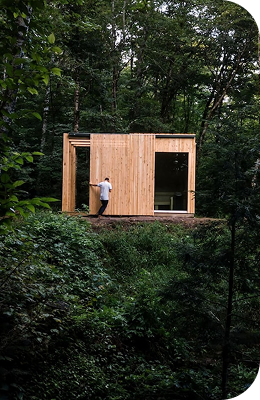



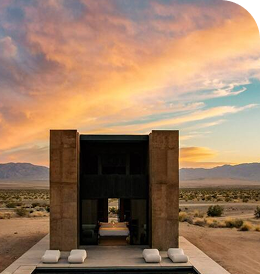

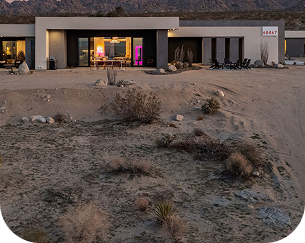









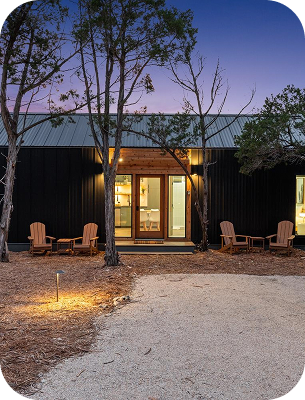





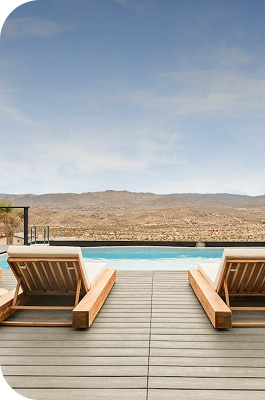

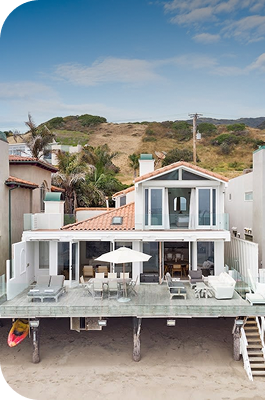

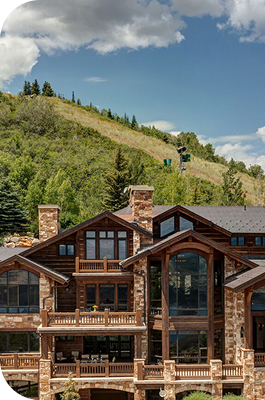

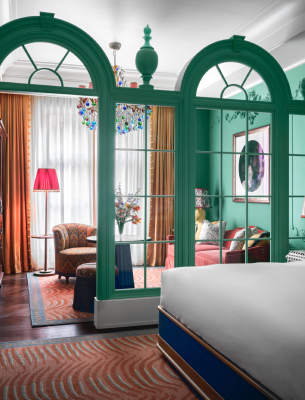

Journey connects travelers to a curated network of boutique hotels and distinctive residences around the world, all united under one rewards program. Explore handpicked stays for your trip while earning points, unlocking exclusive offers, and receiving rewards across the Journey collection.
Daytona Beach sits on Florida's northeast Atlantic Coast, roughly midway between Jacksonville to the north and Orlando to the west, positioned on a barrier island separated from the mainland by the Halifax River. The city's geography is defined by this narrow strip of land, where the Atlantic Ocean to the east and the Intracoastal Waterway to the west create a setting that is simultaneously intimate and expansive. The beach itself is unusually wide, with firm, dark sand that made it a natural racetrack long before any asphalt existed.
The city's identity is inseparable from its history of speed. In the early twentieth century, Daytona Beach's flat, hard-packed shoreline attracted pioneering automobilists and daredevils who used it as a proving ground for land speed records. That legacy eventually gave rise to organized racing, and ultimately to the founding of NASCAR in 1948 by Bill France Sr., who chose Daytona Beach as the sport's birthplace. The Daytona International Speedway, opened in 1959, cemented the city's permanent place in American motorsport history.
Culturally, Daytona Beach occupies a unique position in Florida's tourism landscape. It lacks the manicured luxury of Palm Beach or the cosmopolitan energy of Miami, but it offers something arguably more authentic: a working-class, all-American coastal city that has never pretended to be something it is not. The boardwalk, the pier, the beachside motels, and the roar of engines on race weekends all contribute to an atmosphere that is unpretentious and genuinely festive.
The broader Daytona Beach area encompasses communities including Ormond Beach to the north, Port Orange to the south, and DeLand inland, giving the region a varied texture beyond the beachfront strip. For travelers, the city serves as a convenient base for day trips to the Kennedy Space Center, St. Augustine, and the natural springs of Central Florida. It is a destination with real depth: part resort town, part motorsport mecca, and part living monument to a distinctly American idea of freedom on the open road.
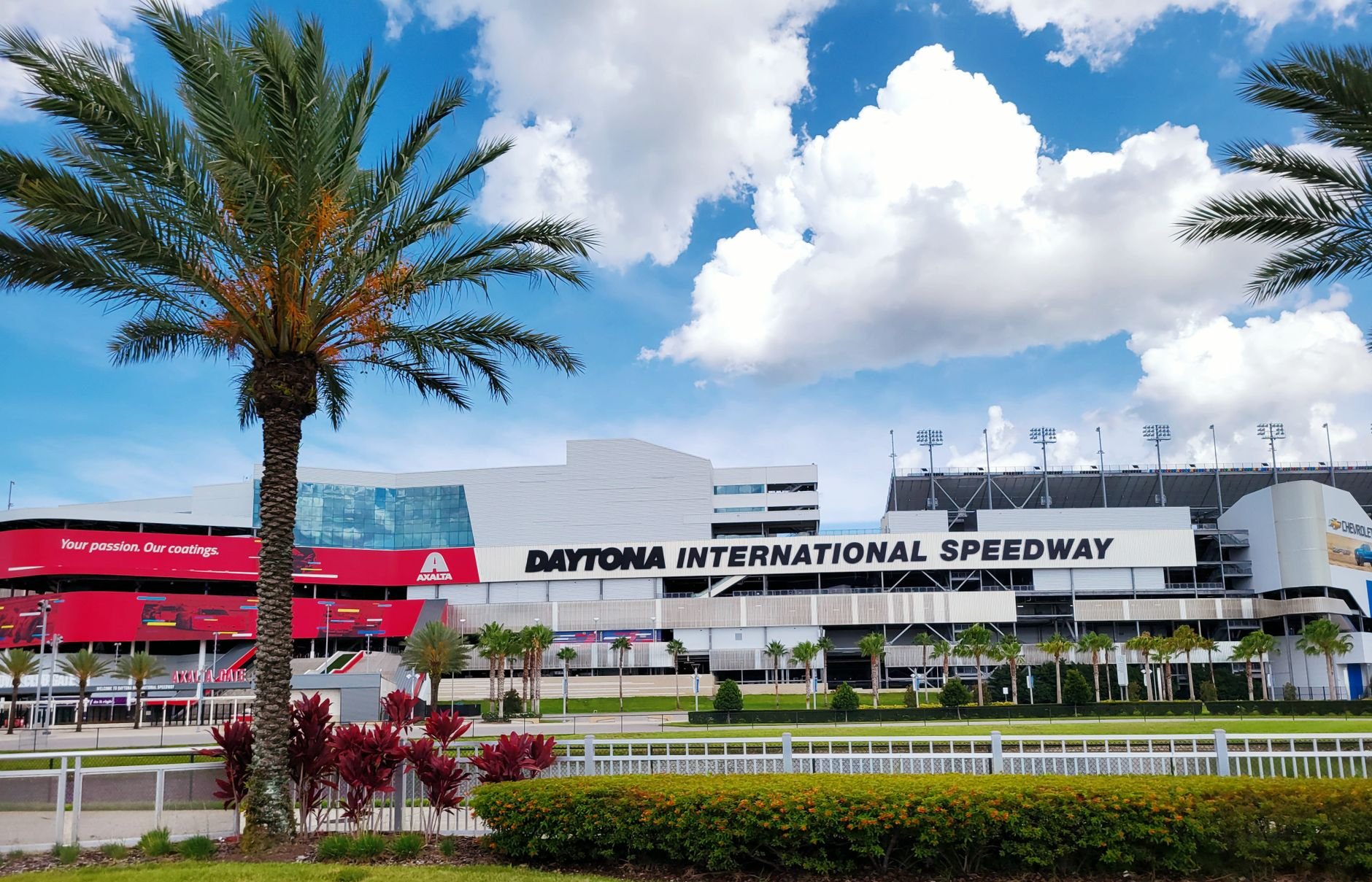
The sweet spot for visiting Daytona Beach falls between late October and early March, when the crowds thin out after peak summer and the weather settles into its most comfortable stretch. This window offers uncrowded beaches, easier access to the boardwalk and pier, and a more relaxed pace across the city's restaurants and attractions.
Spring, particularly March and April, brings a surge of visitors tied to spring break and major motorsport events at Daytona International Speedway. If you are drawn by the energy of race week or Bike Week, early March delivers the full spectacle of the city at its most animated, though accommodation books out months in advance and prices spike accordingly. Travelers who prefer quieter conditions should plan around these events.
Summer is the busiest season for families, with the beach and water attractions operating at full capacity. The boardwalk and oceanfront areas are lively but crowded, and popular spots along the shore fill up quickly on weekends. Those who do visit in summer should plan beach time for mornings before afternoon storms roll in.
Fall, from October onward, is increasingly popular with travelers who want a coastal escape without peak-season competition. The beach remains swimmable well into November, crowds drop noticeably after Labor Day, and the cultural calendar stays active with events along Beach Street and at the Museum of Arts and Sciences. This shoulder season also offers some of the best value for oceanfront stays.
Winter draws a steady flow of snowbirds and motorsport fans, particularly around the Rolex 24 at Daytona in late January. Outside of event weekends, January and February offer a genuinely peaceful beach experience with easy access to the city's dining, arts, and outdoor spaces.
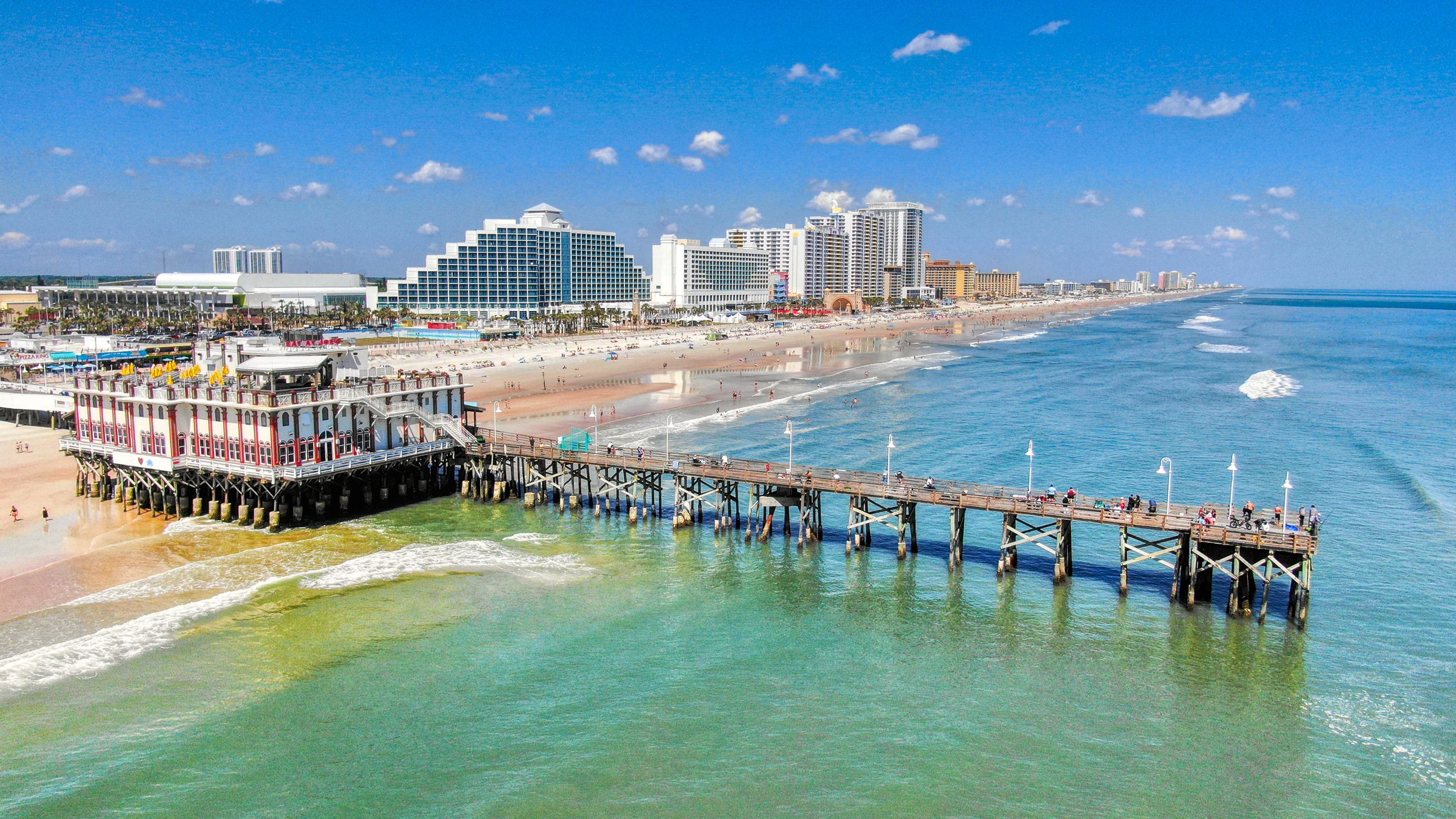
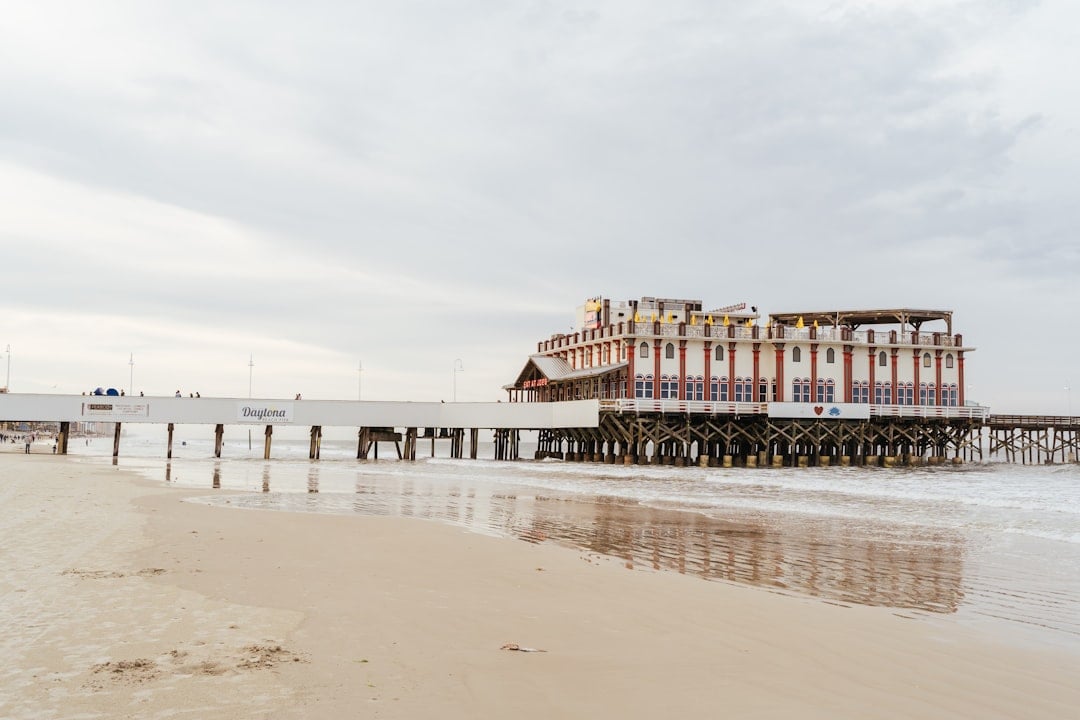
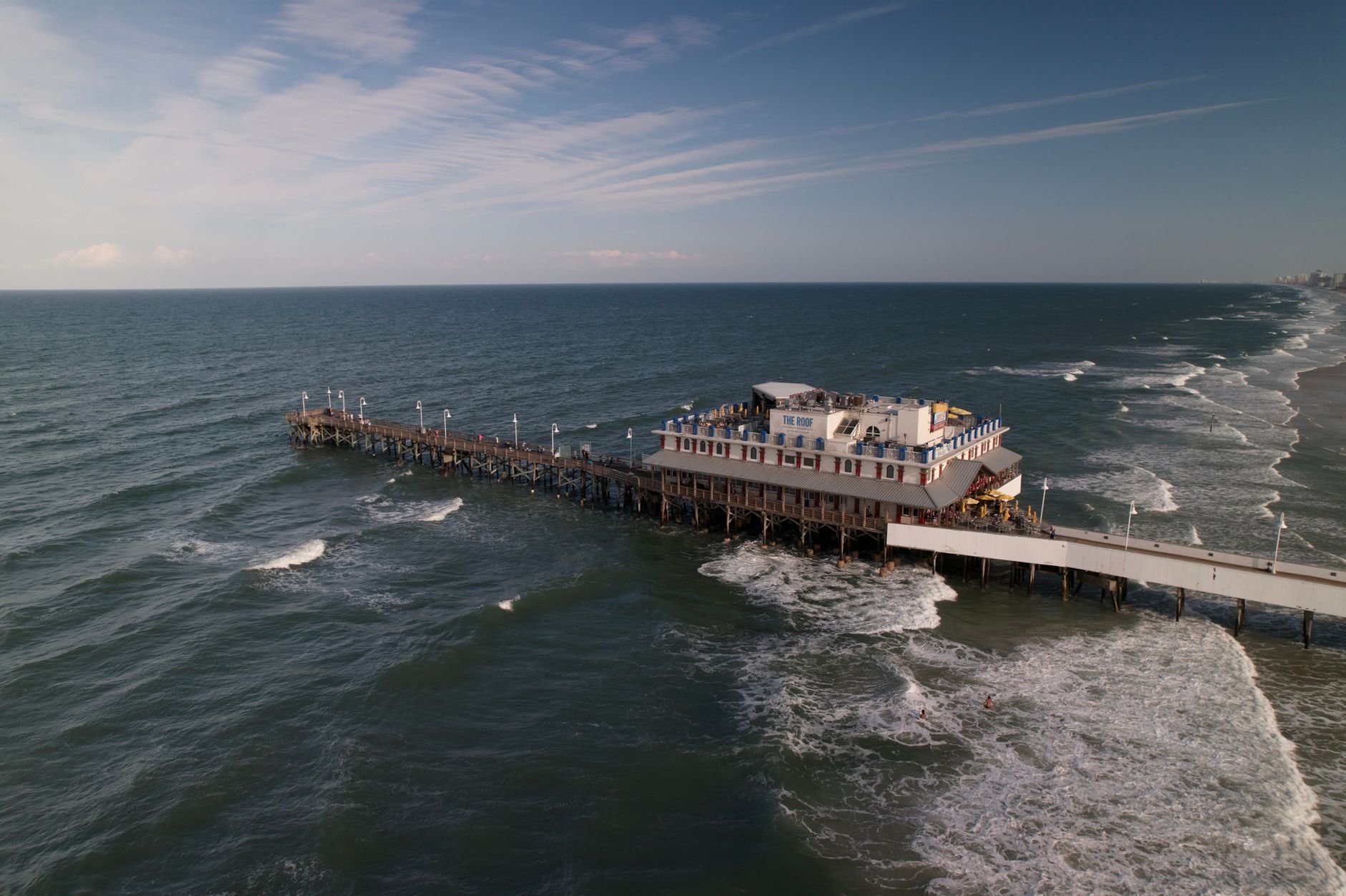
The beating heart of Daytona Beach's oceanfront energy, this strip along Atlantic Avenue pulses with amusement rides, arcades, open-air bars, and the iconic Main Street Pier stretching out over the Atlantic. It draws families, spring breakers, and curious visitors who want the full sensory experience of classic American beach resort culture. The area is liveliest after dark when the neon lights up and live music spills out from the beachside venues.
Running perpendicular to the beach toward the Halifax River, Main Street is the historic spine of Daytona Beach's biker and bar culture, lined with saloons, tattoo parlors, souvenir shops, and open-air venues that come fully alive during Bike Week and Biketoberfest. Outside of major events it retains a gritty, authentic edge that sets it apart from the polished resort strip. It is the neighborhood that best captures Daytona Beach's rebellious, free-spirited identity.
The sprawling precinct surrounding the Daytona International Speedway, west of US-1, transforms into one of the most electric environments in American sports during race weeks, with tailgate culture, fan zones, and the roar of engines defining the atmosphere. Even outside of events, the Speedway itself is a pilgrimage site for motorsport fans, offering tours of the storied oval track and the adjacent One Daytona entertainment and retail complex. The area reflects the deep motorsport DNA that separates Daytona Beach from every other Florida beach city.
Just north of Daytona Beach proper, Ormond Beach offers a noticeably calmer and more residential coastal experience, with tree-lined streets, upscale dining, and quieter stretches of the same hard-packed Atlantic shore. It carries a proud history as the birthplace of American motorsport, where early land speed records were set on the beach in the early 1900s. Travelers seeking a more relaxed base with easy access to Daytona's attractions often find Ormond Beach to be the ideal compromise.
Daytona Beach is defined by a handful of experiences you simply cannot replicate anywhere else, and they are exactly why travelers keep returning.
Racing at Daytona International Speedway
The Speedway is the spiritual center of American motorsport. Home to the Daytona 500, the most prestigious race in NASCAR, it draws hundreds of thousands of fans each February and hosts major events throughout the year. Even outside of race weekends, behind-the-scenes tours let visitors walk pit road, enter the infield, and stand on the banked turns of one of the world's most famous ovals. The sheer scale and history of the facility is genuinely awe-inspiring.
Driving on the Beach
Few places in the world still permit vehicles on the shoreline, and Daytona Beach is the most iconic of them. Driving along the hard-packed Atlantic sand, with the ocean to one side and the resort skyline to the other, is a tradition dating back to the early 1900s when racing pioneers set land speed records here. It remains one of the most distinctly Daytona things a visitor can do.
The Main Street Pier and Boardwalk
The oceanfront boardwalk and pier anchored by the Main Street Pier capture the classic Florida beach-town atmosphere at its most energetic. The Daytona Sling Shot ride launches thrill-seekers skyward above the Atlantic, the Polynesian Fire Luau brings nightly entertainment to the beachside, and the surrounding strip buzzes with the kind of lively, unpretentious fun that has made this stretch famous for generations.
Bike Week and the Motorcycle Culture
Every March, Daytona Beach becomes the undisputed capital of American motorcycle culture. Bike Week draws over 500,000 riders from across the country for ten days of rides, rallies, races at the Speedway, and a citywide celebration that transforms the destination entirely. Even outside of Bike Week, the city's biker identity is woven into its bars, shops, and general attitude.
Daytona Beach packs an extraordinary range of activities into one stretch of Florida's Atlantic Coast, from wide-open beaches and natural preserves to motorsport temples and performing arts venues.
Outdoor Recreation
The destination's 23-mile shoreline is the obvious starting point, offering swimming, surfing, and the famous tradition of driving on the hard-packed sand in designated areas. Inland, Tiger Bay State Forest provides hiking and wildlife watching across thousands of acres of pine flatwoods and wetlands, while Tomoka Marsh Aquatic Preserve and Riverbend Nature Park offer kayaking, birding, and quiet waterway exploration near Ormond Beach. Reed Canal Park and Sun Splash Park are local favorites for families seeking green space and splash pads close to the coast.
Cultural Attractions
History and heritage run deep here. The Ponce de Leon Inlet Lighthouse and Museum, one of the tallest lighthouses in the United States, rewards visitors with panoramic views and maritime exhibits. Dunlawton Sugar Mill Gardens in Port Orange preserves the ruins of a 19th-century sugar mill amid botanical grounds. Jackie Robinson Ballpark in downtown Daytona Beach carries a significant place in American history as the site where Robinson broke the color barrier in professional baseball.
Arts and Entertainment
Peabody Auditorium hosts touring performances and concerts in a beautifully restored 1920s venue. The Daytona Playhouse stages community theater productions year-round, and the Ocean Center serves as the region's primary arena for major events and exhibitions. For something offbeat, Rage Room Daytona offers a cathartic smash-everything experience that has become a quirky local draw.
Scenic Exploration
The Ormond Scenic Loop and Trail winds through ancient live oaks and along the Halifax River, offering some of the most picturesque driving and cycling in Central Florida. Ponce Inlet Preserve delivers coastal trail walks with views of the inlet and Atlantic beyond.
Food and Dining
Daytona Beach's dining scene ranges from waterfront seafood shacks to local institution diners, with spots like Caribbean Jack's on the Halifax River and the storied Racing's North Turn in Ponce Inlet blending great food with local character. Angell and Phelps Chocolate Factory on Beach Street is a beloved stop for handcrafted sweets and a taste of old-school Daytona charm.
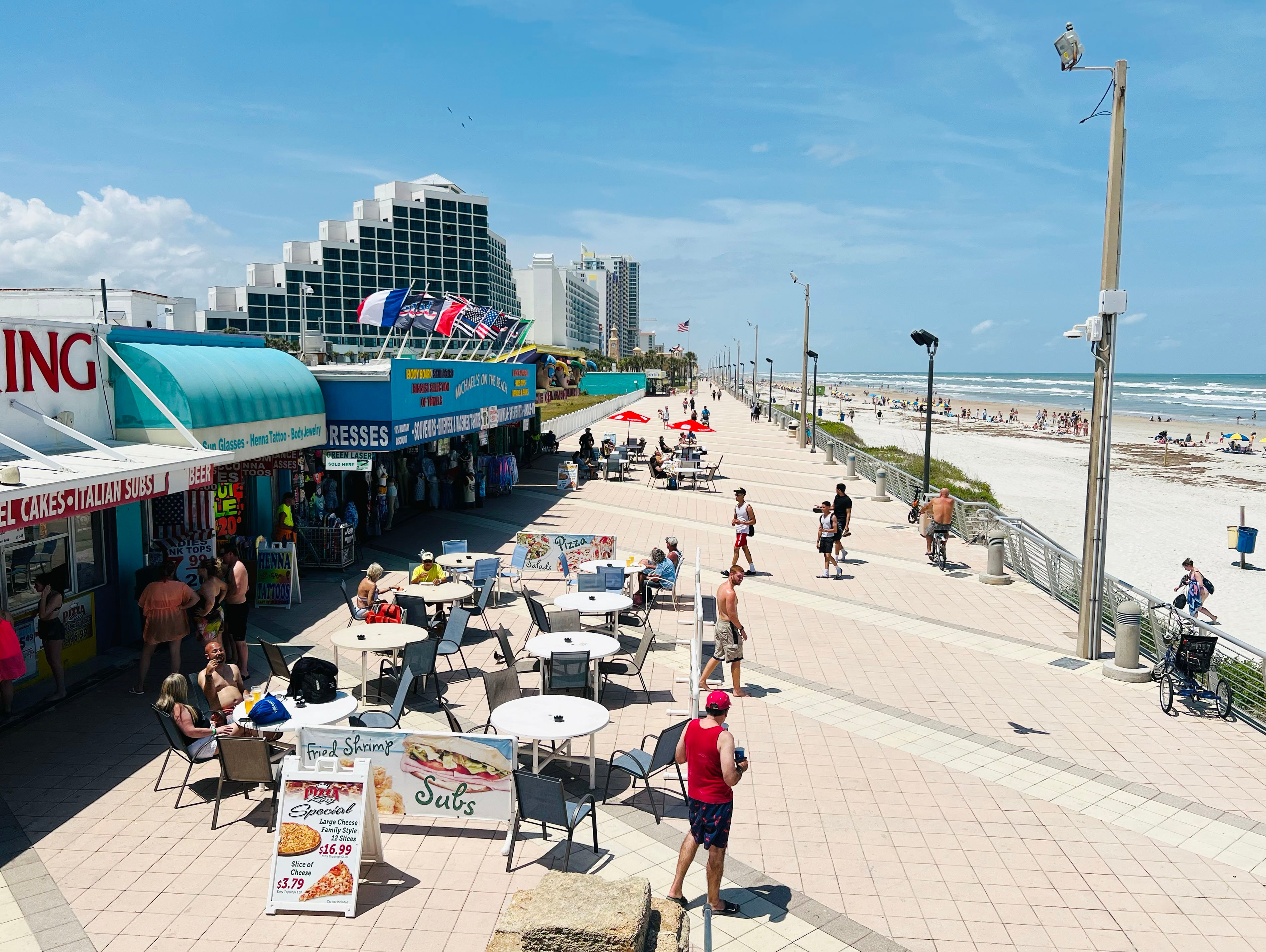
Start your morning with a walk along Daytona Beach's famous hard-packed shoreline near the Main Street Pier, taking in the wide Atlantic views. After lunch at a beachside spot on the boardwalk, spend the afternoon at the Daytona Lagoon water park or rent a bike along the oceanfront. End the evening with dinner and live music in the revitalized Beach Street downtown district.
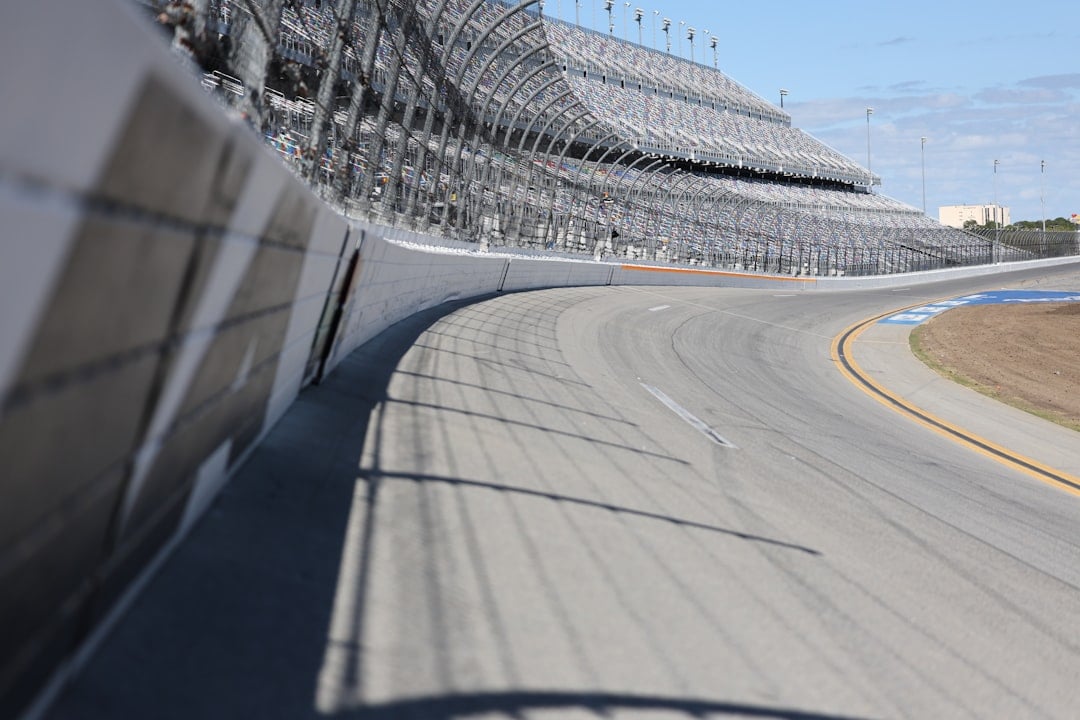
Dedicate the morning to Daytona International Speedway - take a guided track tour and explore the NASCAR Hall of Fame exhibits inside. Grab lunch near the speedway, then head to the Museum of Arts and Sciences in the afternoon to browse its Cuban art wing and pre-Columbian gallery. Wrap up the evening with craft beers and local bites at one of Beach Street's independent breweries.
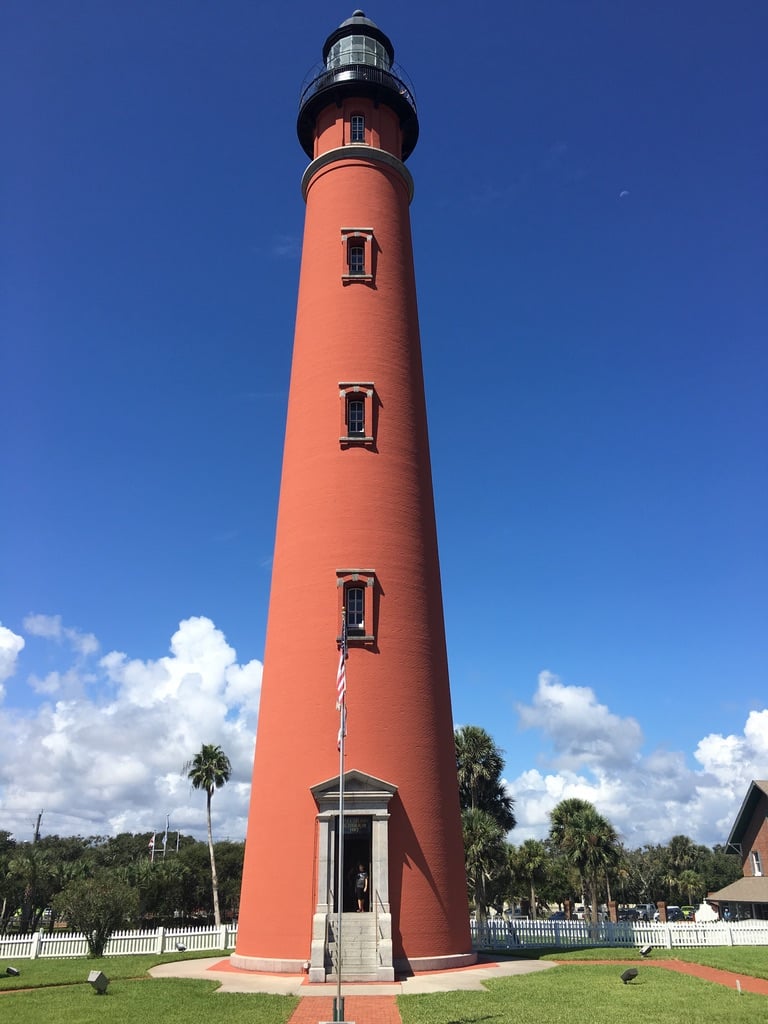
Spend your final morning surfing or swimming at the quieter northern end of the beach near Ormond Beach for a more relaxed atmosphere. After lunch, drive along the scenic A1A coastal highway and stop at Ponce Inlet to climb the historic Ponce de Leon Inlet Lighthouse, the tallest in Florida. Finish with a sunset seafood dinner overlooking the Halifax River.
Daytona Beach pulses to a calendar shaped by ocean seasons, motorsport heritage, and a deep tradition of large-scale gatherings. The year kicks off with the roar of engines in February, when the Daytona 500 transforms the city into a pilgrimage site for NASCAR faithful from across the country. Spring brings a shift in energy as music festivals take over the oceanfront, drawing rock and alternative crowds who fill the beachside venues with a different kind of thunder. Bike Week, one of the world's largest motorcycle rallies, arrives each March and turns the city into a rolling showcase of custom machines and open-road culture, with Main Street at its electric center.
Daytona Beach's dining scene is rooted in the flavors of the Florida coast, with fresh seafood driving menus across the city. Grouper sandwiches, shrimp baskets, and stone crab claws appear everywhere from waterfront dives to sit-down restaurants, and the quality tends to be highest at the smaller, locally owned spots that have been serving the same loyal crowds for decades. Clam chowder and fish tacos are boardwalk staples, while oyster bars along the Halifax River offer a more relaxed, local alternative to the oceanfront rush.
Daytona Beach International Airport (DAB) is the closest option for arrivals,
located just 3 miles from the beachside hotel strip, with rental cars, taxis, and rideshare available curbside, though direct flight options are limited and connections through Atlanta or Charlotte are common.
Orlando International Airport (MCO), about 60 miles southwest via I-4 East,
is the most practical alternative for travelers who want more flight options and competitive fares, with the drive to Daytona Beach typically taking 60 to 75 minutes under normal traffic conditions.
I-95 is the main north-south corridor into Daytona Beach,
connecting Jacksonville (about 90 miles north) and Miami to the south, making it the primary route for road-trippers traveling along the Atlantic Coast.
The Amtrak DeLand station, roughly 30 miles west of Daytona Beach,
serves the Silver Service and Palmetto lines connecting to Orlando, Jacksonville, and New York, though you will need a rental car or rideshare to cover the final stretch into the city.
Greyhound and FlixBus operate intercity bus routes into Daytona Beach
from Orlando and Jacksonville, offering a budget-friendly option for travelers without a car, with the Daytona Beach bus terminal located near the downtown area.
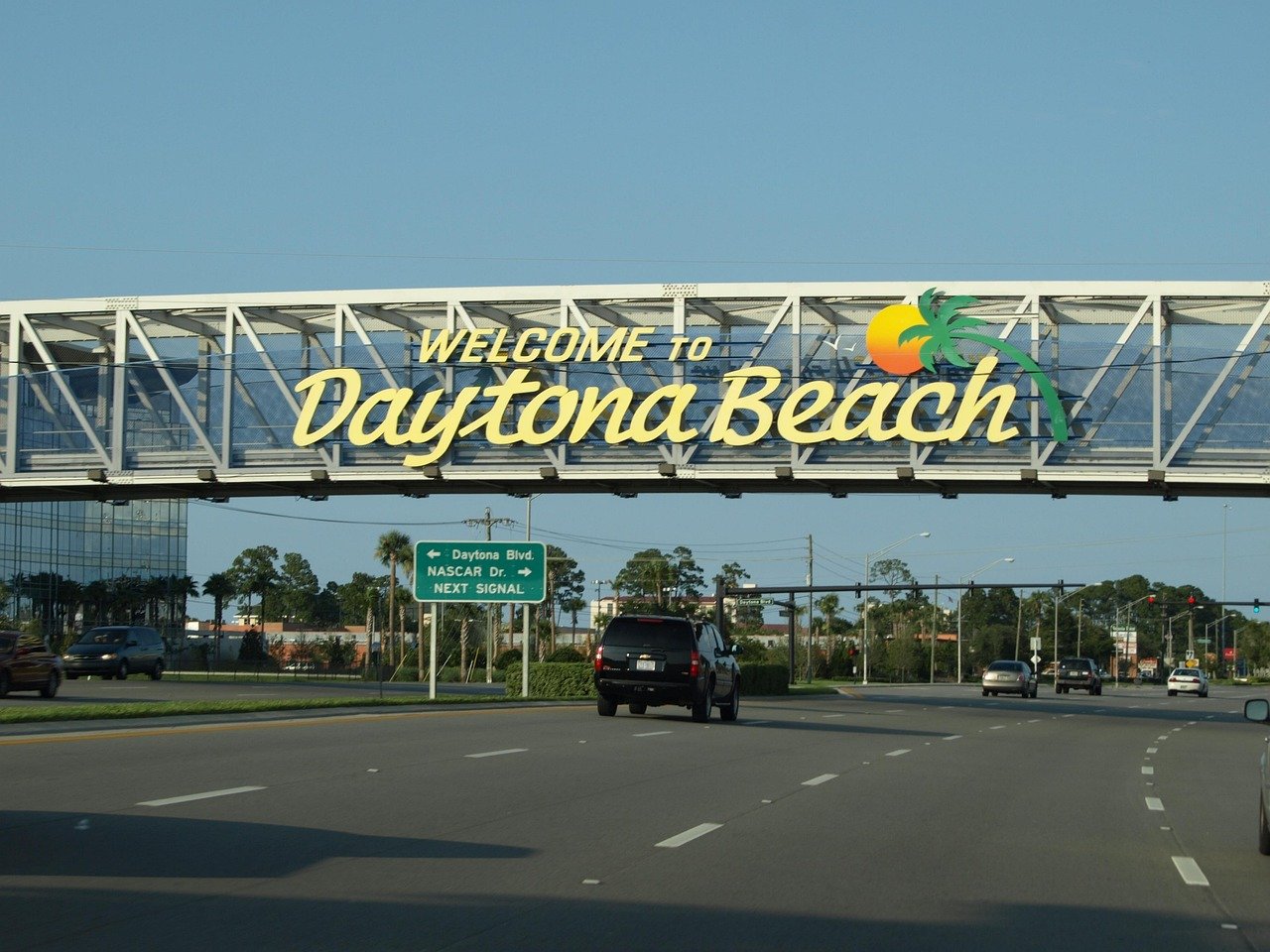
The Atlantic Avenue beachside corridor is walkable between most hotels, restaurants, and the Main Street Pier,
making it easy to cover the core tourist strip on foot, though a car or rideshare becomes necessary once you venture to the speedway, downtown Beach Street, or the Museum of Arts and Sciences.
Votran bus routes serve both the beachside and mainland areas of Daytona Beach
with fares starting at $1.75, but service frequency is limited on some routes, so check the Votran schedule in advance if you plan to rely on it for specific attractions.
Uber and Lyft are consistently available throughout Daytona Beach
and are the most convenient option for evenings out near the boardwalk or Main Street, where parking fills quickly and walking distances between venues can stretch further than expected.
Parking near the Main Street boardwalk and Daytona International Speedway fills rapidly on event weekends,
so arriving early or using designated event parking lots with shuttle service is strongly recommended during the Daytona 500, Bike Week, or any major race weekend.
Bike rentals are available from several shops along the beachside strip
and are a practical and enjoyable way to cover the flat oceanfront area, particularly in the cooler morning hours before beach traffic picks up.
Book accommodations as early as possible if your visit coincides with the Daytona 500 (February), Bike Week (early March), or Biketoberfest (October), when rooms along the beachside can sell out months in advance and rates increase sharply. The Daytona Beach area uses Florida's standard sales tax, and tipping follows typical U.S. norms: 18 to 20 percent at restaurants and for rideshare drivers. Driving on the beach is permitted in designated zones, but check current rules and access points at the City of Daytona Beach website before you go, as restrictions and fees apply. Sunscreen is essential year-round given Florida's UV intensity. The ocean can have strong rip currents, so always swim near a lifeguard station and check posted flags. Download the Votran app if you plan to use local buses. Petty theft can occur in crowded boardwalk areas, so keep valuables secured at the beach.
Three to four days is a comfortable amount of time to explore Daytona Beach. That gives you enough time to enjoy the beach, visit Daytona International Speedway, walk the boardwalk and Main Street Pier, and explore the revitalized downtown along Beach Street. If you are attending a major event like the Daytona 500 or Bike Week, budget an extra day or two.
Daytona Beach is best known for its wide, hard-packed Atlantic shoreline and its deep ties to motorsport. Daytona International Speedway, home of the Daytona 500, is one of the most iconic oval tracks in the world. The city is also famous for Bike Week, its oceanfront boardwalk, and a beach tradition of driving on the sand that dates back to the early 1900s.
Yes, Daytona Beach works well as a weekend destination. Two days is enough to hit the beach, explore the boardwalk and Main Street Pier, and get a feel for the city's motorsport culture. It is within easy driving distance of Orlando and Jacksonville, making it a practical short getaway. Arriving Friday and leaving Sunday gives you a full, well-rounded visit.
Daytona Beach is relatively affordable compared to other Florida coastal destinations. Accommodation ranges from budget motels to mid-range oceanfront hotels, and dining options span casual beachside spots to sit-down restaurants. Costs spike significantly during major events like the Daytona 500 and Bike Week, when hotel rates and demand surge. Visiting outside those windows keeps the trip budget-friendly.
Spring and fall offer the most pleasant weather, with warm temperatures and fewer crowds than the peak summer season. If you want to avoid the noise and price spikes of major events like the Daytona 500 in February or Bike Week in March, aim for April, May, or October.