
Baltimore, MD
A Journey guide to
Delray Beach has earned a reputation as one of South Florida's most spirited small cities, blending a walkable downtown with a genuine beach-town identity. Atlantic Avenue, the city's celebrated main street, stretches from the Intracoastal Waterway to the Atlantic Ocean and is lined with independent restaurants, boutiques, galleries, and rooftop bars that draw visitors and locals alike. It is a destination that rewards those who want both sand and substance.
The city's arts credentials are serious. Delray Beach is home to the Cornell Art Museum at Old School Square, set inside a beautifully restored 1913 schoolhouse complex that anchors the cultural life of downtown. The Pineapple Grove Arts District adds another creative layer, with murals, studios, and galleries clustered along NE 2nd Avenue just north of Atlantic. For a city of its size, the concentration of public art and cultural programming is genuinely impressive.
Delray Beach attracts a diverse mix of travelers: couples drawn by the boutique hotel scene and restaurant quality, families seeking a manageable and charming beach destination, and active travelers who appreciate the cycling, paddleboarding, and water sports on offer. The city also has a notable tennis heritage, having hosted professional tournaments for decades, and its proximity to the Boca Raton and Palm Beach corridors makes it a natural base for exploring the broader Gold Coast.
What sets Delray Beach apart from neighboring resort towns is its human scale. Despite steady growth, it has retained the feel of a genuine community rather than a manufactured resort strip. The beach itself, wide and well-maintained, sits just steps from the energy of Atlantic Avenue, making the transition from a morning swim to a proper lunch or gallery visit effortlessly easy.
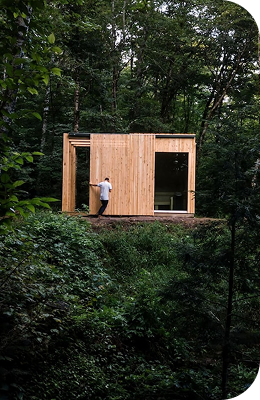



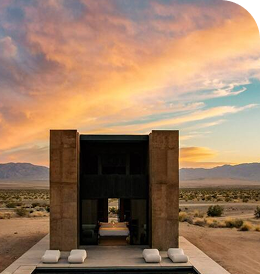

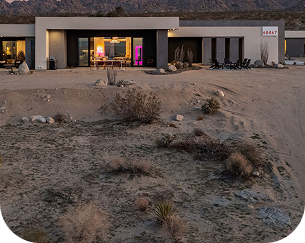

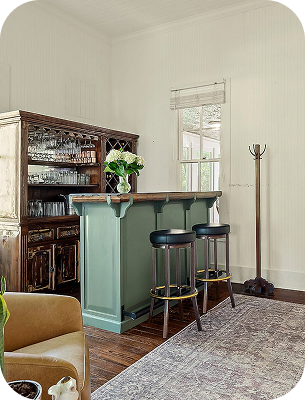

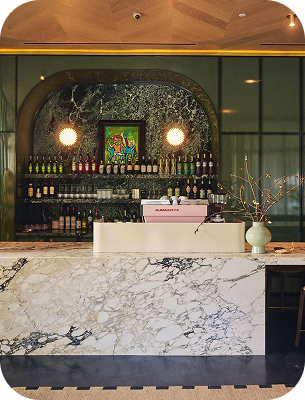

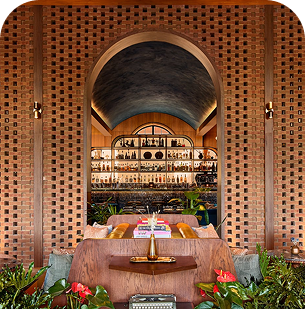



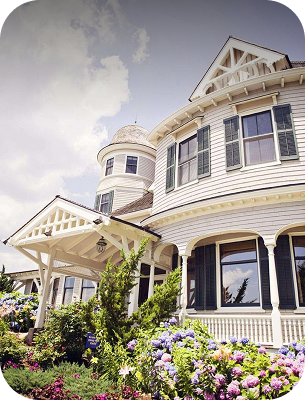



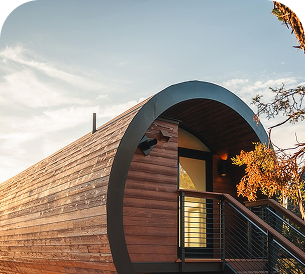



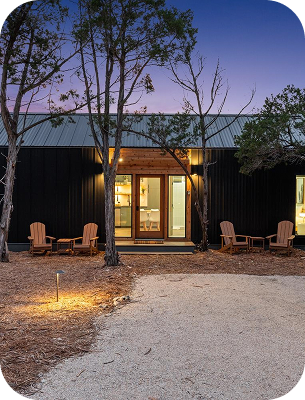



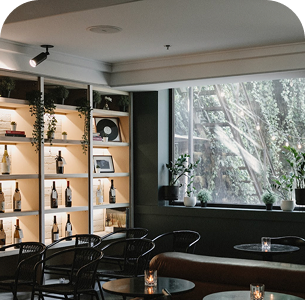

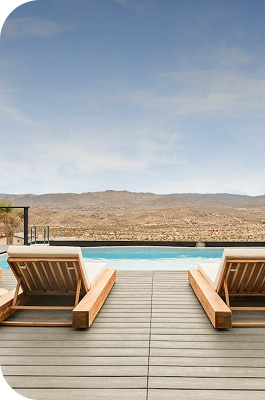

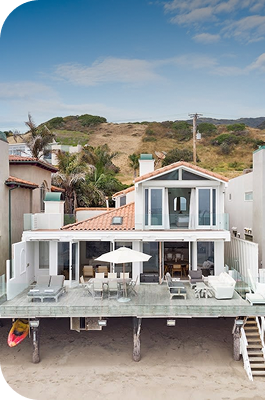



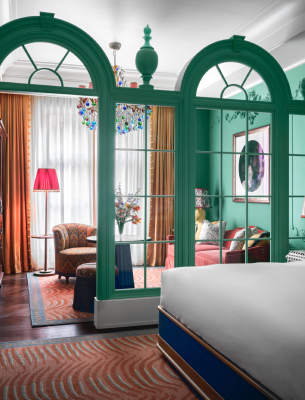

Journey connects travelers to a curated network of boutique hotels and distinctive residences around the world, all united under one rewards program. Explore handpicked stays for your trip while earning points, unlocking exclusive offers, and receiving rewards across the Journey collection.
Delray Beach sits on Florida's Gold Coast in Palm Beach County, positioned between Boca Raton to the south and Boynton Beach to the north, with the Atlantic Ocean forming its entire eastern boundary. The city covers roughly 16 square miles of relatively flat coastal terrain, bisected east to west by Atlantic Avenue and divided north to south by the Intracoastal Waterway. The geography is quintessentially South Florida: barrier island beaches, mangrove-fringed waterways, and a dense subtropical landscape that softens the edges of an otherwise urban streetscape.
The city's origins trace to the late 19th century, when it was settled by Japanese farmers who cultivated pineapples and later became one of the earliest Japanese-American agricultural communities in the United States. That history is acknowledged today at the Morikami Museum and Japanese Gardens, a genuinely distinctive cultural institution set on 200 acres west of downtown. The museum and its roji-style gardens represent one of the most unexpected and rewarding cultural experiences anywhere on the Florida coast.
Through much of the 20th century, Delray Beach developed as a quiet retirement and seasonal destination, but the city underwent a significant transformation beginning in the 1980s and 1990s when investment in Atlantic Avenue revitalized downtown and attracted a younger, more year-round population. Today it balances its legacy as a snowbird haven with a growing permanent community and a hospitality economy that has become increasingly sophisticated.
The travel atmosphere in Delray Beach is relaxed but engaged. It is not the frenetic pace of Miami Beach, nor the exclusive insularity of Palm Beach. Visitors tend to linger: over long dinners on Atlantic Avenue, on the wide public beach, or exploring the city's network of parks and waterways by kayak or paddleboard. The city has been recognized multiple times as one of the most fun small cities in America, a designation that feels earned rather than promotional.
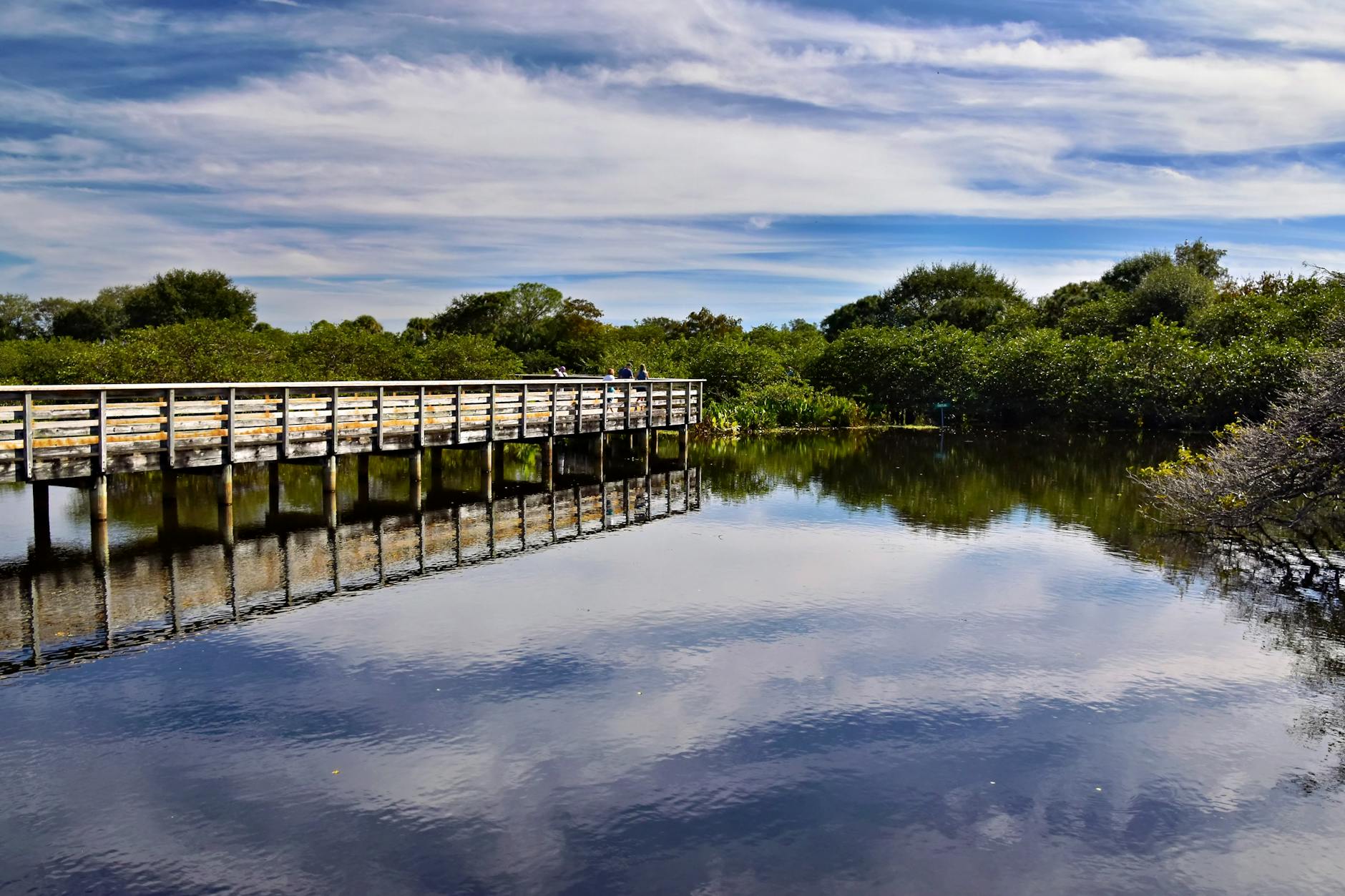
The prime window for visiting Delray Beach runs from mid-November through April, when dry conditions, lower humidity, and reliably clear skies align with the city's most active cultural and social calendar. This is peak season, and for good reason: Atlantic Avenue is at its most vibrant, outdoor dining is in full swing, and the beach draws steady crowds without the oppressive heat of summer. Booking accommodations well in advance is essential during this period, particularly around the winter holidays and February, when the city fills with seasonal residents and visitors from the northeast.
For travelers seeking a balance between good conditions and lighter crowds, November and early December offer a compelling window. The summer heat has faded, prices have not yet peaked, and the city retains a relaxed, local feel before the high-season surge. The Delray Beach tennis tournament, typically held in late January or early February, draws significant visitor numbers and fills hotels quickly, so those not attending may want to plan around it.
March and April bring spring break traffic and a noticeable uptick in energy along the beachfront and downtown corridor. Families and younger travelers dominate during these weeks, and the atmosphere is lively but crowded. Those who prefer a quieter experience should target early March or late April before the summer humidity sets in.
Summer is the off-season for a reason: the combination of intense heat and near-daily storms limits outdoor enjoyment, and many seasonal businesses reduce their hours. However, budget-conscious travelers will find significantly lower hotel rates, and the beach itself is far less crowded on mornings before the afternoon storms arrive. The arts and dining scene remains active year-round, making even the slower months worthwhile for the right traveler.
The beating heart of Delray Beach, Atlantic Avenue stretches from the Intracoastal Waterway to the Atlantic Ocean and is lined with independent restaurants, boutiques, rooftop bars, and galleries. The street has a genuine small-city energy that feels festive without being overwhelming. It is the first place most visitors gravitate toward, and for good reason.
Just north of Atlantic Avenue along NE 2nd Avenue, Pineapple Grove is Delray Beach's creative quarter, defined by colorful murals, artist studios, independent galleries, and a relaxed neighborhood pace. It offers a quieter counterpoint to the bustle of Atlantic Avenue while still delivering plenty of personality. The district rewards slow exploration on foot.
Anchored by a beautifully restored 1913 schoolhouse complex, Old School Square is the cultural and civic heart of downtown Delray Beach. The Cornell Art Museum sits here alongside an outdoor amphitheater and green space that hosts festivals and community events throughout the year. It is a landmark that gives the city a sense of history and identity.
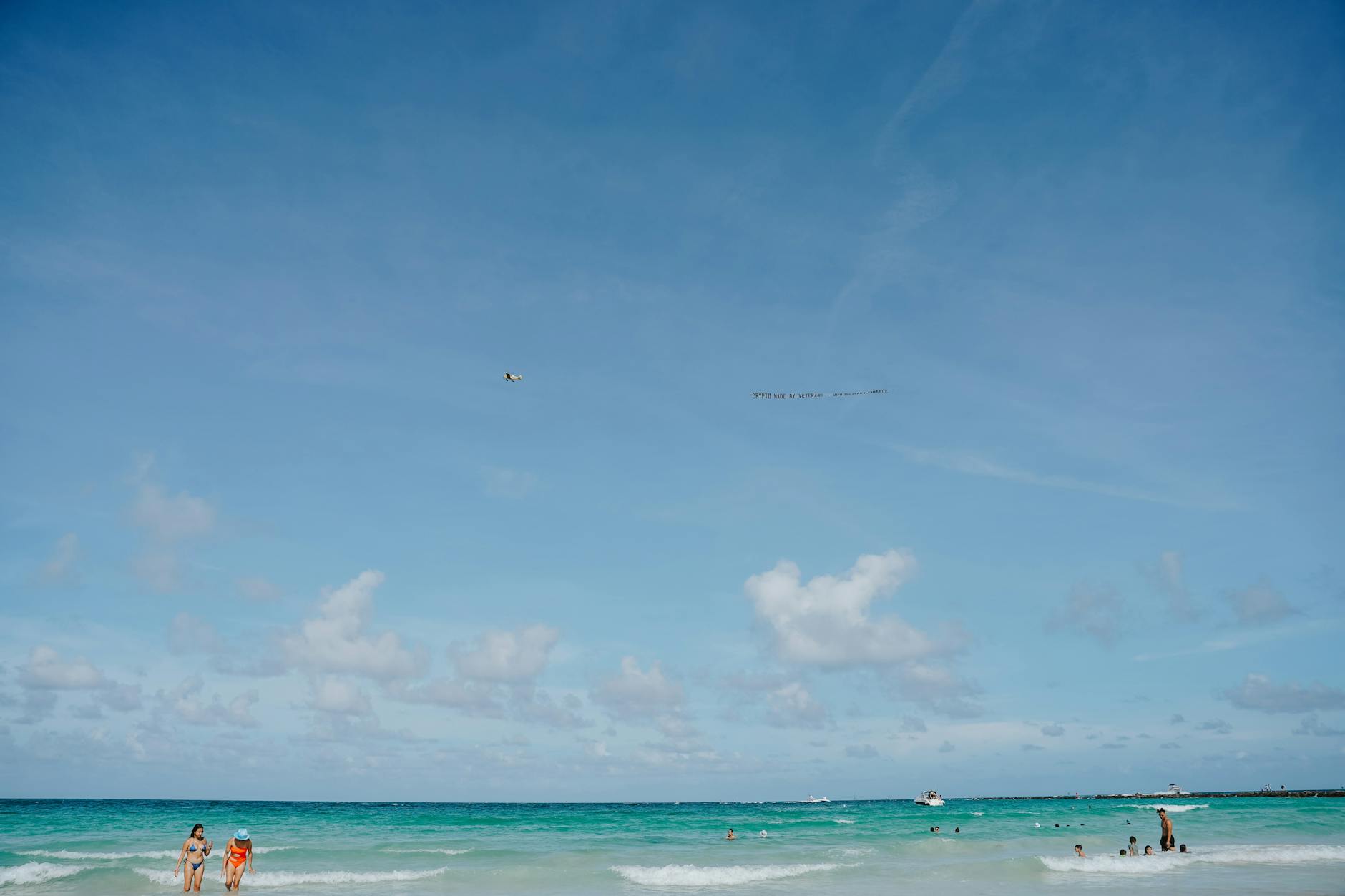
The area immediately surrounding Delray Beach's public beach is where the city's coastal identity is most vivid, with a wide, well-maintained shoreline just steps from the eastern end of Atlantic Avenue. Casual beachside bars, surf shops, and open-air cafes create a laid-back atmosphere that balances the more polished downtown scene. It is ideal for those who want sand, sun, and a cold drink within easy reach.
The western end of Atlantic Avenue meets the Intracoastal Waterway, where a quieter marina-side atmosphere prevails with waterfront dining, boat docks, and scenic views of the water. This area draws visitors looking for a more relaxed setting away from the main strip's foot traffic. Sunset from the Intracoastal bridges is one of Delray Beach's understated pleasures.

A few experiences define Delray Beach in a way that no other destination on the Gold Coast can replicate, and they are the reason travelers return year after year.
Atlantic Avenue
The avenue is the city's defining feature: a mile-long corridor connecting the Intracoastal to the ocean, lined with independent restaurants, boutiques, and rooftop bars that maintain a genuinely local character. Walking Atlantic Avenue on a warm evening, moving between dinner and live music and a nightcap with ocean breezes, is the quintessential Delray Beach experience. It is lively without being overwhelming, and walkable in a way that few Florida downtowns can claim.
Wakodahatchee Wetlands
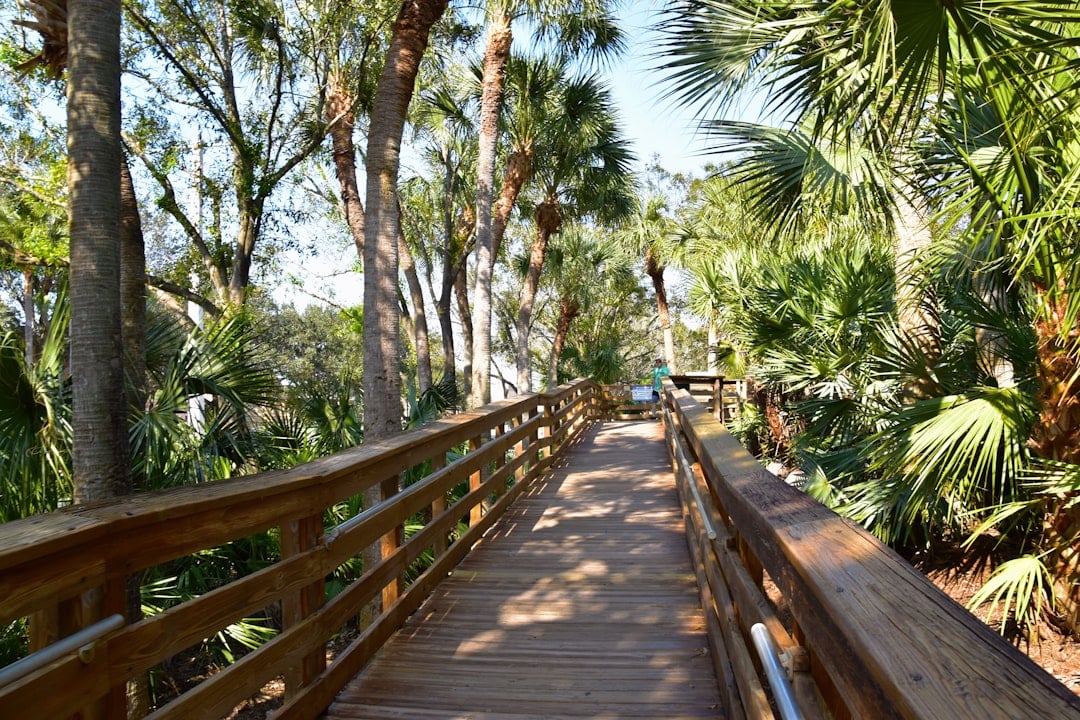
This half-mile boardwalk through a constructed wetland preserve is one of the most remarkable wildlife encounters in South Florida. Herons, anhingas, roseate spoonbills, and dozens of other species nest and feed within arm's reach of the elevated walkway. It is the kind of place that surprises first-time visitors and keeps serious birdwatchers coming back with better cameras.
Morikami Museum and Japanese Gardens
Few cultural institutions in Florida are as unexpected or as rewarding as the Morikami. Set on 200 acres west of the city, it traces the story of the Yamato Colony, a Japanese agricultural settlement that once occupied this land. The formal gardens, rotating art exhibitions, and on-site Japanese restaurant combine into an afternoon that feels entirely removed from the surrounding suburbs.
Delray Beach International Tennis Championships
Delray Beach has hosted professional tennis for decades, and the annual ATP tournament held at the Delray Beach Tennis Center draws top-ranked players to an intimate stadium setting that puts fans closer to the action than almost any other tour stop. The combination of competitive tennis and the city's social scene makes tournament week one of the most energetic times to visit.
Delray Beach packs a surprising range of activities into a compact and walkable coastal city, making it easy to move between beach time, cultural stops, and outdoor adventures without ever feeling rushed.
Outdoor Recreation
The city's natural assets are varied and accessible. Delray Public Beach offers wide, well-maintained sand and calm Atlantic waters ideal for swimming, paddleboarding, and snorkeling. Wakodahatchee Wetlands, a celebrated boardwalk preserve, draws birdwatchers and nature lovers with its remarkable concentration of wading birds and wildlife. Anchor Park provides direct beach access alongside picnic areas and shaded green space, while Atlantic Dunes Park offers a quieter stretch of coastline backed by native dune vegetation.
Cultural Attractions
The Spady Cultural Heritage Museum chronicles the history of Delray Beach's African American community through rotating exhibits and community programming. The Morikami Museum and Japanese Gardens, just west of the city, is one of the most distinctive cultural institutions in South Florida, combining a world-class Japanese art collection with serene formal gardens. The Sandoway Discovery Center brings coastal science to life with live shark feedings and hands-on marine exhibits.
Arts and Entertainment
Arts Garage anchors the Pineapple Grove Arts District with live jazz, visual art exhibitions, and performing arts events throughout the year. THRōW Social Delray Beach adds a lively entertainment option with axe throwing, shuffleboard, and social gaming for groups. Putt'n Around offers a creative mini-golf experience well suited to families and casual evenings out.
Scenic Exploration
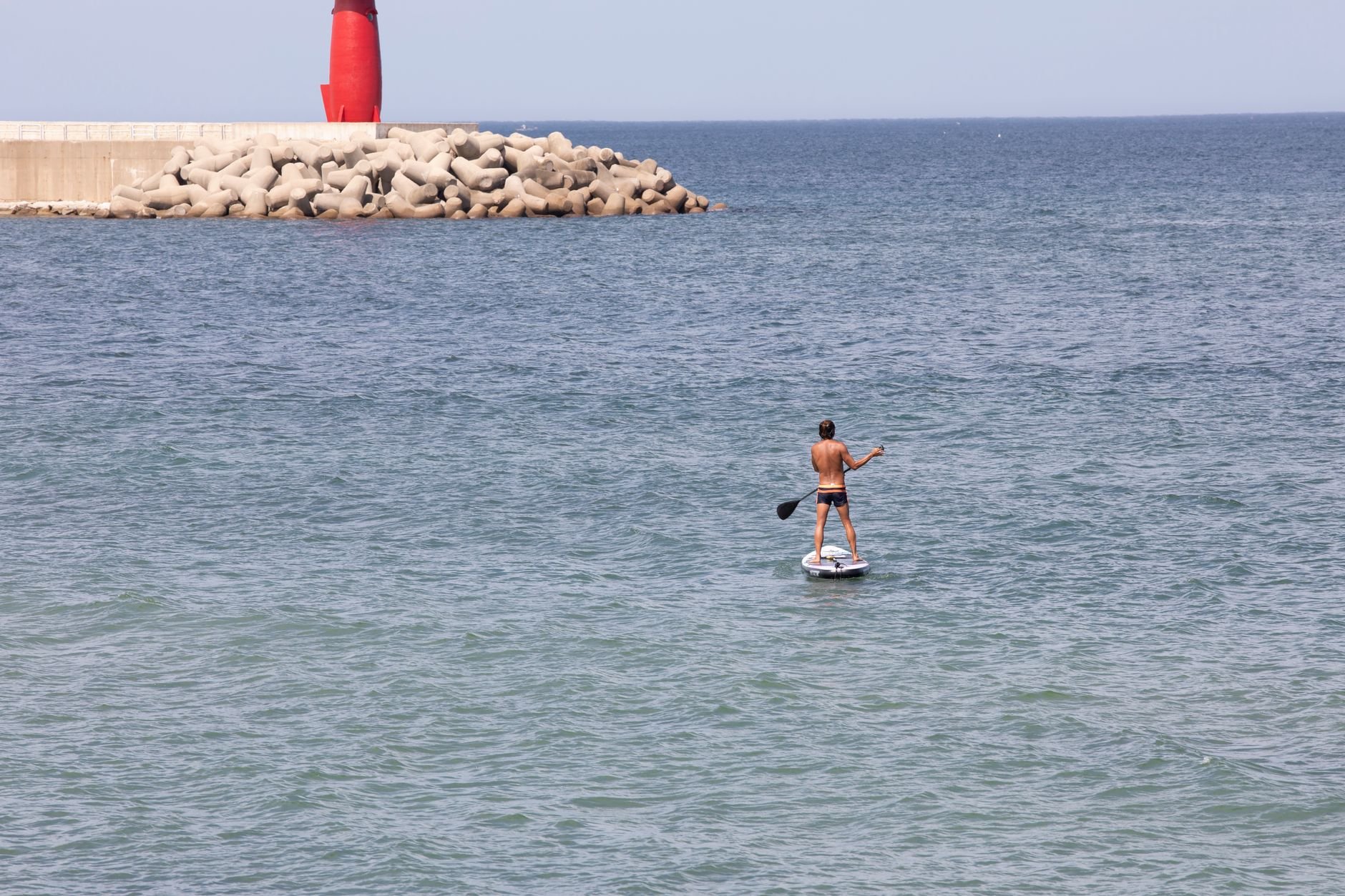
Gulfstream Park sits along the Intracoastal Waterway and provides a peaceful setting for walking, fishing, and watching boat traffic. Lake Ida East and West parks offer kayaking and paddleboarding on freshwater, a pleasant contrast to the ocean scene just a few miles east.
Food and Dining
Atlantic Avenue is the city's culinary spine, lined with independent restaurants, rooftop bars, and casual cafes spanning cuisines from fresh seafood to global fare. The dining scene skews toward locally owned establishments with open-air seating that reflects the city's relaxed coastal character.
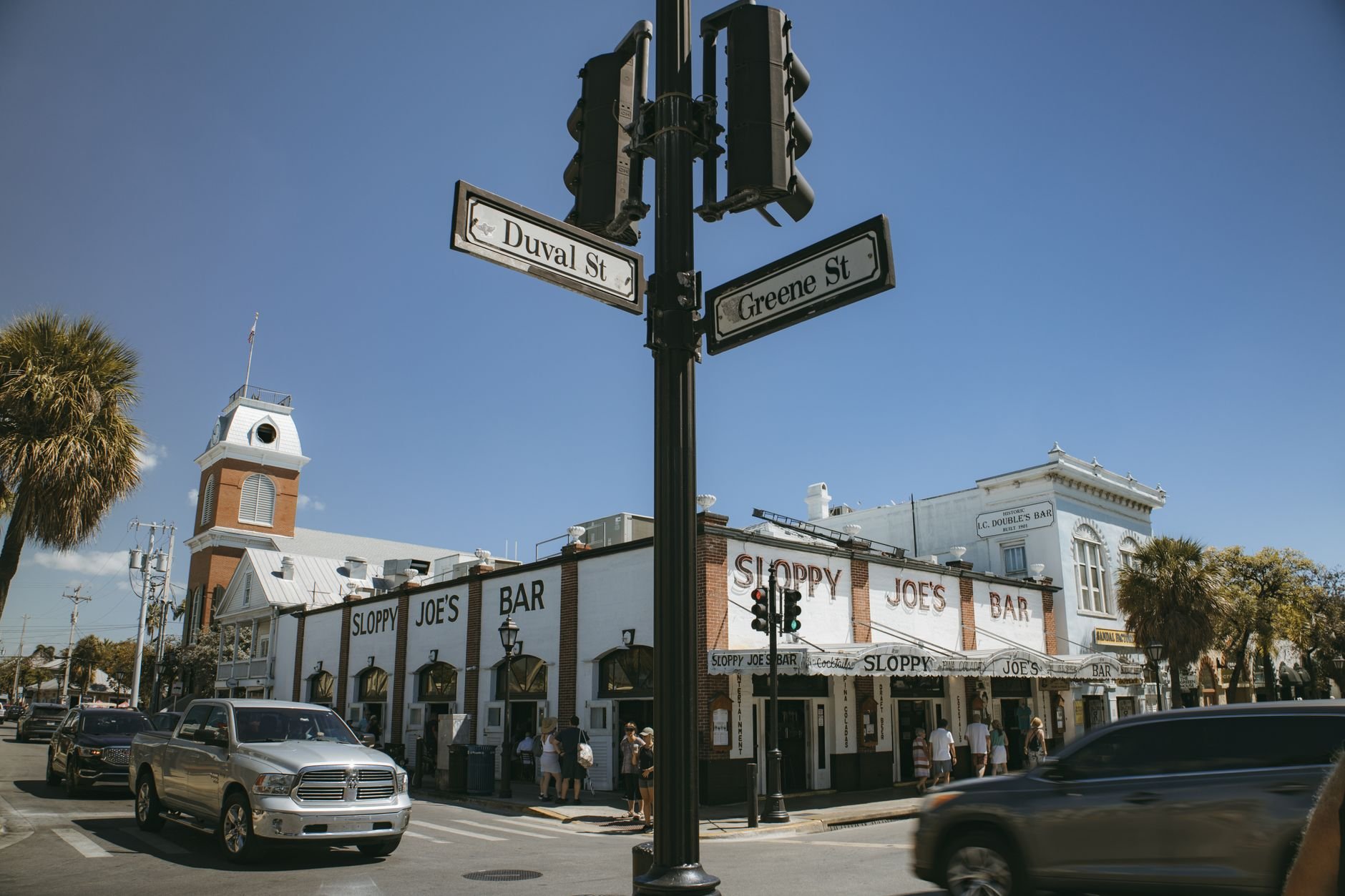
Start your morning with a swim at Delray Beach's wide, pristine shoreline, then grab breakfast at a cafe along Atlantic Avenue. Spend the afternoon exploring the boutiques, galleries, and street-level energy of Atlantic Avenue from the Intracoastal to the ocean. In the evening, settle into one of the rooftop bars or independent restaurants lining the avenue for dinner and drinks.
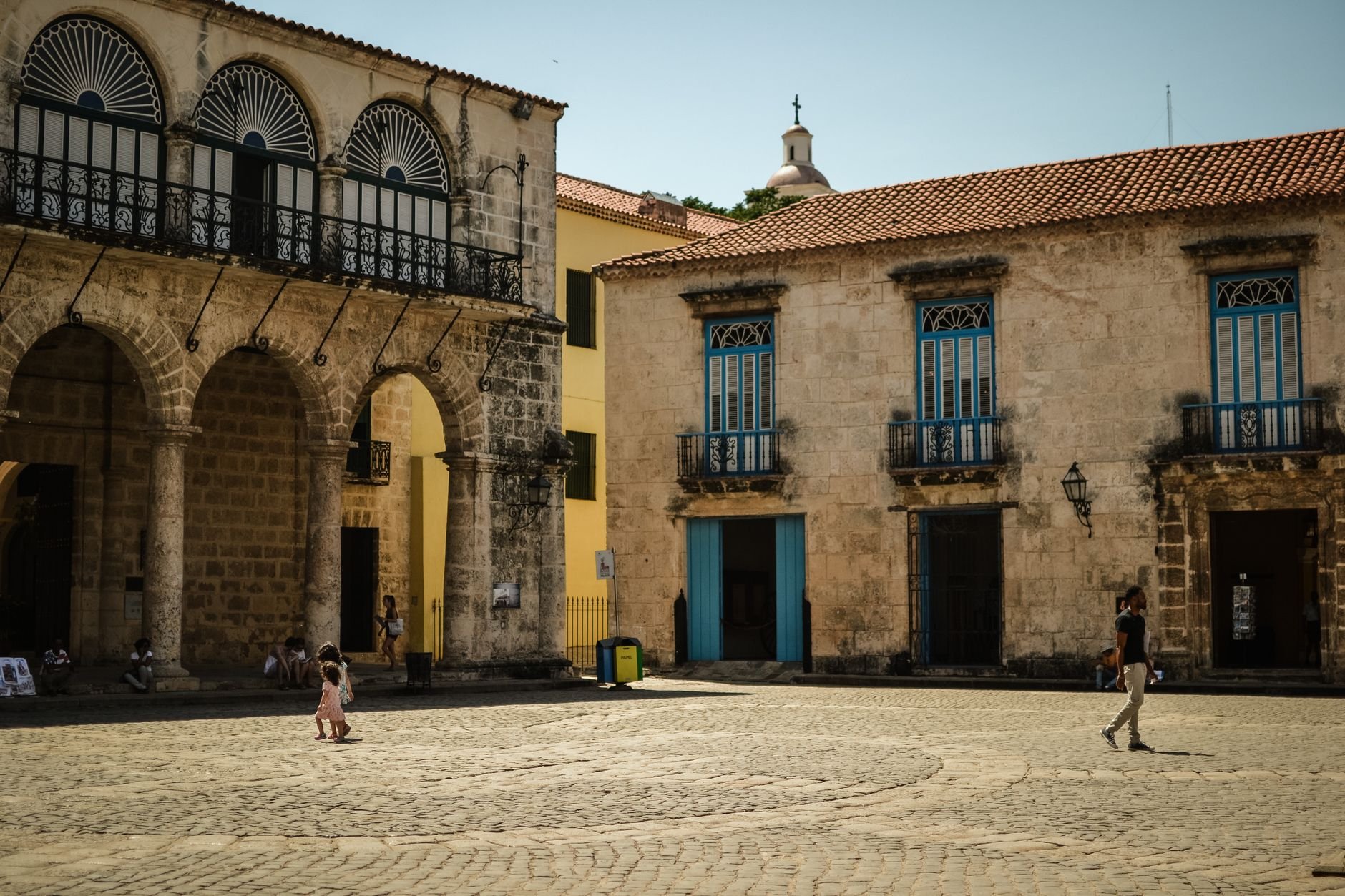
Dedicate your morning to the Cornell Art Museum at Old School Square, housed in a beautifully restored 1913 schoolhouse at the heart of downtown. After lunch, head north to the Pineapple Grove Arts District to browse murals, studios, and galleries along NE 2nd Avenue. End the evening back downtown with dinner at one of Delray Beach's well-regarded independent restaurants.
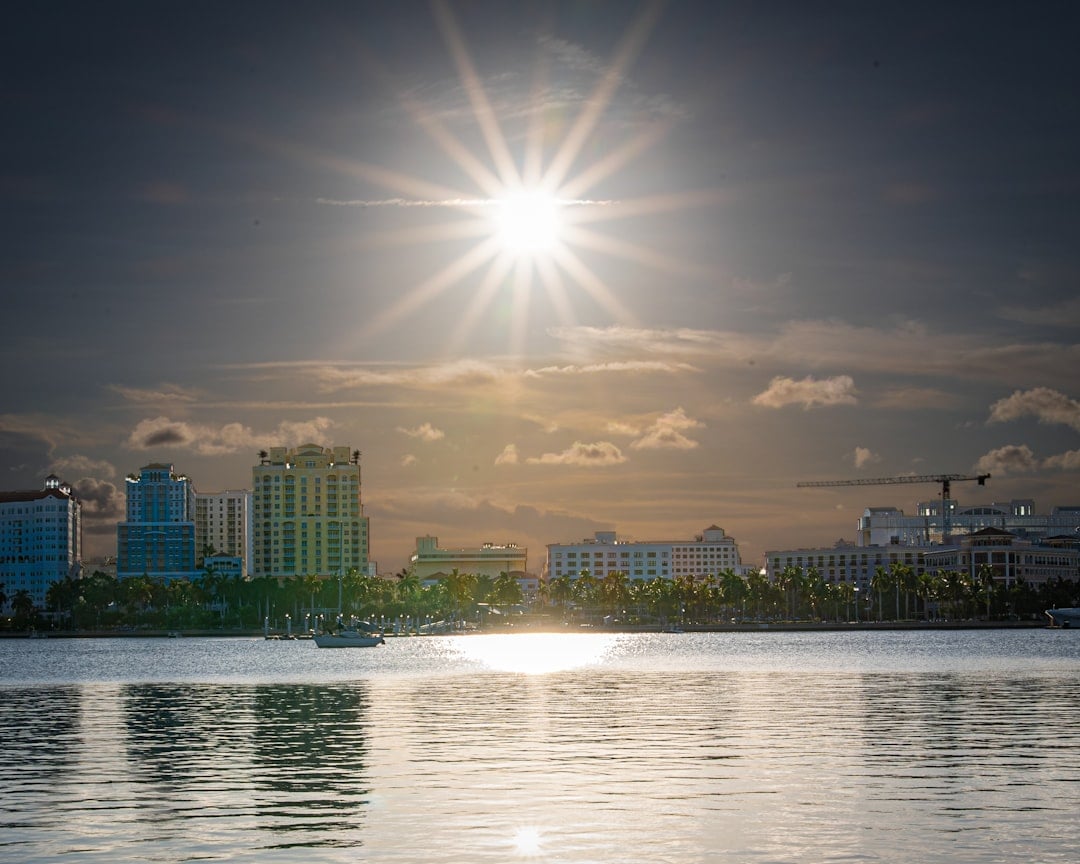
Spend your final morning on the water with a paddleboarding session or kayak rental along the Intracoastal Waterway. After drying off, grab lunch near the beach and use the afternoon to explore the broader Gold Coast - a short drive to Boca Raton or Palm Beach makes for an easy and rewarding half-day trip. Return to Delray Beach for a relaxed farewell dinner downtown.
Delray Beach moves to a cultural calendar that feels both festive and genuinely local, shaped by its arts identity, tennis heritage, and the natural rhythm of South Florida seasons. The cooler months from November through April bring the city's peak energy, when snowbirds arrive, outdoor festivals fill the streets, and the restaurant scene operates at full capacity. Summer is quieter but never empty, with the beach drawing families and the arts community continuing its programming indoors.
Delray Beach has developed a dining scene that punches well above its size, driven by a local culture that genuinely values good food and by the steady influx of discerning visitors who expect more than resort-town basics. Atlantic Avenue alone offers enough variety for a week of serious eating, with independent restaurants covering everything from raw bars and wood-fired kitchens to farm-to-table tasting menus and casual taquerias.
Palm Beach International Airport (PBI) is the closest major airport to Delray Beach,
sitting about 20 miles north of the city center, with rideshare, taxis, and rental cars all readily available for the roughly 25-minute drive south on I-95.
Fort Lauderdale-Hollywood International Airport (FLL) is a strong alternative,
located about 30 miles south of Delray Beach and often offering more competitive fares, with a straightforward 35-to-45-minute drive north via I-95 or Florida's Turnpike.
Miami International Airport (MIA) is worth considering for travelers with connecting flights,
as it sits about 50 miles south of Delray Beach, with a drive of roughly 55-70 minutes north on I-95 depending on traffic.
Brightline's Boca Raton station, just 5 miles south of Delray Beach,
makes intercity rail a practical option for travelers coming from Miami, Fort Lauderdale, or West Palm Beach, with frequent departures and a short rideshare connection to complete the trip.
Interstate 95 is the main driving artery into Delray Beach from both directions,
with the Atlantic Avenue exit dropping you directly onto the city's main street; Florida's Turnpike runs parallel and is a useful toll-road alternative when I-95 traffic is heavy.

Atlantic Avenue from the Intracoastal Waterway to the beach is about one mile end to end,
making the entire downtown core walkable and meaning most visitors can reach restaurants, galleries, shops, and the sand without ever needing a car or rideshare.
The Pineapple Grove Arts District along NE 2nd Avenue is a short walk north of Atlantic Avenue,
and is easily explored on foot, with murals, studios, and galleries concentrated within a few compact blocks.
City-operated parking garages on SE 1st Avenue and NE 1st Avenue
are the most reliable options on busy weekends and during peak season (January through April), when street parking along Atlantic Avenue fills up quickly.
Uber and Lyft are readily available throughout Delray Beach
and are the most practical way to reach spots beyond the walkable downtown, including the Morikami Museum, western neighborhoods, or the Brightline station in Boca Raton.
Bike rentals available near the beachfront
offer a fun and efficient way to cover more ground along the coast and through residential neighborhoods, particularly for travelers who want to explore beyond the Atlantic Avenue corridor without renting a car.
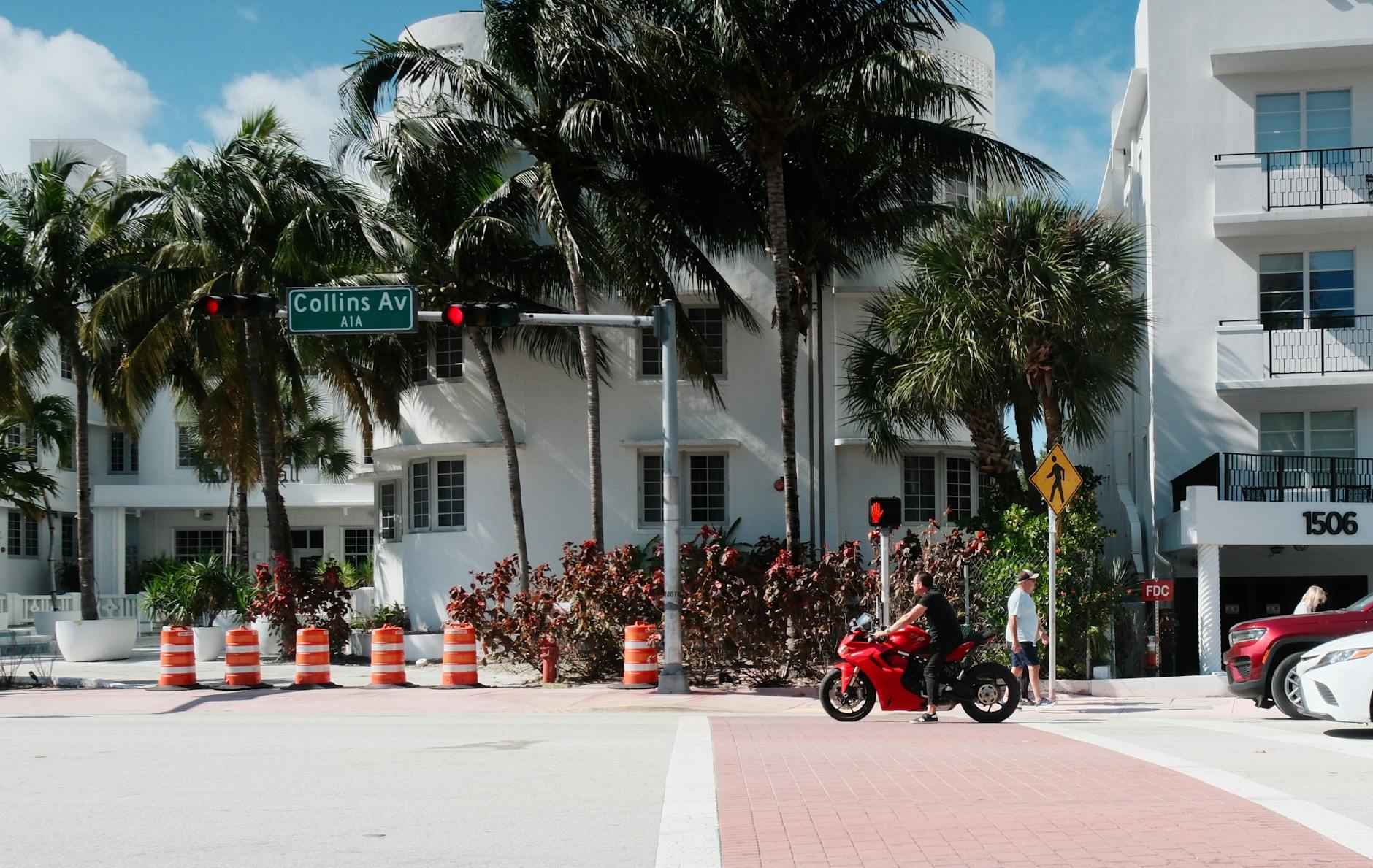
Book accommodations and restaurant reservations well in advance if visiting between January and April, when snowbirds and event crowds push occupancy to its peak. The Delray Beach Open tennis tournament in February draws significant crowds, so plan accordingly if your dates overlap. Tipping follows standard Florida norms: 18-20 percent at restaurants and for rideshare drivers, and a few dollars per day for hotel housekeeping. Most businesses are cashless-friendly, but having a card with no foreign transaction fees is useful if you are visiting from abroad. The city is generally safe and family-friendly, though Atlantic Avenue on weekend nights can get lively; stay aware of your surroundings in busy bar areas late at night. Download the Uber or Lyft app before arriving. Sunscreen and reef-safe products are widely sold locally and are a practical necessity given the intensity of the South Florida sun year-round.
Two to three days is enough to experience the best of Delray Beach. You can walk Atlantic Avenue, spend time on the beach, explore the Cornell Art Museum and Pineapple Grove Arts District, and sample the restaurant scene without feeling rushed. A longer stay suits those who want to add day trips to nearby Boca Raton or Palm Beach.
Delray Beach is best known for Atlantic Avenue, its lively main street lined with restaurants, boutiques, galleries, and rooftop bars running from the Intracoastal Waterway to the ocean. It is also recognized for its wide, well-maintained beach, a strong arts scene anchored by the Cornell Art Museum, and a longstanding tennis heritage that has hosted professional tournaments for decades.
Yes, Delray Beach is an excellent weekend destination. Its compact, walkable downtown means you can cover the beach, Atlantic Avenue dining, and key cultural stops like the Cornell Art Museum in just two days. It is a natural fit for travelers based in South Florida, and an easy add-on for those visiting the broader Palm Beach or Boca Raton area.
Delray Beach sits in a mid-to-upper price range typical of South Florida's Gold Coast. Boutique hotels and quality dining can push costs up, but the walkable downtown means you can keep transport spending low. Budget-conscious travelers can find casual eateries and free beach access, though accommodation is the biggest variable in overall trip cost.
The best time to visit is November through April, when temperatures are warm and comfortable and humidity is low. This is peak season, so expect higher prices and more crowds. Summer brings heat, humidity, and the chance of afternoon thunderstorms, but also lower rates.