
Baltimore, MD
A Journey guide to
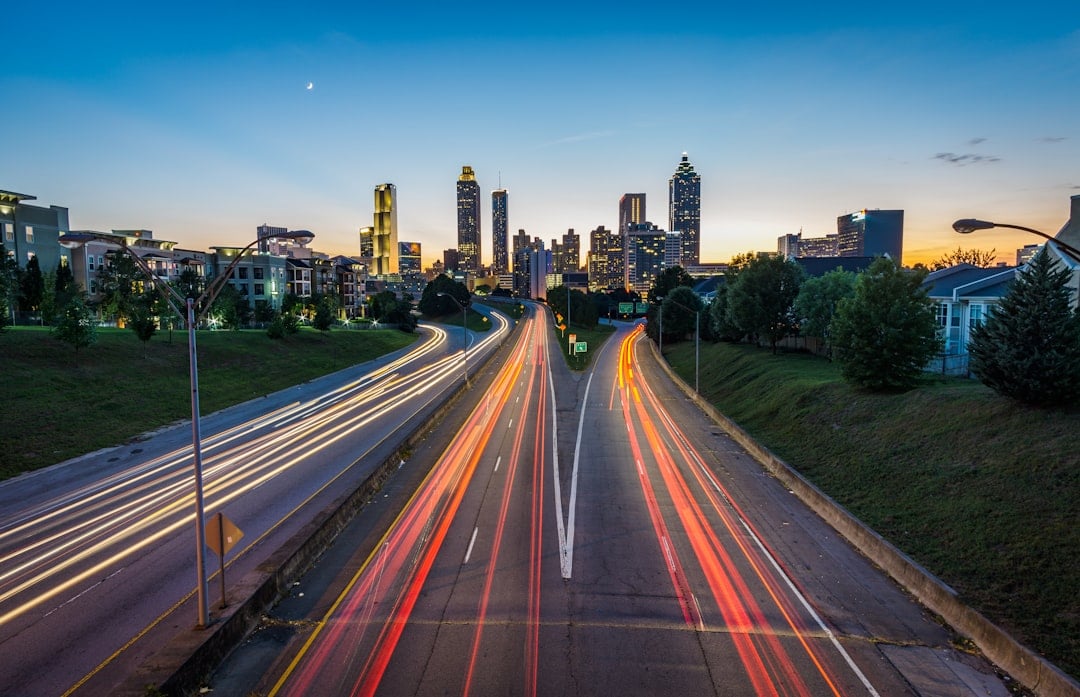
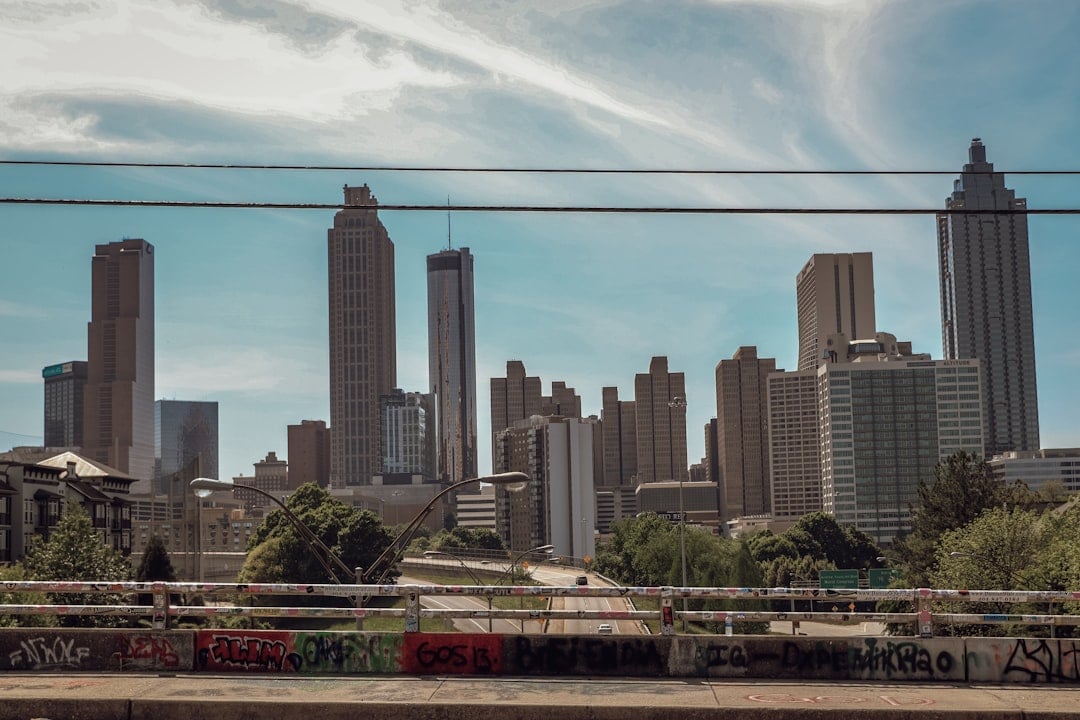
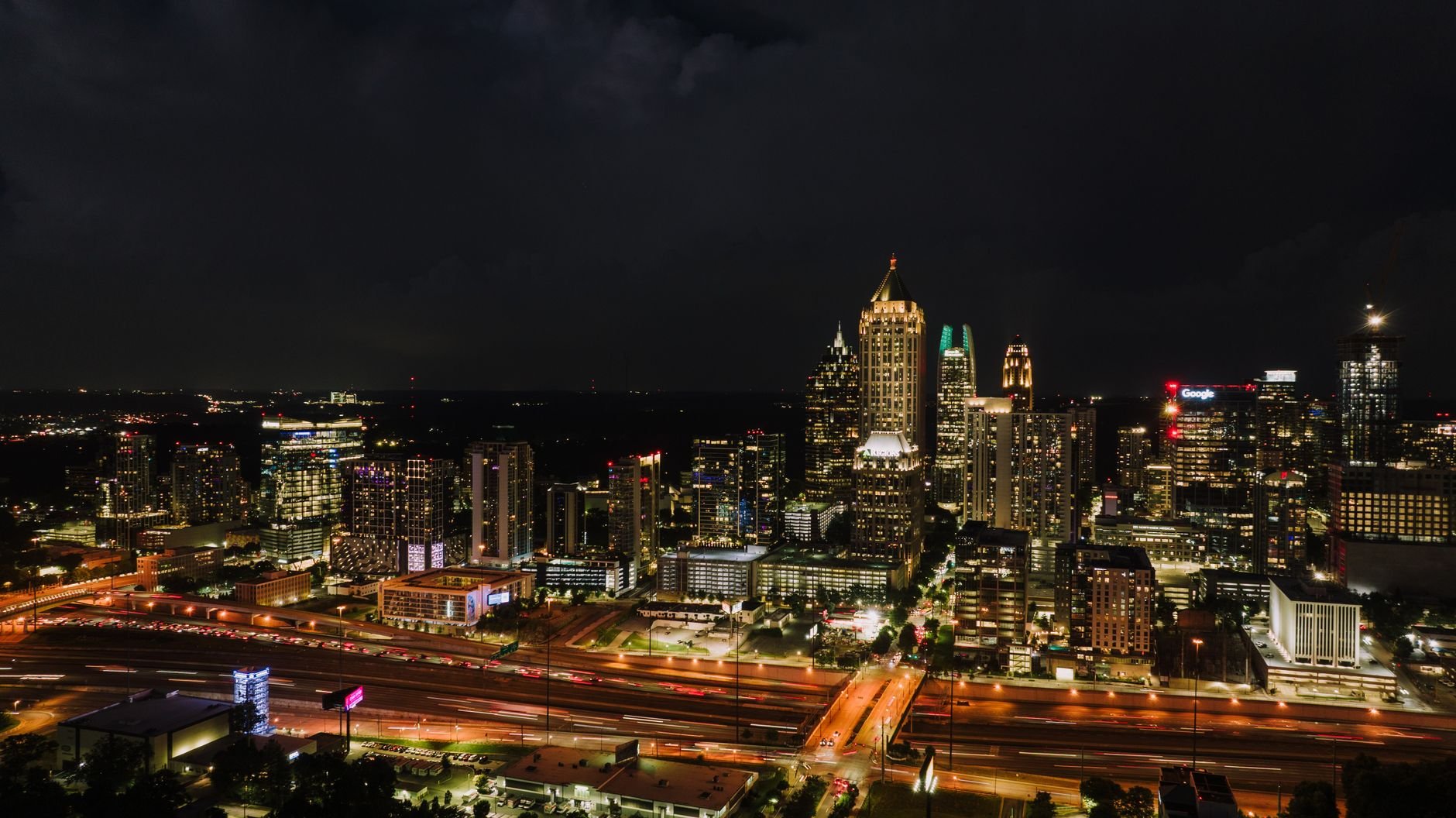
Atlanta is the capital and cultural engine of Georgia, a city that has reinvented itself repeatedly while holding fast to a deep sense of Southern identity. It is home to the world's busiest airport, a constellation of Fortune 500 headquarters, and one of the most influential music and film industries in the country. Travelers arrive expecting a big Southern city and discover something far more layered: a metropolis of distinct neighborhoods, serious food, and genuine creative energy.
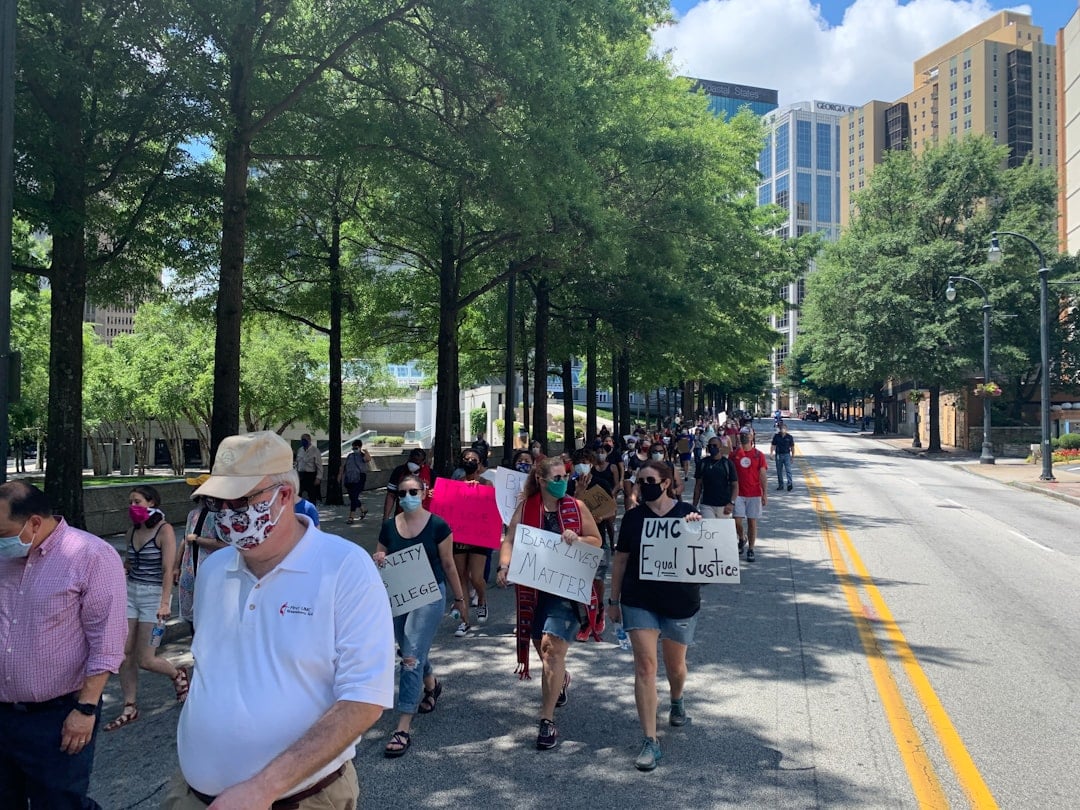
The city's civil rights legacy is central to its identity and draws visitors from around the world. The Sweet Auburn neighborhood, birthplace of Dr. Martin Luther King Jr., anchors a historic district that includes the King Center, Ebenezer Baptist Church, and the National Historic Site dedicated to his life and work. The National Center for Civil and Human Rights, located near Centennial Olympic Park, adds a powerful contemporary dimension to this history.
Atlanta's neighborhood culture rewards exploration. Inman Park and Ponce City Market anchor the BeltLine corridor, a converted rail loop that strings together parks, trails, art installations, and some of the city's best dining. Buckhead delivers upscale retail and fine dining. Little Five Points brings independent shops and a bohemian edge. Virginia-Highland offers tree-lined streets, local restaurants, and a walkable village feel that surprises visitors expecting only sprawl.
Food and drink have become a serious draw. Atlanta's restaurant scene spans James Beard-recognized chefs, acclaimed Southern comfort cooking, and one of the most dynamic Korean and West African dining communities in the Southeast. The craft cocktail culture is sophisticated, the brewery scene is growing fast, and the city's role as a production hub for film and television has imported a cosmopolitan appetite that keeps the hospitality industry evolving at pace.






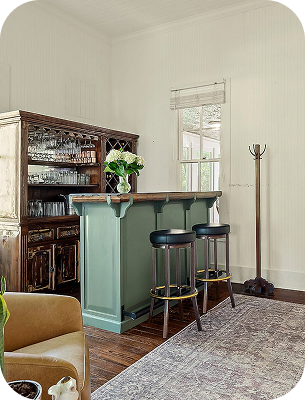

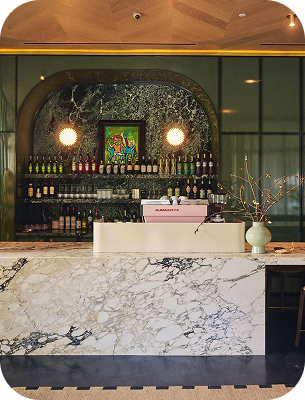

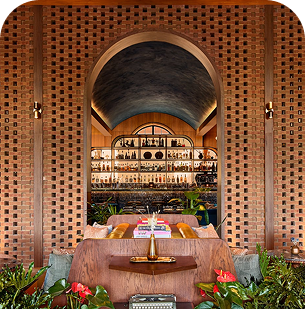

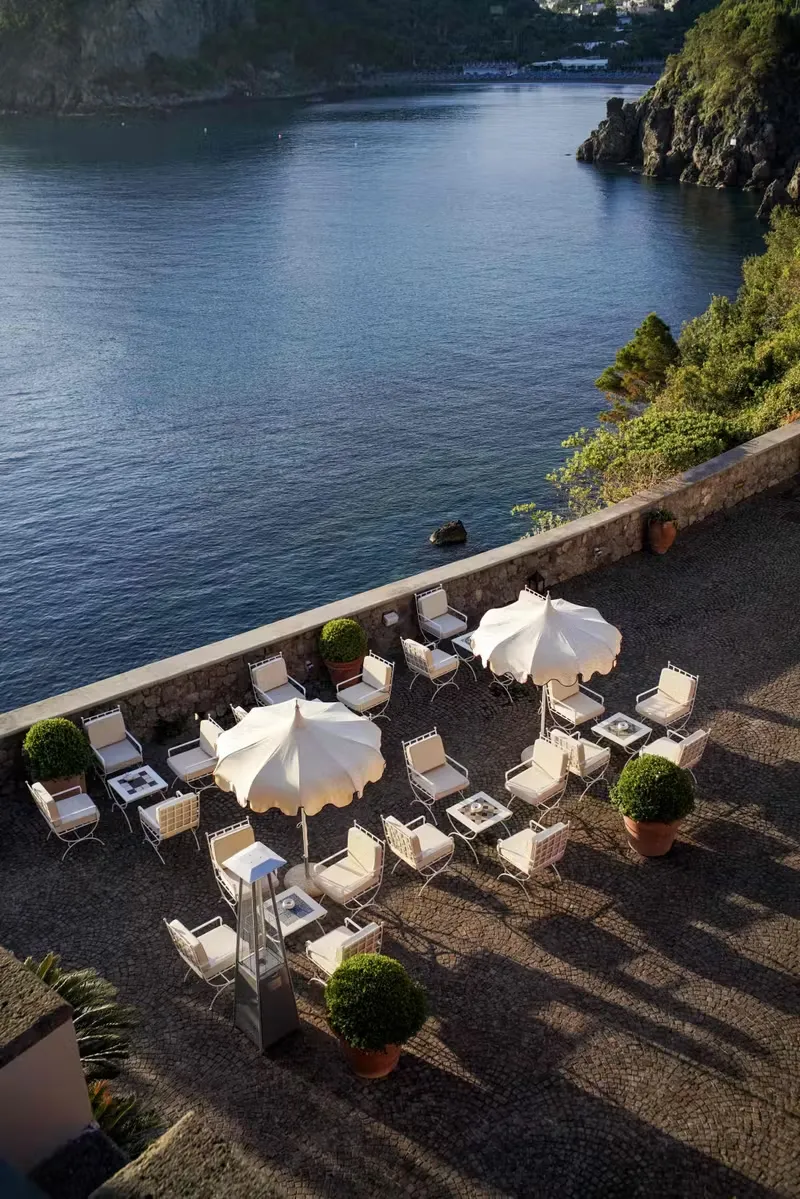

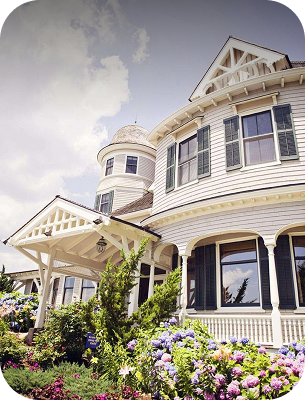



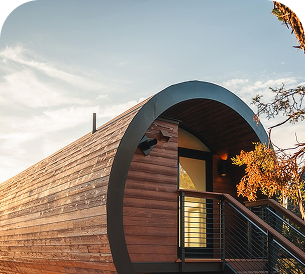

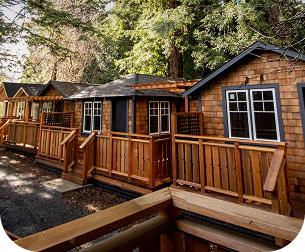

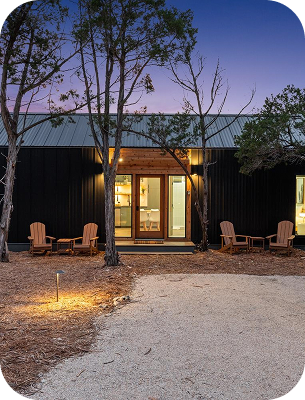



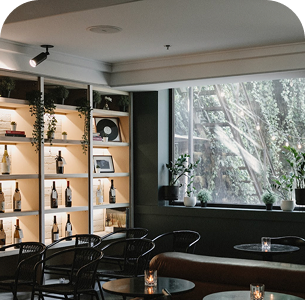





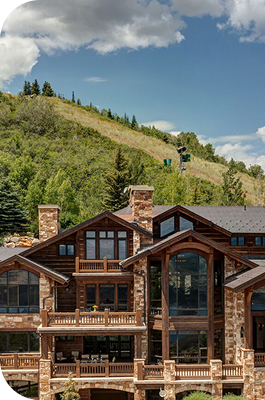
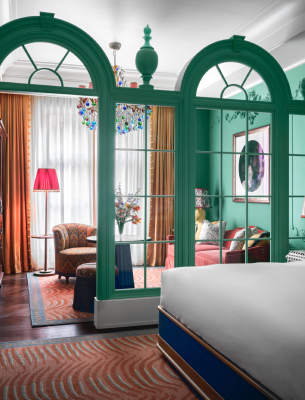
Journey connects travelers to a curated network of boutique hotels and distinctive residences around the world, all united under one rewards program. Explore handpicked stays for your trip while earning points, unlocking exclusive offers, and receiving rewards across the Journey collection.
Atlanta sits in the rolling Piedmont region of north-central Georgia, roughly 1,000 feet above sea level and about 100 miles south of the Blue Ridge Mountains. Unlike many American cities, it was not built on a river or a coastline. Atlanta was founded as a railroad terminus in the 1830s, and that origin as a transportation crossroads has defined its character ever since. The city grew because things moved through it, and it still does: Hartsfield-Jackson Atlanta International Airport has held the title of world's busiest airport by passenger traffic for more than two decades.
The Civil War left Atlanta in ruins after General Sherman's 1864 campaign, and the city's willingness to rebuild from near-total destruction gave rise to its phoenix mythology. The image of the phoenix appears on the city seal, and the spirit it represents, resilient, forward-looking, commercially ambitious, runs through Atlanta's self-conception to this day. That drive produced a city that hosted the 1996 Summer Olympics, that nurtured the careers of Martin Luther King Jr. and John Lewis, and that built a media empire through CNN and a global consumer brand through Coca-Cola, both headquartered here.
Culturally, Atlanta occupies a unique position as both the capital of the New South and a city with deep African American heritage and influence. It is home to the Atlanta University Center, a consortium that includes Morehouse College, Spelman College, and Clark Atlanta University, historically Black institutions that have shaped American intellectual and civic life for more than a century. This academic and cultural foundation gives the city a density of ideas and artistic output that punches well above its age.
For travelers, Atlanta presents a city of neighborhoods rather than a single center. The urban core is dense and walkable in pockets, but the real texture of the city emerges in places like Summerhill, West Midtown, and Decatur, each with its own character, dining identity, and community feel. It is a city that rewards curiosity and repays return visits.
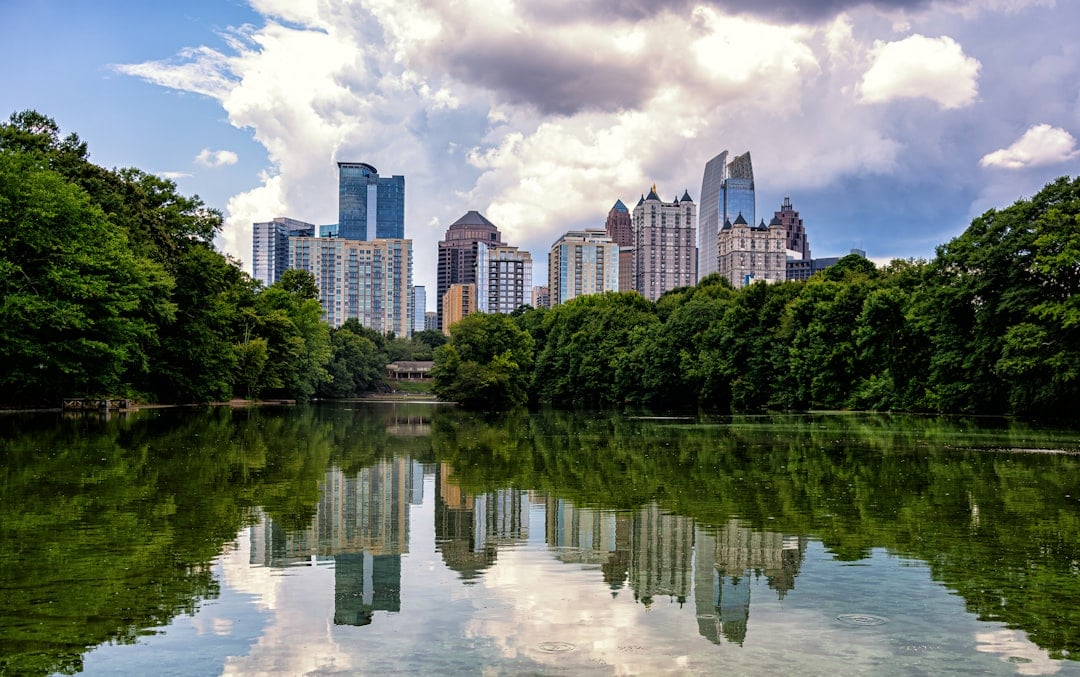
Atlanta is a year-round destination, but the timing of your visit shapes the experience considerably. Spring and fall stand out as the strongest windows for most travelers, each offering distinct advantages.
Spring, roughly March through May, is peak season for a reason. The city's famous dogwoods and azaleas transform neighborhoods like Inman Park and Druid Hills into something genuinely spectacular, and the Atlanta BeltLine comes alive with outdoor activity. The Atlanta Film Festival, the Dogwood Festival, and a packed calendar of events make this one of the most culturally active periods. Crowds build in April, particularly around major festivals, so booking accommodations early is worthwhile.
Fall, from late September through November, rivals spring as the ideal time to visit. Crowds thin after the summer travel rush, hotel rates often soften, and the city's tree canopy puts on a colorful display that surprises many first-time visitors. Outdoor dining, BeltLine strolls, and neighborhood exploration are all at their most comfortable. College football season brings energy and crowds to certain weekends, particularly when Georgia Tech plays at home, so checking the sports calendar before booking helps.
Summer draws families taking advantage of school breaks, and Atlanta's indoor attractions, including the Georgia Aquarium, the National Center for Civil and Human Rights, and the World of Coca-Cola, make it manageable despite the heat. That said, the combination of humidity and afternoon storms pushes outdoor activity toward mornings. Expect higher hotel rates and fuller attractions during peak summer weeks.
Winter is Atlanta's quietest and most affordable season for travel. Holiday events and the city's vibrant indoor dining and arts scene keep things lively, and major attractions are far less crowded. Travelers who prioritize value and avoiding lines will find winter a genuinely underrated choice.
Atlanta's original streetcar suburb has evolved into one of the city's most beloved corridors, anchored by the BeltLine trail that connects parks, public art, and acclaimed restaurants. Victorian homes line quiet streets while the Ponce City Market complex serves as a gathering point for locals and visitors alike. The area rewards slow exploration on foot or by bike, with something worth discovering around nearly every corner.
Atlanta's upscale northern district is defined by its concentration of luxury hotels, high-end retail, and a dining scene that draws serious food travelers. Peachtree Road anchors the corridor with flagship boutiques and white-tablecloth restaurants sitting alongside lively rooftop bars. Buckhead delivers a polished, cosmopolitan energy that contrasts sharply with the city's more casual neighborhoods.
Sweet Auburn is the historic heart of Atlanta's civil rights legacy and the birthplace of Dr. Martin Luther King Jr. The neighborhood anchors a district of national landmarks including the King Center, Ebenezer Baptist Church, and the Martin Luther King Jr. National Historic Site. Walking these blocks carries genuine historical weight and offers one of the most meaningful experiences available anywhere in the American South.
These two adjacent neighborhoods form the creative and social core of Atlanta's inner east side. Little Five Points pulses with independent record shops, vintage clothing, and a bohemian street culture that has defined it for decades, while Virginia-Highland offers tree-lined avenues, local restaurants, and a walkable village atmosphere that feels genuinely residential. Together they represent the city at its most relaxed and locally rooted.
Midtown is Atlanta's cultural and institutional center, home to the Fox Theatre, the High Museum of Art, and Piedmont Park. The neighborhood blends grand civic architecture with a dense grid of restaurants, bars, and green space that makes it one of the most walkable parts of the city. It serves as a natural base for visitors who want proximity to both the arts and the BeltLine.
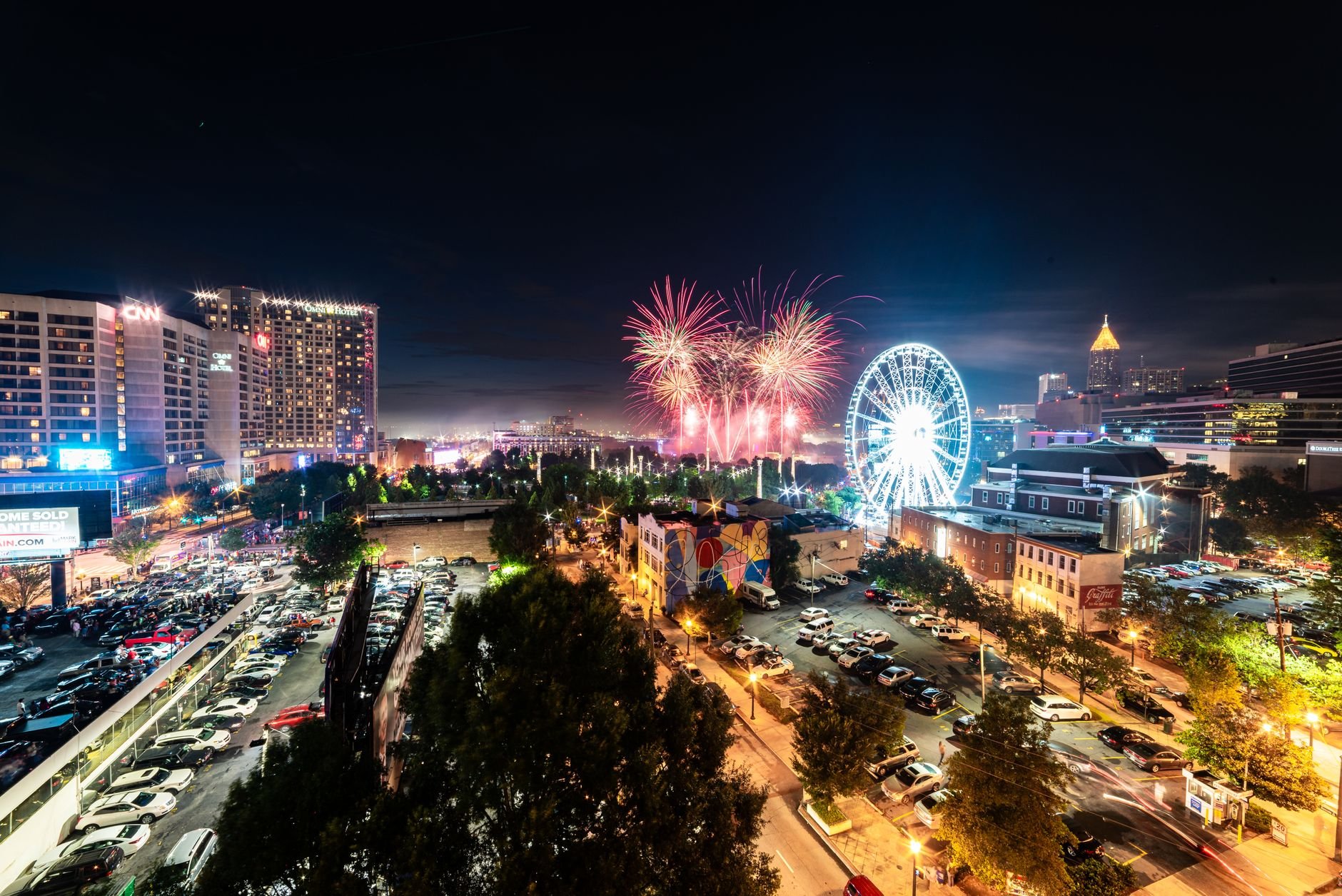
Atlanta's signature experiences are rooted in history, culture, and a creative identity that no other American city can replicate.
The civil rights landmarks of Sweet Auburn are the most meaningful draw for many visitors. The birthplace of Dr. Martin Luther King Jr., Ebenezer Baptist Church, the King Center, and the surrounding National Historic Site form one of the most significant heritage districts in the United States. Walking this neighborhood is not a typical tourist activity - it is an encounter with the defining moral struggle of the 20th century.
The Atlanta BeltLine is the city's most transformative ongoing project and one of its most distinctive experiences. The converted rail corridor loops through intown neighborhoods, connecting parks, restaurants, street art, and community spaces in a way that reveals Atlanta's character far better than any single attraction. Weekend afternoons on the BeltLine capture the city at its most alive.
Ponce City Market, anchored in a restored Sears distribution warehouse, has become a destination in its own right. The market combines local food vendors, independent retailers, a rooftop amusement park, and one of the city's most vibrant social scenes. It sits at the intersection of the BeltLine and Ponce de Leon Avenue, making it a natural hub for exploring the surrounding neighborhoods of Old Fourth Ward and Inman Park.
The Krog Street Tunnel is a living canvas that functions as both landmark and community bulletin board. Its walls shift constantly with new murals, political statements, and neighborhood art, making every visit different from the last.
Atlanta's role as the birthplace of Coca-Cola gives the World of Coca-Cola museum a place in the city's origin story. Pemberton Place, the downtown campus that includes both the World of Coca-Cola and the Georgia Aquarium, draws visitors into the commercial and cultural history that helped build modern Atlanta.
Atlanta offers a full range of activities for every type of traveler, from outdoor escapes and cultural landmarks to live music, arts venues, and a dining scene that has earned national recognition.
Outdoor Recreation
Atlanta's green spaces are more expansive than many visitors expect. The Atlanta BeltLine connects dozens of neighborhoods via trails, parks, and public art installations, making it one of the most popular urban recreation corridors in the country. Nature preserves such as Cascade Springs Nature Preserve, Morningside Nature Preserve, and Blue Heron Nature Preserve offer wooded trails, creek walks, and wildlife within city limits. Lullwater Preserve in Decatur and the ancient granite landscape of Arabia Mountain National Heritage Area extend the options for hikers and naturalists. Fernbank Forest provides old-growth woodland just minutes from Midtown.
Cultural Attractions and Scenic Landmarks
Centennial Olympic Park anchors the downtown museum campus and remains a gathering point for locals and visitors alike. SkyView Atlanta's Ferris wheel delivers panoramic views of the skyline. The Krog Street Tunnel, covered in rotating murals by local artists, is one of the city's most photographed and culturally resonant landmarks. Unexpected Atlanta Tours offers guided experiences that go beyond the standard itinerary.
Arts and Entertainment
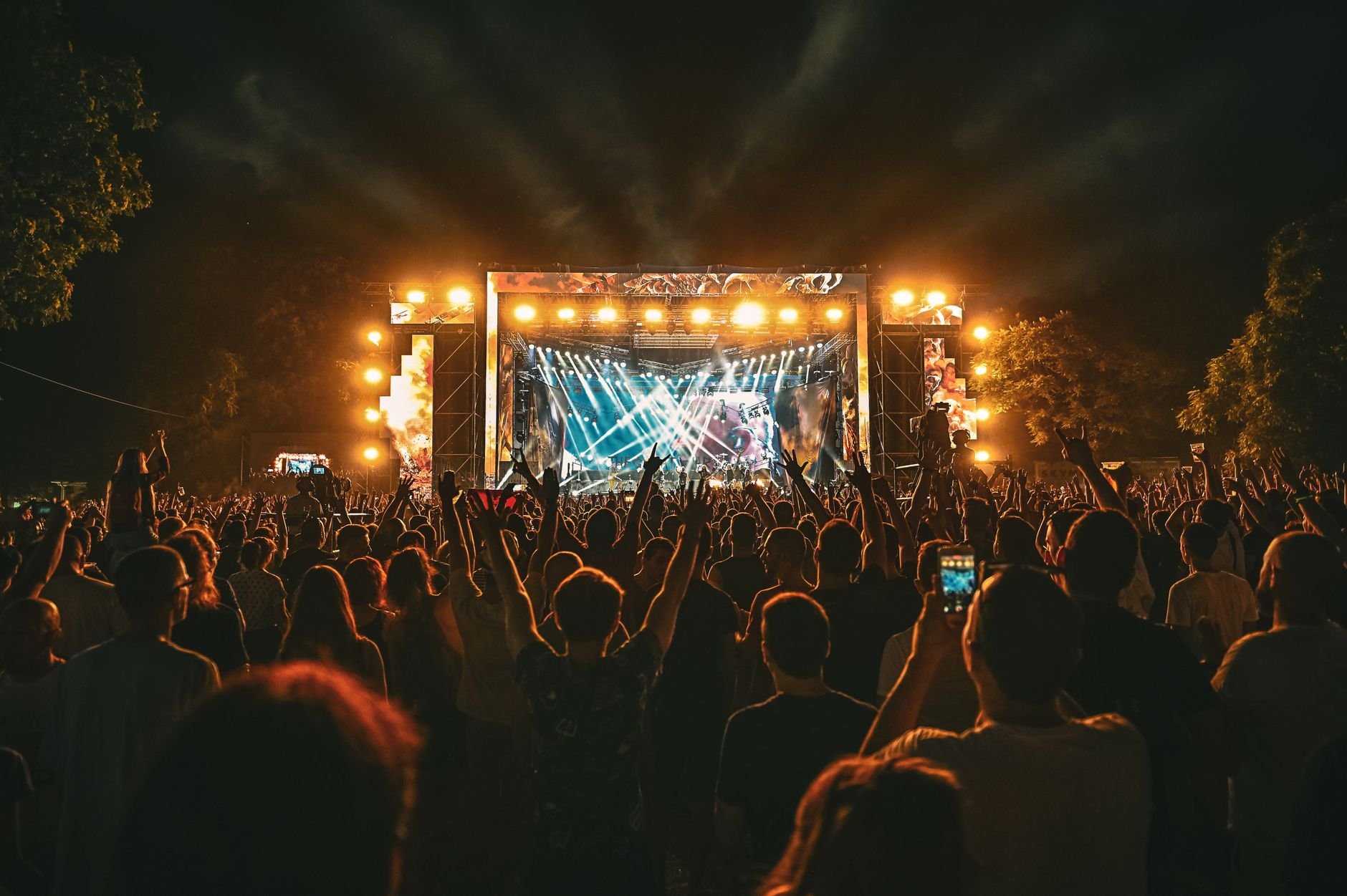
Atlanta's live music and performing arts culture is deep. The Tabernacle, a converted church turned concert hall, is one of the Southeast's most celebrated mid-size music venues. The Masquerade, with its multi-stage setup, has anchored the city's alternative and rock scene for decades. The Goat Farm Arts Center brings together studios, galleries, and performance spaces in a converted industrial complex. The Museum of Illusions and interactive entertainment options like Game Show Battle Rooms round out the entertainment landscape.
Food and Dining
Atlanta's restaurant scene spans James Beard-recognized kitchens, acclaimed Southern cooking, and a diverse international dining community. From elevated neighborhood restaurants to rooftop bars and craft cocktail lounges, the city rewards curious eaters at every price point.
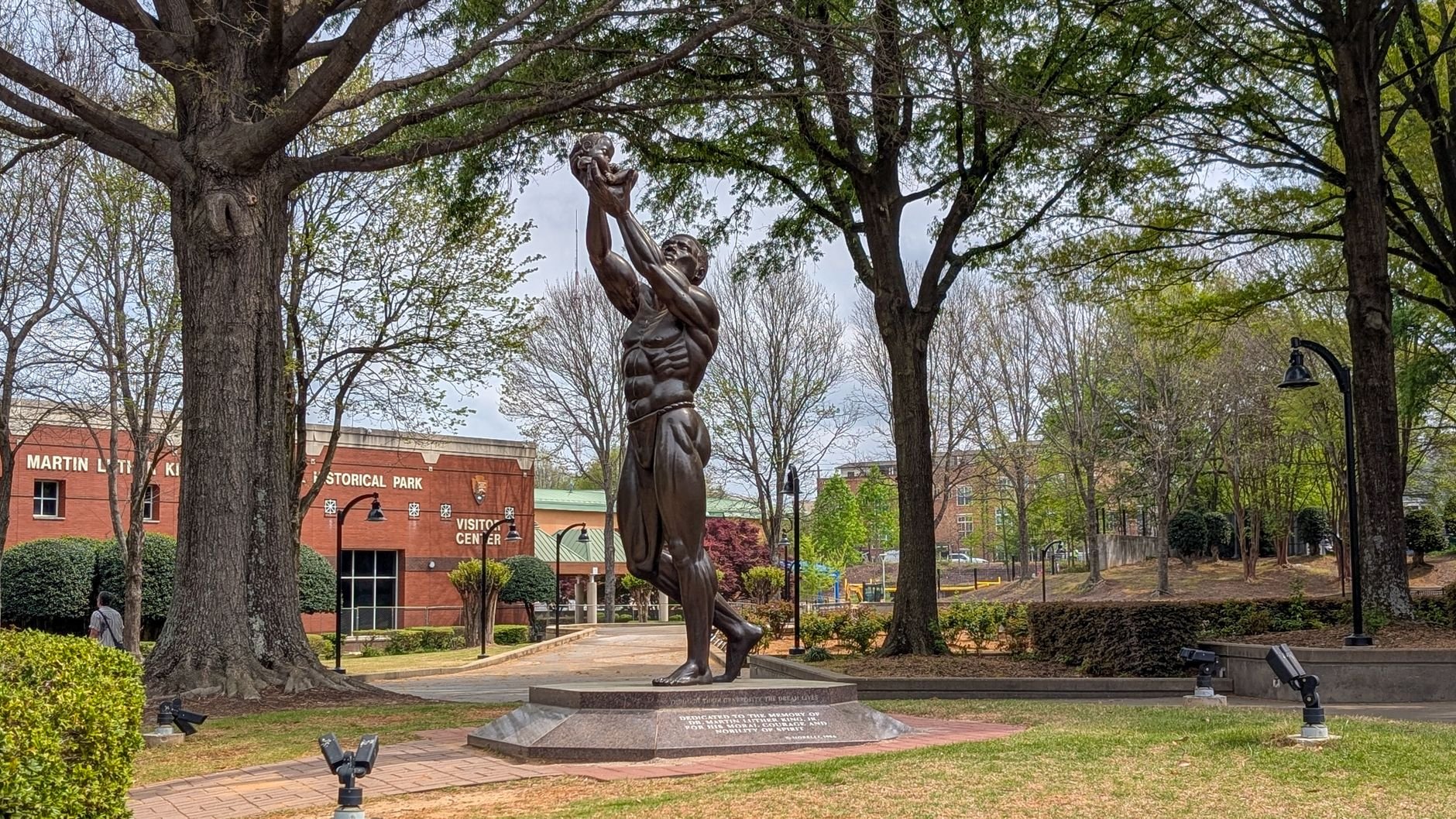
Start the morning in Sweet Auburn, visiting the Martin Luther King Jr. National Historic Site, Ebenezer Baptist Church, and the King Center. Head to the National Center for Civil and Human Rights near Centennial Olympic Park after lunch. In the evening, explore Downtown and Midtown dining - try a classic Atlanta restaurant in the Ponce City Market area and walk the BeltLine Eastside Trail as the sun goes down.
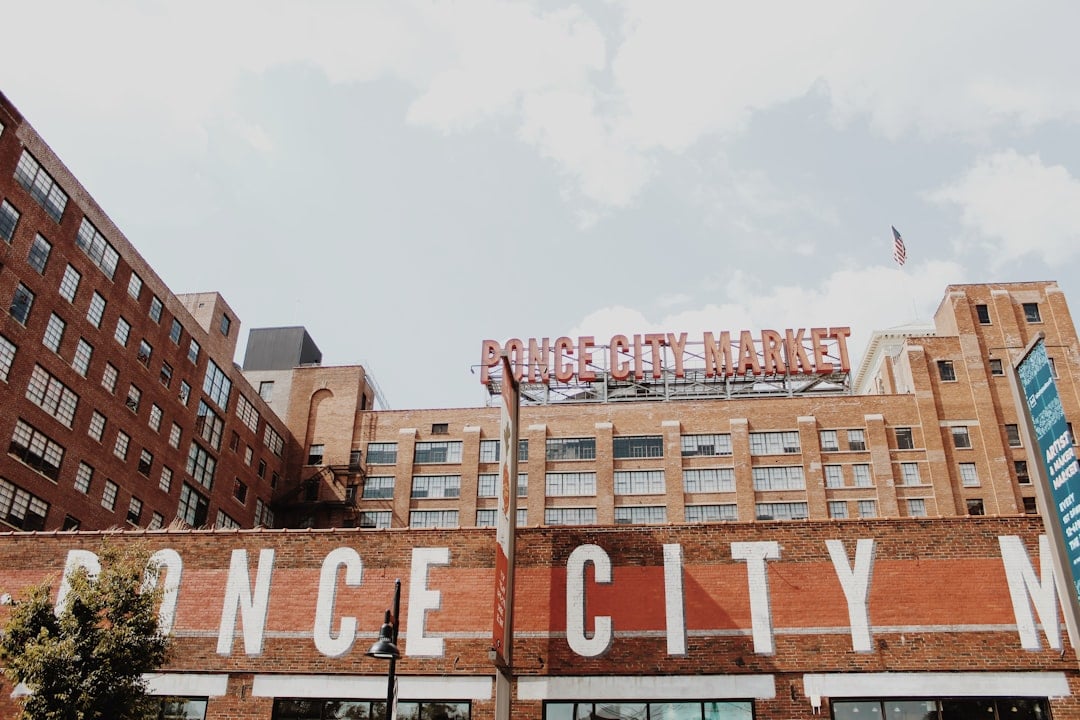
Spend the morning at Ponce City Market - browse the food hall for breakfast and explore the rooftop. Walk or bike the BeltLine Eastside Trail through Inman Park and into Virginia-Highland for a leisurely afternoon lunch. In the evening, head to Little Five Points for independent shops, live music, and a relaxed dinner at one of the neighborhood's eclectic local restaurants.
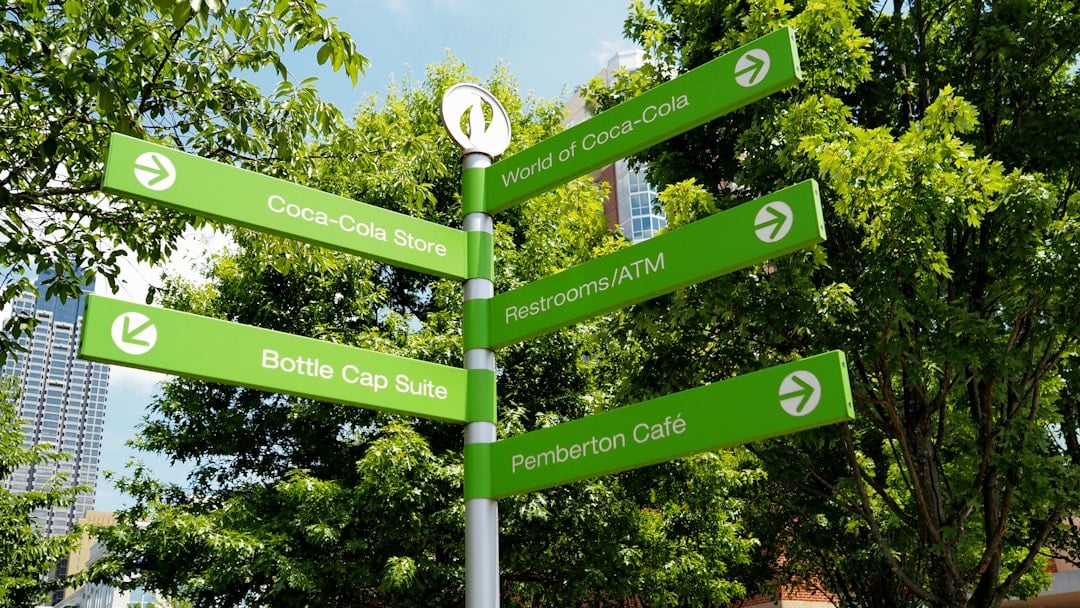
Kick off the morning at the Georgia Aquarium or the nearby World of Coca-Cola in Centennial Olympic Park. After lunch, head north to Buckhead for upscale shopping along Peachtree Road. Wind down the trip with dinner in Buckhead or return to Midtown for a craft cocktail bar and a final taste of Atlanta's growing brewery and bar scene before heading home.
Atlanta's cultural calendar runs at a consistent pace year-round, shaped by the city's identity as a hub for music, sport, civic pride, and creative community. Spring opens with the Atlanta Film Festival, now in its 50th year, reflecting the city's deep ties to the film and television industry that has made Georgia one of the most active production states in the country. The Atlanta Jazz Festival follows in late May, a beloved free event in Piedmont Park that has anchored the Memorial Day weekend for nearly five decades.

Nov 7, 2026
Atlanta's food scene has arrived at a level of ambition and diversity that demands to be taken seriously. The city's identity as a capital of the American South means fried chicken, biscuits, and slow-smoked barbecue remain foundational, but the dining culture has expanded well beyond those roots into something genuinely cosmopolitan.
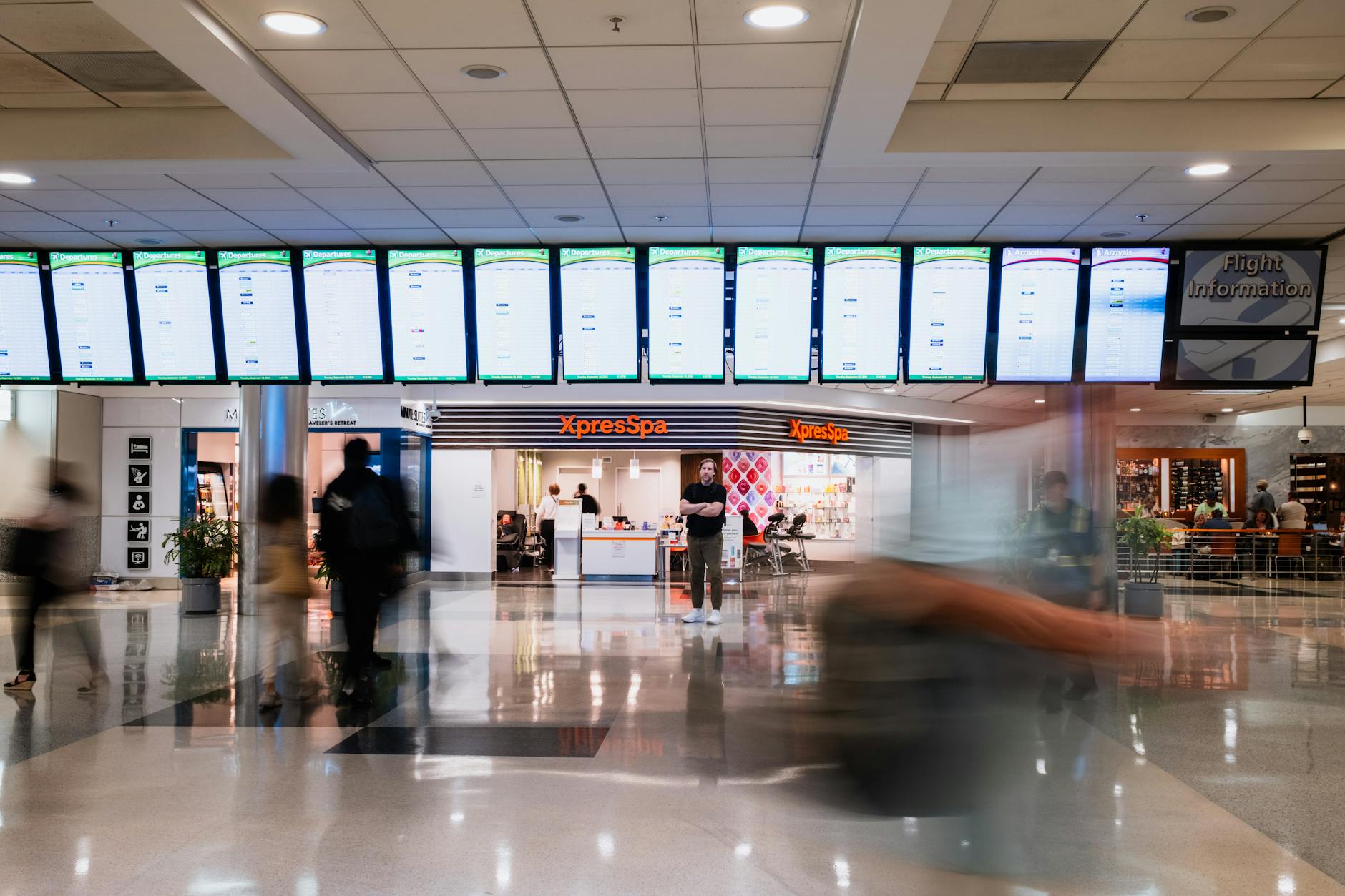
Hartsfield-Jackson Atlanta International Airport (ATL) is the primary arrival point for most visitors,
located about 10 miles south of Downtown with MARTA rail, rideshare, taxis, and rental cars all available on-site.
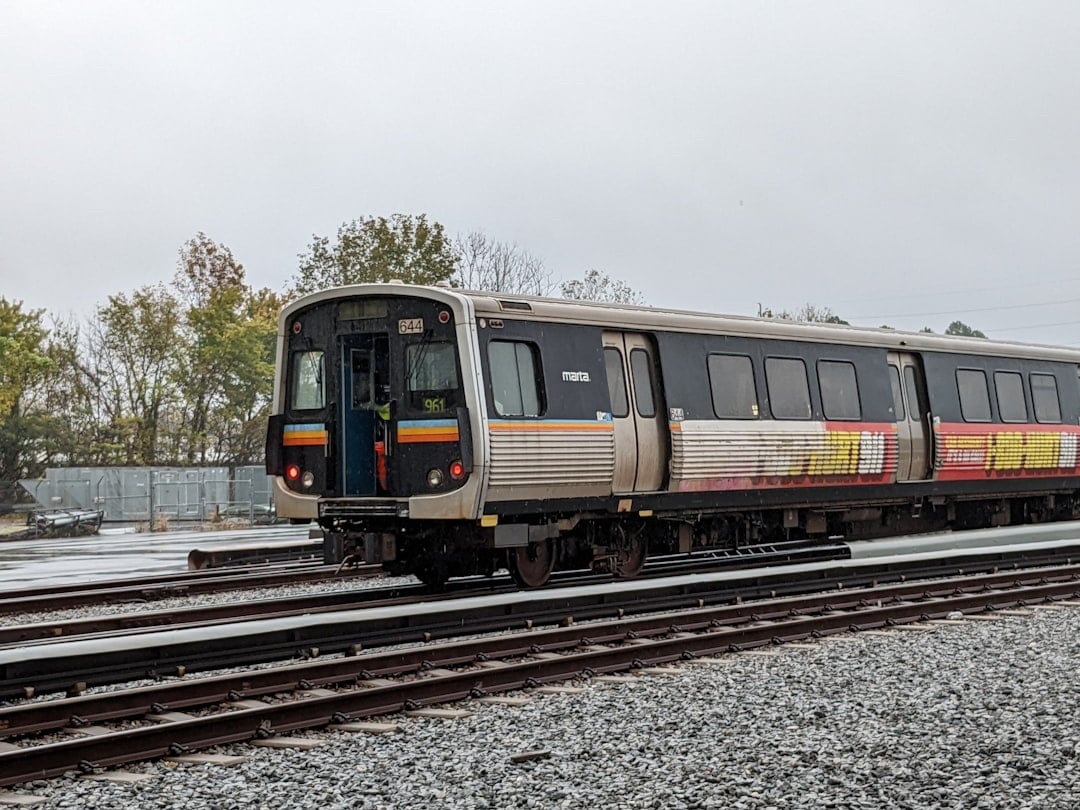
MARTA's Gold and Red lines run directly from ATL to Downtown and Midtown stations,
making the roughly 20-minute ride one of the fastest and most affordable airport-to-city connections of any major U.S. metro.
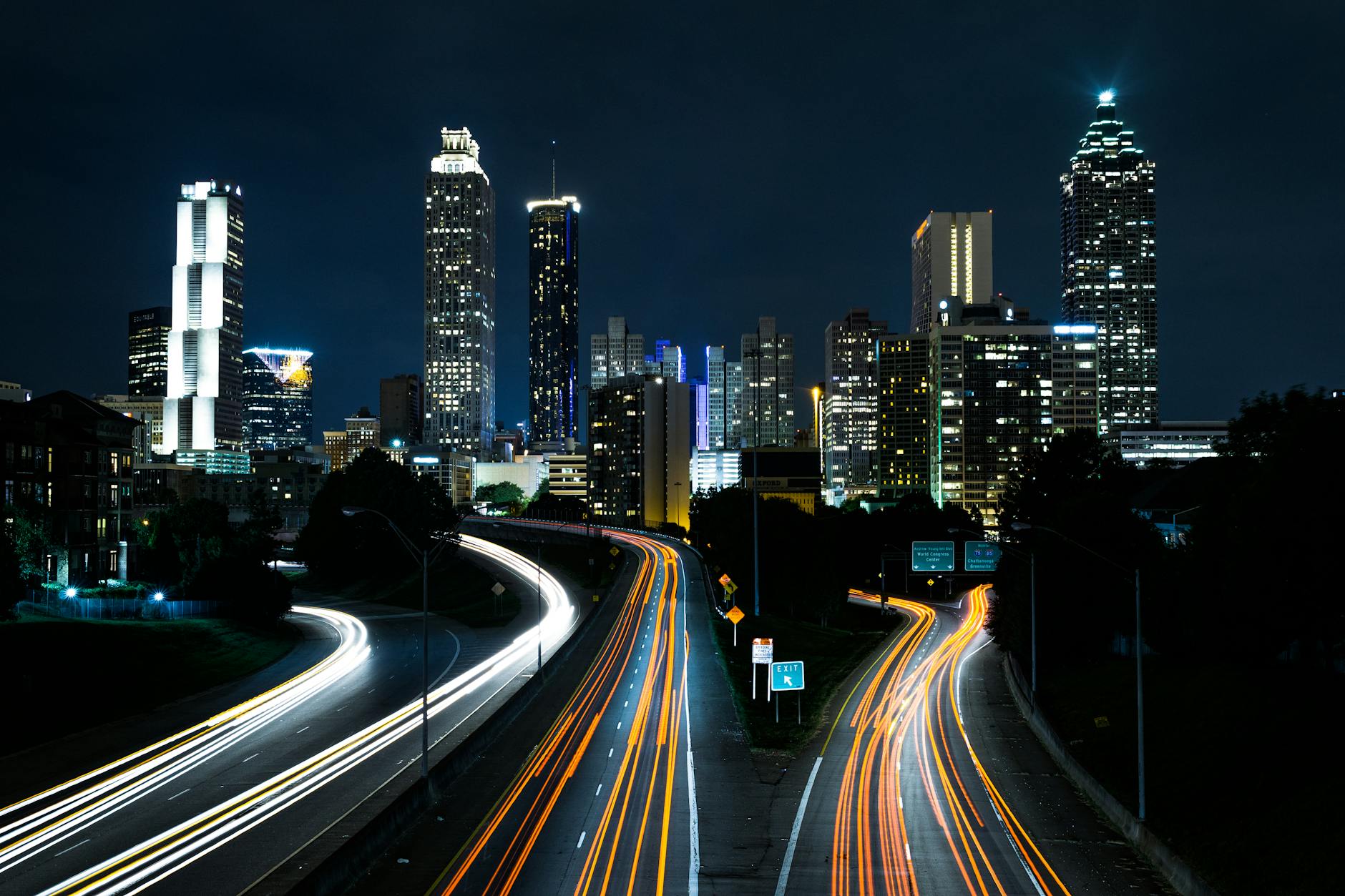
I-75 and I-85 merge into the Downtown Connector as they approach the city from the north,
which is the main driving corridor for visitors arriving from Tennessee, the Carolinas, or anywhere along the I-85 northeast corridor.
Amtrak's Crescent line stops at Atlanta's Brookwood Station,
connecting the city to New York City to the north and New Orleans to the south, though schedules are limited to daily service in each direction.
Megabus and Greyhound serve Atlanta from regional cities including Charlotte, Nashville, and Birmingham,
with the main bus terminal located near Downtown and fares that can be significantly cheaper than flying for shorter regional trips.
MARTA's four rail lines connect the airport, Downtown, Midtown, and Buckhead,
making the system a practical option for visitors staying along those corridors, though it does not reach many outer neighborhoods.
The Atlanta BeltLine Eastside Trail runs from Inman Park through Ponce City Market and into Old Fourth Ward,
and is fully walkable and bikeable, making a car unnecessary for visitors whose itinerary centers on that stretch of the city.
Rideshare through Uber and Lyft is the most flexible option for getting between neighborhoods like Little Five Points, Virginia-Highland, and Buckhead,
which are not well connected by rail and can be inconvenient to reach by transit alone.
Parking in Midtown and Buckhead during evenings and event weekends can be expensive and hard to find,
so using rideshare or MARTA for dinner and nightlife trips is often faster and cheaper than driving and parking.
Lime and Bird scooters are available in several central Atlanta neighborhoods,
and work well for short hops along the BeltLine or between nearby districts when walking feels too slow and rideshare feels like overkill.
Atlanta operates on Eastern Time and follows standard U.S. tipping norms: 18 to 20 percent at restaurants, a few dollars for rideshare drivers, and standard hotel gratuities for housekeeping and bellstaff. The MARTA Breeze Card is reloadable and saves time over buying single-ride tickets; pick one up at any rail station.
Download the MARTA app for schedules and the ParkAtl app if you plan to drive, as it helps locate and pay for city-managed parking. Rideshare apps work reliably throughout the metro.
Atlanta summers are hot and humid, with temperatures regularly exceeding 90 degrees Fahrenheit from June through August. Lightweight clothing and hydration are essential. Spring and fall are the most comfortable seasons for outdoor exploration.
The city is generally safe for tourists in popular areas, but like any major metro, stay aware of your surroundings at night. Sweet Auburn and Downtown are active and well-trafficked during the day.
Three to four days is the sweet spot for Atlanta. That gives you time to explore the civil rights landmarks in Sweet Auburn, walk the BeltLine corridor, visit neighborhoods like Inman Park, Virginia-Highland, and Little Five Points, and still have room for the city's standout food and drink scene without feeling rushed.
Atlanta is best known for its civil rights history, particularly as the birthplace of Dr. Martin Luther King Jr. It is also recognized as a major business hub home to numerous Fortune 500 companies, a booming film and music industry, the world's busiest airport, and a fast-growing food scene rooted in Southern cooking.
Yes, Atlanta works well as a weekend trip. In two days you can cover the King Historic Site and Sweet Auburn, walk a stretch of the BeltLine, eat well in Inman Park or Virginia-Highland, and get a real feel for the city. It is especially practical given Atlanta's role as a major flight hub with easy connections across the country.
Atlanta is relatively affordable compared to other major U.S. cities. Dining ranges from budget-friendly spots to high-end restaurants, and many of the top attractions - including the Martin Luther King Jr. National Historic Site - are free or low cost. Accommodation prices vary widely by neighborhood, with more budget options available outside Buckhead.
Spring (March to May) and fall (September to November) offer the most comfortable weather for exploring the city, with mild temperatures and lower humidity. Summer brings heat and humidity alongside a packed events calendar, while winters are generally mild but can occasionally dip below freezing.