
Baltimore, MD
A Journey guide to
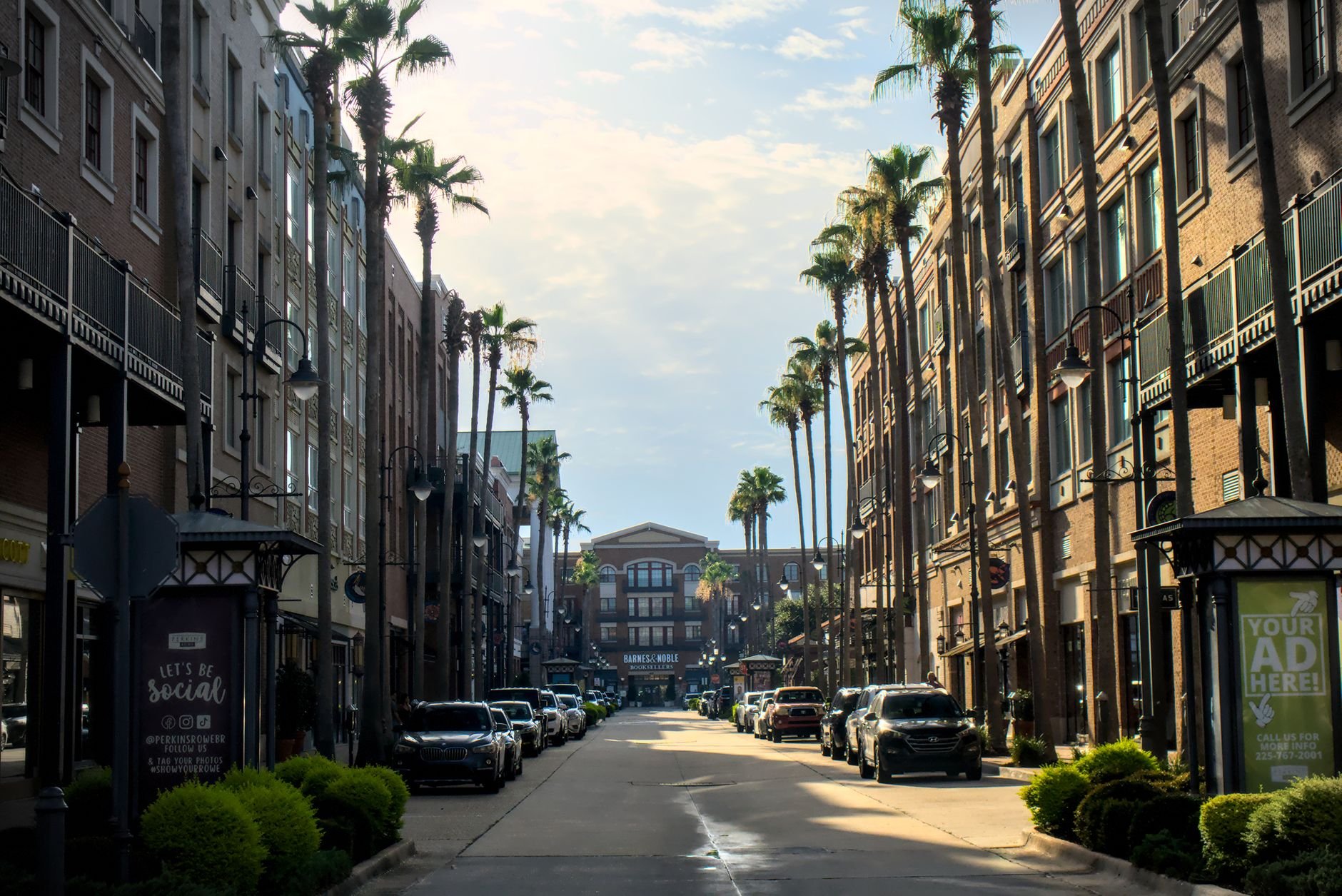
Baton Rouge is Louisiana's state capital and its second-largest city, sitting on the eastern bank of the Mississippi River. It occupies a cultural crossroads between the Creole traditions of New Orleans to the south and the Cajun heartland of Acadiana to the west. The city draws travelers who want an authentic Louisiana experience without the tourist-saturated atmosphere of the French Quarter, offering genuine Southern hospitality, a storied political history, and a food scene rooted in generations of local tradition.
The culinary identity of Baton Rouge is deeply its own. Crawfish étouffée, boudin, dirty rice, and smoked andouille sausage are not novelties here but everyday staples found at neighborhood joints and celebrated restaurants alike. The city's proximity to both the Gulf Coast and the fertile agricultural parishes of South Louisiana means ingredients are fresh, local, and seasonal in the truest sense. Seafood, pork, and rice form the holy trinity of the local table.
LSU and its culture are inseparable from life in Baton Rouge. Louisiana State University anchors the southern part of the city and brings an outsized energy, particularly around college football season. Tiger Stadium, known as Death Valley, is one of the most storied venues in American sports and a pilgrimage site for fans of the game. The university's museums, live oak-lined campus, and Mike the Tiger habitat make it a destination in its own right.
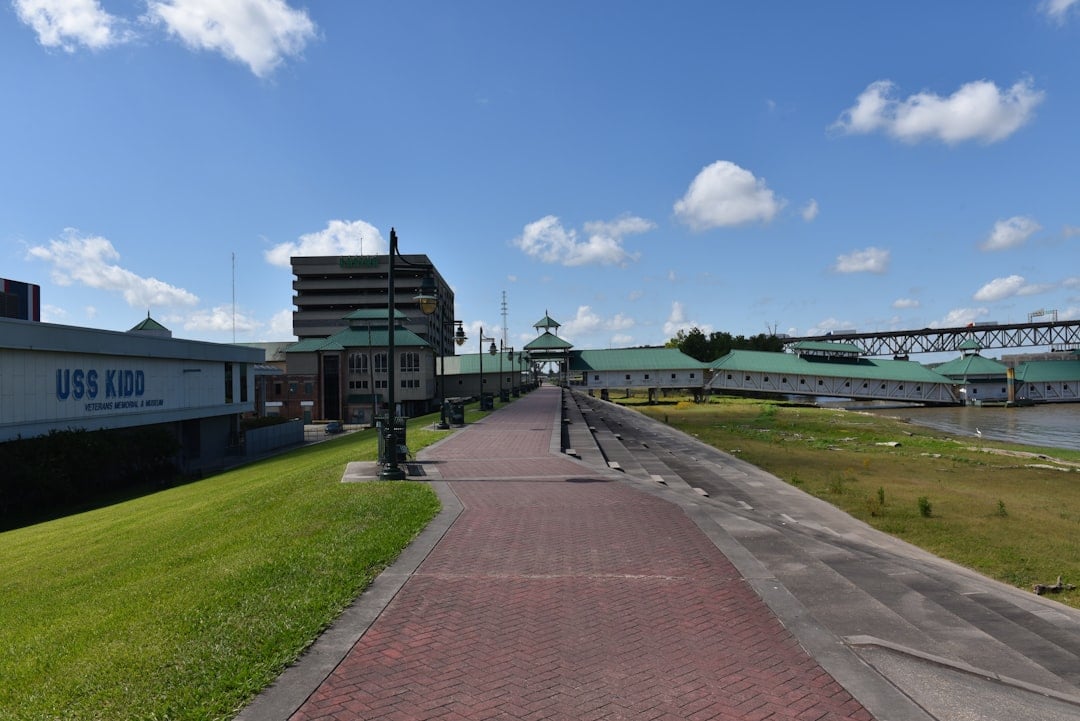
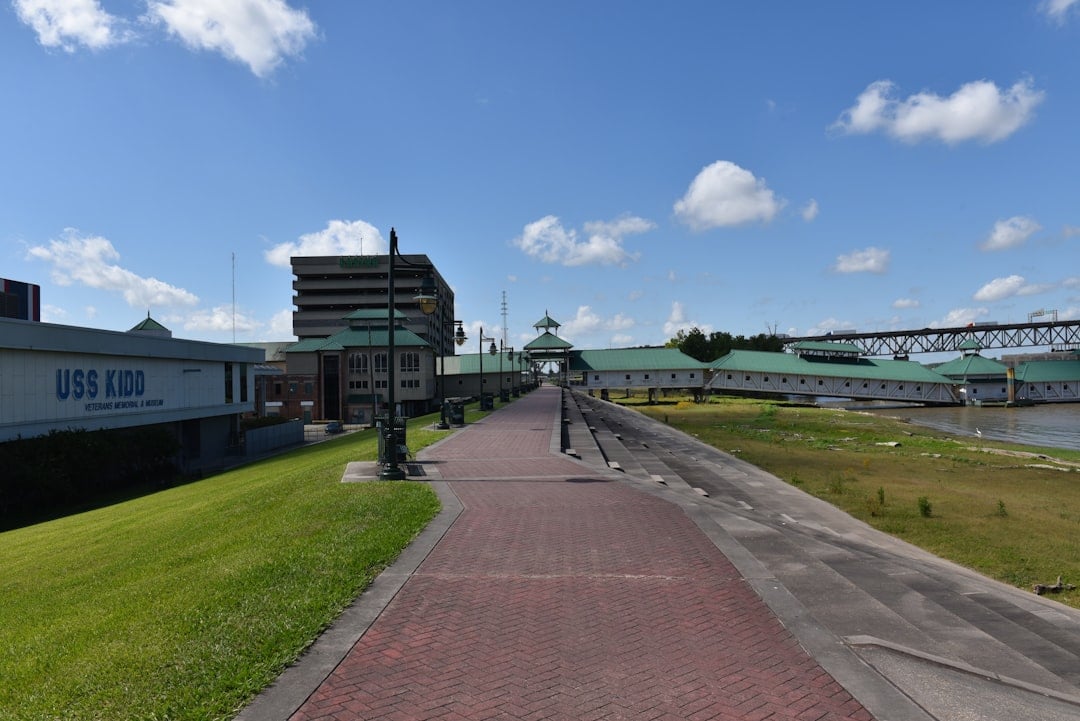
History runs deep along the riverfront. Baton Rouge served as a strategic prize fought over by French, British, Spanish, and American forces, and that layered past is visible in its architecture and institutions. The USS Kidd Veterans Museum, the Old State Capitol, and the tallest state capitol building in the United States all anchor a compact downtown that rewards slow, curious exploration on foot.
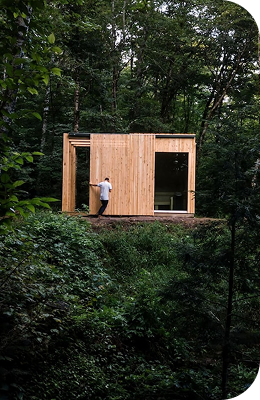

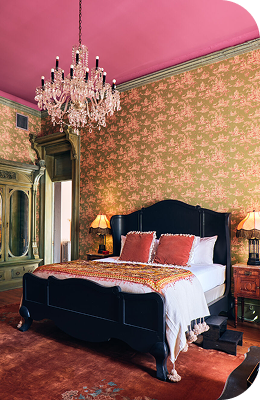

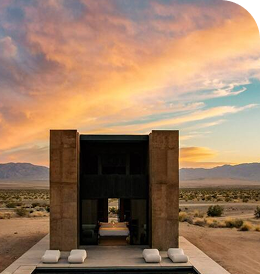

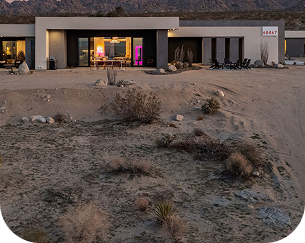

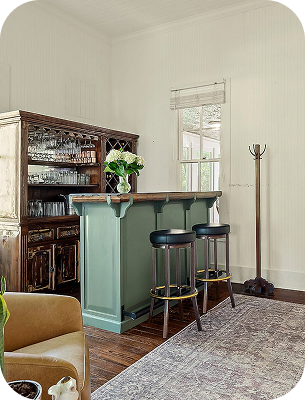

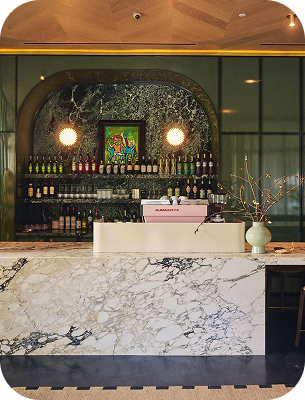

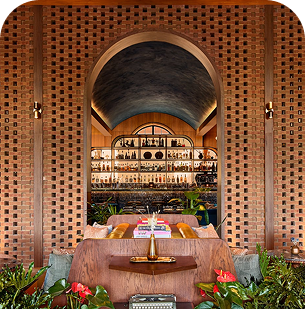

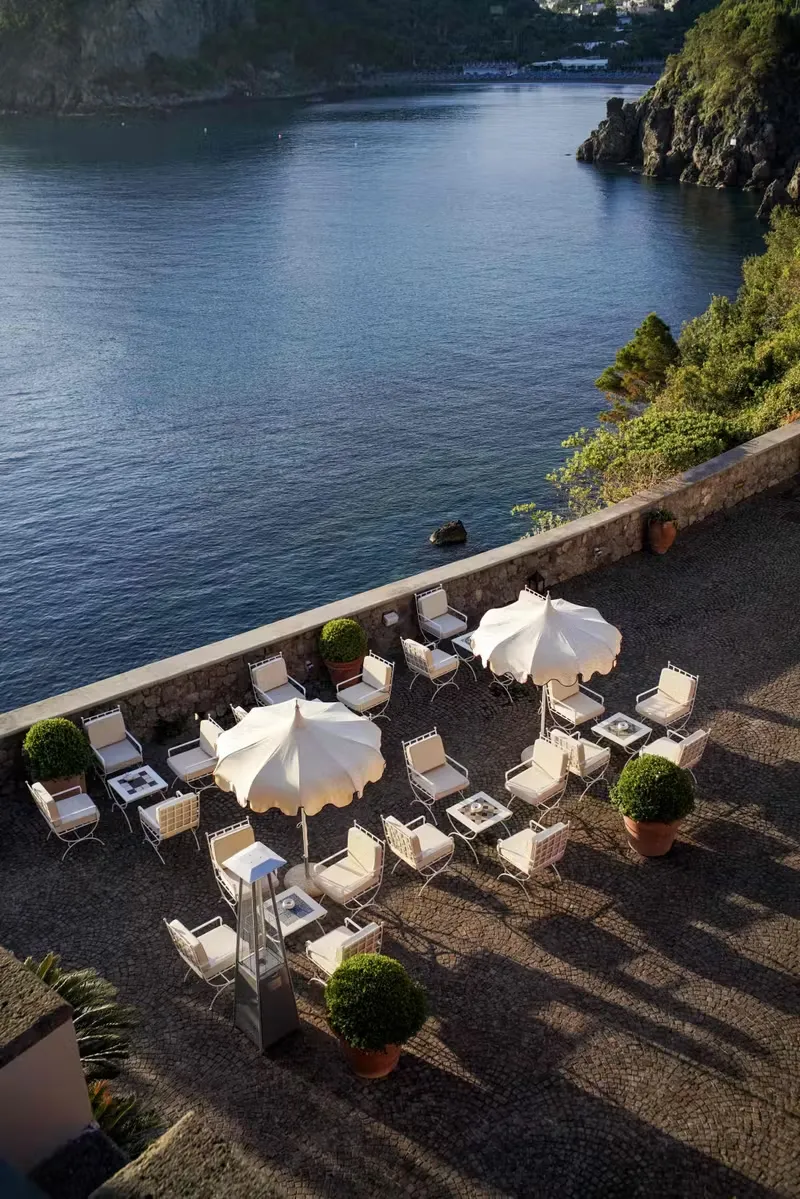

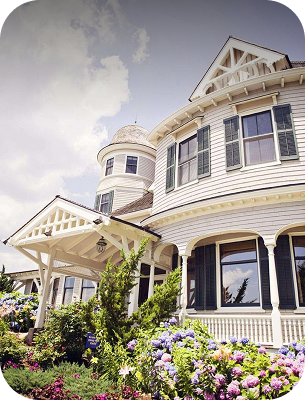

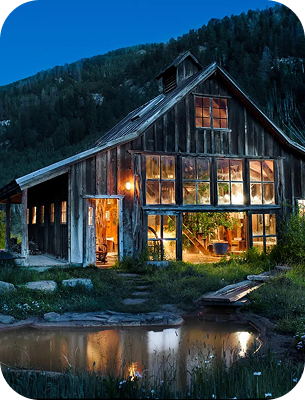

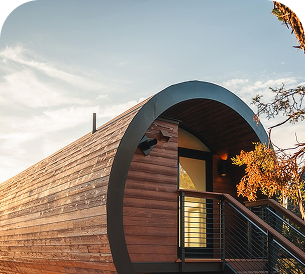

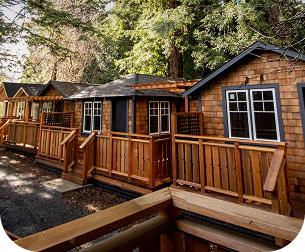

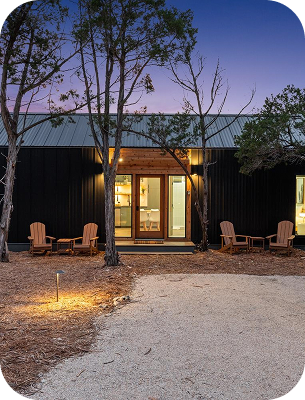

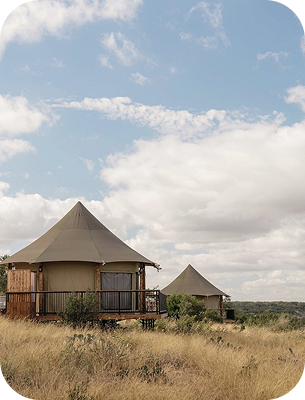

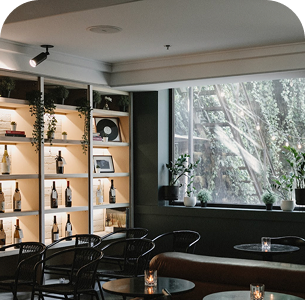

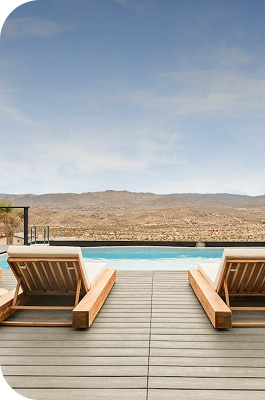

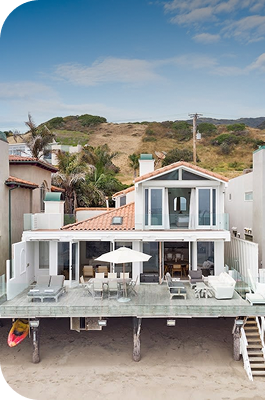

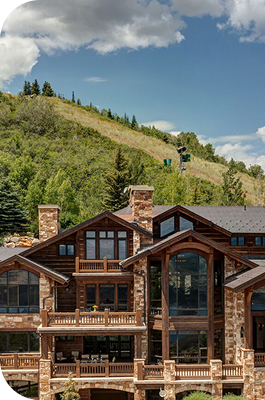
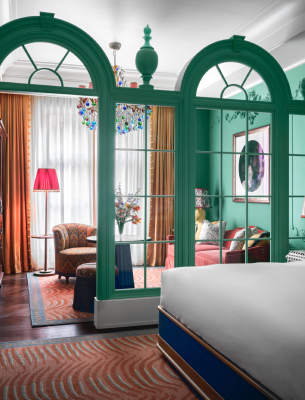
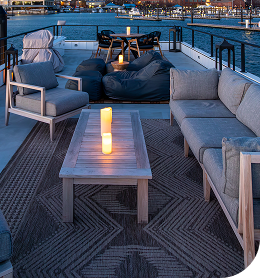
Journey connects travelers to a curated network of boutique hotels and distinctive residences around the world, all united under one rewards program. Explore handpicked stays for your trip while earning points, unlocking exclusive offers, and receiving rewards across the Journey collection.
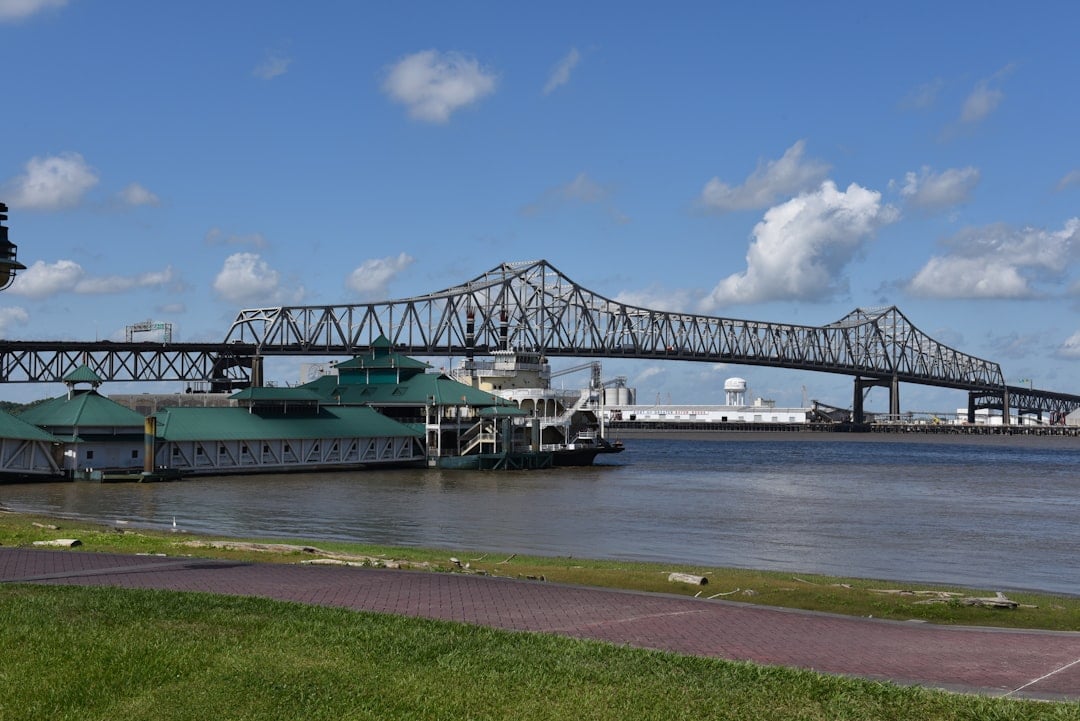
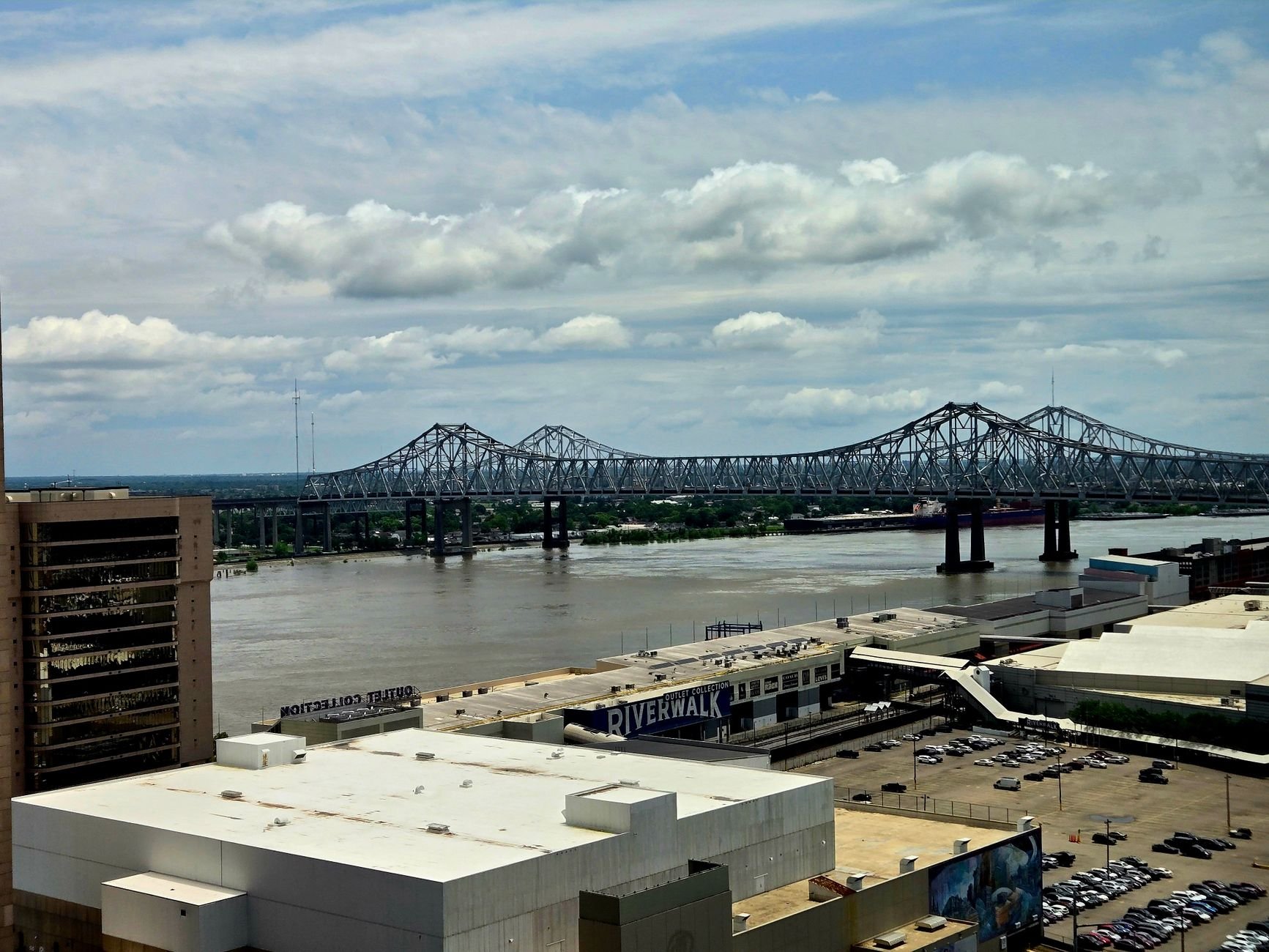
Baton Rouge occupies a commanding bluff on the eastern bank of the Mississippi River, roughly 80 miles northwest of New Orleans. The name itself, French for "red stick," traces to a boundary marker observed by French explorers in 1699, and the city has been defined by the river ever since. The Mississippi is not merely a backdrop here but a working artery: petrochemical plants, grain elevators, and towboats share the waterfront with riverside parks and the USS Kidd, a World War II Fletcher-class destroyer permanently docked as a memorial.
The city's cultural identity is a product of extraordinary layering. Indigenous peoples, French colonists, Spanish administrators, British occupiers, West African enslaved people, and Acadian exiles all shaped the region before Louisiana became a U.S. state in 1812. That convergence produced a city with a distinct personality, one that is unmistakably Southern but also something more particular: Catholic in its rhythms, French in its legal traditions (Louisiana still uses Napoleonic-derived civil law), and African in the roots of much of its music, food, and spiritual life.
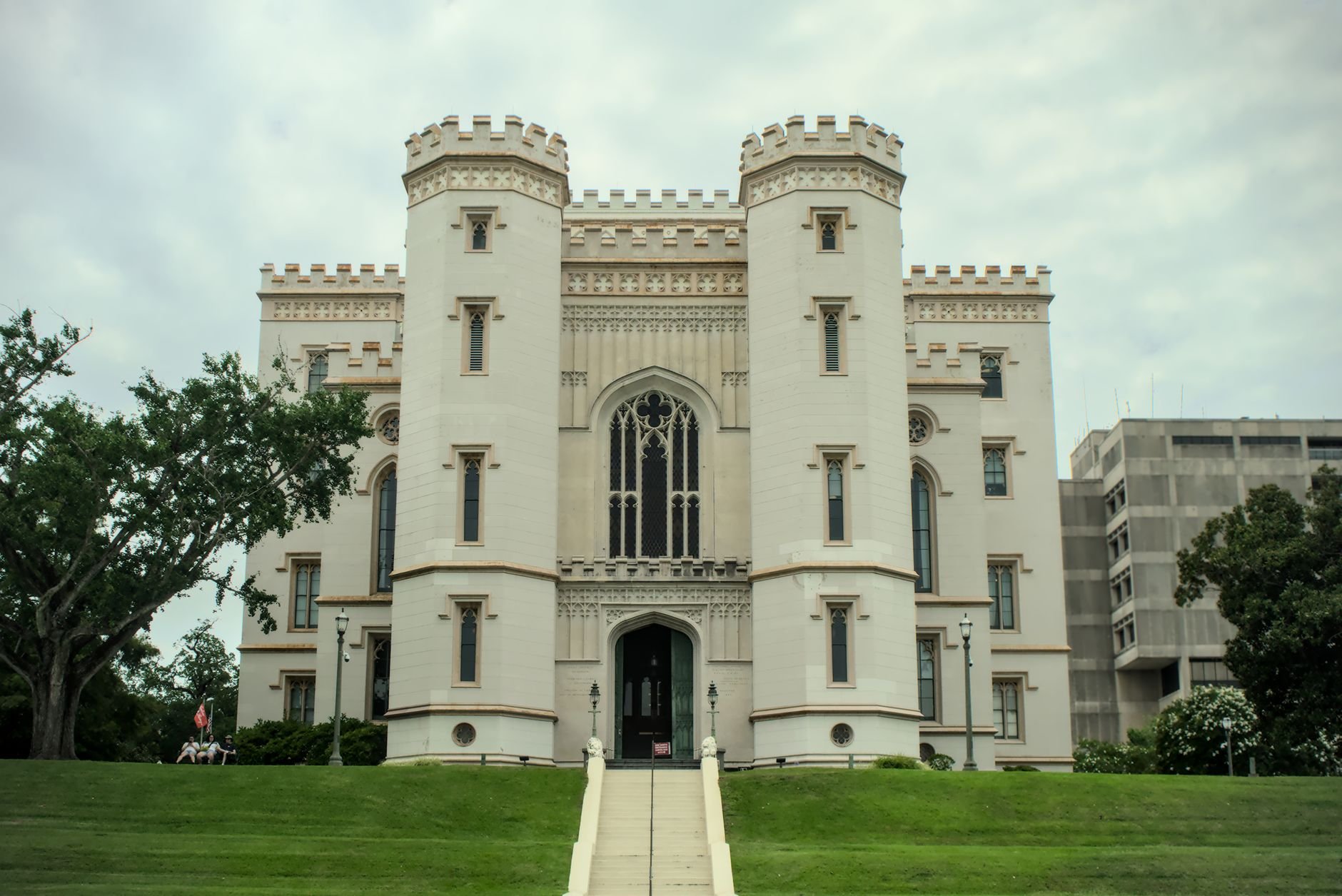
Downtown Baton Rouge is compact and walkable, anchored by the Louisiana State Capitol, the tallest capitol building in the country at 450 feet. Nearby, the Old State Capitol, a Gothic Revival castle dating to 1852, houses a museum of Louisiana political history that is as dramatic as the stories it contains. The Shaw Center for the Arts and the Manship Theatre bring a serious performing arts presence to the urban core.
Beyond downtown, the city spreads into neighborhoods of genuine character: the Spanish Town historic district, the Mid City corridor with its independent restaurants and bars, and the university district surrounding LSU's 2,000-acre campus. Baton Rouge is a city that rewards travelers willing to move through it at a local pace, eating at the neighborhood spots, lingering on the levee, and tuning into the rhythms of a place that has never needed to perform for an outside audience.
October through April represents the most rewarding window to visit Baton Rouge, though the specific timing depends on what a traveler is after.
Fall, particularly October and November, is widely considered the sweet spot. Crowds are manageable, the city is alive with LSU football energy, and the outdoor spaces along the riverfront and university campus are genuinely enjoyable. Tailgate culture around Tiger Stadium reaches its peak during this stretch, and catching a home game is one of the most distinctly Louisianan experiences available to a visitor. The city's parks, walking trails, and historic districts are all at their most accessible.
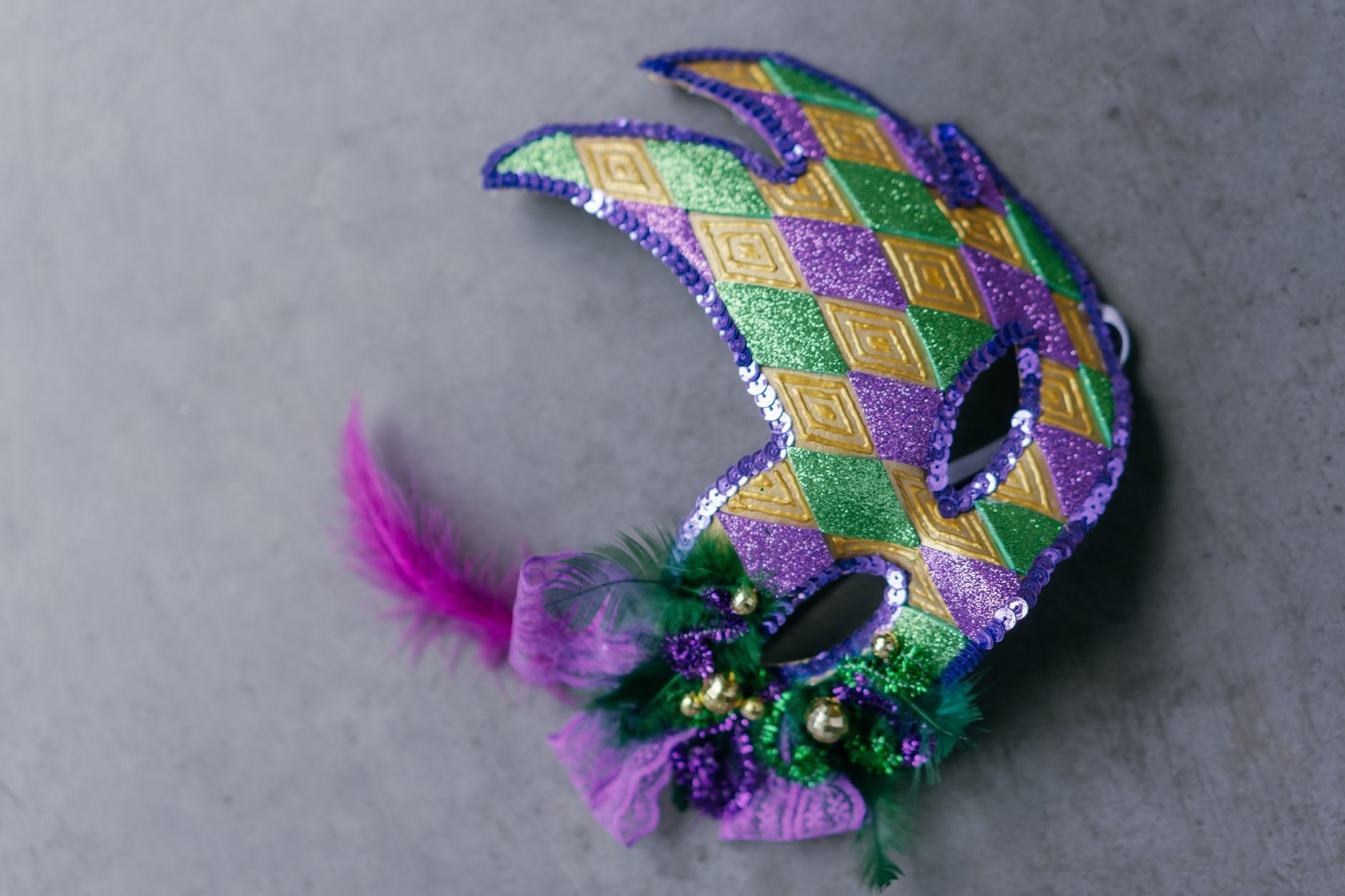
Mardi Gras season, which runs from early January through Fat Tuesday in February or early March depending on the year, draws visitors seeking a more authentic, locally rooted celebration than the French Quarter crowds allow. Baton Rouge's parades and festivities have a neighborhood character that many travelers find more genuine and less overwhelming. This is also a strong time for food festivals and cultural events tied to the Creole and Cajun calendar.
Spring, from March into early May, brings blooming gardens and active festival schedules before the heat intensifies. The Baton Rouge Blues Festival and various food-focused events animate the city during this period, and the LSU campus is at its most photogenic. Travelers who want to explore the surrounding plantation country and Cajun parishes will find spring ideal for day trips before summer humidity sets in.
Summer is the least recommended season for most visitors. The combination of heat, humidity, and frequent storms limits outdoor exploration, and the university atmosphere quiets significantly with students away. Travelers who do visit in summer will find shorter lines at major attractions and lower accommodation rates, which can offset the climatic challenges for those willing to plan around the midday heat.
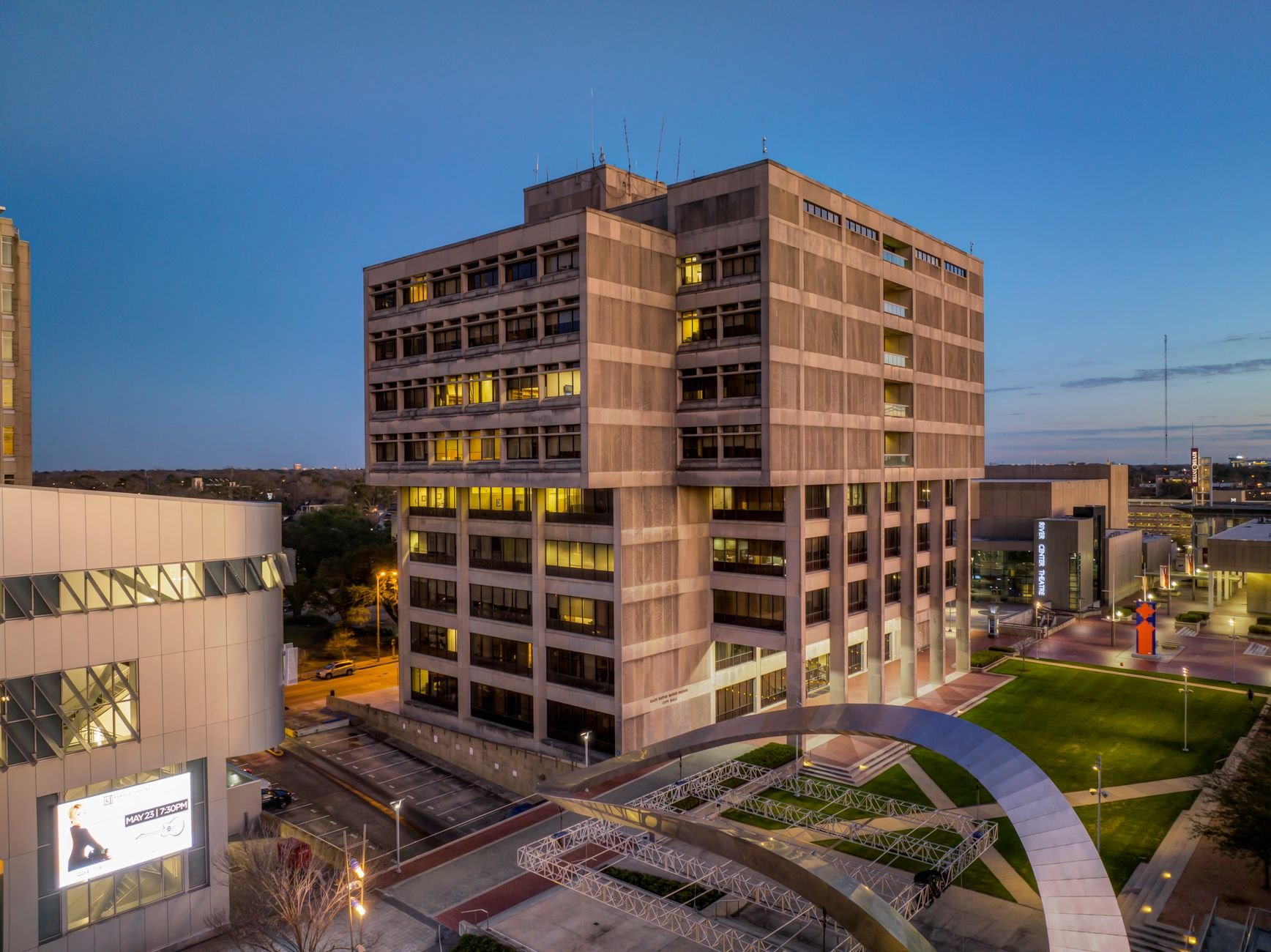
The historic core of the city sits along the Mississippi River and packs in the Louisiana State Capitol, the Old State Capitol, and the USS Kidd Veterans Museum within easy walking distance. The riverfront district has a compact, walkable energy with restaurants, bars, and live music venues anchoring a growing after-dark scene. It is the best base for travelers who want history, government architecture, and river views all in one place.
Mid City is Baton Rouge's most eclectic and creative neighborhood, home to locally owned restaurants, independent coffee shops, and a tight-knit community feel that sets it apart from the rest of the city. Government Street is the main artery, lined with colorful storefronts, craft cocktail bars, and some of the best casual dining in Louisiana. The area draws a young, artsy crowd and rewards visitors who prefer neighborhood exploration over tourist corridors.
The southern stretch of Baton Rouge is defined by Louisiana State University, whose sprawling campus of live oaks, Spanish-Renaissance architecture, and open quads is worth visiting on its own terms. The surrounding streets fill with fans, students, and tailgaters on football weekends, creating one of the most electric atmospheres in college sports. Nearby Highland Road is lined with bars, casual eateries, and shops that cater to the university community year-round.
The Perkins Road corridor has evolved into one of Baton Rouge's most beloved local gathering spots, anchored by a stretch of bars, breweries, and casual restaurants beneath and around the overpass. It has a relaxed, neighborhood-bar atmosphere that feels genuinely local rather than curated for visitors. Weekend afternoons bring out cyclists, families, and regulars who treat the area as a social hub.
Beauregard Town is one of Baton Rouge's oldest and most picturesque residential neighborhoods, tucked just northeast of downtown and filled with early 20th-century cottages and bungalows shaded by mature oaks. Its quiet, tree-lined streets feel like a step back in time and offer a striking contrast to the bustle of the nearby Capitol complex. Visitors who wander in will find a peaceful, photogenic pocket of old Louisiana character.
Baton Rouge has a short list of experiences that cannot be replicated anywhere else, and they are the reason travelers return.
LSU Game Day at Tiger Stadium
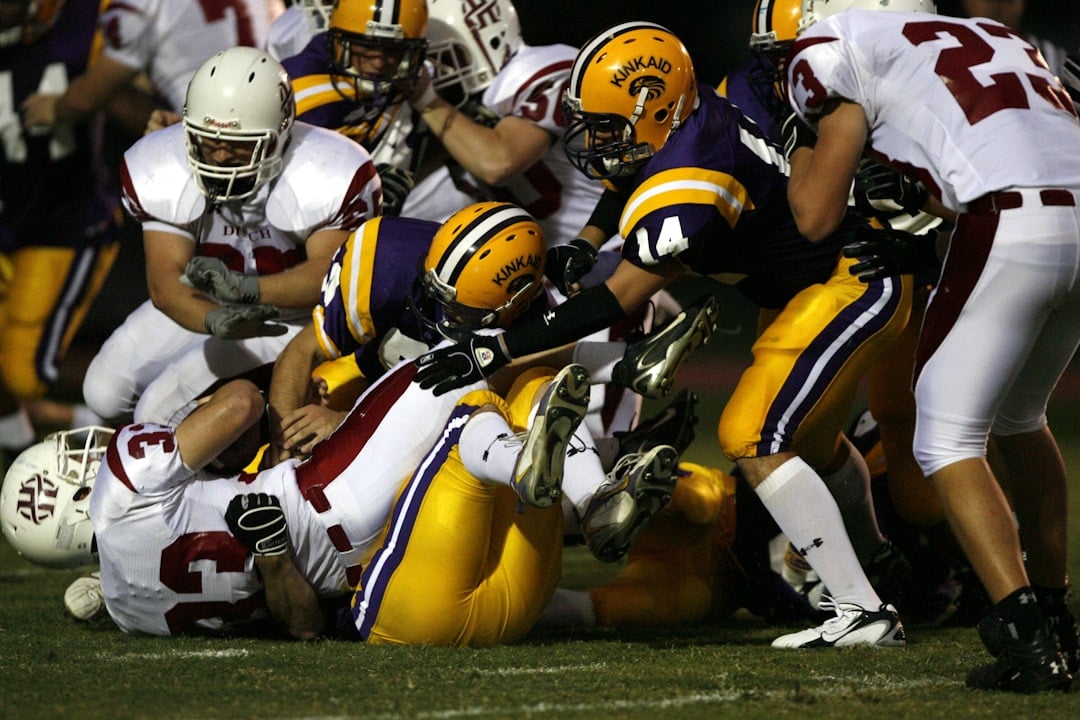
On autumn Saturdays when the LSU Tigers play at home, Baton Rouge transforms into one of college football's great spectacles. Tiger Stadium, known as Death Valley, seats over 102,000 fans and generates a noise level that has been measured as a minor seismic event. The pregame tailgate culture begins hours before kickoff, filling the live oak-shaded campus with the smells of boiling crawfish, jambalaya, and smoked meats. Attending a night game at Tiger Stadium is widely regarded as one of the defining experiences in American sports.
Eating Boudin and Crawfish Like a Local
Baton Rouge sits at the intersection of Creole and Cajun food traditions, and the city's neighborhood restaurants and gas-station boudin stops are as important as any white-tablecloth dining room. Crawfish season, running roughly from late winter through early summer, draws locals and visitors alike to boils where pounds of spiced crawfish are dumped onto newspaper-covered tables. Boudin, the Cajun pork-and-rice sausage unique to South Louisiana, is found at roadside stops throughout the city and surrounding parishes.
Exploring the State Capitol and Louisiana's Political History
Louisiana politics has always been theatrical, and Baton Rouge is where that drama unfolded. The 34-story Art Deco capitol building, constructed under Governor Huey Long and the site of his assassination in 1935, offers an observation deck with sweeping views of the Mississippi River and the surrounding parishes. The building itself is a monument to one of American political history's most complicated figures, and touring it alongside the Old State Capitol creates a portrait of Louisiana governance that is genuinely unlike anything found in another American capital.
Baton Rouge offers a full range of activities that reflect its position as Louisiana's capital city and a cultural hub of the Deep South.
Outdoor Recreation
The Mississippi River defines Baton Rouge's western edge and creates a natural playground for kayaking, fishing, and riverside walks. Farr Park and the BREC system of parish parks provide trails, picnic grounds, and green space throughout the city. The nearby Atchafalaya Basin offers world-class swamp tours, birding, and freshwater fishing in one of North America's largest river deltas.
Cultural Attractions
Baton Rouge punches well above its weight in history and civic architecture. The Louisiana State Capitol, the tallest state capitol building in the United States, dominates the downtown skyline and is open for tours. The Old State Capitol, a Gothic Revival castle on the bluff above the river, houses a museum of Louisiana political history. The USS Kidd Veterans Museum preserves a Fletcher-class destroyer on the riverfront alongside aviation and military exhibits.
Arts and Entertainment
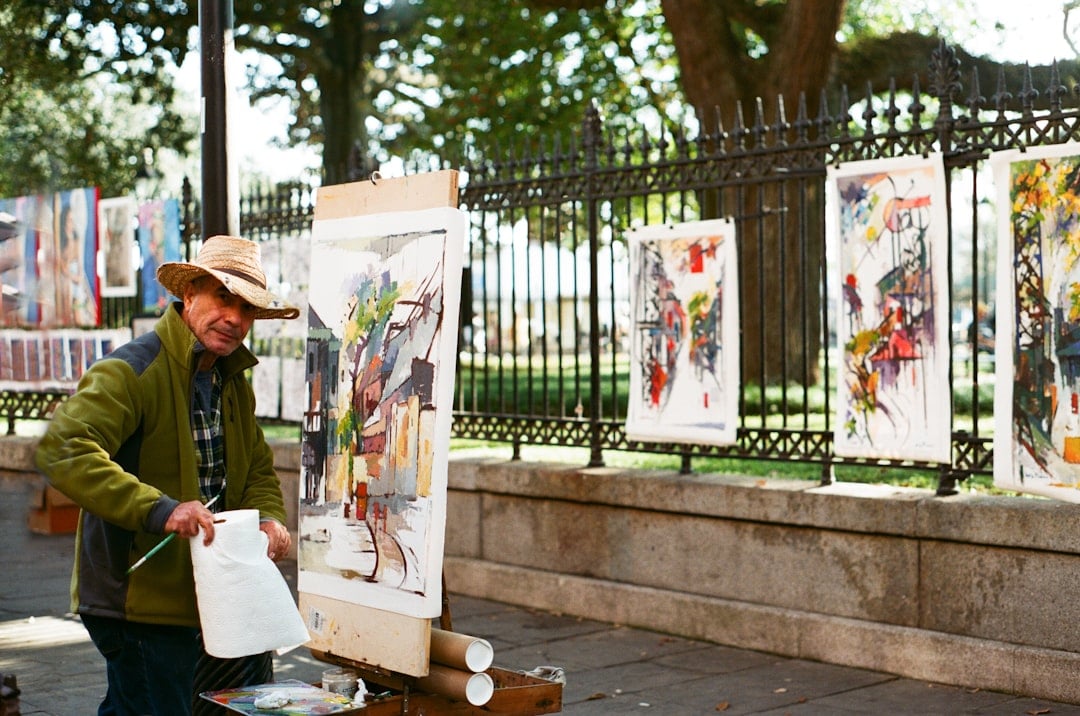
The Shaw Center for the Arts anchors the city's performing arts scene with theater, visual art galleries, and live music. The Baton Rouge Gallery supports local and regional contemporary artists. LSU's campus contributes museums, theater productions, and cultural programming year-round.
Food and Dining
Eating in Baton Rouge is an experience unto itself. The city's restaurants and neighborhood spots serve some of the most honest South Louisiana cooking found anywhere, from crawfish étouffée and boudin to smoked meats and fresh Gulf seafood.
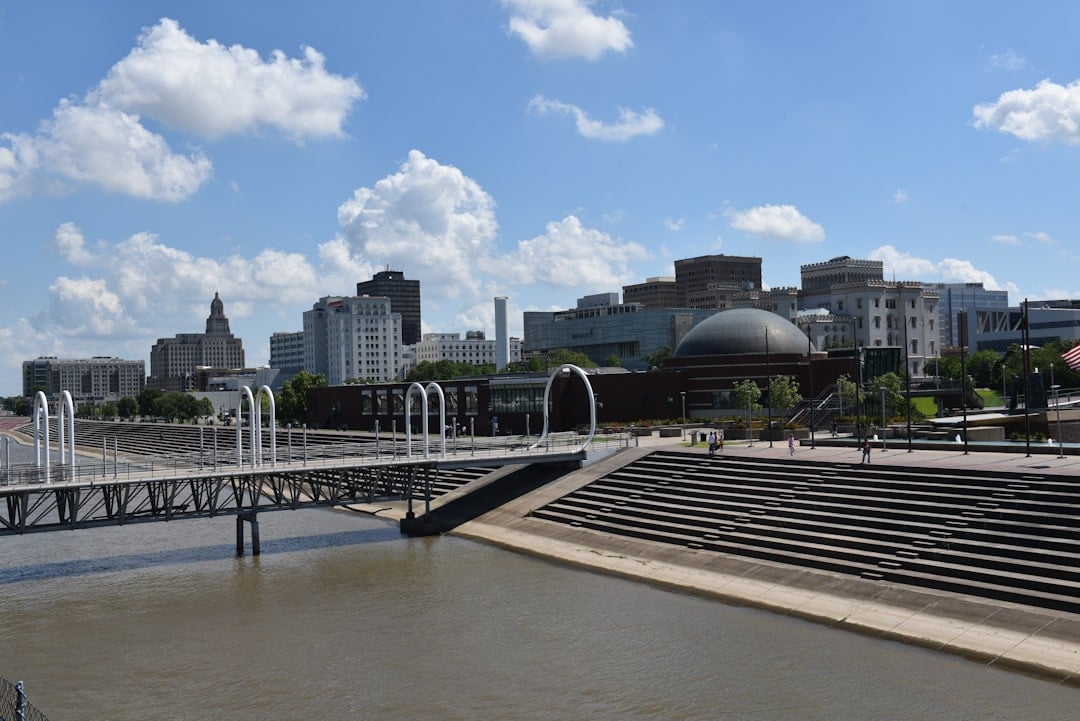
Start the morning at the Louisiana State Capitol, the tallest in the nation, then walk to the Old State Capitol for a look at the city's layered political history. Grab lunch downtown at a local spot serving crawfish étouffée or boudin. Spend the afternoon exploring the USS Kidd Veterans Museum along the riverfront. End the evening with dinner and live music in the Mid City neighborhood.
Dedicate the morning to the LSU campus: stroll the live oak-lined grounds, visit the LSU Museum of Art, and stop by the Mike the Tiger habitat. Grab a po-boy or plate lunch near campus for a midday break. In the afternoon, head to the Rural Life Museum on Burden Lane for an open-air look at 19th-century Louisiana farm life. Finish the evening with smoked andouille and cold drinks on the patio at a local Baton Rouge barbecue joint.
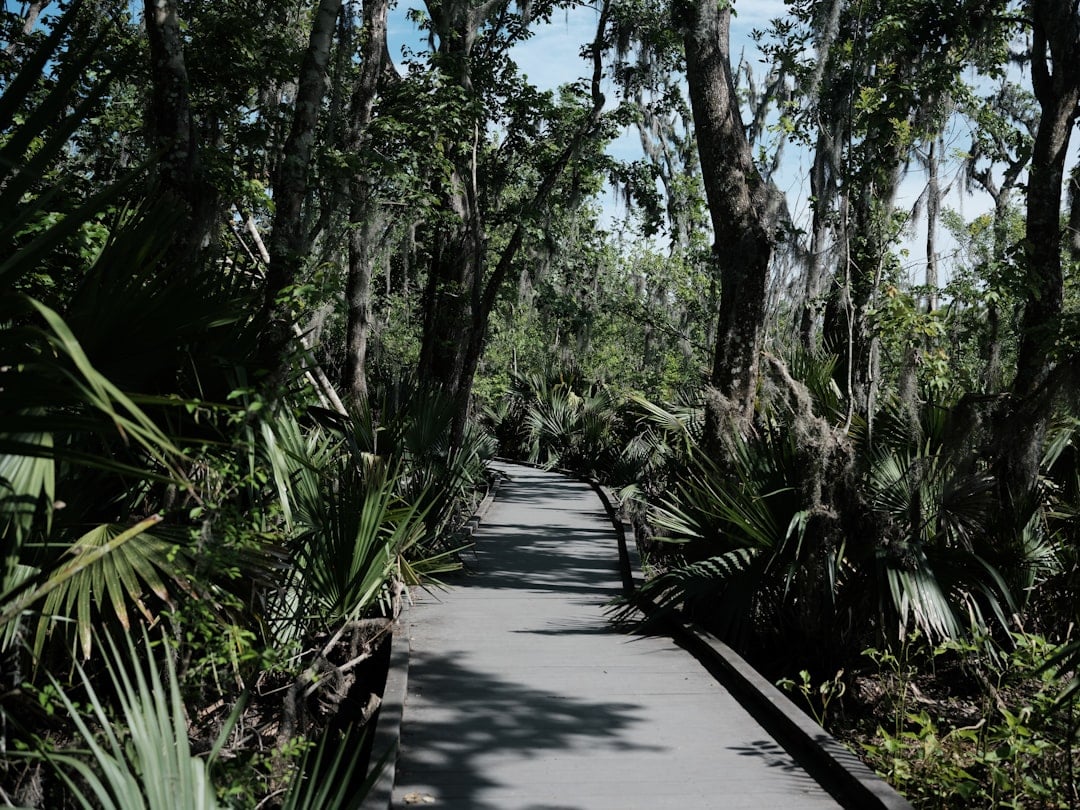
Spend the morning at the Bluebonnet Swamp Nature Center for a quiet walk through cypress swamp and bottomland hardwood forest. Head to the Perkins Road corridor for brunch at one of the neighborhood's well-loved cafes. In the afternoon, browse the shops and galleries along Government Street. Close out your trip with a sunset view of the Mississippi River from the downtown levee, followed by a final dinner featuring Gulf seafood and dirty rice.
Baton Rouge pulses with a distinct cultural calendar shaped by Louisiana's love of celebration, sport, and community. The city's rhythm builds from the languid warmth of summer festivals through the electric energy of college football season and into the exuberant revelry of Mardi Gras in late winter. Each season brings its own flavor, rooted in the Creole and Cajun traditions that define South Louisiana life.

Jun 22, 2026

Sep 24, 2026

Oct 2, 2026
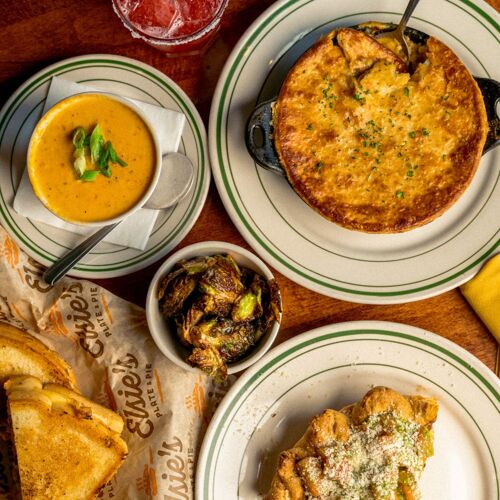
Baton Rouge is a city where food is not a trend but a tradition, shaped by generations of Creole, Cajun, and Southern cooking rooted in the land and water of South Louisiana. The local table is built on a handful of essential ingredients: crawfish, andouille sausage, pork, rice, and the fresh seafood that arrives from the Gulf Coast and the surrounding parishes. These are not specialty items reserved for restaurants but everyday staples found at roadside stands, neighborhood diners, and celebrated kitchens alike.
Baton Rouge Metropolitan Airport (BTR) sits about five miles north of downtown
with direct service from Atlanta, Dallas, Houston, and Charlotte, making it the most convenient arrival point for most visitors, with rideshare, taxis, and rental cars all available on-site.
Driving from New Orleans on Interstate 10 west is one of the most common ways to reach Baton Rouge
covering roughly 80 miles in about an hour under normal conditions, though the I-10 bridge over the Mississippi can slow things down during peak hours.
Travelers coming from Houston take Interstate 10 east through Beaumont and Lake Charles
arriving in Baton Rouge after approximately four to five hours, with the drive passing through the heart of the Louisiana petrochemical corridor.
Greyhound and Flixbus connect Baton Rouge to New Orleans, Houston, and other Gulf South cities
with the bus terminal located near downtown, making it a budget-friendly option for travelers who do not need a car for their entire stay.
Renting a car is the most practical way to move between Baton Rouge's spread-out neighborhoods
since LSU, the Garden District, Perkins Road, and River Road destinations are all too far apart to connect comfortably on foot or by transit.
The downtown riverfront and Third Street corridor are the most walkable areas in the city
where visitors can move between the USS Kidd Veterans Museum, the Old State Capitol, and nearby restaurants without needing a car.
Uber and Lyft operate reliably throughout Baton Rouge
making rideshare a smart choice for evenings out in the Mid City or Perkins Road areas, where parking can be limited and street navigation unfamiliar.
The Capital Area Transit System (CATS) runs bus routes along major corridors
but schedules are limited and routes are not designed around visitor destinations, so it works best as a backup rather than a primary way to get around.
Parking downtown is generally available in surface lots and garages at low daily rates
but plan ahead on LSU home game weekends, when traffic and parking across the entire city tighten significantly and advance lot reservations are worth securing.
Baton Rouge rewards visitors who come prepared for the heat. From May through September, temperatures regularly exceed 90 degrees Fahrenheit with high humidity, so lightweight clothing, sunscreen, and hydration are essential. Tipping follows standard U.S. norms: 18 to 20 percent at restaurants and for rideshare drivers is expected. Many local restaurants are cash-friendly but also accept cards; smaller neighborhood spots and food trucks may prefer cash, so keep some on hand. Download Uber or Lyft before you arrive, as local taxi availability outside the airport is limited. If you are visiting during an LSU home football game, book everything well in advance and expect elevated prices and heavy traffic on game day. Mosquitoes are a genuine concern in warmer months, particularly near the river and bayou areas, so pack repellent. Baton Rouge is generally safe for tourists in the main visitor areas, but exercise standard urban awareness after dark in unfamiliar neighborhoods.
Two to three days is enough to cover Baton Rouge's highlights. You can explore the downtown riverfront, visit the State Capitol and Old State Capitol, tour the LSU campus and Tiger Stadium, and still have time to eat your way through the local food scene. A third day allows for a slower pace and day trips into the surrounding parishes.
Baton Rouge is best known as Louisiana's state capital, home to the tallest state capitol building in the United States. It is also famous for LSU and the electric atmosphere of Tiger Stadium on college football game days. The city's Creole and Cajun food culture - crawfish etouffee, boudin, dirty rice, and smoked andouille - is a major draw for visitors.
Yes, Baton Rouge works well as a weekend trip. Two days gives you enough time to visit the State Capitol, explore the LSU campus, walk the riverfront, and eat at several standout local restaurants. It is an easy drive from New Orleans - about 80 miles - and pairs well with a longer Louisiana road trip.
Baton Rouge is relatively affordable compared to most major American cities. Hotels, dining, and attractions are reasonably priced, and many of the best experiences - like walking the LSU campus or exploring the riverfront - are free. Budget travelers can eat well at local spots without spending much, making it a solid value destination in the South.
The best time to visit Baton Rouge is from October through April, when temperatures are mild and humidity is lower. Spring brings festival season and lush scenery, while fall coincides with LSU football, which adds a lively energy to the city.