
Baltimore, MD
A Journey guide to
Big Sky is one of the American West's most celebrated mountain resort communities, anchored by Big Sky Resort and its iconic Lone Peak summit at 11,166 feet. The resort consistently ranks among the largest ski areas in the United States by acreage, offering over 5,800 acres of terrain spread across four interconnected mountains. That sheer scale draws serious skiers and snowboarders from across the country and around the world, all seeking the legendary "cold smoke" powder and uncrowded runs that have defined Big Sky's reputation for decades.
Beyond the slopes, Big Sky sits within one of the most ecologically rich corridors in North America. The Greater Yellowstone Ecosystem surrounds the community on all sides, placing travelers within easy reach of Yellowstone National Park to the south and the Gallatin National Forest at their doorstep. Fly fishing on the Gallatin River, whitewater rafting, mountain biking on hundreds of miles of singletrack, and wildlife watching for elk, moose, and grizzly bear are all part of the fabric of life here.
Big Sky attracts a discerning traveler: one who values both adventure and comfort, and who expects world-class amenities alongside genuine wilderness access. The resort village has matured considerably in recent years, with upscale dining, spa properties, and boutique lodging options that rival destinations like Aspen and Jackson Hole. Yet Big Sky retains a frontier authenticity that its more famous peers have largely lost.
The community also serves as a gateway for travelers seeking the broader Montana experience. Bozeman, the region's cultural and culinary hub, lies just 50 miles north along the Gallatin Canyon. Together, these two destinations form a natural pairing for travelers who want mountain adventure without sacrificing urban sophistication.
















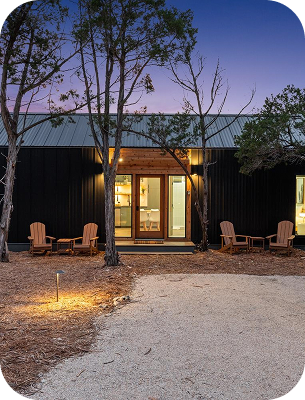

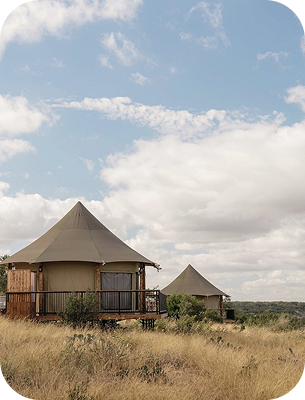

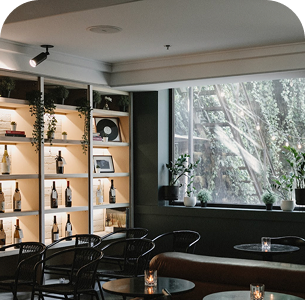

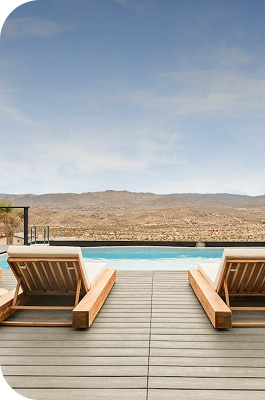


Journey connects travelers to a curated network of boutique hotels and distinctive residences around the world, all united under one rewards program. Explore handpicked stays for your trip while earning points, unlocking exclusive offers, and receiving rewards across the Journey collection.
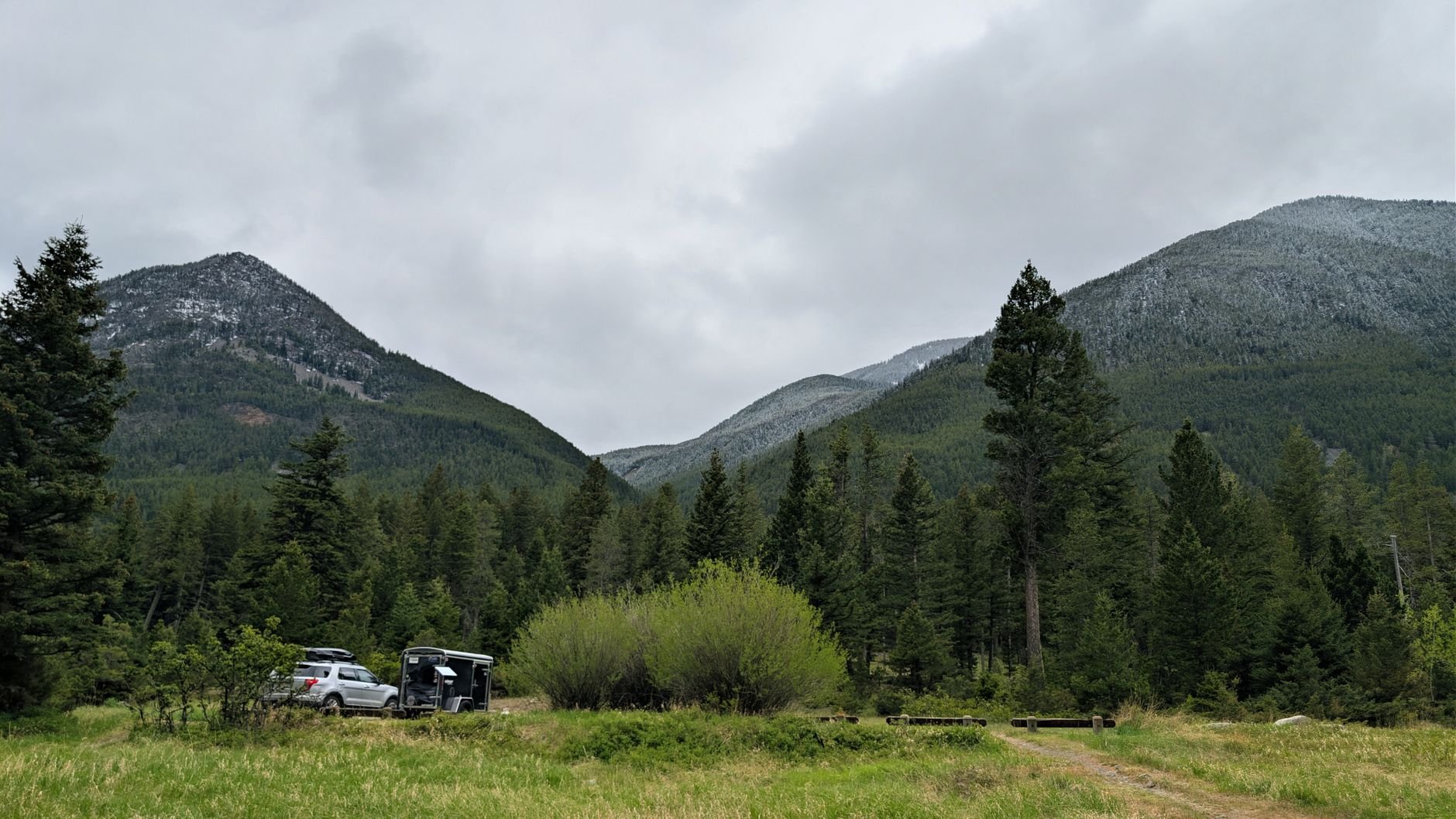
Big Sky occupies a high mountain valley in southwestern Montana, carved by the Gallatin River and framed by the Spanish Peaks Wilderness to the west and the Gallatin Range to the east. The community sits at roughly 7,200 feet in the Meadow Village area, rising dramatically toward Lone Peak at 11,166 feet, the summit that defines the skyline and the identity of the place. The terrain here is not subtle: it is a landscape of scale, where open meadows give way to dense conifer forest and then to exposed alpine ridgelines that feel genuinely remote.
Big Sky was incorporated as a resort community in the early 1970s, largely through the vision of NBC news anchor Chet Huntley, who saw the potential of this underdeveloped corner of Montana and helped establish Big Sky Resort in 1973. What began as a modest ski operation has grown into a year-round destination with a permanent population of only a few thousand residents but a visitor economy that draws hundreds of thousands annually. That contrast between small-town scale and world-class infrastructure is one of Big Sky's defining characteristics.
Culturally, Big Sky occupies an interesting space: it is simultaneously a working ranching and outdoor recreation community and an increasingly sophisticated resort town. The influence of the Greater Yellowstone Ecosystem is felt everywhere, from conservation conversations at local restaurants to the presence of wildlife in meadows at the edge of town. Grizzly bears, wolves, and bison are not abstractions here but genuine neighbors, and that proximity to wild nature shapes the character of the destination in ways that few mountain resorts can claim.
For travelers, Big Sky offers a rare combination: the amenities and lodging quality of a premier resort destination paired with access to some of the most intact wilderness in the continental United States. It is a place where a morning on groomed ski runs can give way to an afternoon of backcountry exploration, and where the horizon always feels wider than expected.
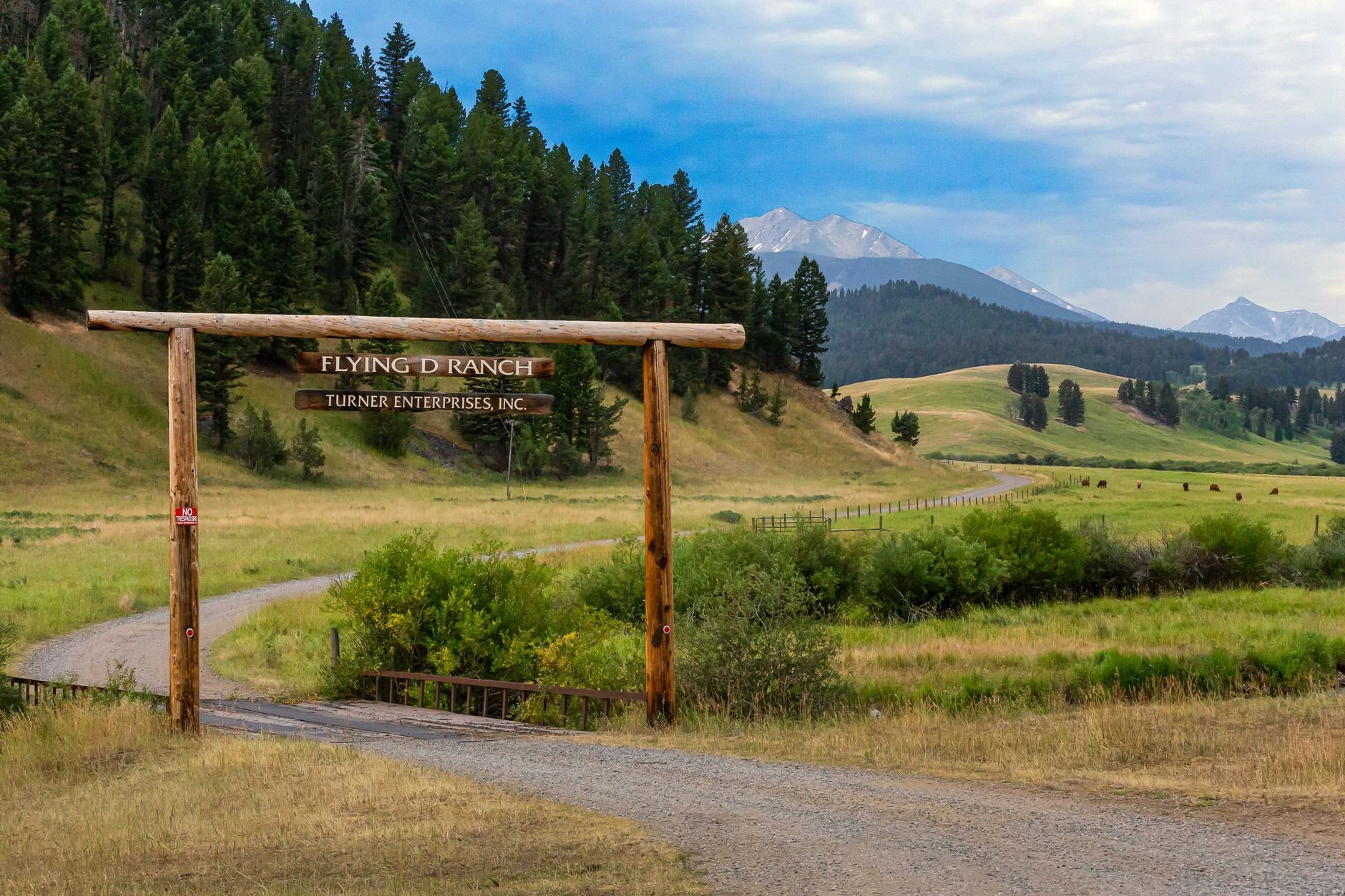
Choosing when to visit Big Sky depends largely on what kind of experience you are after, because the destination shifts dramatically between its two peak seasons and the quieter shoulder periods in between.
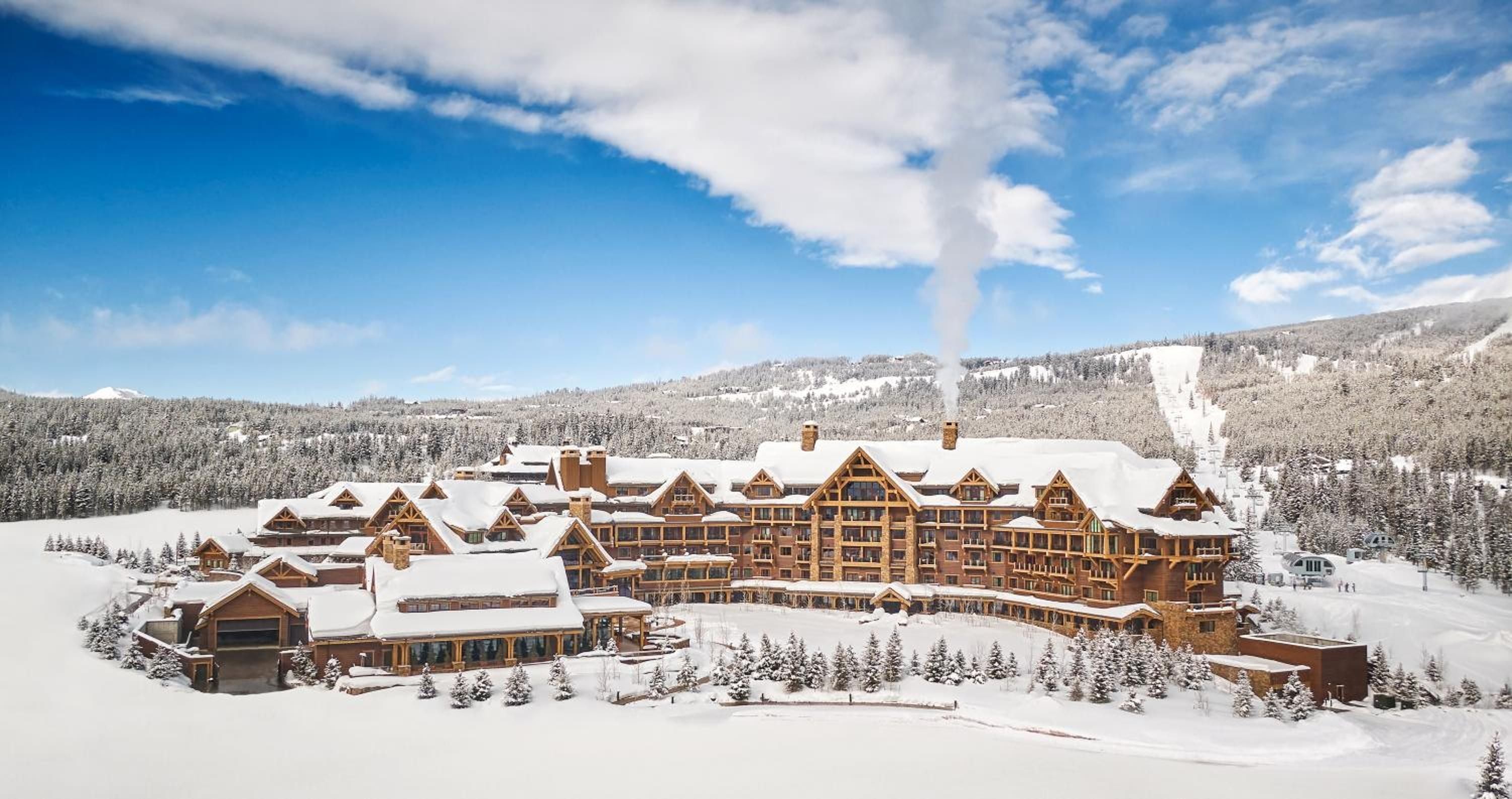
Winter, from late November through March, is peak season for skiers and snowboarders. Big Sky Resort draws its largest crowds during the Christmas and New Year holiday window and again over Presidents Day weekend. Even so, the resort's sheer scale means lift lines remain short compared to comparable destinations. Serious powder seekers should target mid-January through February, when storm cycles are frequent and the mountain is operating at full capacity without the holiday surcharges.
Summer, from late June through August, has grown steadily in popularity as travelers discover Big Sky's hiking, fly fishing, mountain biking, and proximity to Yellowstone National Park. July and August see the highest visitor volumes for the warm-weather season, with Yellowstone-bound traffic adding to the mix. Travelers who want full trail access and all resort amenities open should plan for this window, accepting that popular trailheads and Yellowstone entrances will be busier.
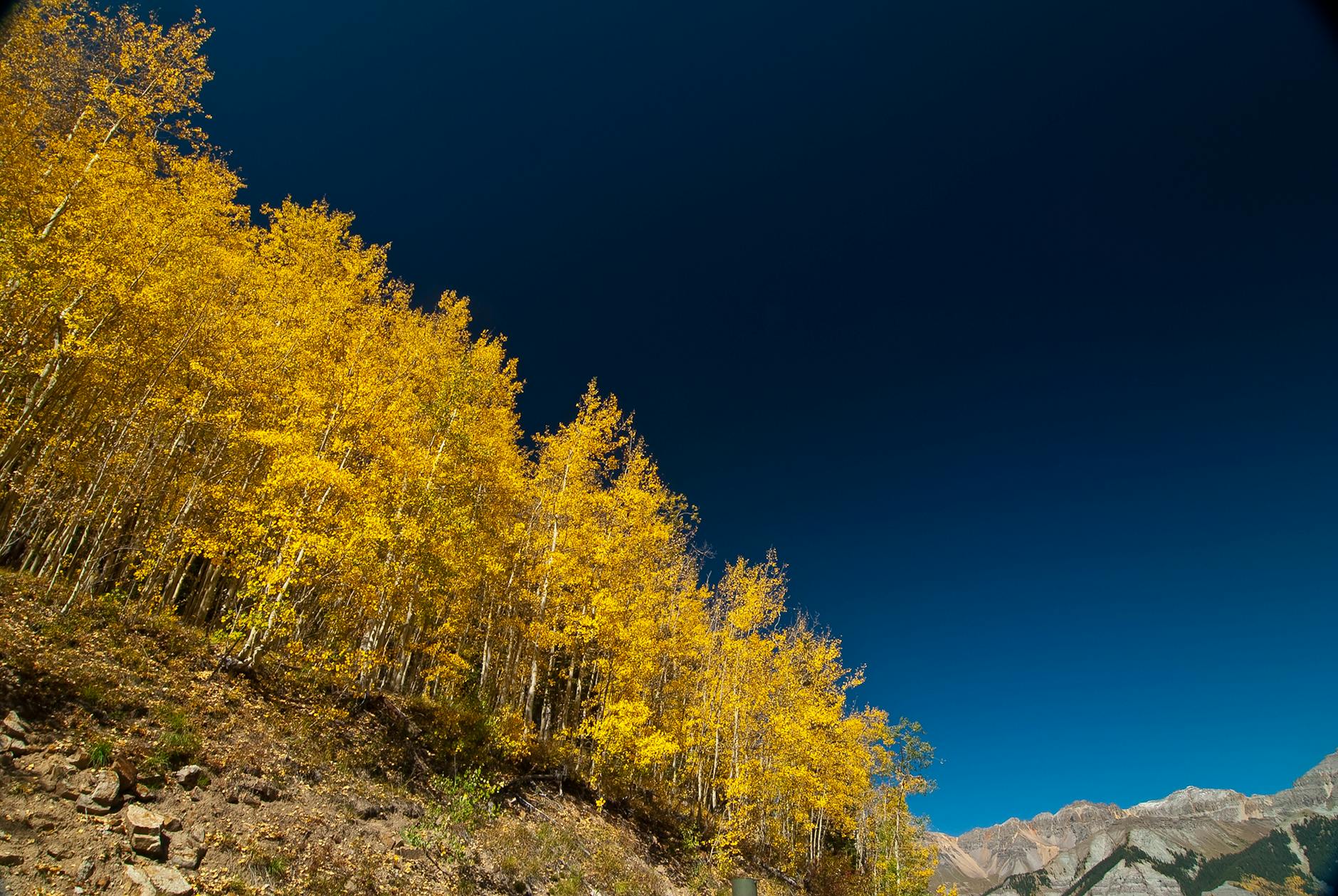
Fall is widely considered the best-kept secret in Big Sky's calendar. September and early October bring golden aspen color, elk rut activity in the surrounding valleys, and dramatically reduced crowds across trails and lodging. Fly fishing conditions on the Gallatin River are excellent, and wildlife sightings increase as animals move to lower elevations. Prices drop noticeably from summer highs, and the overall atmosphere is calm and unhurried.
Spring is the least recommended season for most travelers. The resort typically closes in mid-April, trails remain muddy and inaccessible well into May, and many businesses operate on reduced hours. Travelers with flexibility are better served by arriving in late May or early June once conditions stabilize.
Mountain Village is the resort core of Big Sky, clustered at the base of the lifts on Lone Peak. This is where ski-in, ski-out lodges, upscale dining, and the apreski scene concentrate, making it the most convenient and lively base for winter visitors. In summer the village transitions into a hub for gondola rides, mountain biking, and outdoor concerts.
Meadow Village sits a few miles down the valley from the resort and offers a more relaxed, community-oriented atmosphere. Independent restaurants, a town center, and everyday services give this area a lived-in character that Mountain Village lacks. Travelers who prefer a quieter base with easy resort access often find better value and a more authentic Montana feel here.
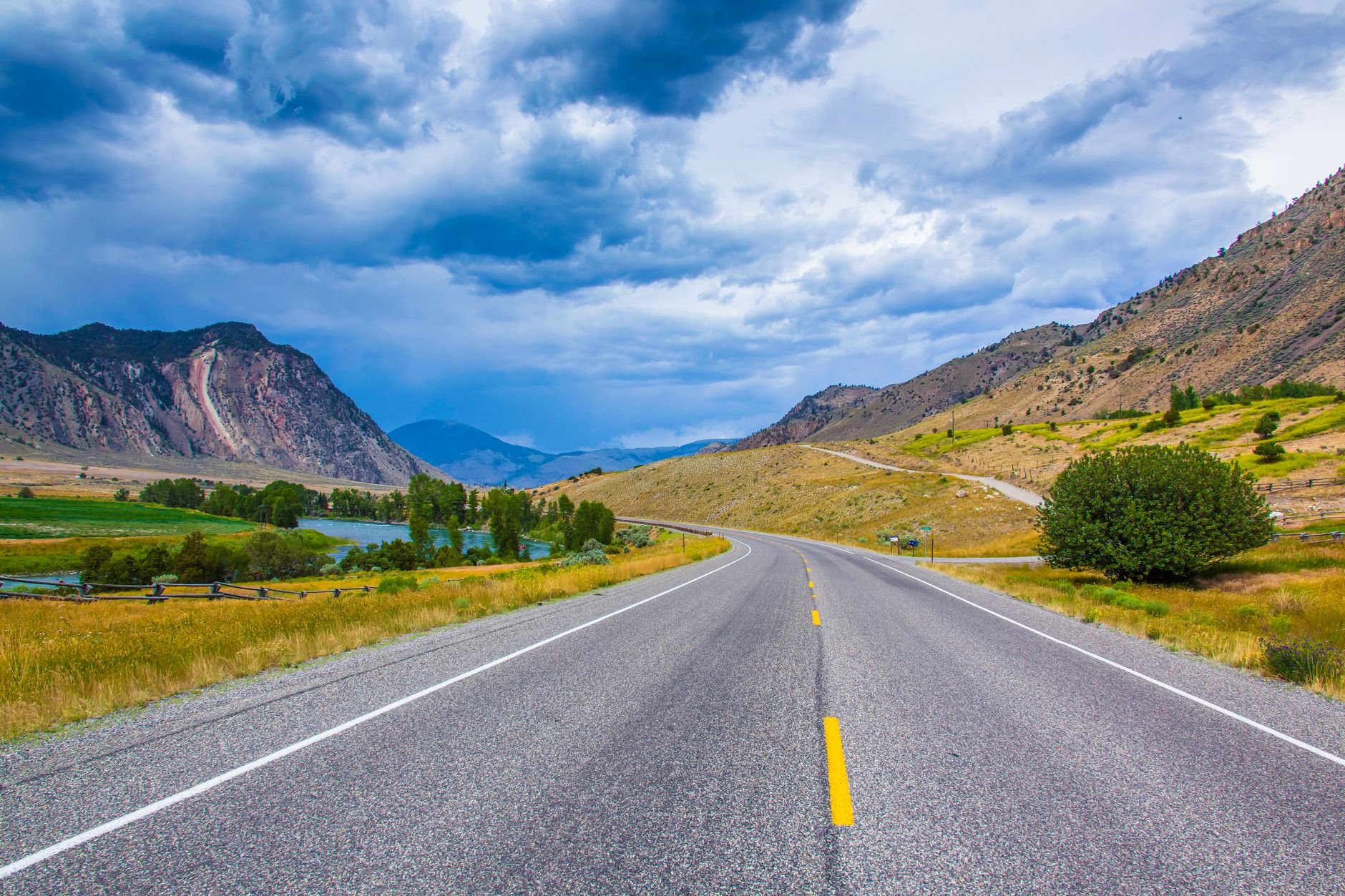
Stretching along Highway 191 between Big Sky and Bozeman, the Gallatin Canyon Corridor is a scenic and recreational spine lined with fly fishing access points, whitewater put-ins, and trailheads. The Gallatin River runs alongside the road for much of its length, drawing anglers and rafters throughout the warmer months. A handful of outfitters and roadside stops make this route an experience in itself rather than just a commute.
Big Sky is defined by a handful of experiences that travelers cannot replicate anywhere else, rooted in the scale of its mountains, the wildness of its surrounding landscape, and the frontier character of the community itself.
Skiing Lone Peak at Big Sky Resort
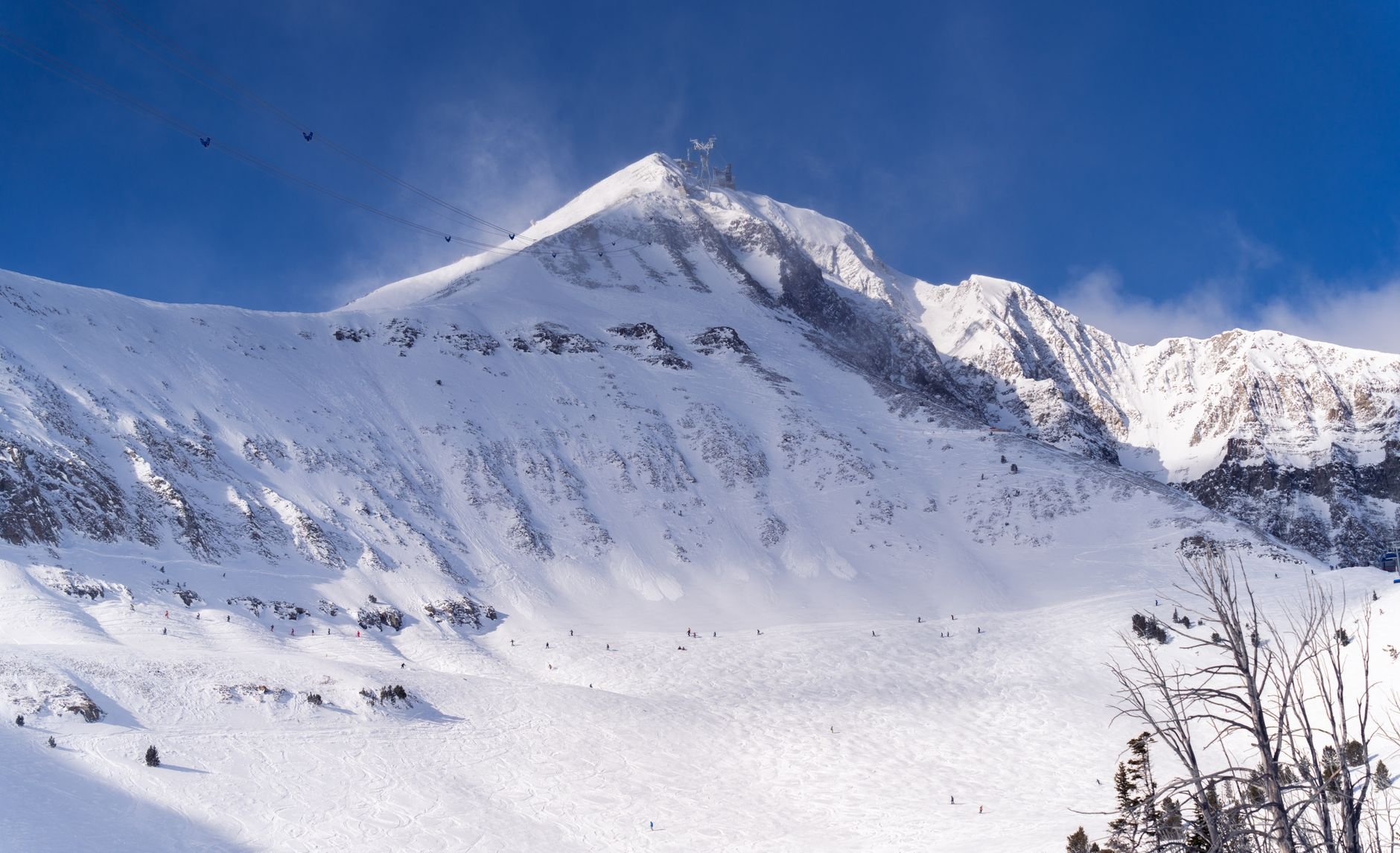
The summit of Lone Peak at 11,166 feet is the defining image of Big Sky. Reaching the top via the Lone Peak Tram and dropping into expert terrain on all sides is a rite of passage for serious skiers. The resort's famously low skier density, a product of its enormous acreage relative to its visitor numbers, means long runs with few lift lines and first tracks that last well into the day. The legendary "cold smoke" powder that accumulates in Big Sky's sheltered bowls is unlike anything found at more crowded resorts.
Fly Fishing the Gallatin River
The Gallatin River runs directly through the Gallatin Canyon below Big Sky, offering blue-ribbon trout fishing in one of the most scenic river corridors in the American West. The river was immortalized in Norman Maclean's "A River Runs Through It," and guided half-day and full-day float and wade trips remain one of the most sought-after experiences in the region. Catching wild cutthroat and rainbow trout against a backdrop of canyon walls and lodgepole pine forests is quintessentially Montana.
Wildlife Watching in the Greater Yellowstone Ecosystem
Few places on earth offer the density and diversity of wildlife found in the Greater Yellowstone Ecosystem surrounding Big Sky. Day trips into Yellowstone National Park bring travelers face to face with bison herds, wolf packs, grizzly bears, and geothermal wonders. Closer to town, elk and moose sightings are routine, and guided wildlife tours operate year-round for travelers seeking deeper engagement with the natural world.
These three experiences, big-mountain skiing, blue-ribbon fly fishing, and Yellowstone wildlife, form the irreplaceable core of what makes Big Sky one of the American West's most compelling destinations.
Big Sky, Montana offers an extraordinary range of activities across every season, drawing travelers who crave both wilderness adventure and refined mountain living.
Outdoor Recreation
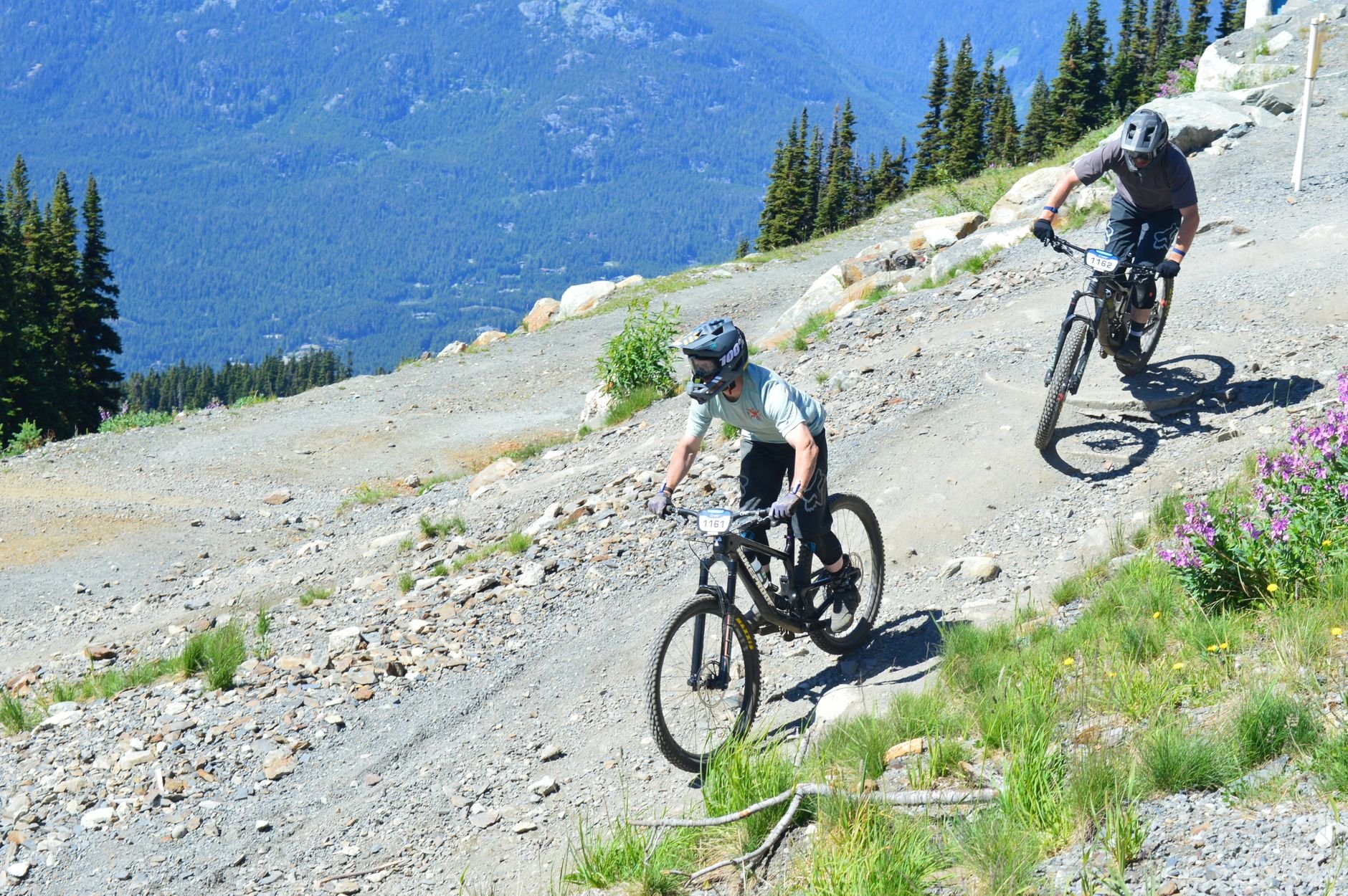
The outdoors defines life in Big Sky. In winter, Big Sky Resort dominates with over 5,800 acres of skiable terrain across four interconnected mountains, making it one of the largest ski areas in the United States. Snowboarders, backcountry skiers, and Nordic enthusiasts all find their terrain here. When snow melts, the landscape transforms into a playground for mountain bikers, hikers, and trail runners, with hundreds of miles of singletrack winding through Gallatin National Forest. The Gallatin River, running directly through the canyon below, is one of Montana's premier fly fishing destinations, drawing anglers in pursuit of wild trout. Whitewater rafting and kayaking are popular along the river's more spirited stretches.
Scenic Exploration
Big Sky sits at the northern edge of the Greater Yellowstone Ecosystem, placing travelers within striking distance of Yellowstone National Park to the south. Wildlife watching for elk, moose, bison, grizzly bear, and wolf is a genuine draw throughout the region. Scenic drives along the Gallatin Canyon offer dramatic views of canyon walls, rushing water, and forested ridgelines year-round.
Arts, Culture, and Entertainment
The Warren Miller Performing Arts Center serves as Big Sky's cultural anchor, hosting live music, film screenings, comedy, and community events throughout the year. Local galleries and artisan shops reflect the region's Western and conservation heritage.
Food and Dining
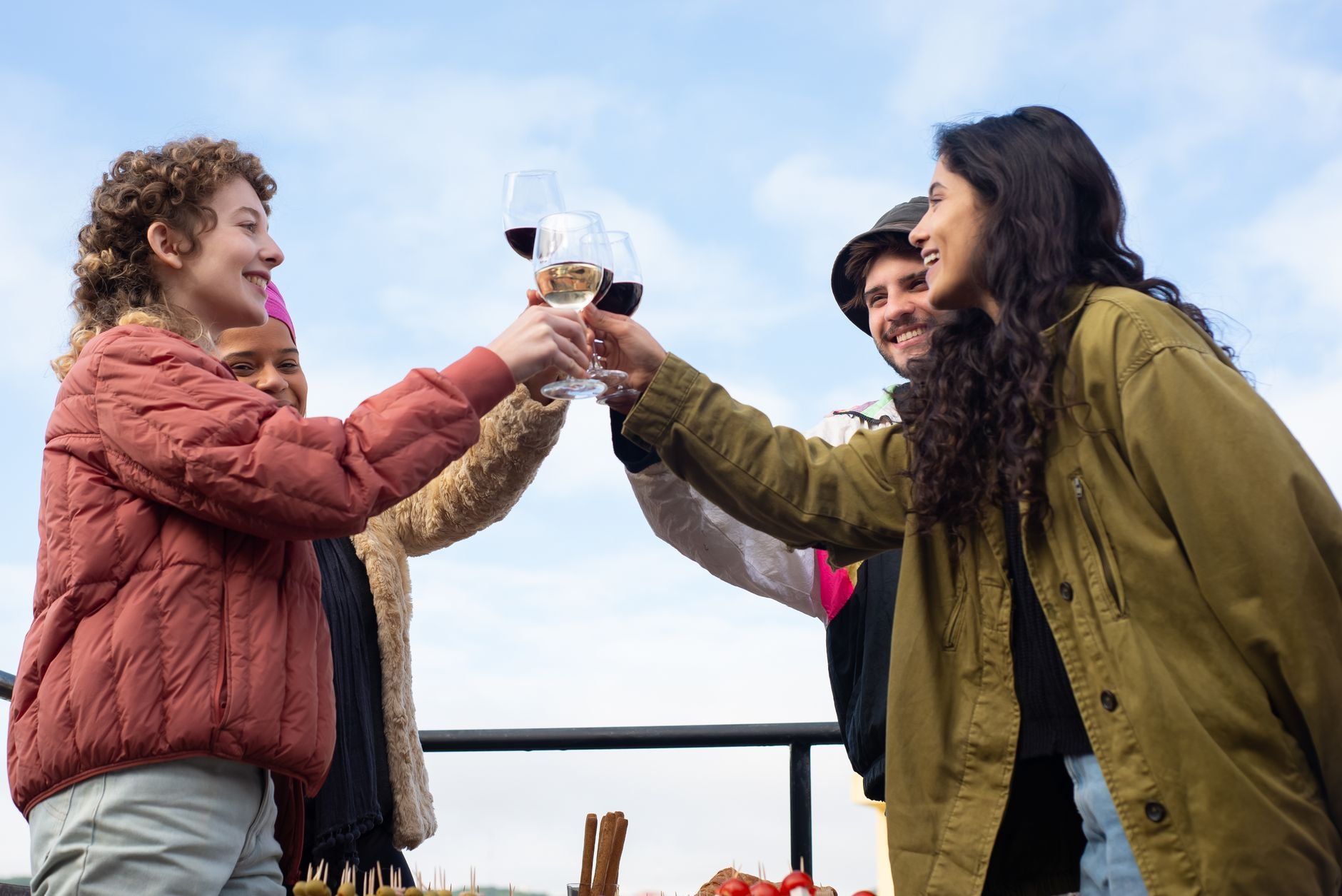
Big Sky's dining scene has matured significantly, with upscale mountain restaurants, craft breweries, and farm-to-table concepts that rival resort towns like Aspen and Jackson Hole. Options range from casual après-ski spots to refined dinner experiences.

Ousel Falls Park & Trailhead

Fire Pit Park

Ousel Falls
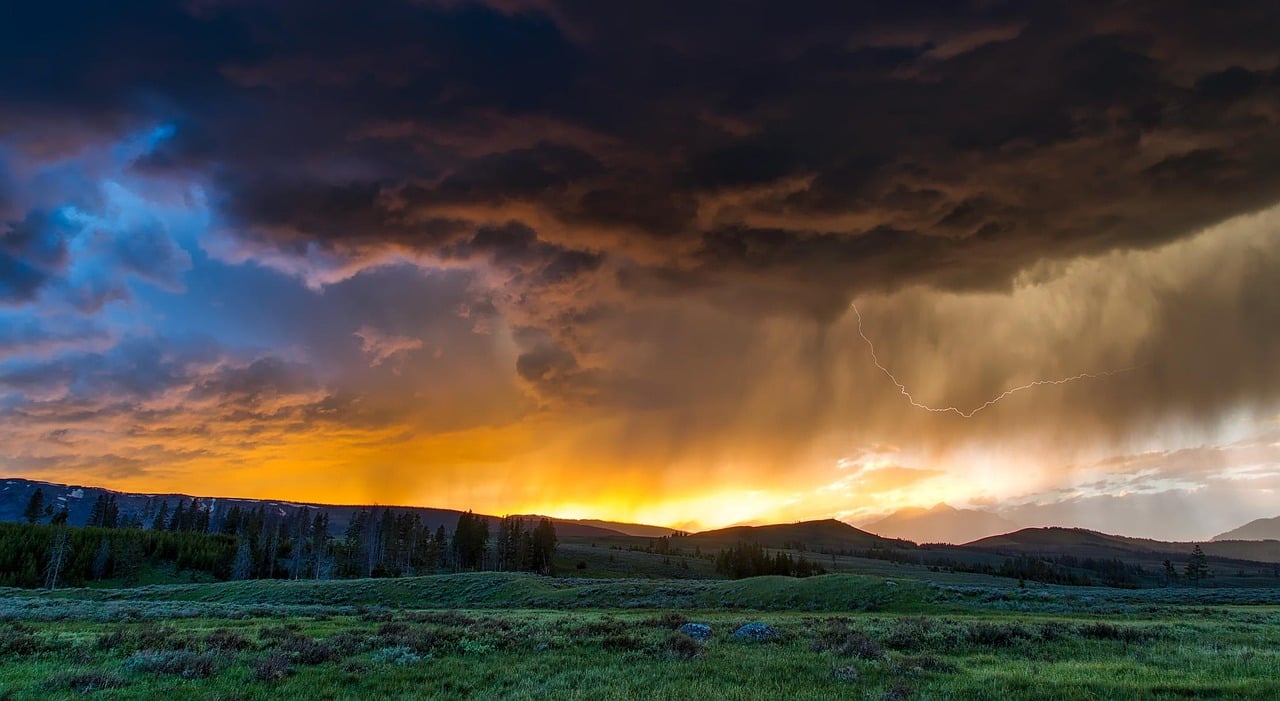
Make the 50-mile drive south into Yellowstone National Park for a full morning at the Lamar Valley, prime territory for spotting wolves, bison, and grizzly bears at dawn. Swing by the Grand Prismatic Spring overlook in the early afternoon before heading back toward Big Sky. Close the trip with a sunset cocktail and a farm-to-table dinner at the Waypoint Restaurant at the Summit Hotel.
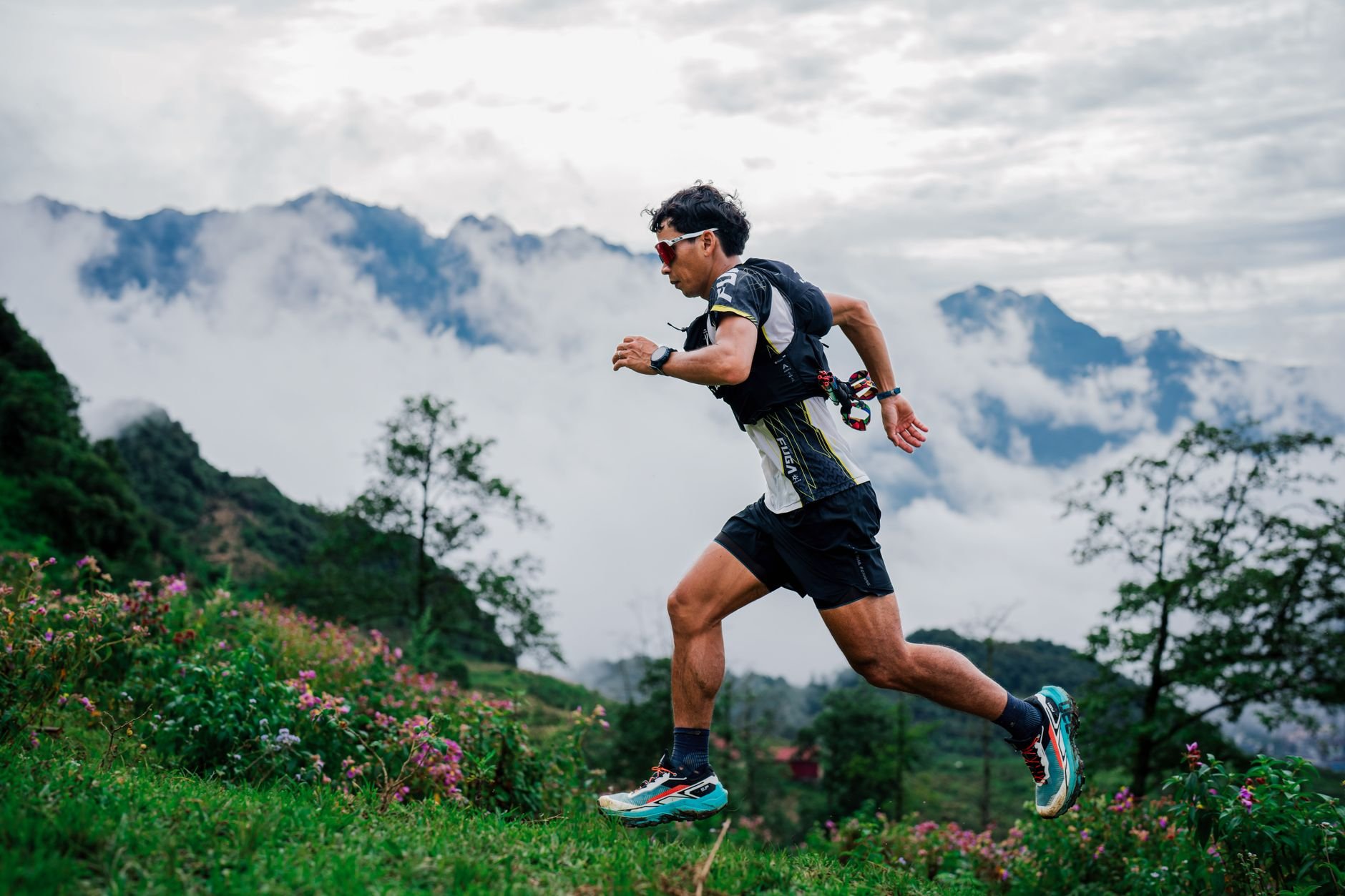
Big Sky, Montana pulses with outdoor adventure and mountain culture across every season. Winter draws skiers and snowboarders to Big Sky Resort's vast terrain, but the calendar stays just as full when the snow melts. Summer and early fall are peak season for festivals, endurance events, and community gatherings that reflect the region's deep connection to wilderness, sport, and the land.
Big Sky's dining scene reflects the destination's dual identity as a rugged mountain outpost and a sophisticated resort community. The culinary culture here leans heavily on Montana's ranching and hunting heritage, with bison burgers, elk medallions, and locally sourced beef appearing on menus across the resort village. Game meat is not a novelty here - it is a genuine expression of the regional pantry.

Soups & flatbreads round out the menu at this hip tavern with local spirits to taste or purchase.
Bozeman Yellowstone International Airport (BZN) is the primary arrival point for Big Sky,
located about 50 miles north of the resort with direct flights from Seattle, Denver, Dallas, Los Angeles, Chicago, and Salt Lake City, plus expanded seasonal service during ski season.
The drive from BZN to Big Sky follows US-191 south through the Gallatin Canyon,
a scenic one-hour route under normal conditions that can extend in winter, making all-wheel or four-wheel drive vehicles strongly advisable from November through April.
Karst Stage operates scheduled shuttle transfers between Bozeman Yellowstone International Airport and Big Sky Resort,
offering a reliable alternative to renting a car for travelers who plan to stay primarily within the resort village.
Travelers driving from Salt Lake City can reach Big Sky in approximately 5 to 6 hours
by heading north on I-15 and then turning onto US-191 through West Yellowstone, a route that also passes near the south entrance of Yellowstone National Park.
From Billings, the drive to Big Sky runs roughly 3 hours
west on I-90 to Bozeman, then south on US-191 through the Gallatin Canyon, making it a practical option for travelers connecting through Billings Logan International Airport (BIL).
A rental car or personal vehicle is the only reliable way to navigate Big Sky,
as the destination spans several miles of Lone Mountain Trail with no fixed public transit connecting Mountain Village, Meadow Village, and the surrounding recreation areas.
Big Sky Resort operates a free shuttle within Mountain Village
that circulates between slopeside lodging, the base area, and key trailheads during both ski season and summer, making it possible for resort-based guests to go car-free within that zone.
Rideshare services like Uber and Lyft are available in Big Sky but unreliable,
with limited driver coverage especially during winter evenings and peak holiday periods, so travelers should not count on them as a primary transportation option.
Meadow Village is a short drive from Mountain Village along Lone Mountain Trail
and offers grocery stores, local restaurants, and services that resort-area guests often need, making a car especially useful for multi-day stays.
Parking at the Big Sky Resort base area is free,
though lots fill quickly on powder days and peak holiday weekends, so arriving early in the morning is the best strategy for securing a spot without a long walk.
Book ski passes and ski school reservations well in advance - Big Sky Resort's Ikon Pass access and lesson slots sell out weeks ahead during peak winter weekends. For summer visits, secure fly fishing guide trips and whitewater rafting reservations at least 2 to 3 weeks out. Cell service is spotty throughout the Gallatin Canyon and in parts of the resort village; download offline maps via Google Maps or Maps.me before leaving Bozeman. Tipping follows standard US norms: 18 to 20 percent at restaurants, and guides typically receive 15 to 20 percent of the trip cost. Bear awareness is genuine here - the Greater Yellowstone Ecosystem has one of the densest grizzly populations in the lower 48. Carry bear spray on any backcountry outing and know how to use it. Altitude adjustment is worth factoring in: the resort base sits above 7,500 feet, and Lone Peak reaches 11,166 feet, so hydrate well and pace yourself on arrival day.
Most visitors spend 4 to 7 days in Big Sky to make the most of the destination. In winter, that gives you enough time to explore the resort's 5,800 acres of ski terrain across four mountains. In summer, a week allows for hiking, fly fishing, rafting, and a day trip to Yellowstone National Park, just to the south.
Big Sky is best known for its world-class skiing at Big Sky Resort, one of the largest ski areas in the United States with over 5,800 acres of terrain and the iconic Lone Peak summit at 11,166 feet. It is also celebrated for its legendary uncrowded runs, known locally as the "cold smoke" powder experience, and its access to the Greater Yellowstone Ecosystem.
A weekend in Big Sky works well if you are focused on one activity, such as skiing or a float trip on the Gallatin River. However, the destination truly rewards longer stays. The drive from Bozeman is about 50 miles, making it accessible for a short trip, but the scale of the resort and surrounding wilderness justifies staying at least 3 to 4 nights.
Big Sky is a premium mountain destination and costs reflect that. Lodging, dining, and ski lift tickets are on par with resorts like Aspen and Jackson Hole. Lift tickets can exceed $200 per day during peak season, and upscale dining is the norm in the resort village. Budget travelers will find limited options, though visiting in the shoulder season helps.
For skiing, visit December through March for the best snow conditions and access to the full mountain. Summer, particularly July and August, is ideal for hiking, fly fishing, and wildlife watching, with mild temperatures and easy access to Yellowstone National Park.