
Baltimore, MD
A Journey guide to
Bozeman sits at the intersection of the American West's most iconic landscapes and a surprisingly cosmopolitan small-city culture. Home to Montana State University, the city punches well above its weight in dining, craft brewing, and the arts, drawing travelers who want genuine mountain adventure without sacrificing comfort. Its proximity to Yellowstone National Park and the Bridger, Gallatin, and Madison mountain ranges makes it a natural base for serious outdoor exploration.
The Gallatin Valley has made Bozeman one of the fastest-growing cities in the United States, yet it retains a distinct sense of place rooted in ranching heritage and conservation values. Main Street is anchored by independent bookshops, farm-to-table restaurants, and galleries showcasing Western contemporary art, while the Museum of the Rockies holds one of the world's premier dinosaur fossil collections, including the largest T. rex skull ever discovered.
Fly-fishing is practically a civic religion here. The Gallatin, Madison, and Yellowstone rivers draw anglers from around the world seeking blue-ribbon trout water, and outfitters throughout the valley cater to every skill level. Beyond the rivers, the surrounding mountains offer world-class skiing at Big Sky Resort, backcountry skiing in the Bridger Range, and hundreds of miles of hiking and mountain biking trails accessible within minutes of downtown.
Bozeman attracts a layered mix of travelers: adventure-seekers chasing powder days and river miles, families using the city as a Yellowstone gateway, remote workers drawn by the lifestyle, and food and culture enthusiasts who appreciate a city that takes its restaurants and live music seriously. What unites them is an appreciation for a place where the wild and the refined coexist with unusual ease.

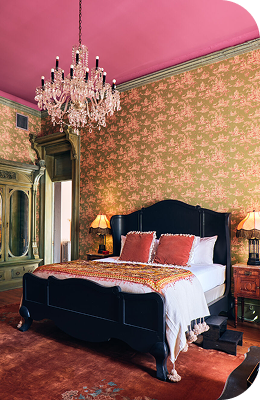

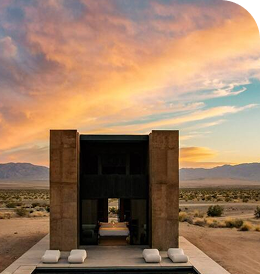

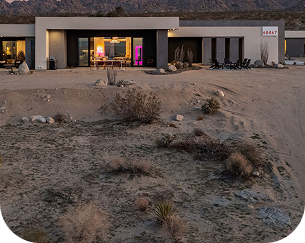

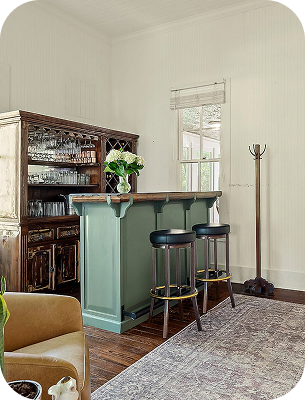



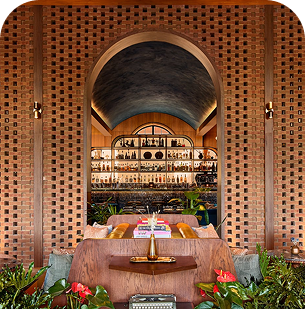

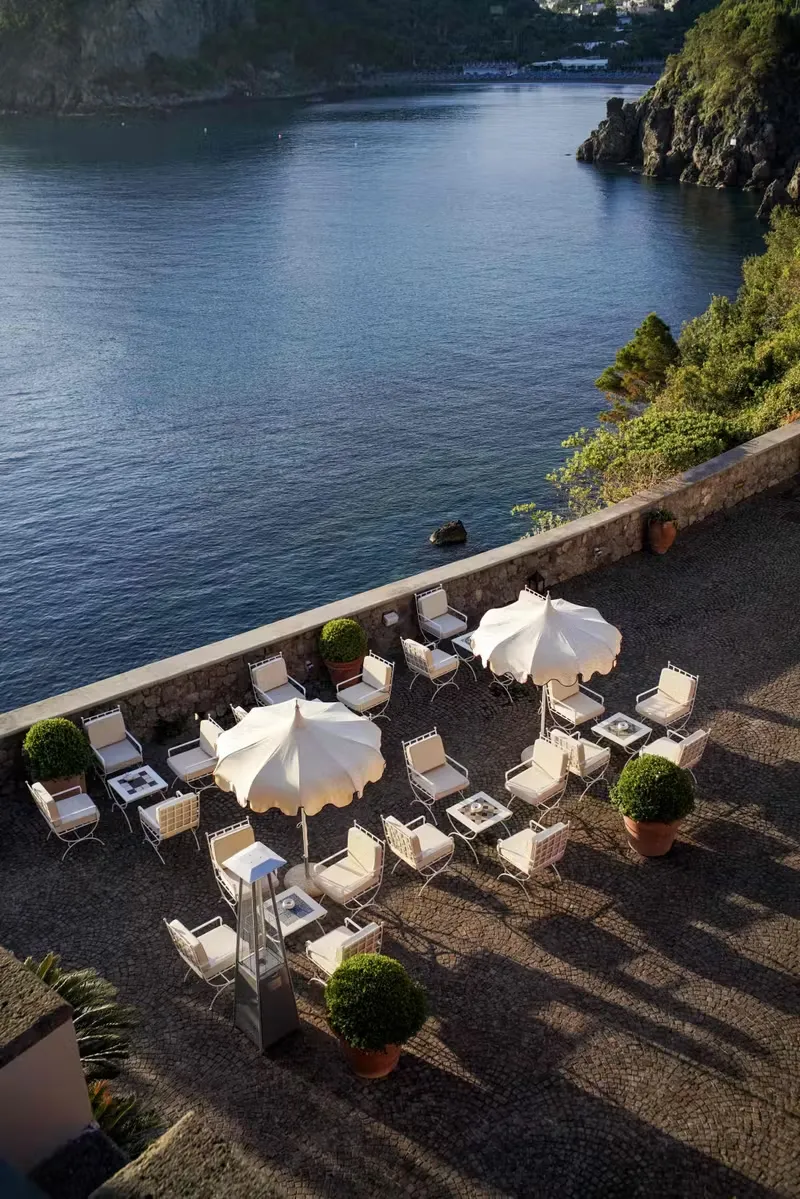

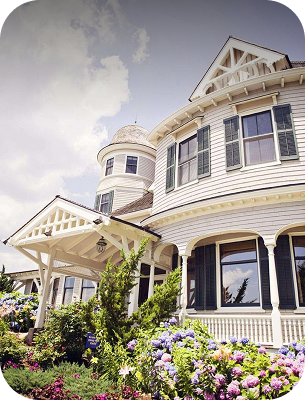

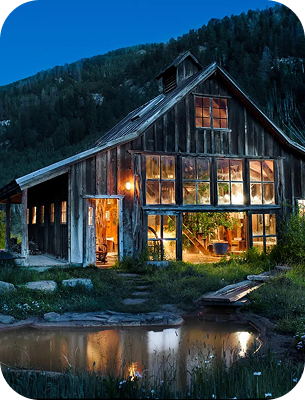

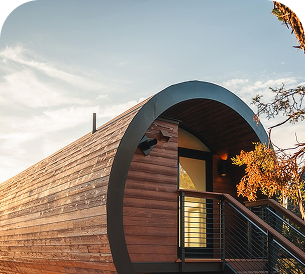

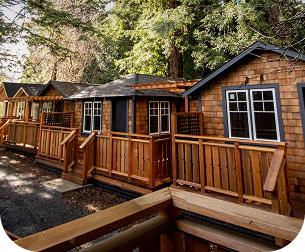

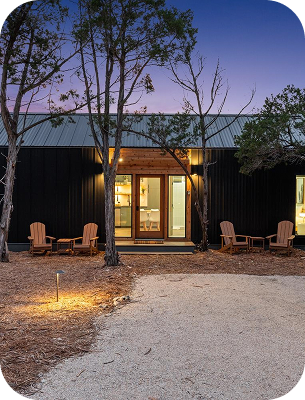

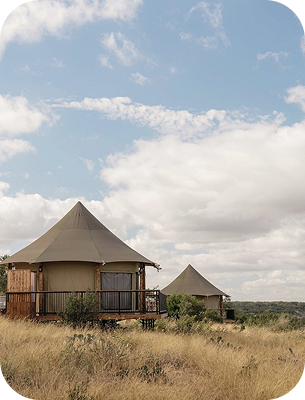

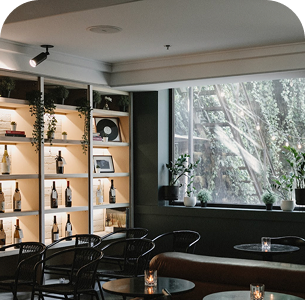

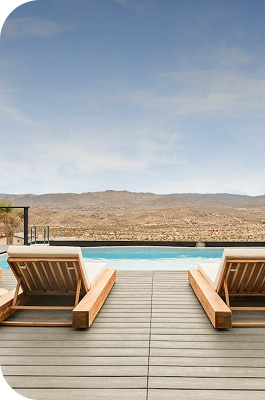

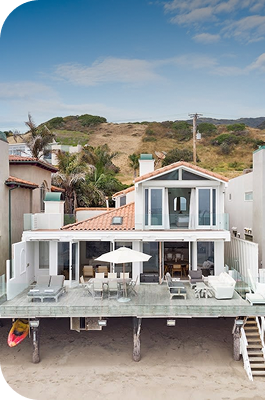

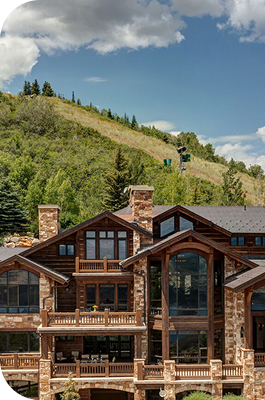
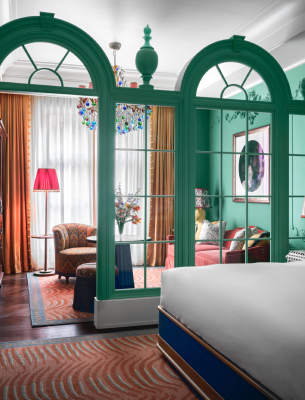
Journey connects travelers to a curated network of boutique hotels and distinctive residences around the world, all united under one rewards program. Explore handpicked stays for your trip while earning points, unlocking exclusive offers, and receiving rewards across the Journey collection.
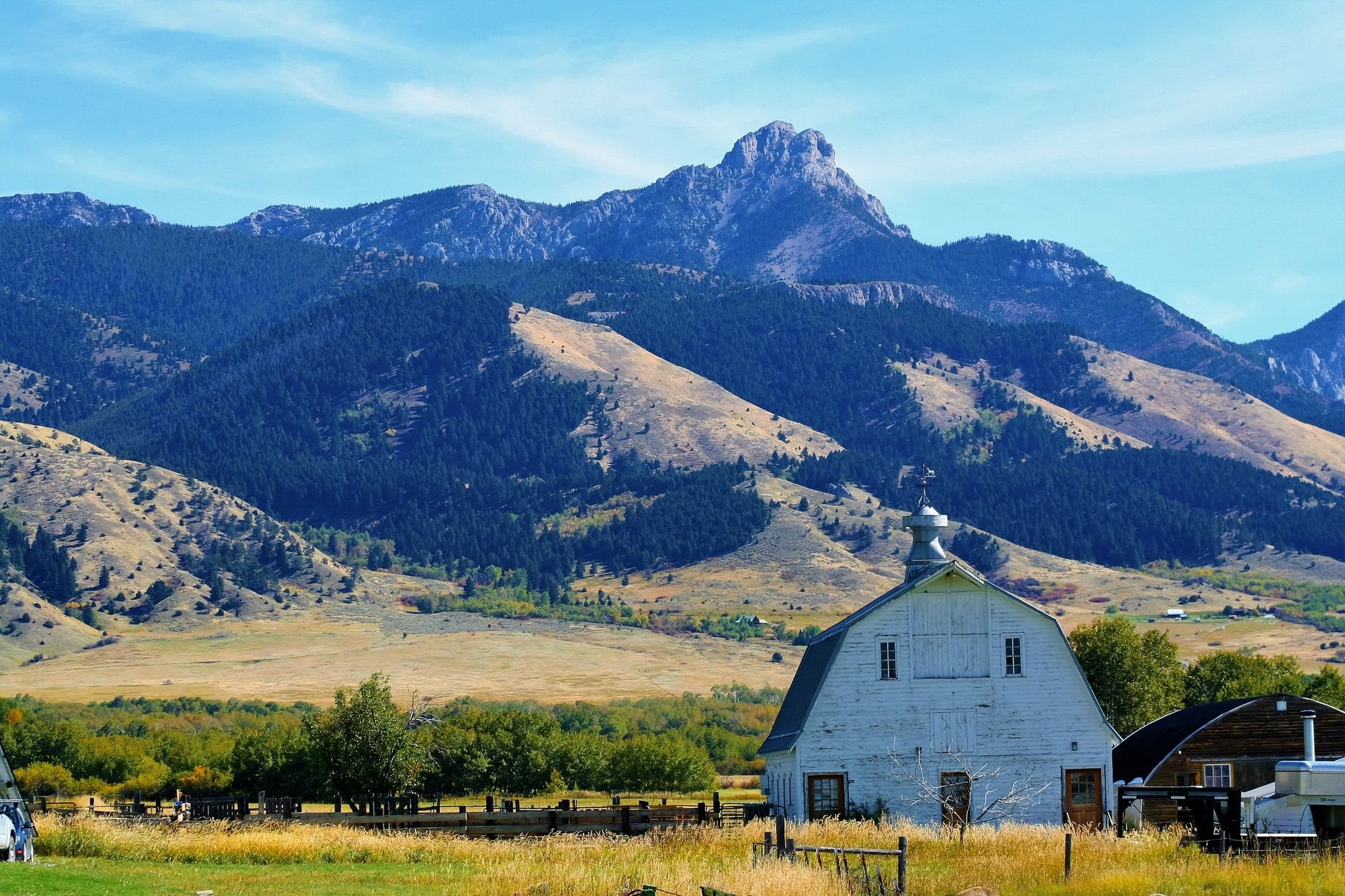
Bozeman occupies the broad, fertile Gallatin Valley in southwestern Montana, cradled between the Bridger Range to the north and the Gallatin Range to the south. The valley sits at roughly 4,800 feet elevation, with the surrounding peaks climbing well above 10,000 feet, creating a dramatic physical setting that defines daily life and draws visitors from across the globe. The Gallatin River threads through the region before joining the Missouri River system, and the landscape of open ranchland, forested foothills, and big-sky horizon is quintessentially Montanan.
Founded in 1864 as a trading post and agricultural hub, Bozeman grew steadily as a supply center for miners and ranchers throughout the territorial period. The arrival of the Northern Pacific Railway in 1883 cemented its regional importance, and the establishment of the Agricultural College of the State of Montana, now Montana State University, in 1893 gave the city an intellectual anchor that continues to shape its character. Today MSU enrolls more than 17,000 students and drives significant research in engineering, agriculture, and film, lending Bozeman an energy that belies its relatively modest population.
Culturally, Bozeman occupies a fascinating middle ground. It is unmistakably a Western city, proud of its ranching and conservation traditions, yet it has evolved into one of the most dynamic small cities in the Mountain West. The downtown historic district, centered on Main Street, is lined with late-19th and early-20th century brick buildings that now house a thriving mix of independent businesses. The Emerson Center for the Arts and Culture, housed in a former school, hosts galleries, studios, and performance spaces that reflect a genuine civic investment in creative life.
As a travel destination, Bozeman functions simultaneously as a destination in its own right and as the most sophisticated gateway to Yellowstone National Park, located roughly 90 miles to the south. That dual identity gives it a breadth of appeal that few mountain cities can match, combining the depth of a lived-in community with the infrastructure and ambition of a world-class outdoor destination.
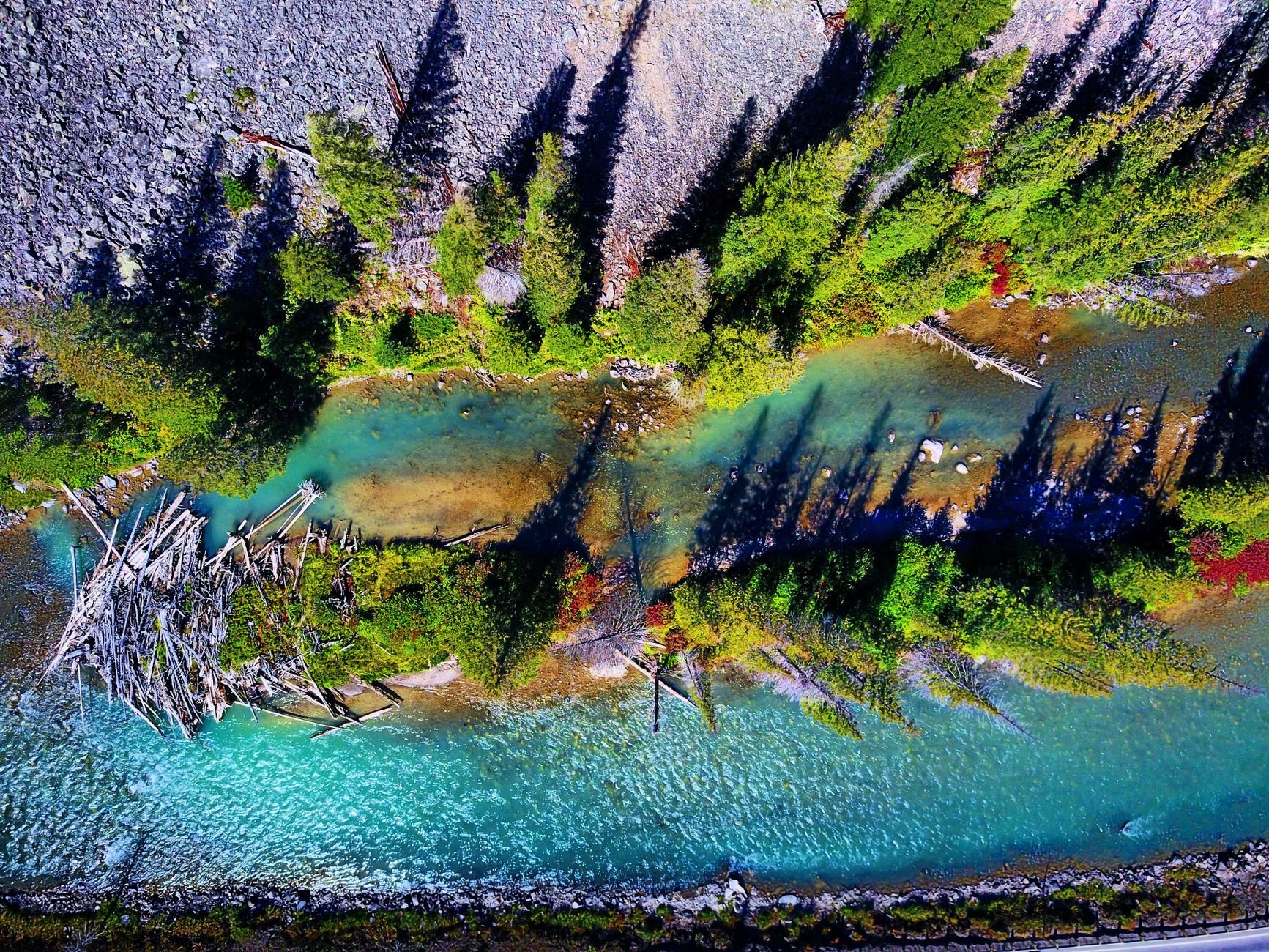
Bozeman rewards visitors year-round, but the right time to go depends entirely on what you are after.
Late June through early September is peak season for outdoor adventure. Hiking and mountain biking trails in the Bridger and Gallatin ranges reach their full extent, rivers run clear for fly-fishing, and Yellowstone National Park is fully accessible for day trips. Crowds are at their highest during July and August, particularly around Yellowstone entry points, and accommodations book out well in advance. Travelers who can shift to late August or early September will find trails quieter, rivers in prime fishing condition, and the first hints of fall color beginning to appear on the slopes.
Fall, particularly mid-September through mid-October, is one of Bozeman's most rewarding windows. The aspen groves ignite with gold, hunting season brings a lively energy to outfitter culture, and Main Street restaurants and breweries are busy but not overwhelmed. This is also a strong period for fly-fishing as trout feed aggressively before winter.
Winter draws a dedicated crowd of skiers and snowboarders, with Big Sky Resort operating one of the largest ski areas in the United States. Weekends at the mountain can be busy, but midweek visits offer uncrowded runs and a more relaxed pace. The city itself has a cozy, convivial atmosphere during winter, with a strong live music and dining scene keeping things lively.
Spring is the least-visited season and best suited to travelers who do not mind unpredictable conditions. Rivers run high with snowmelt, limiting some activities, but wildlife viewing near Yellowstone peaks in May and early June as animals move to lower elevations. It is also the easiest time to find availability and competitive rates across the valley.
The beating heart of the city, Downtown Bozeman's Main Street is lined with independent boutiques, farm-to-table restaurants, craft breweries, and galleries showcasing Western contemporary art. The historic brick streetscape gives it a warm, walkable character that feels genuinely rooted rather than manufactured. It is the natural starting point for any visit, equally lively on a weekday lunch hour or a Saturday night.
Anchored by the Museum of the Rockies, this area on the edge of the Montana State University campus blends academic energy with cultural depth. The museum holds one of the world's premier dinosaur fossil collections, and the surrounding streets are filled with coffee shops and casual eateries that cater to students, researchers, and curious visitors alike. It is a quieter, intellectually engaging counterpart to the bustle of Main Street.
Midtown is Bozeman's emerging creative corridor, where locally owned restaurants, craft cocktail bars, and independent shops are steadily replacing older commercial strips. The neighborhood has a relaxed, unpretentious energy that appeals to residents and travelers looking for something beyond the tourist-facing core. It reflects the city's rapid growth while retaining a distinctly local character.
Just northeast of downtown, Bridger Canyon is the gateway to the Bridger Range and Bridger Bowl ski area, making it a natural hub for skiers, hikers, and mountain bikers depending on the season. The corridor is defined by dramatic mountain scenery, trailheads, and the kind of wide-open western landscape that reminds visitors exactly where they are. It is less a neighborhood in the traditional sense and more a threshold between city life and genuine wilderness.
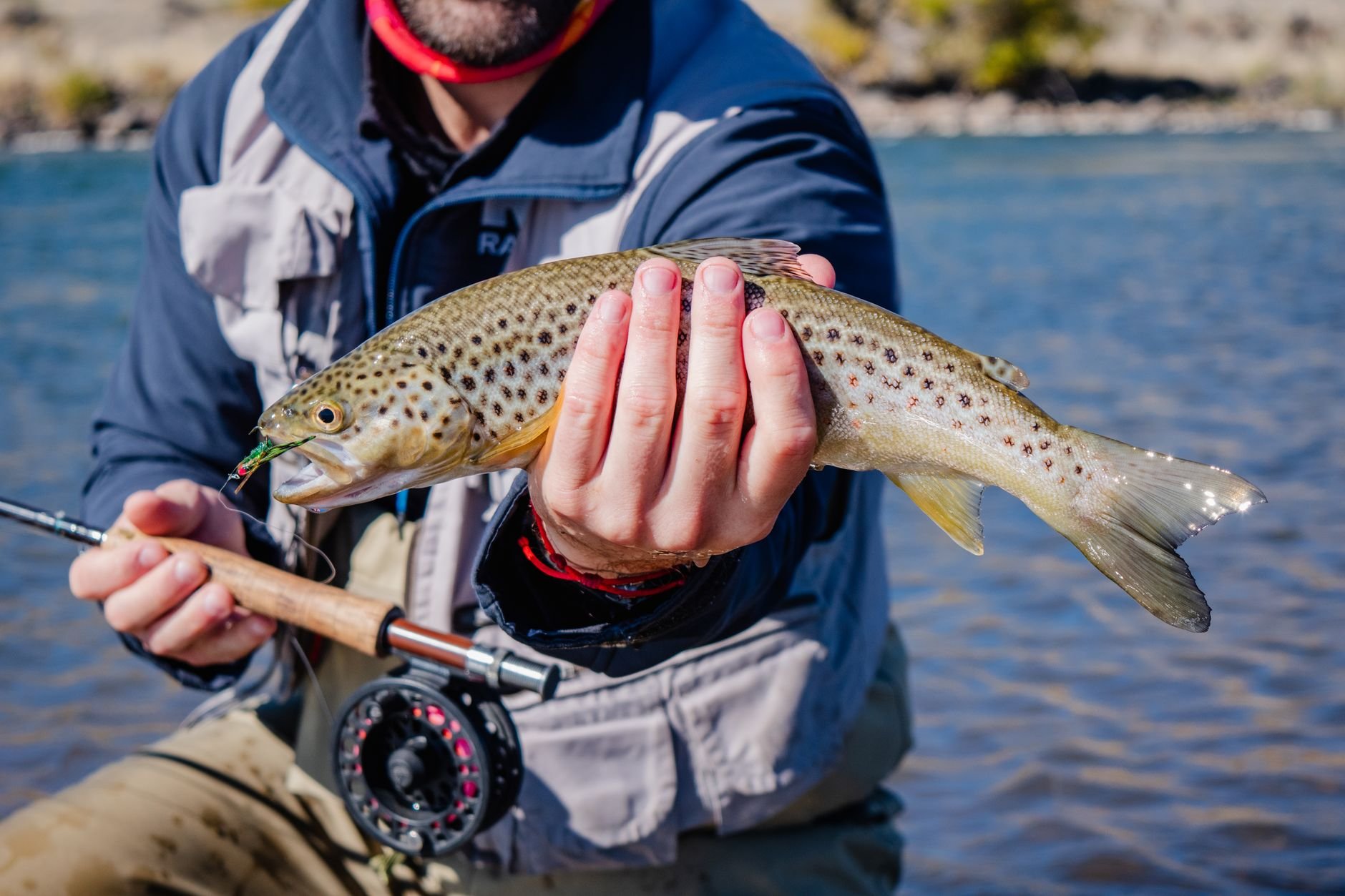
Bozeman has a handful of experiences that are not just enjoyable but genuinely irreplaceable, the kinds of things that pull travelers back year after year.
Fly-Fishing the Blue-Ribbon Rivers
Few places on Earth offer fly-fishing as legendary as the Gallatin, Madison, and Yellowstone rivers. These cold, clear waters run thick with wild trout, and the combination of stunning scenery and world-class fishing has made this corridor a pilgrimage destination for anglers. Hiring a local guide and spending a day wading or floating these rivers is the quintessential Bozeman experience, one that connects visitors to the landscape in a way nothing else quite matches.
Skiing Big Sky Resort
Big Sky is not just a ski resort - it is one of the defining mountain experiences in North America. With more skiable terrain than almost any other resort on the continent and a famously low skier-to-acre ratio, it delivers a sense of space and freedom that is increasingly rare. The resort sits just over an hour from Bozeman, making the city a natural base for multi-day ski trips.
Exploring Yellowstone National Park
Bozeman serves as the northern gateway to Yellowstone, the world's first national park and one of the most geologically extraordinary places on the planet. Day trips and multi-day excursions from Bozeman allow travelers to witness geysers, hot springs, bison herds, and wolf packs in a landscape that feels genuinely prehistoric.
Discovering Dinosaurs at the Museum of the Rockies
The Museum of the Rockies is home to one of the world's most important dinosaur fossil collections, much of it excavated from the Montana badlands. The T. rex skull on display - the largest ever discovered - is the kind of artifact that stops visitors cold. For families and science enthusiasts alike, this is a bucket-list stop that exists nowhere else.
Bozeman delivers an exceptional range of activities rooted in its mountain setting, university energy, and deep Western heritage. Whether you are chasing powder, casting a line, or exploring world-class museums, the city offers something for every type of traveler.
Outdoor Recreation
The mountains surrounding Bozeman are the main draw for active visitors. Big Sky Resort, roughly an hour south, ranks among the largest ski areas in North America, offering over 5,800 acres of terrain in winter. The Bridger Range provides backcountry skiing and snowshoeing closer to town. When the snow melts, hundreds of miles of hiking and mountain biking trails open up across the Gallatin National Forest and Bridger Mountains, with routes ranging from casual valley walks to demanding alpine scrambles.
Fly-Fishing
The Gallatin, Madison, and Yellowstone rivers are blue-ribbon trout fisheries that attract anglers from around the world. Local outfitters offer guided half-day and full-day float trips for all skill levels, making this one of the most accessible world-class fly-fishing destinations in the country.
Cultural Attractions
The Museum of the Rockies is a must-visit, housing one of the largest and most significant dinosaur fossil collections on Earth, including the biggest T. rex skull ever found. The Gallatin History Museum offers a grounded look at the region's ranching and settlement past.
Arts and Entertainment
Downtown Bozeman's arts scene is lively and independent. The Ellen Theatre hosts live performances, and local galleries showcase Western contemporary and landscape art. The city's music venues and breweries keep the nightlife scene active year-round.
Food and Dining
Bozeman punches well above its weight in the culinary department. Farm-to-table restaurants source from nearby ranches and farms, while a thriving craft brewery scene gives the city a distinct local flavor.
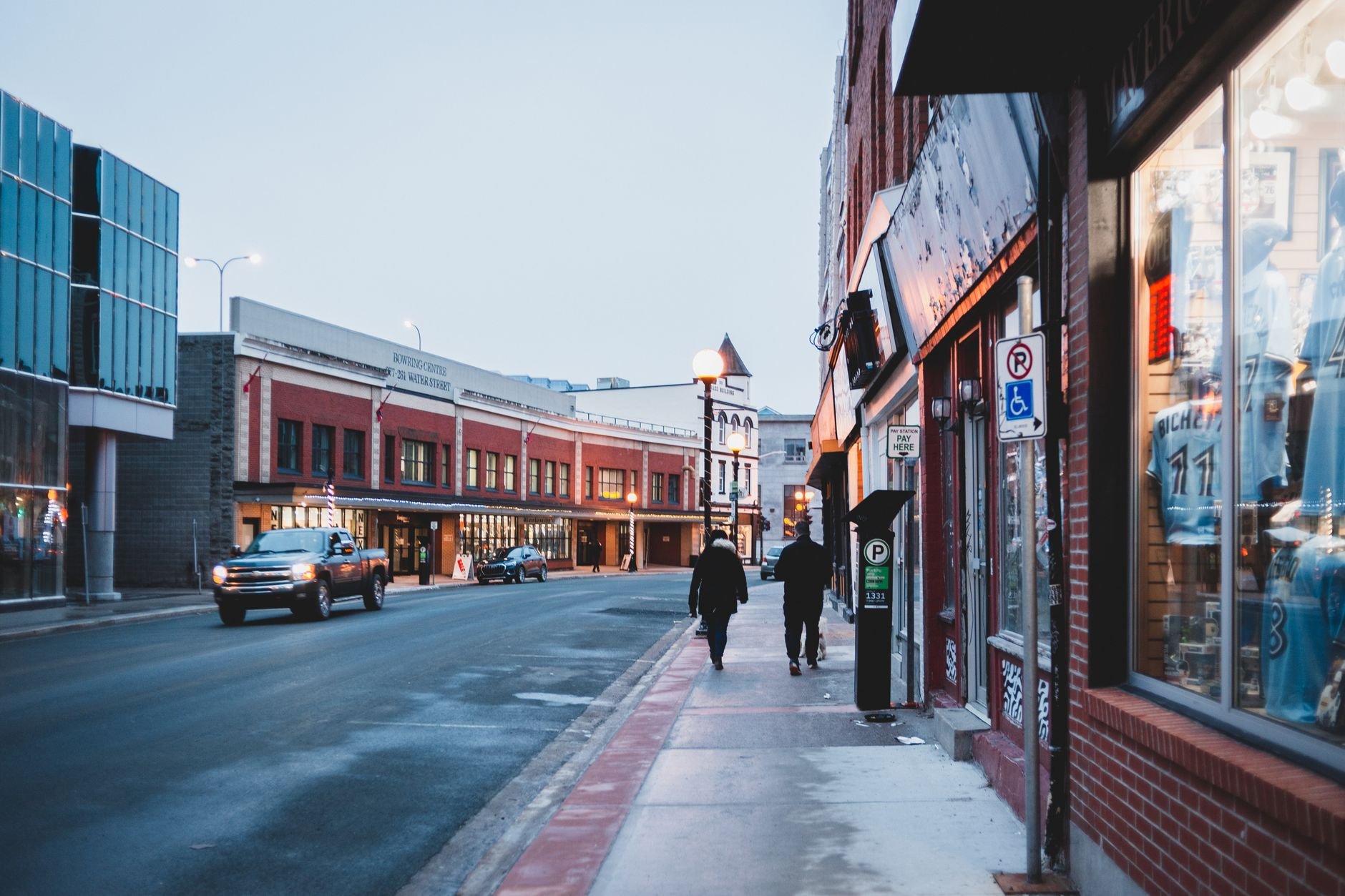
Start with breakfast at a downtown cafe on Main Street, then spend the morning exploring the Museum of the Rockies and its world-famous dinosaur fossil collection. After lunch at one of Bozeman's farm-to-table spots, stroll the independent shops and galleries along Main Street. End the evening with craft beers at a local Bozeman brewery and dinner at a neighborhood restaurant.
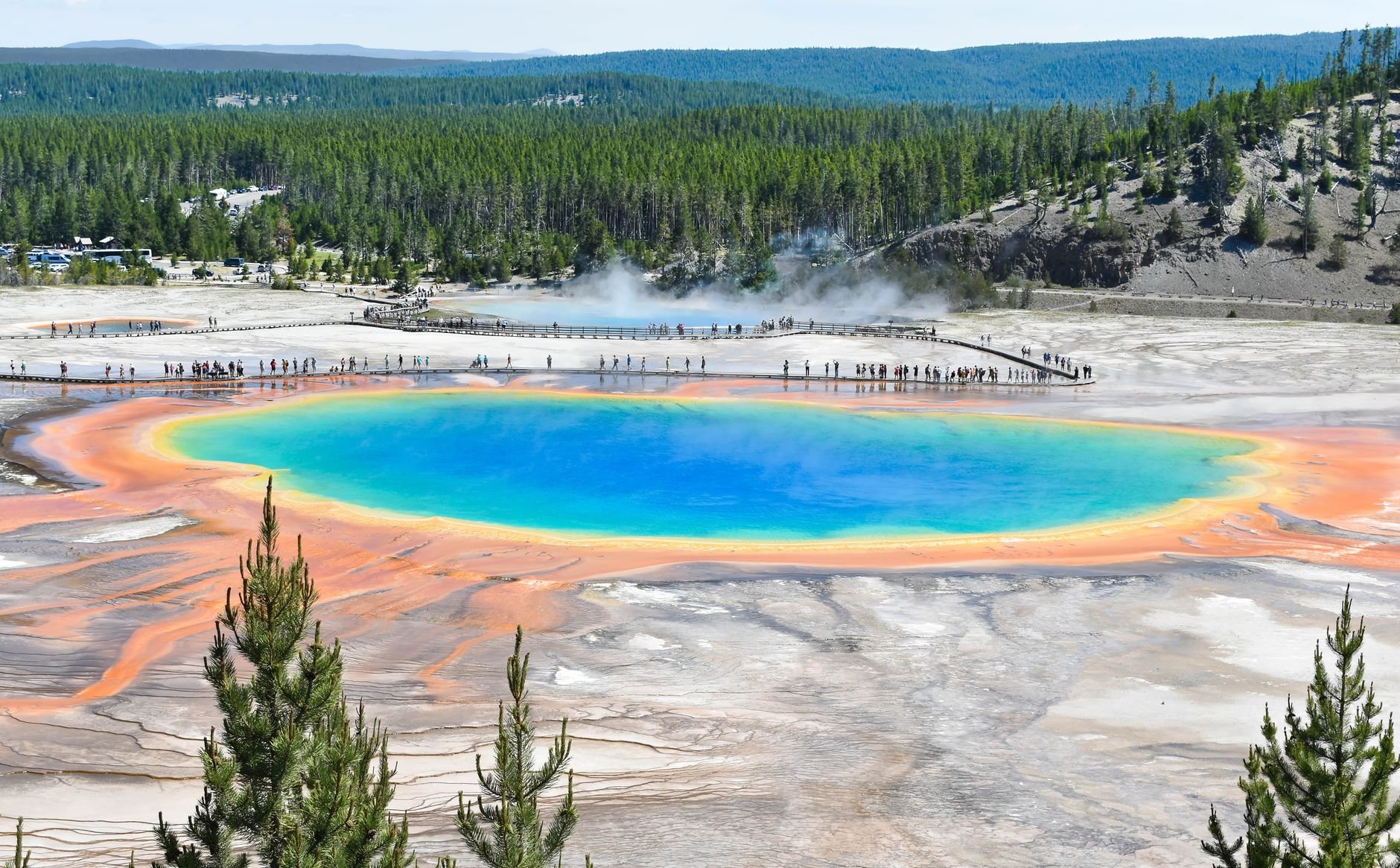
Make an early morning drive south on US-191 through Gallatin Canyon toward Yellowstone National Park. Spend the morning and afternoon exploring geothermal features like Old Faithful and the Grand Prismatic Spring. Wind back through the canyon in the evening, stopping to watch for wildlife along the Gallatin River corridor before returning to Bozeman for a final dinner downtown.
Bozeman's cultural calendar reflects the city's dual identity as a mountain adventure hub and a lively university town. The warmer months are the most active, with outdoor festivals, live music, and community gatherings filling the Gallatin Valley from early summer through fall. The Sweet Pea Festival in August is a beloved annual celebration of the arts, bringing together local and regional performers, visual artists, and families in Lindley Park for a long weekend of creativity and community. The Gallatin County Fair in July carries on the region's ranching and agricultural heritage with rodeo events, livestock shows, and carnival traditions that have anchored the valley's summer for generations. As summer fades into fall, the Bozeman Film Festival draws independent cinema lovers for a curated slate of documentary and narrative films. Throughout the season, Brick Breeden Fieldhouse and smaller venues host a steady rotation of touring acts, from Americana and folk to rock and reggae, reflecting a music scene that punches far above the city's size. Winter brings a quieter rhythm centered on ski culture and après-ski gatherings, while spring signals a return to outdoor life with fly-fishing season opening on the blue-ribbon rivers surrounding the city.
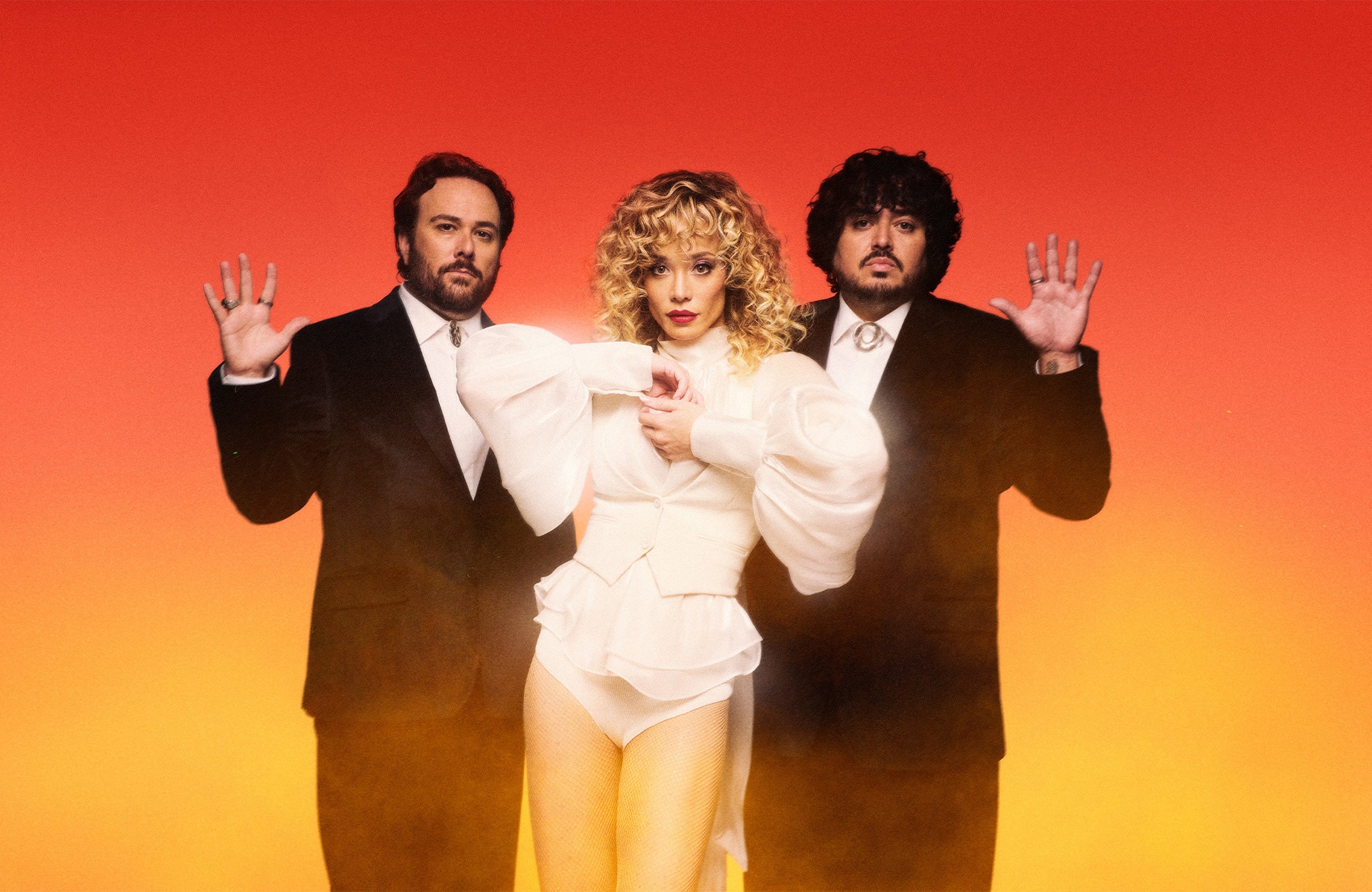
Sep 21, 2026

Oct 24, 2026
Oct 3, 2026
Bozeman's dining scene reflects the city's dual identity as a rugged mountain town and a college city with cosmopolitan tastes. Farm-to-table cooking is not a trend here but a baseline expectation, with chefs sourcing beef, bison, lamb, and seasonal produce from ranches and farms across the Gallatin Valley. The result is a menu culture built around honest, ingredient-driven cooking that leans into Montana's agricultural abundance.
Bozeman Yellowstone International Airport (BZN) serves the city directly
with nonstop flights from Seattle, Denver, Dallas, Los Angeles, Chicago, and other major hubs, making it the fastest and most convenient arrival point, located about 4 miles northwest of downtown.
Interstate 90 is the main driving corridor through Bozeman
connecting the city to Missoula roughly 140 miles to the west and Billings about 140 miles to the east, with the drive from either city taking around 2 hours under normal conditions.
US-191 through Gallatin Canyon is the scenic southern approach
running from Salt Lake City north through Big Sky and into Bozeman in approximately 5 to 6 hours, passing directly alongside the Gallatin River and offering a dramatic mountain arrival.
Greyhound and Jefferson Lines connect Bozeman by bus to Billings and Missoula
though schedules are limited and infrequent, making bus travel a viable option mainly for budget travelers with flexible timing rather than a primary recommendation.
Renting a car at BZN is strongly recommended for most itineraries
since reaching Yellowstone, Big Sky Resort, and the surrounding river valleys requires your own vehicle, and all major rental agencies maintain desks at the airport terminal.
Downtown Bozeman's Main Street corridor is compact and walkable
so visitors staying centrally can reach most restaurants, galleries, the Museum of the Rockies, and shops on foot without needing a car for daytime exploration.
Streamline Bus is Bozeman's free public transit system
operating several routes that connect downtown to Montana State University, the North 19th Avenue shopping corridor, and key residential areas, making it a useful and cost-free option for getting around town.
Uber and Lyft both operate in Bozeman
but availability can be limited during busy weekend nights, ski season surges, and special events, so building in extra wait time or having a backup plan is advisable.
A rental car is effectively required for reaching Big Sky Resort, Yellowstone, and the river valleys
since no regular public transit or shuttle service connects Bozeman to these destinations, and distances range from 45 miles to Big Sky to roughly 90 miles to Yellowstone's north entrance at Gardiner.
Downtown parking is metered and generally available on weekdays
but fills quickly on summer weekends and during events at Brick Breeden Fieldhouse or the Gallatin County Fairgrounds, so arriving early or using the parking garage on Rouse Avenue saves time.
Book popular fly-fishing guides and outfitters well in advance, especially for summer weekends, as the best operations on the Gallatin, Madison, and Yellowstone rivers fill up months ahead. If Yellowstone is on your itinerary, reserve entry timed passes through recreation.gov during the peak May through September window. Tipping follows standard U.S. norms: 18 to 20 percent at restaurants, and similar rates for guides and outfitters who work hard for your experience. Bozeman sits at roughly 4,800 feet elevation, so allow a day to acclimate if you are arriving from sea level and planning strenuous hikes or ski days. Summers are warm but afternoon thunderstorms are common in the mountains, so pack layers and rain gear regardless of the morning forecast. Cell coverage is reliable in the city but drops off quickly in the Gallatin Canyon and backcountry areas, so download offline maps before heading out.
Most travelers spend 3 to 5 days in Bozeman. That gives you time to explore downtown, get out on the rivers or trails, and make a day trip to Yellowstone National Park or Big Sky Resort. If you plan to combine Bozeman with broader Yellowstone exploration or backcountry adventures, budget a full week.
Bozeman is best known as a gateway to Yellowstone National Park and for world-class fly-fishing on the Gallatin, Madison, and Yellowstone rivers. It is also recognized for Big Sky Resort skiing, a vibrant downtown food and craft beer scene, Montana State University, and the Museum of the Rockies, which holds one of the world's top dinosaur fossil collections.
Yes, Bozeman works well as a weekend destination, especially if you are flying in direct. Two to three days is enough to enjoy downtown dining and breweries, hit a trail or stretch of river, and take in the scenery of the Gallatin Valley. Just note that a Yellowstone visit or Big Sky ski day is better suited to a longer stay.
Bozeman has become one of the pricier destinations in the Mountain West. Accommodation and dining costs have risen sharply alongside the city's rapid growth. Budget travelers can find value at local breweries and casual eateries, but guided fly-fishing trips, ski passes at Big Sky, and peak-season lodging can add up quickly.
Summer (June through August) is ideal for hiking, fly-fishing, and Yellowstone day trips, with warm days and long daylight hours. Winter (December through March) draws skiers to Big Sky Resort and the Bridger Range.