
Baltimore, MD
A Journey guide to
Boulder City occupies a singular place in the American West: it is the only city in Nevada where gambling is prohibited, a distinction rooted in its origins as a federally controlled construction town. Built in the early 1930s to house the workers who built Hoover Dam, Boulder City retains a planned, orderly character unlike any other Nevada community. Its walkable historic downtown, tree-lined streets, and small-town atmosphere make it a genuine anomaly in a state defined by neon and spectacle.
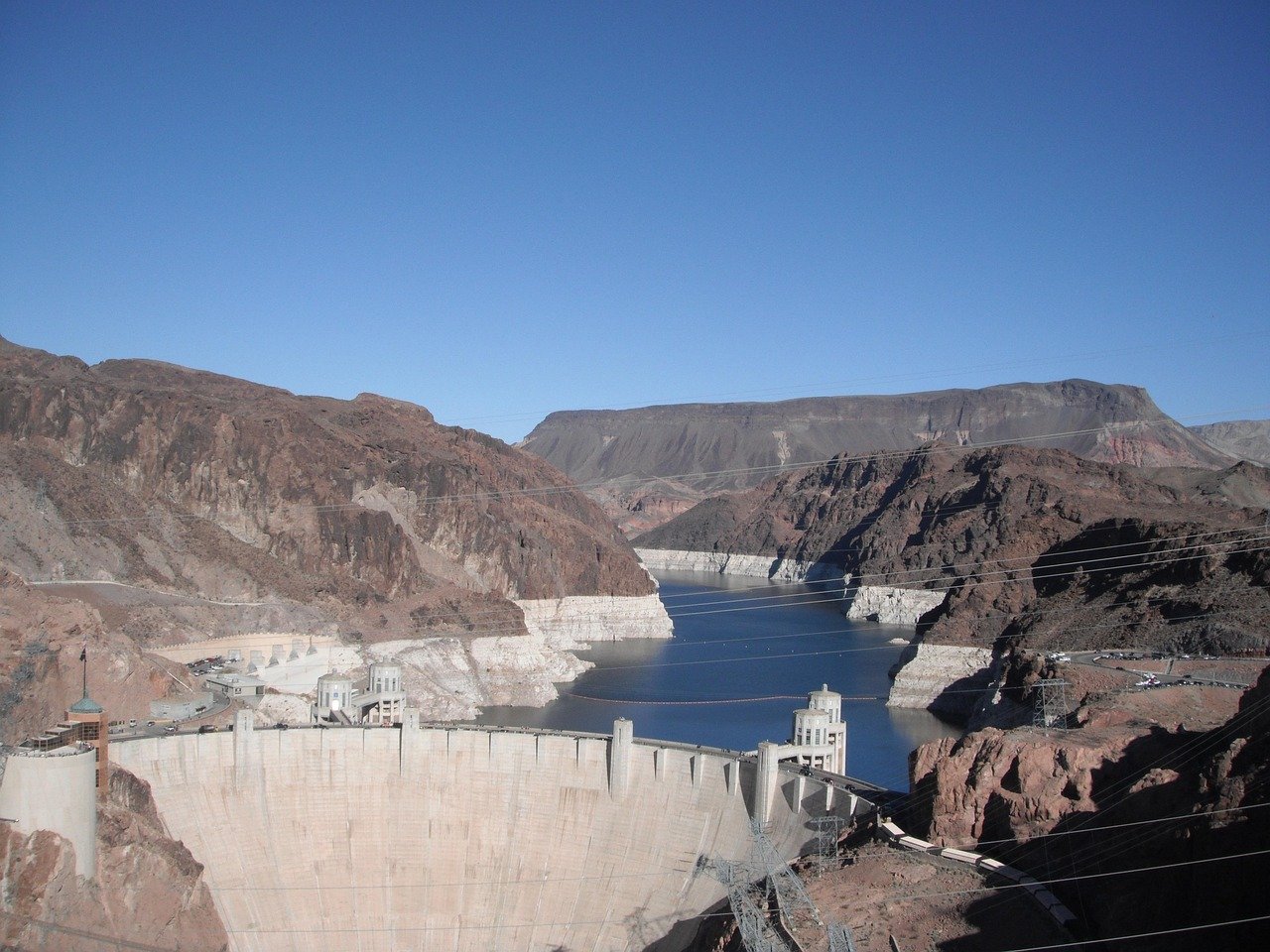
The city sits at the edge of two of the American Southwest's most dramatic natural features: Hoover Dam and Lake Mead. Hoover Dam, one of the engineering marvels of the 20th century, draws visitors from around the world and anchors Boulder City's identity as a place of historic and industrial significance. Lake Mead, the largest reservoir in the United States by volume when full, offers boating, kayaking, fishing, and hiking across a vast stretch of Mojave Desert terrain.
Boulder City attracts travelers who want proximity to Las Vegas without the sensory overload — those who prefer hiking boots to cocktail attire, or who are drawn to the story of how a dam changed the course of the American West. History enthusiasts, outdoor recreationists, and road-trippers along the old Route 93 corridor all find a natural home here. The Boulder City/Hoover Dam Museum offers deep context for the dam's construction and the New Deal era that produced it.
The city's compact downtown along Nevada Way features antique shops, locally owned restaurants, and art galleries that cater to a community with genuine roots rather than transient tourism. Boulder City is also a hub for aerial tours of the Grand Canyon and the Las Vegas Strip, with several helicopter and small-plane operators based at Boulder City Municipal Airport — giving visitors a different vantage point on the entire region.
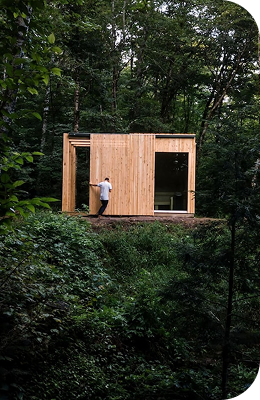

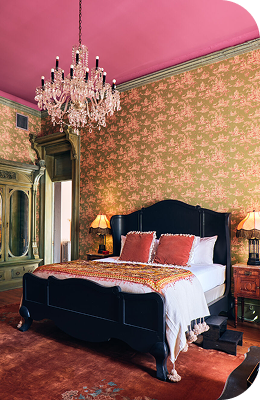

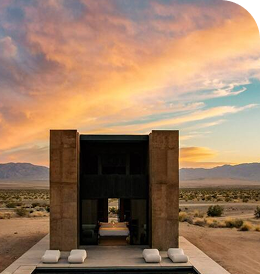

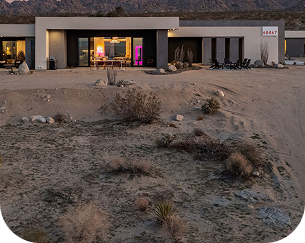

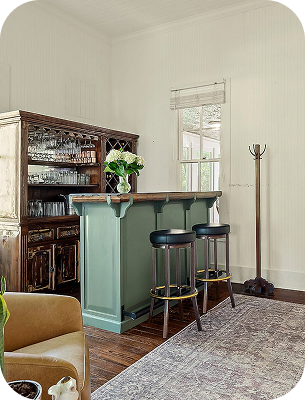

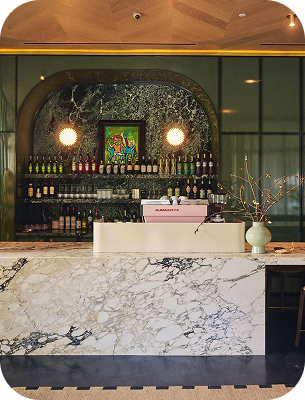

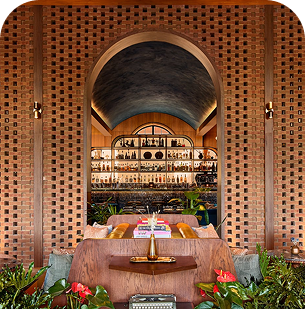





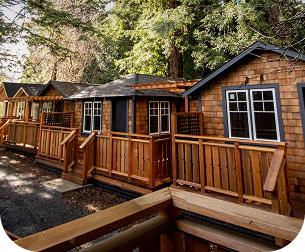

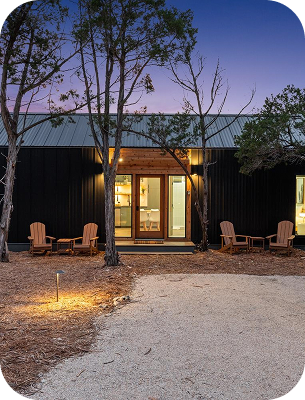
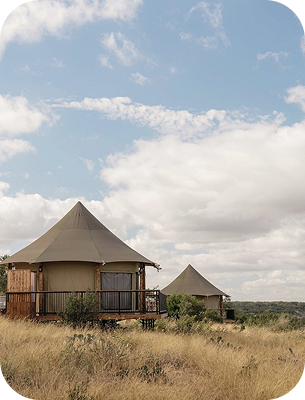

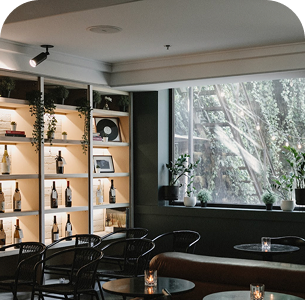

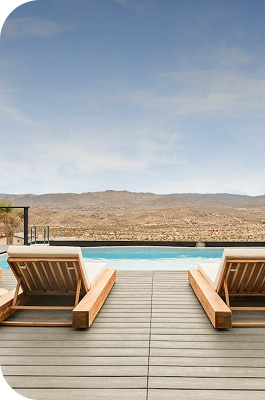

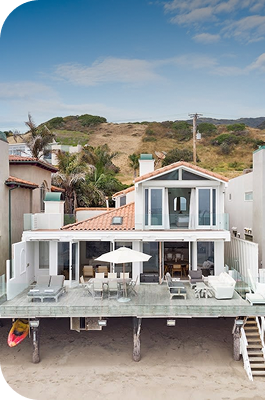

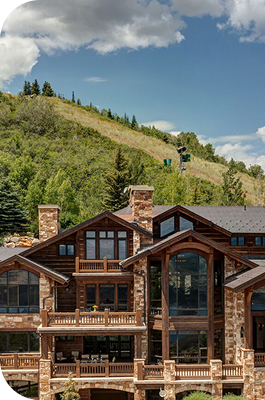
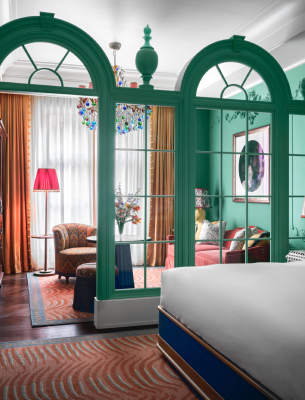
Journey connects travelers to a curated network of boutique hotels and distinctive residences around the world, all united under one rewards program. Explore handpicked stays for your trip while earning points, unlocking exclusive offers, and receiving rewards across the Journey collection.
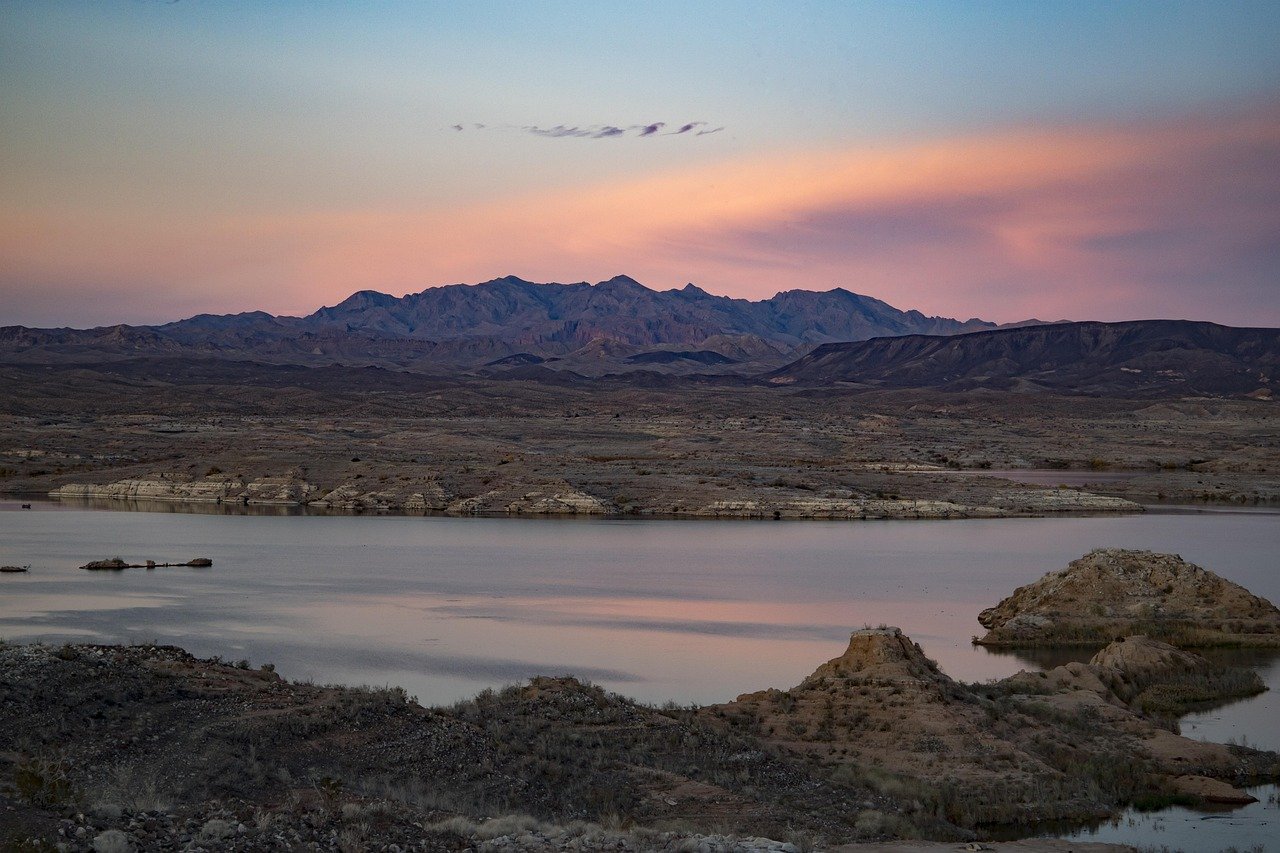
Boulder City sits in the southern tip of Nevada, roughly 25 miles southeast of Las Vegas, perched on a plateau above the Colorado River at an elevation of around 2,500 feet. The surrounding landscape is quintessential Mojave Desert: rocky ridgelines, creosote flats, and the deep blue waters of Lake Mead cutting through canyon walls of red and tan sandstone. The city is flanked to the east by the Eldorado Valley and to the north by the Lake Mead National Recreation Area, the first national recreation area established in the United States.
Boulder City's origins are inseparable from one of the greatest public works projects in American history. When Congress authorized the construction of Hoover Dam in 1928, the federal government recognized that a purpose-built town would be needed to house the thousands of workers and administrators required for the project. The Bureau of Reclamation designed and constructed Boulder City from scratch beginning in 1931, laying out streets, parks, dormitories, and civic buildings according to a deliberate plan. The prohibition on alcohol and gambling, imposed to maintain order among the workforce, was codified into city law and has never been repealed — a fact that continues to define Boulder City's character nearly a century later.
When the dam was completed in 1936, Boulder City transitioned from a federal enclave to an incorporated municipality, eventually gaining self-governance in 1960. The city's New Deal-era architecture, including the Boulder Dam Hotel and the Municipal Building, is listed on the National Register of Historic Places and lends the downtown a cohesive historical character rarely found in the rapidly developed Sunbelt.
For travelers, Boulder City functions as both a destination in its own right and a strategic base. It offers genuine access to Hoover Dam, Lake Mead, and the wider Colorado River corridor, while remaining close enough to Las Vegas to make day trips straightforward. The atmosphere is unhurried and community-oriented, with a strong sense of civic pride rooted in the city's extraordinary founding story.
October through April is the sweet spot for visiting Boulder City, with the shoulder months of October, November, March, and April offering the most balanced combination of comfortable outdoor conditions, manageable crowds, and full access to the area's major attractions. Hoover Dam tours run year-round, but spring and fall bring the most pleasant conditions for exploring the dam's exterior walkways, the Mike O'Callaghan-Pat Tillman Memorial Bridge, and the surrounding landscape without the punishing summer sun.
Lake Mead recreation peaks in spring and early summer, when water levels and temperatures align for boating, kayaking, and paddleboarding. By late spring, the lake draws larger crowds of Las Vegas day-trippers, so visiting on weekdays or arriving early in the morning helps secure launch ramps and shoreline access. Fall sees a noticeable drop in visitor numbers after Labor Day, making September and October a quieter window for hiking the Lake Mead National Recreation Area trails without competition for parking or trailheads.
Winter is genuinely underrated in Boulder City. The historic downtown along Nevada Way is at its most walkable, with local shops, galleries, and cafes operating at a relaxed pace and free of summer crowds. The Boulder City/Hoover Dam Museum and other indoor attractions are easy to enjoy without long waits. Aerial tour operators based at Boulder City Municipal Airport run Grand Canyon and Las Vegas Strip flights throughout the year, but winter offers the clearest atmospheric conditions for aerial sightseeing.
Summer draws the fewest discerning visitors for good reason: midday outdoor activity is genuinely difficult, and Lake Mead's most popular spots become crowded with heat-seeking crowds from Las Vegas. Travelers committed to a summer visit should plan all outdoor activity for early morning and focus afternoons on indoor experiences or shaded rest.
Boulder City's compact downtown along Nevada Way is the social and commercial heart of the city, lined with antique shops, locally owned restaurants, and art galleries. The area's walkable, unhurried character reflects the city's planned New Deal origins and its enduring identity as a community apart from Las Vegas. Strolling the main corridor offers a genuine sense of small-town Nevada that is increasingly rare in the region.
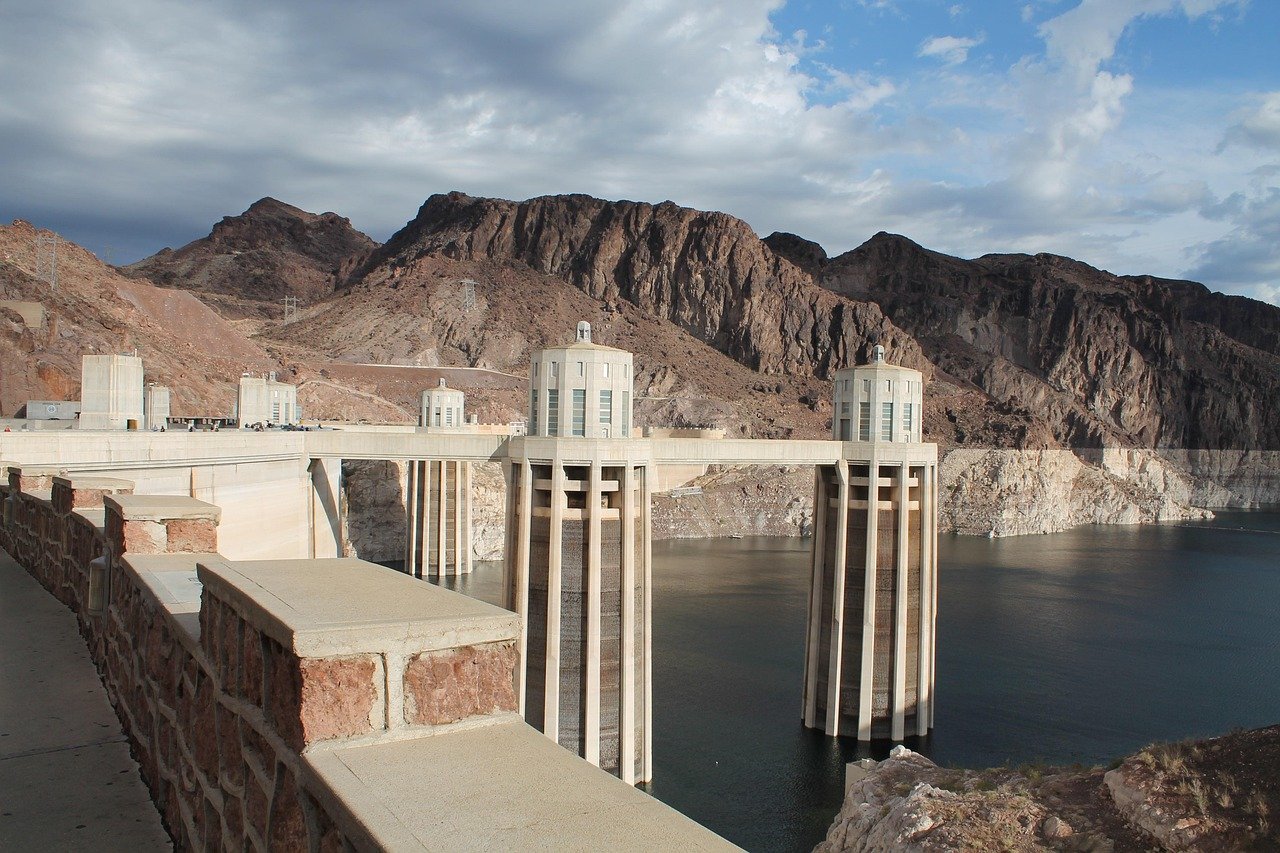
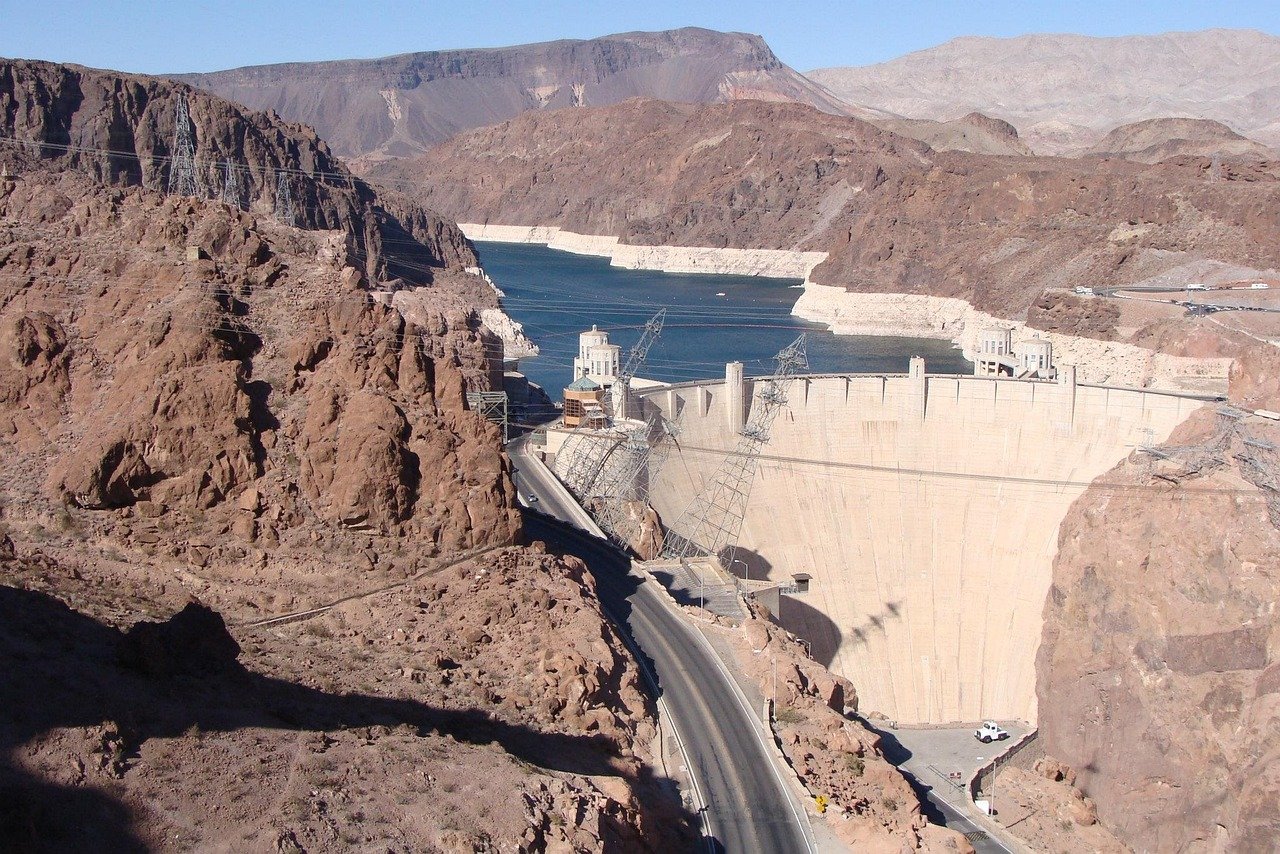
The stretch of highway and visitor infrastructure connecting Boulder City to Hoover Dam is a destination in its own right, drawing travelers from around the world to one of the great engineering achievements of the 20th century. The Boulder City/Hoover Dam Museum anchors the cultural experience on the city side, while the dam itself offers tours, dramatic views of Black Canyon, and a tangible connection to the New Deal era. This corridor is the defining reason most visitors make the trip to Boulder City.
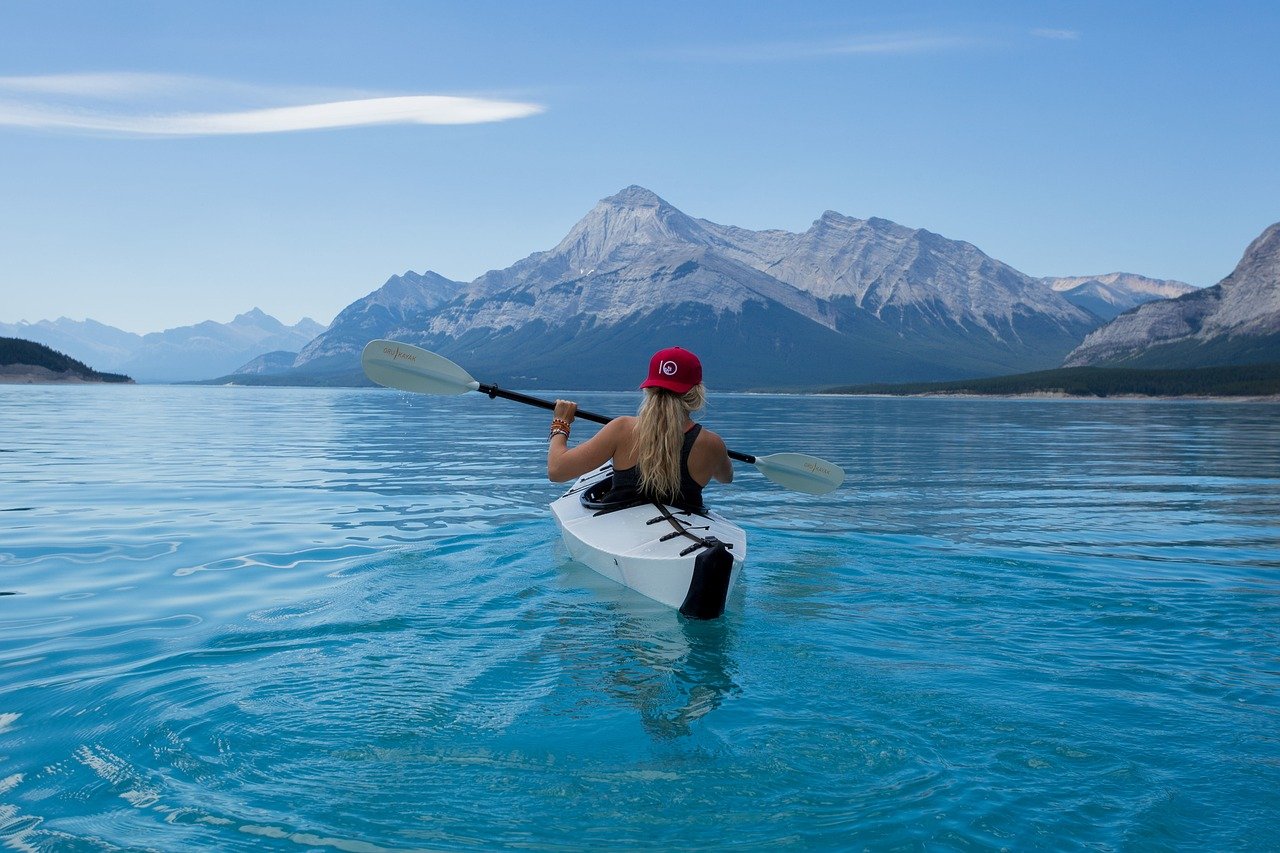
At the edge of Boulder City lies the vast Lake Mead National Recreation Area, the largest reservoir in the United States by volume when full, set against the stark beauty of the Mojave Desert. Visitors come for boating, kayaking, fishing, and hiking across a landscape of red rock canyons and open water. The recreation area offers a completely different pace from the historic downtown, rewarding those who come for outdoor adventure.
The area around Boulder City Municipal Airport serves as a hub for aerial tour operators offering helicopter and small-plane flights over the Grand Canyon, Lake Mead, and the Las Vegas Strip. This district gives the city an unexpected dimension as a gateway for experiencing the broader Southwest from above. For travelers seeking a dramatic regional perspective, this unassuming corner of Boulder City opens up the entire landscape.
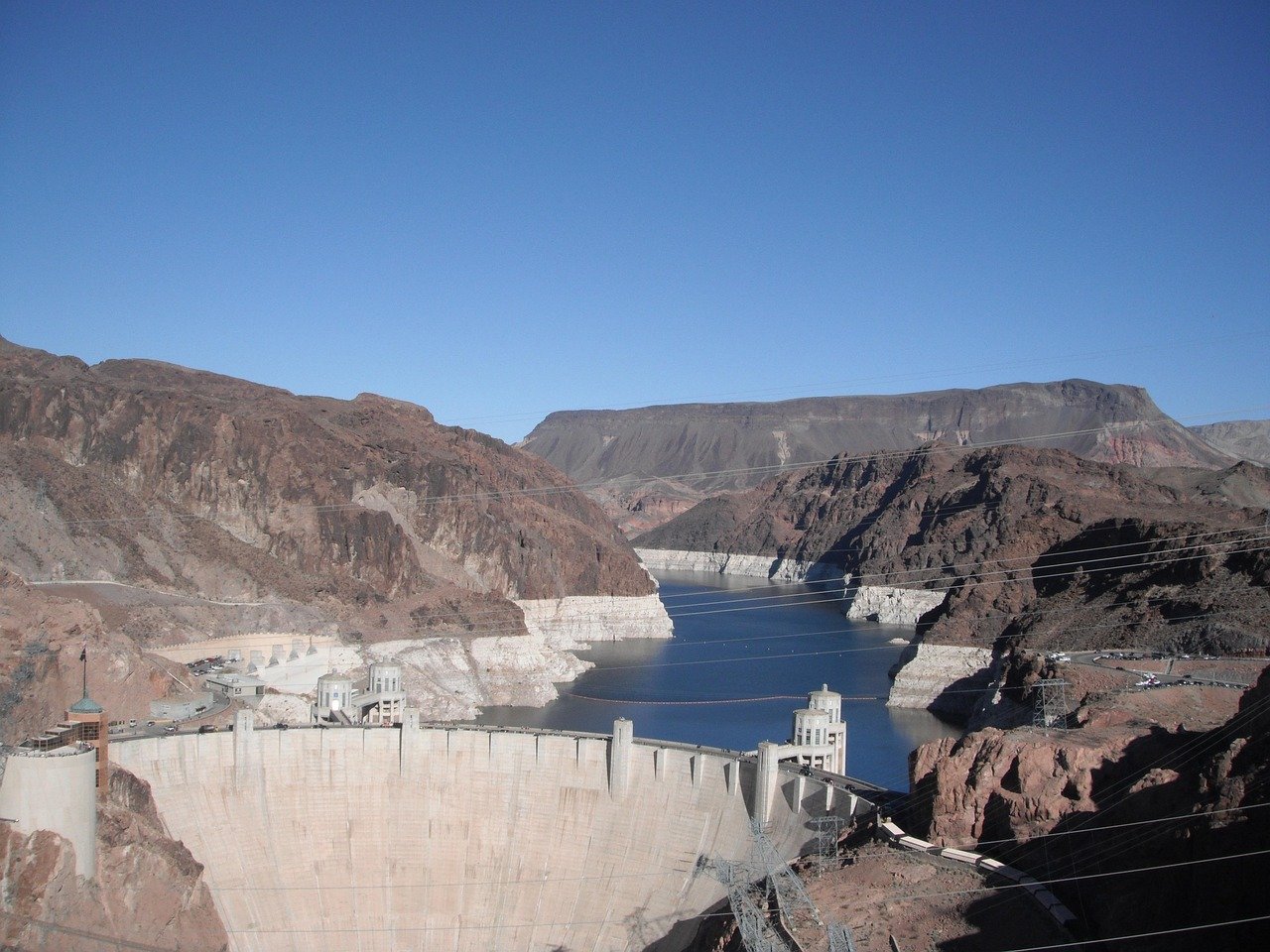
Boulder City exists because of Hoover Dam, and experiencing the dam firsthand remains the defining reason most travelers make the trip. Standing at the crest of the dam — 726 feet above the Colorado River, with Lake Mead stretching to the horizon on one side and the Black Canyon dropping away on the other — is one of the most visceral encounters with American industrial ambition anywhere in the country. The Hoover Dam Tour takes visitors deep into the structure itself, through the original tunnels and into the powerhouse where massive generators still produce electricity for millions of homes across the Southwest. The more extensive Powerplant Tour and the premium Hard Hat Tour offer progressively deeper access for those who want the full story.
Below the dam, the Colorado River offers a completely different kind of encounter. Guided raft and float trips launch from the base of the dam and drift through Black Canyon, a narrow volcanic gorge where bighorn sheep appear on the cliffs and hot springs seep into the river from the canyon walls. This stretch of river is calm enough for first-time paddlers but scenically striking enough to satisfy experienced adventurers.
Lake Mead itself draws visitors for its sheer scale — the reservoir's bathtub ring, a pale mineral line etched into the canyon walls, tells the story of decades of drought in a single glance. Houseboating on Lake Mead is a regional tradition, allowing travelers to anchor in remote coves accessible only by water.
For those who want to see it all at once, a helicopter flight from Boulder City Municipal Airport frames the dam, the lake, and the canyon in a single sweeping arc — a perspective that makes the scale of the project impossible to deny. Boulder City is the rare destination where the main attraction genuinely justifies the journey.
Boulder City punches well above its size when it comes to variety. Visitors can fill days with outdoor adventure, historic discovery, scenic drives, and genuine small-town dining without ever setting foot in a casino — because there are none.
Outdoor Recreation
The city sits at the doorstep of some of the Mojave Desert's most dramatic terrain. Lake Mead National Recreation Area offers boating, kayaking, paddleboarding, fishing, and swimming across hundreds of miles of shoreline. Hikers can explore trails ranging from easy lakeside walks to rugged desert ridge routes with sweeping views. The Colorado River below Hoover Dam is a popular launch point for whitewater rafting and float trips.
Cultural Attractions and History
Boulder City's identity is inseparable from its New Deal origins. The Boulder City/Hoover Dam Museum traces the construction of one of the 20th century's greatest engineering feats, from the recruitment of workers to the human cost of building in the desert. The historic downtown along Nevada Way preserves the city's original planned-community character, with architecture and streetscapes largely unchanged since the 1930s.
Scenic Exploration
The drive along US-93 from Boulder City to Hoover Dam is one of the most dramatic short road trips in the Southwest. Aerial tour operators at Boulder City Municipal Airport offer helicopter and small-plane flights over the dam, Lake Mead, the Grand Canyon, and the Las Vegas Strip — putting the entire region in perspective from above.
Arts, Entertainment, and Shopping
Downtown Nevada Way hosts a walkable cluster of antique shops, art galleries, and locally owned boutiques. The Boulder City Art Guild and rotating gallery exhibitions reflect a community with genuine creative roots.
Food and Dining
The local dining scene skews casual and community-oriented, with diner-style classics, Mexican kitchens, and coffee shops that serve regulars as much as visitors.
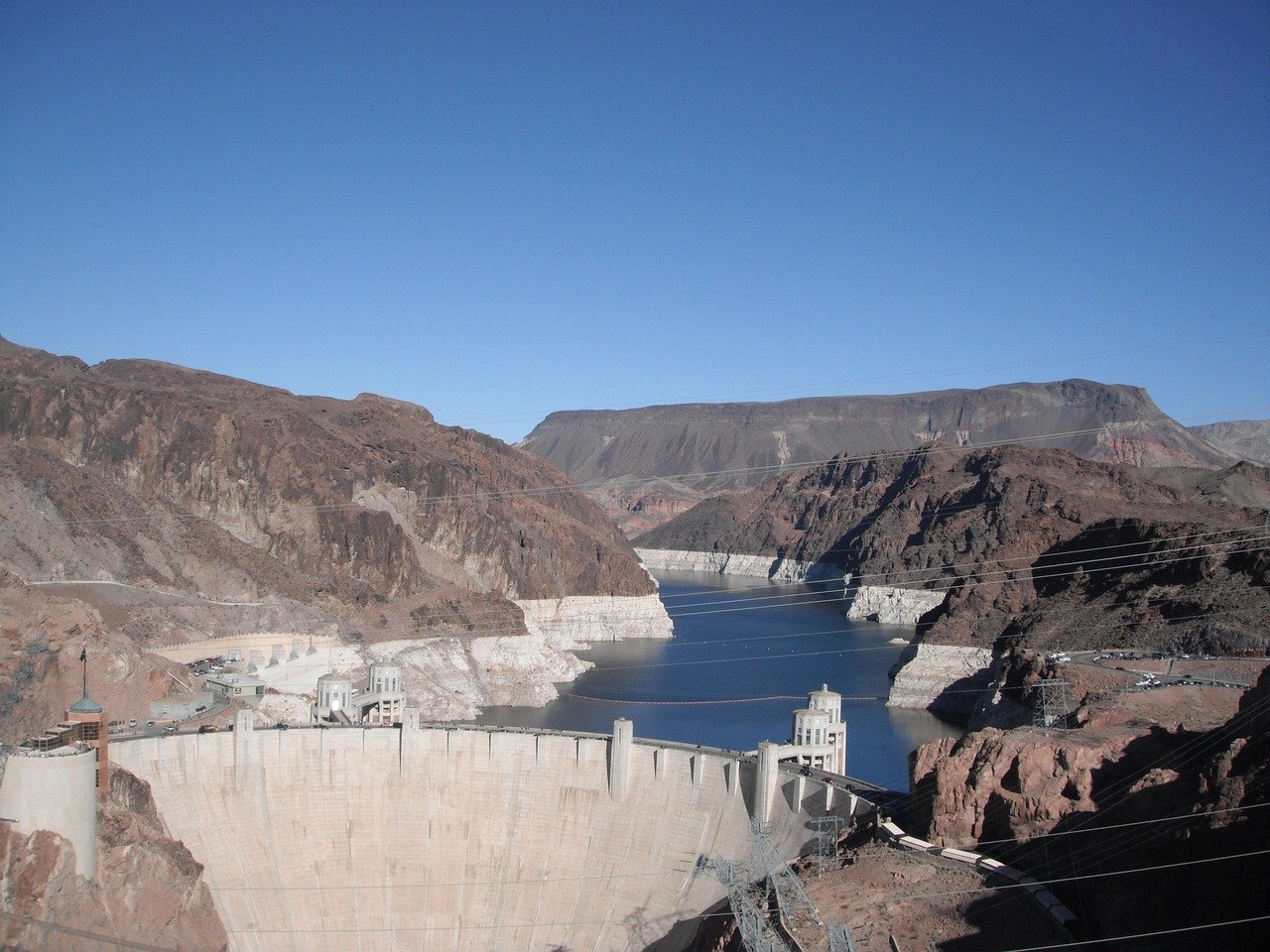
Start your morning with a visit to Hoover Dam — take a guided tour inside the dam's power plant tunnels and walk across the top for sweeping views of the Colorado River. In the afternoon, explore the Boulder City/Hoover Dam Museum on Arizona Street for New Deal-era history. Wind down with dinner at a locally owned spot along Nevada Way in the historic downtown.
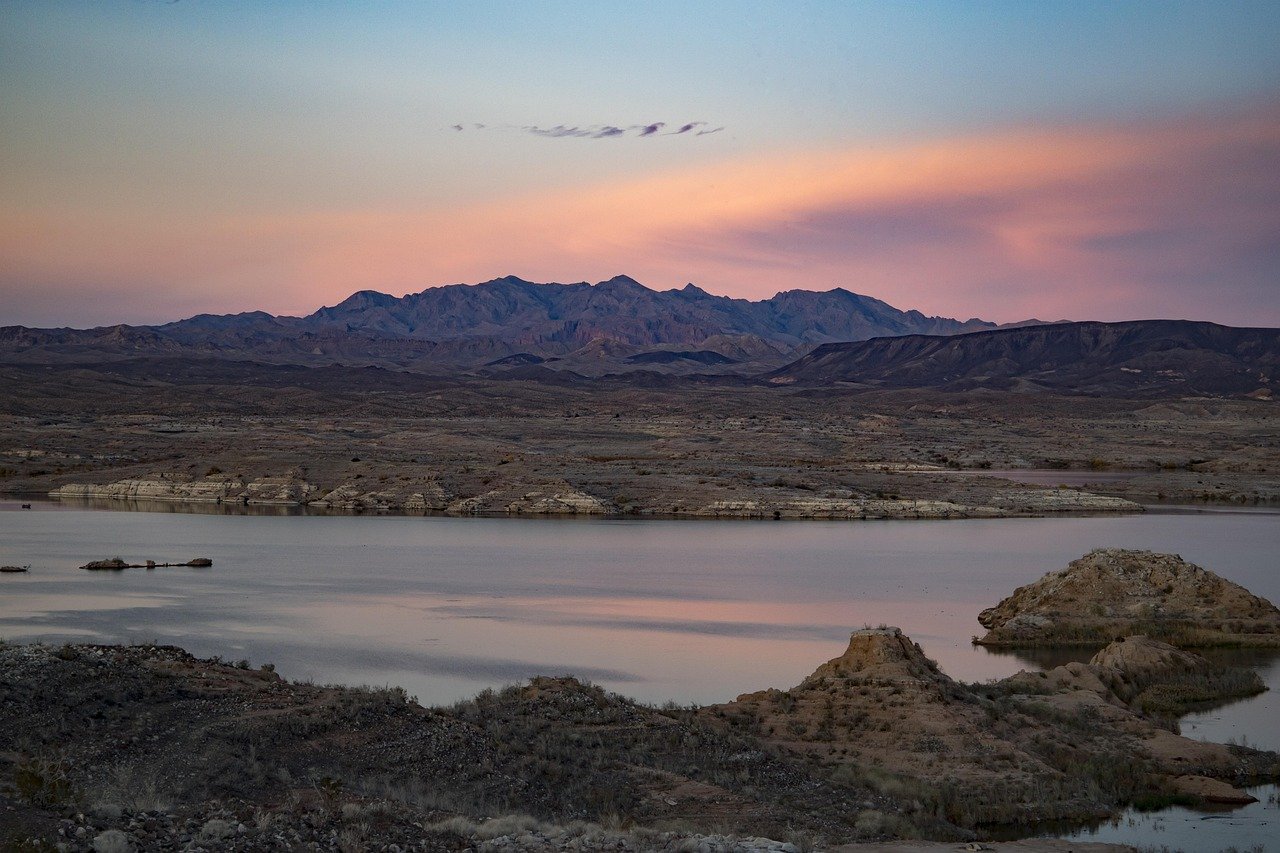
Head to Lake Mead National Recreation Area for a full day outdoors. Launch a kayak or rent a boat from Lake Mead Marina in the morning, then hike the River Mountains Loop Trail in the afternoon for panoramic Mojave Desert views. As the sun sets over the reservoir, grab a casual lakeside meal back near the marina before returning to town.
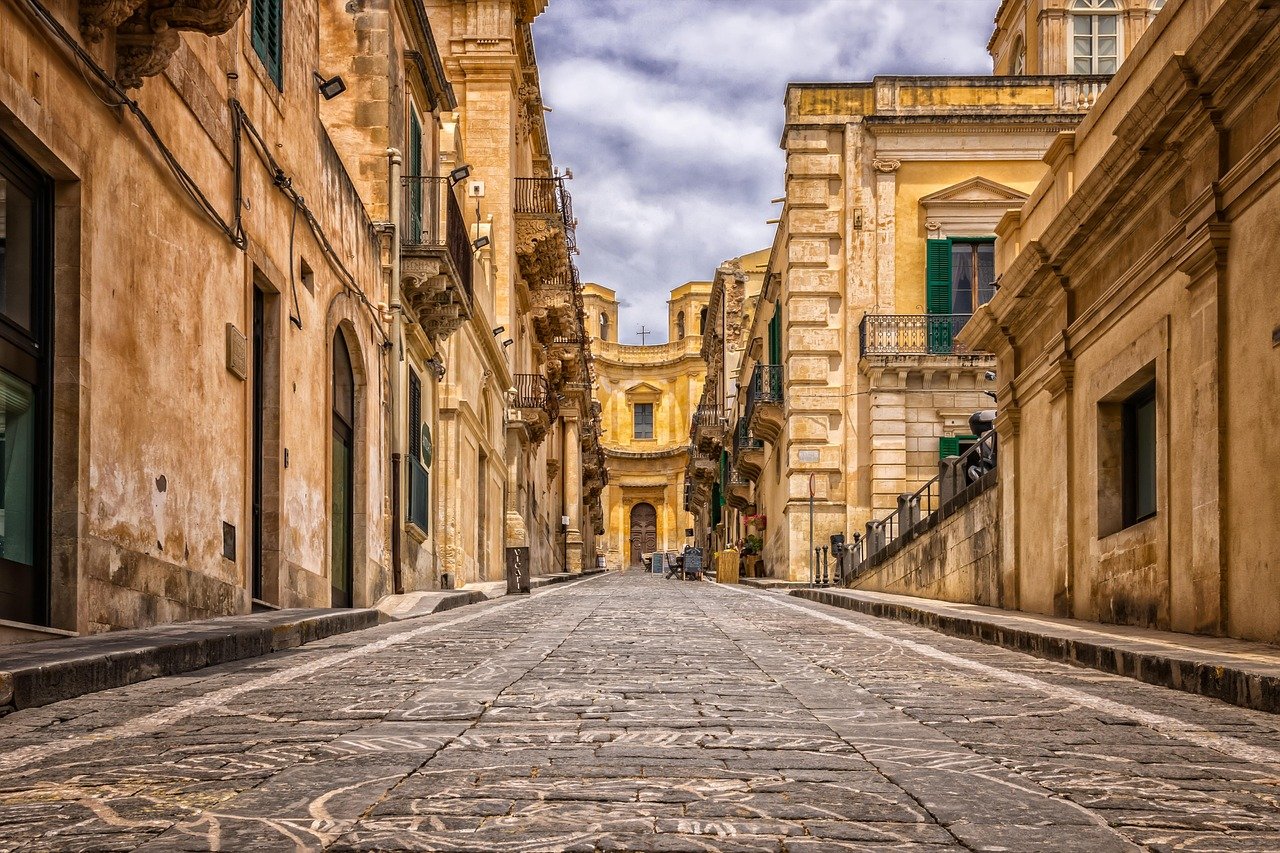
Spend the morning browsing Boulder City's compact downtown along Nevada Way — pop into antique shops, local art galleries, and a coffee shop for a slow start. Book an afternoon aerial tour from Boulder City Municipal Airport for a helicopter or small-plane flight over the Grand Canyon or Las Vegas Strip. Return to town for a farewell dinner at one of the neighborhood's locally rooted restaurants.
Boulder City, Nevada has a quiet but genuine cultural calendar that reflects its small-town identity and deep connection to the American West. Spring kicks things off with community gatherings that celebrate local artisans and the region's outdoor spirit, drawing residents and visitors alike to the historic downtown. Summer is defined by the heat of the Mojave, when the pace slows and the focus shifts to the water at Lake Mead. As temperatures cool in autumn, Boulder City comes alive with its most beloved traditions, drawing crowds from across the region for art, film, and food that feel rooted in the community rather than manufactured for tourists.
Boulder City, Nevada has a dining scene that reflects its small-town character and deep historical roots, offering a refreshing contrast to the excess of nearby Las Vegas. The city's compact downtown along Nevada Way is home to a collection of locally owned restaurants, diners, and cafes that serve a community with genuine ties to the land and its history.
Harry Reid International Airport (LAS) in Las Vegas
is the closest major airport to Boulder City, about 25 miles northwest, with rental cars, rideshares, and taxis all available for the roughly 30-to-40-minute drive southeast on US-93.
US-93 South is the main driving route into Boulder City
connecting directly from the I-515/US-95 interchange in Henderson and delivering travelers into the heart of town in under 40 minutes from the Las Vegas Strip.
Boulder City Municipal Airport (BVU) accommodates private aircraft
and serves as the base for helicopter and small-plane tour operators offering Grand Canyon and Las Vegas Strip aerial tours, but it does not handle scheduled commercial passenger service.
Greyhound and regional bus lines serve Las Vegas and Henderson
but do not extend to Boulder City itself, so travelers without a car will need to arrange a rideshare or taxi for the final 8-to-10 miles from Henderson.
Historic downtown Boulder City along Nevada Way
is compact and fully walkable, with restaurants, antique shops, art galleries, and the Boulder City/Hoover Dam Museum all within easy reach on foot.
A rental car from Harry Reid International Airport (LAS)
is the most practical option for visitors planning to explore Hoover Dam, Lake Mead's multiple coves and trailheads, and the River Mountains Loop Trail across more than one day.
Uber and Lyft operate in Boulder City
but wait times can run longer than in Las Vegas proper, especially in the evenings and at remote recreation sites, so plan accordingly if you are relying on rideshare.
Parking at Hoover Dam requires a fee
currently charged at the parking structure on the Nevada side, so arrive early in the morning during peak season to avoid both the fee lines and the crowds on the dam's walkways.
Boulder City's desert climate demands preparation year-round. Summer temperatures regularly exceed 105 degrees Fahrenheit, so carry at least two liters of water per person for any outdoor activity and avoid hiking between 10 a.m. and 4 p.m. in July and August. Spring and fall offer the most comfortable conditions for Hoover Dam tours and Lake Mead recreation. Remember that Boulder City prohibits gambling entirely — there are no casinos in the city limits, which is a genuine local point of pride. Tipping customs follow standard U.S. norms: 18 to 20 percent at sit-down restaurants, a few dollars for tour guides. Book Hoover Dam Power Plant tours in advance through the official Bureau of Reclamation site, as timed-entry slots sell out on busy weekends. The Recreation.gov app is useful for securing campsites at Lake Mead National Recreation Area. Cell coverage is generally solid in town but can be spotty along remote lake coves.
One to two days is enough to cover Boulder City's highlights. Spend a day touring Hoover Dam and the Boulder City/Hoover Dam Museum, then use a second day for Lake Mead - kayaking, boating, or hiking along the Mojave Desert shoreline. The downtown along Nevada Way is compact and easy to explore in a few hours.
Boulder City is best known as the gateway to Hoover Dam, one of the great engineering achievements of the 20th century. It is also notable for being the only city in Nevada where gambling is prohibited. Lake Mead, the largest reservoir in the United States by volume when full, is another major draw for outdoor recreation.
Yes - Boulder City works very well as a weekend trip, especially from Las Vegas, which is only about 25 miles away. A two-day visit covers Hoover Dam, Lake Mead, and the historic downtown comfortably. It also serves as a base for aerial tours of the Grand Canyon departing from Boulder City Municipal Airport.
Boulder City is relatively affordable by Nevada standards. There are no casinos, which keeps the local economy grounded. Hoover Dam tours have an entry fee, and Lake Mead charges a standard national recreation area pass fee. Dining and lodging in town tend to be modest and locally owned, making it a budget-friendly alternative to Las Vegas.
Spring (March to May) and fall (September to November) offer the most comfortable temperatures for exploring Hoover Dam and Lake Mead. Summer heat in the Mojave Desert can be intense, often exceeding 100 degrees Fahrenheit, so outdoor activities are best planned for early morning during those months.