
Baltimore, MD

A Journey guide to
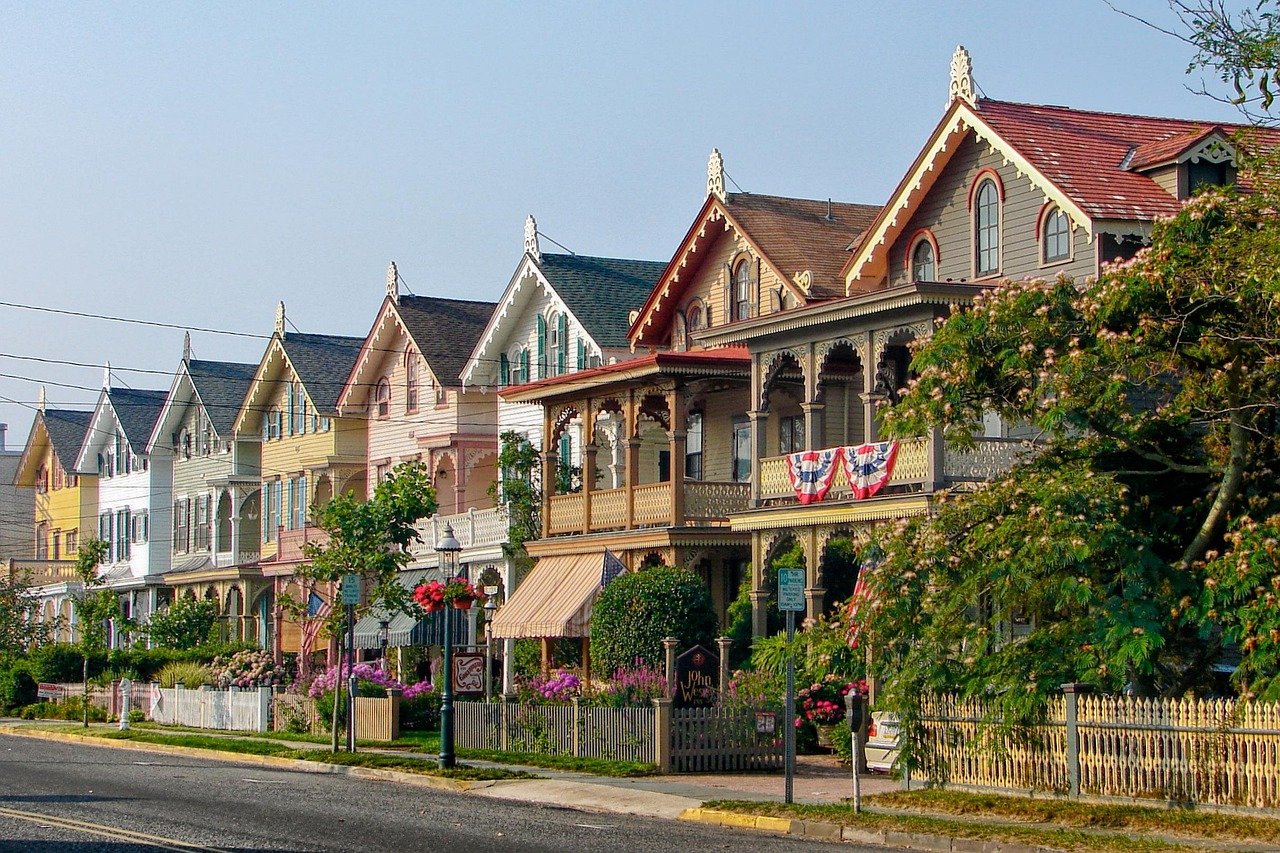
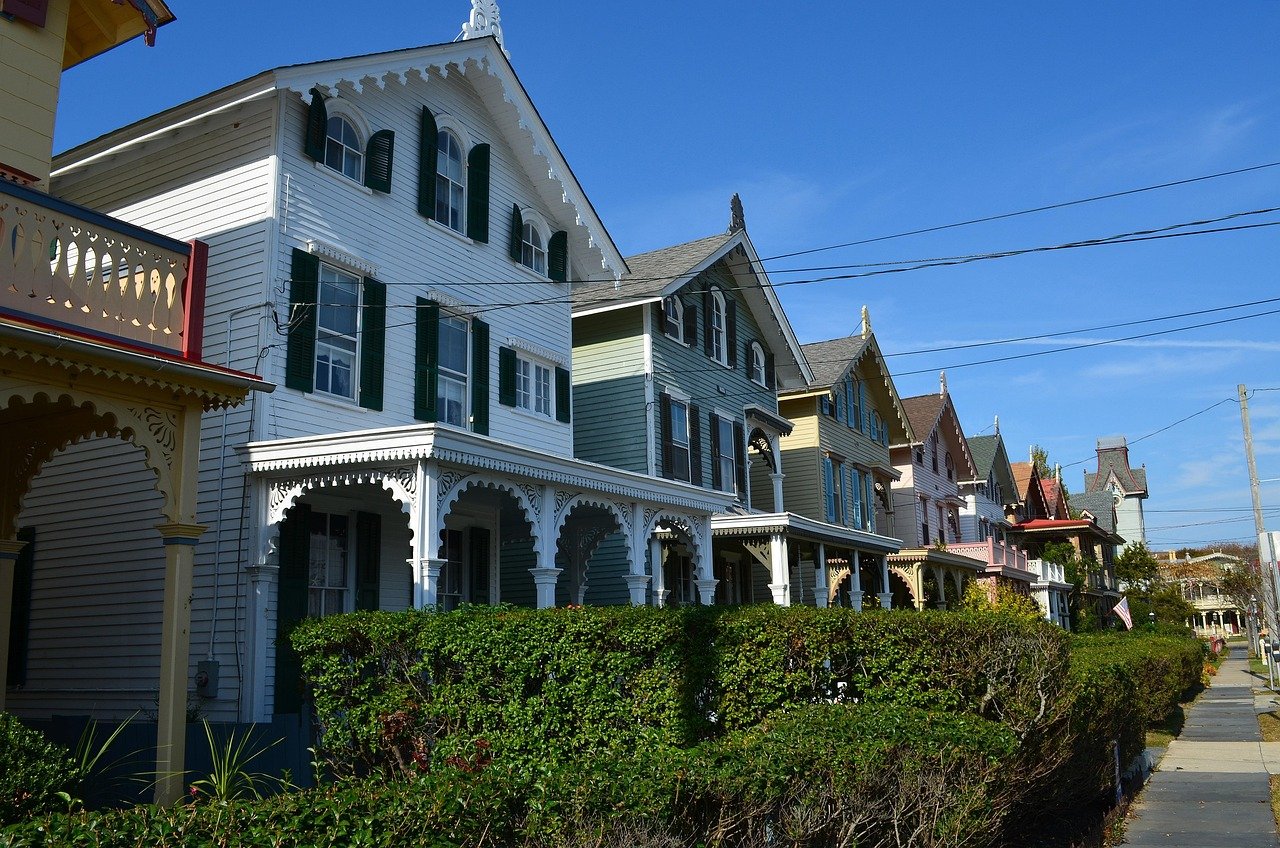
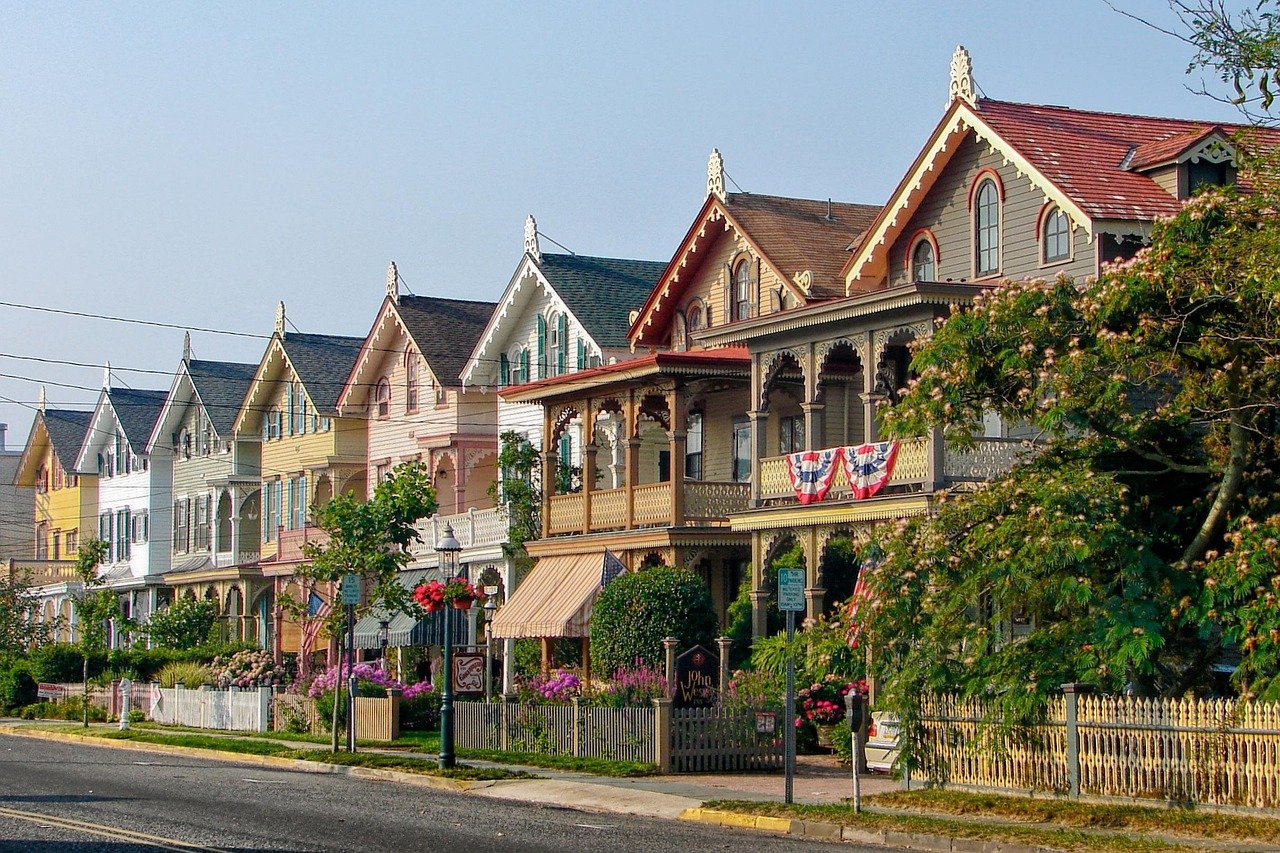
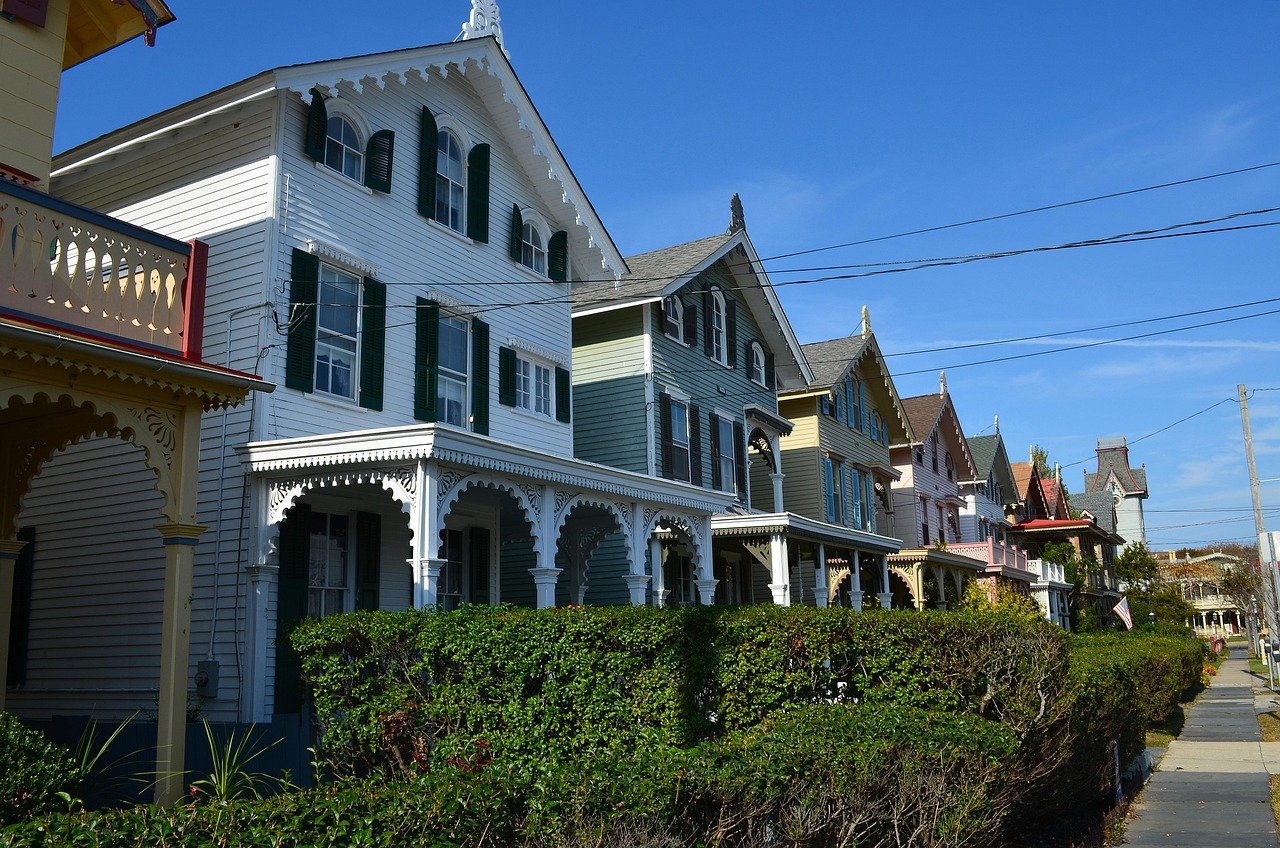
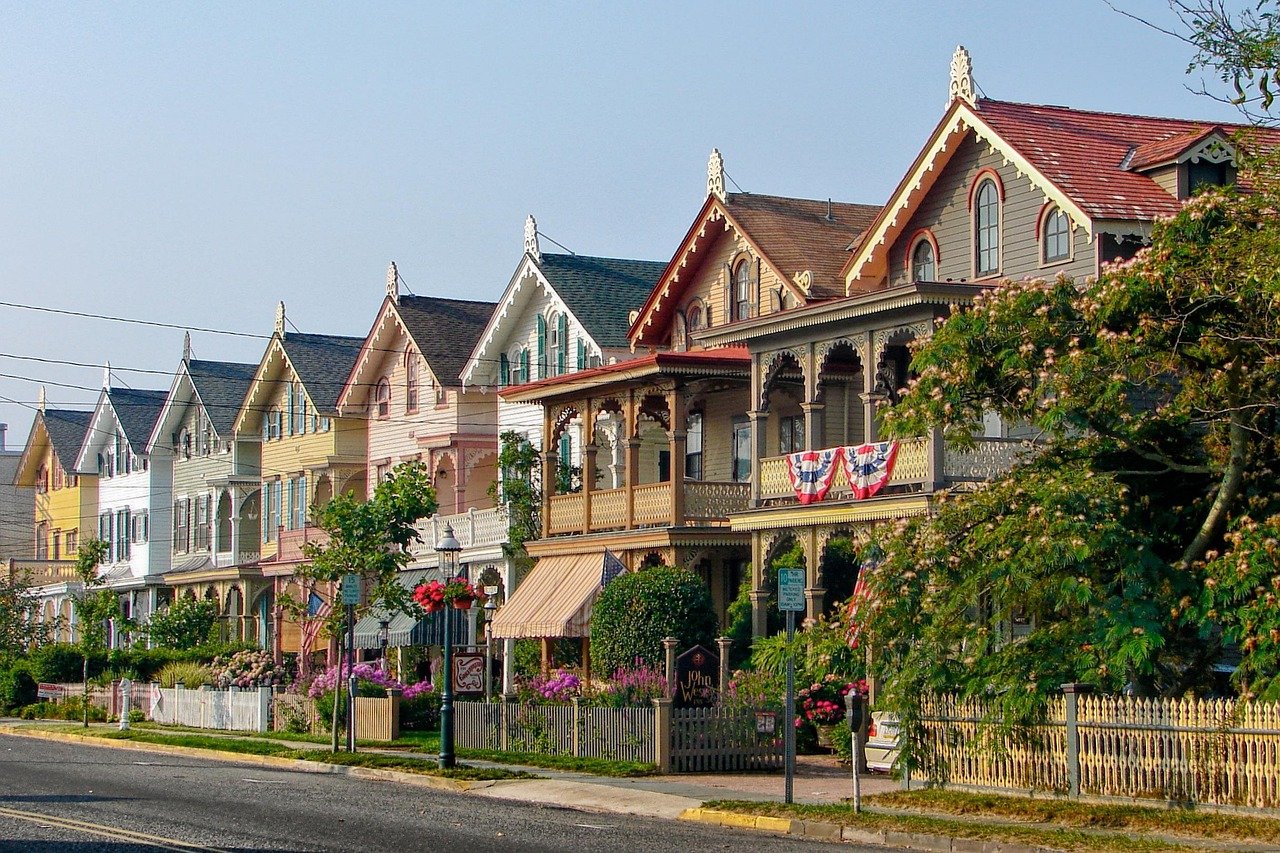
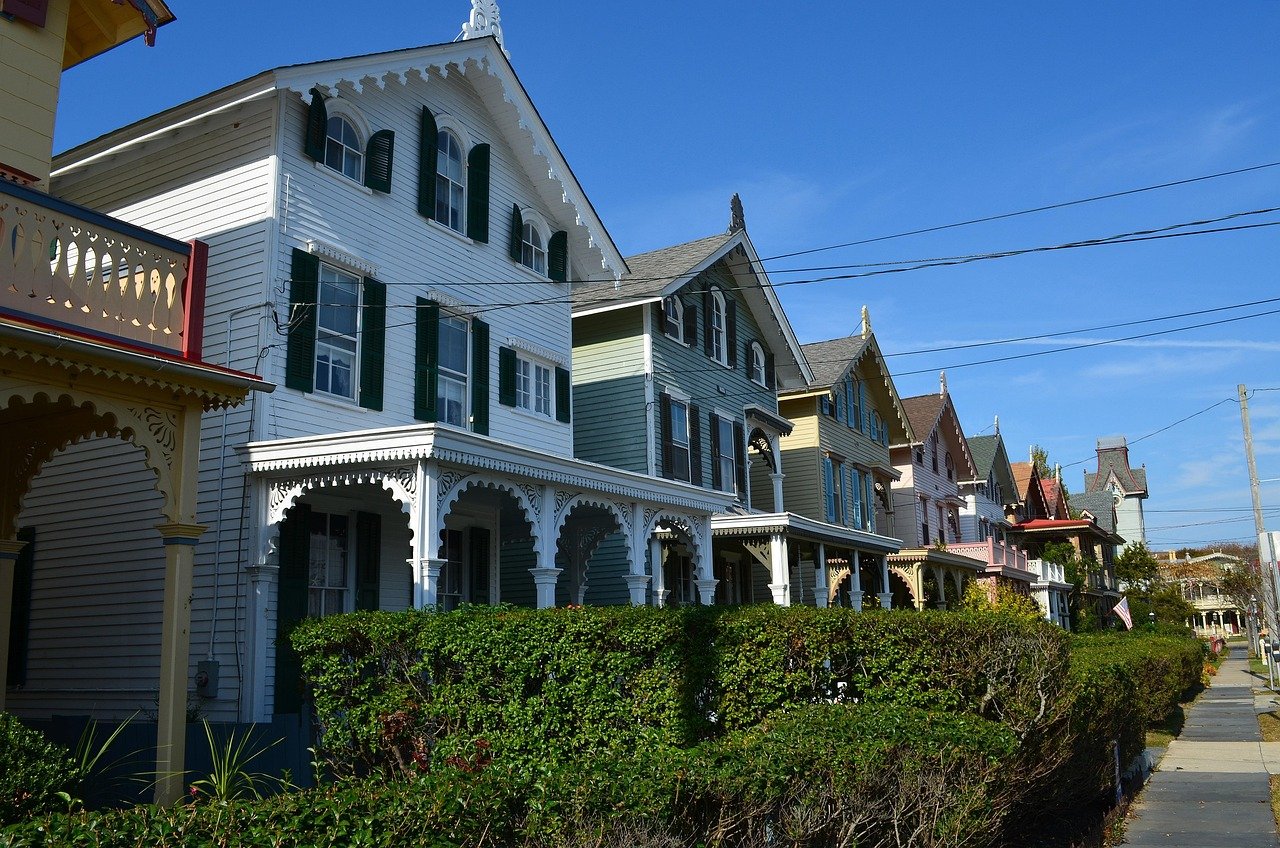
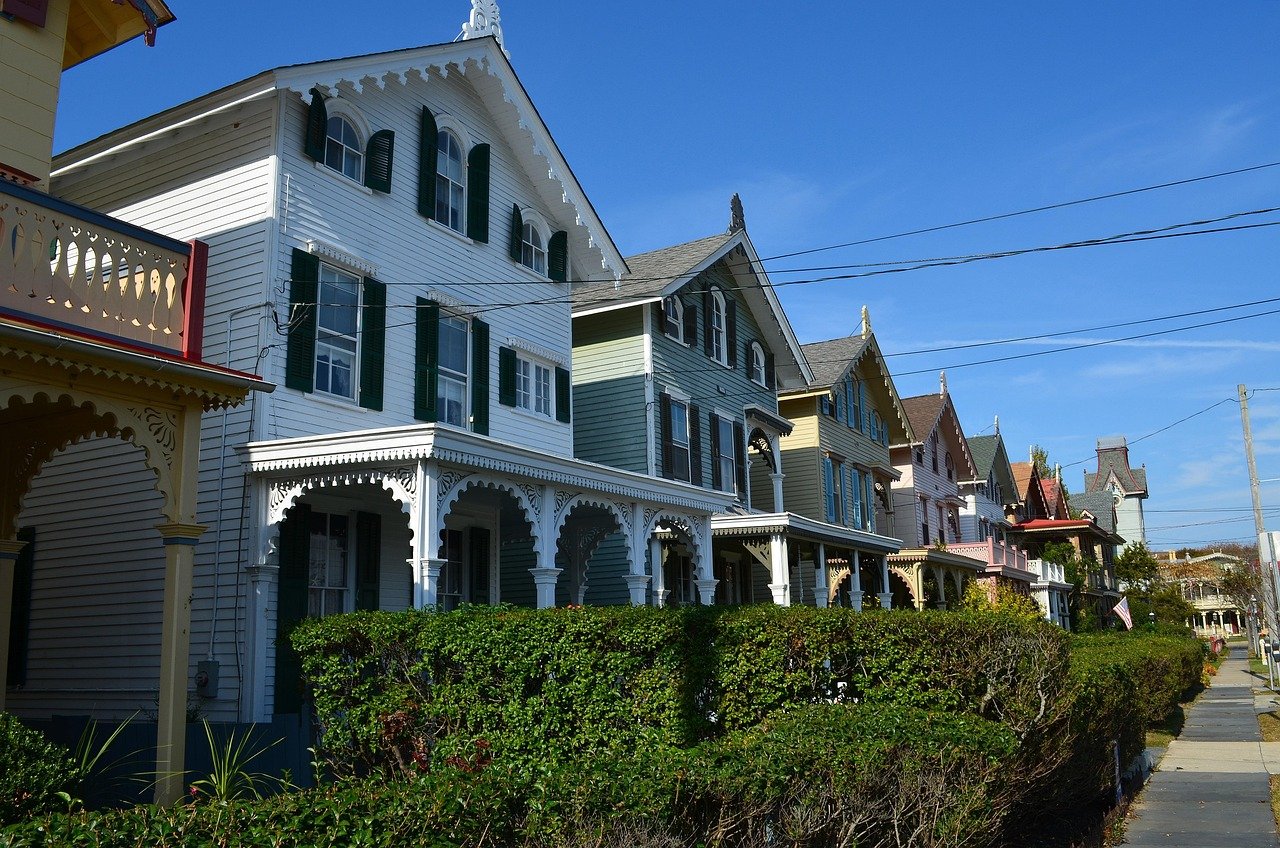
Cape May occupies the southernmost tip of New Jersey, where the Atlantic Ocean meets Delaware Bay. It holds the distinction of being one of the oldest seaside resorts in the United States, a legacy that shaped its character entirely. The city is a National Historic Landmark, recognized for the largest concentration of intact Victorian architecture in the country. Gingerbread-trimmed cottages, ornate mansions, and gas-lit streets give it a storybook quality unlike any other beach town on the Eastern Seaboard.
Travelers come to Cape May for the beaches, but they stay for the layers. The two-mile promenade along the Atlantic draws swimmers, cyclists, and strollers, while the quieter Delaware Bay side offers some of the most spectacular sunsets on the East Coast. Washington Street Mall serves as the pedestrian heart of town, lined with independent boutiques, galleries, and restaurants that lean heavily into fresh seafood and farm-to-table sourcing from the surrounding Cape May County farmland.
Cape May is one of the premier birding destinations in North America. Its position at the tip of a peninsula creates a natural funnel for migratory species, drawing serious birders from across the continent to witness hawk watches, shorebird concentrations, and songbird fallouts. The Cape May Bird Observatory is a national institution in the birding world, and the annual migration events attract tens of thousands of visitors each year.
The destination appeals to a wide but particular kind of traveler: those who value authenticity over spectacle. Couples seeking a romantic coastal escape, history enthusiasts drawn to the Victorian streetscapes, families looking for a gentler alternative to the Jersey Shore's more boisterous resort towns, and naturalists chasing migratory wildlife all find what they are looking for here. The pace is deliberate, the architecture is irreplaceable, and the sense of place is unmistakably Cape May.



































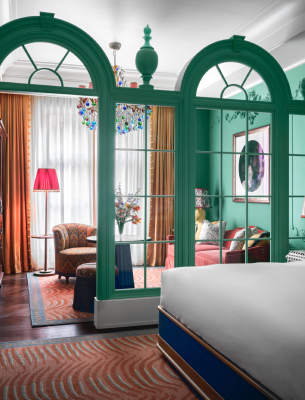

Journey connects travelers to a curated network of boutique hotels and distinctive residences around the world, all united under one rewards program. Explore handpicked stays for your trip while earning points, unlocking exclusive offers, and receiving rewards across the Journey collection.
Cape May sits at the absolute southern tip of New Jersey, a narrow peninsula flanked by the Atlantic Ocean to the east and Delaware Bay to the west. The geography is defining: surrounded on three sides by water, the city has always been shaped by the sea. Its streets are compact and walkable, its neighborhoods dense with historic homes, and its shoreline accessible in a way that larger resort cities rarely manage.
The city's history as a resort destination stretches back to the early 1800s, when it drew presidents, industrialists, and Philadelphia society figures seeking relief from summer heat. That early tourism economy funded the construction of the elaborate Victorian homes that now define Cape May's identity. When a devastating fire swept through in 1878, much of the town was rebuilt in the prevailing Victorian style of the era, creating an architectural consistency that has since been preserved with remarkable care. The designation as a National Historic Landmark in 1976 formalized what residents had long understood: Cape May is a living museum of 19th-century American resort culture.
Culturally, Cape May occupies a distinct lane within New Jersey's coastal identity. It is quieter and more refined than Wildwood to the north, more historically grounded than Ocean City, and more intimate than Asbury Park. The arts community is active, with theater, galleries, and culinary events woven into the calendar year-round. The Cape May Stage and the Emlen Physick Estate, the only Victorian house museum in the region, anchor a cultural life that extends well beyond beach season.
The overall travel atmosphere is one of unhurried elegance. Bed-and-breakfasts in restored Victorian mansions outnumber chain hotels by a wide margin. Restaurants take local sourcing seriously, drawing on Cape May County's fishing fleet and agricultural heritage. Visitors tend to linger longer than planned. The combination of architectural beauty, natural abundance along the migratory flyway, and a genuine small-town hospitality creates a destination that rewards slow travel and repeat visits in equal measure.
Cape May rewards visitors differently depending on the season, and the right time to go depends entirely on what kind of experience you are after.
Late May and early June represent the sweet spot for most travelers. The summer crowds have not yet arrived, lodging rates are lower, the beaches are uncrowded, and the town feels alive without feeling overwhelmed. Birding is at its peak during spring migration, making this period essential for naturalists hoping to witness one of the great wildlife spectacles on the East Coast.
July and August are peak season in every sense. The beaches are packed, restaurants fill up weeks in advance, and Victorian bed-and-breakfasts book out quickly. Families dominate the scene during these months, and the Washington Street Mall buzzes with activity from morning through evening. If you plan to visit in summer, book accommodations as early as possible and expect premium pricing throughout.
September and October are arguably the finest months to visit Cape May. Crowds thin considerably after Labor Day, yet the town remains fully open and vibrant. Fall hawk migration draws serious birders from across North America, and the combination of warm days, cool evenings, and uncrowded beaches makes for an exceptionally pleasant coastal escape. The annual Cape May Food and Wine Festival and Victorian Week in October add cultural programming that gives the destination a festive, community-driven energy.
Winter is quiet and deeply local. Most seasonal businesses close or reduce hours, but a core of year-round restaurants and shops remain open. The Christmas season brings holiday house tours and a brief uptick in visitors, making December a charming if chilly time to experience the Victorian architecture dressed in lights. Winter is best suited to travelers seeking solitude, off-season pricing, and an authentic glimpse of Cape May without the crowds.
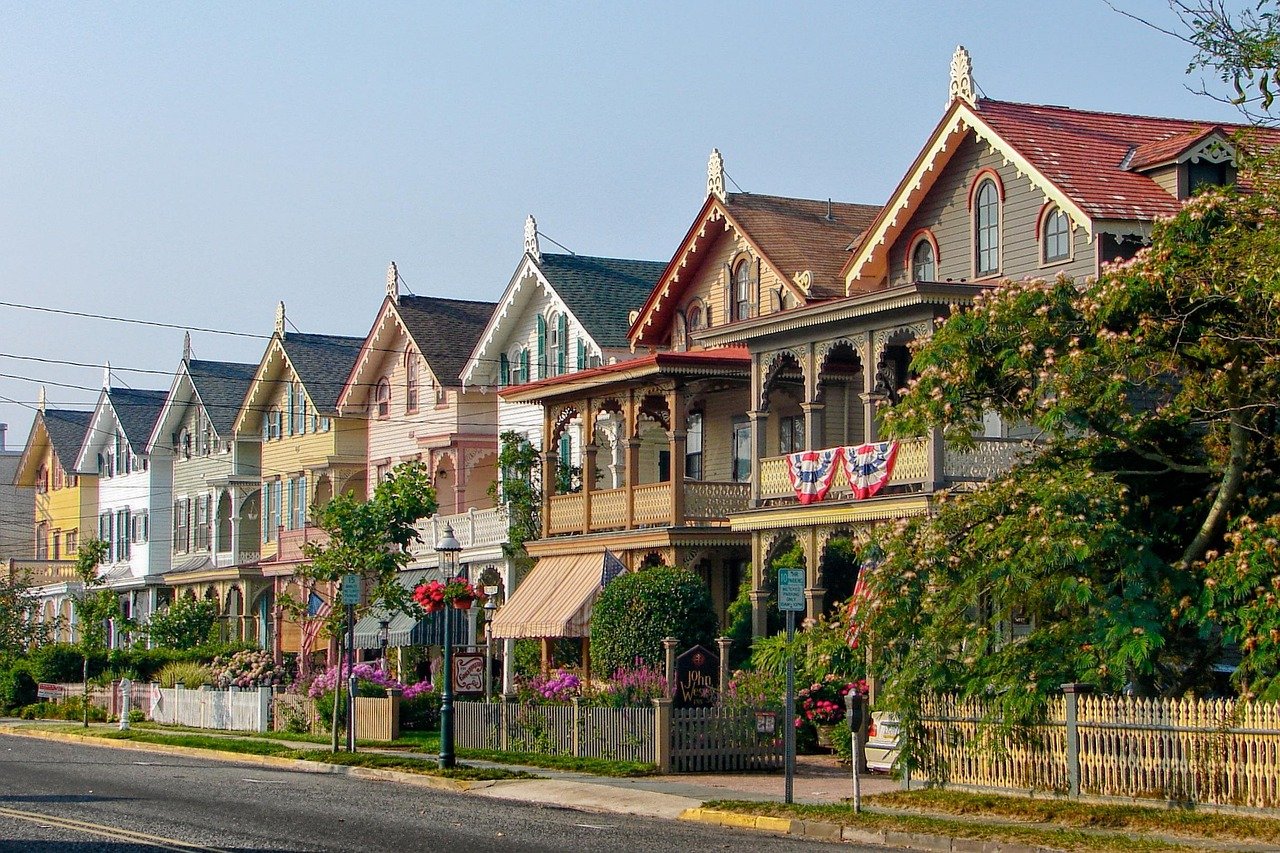
The historic heart of Cape May, this neighborhood is lined with elaborately restored Victorian mansions, gingerbread-trimmed cottages, and gas-lit streets that make it feel frozen in the 19th century. It is the defining reason Cape May earned National Historic Landmark status, and walking its blocks is like moving through a living architectural museum. Bed-and-breakfasts and boutique inns occupy many of the grandest homes, making it the most atmospheric place to stay in town.
This pedestrian-only corridor serves as the commercial and social hub of Cape May, lined with independent boutiques, galleries, ice cream shops, and restaurants. The car-free setting gives it a relaxed, unhurried energy that invites wandering, window shopping, and lingering over meals. It is the place locals and visitors alike gravitate toward on summer evenings.
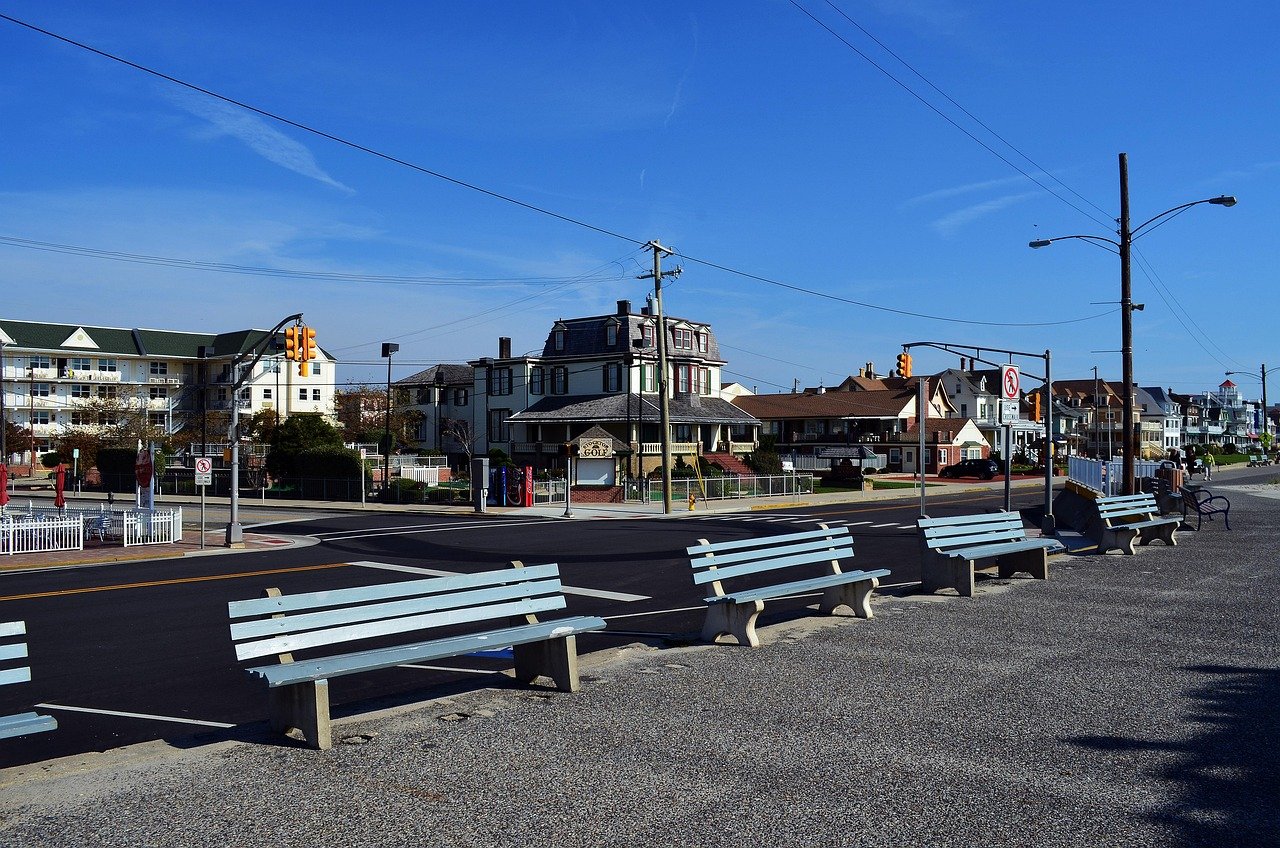
Cape May's two-mile beachfront promenade stretches along the Atlantic, drawing swimmers, cyclists, and strollers in equal measure. The wide, uncrowded beaches maintain a quieter character than much of the Jersey Shore, with Victorian rooftops visible just beyond the dunes. Beach tag booths, lifeguard stands, and a handful of concession stands keep the scene lively without overwhelming the natural setting.
A quieter residential borough just west of the main tourist district, West Cape May is known for its farm stands, pumpkin patches, and the Lima Bean Festival that celebrates the area's agricultural heritage. Tree-lined streets and modest historic homes give it a lived-in, unhurried character that contrasts pleasantly with the bustle of the beachfront. It is a favorite among repeat visitors who want to see a more local side of the Cape May peninsula.
The bay-facing western edge of the Cape May peninsula is best known for two things: world-class sunsets and extraordinary wildlife. Sunset Beach draws crowds each evening for its flag-lowering ceremony and views over the water, while nearby Higbee Beach and Cape May Point State Park are legendary among birders for migratory hawk watches and shorebird concentrations. This quieter, more nature-oriented side of Cape May rewards those willing to venture beyond the Atlantic beachfront.
Cape May draws travelers for experiences that exist nowhere else on the Eastern Seaboard, rooted in the city's Victorian heritage, its extraordinary position in the natural world, and its unhurried coastal character.
Victorian Architecture Immersion
Walking the gaslit streets of Cape May is the defining experience of the destination. The city's status as a National Historic Landmark is earned by block after block of intact 19th-century architecture: ornate mansions, painted cottages with lace-like woodwork, and wraparound porches that invite lingering. Guided tours led by the Mid-Atlantic Center for the Arts and Humanities bring the history of individual homes and families to life in ways that go far beyond a self-guided stroll.
World-Class Birding
Cape May is one of the most celebrated birding destinations in North America, and serious birders treat a visit here as a pilgrimage. The peninsula's geography creates a natural funnel for migratory species, concentrating hawks, shorebirds, warblers, and raptors in numbers that can be staggering during peak migration. The Cape May Bird Observatory draws naturalists from across the continent, and the autumn hawk watch at Cape May Point is a spectacle unlike anything else on the East Coast.
Sunset Watching on Delaware Bay
The Delaware Bay shore offers one of the great sunset experiences on the East Coast. With an unobstructed western horizon over open water, the light shows here are legendary among repeat visitors. Sunset Beach, near Cape May Point, also hosts a daily flag ceremony and is known for "Cape May Diamonds" - naturally polished quartz crystals that wash ashore from the Delaware River.
Staying in a Victorian Bed-and-Breakfast
The bed-and-breakfast is not just an accommodation option in Cape May - it is part of the experience itself. The city has one of the highest concentrations of historic B&Bs in the country, many housed in authentically restored Victorian homes. Staying in one, complete with period furnishings, wraparound porches, and multi-course breakfasts, is central to what makes Cape May feel unlike any other beach destination.
Cape May offers a rich mix of activities that reward every kind of traveler, from beach lovers and history buffs to nature enthusiasts and food explorers.
Outdoor Recreation
The two-mile beachfront promenade is the social spine of Cape May, drawing swimmers, joggers, cyclists, and families throughout the warmer months. The Delaware Bay side of the peninsula offers calmer waters and uncrowded shores, ideal for kayaking, paddleboarding, and some of the most vivid sunsets on the East Coast. Cape May Point State Park provides trails through coastal wetlands and dunes, with access to the historic Cape May Lighthouse.
Cultural Attractions
Cape May is a National Historic Landmark, home to the largest concentration of intact Victorian architecture in the United States. Guided walking tours and trolley tours wind through neighborhoods of gingerbread-trimmed cottages and ornate mansions. The Emlen Physick Estate, the only Victorian house museum in Cape May, offers a window into 19th-century coastal life.
Scenic Exploration
The Cape May-Lewes Ferry crossing Delaware Bay delivers sweeping open-water views and frequent dolphin sightings. Cape May Point, at the very tip of the peninsula, is a contemplative spot where the Atlantic and the Bay converge. The surrounding county farmland and nature preserves offer scenic drives and cycling routes through a working agricultural landscape.
Arts and Entertainment
Washington Street Mall anchors the downtown arts scene with independent galleries, boutique shops, and live music venues. The Cape May Stage and East Lynne Theater Company bring professional theater productions to the city year-round.
Food and Dining
Cape May's dining scene leans heavily into fresh Atlantic seafood and farm-to-table sourcing from nearby Cape May County farms. The city supports a strong independent restaurant culture, with options ranging from casual crab shacks to refined coastal cuisine.
Start the morning with a stroll along the Cape May promenade, taking in the Atlantic views and the iconic Victorian streetscapes. Head inland to explore Washington Street Mall for lunch at one of the fresh seafood spots. In the afternoon, join a guided Victorian architecture walking tour through the historic district. End the evening with sunset views from Sunset Beach on the Delaware Bay side.

Dedicate the morning to world-class birding at Cape May Point State Park, where the peninsula's natural funnel draws remarkable migratory species. Stop by the Cape May Bird Observatory for maps and insight from local experts. After lunch at a Washington Street cafe, spend the afternoon at the beach swimming or relaxing. In the evening, dine at a farm-to-table restaurant drawing from Cape May County's local farmland.
Spend the morning exploring Cape May's independent boutiques and art galleries along Washington Street Mall, picking up locally made souvenirs. After lunch, climb the Cape May Lighthouse for panoramic views of the coastline and Delaware Bay. In the late afternoon, take a leisurely bike ride along the promenade. Wrap up your visit with a sunset dinner at a waterfront seafood restaurant before heading home.
Cape May's calendar moves to a rhythm shaped by its Victorian heritage, coastal setting, and deep-rooted community traditions. Spring opens with the Cape May Music Festival, bringing chamber performances and concerts to historic venues across town, a fitting backdrop for a city whose architecture already feels like a stage set. As winter thaws, the Singer-Songwriter Conference and Showcase draws emerging artists for an intimate gathering that reflects the town's quieter, creative side.
Cape May's dining scene is rooted in the sea. The city sits at the convergence of the Atlantic Ocean and Delaware Bay, and that geography shapes nearly every menu in town. Fresh-caught blue claw crab, Cape May salt oysters, sea bass, and locally harvested clams are staples, prepared simply in some spots and with refined technique in others. The oysters in particular have earned a devoted following, cultivated in the cold, clean waters of Delaware Bay and served raw at waterfront bars and upscale dining rooms alike.
The Garden State Parkway southbound to Exit 0
is the primary driving route into Cape May from New York City and Philadelphia, with the full trip running roughly two and a half to three hours depending on traffic and your origin point.
Atlantic City International Airport (ACY) in Egg Harbor Township
is the closest commercial airport to Cape May, about 50 miles north, with rental cars available on-site for the roughly one-hour drive south on the Parkway.
Philadelphia International Airport (PHL)
is a larger hub about 90 miles from Cape May and offers significantly more flight options, with rental cars and rideshare available for the approximately 90-minute drive.
New Jersey Transit bus service connects Cape May to Atlantic City
where riders can transfer to broader regional routes, making car-free travel possible though less convenient than driving for most visitors.
The Cape May-Lewes Ferry crosses Delaware Bay from Lewes, Delaware
offering a scenic 85-minute alternative for travelers coming from the Delmarva Peninsula or the Mid-Atlantic who want to avoid routing through the Philadelphia metro area.
The Washington Street Mall and Victorian Historic District are fully walkable
so most visitors staying centrally can reach beaches, restaurants, and shops on foot without ever needing a car during their stay.
Bike rentals from shops along Beach Avenue and in the historic district
are available by the hour or day and are one of the best ways to cover the two-mile beachfront promenade and explore the quieter residential streets at your own pace.
Cape May Point State Park and the Delaware Bay beaches
are a short drive or rideshare ride from the town center, making a car useful if you plan to explore beyond the main historic and beachfront areas.
Parking in the historic core fills quickly on summer weekends
so using one of the municipal lots on the periphery of the district and walking in saves significant time and frustration during peak season.
Book accommodations as early as possible for summer weekends and the fall migration season (September through November): Cape May's bed-and-breakfasts and inns are small and fill fast, and last-minute options are limited. Many B&Bs have minimum stay requirements on peak weekends. Beach tags are required for ocean swimming from late June through Labor Day and can be purchased at the beach entrances or at City Hall. Tipping follows standard U.S. norms: 18 to 20 percent at restaurants, a few dollars for inn staff. The town is generally very safe, but parking enforcement is active in summer, so read signs carefully. Bring cash for some of the smaller vendors at the Washington Street Mall. Cell service is reliable throughout town. The Cape May Bird Observatory's website is a useful resource for checking migration conditions and event schedules before and during your visit.
Two to three days is the sweet spot for Cape May. That gives you time to walk the Victorian Historic District, spend a day on the beach or promenade, explore Washington Street Mall, and catch a sunset over Delaware Bay. Birders or those who want a slower, more immersive stay may want to extend to four or five days.
Cape May is best known for three things: its extraordinary Victorian architecture, its beaches, and its world-class birding. It holds the largest concentration of intact Victorian buildings in the United States and is a National Historic Landmark. Its position at the tip of a peninsula also makes it one of North America's premier migratory bird watching destinations.
Yes, Cape May is an excellent weekend destination, especially from Philadelphia, New York, or Washington D.C. A two-night stay is enough to cover the Victorian streetscapes, the beach, and a meal or two focused on local seafood. It is a popular romantic getaway precisely because it delivers a complete, unhurried experience in a short window.
Cape May sits on the pricier end of New Jersey shore destinations. Bed-and-breakfasts and boutique inns command premium rates, especially in summer. Dining leans toward fresh seafood and farm-to-table restaurants, which adds up. Shoulder seasons like spring and fall offer noticeably lower accommodation rates while still delivering most of what makes the town special.
Late spring (May to early June) and early fall (September to October) are the best times to visit. Summer brings peak crowds and prices, while the shoulder seasons offer comfortable weather, fewer visitors, and the added bonus of spectacular bird migrations.