
Baltimore, MD
A Journey guide to
Albuquerque is New Mexico's largest city, built along the Rio Grande at the foot of the Sandia Mountains and steeped in a cultural identity that is uniquely its own. The city sits at the crossroads of ancient Pueblo civilization, Spanish colonial history, and the storied American Southwest. That layering of cultures, visible in its architecture, cuisine, and art, gives Albuquerque a depth that rewards curious travelers willing to look beyond the surface.
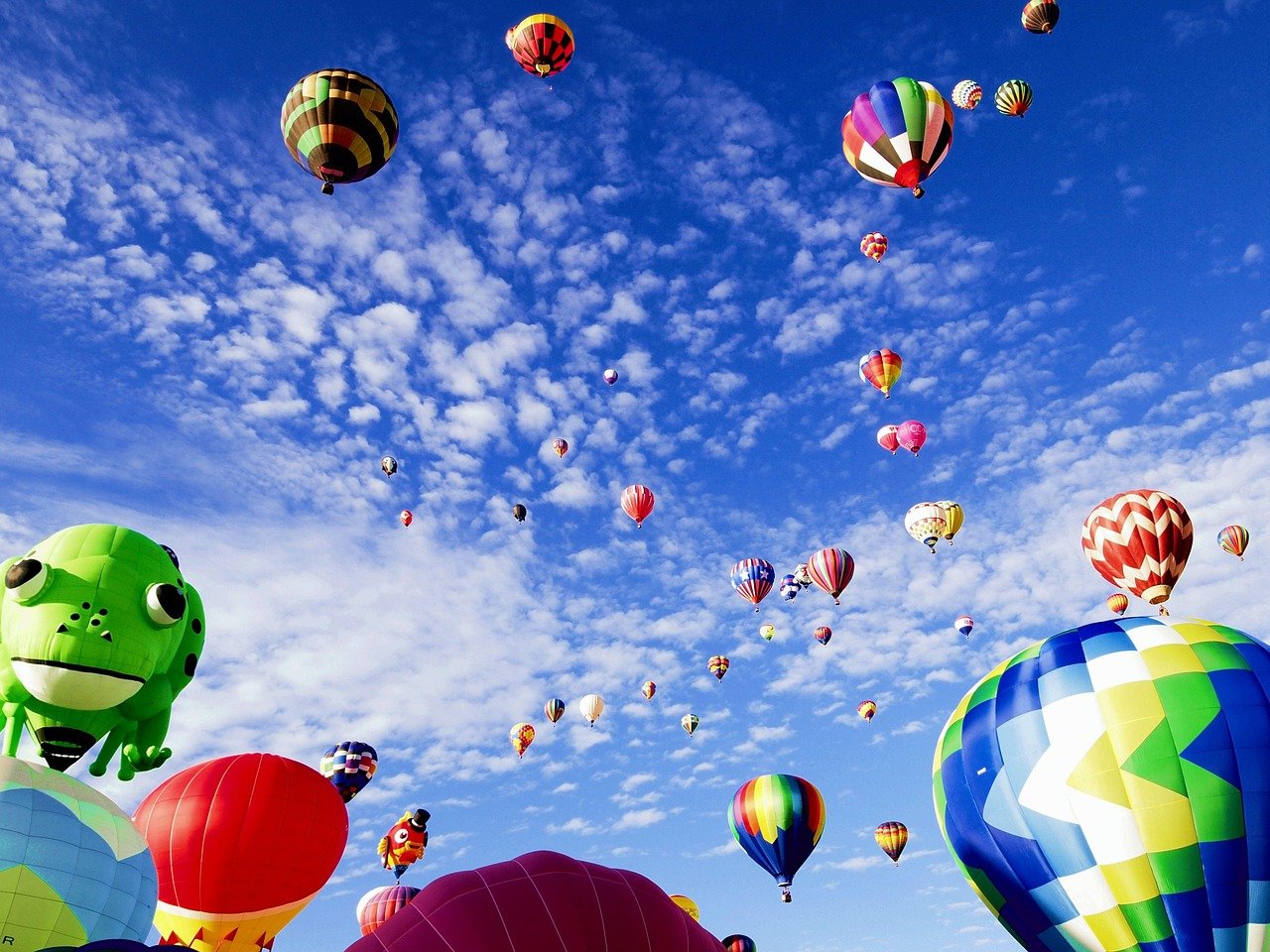
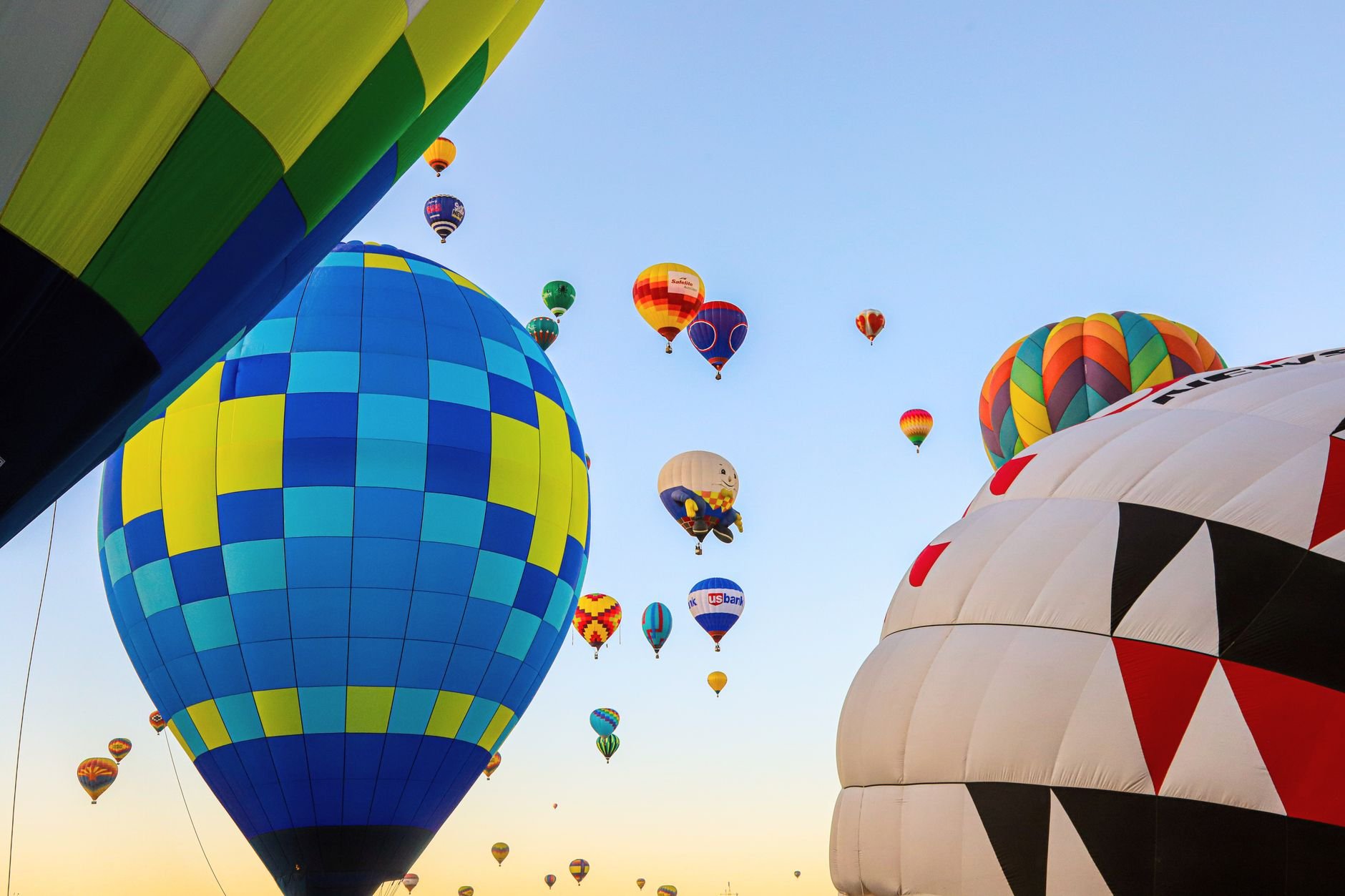
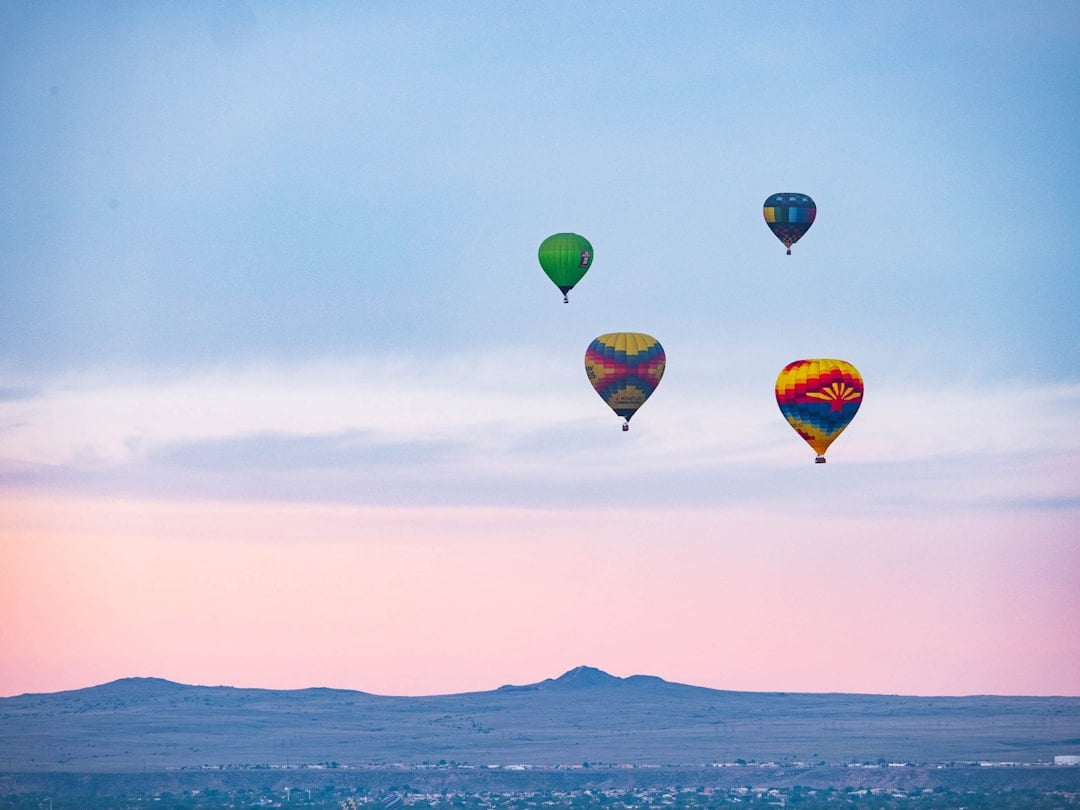
The city is perhaps most famous globally for the Albuquerque International Balloon Fiesta, the world's largest hot air balloon event, held each October. But balloons are not just a festival novelty here. The unique meteorological phenomenon known as the "Albuquerque Box" makes the Rio Grande valley one of the finest ballooning corridors on the planet, and flights operate year-round. The sky above Albuquerque is, in many ways, the city's signature canvas.
Old Town Albuquerque anchors the city's historic identity, with its 18th-century plaza, adobe churches, and galleries selling authentic Native American and Hispanic art. The nearby Indian Pueblo Cultural Center offers one of the most substantive introductions to New Mexico's 19 Pueblo nations found anywhere in the state. Route 66, which runs directly through the heart of the city along Central Avenue, adds a layer of mid-century American nostalgia, lined with neon signs, retro diners, and independent motels.
Albuquerque draws outdoor adventurers, cultural travelers, and culinary explorers in equal measure. The Sandia Peak Tramway, one of the world's longest aerial trams, rises from the city's eastern edge to over 10,000 feet, opening access to hiking and mountain biking terrain that feels worlds away from the urban grid below. The local food scene, anchored by New Mexican cuisine and the eternal debate of red versus green chile, is a destination in itself.
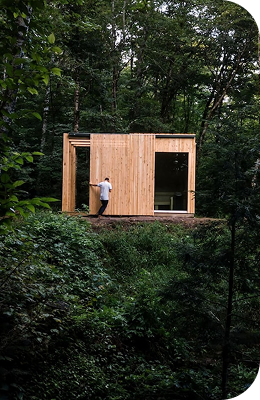

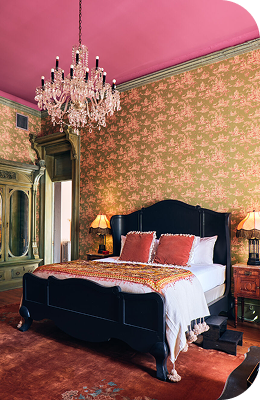

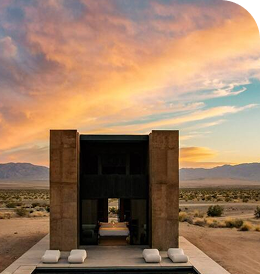

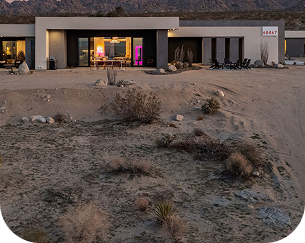

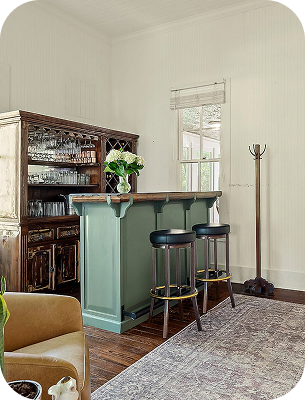

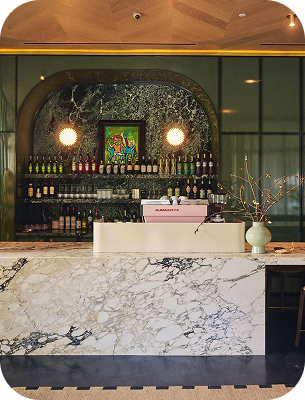












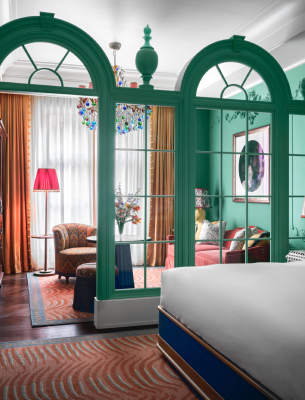
Journey connects travelers to a curated network of boutique hotels and distinctive residences around the world, all united under one rewards program. Explore handpicked stays for your trip while earning points, unlocking exclusive offers, and receiving rewards across the Journey collection.
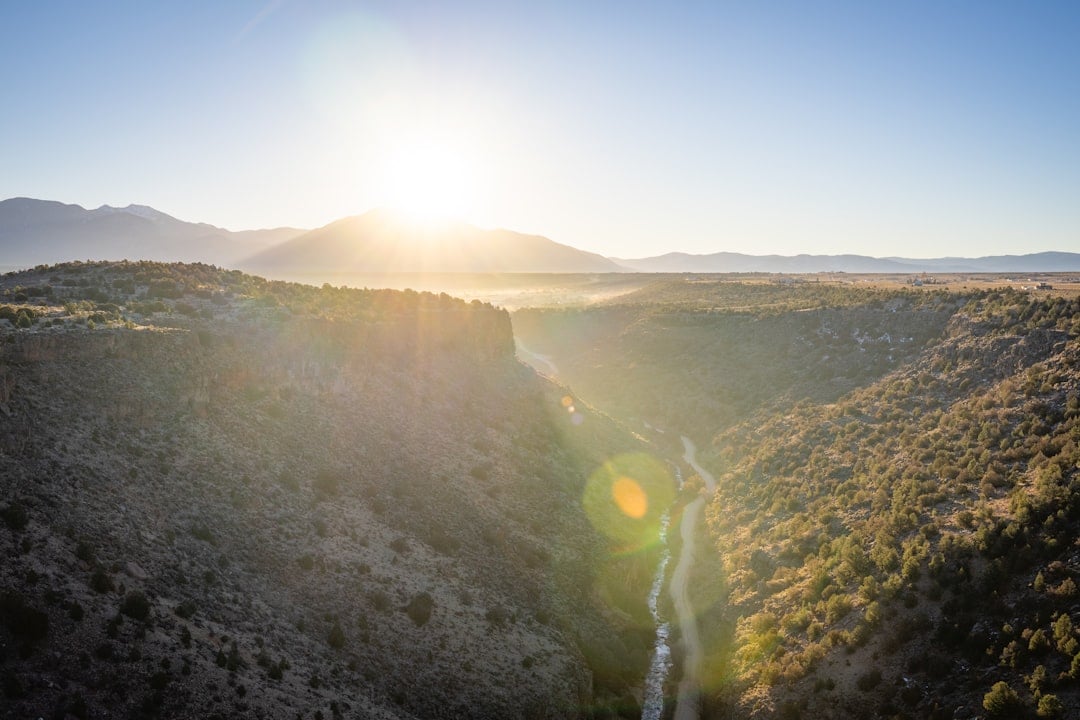
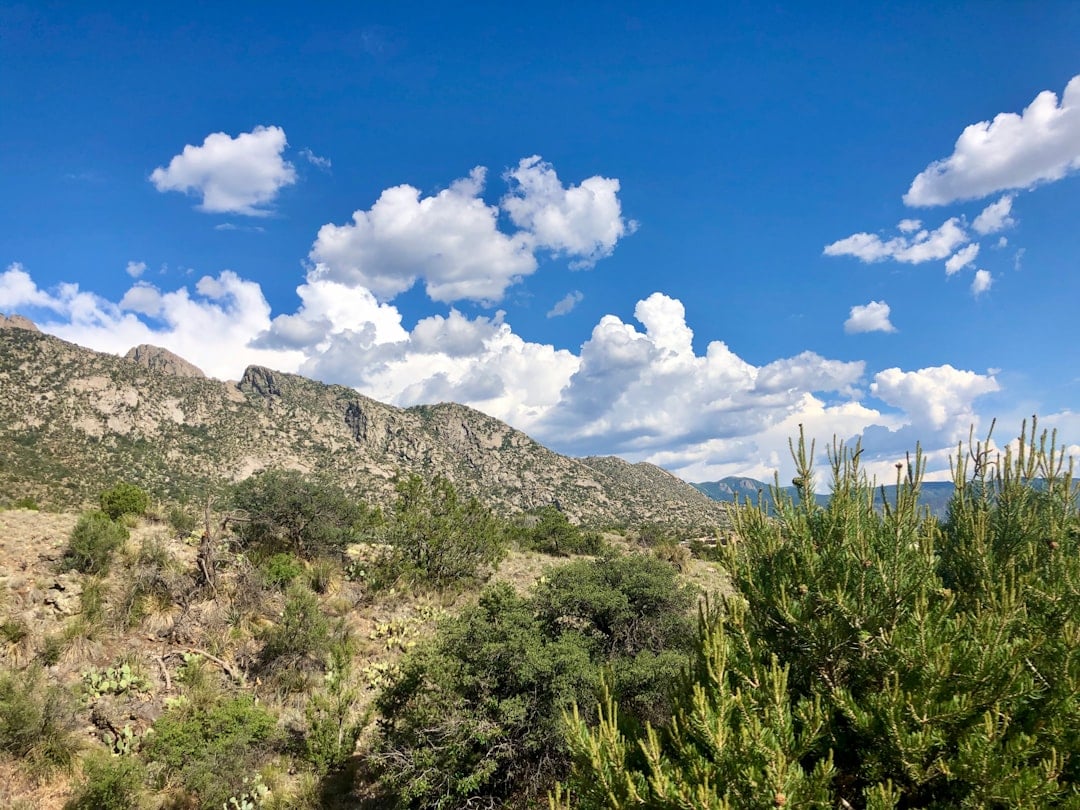
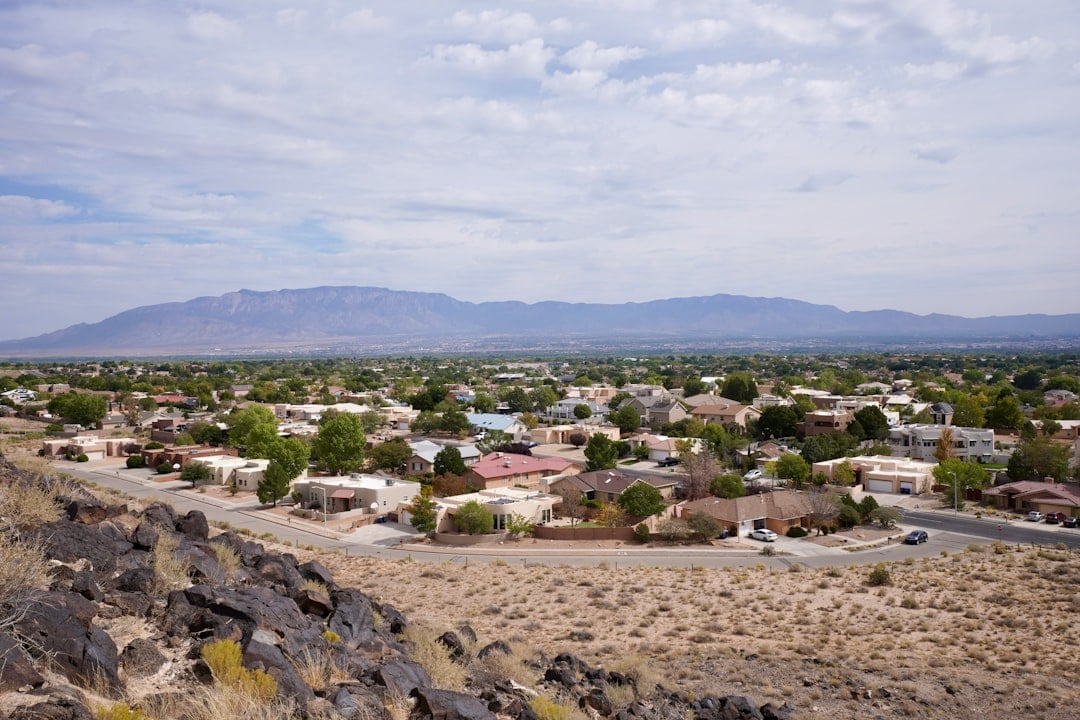
Albuquerque occupies a broad, sun-drenched valley along the middle Rio Grande, flanked to the east by the Sandia Mountains and to the west by the West Mesa volcanic escarpment. At roughly 5,300 feet above sea level, the city sits high on the Colorado Plateau, giving it a clarity of light and a scale of landscape that defines daily life and shapes the character of the place.
The city's history stretches back millennia. The Rio Grande corridor supported Ancestral Puebloan communities for thousands of years, and the descendants of those communities, the Pueblo peoples, remain a living and vital presence in the region today. Spanish colonizers established the Villa de Alburquerque in 1706, naming it after the Duke of Alburquerque. That colonial foundation is still visible in the street grid of Old Town and in the Church of San Felipe de Neri, which has stood on the plaza since 1793.
The arrival of the Atchison, Topeka and Santa Fe Railway in 1880 shifted the city's center of gravity eastward and launched a period of rapid growth. Later, Route 66 brought a new wave of travelers and commerce through the city's core, cementing Albuquerque's role as a crossroads of the American West. That identity as a place of passage and convergence remains central to how the city understands itself.
Today, Albuquerque is a city of roughly 565,000 people, home to the University of New Mexico, Kirtland Air Force Base, and Sandia National Laboratories, giving it an economic base that blends government, research, and education. The arts scene is robust, with the Albuquerque Museum, the National Hispanic Cultural Center, and a thriving gallery district anchoring a creative community that draws from both Indigenous and Hispanic traditions.
For travelers, Albuquerque offers an authenticity that is increasingly rare. It is not a city that has been polished for tourism. Its neighborhoods, its food, and its culture reflect the lives of the people who actually live here, making it one of the American Southwest's most genuinely rewarding destinations.
October is the undisputed peak of the Albuquerque calendar, anchored by the International Balloon Fiesta in the first two weeks of the month. The skies fill with hundreds of hot air balloons at dawn, the cottonwoods along the Rio Grande blaze gold, and the city hums with energy. Book accommodations months in advance if your trip falls during Fiesta week, as the entire metro area fills quickly. Shoulder periods on either side of the Fiesta, late September and mid-to-late October, offer the same gorgeous fall conditions with noticeably thinner crowds and easier access to lodging.
Spring, particularly April and May, is a strong choice for outdoor-focused travelers. Hiking trails in the Sandia Mountains and Petroglyph National Monument are accessible and uncrowded before summer heat arrives. Wind is the main trade-off, but the desert is alive with color and the balloon flights that operate year-round are especially scenic against clear blue skies.
Summer draws visitors willing to work around the midday heat by starting activities early. The Sandia Peak Tramway becomes a popular escape, lifting visitors to cool mountain air above the city. The monsoon season, which typically runs from July through September, adds a dramatic atmospheric quality to the landscape and brings afternoon storms that clear by evening. Cultural events and outdoor concerts remain active through the summer months.
Winter is the quietest season for tourism, making it ideal for travelers who prefer uncrowded museums, galleries, and Old Town without the bustle. The Indian Pueblo Cultural Center and the city's many art institutions are easy to explore at a relaxed pace. Skiing at Sandia Peak is an added draw for winter visitors, accessible directly from the city via the tramway.
The historic heart of the city, Old Town is a sun-warmed plaza ringed by adobe buildings dating to the early 18th century. Galleries selling authentic Native American and Hispanic art line the narrow streets alongside the San Felipe de Neri Church, one of New Mexico's oldest. The atmosphere is unhurried and deeply rooted, drawing visitors who want to understand where Albuquerque began.
Straddling Route 66 along Central Avenue, Nob Hill is Albuquerque's most walkable and eclectic neighborhood, mixing mid-century architecture with independent boutiques, coffee shops, and some of the city's most celebrated restaurants. The district has a youthful, creative energy fueled by its proximity to the University of New Mexico. Neon signage and colorful murals give the streetscape a vivid, distinctly Southwestern personality.
Downtown serves as the city's civic and entertainment core, anchored by the KiMo Theatre, a striking example of Pueblo Deco architecture, and a growing arts and nightlife scene. The area hosts live music venues, craft cocktail bars, and galleries that reflect Albuquerque's evolving creative identity. On weekends, the streets come alive with food trucks, farmers markets, and community events.
One of Albuquerque's oldest neighborhoods, Barelas sits just south of Downtown along the Rio Grande and carries a proud Hispanic heritage visible in its murals, community gardens, and family-owned restaurants. The National Hispanic Cultural Center, located here, is a world-class institution celebrating the art and history of Hispanic cultures across the Americas. The neighborhood feels authentic and lived-in, far from the tourist circuit.
Tucked along the Rio Grande bosque, the North Valley is a quieter, greener side of Albuquerque defined by cottonwood-lined trails, historic farmland, and a relaxed rural character that feels surprising this close to the city center. The area is beloved by cyclists, birdwatchers, and anyone seeking the pastoral landscapes that have defined the Rio Grande corridor for centuries. Small farms, equestrian properties, and adobe homes give the North Valley an unhurried charm all its own.
Albuquerque is defined by a handful of experiences so specific to this place that they are reason enough to make the trip.
Hot Air Ballooning over the Rio Grande
The Albuquerque Box is a rare meteorological phenomenon in which wind currents at different altitudes move in opposite directions, allowing balloon pilots to navigate with extraordinary precision over the Rio Grande valley. This makes Albuquerque one of the premier ballooning destinations on earth. Sunrise flights are available year-round, drifting over the cottonwood bosque and the city's sprawling grid with the Sandia Mountains glowing pink in the early light. In October, the Albuquerque International Balloon Fiesta transforms the sky into one of the most visually spectacular events in the world, with hundreds of balloons launching simultaneously in the Mass Ascension.
Riding the Sandia Peak Tramway
One of the longest aerial tramways in the world, the Sandia Peak Tramway covers nearly three miles from the desert floor to the crest of the Sandia Mountains at 10,378 feet. The ride itself is the experience: the terrain transitions from high desert scrub to alpine forest in under 15 minutes, and the views from the top encompass an estimated 11,000 square miles. At the summit, Sandia Crest offers hiking trails, a visitor center, and a restaurant perched at the edge of the mountain.
Exploring Old Town and Pueblo Culture
Walking Old Town Albuquerque and visiting the Indian Pueblo Cultural Center together form an experience that is irreplaceable. The adobe architecture, the hand-crafted jewelry sold under portal arcades, the scent of roasting chile, and the living traditions of the Pueblo peoples create a cultural encounter that is specific to New Mexico and most fully realized in Albuquerque. Traditional dance performances at the Cultural Center offer a direct connection to traditions that predate the city by centuries.
Albuquerque offers a compelling range of activities that blend outdoor adventure, deep cultural heritage, and a vibrant local food and arts scene — all set against the dramatic backdrop of the Sandia Mountains and the Rio Grande valley.
Outdoor Recreation
The natural landscape around Albuquerque is a playground for hikers, cyclists, and trail runners. The Sandia Mountains provide immediate access to dozens of trails ranging from gentle foothills walks to challenging summit routes. The Paseo del Bosque Trail follows the Rio Grande through a cottonwood forest, offering flat, scenic riding and walking year-round. Rock climbing, mountain biking, and wildlife watching round out the outdoor options.
Cultural Attractions
Albuquerque's cultural identity runs deep. Old Town, the city's historic core, is built around a Spanish colonial plaza dating to 1706 and is home to the San Felipe de Neri Church, galleries, and artisan shops. The Indian Pueblo Cultural Center provides an authoritative and moving introduction to New Mexico's 19 Pueblo nations, with rotating exhibitions, traditional dance performances, and a restaurant serving indigenous cuisine.
Scenic Exploration
The Sandia Peak Tramway lifts visitors nearly 4,000 vertical feet from the city's eastern edge to a summit exceeding 10,000 feet, with panoramic views stretching across the Rio Grande valley and beyond. Route 66 along Central Avenue rewards slow exploration, with vintage neon signs, retro architecture, and independent businesses that preserve the spirit of mid-century American road culture.
Arts and Entertainment
The Albuquerque Museum, the New Mexico Museum of Natural History and Science, and the National Hispanic Cultural Center anchor a strong museum scene. The Nob Hill neighborhood is a hub for independent galleries, live music venues, and boutique shops. The KiMo Theatre, a striking Pueblo Deco landmark from 1927, hosts live performances throughout the year.
Food and Dining
New Mexican cuisine is its own culinary tradition, and Albuquerque is its most accessible showcase. Green and red chile sauces appear on everything from breakfast burritos to enchiladas. The city's dining scene ranges from longtime neighborhood institutions to a growing roster of chef-driven restaurants exploring the region's agricultural heritage.
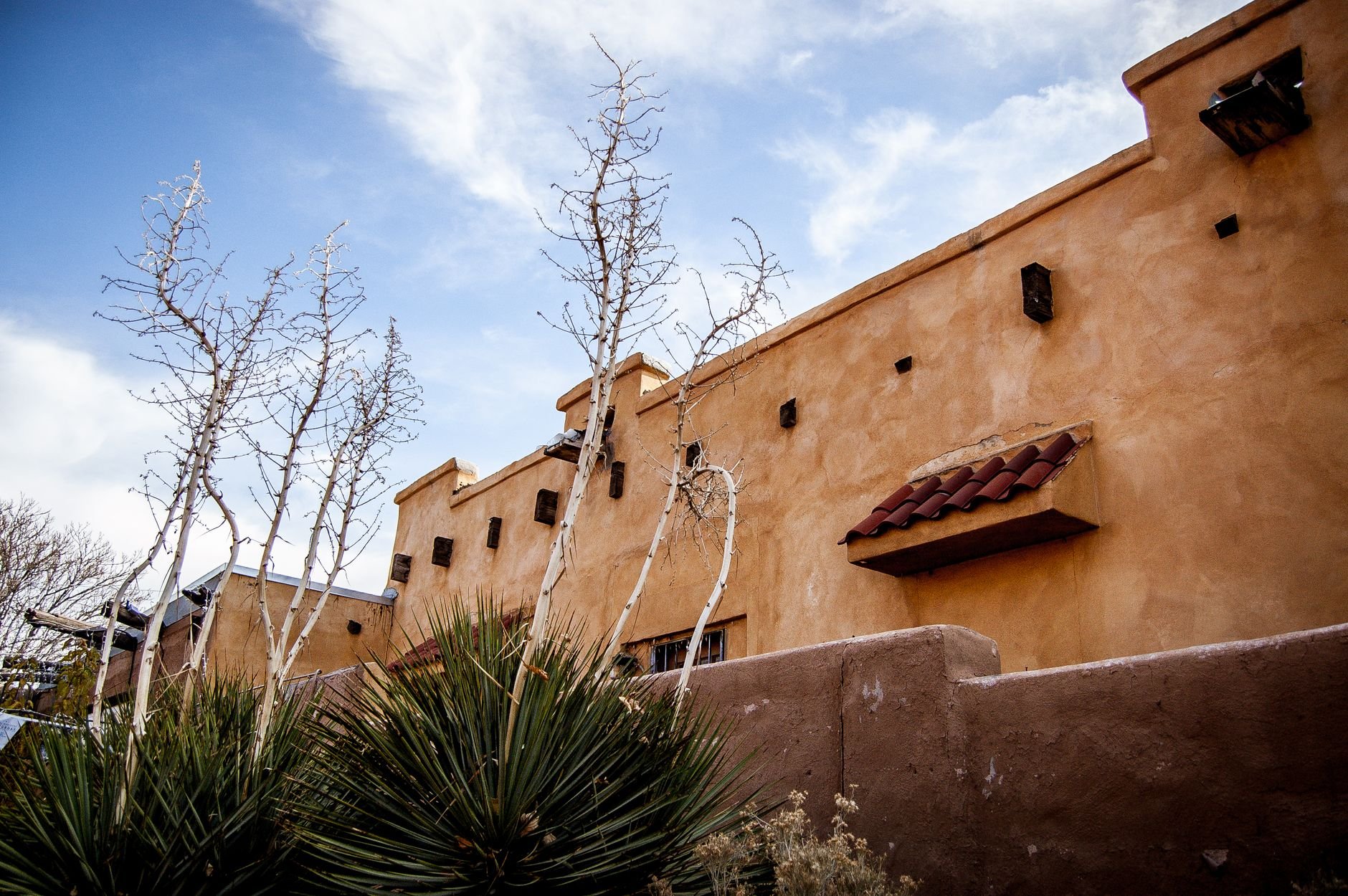
Start in Old Town Albuquerque: explore the 18th-century plaza, San Felipe de Neri Church, and browse galleries featuring Native American and Hispanic art. Head to the Indian Pueblo Cultural Center for an afternoon deep dive into the history of New Mexico's 19 Pueblo nations. End the evening on Central Avenue (Route 66) with dinner at a classic New Mexican restaurant and a stroll past the iconic neon signs.
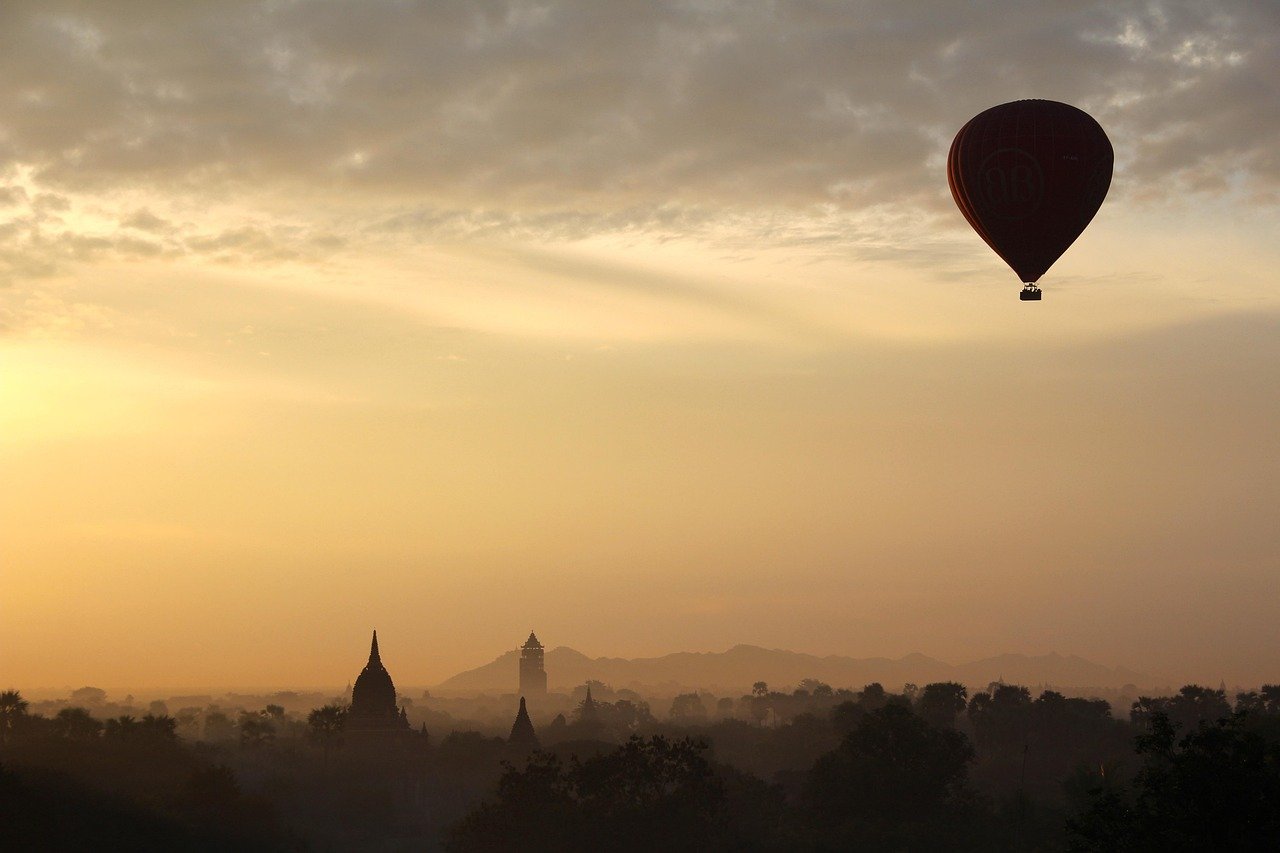
Rise early for a sunrise hot air balloon flight over the Rio Grande valley, taking advantage of the famous Albuquerque Box wind phenomenon. After landing, fuel up with green chile breakfast burritos at a local spot. In the afternoon, board the Sandia Peak Tramway for a ride to 10,378 feet and hike the ridgeline trails with sweeping views of the city and high desert below. Return to town for a relaxed dinner in Nob Hill.
Spend the morning at the Albuquerque Museum for art and history exhibits, then walk through the nearby Barelas neighborhood to see murals and local culture. After lunch, visit the ABQ BioPark Botanic Garden or explore Petroglyph National Monument, where thousands of ancient rock carvings line volcanic basalt. Wrap up the trip with a farewell dinner featuring New Mexico red chile at a beloved local restaurant near downtown.
Albuquerque pulses with cultural energy across all four seasons, shaped by its Pueblo heritage, Spanish colonial roots, and deep connection to the Southwest landscape. Spring opens with the Gathering of Nations Powwow, one of the largest Indigenous gatherings in North America, drawing dancers, drummers, and artisans from hundreds of tribes. Summer brings outdoor music, wine festivals, and long evenings perfect for exploring Old Town and the banks of the Rio Grande. Fall is the city's most celebrated season — the air cools, the cottonwoods turn gold, and the skies fill with color during the Albuquerque International Balloon Fiesta, the world's largest hot air balloon event. The New Mexico State Fair also anchors late summer and early fall, blending rodeo, live music, and the flavors of New Mexican cuisine. As winter arrives, the city quiets into a warm, festive rhythm marked by traditional farolito luminaria walks and holiday performances.

Nov 27, 2026
Sep 11, 2026
Oct 1, 2026

Jun 13, 2026
Albuquerque's culinary identity is inseparable from New Mexico's most beloved ingredient: chile. The city sits at the heart of a regional food tradition unlike anything else in the United States, where the first question at nearly every restaurant is "red or green?" - a reference to which chile sauce you want on your plate. Locals take this choice seriously, and the answer "Christmas" (both red and green) is always an option.
Albuquerque International Sunport (ABQ) is the city's main airport
located just 5 miles southeast of Downtown, with direct flights from major hubs including Dallas, Los Angeles, Denver, and Phoenix, plus rideshare, taxis, and rental cars available on arrival.
I-40 and I-25 intersect directly in Albuquerque
making the city an easy drive from Amarillo (approximately 6 hours), Phoenix (approximately 5 hours), and Denver (approximately 6.5 hours), with well-maintained highways and scenic high-desert scenery along the way.
Santa Fe is just 60 miles north on I-25
making it a natural add-on for visitors renting a car, with a drive time of under an hour and no tolls between the two cities.
Amtrak's Southwest Chief stops daily at Albuquerque's historic downtown station
connecting the city to Los Angeles to the west and Chicago to the east, with the station located walkable distance from Old Town and Central Avenue.
Greyhound and Flixbus both serve Albuquerque
with routes connecting to El Paso, Tucson, Denver, and other regional cities, offering a budget-friendly option for travelers without a car.
Old Town Albuquerque's plaza and surrounding adobe streets are best explored on foot
with galleries, the San Felipe de Neri Church, and the nearby Indian Pueblo Cultural Center all within a short walk of each other.
The ABQ Ride Rapid Ride Red Line runs the length of Central Avenue
connecting Downtown, the University of New Mexico campus, and Nob Hill, making it a useful and inexpensive option for visitors staying along the Route 66 corridor.
Nob Hill's stretch of Central Avenue between Girard and Washington is compact and walkable
with independent restaurants, coffee shops, and boutiques clustered close together, making it easy to spend several hours without needing a car.
Uber and Lyft operate reliably across Albuquerque
and are the easiest option for trips between neighborhoods like Old Town, Uptown, and the Sandia Foothills, where bus connections are less direct.
During Balloon Fiesta week in early October, traffic around Balloon Fiesta Park becomes heavily congested
so the city runs dedicated park-and-ride shuttle services from remote lots that are faster and less stressful than driving directly to the launch field.
Altitude is the first thing to account for: Albuquerque sits at 5,312 feet, and the Sandia Peak Tramway tops out above 10,000 feet. Drink extra water, limit alcohol on your first day, and apply sunscreen even when it feels cool. The sun at elevation is intense year-round.
New Mexican cuisine runs on chile, and locals take the red-versus-green question seriously. When asked, "Christmas" means both on the same plate, which is always a safe answer. Cash is useful at smaller Old Town galleries and local markets, though cards are accepted nearly everywhere.
Book the Sandia Peak Tramway and any hot air balloon flights in advance, especially on weekends and during October. The Balloon Fiesta requires separate ticketing purchased well ahead of the event. Uber and Lyft work well in the city, but response times can slow during major events. The DPS Traveler app is useful for real-time road conditions if you are driving into the mountains.
Three to four days is a comfortable amount of time to explore Albuquerque. That gives you time to visit Old Town, the Indian Pueblo Cultural Center, and the Sandia Peak Tramway, plus a half-day for a hot air balloon flight. If you plan to use the city as a base for day trips into New Mexico, budget an extra day or two.
Albuquerque is best known for the Albuquerque International Balloon Fiesta, the world's largest hot air balloon event held each October. The city is also recognized for its deep Pueblo and Spanish colonial heritage, Route 66 history along Central Avenue, the Sandia Peak Tramway, and New Mexican cuisine centered on the red versus green chile debate.
Yes, Albuquerque works well as a weekend trip, especially from nearby cities like Santa Fe, El Paso, or Phoenix. In two days you can cover Old Town, a tram ride up Sandia Peak, and the Indian Pueblo Cultural Center. A balloon flight is best added if you have a third day, as flights operate early in the morning.
Albuquerque is relatively affordable compared to most major American cities. Accommodation, dining, and attractions are reasonably priced. A hot air balloon flight is the biggest splurge, typically running $150 to $250 per person. New Mexican food at local spots is inexpensive, and many cultural attractions, including several museums, offer low or free admission.
Spring (April to May) and fall (September to October) offer the most pleasant weather, with mild temperatures and clear skies. October is peak season due to the Balloon Fiesta, so book well in advance if visiting then.