
Baltimore, MD
A Journey guide to
Asheville is the cultural and culinary capital of the Southern Appalachians, a city that has built an outsized reputation on creativity, craft, and a deep connection to the surrounding Blue Ridge Mountains. It draws artists, chefs, brewers, hikers, and architecture enthusiasts in equal measure, offering an experience that feels genuinely unlike anywhere else in the American South.
The food scene here is extraordinary for a city of its size. Asheville consistently ranks among the top dining destinations in the United States, with an emphasis on locally sourced, chef-driven cuisine that reflects Appalachian heritage through a modern lens. The city also claims one of the highest concentrations of craft breweries per capita in the country, making it a pilgrimage destination for beer lovers.
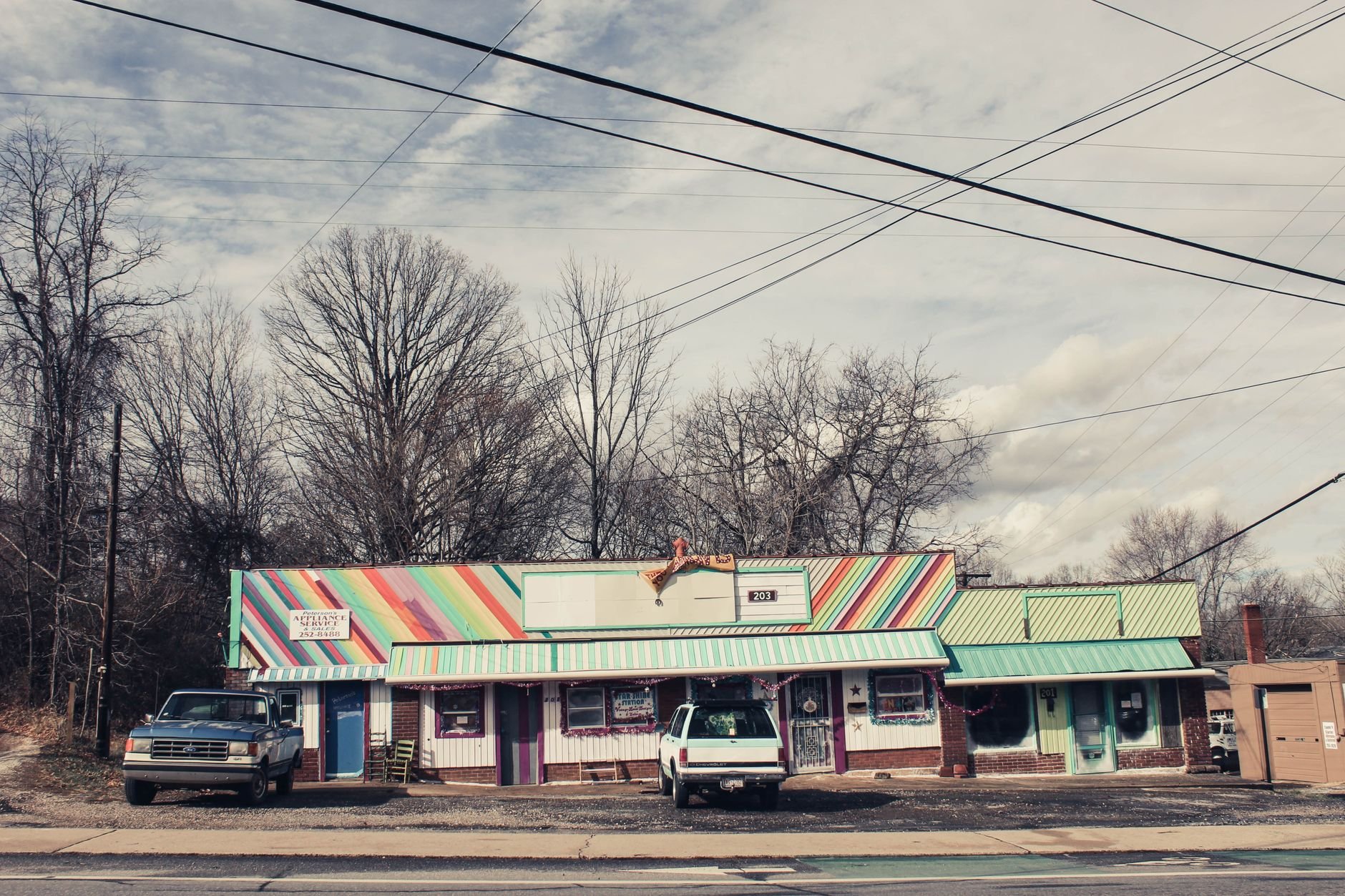
Asheville's arts identity is woven into its physical fabric. The River Arts District stretches along the French Broad River and houses hundreds of working artists in repurposed industrial buildings, while the downtown core is dense with galleries, independent boutiques, and live music venues. The city's Art Deco and Beaux-Arts architecture, largely preserved from a 1920s building boom, gives the streetscape a distinctive and photogenic character.
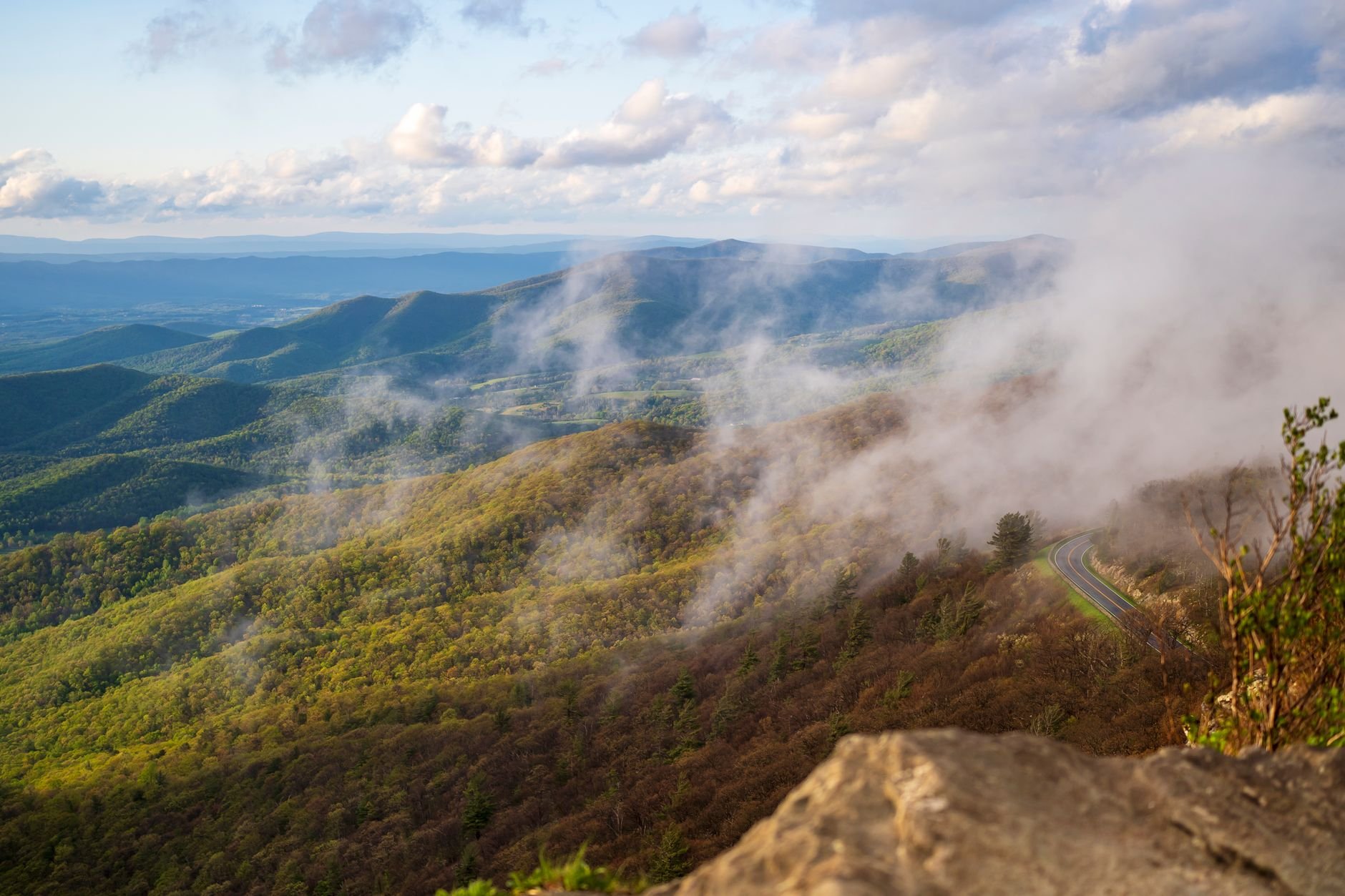
Outdoor access is immediate and exceptional. The Blue Ridge Parkway runs directly through the area, offering iconic drives and trailheads, while the surrounding national forests and state parks provide world-class hiking, mountain biking, fly fishing, and whitewater paddling. Asheville attracts the adventurous and the artistic alike, making it one of the most versatile mountain destinations in the eastern United States.
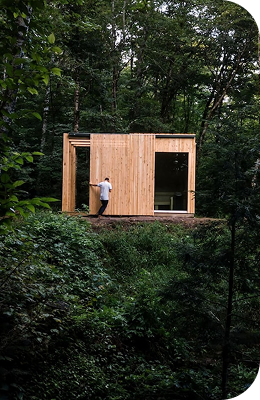

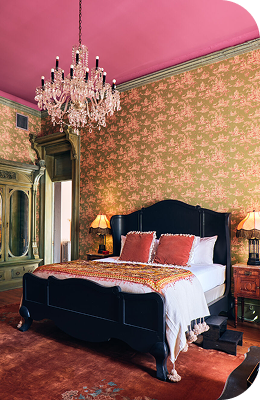

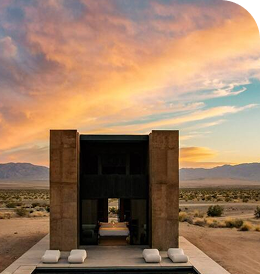

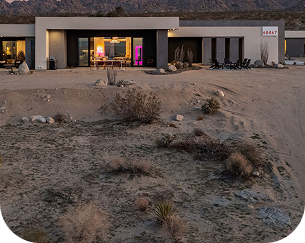

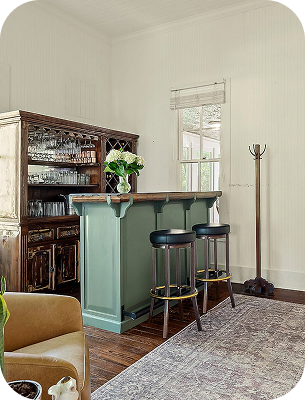

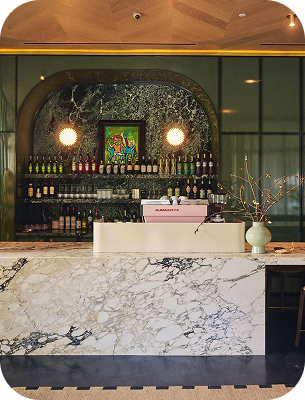

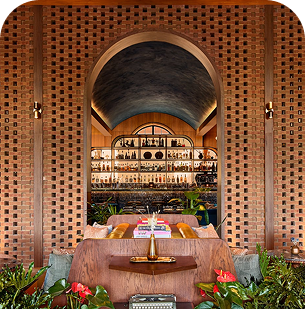

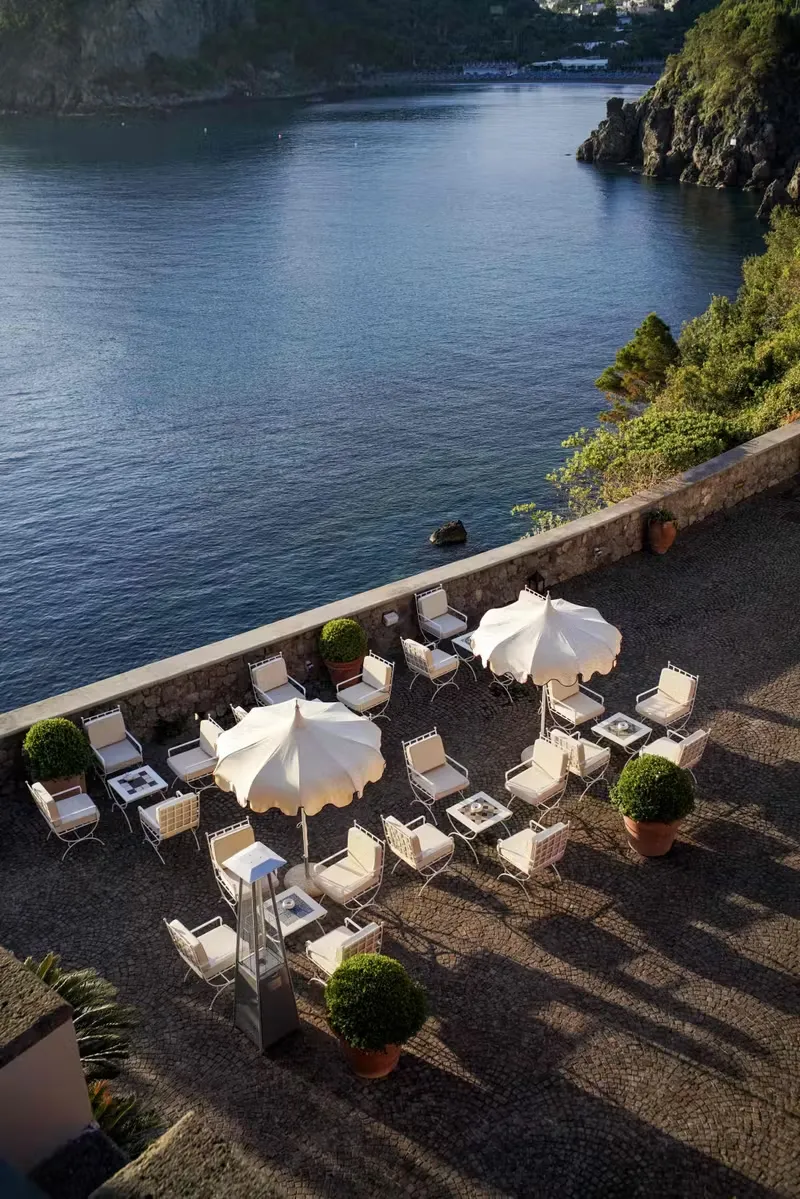

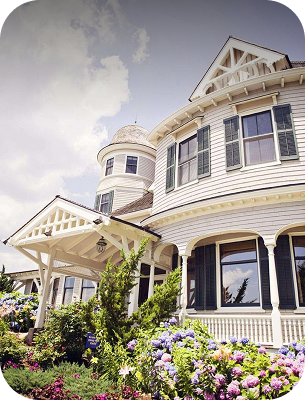

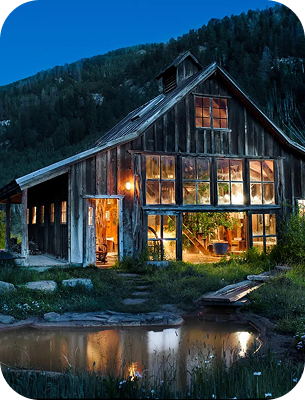

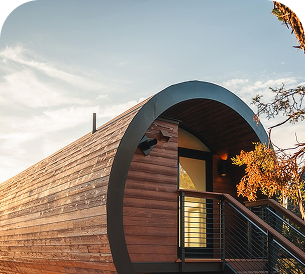

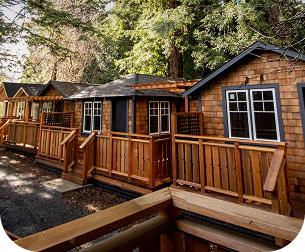

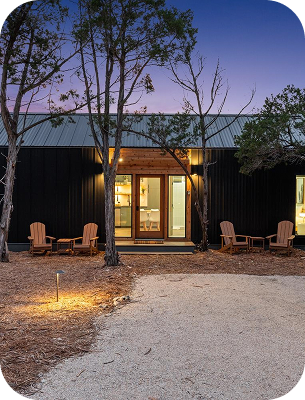

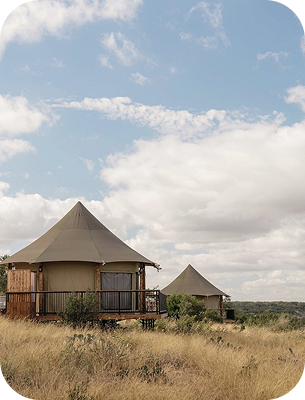

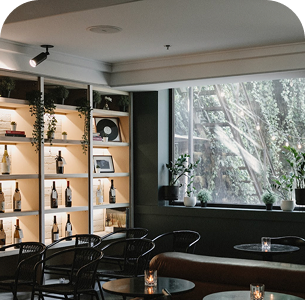

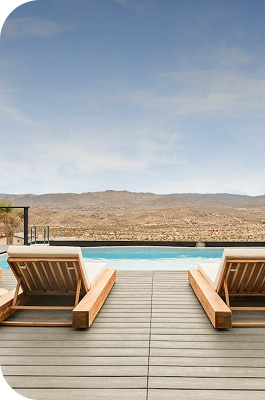

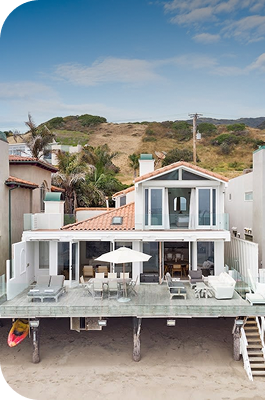

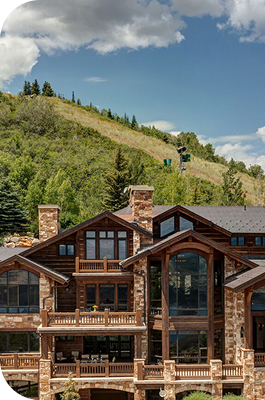

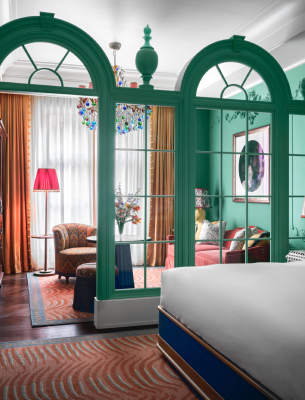

Journey connects travelers to a curated network of boutique hotels and distinctive residences around the world, all united under one rewards program. Explore handpicked stays for your trip while earning points, unlocking exclusive offers, and receiving rewards across the Journey collection.
Asheville sits at an elevation of roughly 2,134 feet in a broad mountain basin where the French Broad and Swannanoa rivers converge, encircled by the ancient ridgelines of the Southern Blue Ridge. This geography gives the city both a dramatic visual setting and a sense of natural enclosure that shapes daily life. The surrounding peaks of the Black Mountains, including Mount Mitchell, the highest point east of the Mississippi, are visible from the city and accessible within an hour's drive.
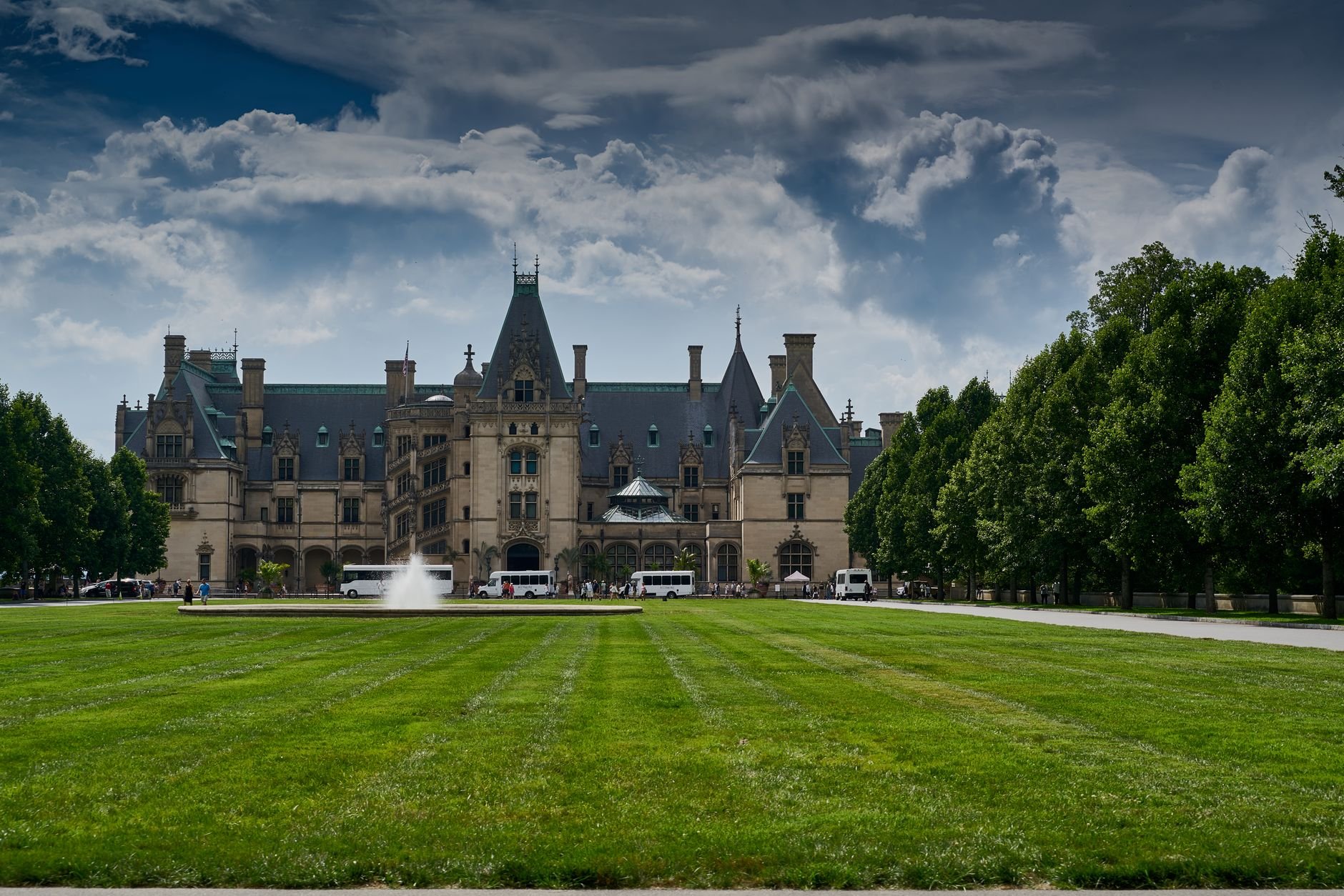
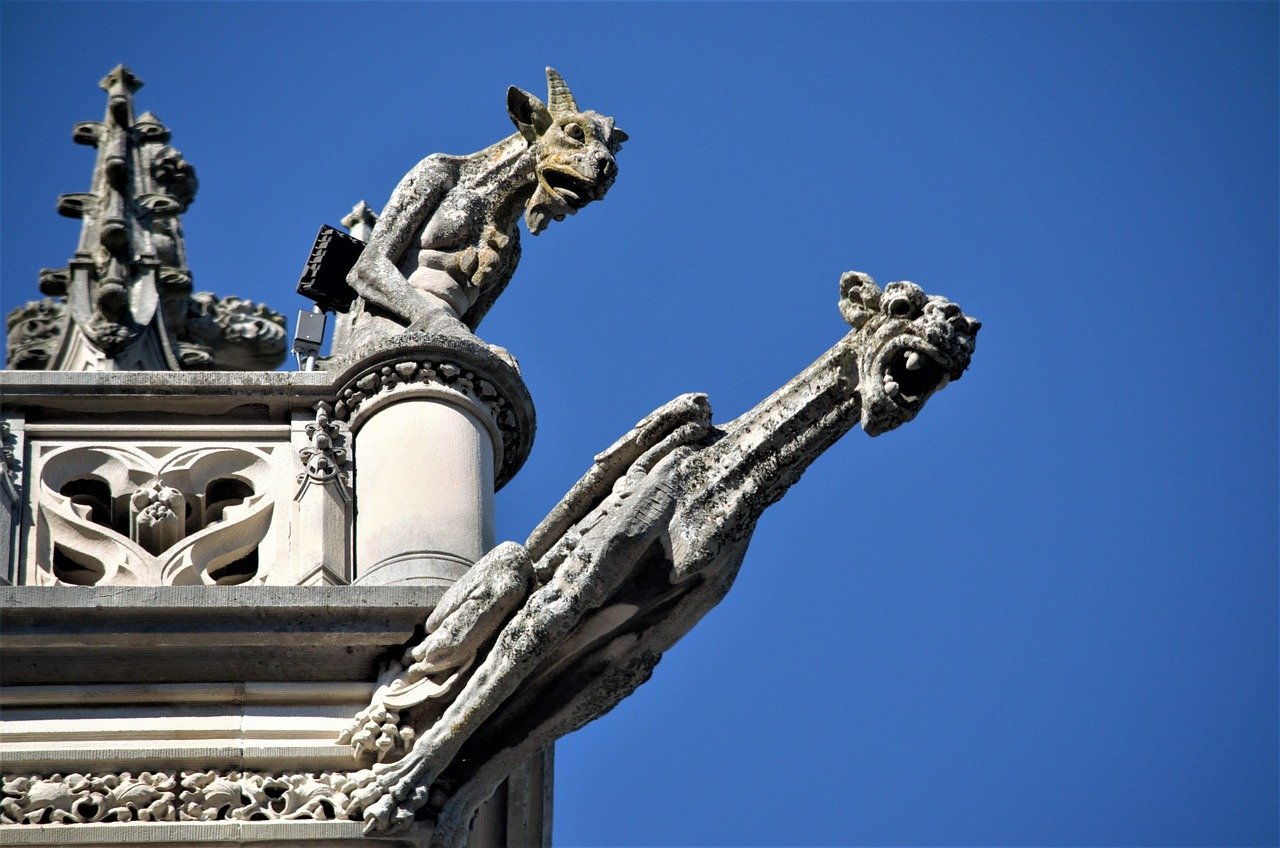
The city's modern identity was largely forged in the late 19th and early 20th centuries. George Vanderbilt's decision to build the Biltmore Estate here in 1895 put Asheville on the national map and attracted a wave of wealthy visitors and developers. The prosperity of the 1920s left behind a remarkably intact collection of Art Deco and Neo-Gothic commercial architecture downtown, much of which survives today and gives the city its distinctive visual character. A subsequent economic slump paradoxically preserved these buildings from the urban renewal demolitions that reshaped many American downtowns in the mid-20th century.
By the 1990s and 2000s, Asheville had reinvented itself as a hub for artists, musicians, and independent entrepreneurs. That counterculture energy fused with a growing appetite for culinary excellence and craft production to create the city travelers know today: progressive, creative, locally minded, and deeply proud of its mountain roots.
Culturally, Asheville is a study in contrasts. It is simultaneously one of the most politically progressive small cities in the South and a gateway to deeply traditional Appalachian communities. That tension produces a richness of experience, from old-time fiddle music and heritage crafts to avant-garde galleries and James Beard-recognized restaurants. The Biltmore Estate remains the most visited historic house in the United States, anchoring a tourism economy that also encompasses independent inns, farm stays, and a thriving short-term rental market across the surrounding mountain communities.
Choosing when to visit Asheville depends on what kind of experience you are after, as each season offers something genuinely distinct.
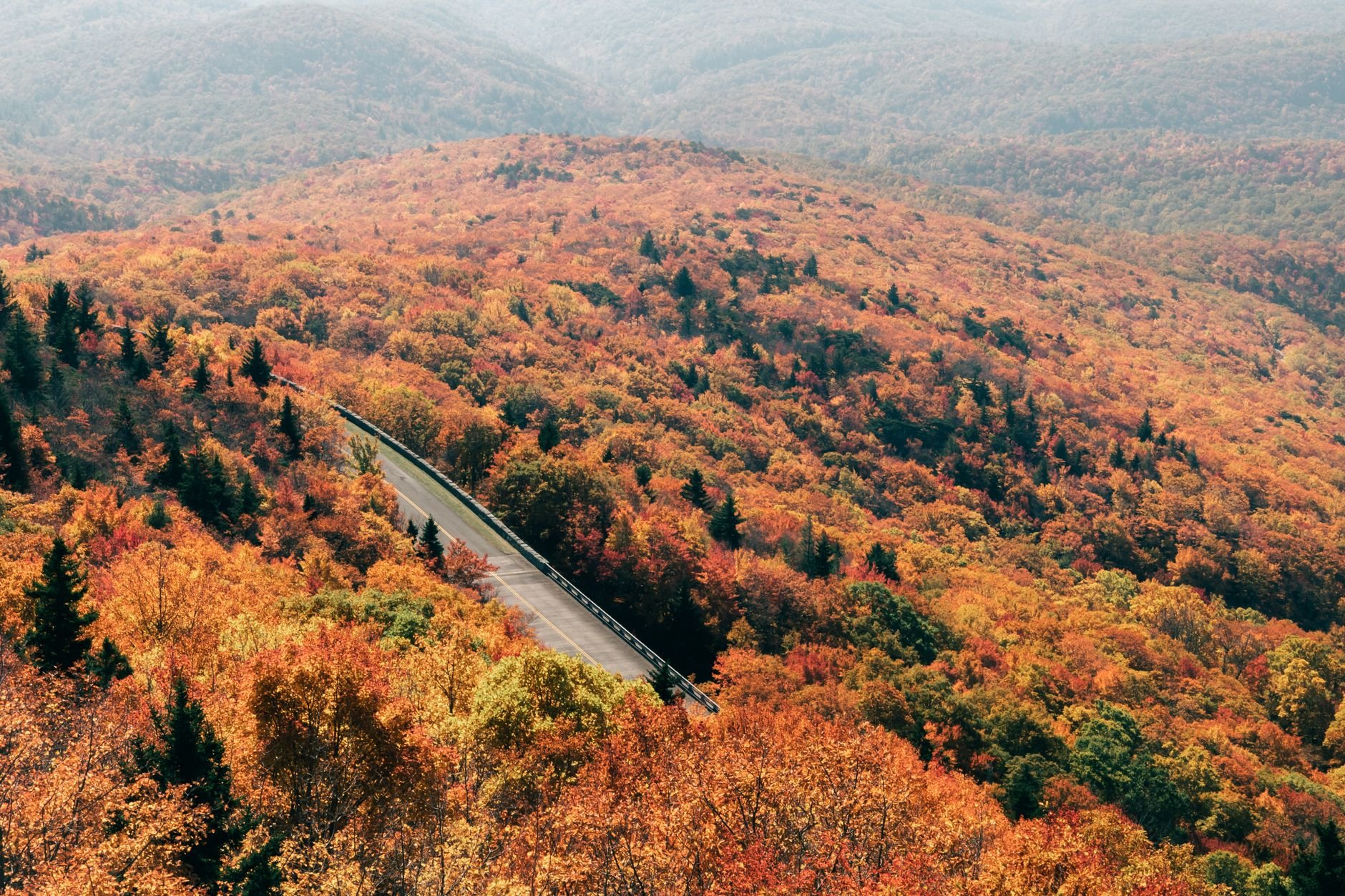
Fall is the undisputed peak season, drawing the largest crowds from mid-October through early November when the Blue Ridge Parkway and surrounding forests erupt in color. The foliage spectacle here ranks among the finest in the eastern United States, and the combination of clear skies and crisp air makes hiking and scenic drives exceptional. Book accommodations well in advance if visiting during peak leaf season, as the city fills quickly and prices reflect the demand.
Spring is an appealing alternative for travelers who want outdoor access without the autumn crush. Wildflowers begin appearing on the mountain trails in April, and the Blue Ridge Parkway gradually reopens sections that may have been closed over winter. The River Arts District and downtown galleries tend to be lively but not overwhelmed, and shoulder-season pricing makes this a strong value window.
Summer brings the highest overall visitor numbers, particularly on weekends, as travelers from the hotter Southeast use Asheville as a cool-weather retreat. The city's craft brewery scene, outdoor music festivals, and farmers markets are all in full swing, making it a vibrant time to visit. Weekday visits and early morning trailhead starts help avoid the worst of the crowds on popular routes.
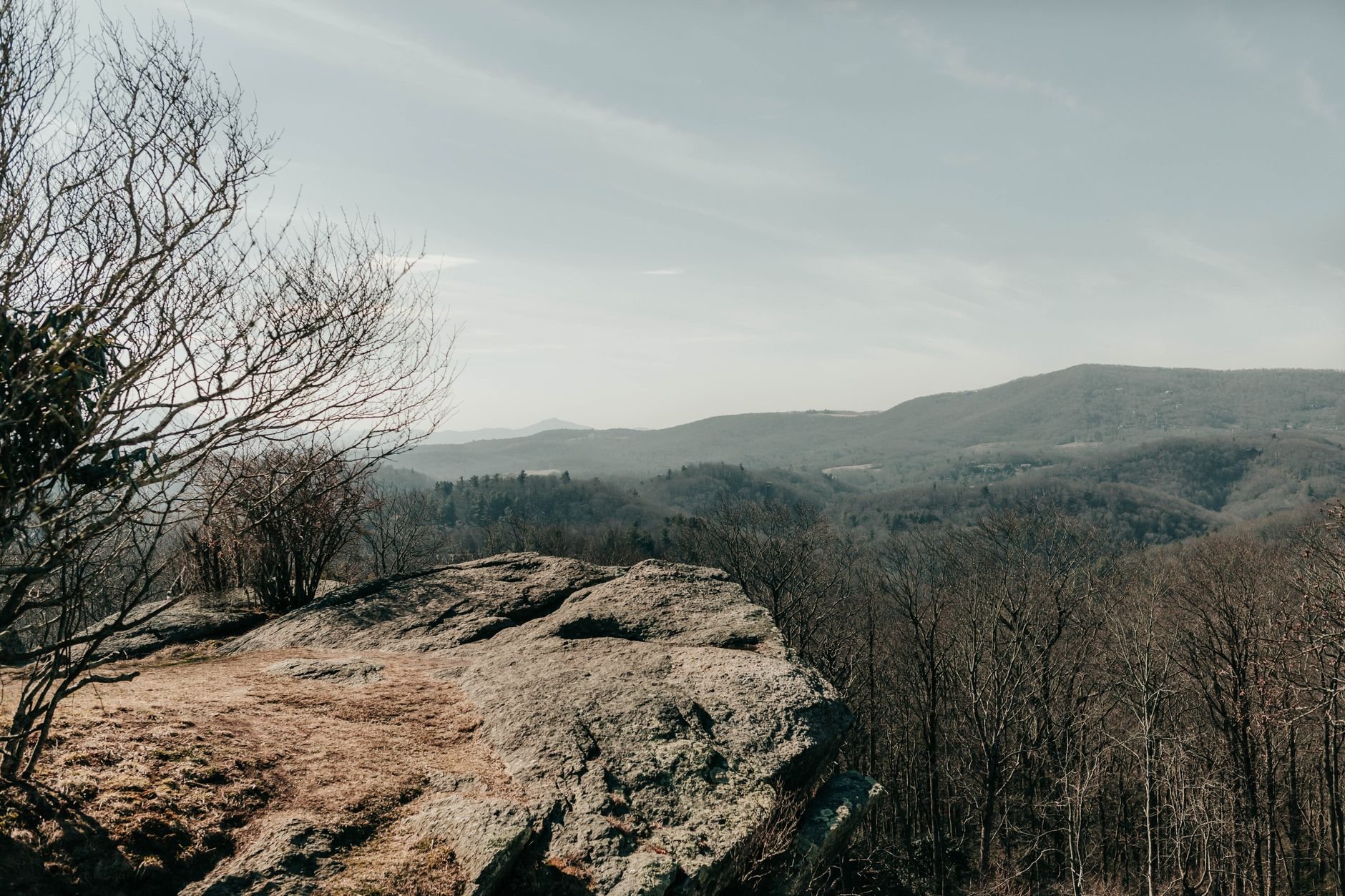
Winter is Asheville's quietest season and rewards travelers who prioritize the city's indoor cultural life. The dining scene operates at full intensity year-round, and the absence of crowds makes it easy to explore the Biltmore Estate, downtown galleries, and live music venues without competition. Some higher-elevation sections of the Blue Ridge Parkway may close due to weather, but lower trails and the River Arts District remain accessible throughout.
The beating heart of the city, Downtown Asheville is a walkable grid of Art Deco and Beaux-Arts buildings packed with independent restaurants, craft cocktail bars, live music venues, and galleries. Pack Square Park anchors the district, while streets like Lexington Avenue radiate outward with boutiques and street performers. It is the most concentrated expression of Asheville's creative, eclectic energy.
Stretching along the French Broad River in repurposed industrial warehouses and mills, the River Arts District is home to hundreds of working artists whose studios are open to the public. Visitors can watch painters, potters, glassblowers, and sculptors at work, then browse and buy directly from the makers. The district has also become a dining and nightlife destination, with acclaimed restaurants and breweries filling the old factory spaces.
West Asheville has a distinct neighborhood character that feels more lived-in and local than the tourist-facing downtown. Haywood Road is its main artery, lined with independent coffee shops, vintage stores, eclectic eateries, and craft beer bars that draw a loyal crowd of residents. It is the place to go for a slower, more authentic slice of everyday Asheville life.
Montford is Asheville's premier historic residential district, a quiet neighborhood of Victorian and Craftsman homes that sit just north of downtown. Many of the grand houses have been converted into bed-and-breakfasts and inns, making it a popular base for visitors who want a more intimate, residential setting. Tree-lined streets and a peaceful atmosphere make it a welcome contrast to the bustle of the city center.
South Slope is Asheville's craft brewery corridor, a compact district just south of downtown where a dense cluster of taprooms and brewpubs has transformed a formerly industrial stretch into one of the most visited areas in the city. Beyond beer, the neighborhood has attracted food halls, live music spots, and creative businesses that give it a lively, unpretentious energy. It is the undisputed center of Asheville's celebrated craft beer scene.
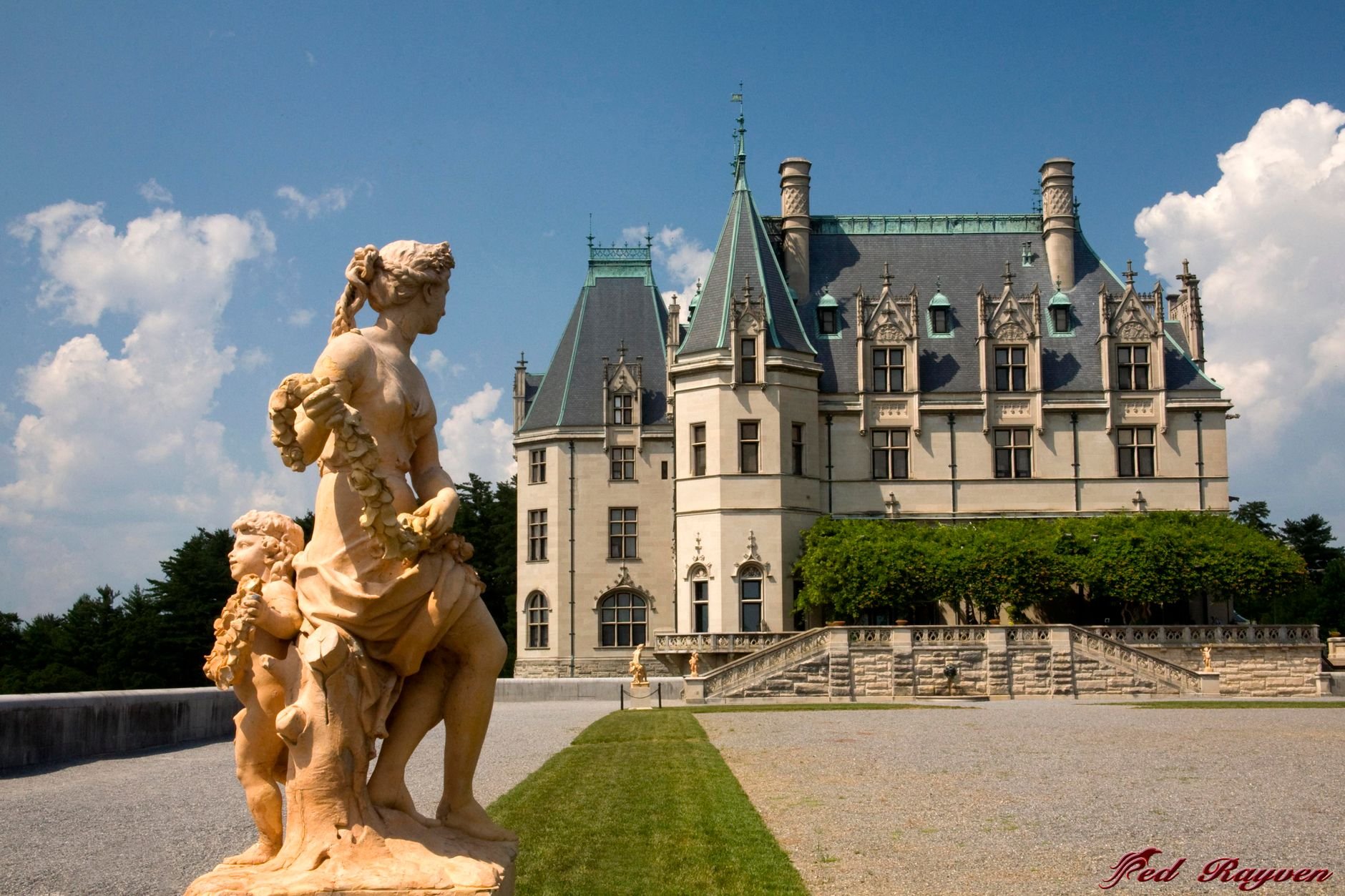
Asheville has built a reputation on experiences that cannot be replicated elsewhere, drawing travelers who come specifically for the city's singular combination of mountain grandeur, architectural legacy, and creative culture.
The Biltmore Estate
No experience defines Asheville more completely than a visit to the Biltmore Estate. Built by George Vanderbilt and completed in 1895, the 179,000-square-foot French Renaissance château sits on 8,000 acres of grounds designed by Frederick Law Olmsted. Tours reveal an interior of extraordinary richness, including a 70-foot-high banquet hall, a 10,000-volume library, and an indoor swimming pool. The surrounding winery, gardens, and village make it a full-day destination in its own right.
Craft Brewery Culture
Asheville's brewing scene is a genuine pilgrimage destination. The city has earned national recognition for the density and quality of its independent craft breweries, with producers ranging from large-scale operations with taprooms and food programs to small experimental outfits pushing the boundaries of the craft. Walking or cycling a self-guided brewery trail through the city is among the most locally beloved ways to spend an afternoon.
River Arts District Studios
The River Arts District offers something rare: direct access to working artists in their studios. Visitors can watch ceramicists, glassblowers, painters, and textile artists at work, purchase directly from makers, and engage with a creative community that has shaped the city's identity for decades. Twice-yearly studio strolls draw large crowds, but the district is open and active year-round.
Blue Ridge Parkway Drives and Summits
Driving or cycling sections of the Blue Ridge Parkway near Asheville, then hiking to open balds like Max Patch or Craggy Gardens, is the defining outdoor experience of the region. The combination of accessible high-elevation terrain, panoramic views, and seasonal wildflower and foliage displays makes this a bucket-list experience for visitors from across the country.
Asheville offers an exceptional range of activities rooted in its mountain setting, creative culture, and celebrated culinary identity.
Outdoor Recreation
The Blue Ridge Parkway places world-class hiking, cycling, and scenic overlooks directly at the city's doorstep. The surrounding Pisgah National Forest and other public lands offer trails for every ability level, along with mountain biking, fly fishing in cold-water streams, and whitewater paddling on the French Broad and Nantahala rivers. Rock climbing, zip-lining, and waterfall hikes round out an adventure menu that draws outdoor enthusiasts year-round.
Cultural Attractions
Asheville's cultural life is anchored by the Biltmore Estate, George Vanderbilt's 8,000-acre château that remains the largest privately owned house in the United States. Beyond the estate, the city supports a rich network of museums, galleries, and historic sites that reflect both its Gilded Age heritage and its contemporary creative energy.
Scenic Exploration
The Blue Ridge Parkway offers one of the most celebrated scenic drives in North America, with overlooks, wildflower meadows, and fall foliage that peak from late September through October. Craggy Gardens, Max Patch, and Black Balsam Knob are among the high-elevation destinations accessible from or near the parkway.
Arts and Entertainment
The River Arts District is home to hundreds of working artists across more than 20 repurposed industrial buildings, with open studios, galleries, and resident makers spanning ceramics, painting, glasswork, and textiles. Downtown Asheville supports a dense live music scene, independent theaters, and a calendar of festivals celebrating everything from folk traditions to contemporary performance. The city's preserved Art Deco and Beaux-Arts architecture gives the streetscape itself a gallery-like quality.
Food and Dining
Asheville ranks consistently among the top dining cities in the United States, with a restaurant culture built on locally sourced Appalachian ingredients interpreted through modern technique. The craft beer scene is equally celebrated, with one of the highest brewery-per-capita ratios in the country. From James Beard-recognized kitchens to beloved neighborhood spots, the city rewards serious eaters at every price point.
Start your morning with a walk through downtown Asheville, taking in the Art Deco architecture along Pack Square and Lexington Avenue. Grab breakfast at Tupelo Honey before exploring the galleries and boutiques along Wall Street. In the afternoon, visit the Biltmore Estate for a self-guided tour of the mansion and gardens. End the evening with dinner and craft beer at one of the many brewpubs along Merrimon Avenue or in the South Slope brewing district.
Begin the morning at the Western North Carolina Farmers Market for local produce, jams, and crafts. Then head to the North Carolina Arboretum for a relaxed walk through the themed gardens and forest trails. In the afternoon, explore the eclectic shops and street performers of downtown's Lexington Avenue arts corridor. Close out your trip with cocktails and live music at one of Asheville's many intimate venues in the downtown core.
Asheville's cultural calendar is as layered as its mountain landscape, shaped by a community that prizes folk traditions, artistic expression, and outdoor celebration in equal measure. Spring arrives with music festivals drawing on Appalachian roots, while summer transforms parks and plazas into open-air stages for everything from folk dancing to bluegrass jams. The city's creative energy peaks in autumn, when craft fairs, comedy showcases, and heritage festivals fill the streets of downtown and the River Arts District. Winter brings a quieter but no less spirited rhythm, with classical performances and holiday productions offering warmth against the Blue Ridge cold.

Dec 7, 2026
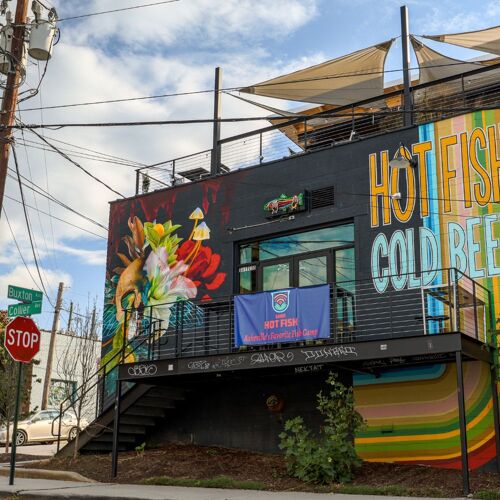
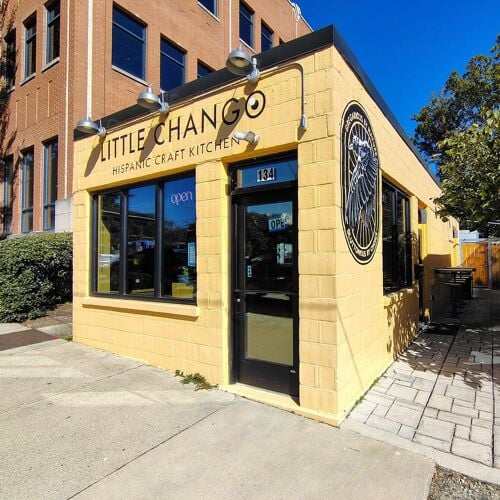
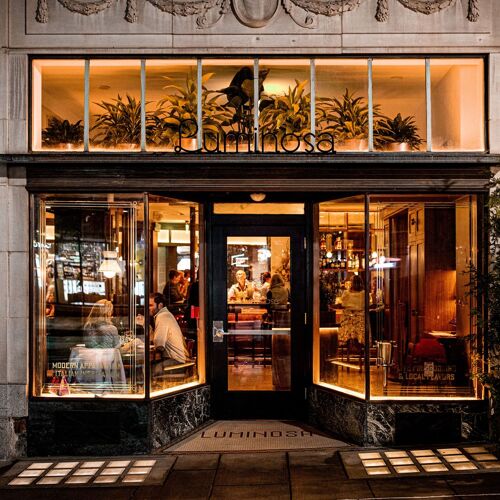
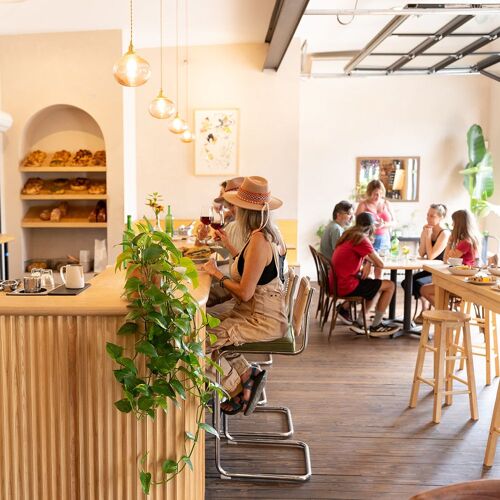
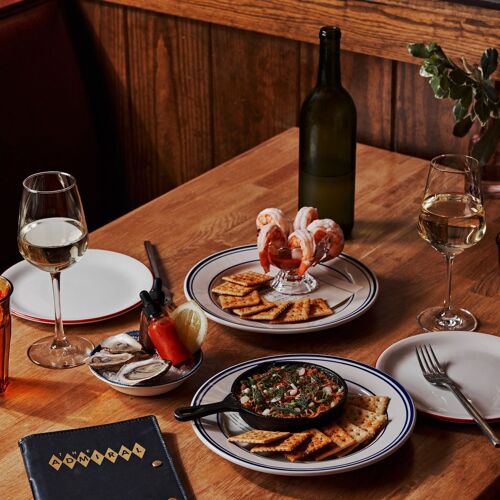
Asheville has earned its place among America's top dining destinations, a remarkable achievement for a mid-sized mountain city. The culinary scene is rooted in Appalachian tradition but expressed through a modern, chef-driven lens, with an unwavering commitment to locally sourced ingredients from the surrounding Blue Ridge region. Farm-to-table is not a trend here but a deeply held philosophy shared by chefs, farmers, and diners alike.

Asheville Regional Airport (AVL) sits about 15 miles south of downtown in Fletcher
and handles nonstop flights from Atlanta, Charlotte, New York, Chicago, and Washington D.C., with service from American, Delta, United, and Allegiant.
Renting a car at AVL is strongly recommended for most visitors
since Asheville's surrounding attractions, including the Blue Ridge Parkway, Biltmore Estate, and national forest trailheads, are spread out and not easily reached without one.
Interstate 40 is the primary highway corridor into Asheville
connecting the city to Charlotte about 2 hours to the east and Knoxville approximately 2.5 hours to the west, making it a natural stop on a broader Appalachian road trip.
Interstate 26 offers a direct southern approach from Hendersonville and Spartanburg
and is the most direct route from the AVL airport into downtown Asheville, a drive of roughly 20 to 25 minutes without traffic.
Greyhound and Flixbus provide limited bus service into Asheville from Charlotte
arriving at the Asheville bus terminal on Tunnel Road, which is a viable option for car-free travelers though onward mobility within the city will require rideshare or local transit.
Downtown Asheville and the Pack Square area are compact and walkable
so most visitors can cover the central galleries, restaurants, and shops on foot, making a car unnecessary for the first few hours of any visit.
The River Arts District is about 1.5 miles from downtown along the French Broad River
and is most easily reached by car or rideshare, as the walk involves crossing a highway interchange that is not pedestrian-friendly.
Uber and Lyft operate reliably throughout Asheville
and are the smartest option for evenings when you plan to visit multiple breweries or restaurants without worrying about parking or driving.
The Asheville Redefines Transit (ART) bus system is free to ride
and connects many neighborhoods including West Asheville and the River Arts District, though service frequency is limited and schedules should be checked in advance at ashevillenc.gov.
City parking decks on Rankin Avenue and Biltmore Avenue offer the most reliable downtown parking
but fill quickly on Friday and Saturday evenings and during festivals, so arriving before 6 p.m. or using a parking app to check availability is advisable.
Asheville is a popular destination and books up fast, especially during fall foliage season (mid-October), summer weekends, and major events like the Biltmore's seasonal festivals. Reserve accommodations and Biltmore Estate tickets well in advance, as the estate requires timed entry and sells out on peak days. Tipping follows standard U.S. norms: 18-20% at restaurants, and a dollar or two per drink at the city's many craft brewery taprooms is appreciated. The local culture is casual, creative, and welcoming, with a strong emphasis on supporting independent businesses over chains. Download the ParkAsheville app if you're driving, as it helps locate and pay for downtown parking. Cell service can be spotty on the Blue Ridge Parkway and in remote hiking areas, so download offline maps before heading out. Tap water is safe to drink. Asheville sits at roughly 2,134 feet elevation, so temperatures run cooler than surrounding lowland cities, especially at night.
Three to four days is the sweet spot for Asheville. That gives you time to explore downtown, visit the River Arts District, tour the Biltmore Estate, sample the craft brewery scene, and fit in at least one hike along the Blue Ridge Parkway. If you want to dig deeper into the food scene or surrounding trails, five days is even better.
Asheville is best known for its thriving arts scene, exceptional farm-to-table dining, and one of the highest concentrations of craft breweries per capita in the United States. It is also famous for the Biltmore Estate, its well-preserved Art Deco architecture, and easy access to the Blue Ridge Parkway and Appalachian outdoor adventures.
Yes, Asheville works very well as a weekend trip, particularly from cities like Charlotte, Atlanta, or Knoxville, all within a few hours' drive. A long weekend gives you enough time to cover the highlights: downtown, the River Arts District, a brewery or two, and a hike. It is one of the most rewarding short-trip destinations in the Southeast.
Asheville sits in the mid-range category. Accommodation can run high, especially on weekends and during peak fall foliage season. Dining ranges from affordable to upscale, and many outdoor activities are free. The Biltmore Estate ticket is a notable expense at around $70 or more per adult. Budget travelers can manage well by planning ahead and visiting on weekdays.
Late spring (April to June) and fall (September to November) are the most popular times to visit. Fall draws large crowds for the Blue Ridge Parkway foliage, so book accommodation well in advance if visiting in October.