
Baltimore, MD
A Journey guide to
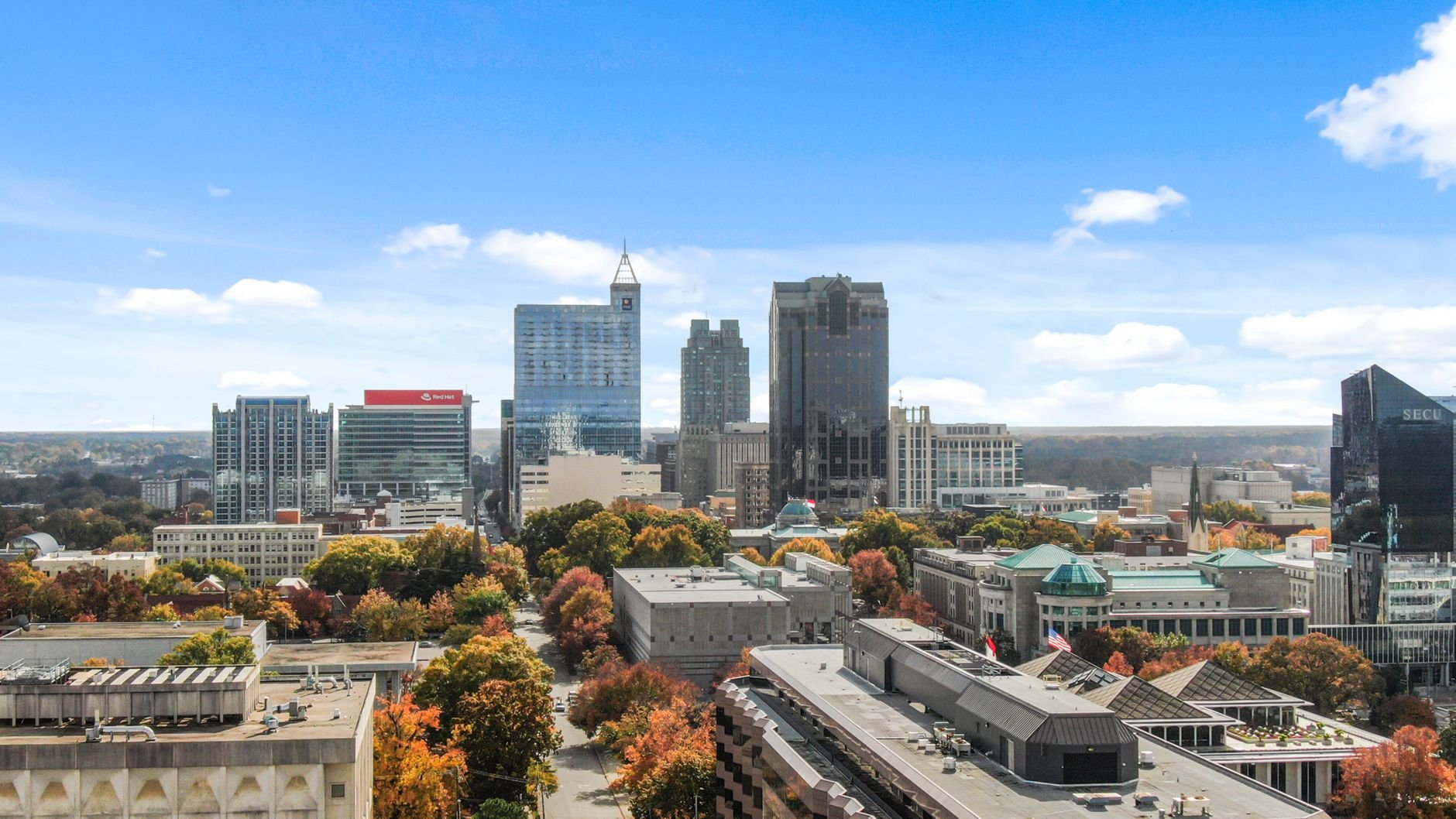
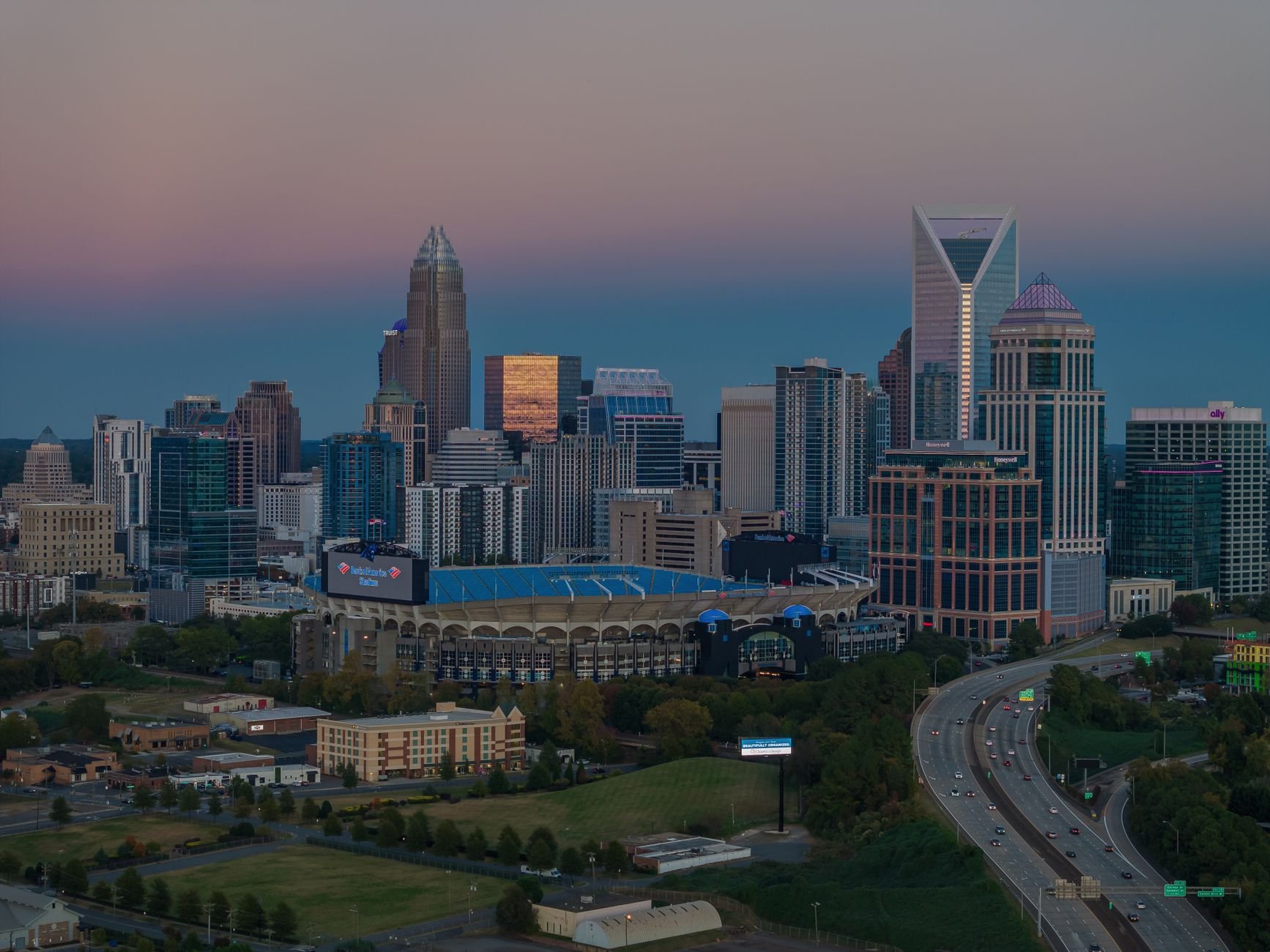
Charlotte is the largest city in North Carolina and the seat of Mecklenburg County, a place that has grown from a modest Piedmont trading post into one of the fastest-expanding metros in the American South. It is best known as the second-largest banking center in the United States, home to the global headquarters of Bank of America and major operations for Wells Fargo. That financial muscle funds a skyline that has transformed dramatically over the past two decades, giving the city a polished, forward-looking energy that coexists with deep Southern roots.
Motorsports culture runs through Charlotte's identity in a way few other American cities can claim. The Charlotte Motor Speedway in Concord hosts some of NASCAR's most prestigious races, and the NASCAR Hall of Fame sits in the heart of Uptown, drawing racing fans and curious first-timers alike. Beyond the track, the city is a genuine sports town: the Carolina Panthers (NFL), Charlotte Hornets (NBA), and Charlotte FC (MLS) all call the city home, giving visitors a packed calendar of live sporting events throughout the year.
The food and drink scene has matured considerably, anchored by a wave of chef-driven restaurants, craft breweries, and a growing reputation for innovative Southern cuisine. Neighborhoods like South End, NoDa (North Davidson), and Plaza Midwood each offer distinct dining and nightlife personalities, from farm-to-table tasting menus to late-night dive bars and artisan coffee roasters. The light rail corridor connecting South End to Uptown has become a walkable spine for food and culture exploration.
Charlotte appeals to a broad range of travelers: business visitors drawn by its corporate headquarters, sports fans on pilgrimage to NASCAR country, culinary explorers chasing the New South dining wave, and families looking for a well-resourced, easy-to-navigate city with genuine character. It rewards those who move beyond Uptown into its distinct and evolving neighborhoods.


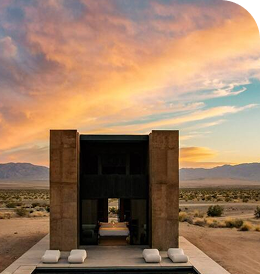

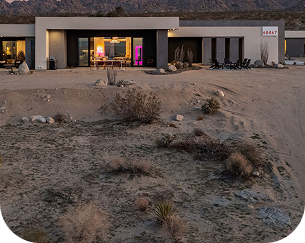

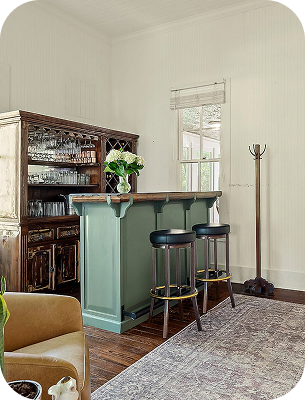

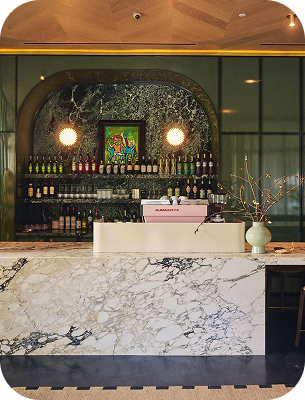

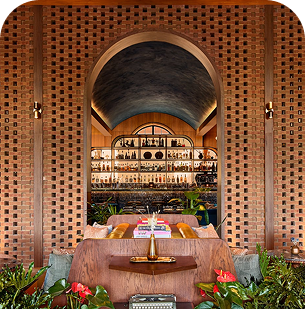

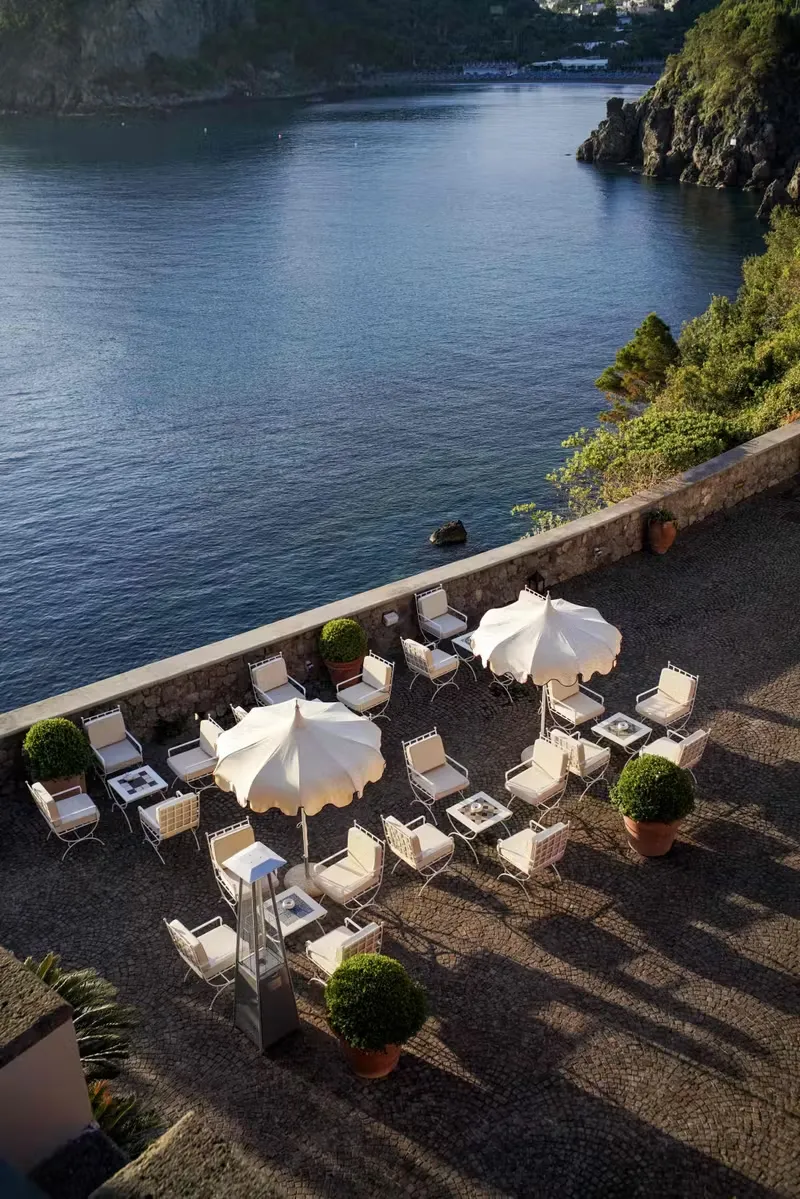

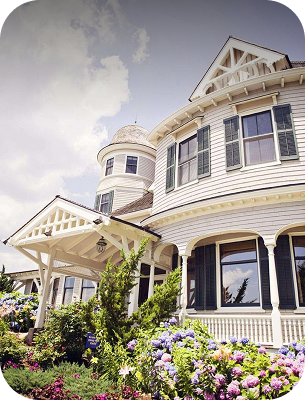

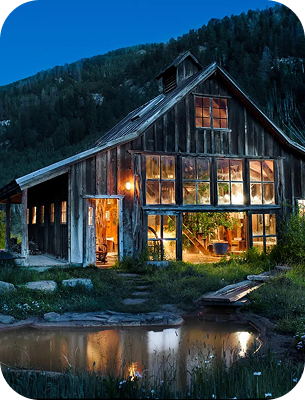

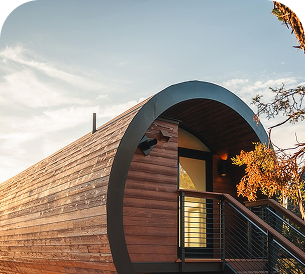

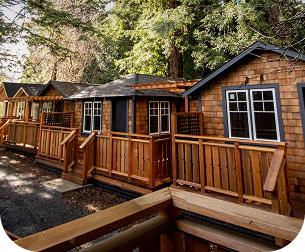

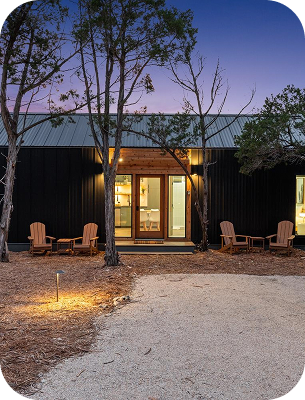

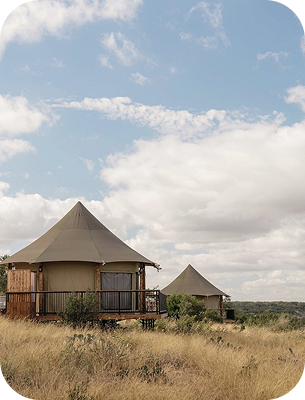

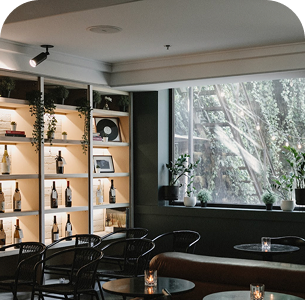

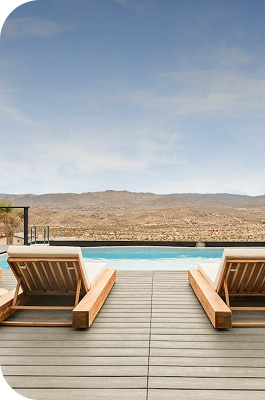

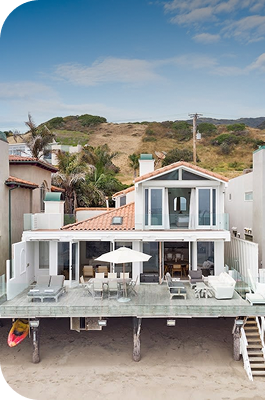

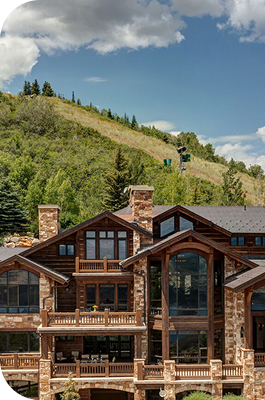

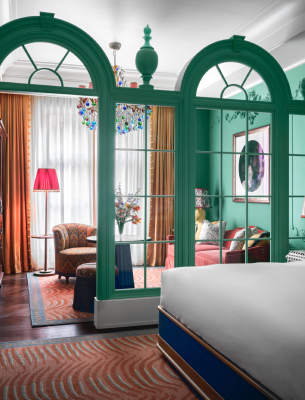
Journey connects travelers to a curated network of boutique hotels and distinctive residences around the world, all united under one rewards program. Explore handpicked stays for your trip while earning points, unlocking exclusive offers, and receiving rewards across the Journey collection.
Charlotte sits in the southwestern Piedmont region of North Carolina, roughly 20 miles from the South Carolina border and about 100 miles east of the Blue Ridge Mountains. The city occupies a gently rolling landscape at an elevation just above 700 feet, positioned along the ancient trading paths that once connected the Carolina backcountry. The Catawba River runs to the west, and the broader region is laced with lakes created by a series of hydroelectric dams, giving residents and visitors access to water recreation within a short drive of the urban core.
The city takes its name from Queen Charlotte of Mecklenburg-Strelitz, consort of King George III, and was incorporated in 1768. Its early identity was shaped by agriculture and a brief but significant gold rush: the Reed Gold Mine, about 25 miles to the east, was the site of the first documented gold find in the United States in 1799, and Charlotte briefly housed a U.S. Branch Mint. The Civil War left its mark, and the city served as a Confederate supply hub in the war's final weeks.
The modern city emerged as a banking powerhouse in the latter half of the 20th century, when aggressive mergers and acquisitions by institutions like NCNB (later NationsBank, then Bank of America) positioned Charlotte as a financial capital of the Southeast. That growth brought waves of migration from across the country and the world, giving the city a demographic diversity that distinguishes it from many of its Southern peers. Today, roughly one in ten Charlotte residents was born outside the United States.
Culturally, Charlotte balances its New South ambitions with a grounded Southern hospitality. Uptown is the dense commercial and entertainment core, but the city's real personality lives in its neighborhoods: the brewery-lined streets of South End, the murals and music venues of NoDa, the bungalows and independent restaurants of Plaza Midwood. It is a city that moves fast but still makes time to sit on the porch.
Spring and fall are the sweet spots for visiting Charlotte, and for good reason. From late March through May, the city shakes off winter with blooming dogwoods and azaleas, packed festival calendars, and comfortable conditions that make exploring neighborhoods on foot genuinely enjoyable. The Charlotte Film Festival, craft beer events, and outdoor markets draw steady crowds in spring, so booking accommodations a few weeks ahead is wise, particularly around major NASCAR race weekends at Charlotte Motor Speedway, which can fill hotels across the metro quickly.
Fall, running from September through November, rivals spring as the city's most appealing window. Humidity retreats, skies clear, and the energy in the city picks up with Panthers and Hornets home games, the Carolina Renaissance Festival, and a lively outdoor dining scene that spills onto patios across South End and NoDa. Foliage peaks in late October and draws visitors to Freedom Park and the greenway corridors. This is the most popular season overall, so expect higher demand around October weekends.
Summer is the busiest period for family travel and coincides with NASCAR's most prominent race events, which means Uptown hotels see strong occupancy. Those who do visit in summer will find a full slate of outdoor concerts, rooftop bar culture, and the U.S. National Whitewater Center in peak operation, though midday heat pushes most outdoor activity toward mornings and evenings.
Winter is Charlotte's quietest and most affordable season for travel. Cultural venues, NBA games, and the indoor food and brewery scene remain fully active, making it a smart choice for budget-conscious visitors or those focused on urban experiences rather than outdoor exploration. Holiday events in Uptown add a festive dimension from late November through December.
Charlotte's central business district is the city's beating heart, home to the NASCAR Hall of Fame, Bank of America Stadium, and a skyline that has grown dramatically over recent decades. Beyond the corporate towers, Uptown offers walkable blocks filled with restaurants, rooftop bars, and cultural institutions like the Mint Museum and Bechtler Museum of Modern Art. It is the natural base for first-time visitors who want proximity to major attractions and a polished urban energy.
Strung along the LYNX Blue Line light rail, South End has transformed from an industrial warehouse corridor into one of Charlotte's most vibrant destinations for dining, craft beer, and weekend markets. Converted mill buildings now house breweries, boutiques, and chef-driven restaurants, while the Rail Trail offers a walkable greenway connecting it all. On weekends the neighborhood buzzes with brunch crowds and the popular South End Farmers Market.
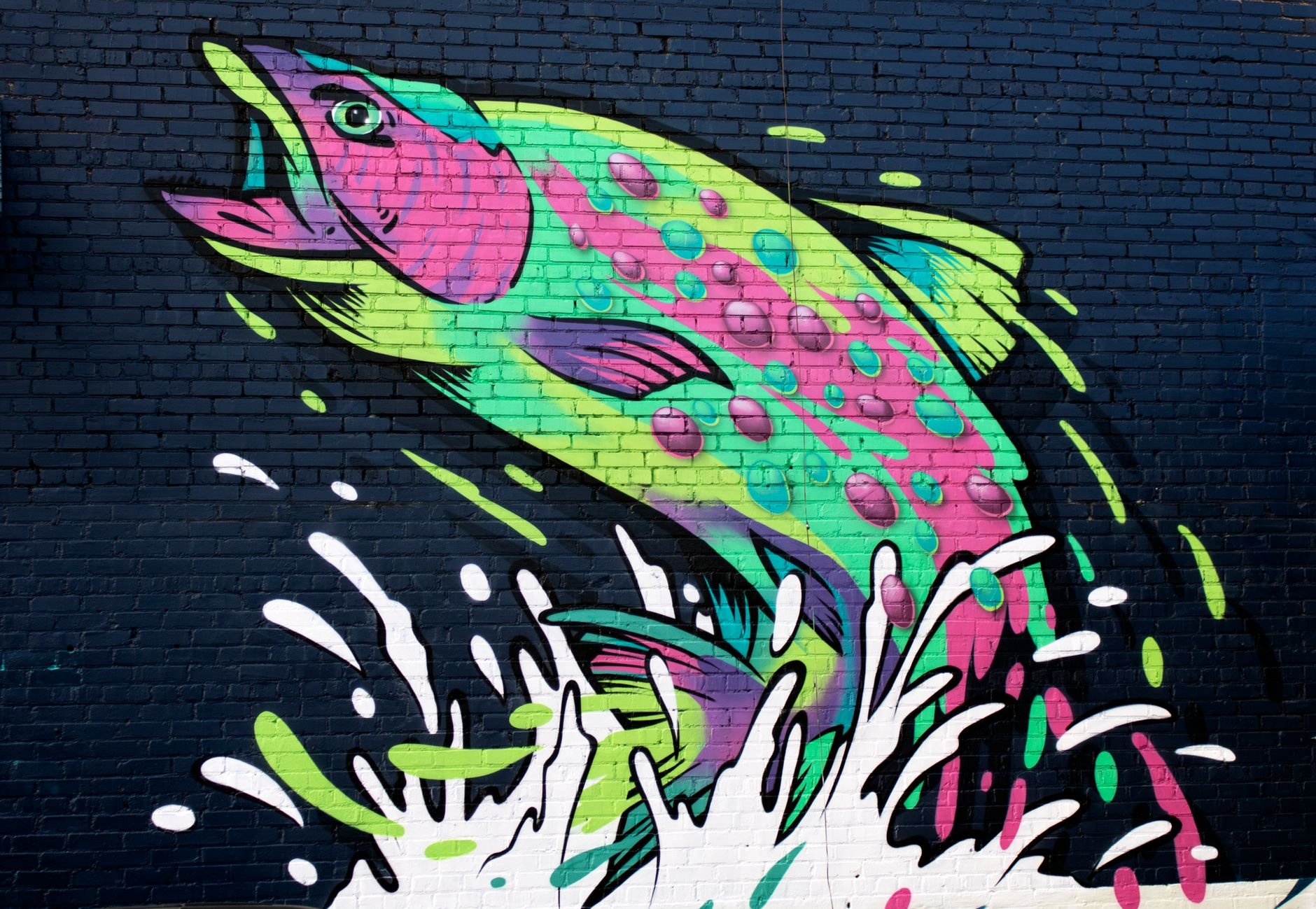
North Davidson, known as NoDa, is Charlotte's original arts district, a compact neighborhood of bungalows and repurposed textile buildings splashed with murals and independent spirit. It is the city's hub for live music, gallery crawls, and eclectic dining, with a dense cluster of bars, coffee shops, and creative venues packed into a few walkable blocks. The neighborhood retains a genuine bohemian character that sets it apart from Charlotte's more polished corridors.
Plaza Midwood is a tree-lined residential neighborhood with a funky, unpretentious personality that has made it a favorite among locals seeking neighborhood bars, vintage shops, and diverse dining without the gloss of trendier districts. Central Avenue is its main artery, lined with an eclectic mix of Thai restaurants, craft cocktail bars, and late-night spots that draw a loyal, mixed-age crowd. It rewards visitors who want to feel like a Charlottean rather than a tourist.
Dilworth holds the distinction of being Charlotte's first streetcar suburb, and it still carries that historic charm in its wide, oak-canopied streets and early-twentieth-century bungalows. East Boulevard is the neighborhood's commercial spine, offering a curated mix of brunch spots, wine bars, and independent boutiques with a decidedly relaxed, residential feel. It is an ideal area for travelers who want a quieter, more local experience within easy reach of Uptown.

Charlotte draws a specific kind of traveler, and the experiences that define the city are rooted in motorsports, banking-era ambition, New South dining, and neighborhood culture that has few direct equivalents elsewhere in the American South.
NASCAR Country
No experience is more uniquely Charlotte than immersing yourself in the world of stock car racing. The NASCAR Hall of Fame in Uptown is a serious museum with rotating exhibits, simulators, and an archive of racing history that goes well beyond the trophy cases. Charlotte Motor Speedway in nearby Concord hosts the Coca-Cola 600 and Bank of America ROVAL 400, two of the most attended events on the NASCAR calendar. On race weekends, the energy in the city is unlike anything else.
New South Dining
Charlotte has become a genuine culinary destination on the strength of its New South food movement, where chefs are reworking traditional Carolinas ingredients and techniques with modern ambition. Restaurants across South End, Plaza Midwood, and Uptown are earning national attention for menus that treat Southern food as fine dining without stripping it of its roots. This is a specific culinary identity that travelers come to Charlotte specifically to experience.
Craft Beer Culture
The city has developed one of the more impressive craft brewery scenes in the Carolinas, with dozens of independent breweries concentrated especially in South End and NoDa. Many operate large taprooms with food programs, live music, and outdoor spaces that function as neighborhood gathering places rather than just bars.
Live Sports in a True Sports City
Charlotte is one of the few mid-sized American cities with franchises across the NFL, NBA, and MLS simultaneously. Catching a Carolina Panthers game at Bank of America Stadium, a Charlotte Hornets game at Spectrum Center, or a Charlotte FC match at Bank of America Stadium offers an authentic local experience that puts visitors directly inside the city's community identity.
NoDa and the Arts District
The North Davidson neighborhood functions as Charlotte's creative heart, with working artists, independent galleries, vintage shops, and live music venues packed into a walkable grid that feels genuinely organic rather than developer-manufactured.
Charlotte offers a well-rounded mix of activity categories that cater to nearly every type of traveler, from outdoor enthusiasts and culture seekers to food lovers and sports fans.
Outdoor Recreation
The city and its surrounding Piedmont region provide solid options for getting outside. The Little Sugar Creek Greenway winds through multiple neighborhoods, connecting parks and green spaces along a paved multi-use trail. Jetton Park on Lake Norman and McDowell Nature Preserve offer waterfront access, hiking, and picnicking. Whitewater Center, just west of the city, is one of the premier outdoor recreation facilities in the Southeast, with whitewater rafting, kayaking, mountain biking, and climbing on a sprawling riverside campus.
Cultural Attractions
Charlotte's museum scene punches above its weight for a city its size. The Levine Museum of the New South tells the story of the region's post-Civil War transformation, while the Mint Museum operates two locations showcasing American and European art, craft, and design. Discovery Place Science engages families with hands-on exhibits, and the Harvey B. Gantt Center for African-American Arts and Culture is a standout institution for art and history.
Scenic Exploration
The neighborhoods themselves reward exploration on foot or by bike. South End's converted warehouse district, NoDa's colorful murals and galleries, and the tree-lined streets of Dilworth and Myers Park each offer distinct visual character. The light rail corridor makes moving between these areas straightforward.
Arts and Entertainment
Uptown Charlotte anchors the city's performing arts scene. The Blumenthal Performing Arts Center hosts Broadway touring productions, symphony performances, and comedy. Live music spills out of NoDa venues on weekends, and the Fillmore Charlotte draws national touring acts.
Food and Dining
Charlotte's culinary scene has evolved into a genuine destination in its own right. Farm-to-table Southern cooking, international cuisines, craft breweries, and specialty cocktail bars are distributed across the city's neighborhoods, with South End and Plaza Midwood serving as particularly dense dining corridors.
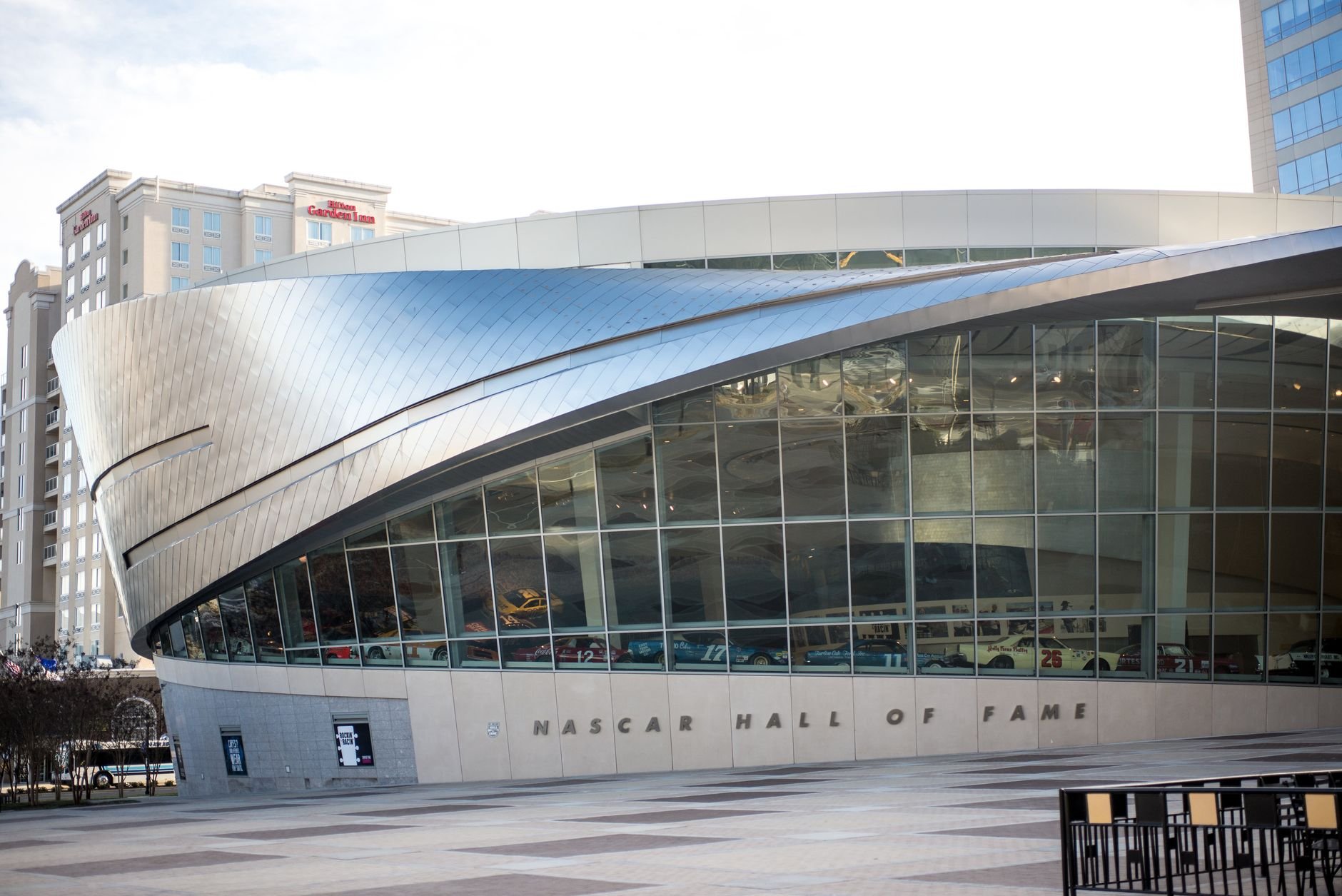
Start your Charlotte visit in Uptown: tour the NASCAR Hall of Fame in the morning, then grab lunch at one of the many restaurants near the Epicentre. Spend the afternoon exploring the Mint Museum Uptown and the Bechtler Museum of Modern Art side by side on Tryon Street. End the evening with dinner and drinks in South End, where the light rail makes it easy to hop between spots.
Make the short drive to Concord to visit Charlotte Motor Speedway for a self-guided tour or a behind-the-scenes experience. Return to Charlotte for a late lunch in South End along the light rail corridor. Spend your final afternoon at the U.S. National Whitewater Center for a riverside walk or an outdoor activity, then close out your trip with a chef-driven Southern dinner back in Uptown.
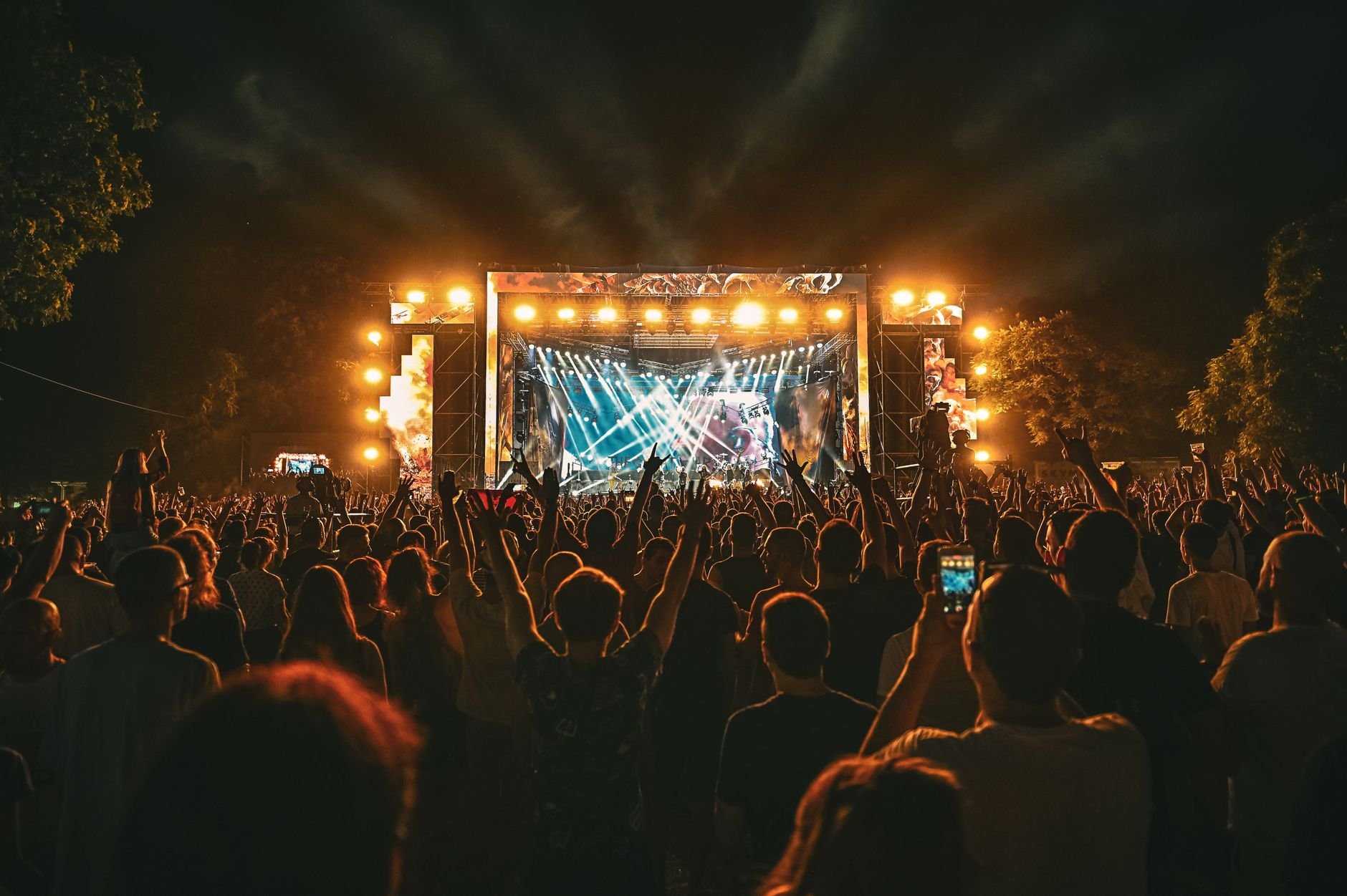
Charlotte pulses with energy year-round, shaped by a calendar that blends motorsports heritage, Southern culinary pride, outdoor adventure, and a thriving arts and music scene. Spring ushers in outdoor festivals along the Catawba River, where paddlers and thrill-seekers gather for whitewater competitions before the city pivots to warm-weather food celebrations that showcase its evolving New South cuisine. Summer is defined by major sporting spectacles, LGBTQ+ community pride, and big-name concert tours filling Spectrum Center and Bank of America Stadium. As temperatures cool, fall brings the city's creative industries into focus, with music industry conferences and road races drawing participants from across the region. The holiday season quiets the pace slightly, but Charlotte's neighborhoods maintain a steady rhythm of local markets and community gatherings that keep the social fabric alive through winter.

Jul 17, 2026

Jun 20, 2026
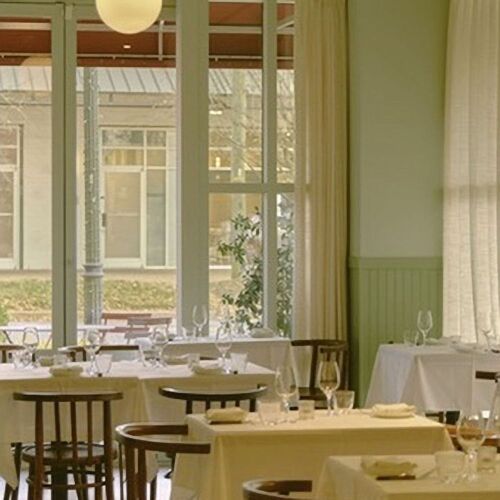
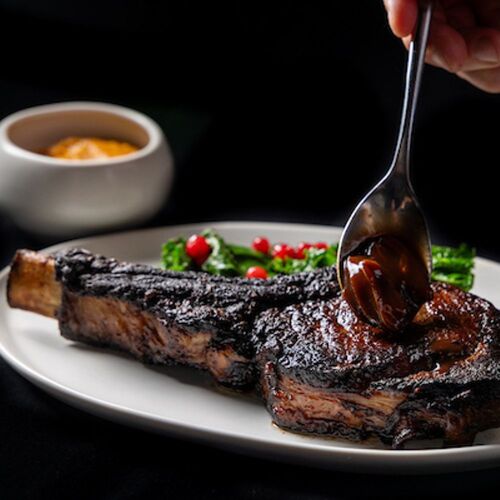
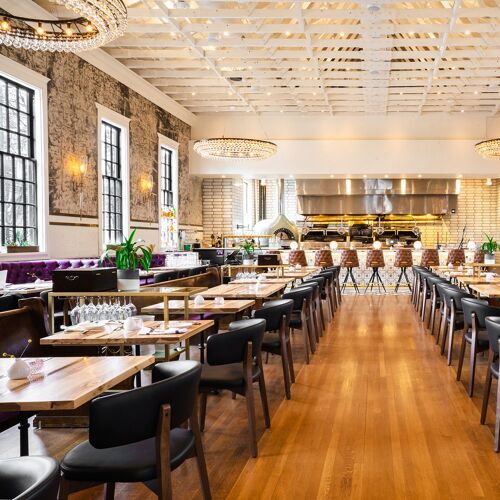
Charlotte's food and dining scene has undergone a remarkable transformation, earning the city a reputation as one of the South's most exciting culinary destinations. The city's restaurants reflect a New South sensibility - honoring traditional Southern ingredients and techniques while pushing them in bold, contemporary directions. Expect to find locally sourced produce, heritage pork, and low-country-inspired flavors woven through menus across every price point.



Charlotte Douglas International Airport (CLT) is a major American Airlines hub
located about nine miles southwest of Uptown, with nonstop service from dozens of U.S. cities and select international destinations, making it the fastest and most convenient arrival point for most visitors.
Rideshare pickup at CLT is located in the dedicated Transportation Network Company area on the Arrivals level
and typically takes 20 to 30 minutes to reach Uptown depending on traffic, with rental car facilities also available on-site for travelers planning to drive during their stay.
I-85 and I-77 are the two main interstate corridors into Charlotte
with I-85 connecting from Atlanta (roughly four hours southwest) and the Research Triangle to the northeast, and I-77 running from Columbia, South Carolina in the south to Lake Norman and beyond in the north.
Amtrak's Crescent, Carolinian, and Piedmont lines all stop at Charlotte Amtrak Station on North Tryon Street
placing arriving train passengers directly in Uptown, within walking distance of major hotels and the LYNX Blue Line light rail system.
Greyhound and FlixBus serve Charlotte's bus terminal for travelers coming from regional cities like Atlanta, Raleigh, and Greenville
offering a budget-friendly alternative to flying, with journey times typically ranging from two to five hours depending on the origin city.
The LYNX Blue Line runs from Uptown south through South End to the I-485 park-and-ride
making it the most convenient way to move between Uptown hotels and South End's restaurants and breweries without dealing with parking, with trains running frequently throughout the day and evening.
Uptown Charlotte is compact and walkable
so most visitors can cover the NASCAR Hall of Fame, Romare Bearden Park, and the major hotel and dining blocks on foot, with rideshare handling trips to neighborhoods farther out.
NoDa and Plaza Midwood are best reached by rideshare or a short drive from Uptown
as neither neighborhood is on the light rail line, and both have limited street parking on busy weekend nights when bars and live music venues fill up.
Charlotte Motor Speedway in Concord is about 12 miles northeast of Uptown via I-85
and on race weekends traffic around the speedway can be significant, so arriving early or using designated event parking and shuttle services is strongly recommended.
Lime scooters and the Charlotte B-cycle bikeshare network are available in central neighborhoods
and work well for short trips along the South End Rail Trail or between Uptown blocks, though they are less practical for longer cross-city journeys.
Charlotte is a generally safe and visitor-friendly city, but like any large metro, stay aware in unfamiliar areas after dark, particularly on the edges of Uptown. Tipping follows standard U.S. norms: 18 to 20 percent at restaurants and for rideshare drivers. Most venues and restaurants are cashless or card-preferred, so carrying cash is rarely necessary. Download the CATS Transit app for real-time LYNX Blue Line schedules, and use Uber or Lyft for reliable rideshare. Book restaurants in popular neighborhoods like South End and NoDa well in advance on weekends, especially during race weekends or when the Panthers or Hornets have home games, as the city fills up quickly. Charlotte summers are hot and humid, so pack accordingly and plan outdoor activities for mornings. Parking in Uptown is available in city decks and is generally affordable on weekdays but can be tight and expensive around stadium events.
Two to three days is enough to cover Charlotte's highlights. Spend a day exploring Uptown, the NASCAR Hall of Fame, and the sports venues, then dedicate time to neighborhoods like South End, NoDa, and Plaza Midwood for dining, breweries, and local culture. A third day allows for a visit to Charlotte Motor Speedway in nearby Concord.
Charlotte is best known as the second-largest banking center in the United States, home to Bank of America's global headquarters and major Wells Fargo operations. It is also famous for NASCAR culture, anchored by the Charlotte Motor Speedway and the NASCAR Hall of Fame. The city is home to three major professional sports teams: the Panthers, Hornets, and Charlotte FC.
Yes, Charlotte works very well as a weekend trip. The city is compact and easy to navigate, with the light rail connecting South End to Uptown. In two days you can hit the NASCAR Hall of Fame, sample the craft brewery and restaurant scene in NoDa or South End, and catch a live sporting event if one is scheduled.
Charlotte is moderately priced compared to major U.S. cities. Hotels in Uptown lean toward business-traveler rates, but South End and surrounding areas offer more affordable options. Dining ranges from budget-friendly neighborhood spots to upscale chef-driven restaurants. Overall, a trip here is manageable without a large budget, especially outside of major NASCAR race weekends.
Spring (March to May) and fall (September to November) offer the most comfortable temperatures and are ideal for exploring Charlotte's outdoor neighborhoods and dining scenes. Summer is warm and humid, while major NASCAR race weekends draw large crowds and higher hotel prices.