
Baltimore, MD
A Journey guide to
Cleveland is a city that rewards curiosity. Long defined by its industrial grit and working-class character, it has reinvented itself into one of the Midwest's most compelling urban destinations, anchored by a world-class cultural corridor, a fiercely loyal sports culture, and a food scene that punches well above its weight. Travelers who write it off as a flyover city are missing one of America's great comeback stories.
The city's cultural credentials are formidable. The Rock and Roll Hall of Fame sits on the Lake Erie waterfront as both museum and monument, drawing music fans from around the world. Just inland, University Circle hosts the Cleveland Museum of Art, one of the finest encyclopedic art collections in the country, admission-free to its permanent collection. The Cleveland Orchestra, based at Severance Music Center, is consistently ranked among the top ensembles on the planet.
Food and drink have become central to Cleveland's identity. The West Side Market, a century-old public market hall in Ohio City, remains the beating heart of the city's culinary culture, surrounded by a dense cluster of independent restaurants, craft breweries, and cocktail bars. Neighborhoods like Tremont, Gordon Square, and Little Italy each carry their own distinct dining personality, making Cleveland an unusually rewarding destination for serious eaters.
Cleveland draws a broad mix of travelers: sports fans making pilgrimages to see the Guardians, Cavaliers, or Browns; culture seekers drawn by the museum mile of University Circle; food-focused visitors working through the city's independent restaurant scene; and curious travelers looking for an authentic, unhyped American city that has earned its second act. It is a destination that values substance over spectacle.











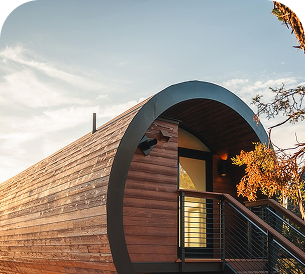

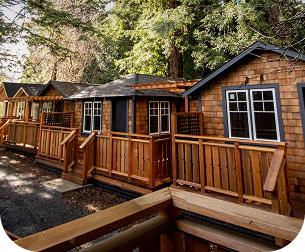

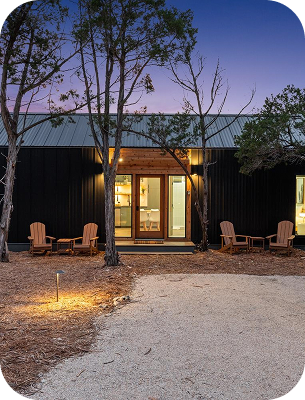



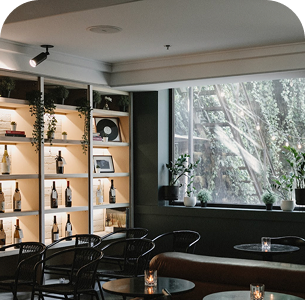



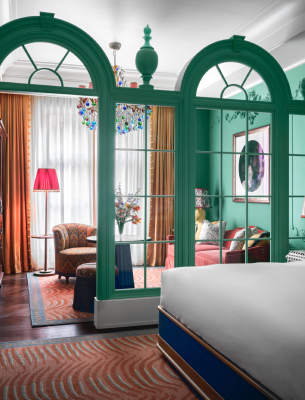
Journey connects travelers to a curated network of boutique hotels and distinctive residences around the world, all united under one rewards program. Explore handpicked stays for your trip while earning points, unlocking exclusive offers, and receiving rewards across the Journey collection.
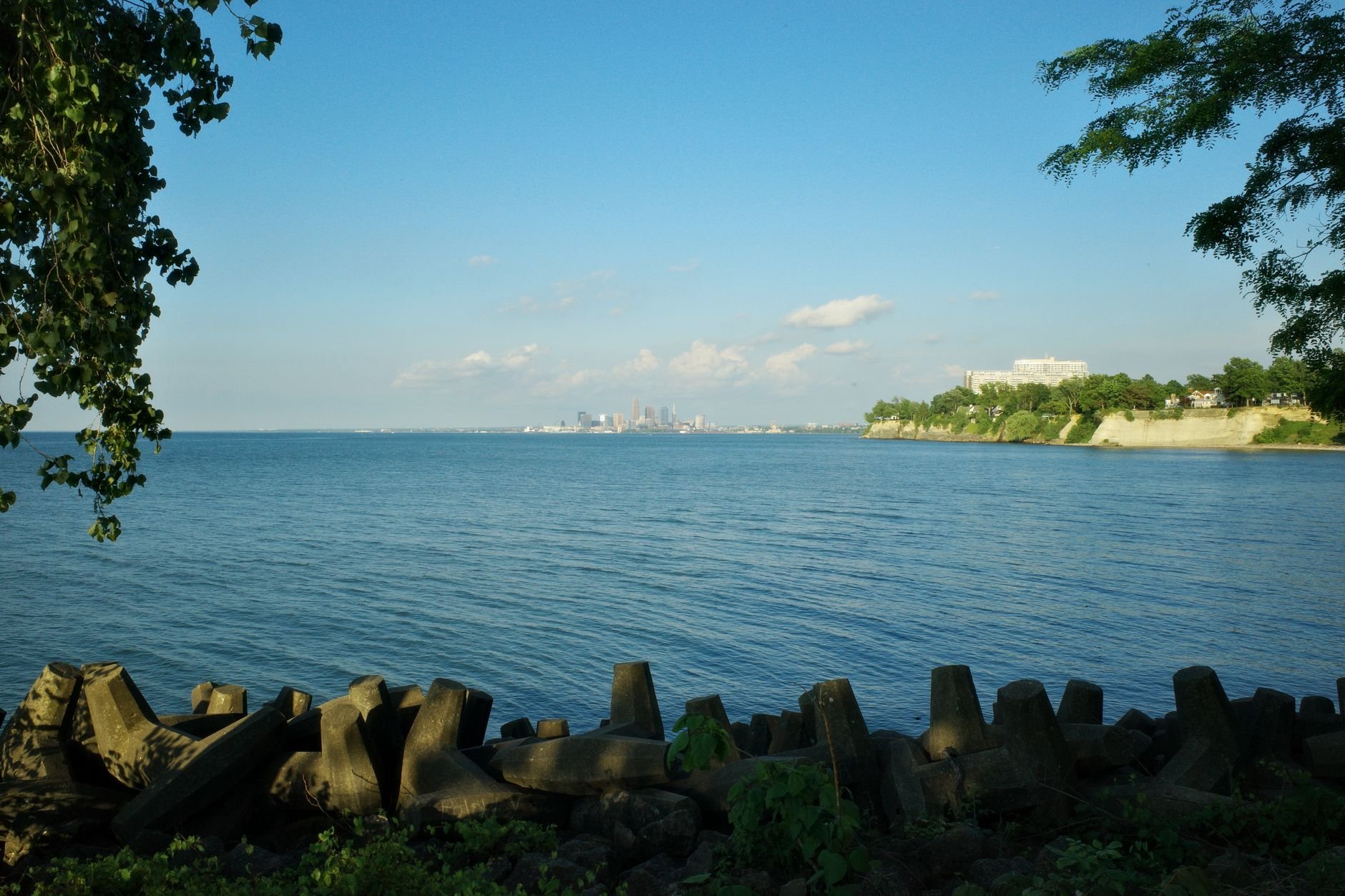
Cleveland occupies a commanding position on the southern shore of Lake Erie, at the mouth of the Cuyahoga River, roughly equidistant between New York City and Chicago. That geography shaped everything: the river made it an industrial powerhouse in the 19th and early 20th centuries, the lake gave it a maritime character unusual for an inland Midwestern city, and the convergence of rail and water routes made it one of the wealthiest cities in America at its peak. The skyline that rises from the lakefront today is a direct inheritance of that era, a collection of early 20th-century towers and civic monuments that give Cleveland a density and architectural seriousness rarely found in cities its size.
The city's population declined sharply through the latter half of the 20th century as manufacturing contracted, but the narrative of Cleveland today is one of deliberate reinvention. Investment in healthcare and education, centered on the Cleveland Clinic and Case Western Reserve University, gave the economy a new anchor. The arts and cultural institutions, many of them endowed during the Gilded Age, never left, and University Circle remains one of the most concentrated cultural districts in the United States.
Culturally, Cleveland is defined by a particular brand of Midwestern directness and civic pride. Locals are intensely loyal to their neighborhoods, their sports teams, and their food traditions. The city's immigrant heritage, including substantial communities of Italian, Slovenian, Polish, and more recently Latino and Asian origin, is woven into its food markets, religious festivals, and neighborhood identities in ways that feel lived-in rather than performed.
For the traveler, Cleveland offers an atmosphere that is refreshingly unpolished. It does not perform for visitors in the way that more tourism-dependent cities do. What it offers instead is authenticity: genuine neighborhoods, serious institutions, and a civic energy that comes from a city still in the process of writing its next chapter. That quality, rare in American travel, is precisely what makes Cleveland worth the trip.
Late spring and early fall are the sweet spots for visiting Cleveland, offering the most comfortable conditions for exploring the city without the peak summer crowds or the unpredictability of winter weather.
May and early June mark an ideal window for first-time visitors. The city's parks and green spaces come fully alive, outdoor patios open across neighborhoods like Ohio City and Tremont, and major league baseball season brings a lively energy to the lakefront around Progressive Field. Crowds are manageable, hotel rates are reasonable, and the full range of cultural institutions, from the Cleveland Museum of Art to the Rock and Roll Hall of Fame, operate without the congestion of peak summer.
July and August draw the largest visitor numbers, fueled by summer concerts, waterfront festivals, and families on school-break schedules. The Rock Hall sees its heaviest foot traffic during these months, and popular restaurant spots in Gordon Square and Little Italy can require advance planning. Travelers who prefer a more relaxed pace may find the energy rewarding but should book accommodations well ahead.
September and October represent Cleveland's most underrated travel window. The city's festival calendar remains active, the Cleveland Orchestra's season is in full swing at Severance Music Center, and the surrounding region's fall foliage provides a scenic backdrop for day trips into the Cuyahoga Valley National Park, just 30 minutes south. Crowds thin noticeably after Labor Day, and the city's independent restaurant and bar scene operates at full capacity without summer's tourist pressure.
Winter travel suits a specific kind of visitor: those drawn by the Cleveland Orchestra, indoor cultural attractions, and the city's low-season hotel rates. The Rock Hall and University Circle museums make for compelling cold-weather itineraries, and the city's culinary scene never slows regardless of the season.
Ohio City is Cleveland's most energetic neighborhood, anchored by the century-old West Side Market and surrounded by a dense concentration of craft breweries, independent restaurants, and cocktail bars. The Victorian-era streetscapes give it a historic warmth, while a constant influx of new openings keeps the energy firmly forward-looking. It is the first stop for food-focused travelers and a reliable barometer of the city's culinary ambition.
University Circle is Cleveland's cultural and intellectual core, packing an extraordinary concentration of museums, gardens, and performance venues into a compact, walkable district. The Cleveland Museum of Art, the Cleveland Orchestra's Severance Music Center, and the Cleveland Botanical Garden all sit within easy walking distance of one another. It is the destination for travelers drawn by world-class arts and institutions rather than nightlife.
Tremont is a hilltop neighborhood of tree-lined streets, restored Victorian homes, and a quietly thriving arts and dining scene. Galleries and chef-driven restaurants share blocks with historic churches, giving the area a layered, unhurried character that sets it apart from busier parts of the city. It rewards slow exploration and is particularly appealing to travelers looking for a residential neighborhood with genuine local texture.
Cleveland's downtown is anchored by the Rock and Roll Hall of Fame on the Lake Erie shoreline, with Playhouse Square, the country's largest performing arts center outside New York, sitting just inland. The Flats entertainment district and the East 4th Street corridor add dining and nightlife density to a compact urban core that is easy to navigate on foot. Sports fans will find Progressive Field, Rocket Mortgage FieldHouse, and FirstEnergy Stadium all within close reach.
Little Italy is a compact, old-world enclave tucked between University Circle and Lake View Cemetery, lined with Italian restaurants, art galleries, and bakeries that have anchored the neighborhood for generations. Murray Hill Road is its main artery, a single walkable strip that feels genuinely unhurried compared to the rest of the city. It pairs naturally with a visit to University Circle and offers some of Cleveland's most atmospheric outdoor dining in warmer months.
Cleveland has a handful of experiences that are genuinely its own, the kind that draw travelers specifically here rather than to any other American city.
The Rock and Roll Hall of Fame
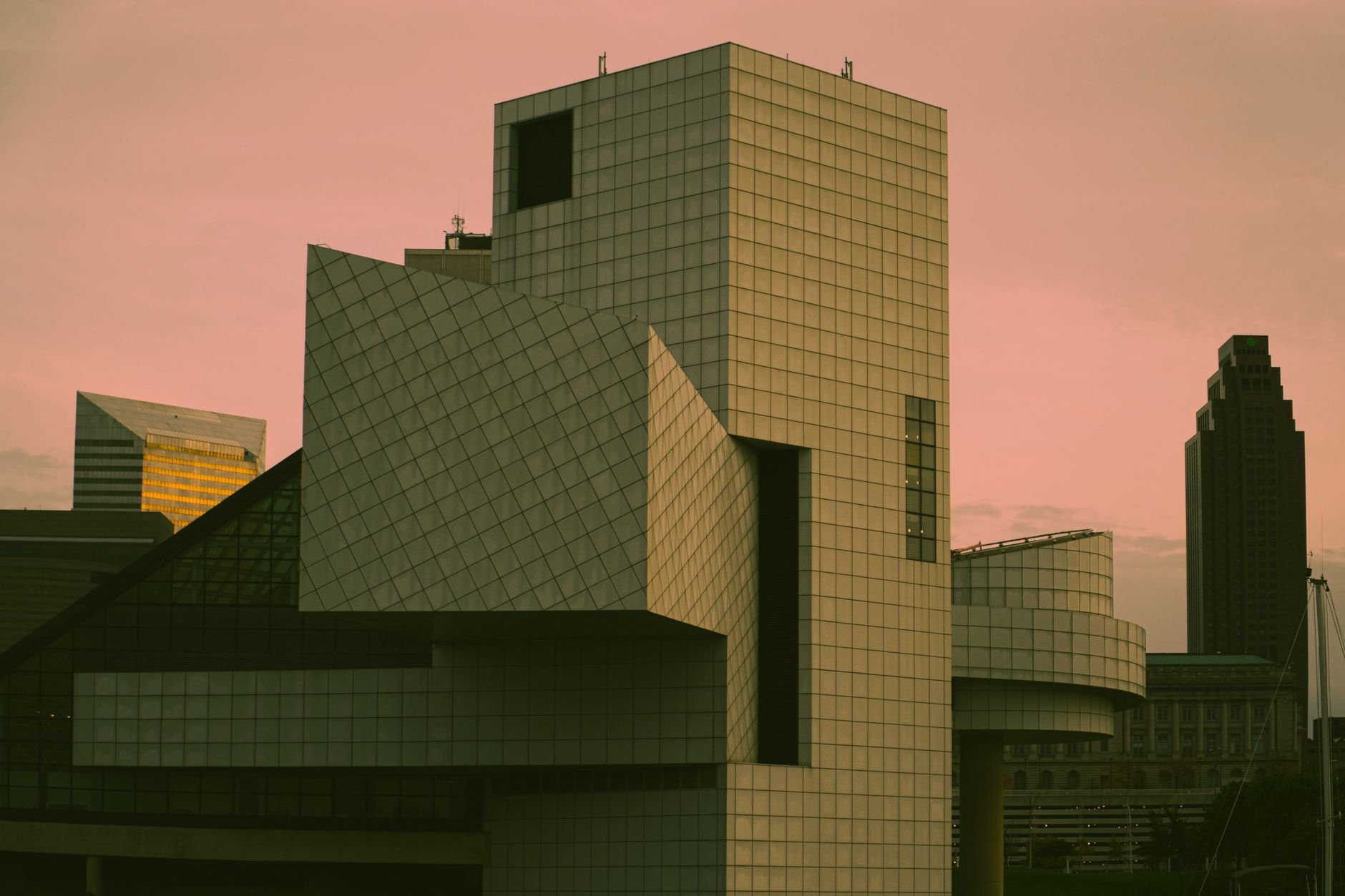
No experience is more synonymous with Cleveland than a visit to the Rock and Roll Hall of Fame on the Lake Erie waterfront. The I.M. Pei-designed building is an architectural statement before you even walk through the door, and the collection inside spans the full arc of popular music history through artifacts, recordings, and immersive exhibits. Induction weekend each fall transforms the city into a pilgrimage site for music fans.
The West Side Market
The West Side Market is not just a place to shop. It is a living piece of Cleveland's immigrant and working-class history, operating continuously since 1912 in a soaring Beaux-Arts market hall in Ohio City. Over a hundred vendors sell everything from Eastern European pierogies and smoked meats to artisan cheeses and fresh-cut flowers. Weekend mornings here feel like the truest expression of the city's character.
A Cleveland Orchestra Performance
Catching the Cleveland Orchestra at Severance Music Center is one of the genuinely elite cultural experiences available anywhere in the Midwest. The ensemble has maintained a global reputation for decades, and the restored 1931 hall is a worthy setting. Attending a performance here is not a generic night out. It is a specific reason to plan a trip to Cleveland.
Guardians Baseball at Progressive Field
Progressive Field is consistently ranked among the best ballparks in Major League Baseball, and a Guardians game captures something essential about Cleveland's civic identity. The downtown location, the sight lines, and the crowd energy make this a stadium worth visiting on its own merits, not just for the baseball.
Neighborhood Eating in Ohio City and Tremont
Spending an evening eating and drinking through Ohio City or Tremont is the kind of experience Cleveland's food reputation is built on. These are neighborhoods where independent chefs have built serious restaurants without the pressure of a tourist economy, resulting in food that reflects genuine ambition rather than crowd-pleasing formula.
Cleveland offers travelers a rich and varied slate of activities across culture, food, the outdoors, and entertainment, making it an easy city to fill several days without repeating yourself.
Cultural Attractions
University Circle is Cleveland's cultural anchor, home to an extraordinary concentration of museums and institutions within walking distance of one another. The Cleveland Museum of Art ranks among the finest encyclopedic art museums in the United States, with free admission to its permanent collection spanning five thousand years of human creativity. The Natural History Museum, the Museum of Contemporary Art Cleveland, and the Western Reserve Historical Society are all nearby, giving culture-focused travelers a full itinerary before they leave the neighborhood.
Arts and Entertainment
Cleveland's performing arts scene is anchored by the Cleveland Orchestra at Severance Music Center, one of the most acclaimed ensembles in the world. Playhouse Square, the largest performing arts center in the United States outside of New York City, hosts Broadway touring productions, concerts, and comedy throughout the year. The city's live music venues range from intimate clubs in Tremont to larger stages downtown.
Food and Dining
Cleveland's food scene is one of its most underappreciated assets. Ohio City and Tremont are the twin engines of the independent restaurant movement, packed with chef-driven kitchens, craft breweries, and cocktail bars. Gordon Square and Little Italy each add distinct dining personalities to the mix. The West Side Market anchors the culinary culture with over a hundred vendors operating in a stunning century-old market hall.
Outdoor Recreation
The Emerald Necklace, a chain of parks managed by the Cleveland Metroparks, wraps around the city with trails, reservations, and green space ideal for hiking, cycling, and wildlife watching. The lakefront along Lake Erie offers walking paths, beaches, and views, while the nearby Cuyahoga Valley National Park provides a full wilderness escape just south of the city.
Start at the Rock and Roll Hall of Fame on the Lake Erie waterfront, spending the morning exploring its exhibits and iconic architecture. In the afternoon, walk the lakefront to Voinovich Bicentennial Park, then head to the Flats for waterfront views. End the evening in Tremont, one of Cleveland's most vibrant neighborhoods, for dinner at one of its acclaimed independent restaurants.
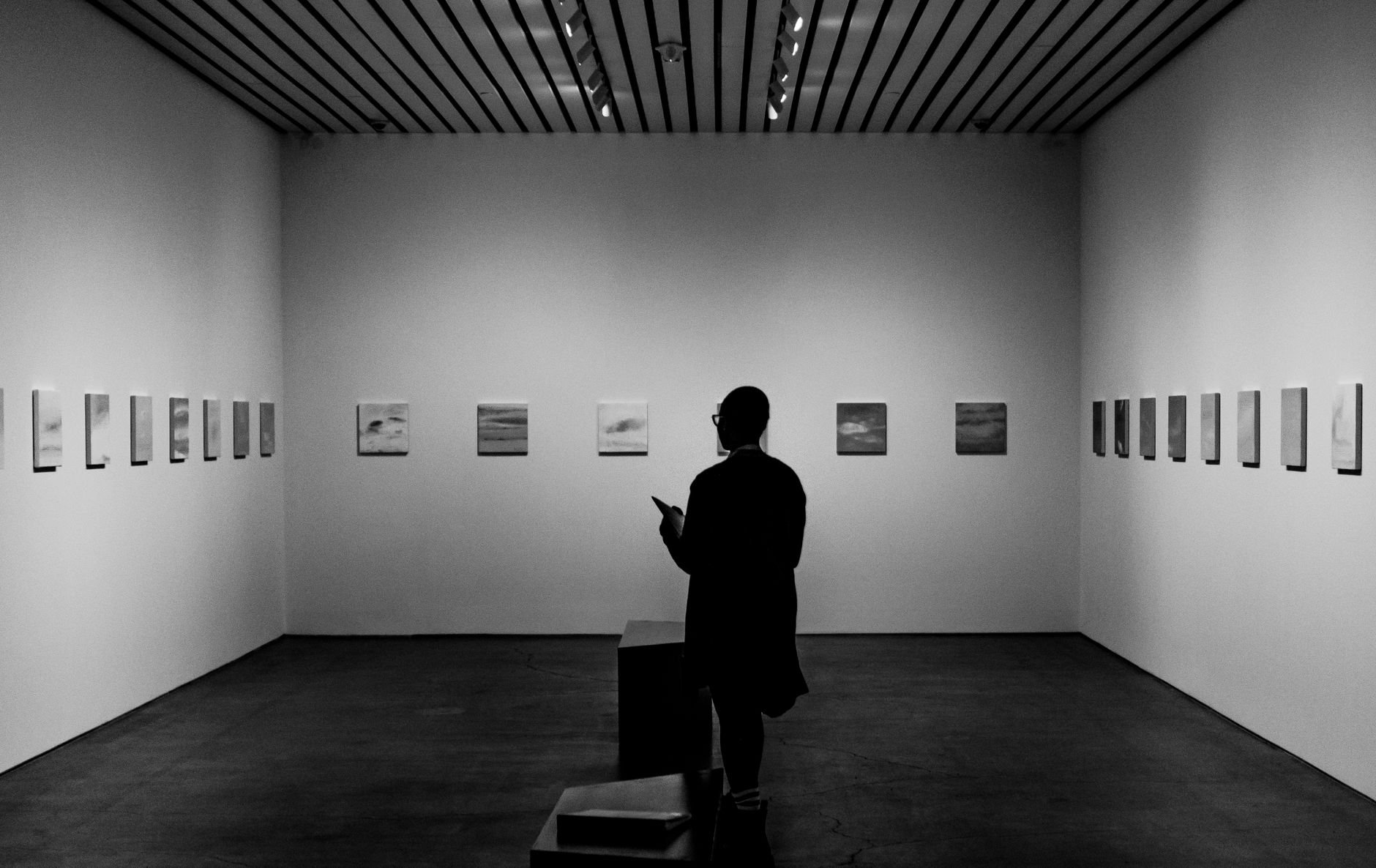
Spend the morning at University Circle: explore the Cleveland Museum of Art, free to enter for its permanent collection, then stroll through the surrounding cultural campus. In the afternoon, head to Little Italy for lunch and a wander through its galleries and cafes. Come evening, catch a performance at Severance Music Center or explore the Gordon Square Arts District for dinner and drinks.
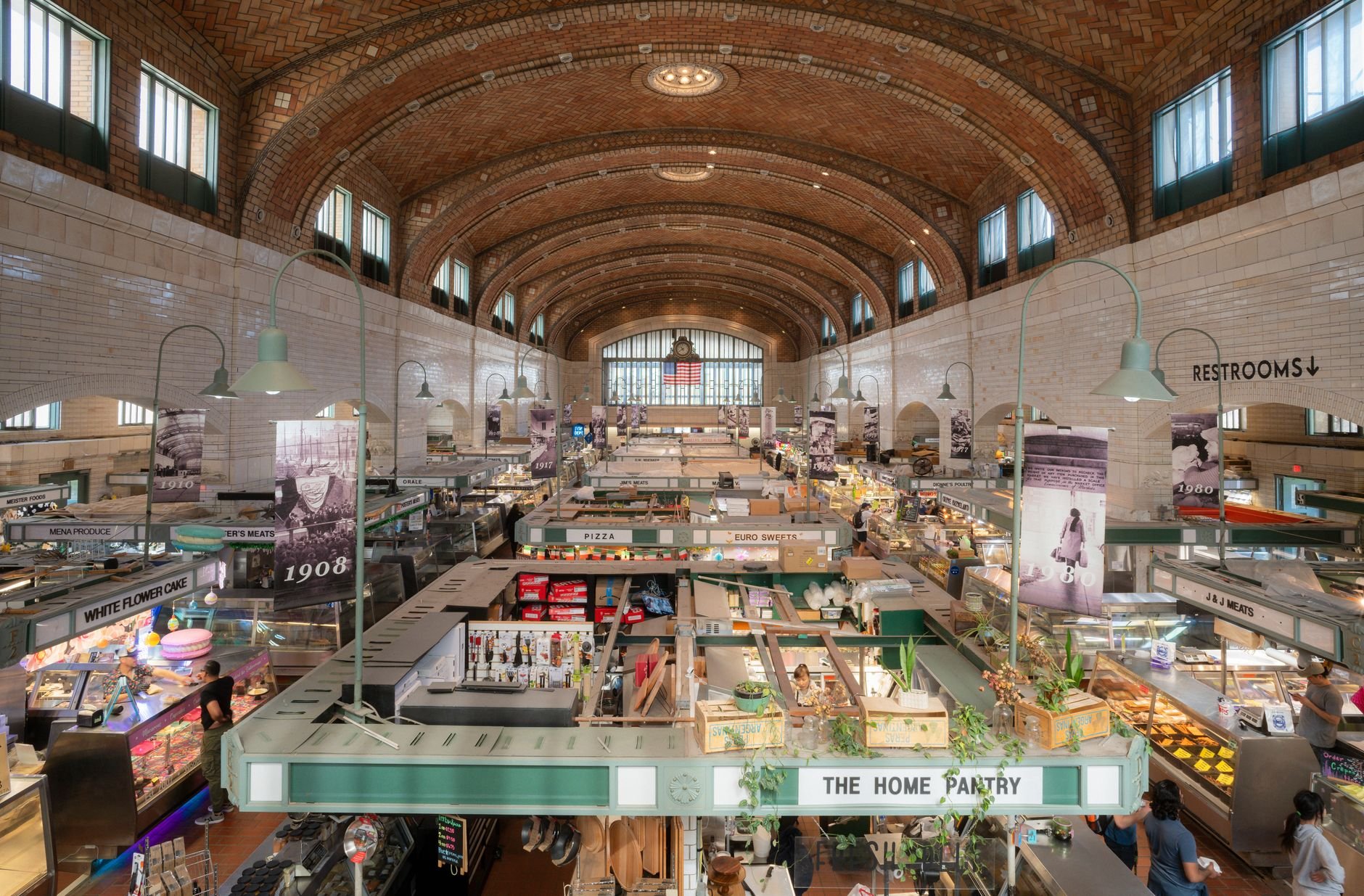
Begin your morning at the West Side Market in Ohio City, a stunning century-old market hall packed with local vendors and fresh food. Pick up breakfast bites and explore the surrounding Ohio City neighborhood, stopping into its craft breweries and coffee shops. In the afternoon, catch a Cleveland Guardians game at Progressive Field if in season, then wrap up with dinner along East 4th Street downtown.
Cleveland's cultural calendar reflects a city that takes both its passions and its seasons seriously. Winter draws devoted crowds to indoor arenas and concert halls, with the Cleveland Orchestra performing at Severance Music Center and the city's sports teams commanding fierce local loyalty. As temperatures rise, Cleveland opens up dramatically, with the Lake Erie waterfront coming alive and neighborhoods like Ohio City and Tremont spilling their energy onto sidewalks and patios.
Cleveland's food scene has quietly become one of the Midwest's most exciting, built on a foundation of ethnic diversity, independent spirit, and a deep connection to local markets and neighborhoods.
Cleveland Hopkins International Airport (CLE) is the city's main gateway,
located about 12 miles southwest of downtown and served by most major U.S. carriers, with rideshare, taxis, and rental cars all readily available at the terminal.
The RTA Red Line connects CLE directly to downtown Cleveland,
running from the airport to Tower City Center in about 20 minutes and offering the most affordable and traffic-free option for travelers staying near the city center.
I-90 is the primary driving corridor into Cleveland from both east and west,
passing directly through downtown along the Lake Erie shoreline, with Pittsburgh roughly 2 hours to the east and Toledo about 1.5 hours to the west.
Drivers from Columbus can reach Cleveland in approximately 2.5 hours
via I-71 North, a straightforward interstate route with no major toll stops between the two cities.
Amtrak's Lake Shore Limited stops at Cleveland Lakefront Station,
connecting the city to Chicago to the west and New York City to the east, though schedules are limited to one daily departure in each direction.
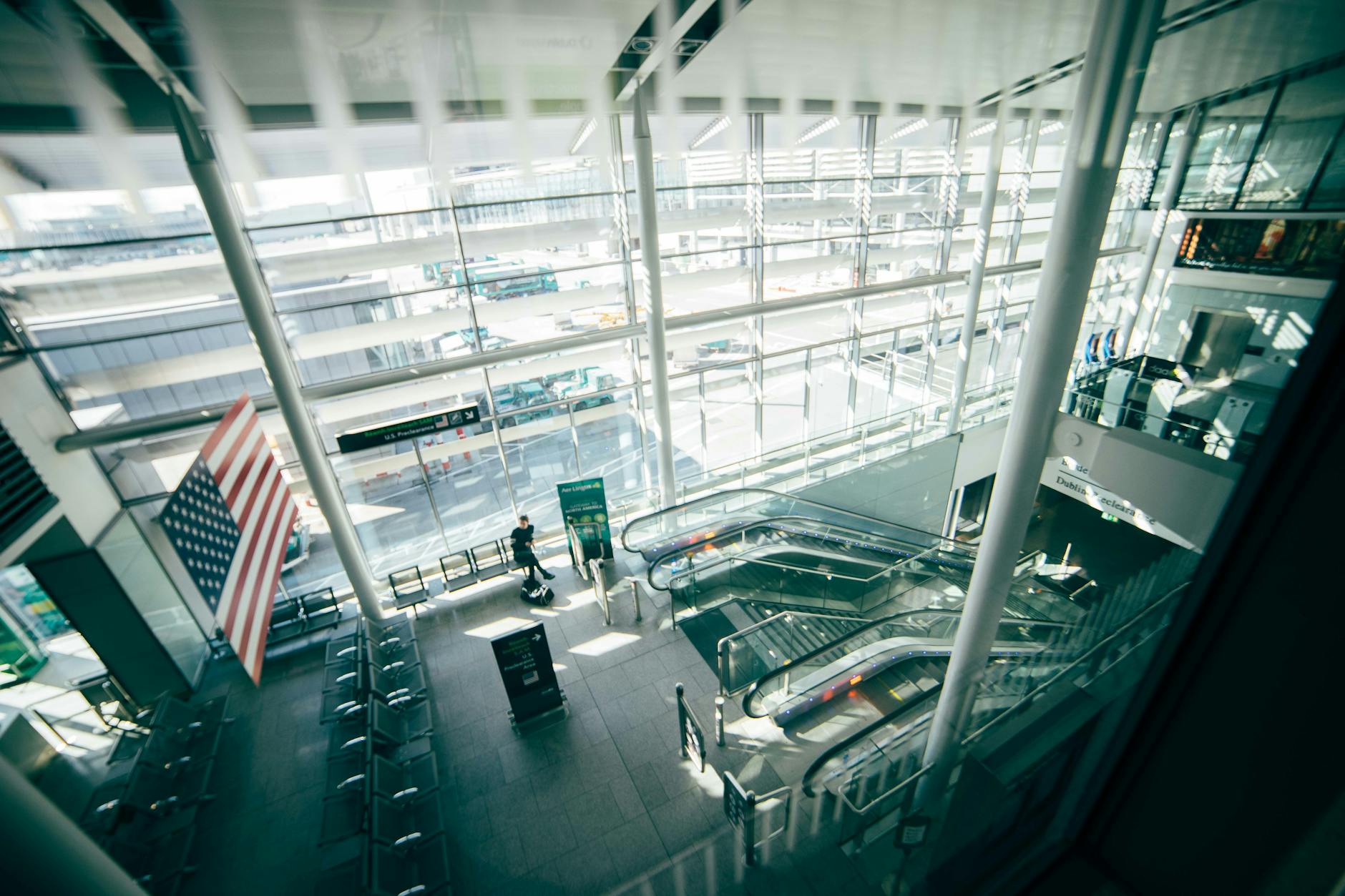
The RTA Red Line connects downtown Cleveland to University Circle in about 15 minutes,
making it the easiest and most reliable way to reach the Cleveland Museum of Art, Severance Music Center, and the surrounding cultural institutions without dealing with parking.
The HealthLine bus rapid transit route runs along Euclid Avenue from Public Square to University Circle,
stopping frequently through Midtown and offering a convenient, low-cost alternative to rideshare for visitors moving between downtown and the museum district.
Ohio City and Tremont are compact, walkable neighborhoods
where most visitors can cover the West Side Market, local restaurants, and bars entirely on foot once they have arrived, though a rideshare is needed to get between them and downtown.
Rideshare through Uber and Lyft is widely available across Cleveland
and is often the most practical choice for hopping between neighborhoods, particularly at night when transit frequency drops and parking near entertainment venues is limited.
Downtown parking garages are generally affordable on normal days
but rates spike and availability tightens significantly on Guardians, Cavaliers, and Browns game days, so arriving early or using rideshare is advisable when events are scheduled.
Cleveland follows standard Midwest tipping norms: 18 to 20 percent at sit-down restaurants, a few dollars per drink at bars, and a few dollars per night for hotel housekeeping. Most transactions are card-friendly, though the West Side Market vendors often prefer cash, so carry some on market days. The city is generally safe for visitors, but as with any urban destination, stay aware of your surroundings in unfamiliar areas after dark. Download the RTA app for transit schedules and the Uber or Lyft app for rideshare. Summers bring festivals and outdoor events along the lakefront, so check local event listings before you arrive to plan around crowds. Lake Erie weather is famously unpredictable, especially in spring and fall, so pack a layer regardless of the forecast. Locals are proud of their city and genuinely welcoming to visitors who show curiosity about what Cleveland has become.
Two to three days is enough to cover Cleveland's highlights. A long weekend lets you visit the Rock and Roll Hall of Fame, explore University Circle's museums, browse the West Side Market, and sample the restaurant scene across neighborhoods like Tremont and Ohio City. Sports fans may want an extra day if there is a Guardians, Cavaliers, or Browns game on the schedule.
Cleveland is best known for the Rock and Roll Hall of Fame, the Cleveland Orchestra - ranked among the world's finest - and the Cleveland Museum of Art. The city also has a passionate sports culture centered on the Guardians, Cavaliers, and Browns, plus a thriving food and craft brewery scene anchored by the historic West Side Market in Ohio City.
Yes, Cleveland works very well as a weekend trip. Two days is enough to hit the Rock and Roll Hall of Fame, University Circle's museums, and the West Side Market, with time left for dinner in Tremont or Ohio City. The city is drivable from Pittsburgh, Columbus, Detroit, and Chicago, making it an easy and rewarding short getaway.
Cleveland is one of the more affordable major American cities for travelers. Hotels, dining, and entertainment tend to cost less than coastal equivalents. The Cleveland Museum of Art's permanent collection is free to enter, and the West Side Market is a budget-friendly food stop. Costs add up mainly around sports events and downtown hotels on game nights.
Late spring through early fall, roughly May to October, offers the most pleasant weather and the most outdoor activity along Lake Erie. Summer brings festivals, lakefront events, and a full sports and concert calendar, though it is also the busiest and priciest season.