
Baltimore, MD
A Journey guide to
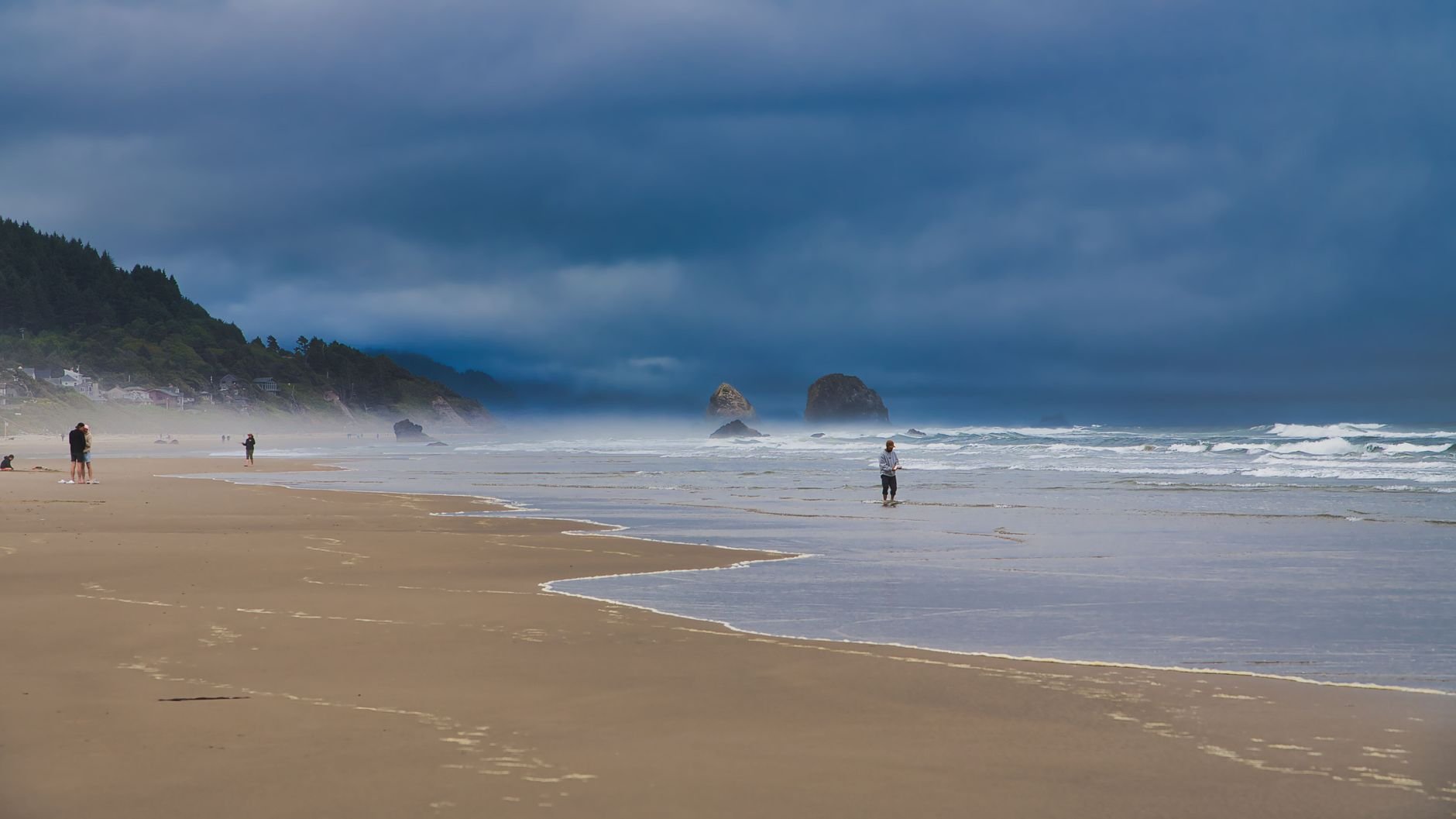
Coos Bay is the largest city on the Oregon Coast and the commercial and cultural anchor of the southern coast. It sits at the edge of one of the most dramatic stretches of the Pacific shoreline in the continental United States, where towering sand dunes, dense temperate rainforest, and rocky headlands converge within a short drive of one another. The city's working waterfront and deep-water port give it an authenticity that purpose-built resort towns simply cannot replicate.
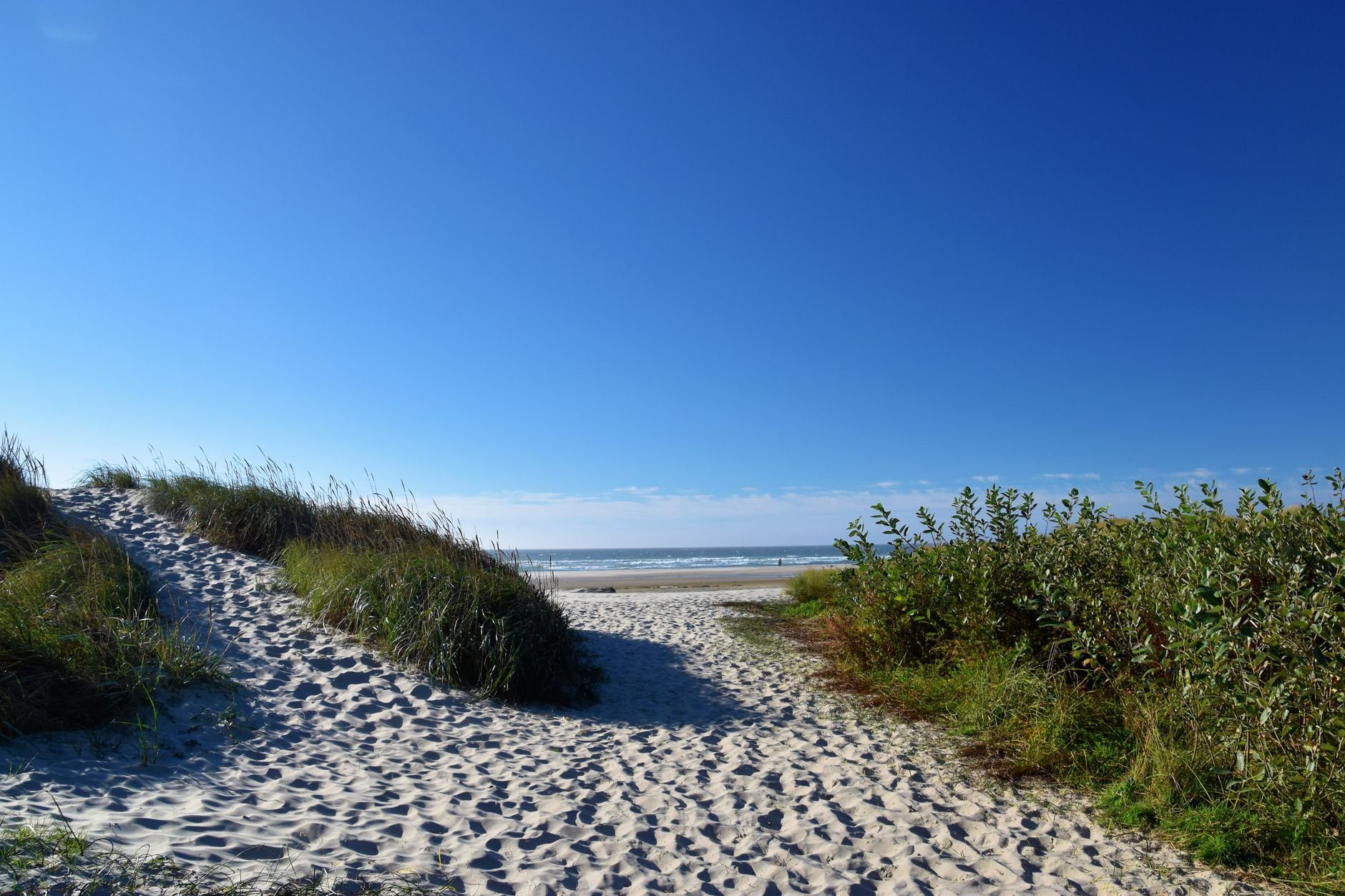
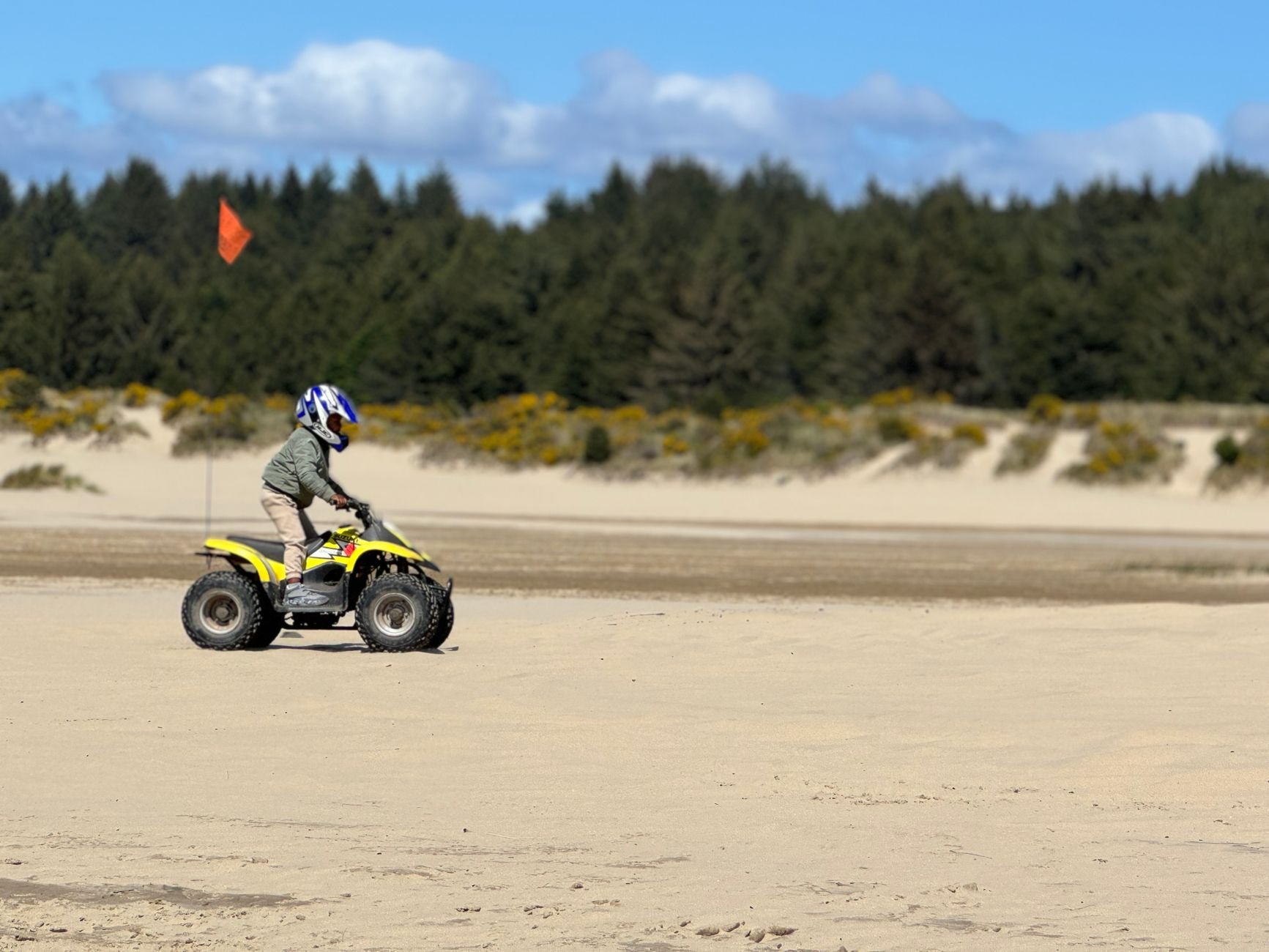
The Oregon Dunes National Recreation Area is the defining natural landmark of the region. Stretching roughly 40 miles along the coast, these are among the largest coastal sand dunes in North America, rising in places to over 500 feet. Visitors hike, sandboard, and explore by ATV across a landscape that feels genuinely otherworldly. Nearby Shore Acres State Park, perched on dramatic sea cliffs above the Pacific, draws visitors for its sculpted botanical gardens and wave-watching platforms.
Coos Bay attracts outdoor adventurers, road-trippers on the Pacific Coast Highway, and travelers seeking a genuine Pacific Northwest coastal experience without the crowds of more commercialized destinations. The area is a stronghold for crabbing, clamming, and sport fishing, and the local culinary scene reflects that maritime identity with fresh Dungeness crab and bay oysters as staples on menus throughout the city.
The broader Bay Area region, which includes the neighboring communities of North Bend and Charleston, has a strong arts presence anchored by the Coos Art Museum, one of the oldest art institutions on the Oregon Coast. The area also celebrates its heritage as a timber and shipping hub, with history woven into the waterfront architecture and local museums that document the region's Indigenous Coos people and its 19th-century settlement era.
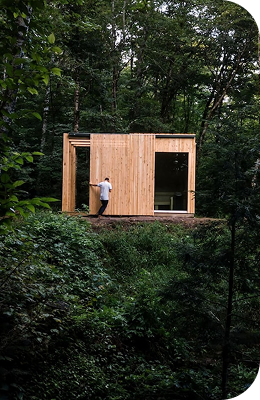





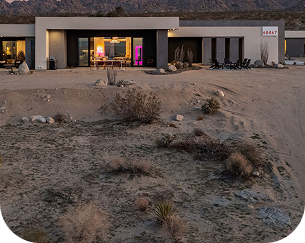

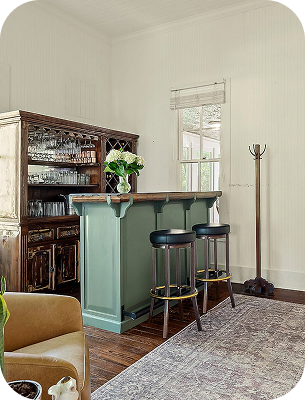



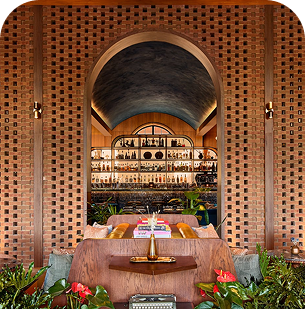

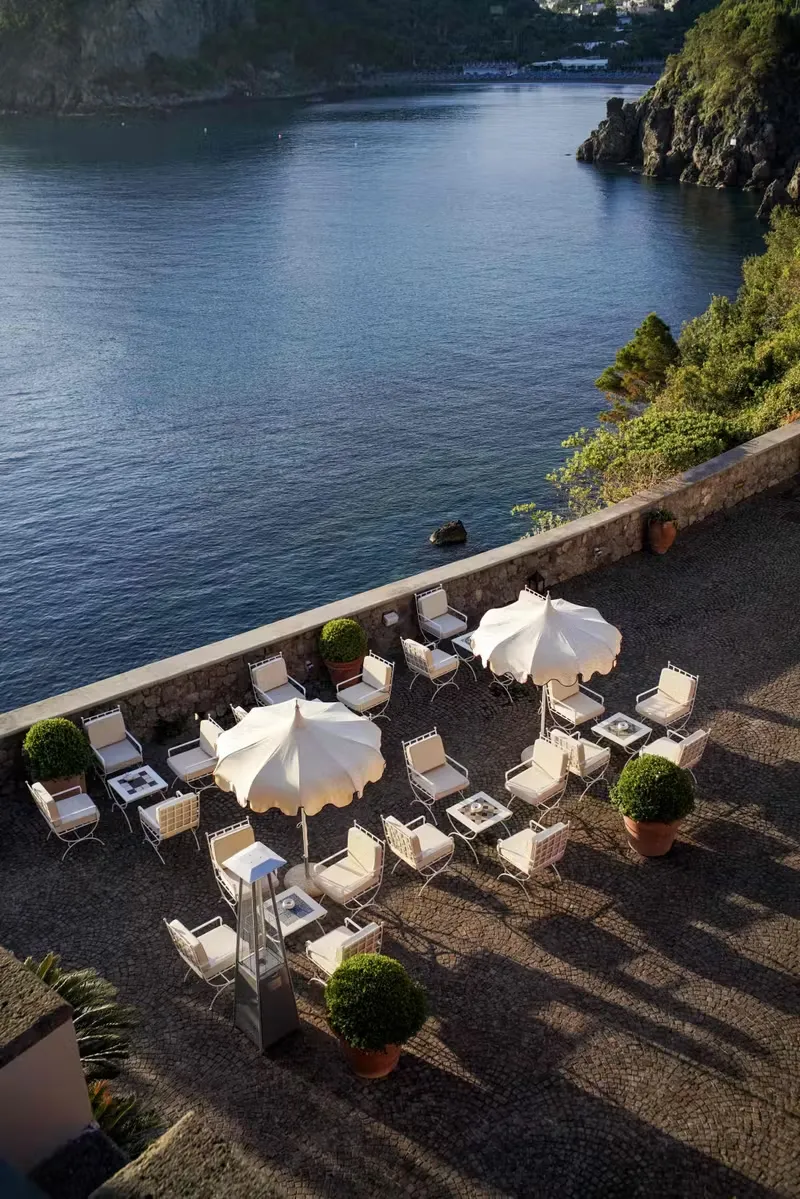

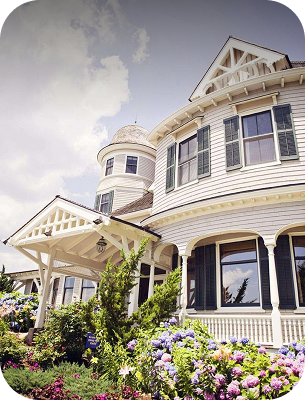

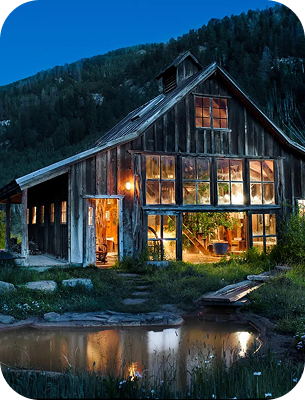

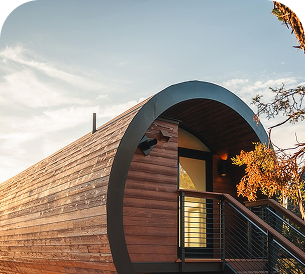

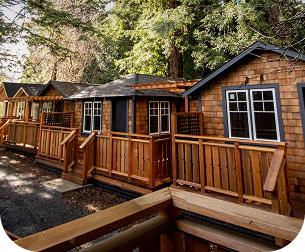

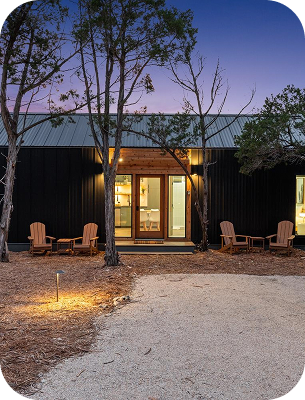



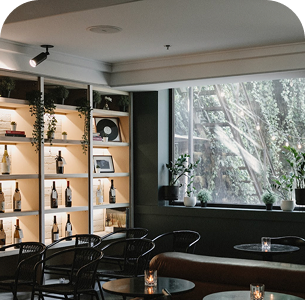

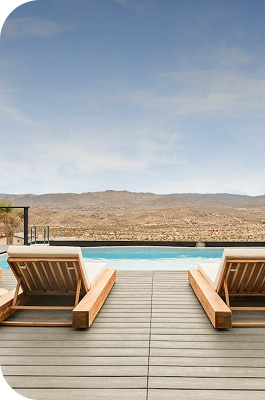

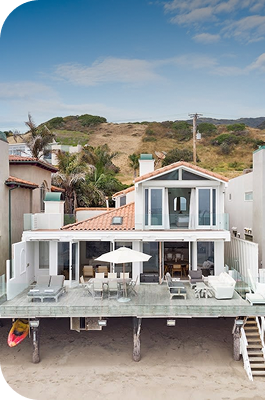

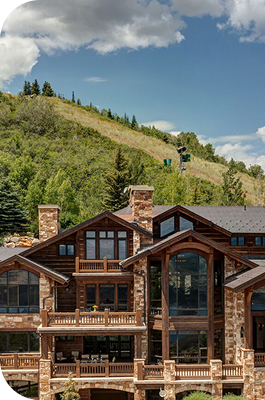



Journey connects travelers to a curated network of boutique hotels and distinctive residences around the world, all united under one rewards program. Explore handpicked stays for your trip while earning points, unlocking exclusive offers, and receiving rewards across the Journey collection.
Coos Bay occupies the eastern shore of a large natural estuary on the southern Oregon Coast, roughly midway between the California border and the central coast town of Florence. The bay itself is the largest natural harbor between San Francisco and Puget Sound, a geographic fact that shaped the city's entire history. The deep-water port made Coos Bay a critical shipping point for Oregon's timber industry throughout the late 19th and 20th centuries, and the working port remains active today, exporting wood products and receiving cargo that serves the region.
The city sits within a landscape of remarkable contrast. To the west, the Oregon Dunes sweep along the coastline in a vast, wind-sculpted expanse of sand. To the east and north, the Coast Range rises steeply, blanketed in Sitka spruce, Douglas fir, and western red cedar. The estuary itself is rich with tidal flats and marshes that support abundant birdlife and shellfish, making the bay as ecologically significant as it is visually striking.
Culturally, Coos Bay is grounded in the working-class traditions of fishing, logging, and maritime trade. That identity gives the city a directness and unpretentiousness that distinguishes it from more tourist-polished coastal destinations. The Coos people, the Indigenous inhabitants of this coastline for thousands of years, maintain a presence in the region through the Confederated Tribes of Coos, Lower Umpqua and Siuslaw Indians, and their history is documented at the Coos History Museum on the waterfront.
For travelers, Coos Bay functions as an ideal base for exploring a wide arc of the southern Oregon Coast. Cape Arago State Park, the South Slough National Estuarine Research Reserve, and the charming fishing village of Charleston are all within a short drive. The city's downtown has a compact, walkable core with independent restaurants, galleries, and shops that reflect the creative energy of a coastal community with deep roots and a forward-looking arts culture.
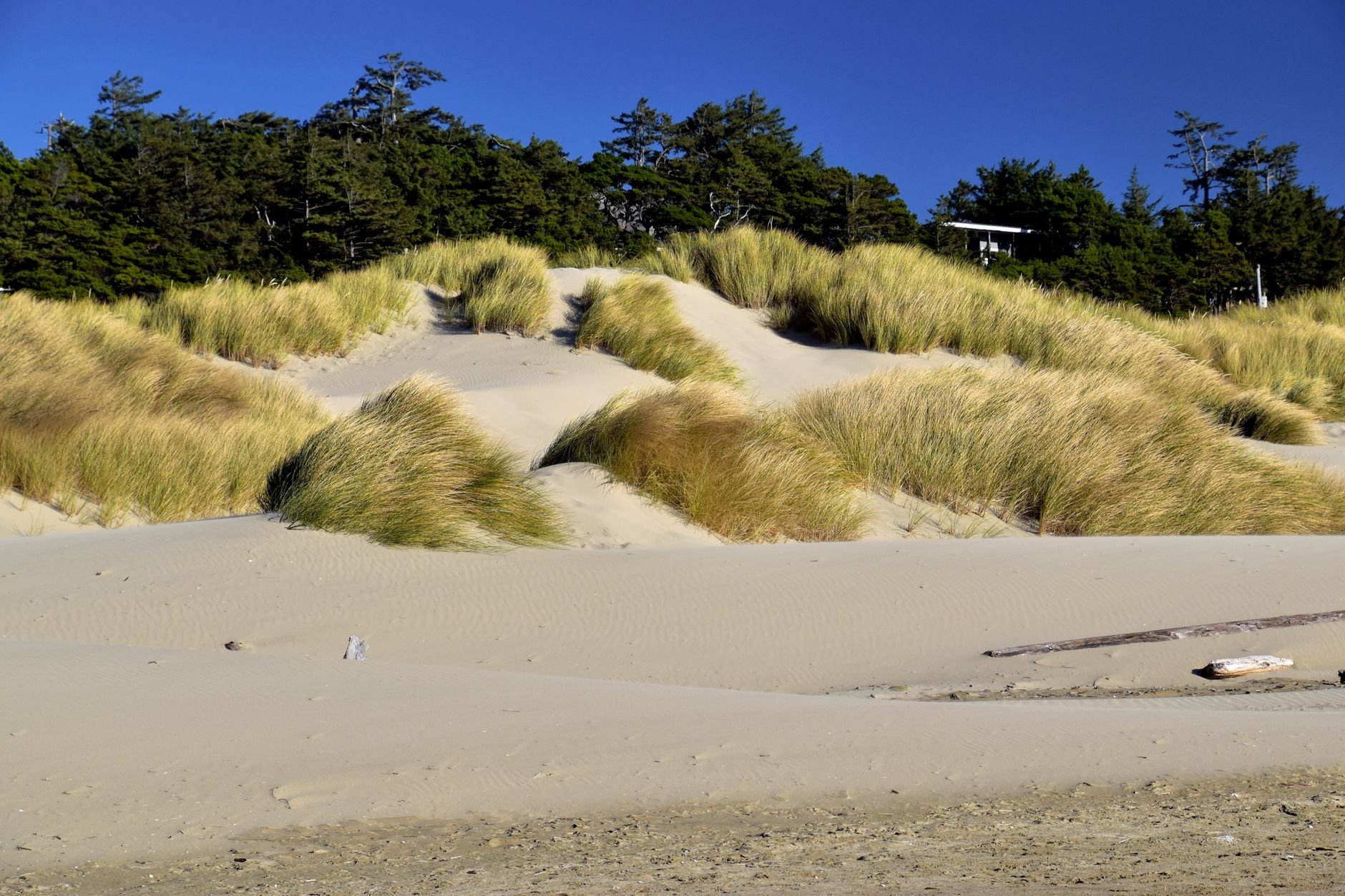
Summer and early fall, roughly July through mid-October, offer the most reliable conditions for exploring Coos Bay and the surrounding coast. This window aligns with the driest stretch of the year, when the Oregon Dunes National Recreation Area is fully accessible for hiking, sandboarding, and ATV riding, and when Shore Acres State Park's botanical gardens are at their most vibrant. Crowds are present but manageable compared to more heavily marketed Oregon Coast destinations like Cannon Beach or Seaside, making Coos Bay a rewarding choice for travelers seeking an authentic experience without fighting for parking or reservations.
July and August draw the highest visitor numbers, particularly on weekends, when the dunes and state parks see peak activity. Travelers who prefer a quieter experience should target the shoulder weeks of late June or September, when conditions remain favorable but day-tripper traffic drops noticeably. Early fall is especially appealing for fishing and crabbing enthusiasts, as Dungeness crab season and salmon runs bring strong activity to the bay and charter fleets.
Spring, from April through June, is a solid choice for travelers drawn to the coastal forests and wildlife. Gray whale migration peaks along the Oregon Coast in spring, and the headlands around Cape Arago offer excellent viewing platforms. Rain is still a regular presence, but the landscape is intensely green and wildflowers appear along coastal trails. Cultural venues including the Coos Art Museum maintain regular programming year-round, making the city a worthwhile stop in any season.
Winter is best suited for storm watchers and travelers who relish dramatic, uncrowded coastlines. The holiday light display at Shore Acres State Park draws regional visitors each November and December, offering a rare burst of festive activity during the quietest travel period of the year.
The commercial and cultural heart of the city, Downtown Coos Bay lines its main corridor with locally owned shops, restaurants, and the historic Egyptian Theatre. The working waterfront runs alongside, giving the district a gritty maritime character rooted in the port's timber and fishing heritage. The Coos Art Museum anchors the arts scene here, making it the most walkable and visitor-friendly part of the city.
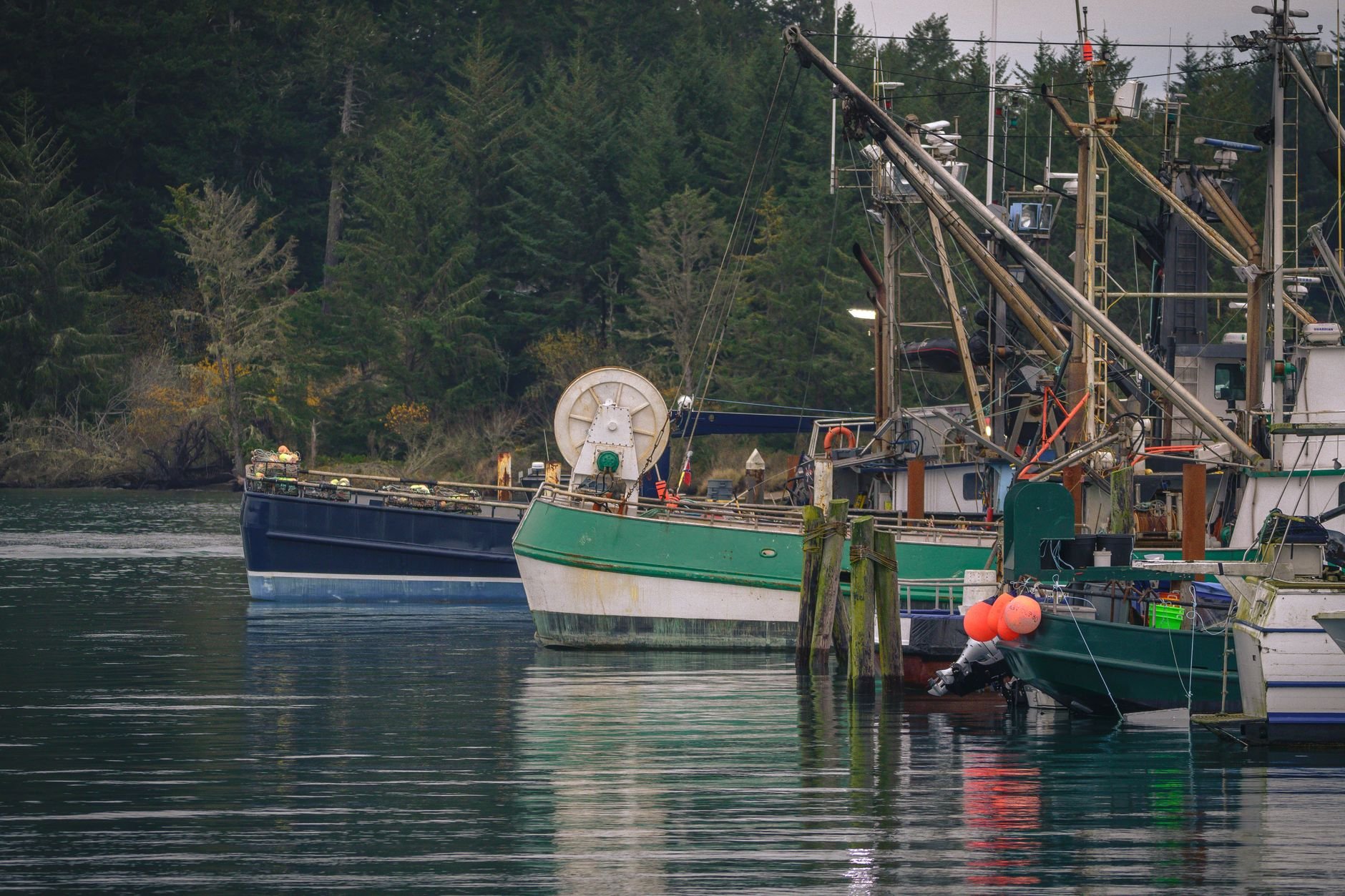
A small fishing village tucked at the mouth of Coos Bay, Charleston is where the working harbor meets outdoor adventure. The Charleston Marina is the launching point for sport fishing, crabbing, and whale-watching charters, and the docks are lined with boats hauling in fresh Dungeness crab and oysters. From here, a short drive leads to the trio of state parks - Shore Acres, Sunset Bay, and Cape Arago - making it the gateway to the most dramatic coastal scenery in the region.
Directly adjacent to Coos Bay, North Bend is the quieter sister city that blends residential neighborhoods with the northern entrance to the Oregon Dunes National Recreation Area. The Pony Village area offers everyday shopping and services, while the nearby dunes draw sandboarders, hikers, and ATV riders to a landscape of sweeping coastal sand formations. The city also serves as home to the Southwest Oregon Regional Airport, making it the practical hub for travelers arriving by air.
Coos Bay earns its reputation through a handful of experiences that simply cannot be replicated anywhere else on the Oregon Coast - or anywhere in North America.
Exploring the Oregon Dunes
The dunes are the defining reason travelers make the trip to Coos Bay. These are not modest coastal dunes - they rise over 500 feet in places and stretch for 40 miles, creating a landscape that genuinely surprises first-time visitors. Whether you hike into the backcountry on foot, rent a sandboard for a run down a steep face, or book an ATV tour that launches you over crests and through open corridors of sand, the experience is visceral and unlike anything else in the Pacific Northwest. The interplay of forested ridges, open sand, and coastal lakes within the recreation area adds ecological variety that rewards slow exploration.
Storm Watching at Shore Acres
Shore Acres State Park has built a devoted following among travelers who time their visits to coincide with Pacific storm season, typically November through March. The park's wave-watching platforms sit directly above sea cliffs where swells generated thousands of miles offshore arrive with tremendous force. Waves regularly crash 30 to 50 feet into the air against the rock faces below. The combination of the park's manicured botanical gardens - blooming even in winter - against this raw oceanic power creates a contrast that defines the southern Oregon Coast experience.
Crabbing and Clamming in the Bay
Few coastal experiences are as hands-on or as locally beloved as pulling Dungeness crab from Coos Bay itself. Crabbing from docks and charter boats is a genuine local tradition, not a curated tourist activity, and the bay's clam flats offer productive clamming for visitors willing to get muddy. Eating what you caught - cracked crab at a picnic table overlooking the estuary - is the kind of unscripted, place-specific memory that defines a trip to Coos Bay.
Coos Bay delivers an exceptional range of activities rooted in its position at the meeting point of ocean, estuary, forest, and dune. Outdoor recreation dominates the experience here, but the city and its surrounding communities also offer meaningful cultural and culinary depth.
Outdoor Recreation
The Oregon Dunes National Recreation Area is the centerpiece of outdoor adventure in the region. Spanning roughly 40 miles of coastline, the dunes invite hiking, sandboarding, and ATV riding across a vast and surreal landscape. Trails wind through forested corridors and open sand sheets, offering solitude or adrenaline depending on your preference. The bay and its tributaries are prime territory for kayaking, paddleboarding, and fishing, while the Pacific surf draws surfers and wave-watchers year-round.
Scenic Exploration
Shore Acres State Park, perched on rugged sea cliffs southwest of the city, is one of the most scenic stops on the entire Oregon Coast. Its botanical gardens bloom against a backdrop of crashing Pacific waves, and the storm-watching platforms are legendary in winter. Cape Arago State Park and Sunset Bay State Park round out a trio of coastal parks accessible along the same scenic loop road.
Cultural Attractions
The Coos Art Museum, one of the oldest art institutions on the Oregon Coast, anchors the city's cultural identity with rotating exhibitions and a permanent collection. The Coos History Museum documents the region's Indigenous heritage, timber industry, and maritime past through engaging exhibits along the waterfront.
Food and Dining
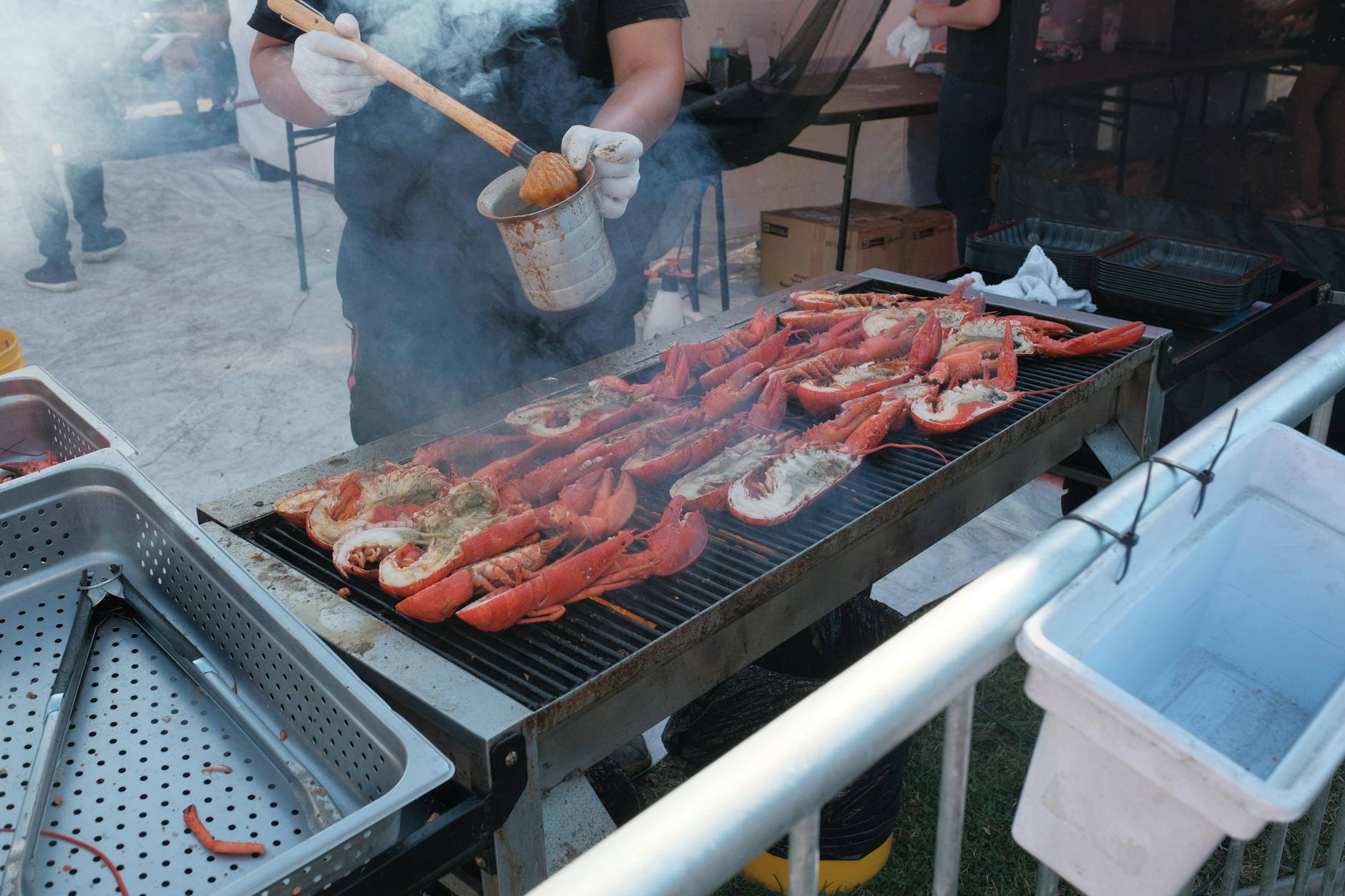
Coos Bay's culinary identity is built on what comes out of the water. Dungeness crab, bay oysters, clams, and fresh-caught fish anchor menus throughout the city and neighboring Charleston. Local seafood markets and waterfront restaurants offer some of the most direct farm-to-table - or rather, bay-to-table - dining on the coast.
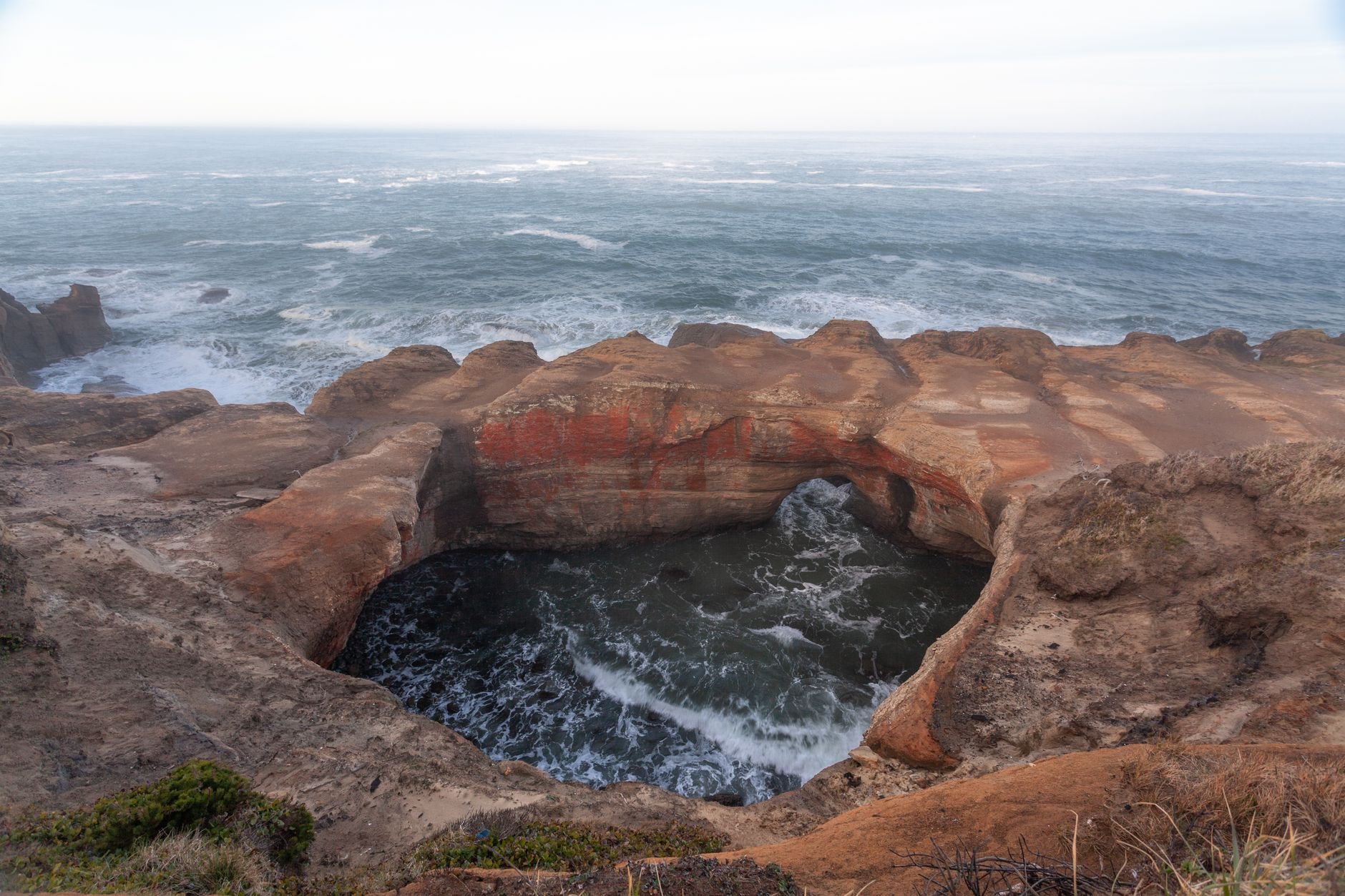
Start the morning on the Coos Bay waterfront, exploring the boardwalk and grabbing fresh Dungeness crab at a local seafood spot. In the afternoon, head to Shore Acres State Park to walk the dramatic sea cliffs and tour the sculpted botanical gardens overlooking the Pacific. End the evening back in town with dinner at a bay-front restaurant and a stop at the Coos Art Museum.

Dedicate the day to the Oregon Dunes National Recreation Area. Arrive early for a guided sandboarding session or an ATV ride across the towering dunes north of North Bend. Hike the Umpqua Dunes Trail in the afternoon for sweeping views of the coastal landscape. Wind down with a casual dinner in North Bend and a sunset walk along the bay.
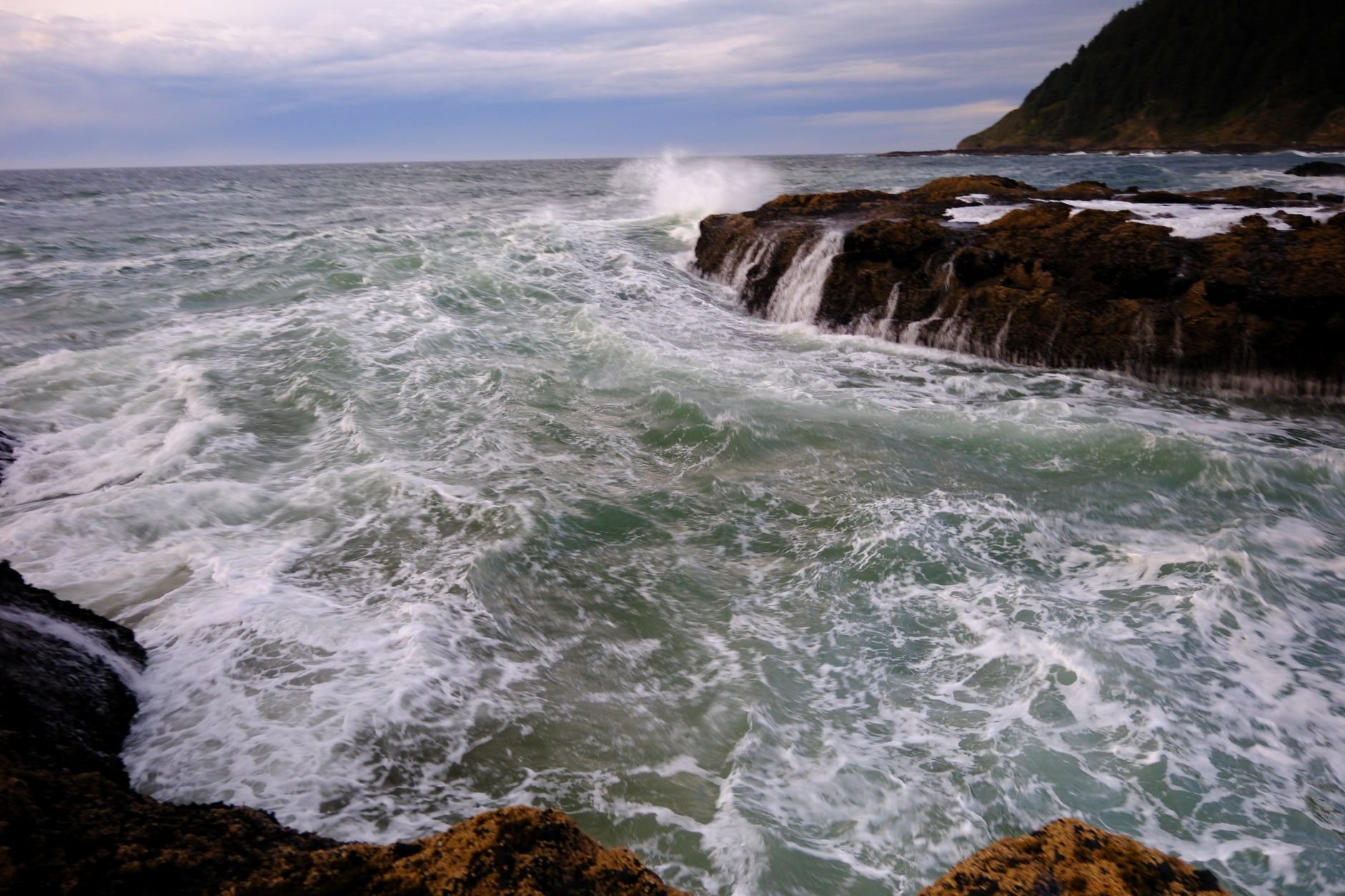
Head to Charleston Marina in the morning for a crabbing or clamming excursion on the bay. After returning, explore Cape Arago State Park, walking the trails above rocky tidepools and watching for harbor seals. In the afternoon, browse the shops and galleries along Coos Bay's downtown corridor before a farewell seafood dinner featuring local bay oysters.
Coos Bay, Oregon pulses with a distinct seasonal rhythm shaped by its maritime heritage, outdoor culture, and tight-knit coastal community. Spring brings the first outdoor celebrations to the waterfront, with BBQ, Blues, Brews and Bourbon on the Bay kicking off the warmer months each May with live music and local flavors along the bay. Summer is the cultural high point: the Oregon Coast Music Festival fills July with orchestral and ensemble performances, while the inaugural Oregon Coast Food and Wine Celebration and the Charleston Seafood Festival put the region's Dungeness crab, oysters, and local bounty front and center. August belongs to artists and foragers alike, as the Blackberry Arts Festival transforms the downtown with local crafts, music, and the iconic late-summer fruit. September delivers a one-two punch with the Bay Area Fun Festival, one of the largest community gatherings on the Oregon Coast, running alongside the Prefontaine Memorial Run, a road race honoring Coos Bay's own legendary distance runner Steve Prefontaine. As autumn deepens into winter, Shore Acres State Park becomes a destination in its own right when its cliff-top botanical gardens are illuminated for the beloved Holiday Lights display each November and December.
Coos Bay's culinary identity is rooted in its working waterfront and the cold, productive waters of the Pacific. Dungeness crab is the undisputed star of the local table, served steamed, cracked, and fresh at restaurants and fish markets throughout the city and neighboring Charleston. Bay oysters, harvested from the estuary, appear on menus alongside clam chowder made with locally dug razor and butter clams. Crabbing and clamming are not just commercial pursuits here but genuine community traditions, and the food reflects that hands-on relationship with the sea.
Southwest Oregon Regional Airport (OTH) in North Bend is the closest airport to Coos Bay,
serving limited regional routes, with rental cars available on-site for the short drive into the city center.
Eugene Airport (EUG) is the most practical fly-in option for most travelers,
offering broader airline connections and sitting roughly 100 miles northeast of Coos Bay, about a 1.5 to 2 hour drive via OR-38 west through the Umpqua River valley.
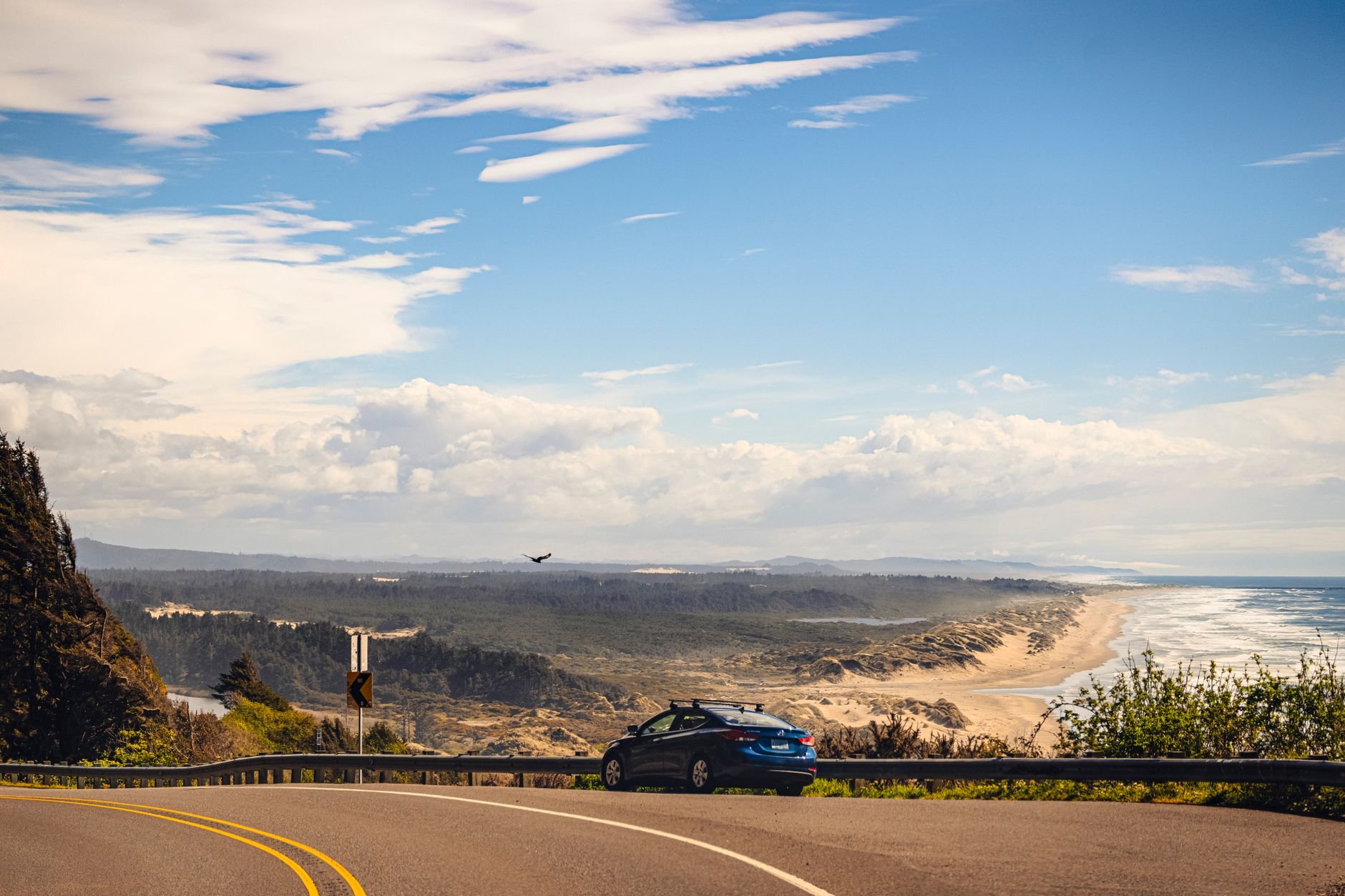
US-101 (the Pacific Coast Highway) runs directly through Coos Bay,
making the city a natural stop on any Oregon Coast road trip, with Portland about 3.5 to 4 hours north via I-5 to OR-38 and then south on US-101.
Greyhound bus service connects Coos Bay to Eugene and beyond,
with the Coastal Express regional bus also linking Coos Bay to neighboring communities along the southern Oregon Coast for travelers without a car.
Downtown Coos Bay's waterfront district is compact and walkable,
with the main strip of restaurants, shops, and the Coos Art Museum all within easy walking distance of one another along the bay.
A rental car is strongly recommended for reaching the Oregon Dunes, Shore Acres State Park, and Cape Arago,
as these key attractions are spread along rural roads outside the city and are not served by regular transit.
The Coastal Express bus connects Coos Bay to Bandon, Port Orford, and Gold Beach to the south,
offering a low-cost option for travelers making point-to-point trips along the southern Oregon Coast without a vehicle.
Rideshare through Uber and Lyft operates in Coos Bay but with limited driver availability,
so plan ahead for evening returns from restaurants or parks, and do not count on on-demand pickup in more remote areas like Charleston.
Shore Acres State Park charges a day-use parking fee of $5 per vehicle,
while most other state park pullouts and trailheads along the Cape Arago Highway offer free parking with no reservation required.
Oregon's coast is famously unpredictable weather-wise, and Coos Bay is no exception. Pack layers and a waterproof jacket regardless of the season. Summer brings the most reliable sunshine but also coastal fog in the mornings, which typically burns off by midday. Shoulder seasons in May and September offer fewer crowds and comfortable temperatures. If you plan to crab or clam, check current harvest regulations and shellfish safety closures with the Oregon Department of Fish and Wildlife before heading out, as conditions change seasonally. Most restaurants and shops in Coos Bay operate on smaller-town hours, so call ahead or check online before making a trip, especially on Mondays and Tuesdays when some local spots close. Tipping follows standard US norms at 18 to 20 percent for sit-down dining. Cell service can be spotty along the Cape Arago Highway and in the dunes, so download offline maps before heading out. Entrance to Shore Acres State Park requires a $5 day-use fee, payable at the gate.
Two to three days is enough to experience the highlights of Coos Bay and the surrounding area. One day covers the Oregon Dunes and Shore Acres State Park, another works well for crabbing, clamming, or exploring the waterfront and Coos Art Museum. A third day lets you venture into neighboring North Bend and Charleston at a relaxed pace.
Coos Bay is best known as the gateway to the Oregon Dunes National Recreation Area, home to some of the largest coastal sand dunes in North America. It is also recognized for its working deep-water port, Dungeness crab and bay oysters, and the dramatic sea cliffs and botanical gardens at Shore Acres State Park.
Yes, Coos Bay works well as a weekend trip, especially from Portland, which is about a three-hour drive away. A two-day visit gives you time to explore the Oregon Dunes, Shore Acres State Park, and the local waterfront dining scene. It is a practical escape for travelers wanting a genuine Pacific Northwest coastal experience without a long journey.
Coos Bay is one of the more affordable destinations on the Oregon Coast. Lodging, dining, and activities tend to cost less than in heavily touristed coastal towns. Fresh Dungeness crab and oysters are local staples available at reasonable prices. Most natural attractions, including the Oregon Dunes and Shore Acres State Park, charge little to no entry fee.
Late spring through early fall, roughly May through September, offers the mildest weather and the best conditions for outdoor activities. Summer brings the driest days, though coastal fog is common in the mornings along this stretch of the Oregon Coast.