
Baltimore, MD
A Journey guide to
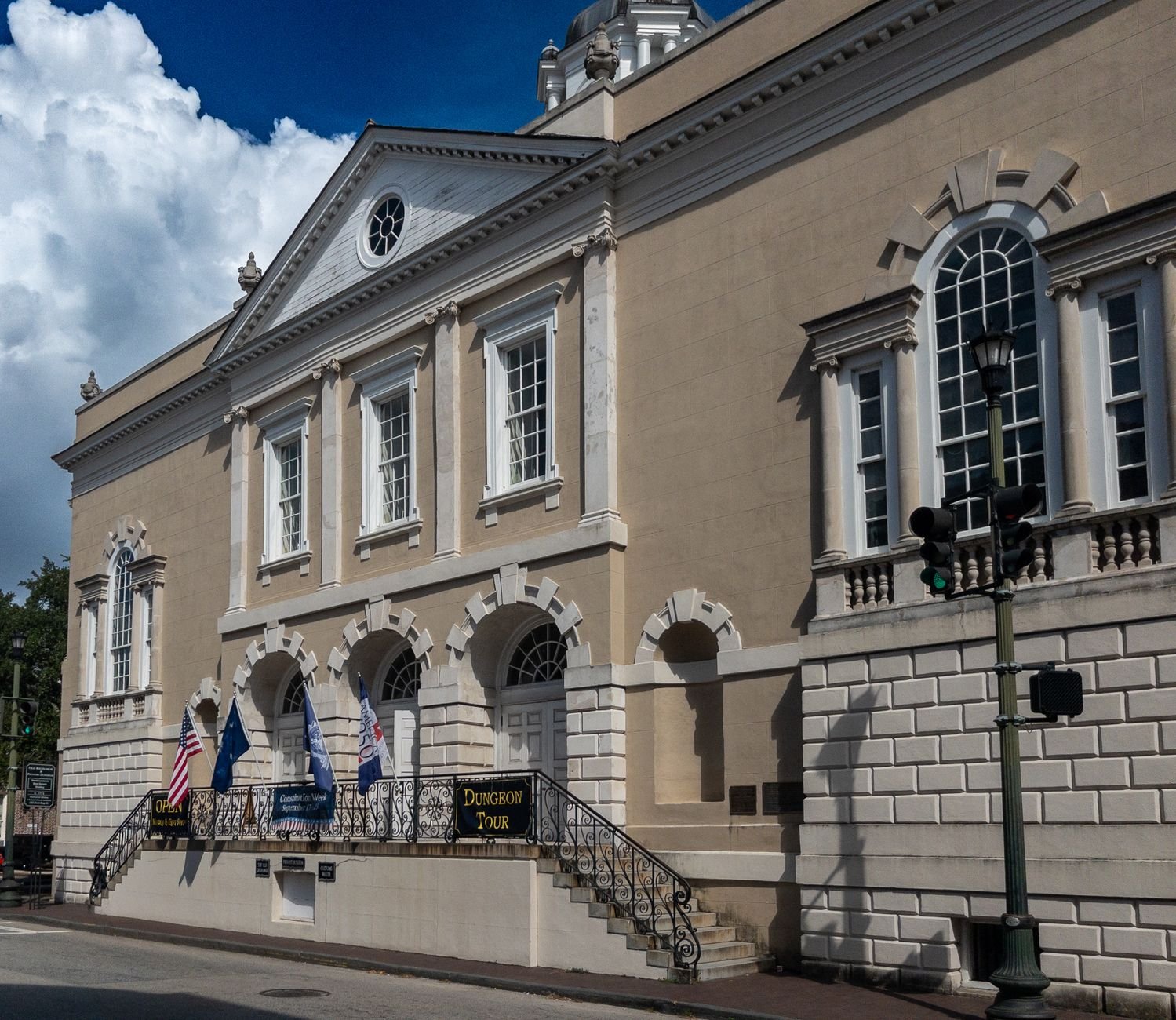
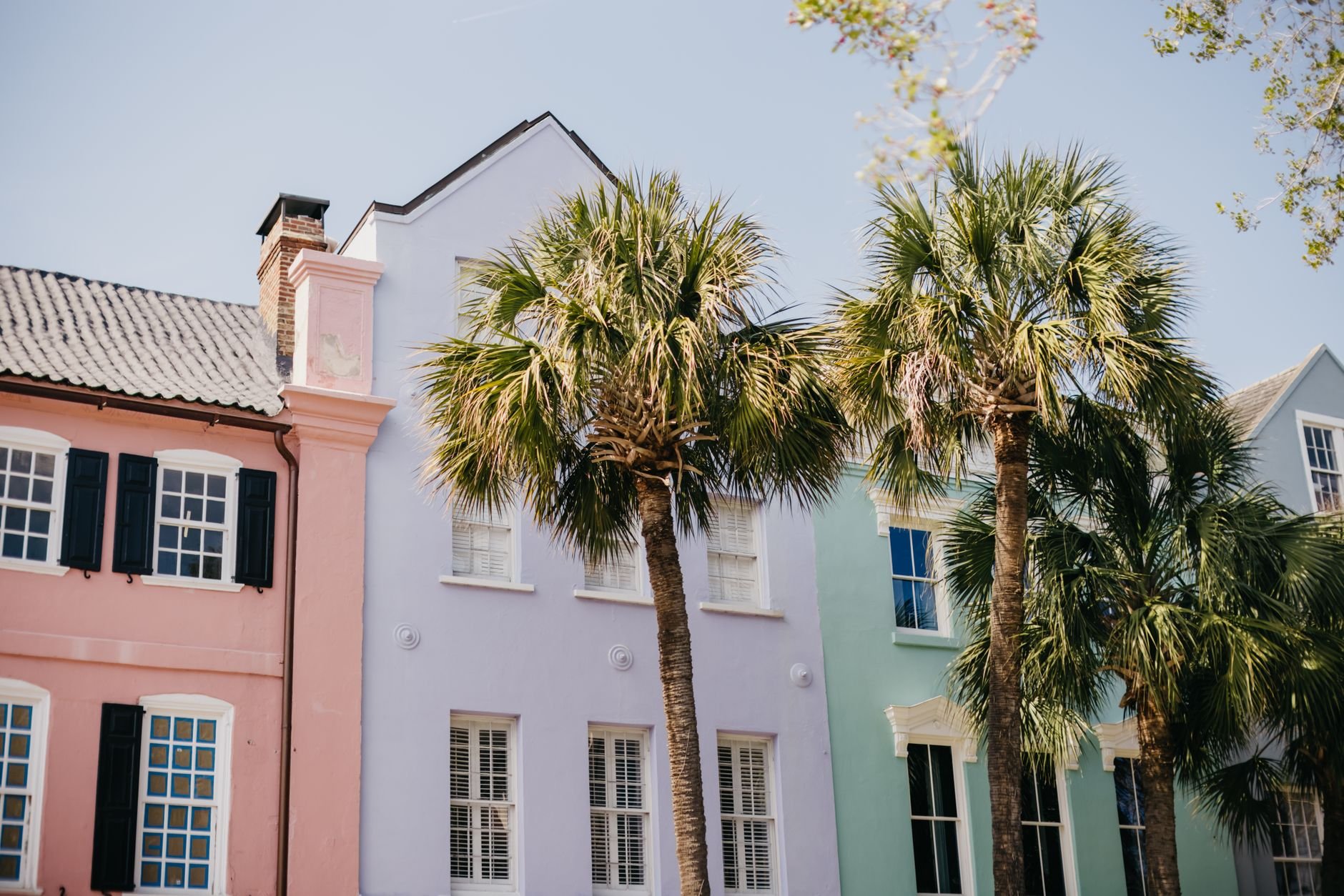
Charleston is one of the American South's most storied and visually arresting cities, a place where centuries of history are written into every wrought-iron gate, cobblestone lane, and pastel-painted facade. Founded in 1670, it is among the oldest cities in the United States, and its remarkably preserved historic district functions as a living museum of colonial, antebellum, and Reconstruction-era architecture. Few American cities wear their past so elegantly or so honestly.
The culinary scene is a defining reason to visit. Charleston has emerged as one of the most celebrated food cities in the country, anchored by a Lowcountry cuisine tradition that draws on West African, European, and coastal Southern influences. Dishes like shrimp and grits, she-crab soup, and rice-based preparations rooted in Gullah Geechee foodways appear on menus ranging from historic taverns to nationally recognized fine dining restaurants.
The city's cultural identity is inseparable from the Gullah Geechee people, descendants of enslaved West and Central Africans who preserved a distinct language, cuisine, and artistic tradition across the Sea Islands and Lowcountry. Sites like the International African American Museum, which opened in 2023 on the very wharf where thousands of enslaved people arrived, give this heritage the serious, immersive treatment it deserves. Charleston draws travelers who seek depth alongside beauty.
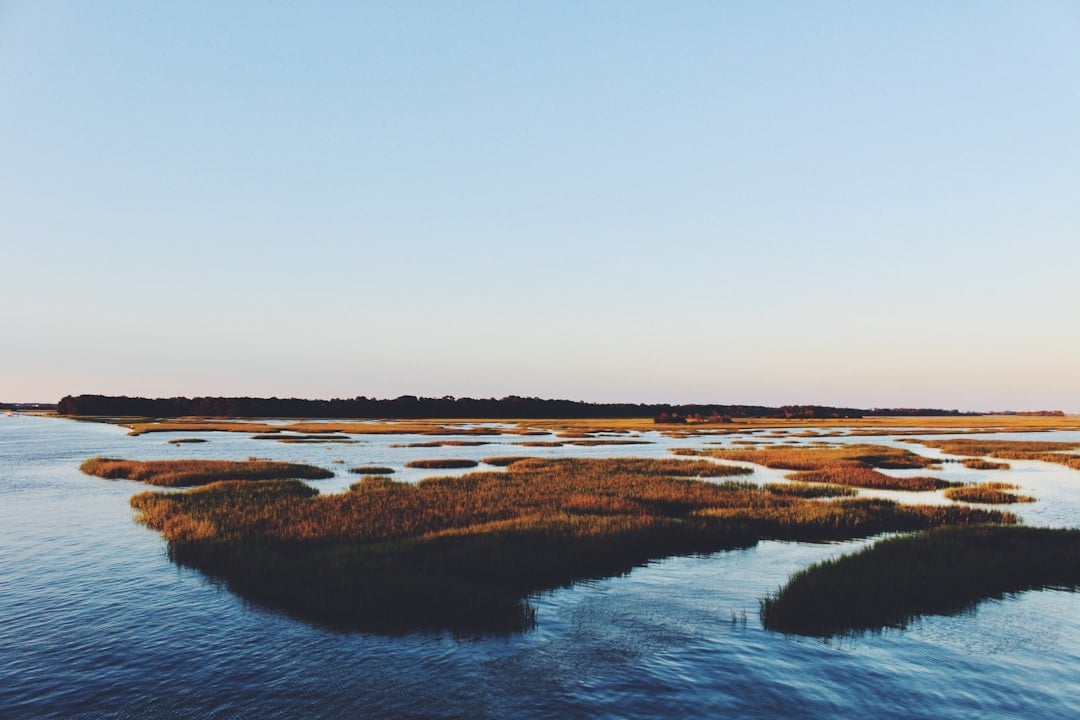
Beyond the peninsula, the broader Charleston area offers barrier island beaches, tidal marshes, and plantations that illuminate both the grandeur and the brutal history of the antebellum South. Folly Beach, Sullivan's Island, and Isle of Palms provide coastal escapes within easy reach of the city. Charleston attracts history enthusiasts, food lovers, architecture admirers, and couples seeking a destination with genuine romance and substance in equal measure.




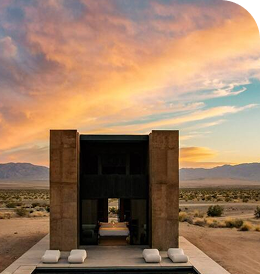



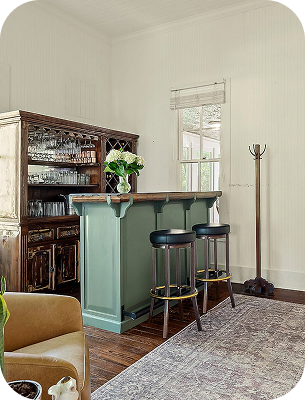

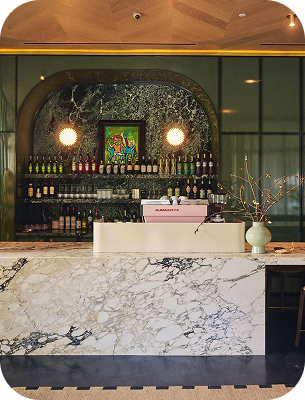

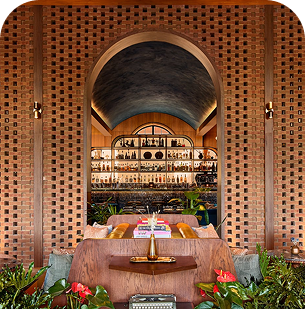



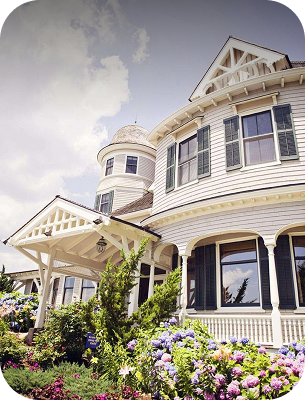





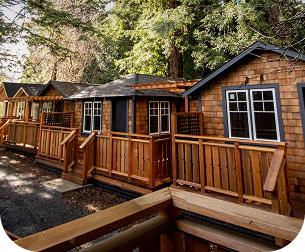

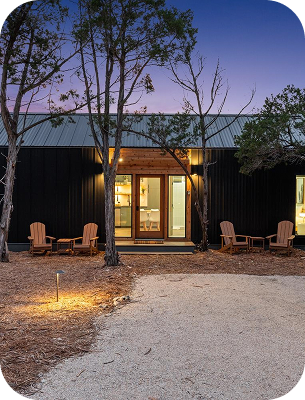



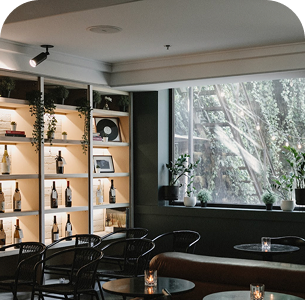







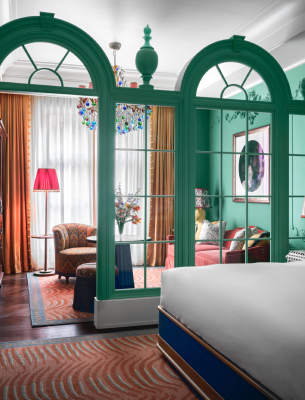

Journey connects travelers to a curated network of boutique hotels and distinctive residences around the world, all united under one rewards program. Explore handpicked stays for your trip while earning points, unlocking exclusive offers, and receiving rewards across the Journey collection.
Charleston occupies a narrow peninsula at the confluence of the Ashley and Cooper rivers, where they empty into a broad harbor opening to the Atlantic Ocean. This geography shaped the city's destiny from its earliest days, making it one of colonial America's most important ports and one of the wealthiest cities in the New World by the mid-18th century. That wealth, built on the labor of enslaved people and the cultivation of rice, indigo, and cotton, funded the extraordinary architecture that still defines the city's character today.
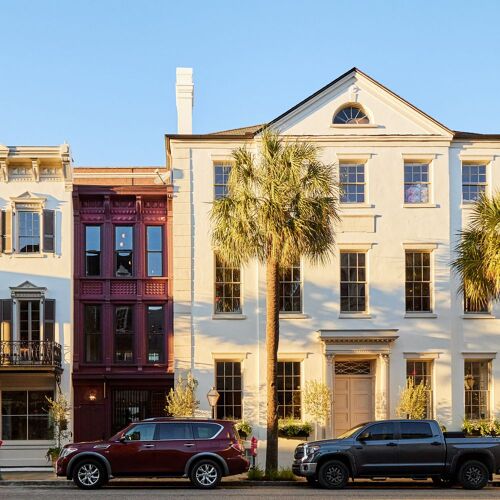
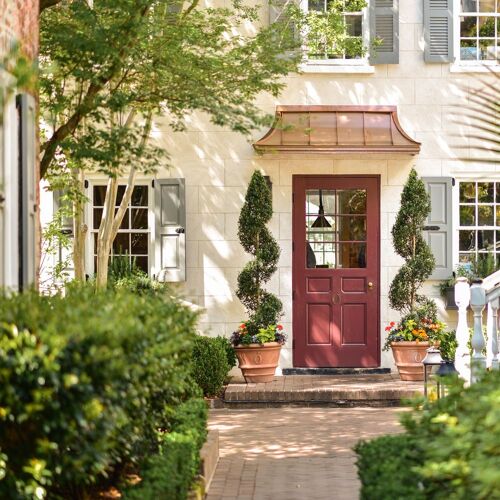
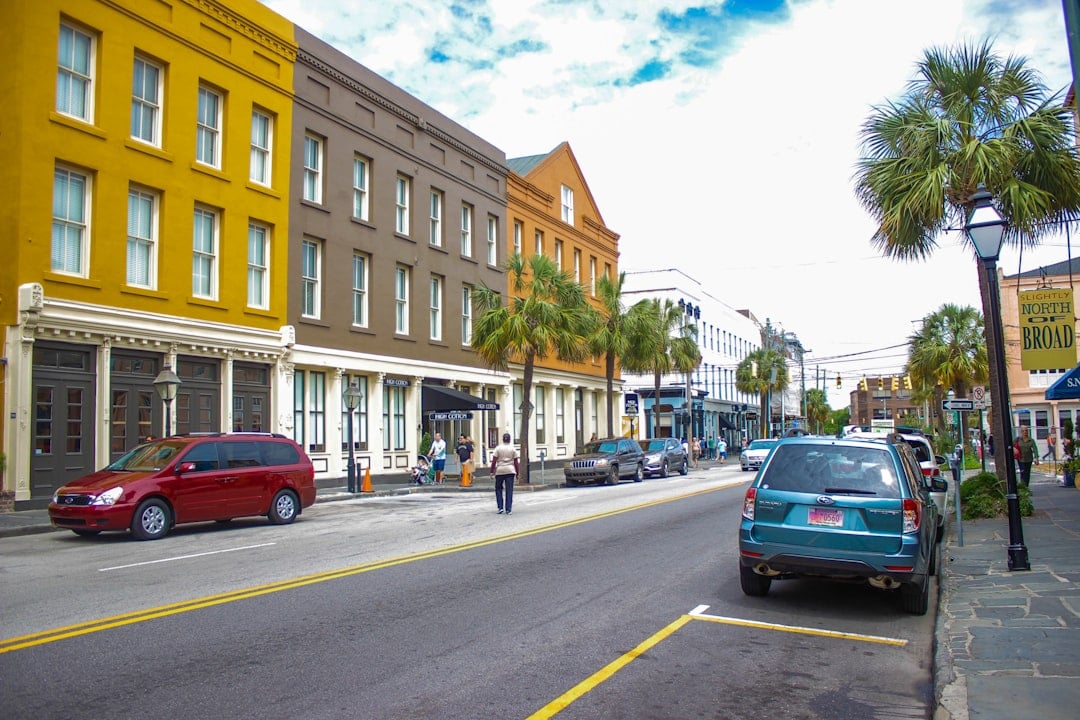
The historic peninsula is compact and walkable, its grid of streets lined with single houses, double piazzas, and grand civic buildings that have survived hurricanes, earthquakes, fires, and war. The French Quarter, South of Broad, and the Ansonborough neighborhoods each carry their own architectural personality, while the Market District pulses with commerce and visitors. The Battery, at the southern tip of the peninsula, offers sweeping views of the harbor and Fort Sumter, where the first shots of the Civil War were fired in April 1861.
Culturally, Charleston is a city of layered identities. It is simultaneously a place of refined Southern hospitality, a center of African American cultural heritage, a thriving contemporary arts scene, and a college town shaped by the College of Charleston and The Citadel. The Spoleto Festival USA, held each spring, transforms the city into an international stage for opera, theater, and dance. Galleries, artisan studios, and independent boutiques fill the streets between the major landmarks.
The overall atmosphere is unhurried but never sleepy. Charleston rewards slow travel: lingering over a long dinner, walking the neighborhoods at dusk when the light turns golden on the stucco facades, or taking a boat out to the barrier islands. It is a city that has mastered the art of being both a living community and a destination, and that balance is precisely what makes it so compelling.
Spring and fall are the sweet spots for visiting Charleston, and for good reason. March through May draws travelers eager to catch the city's legendary bloom season, when azaleas and wisteria spill over garden walls and the air carries a floral richness that feels almost theatrical. The Spoleto Festival USA, held in late May and early June, is one of the most prestigious performing arts festivals in the country and draws significant crowds, so booking well in advance is essential if your trip overlaps with it. Spring is peak season, meaning hotels fill quickly and prices reflect the demand.
Fall, particularly October and November, rivals spring as the most appealing window for a visit. Crowds thin compared to the spring rush, prices moderate, and the outdoor experience becomes genuinely effortless. The city's historic streets, waterfront parks, and barrier island beaches are all far more comfortable to explore on foot. October also brings the MOJA Arts Festival, a celebration of African American and Caribbean arts and culture that adds a rich layer of programming to the season.
Summer is the least recommended window for most travelers. The combination of intense heat, high humidity, and frequent afternoon storms makes extended outdoor exploration difficult, and the city remains popular with families on school-break schedules, keeping accommodation prices elevated. Hurricane season runs through November, with August and September carrying the highest risk.
Winter is Charleston's quietest and most affordable season. The historic district is far less crowded, restaurant reservations are easier to secure, and the city takes on a more intimate, unhurried character. Visitors focused on food, architecture, and museum experiences will find winter particularly rewarding, as the city's indoor cultural offerings shine without the competition of peak-season crowds.
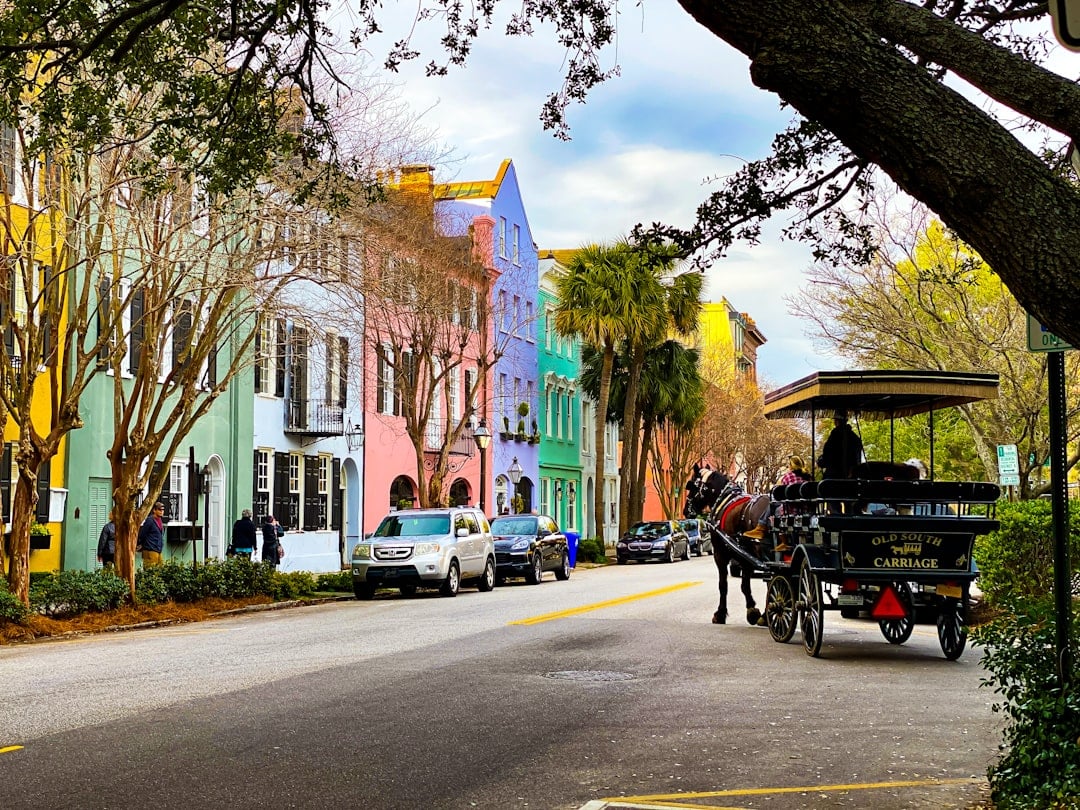
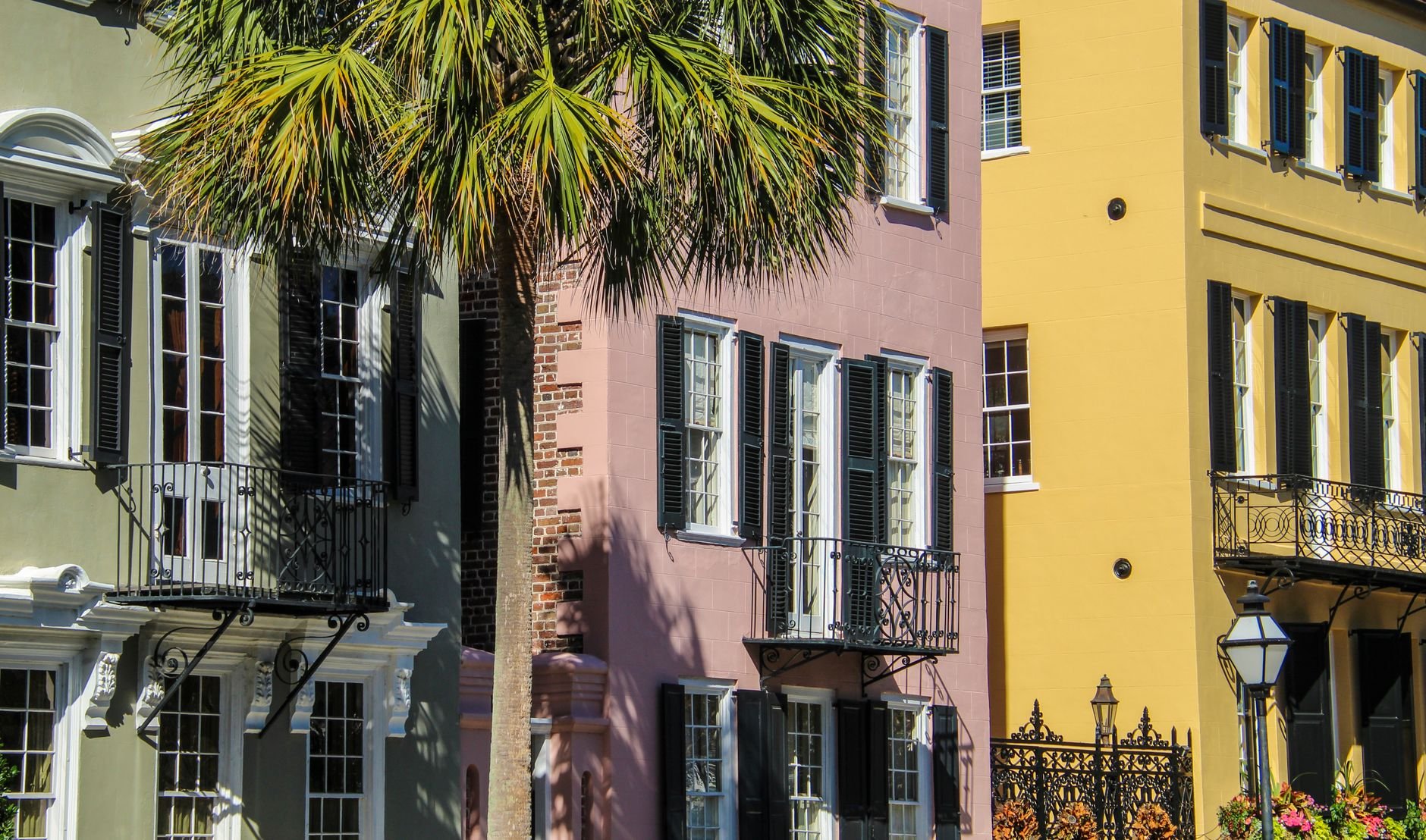
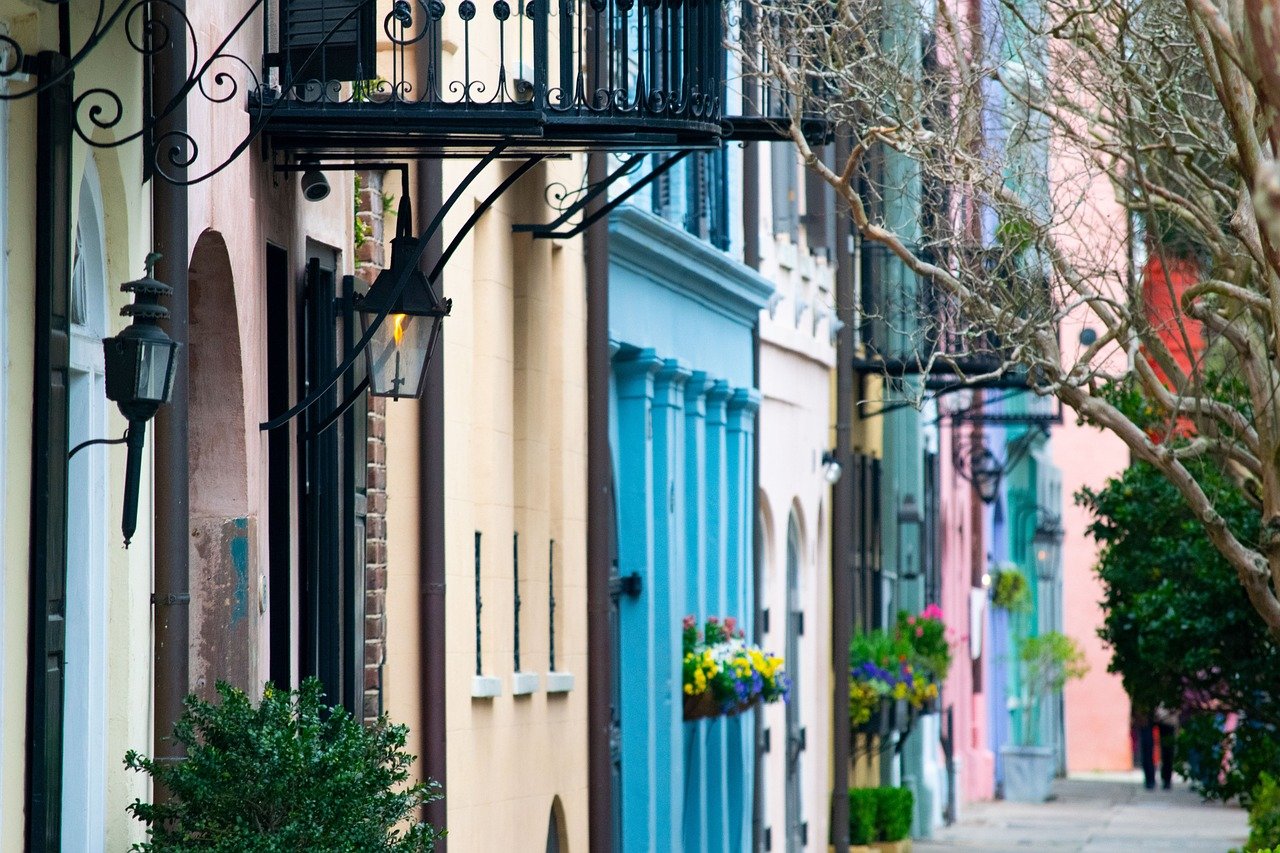
The heart of Charleston, this peninsula neighborhood is a living showcase of antebellum architecture, cobblestone streets, and centuries of layered history. Rainbow Row's pastel Georgian townhouses, the Battery's grand promenade, and Church Street's steepled skyline make it one of the most visually stunning urban districts in America. It is the essential starting point for any visit to the city.
Nestled within the lower peninsula, Charleston's French Quarter is a compact enclave of art galleries, historic churches, and some of the city's finest restaurants. The neighborhood takes its name from the Huguenot settlers who shaped its early character, and that European sensibility lingers in its intimate scale and refined atmosphere. Dock Street Theatre and the French Huguenot Church anchor a district that rewards slow, curious wandering.
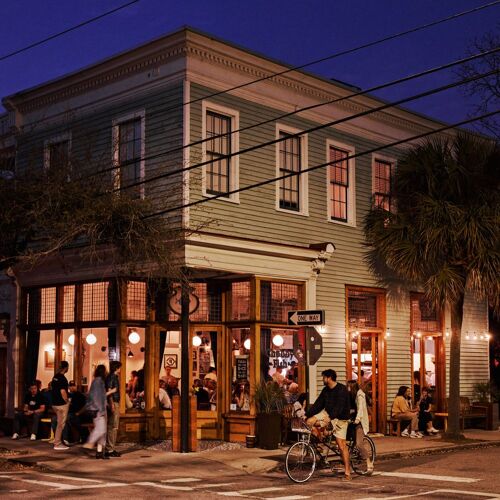
Upper King is Charleston's most energetic commercial corridor, lined with independent boutiques, acclaimed cocktail bars, and a rotating cast of celebrated restaurants. The stretch north of Calhoun Street has transformed over the past decade into the city's culinary and nightlife epicenter, drawing a younger, design-forward crowd without losing Charleston's characteristic charm. It is the place to eat, drink, and shop in the modern city.
One of Charleston's most gracious residential neighborhoods, Harleston Village sits just west of the Historic District and offers a quieter, more intimate side of peninsula life. Tree-canopied streets pass antebellum single houses, small parks, and the College of Charleston's campus, lending the area a scholarly, unhurried atmosphere. It is a favorite for visitors who want to experience the city as residents do.
The emerging North Morrison corridor, often called NoMo, is Charleston's most forward-looking neighborhood, where former industrial spaces have been converted into breweries, creative studios, and innovative restaurants. Located just across the neck of the peninsula, it reflects the city's growing appetite for contemporary culture alongside its historic identity. It is the neighborhood to watch for those interested in Charleston's next chapter.
Charleston draws a particular kind of traveler - one who wants to feel a place as much as see it. The experiences that define a visit here are rooted in the city's singular identity: a port city shaped by colonial ambition, the slave trade, the Civil War, and the enduring culture of the Gullah Geechee people.
Walking the Historic Peninsula
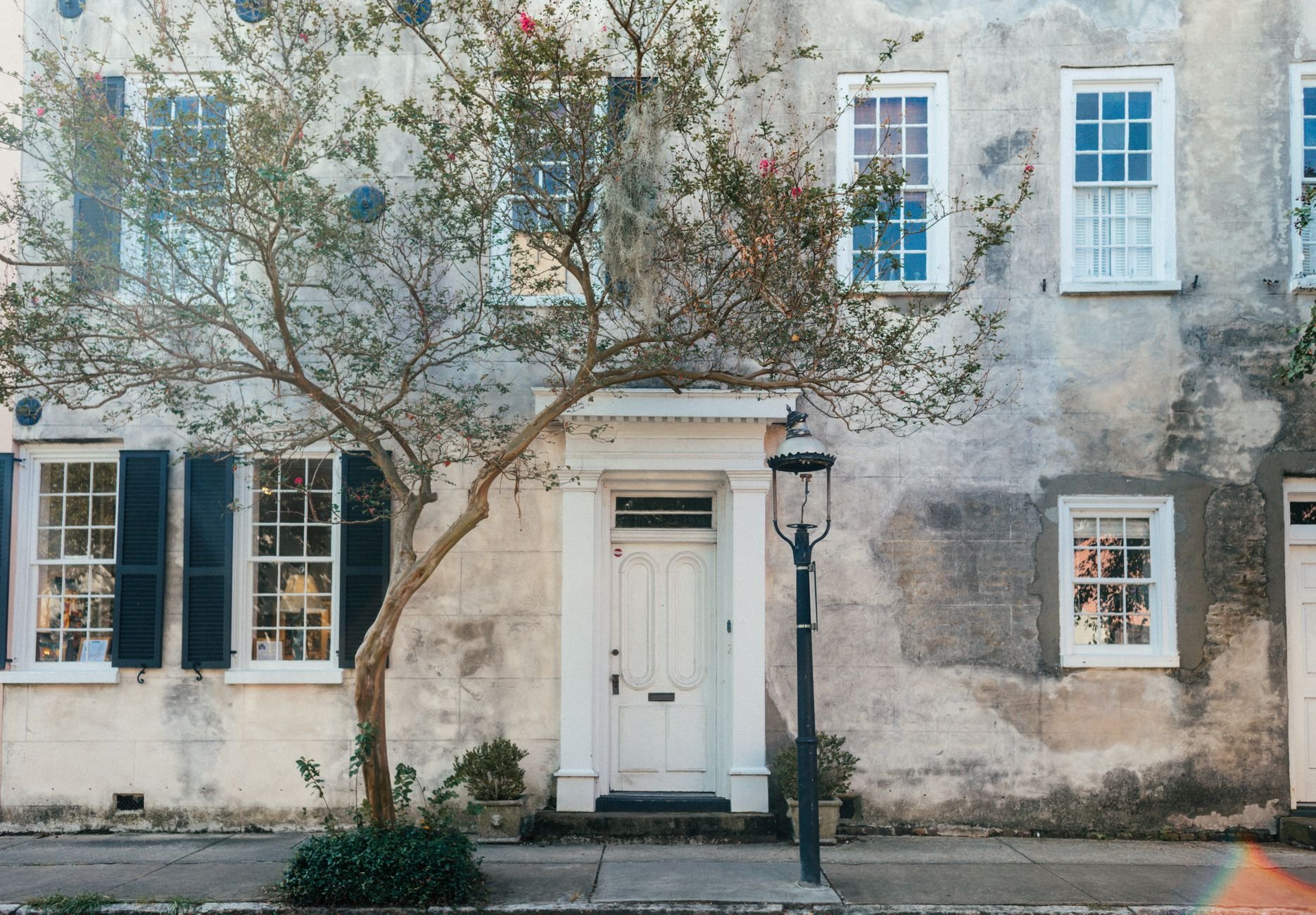
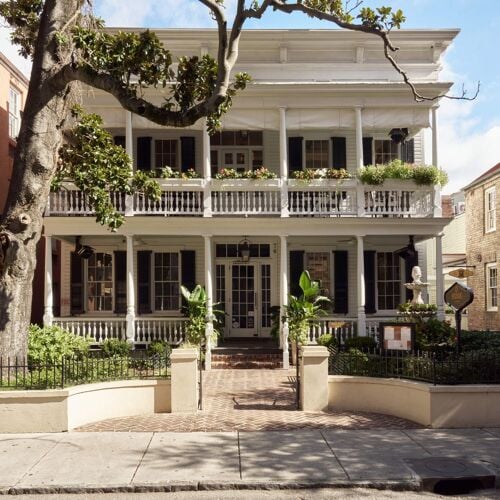
No experience is more essentially Charleston than wandering the streets of the historic district on foot. The pastel facades of Rainbow Row, the ironwork gates of South of Broad, and the grand porticoed mansions along the Battery form a streetscape unlike anything else in America. The city rewards slow movement and attention to architectural detail.
Lowcountry Cuisine and Fine Dining
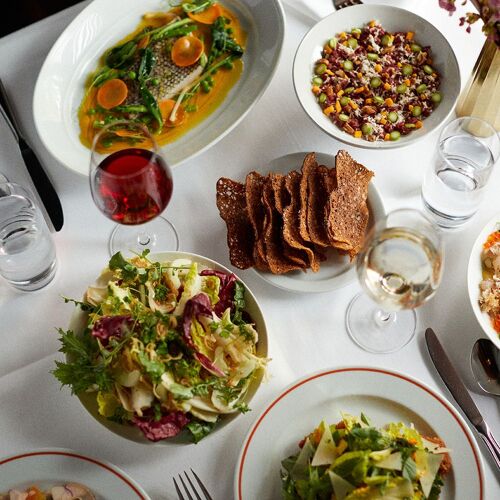
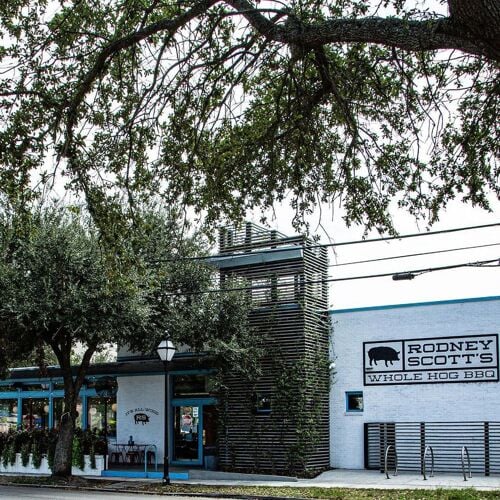
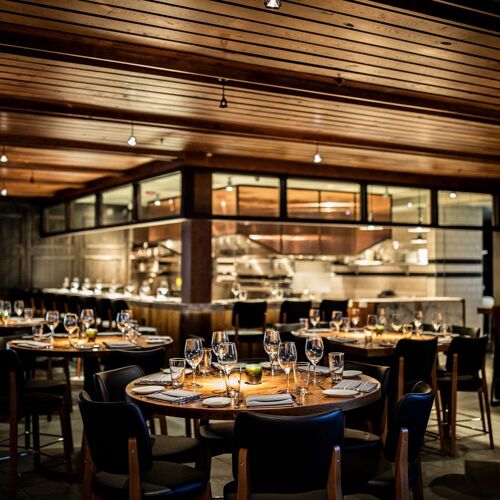
Charleston has become one of the defining food cities of the American South, and eating here is a genuine cultural experience. Sitting down to a bowl of she-crab soup, a plate of shrimp and grits, or a rice dish rooted in Gullah Geechee tradition connects travelers to centuries of culinary history. Restaurants like Husk, FIG, and Halls Chophouse have earned national recognition, but the deeper draw is the tradition behind the food.
The International African American Museum
Opened in 2023 on Gadsden's Wharf - the site where tens of thousands of enslaved Africans first arrived in North America - this museum is one of the most significant cultural institutions to open in the United States in a generation. A visit here is not simply a museum trip; it is a reckoning with the history that built Charleston and the country.
Plantation History and Gardens
The plantation landscapes surrounding Charleston offer a complex and essential window into the antebellum South. Magnolia Plantation and Gardens, Middleton Place, and Boone Hall present extraordinary grounds and architecture alongside increasingly honest interpretations of enslaved life and labor.
Spoleto Festival USA
Each spring, Charleston hosts one of the world's great performing arts festivals, filling venues across the city with opera, theater, dance, and chamber music for 17 days. For arts travelers, timing a visit around Spoleto is a pilgrimage.
Charleston offers a remarkably varied roster of activities, giving travelers the freedom to move between history, nature, cuisine, and culture across a single trip.
Outdoor Recreation
The Charleston area is ringed by water, marsh, and barrier island coastline, making it a natural playground for outdoor enthusiasts. Kayaking and paddleboarding through the tidal creeks of the ACE Basin or around the Sea Islands puts travelers directly into the Lowcountry landscape. Cyclists and walkers explore the trails of James Island County Park, while the beaches of Folly Beach, Sullivan's Island, and Isle of Palms offer swimming, surfing, and long shoreline walks within a short drive of the peninsula.
Cultural Attractions
Charleston's historic district is one of the most intact in the United States, and exploring it is itself a cultural activity. The International African American Museum, the Charleston Museum (the oldest museum in America), Fort Sumter National Monument, and the Nathaniel Russell House anchor a rich circuit of historic and cultural sites. Guided walking tours and carriage tours through the French Quarter and South of Broad neighborhoods bring the city's layered past to life.
Scenic Exploration
The city's streetscapes are destinations in their own right. Rainbow Row, the Battery seawall, and White Point Garden reward slow, unhurried exploration. Day trips to Magnolia Plantation and Gardens, Middleton Place, and Boone Hall Plantation extend the scenic reach into the surrounding Lowcountry.
Arts and Entertainment
Charleston supports a lively arts calendar anchored by the Spoleto Festival USA each spring, one of the most respected performing arts festivals in the country. The Gibbes Museum of Art, numerous independent galleries on upper King Street, and live music venues across the city round out a strong cultural calendar year-round.
Food and Dining
Dining is a primary activity in Charleston. The city's restaurant scene spans historic taverns, acclaimed fine dining, and casual seafood shacks, all rooted in Lowcountry culinary tradition. The Charleston City Market and local farmers markets offer edible souvenirs and a window into regional food culture.
Start with a morning stroll through the Historic District, admiring the pastel-painted Rainbow Row and the Battery's antebellum mansions. Head to the City Market for lunch and a browse through Gullah Geechee sweetgrass baskets. In the afternoon, visit the International African American Museum on the waterfront. End the evening with dinner at a Lowcountry restaurant in the French Quarter neighborhood.

Spend the morning touring Magnolia Plantation and its sweeping gardens along the Ashley River, one of the oldest public gardens in the country. Return to the peninsula for lunch on King Street, Charleston's premier shopping and dining corridor. In the evening, explore the lively Upper King Street scene for craft cocktails and acclaimed restaurants showcasing modern Lowcountry cuisine.
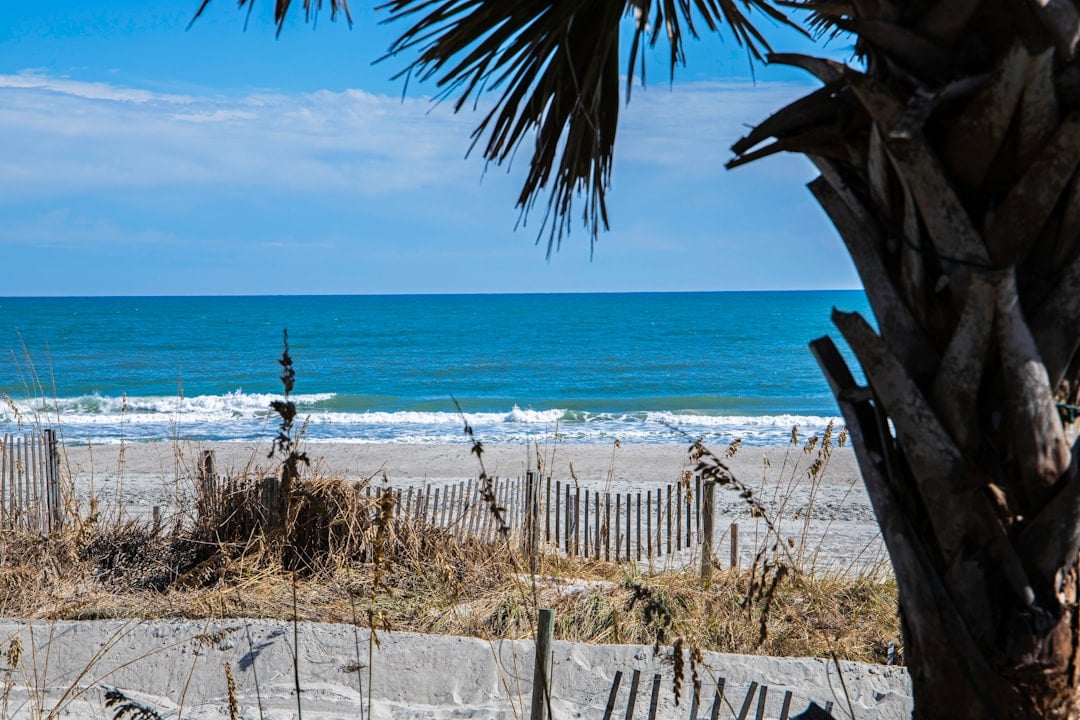
Head out to Folly Beach for a relaxed morning walk along the shoreline and breakfast at a beachside cafe. Stop by Sullivan's Island on the way back for its quiet dunes and historic Fort Moultrie. Return to Charleston in the late afternoon for a final evening in the Cannonborough-Elliotborough neighborhood, known for its charming side streets and local dining spots.
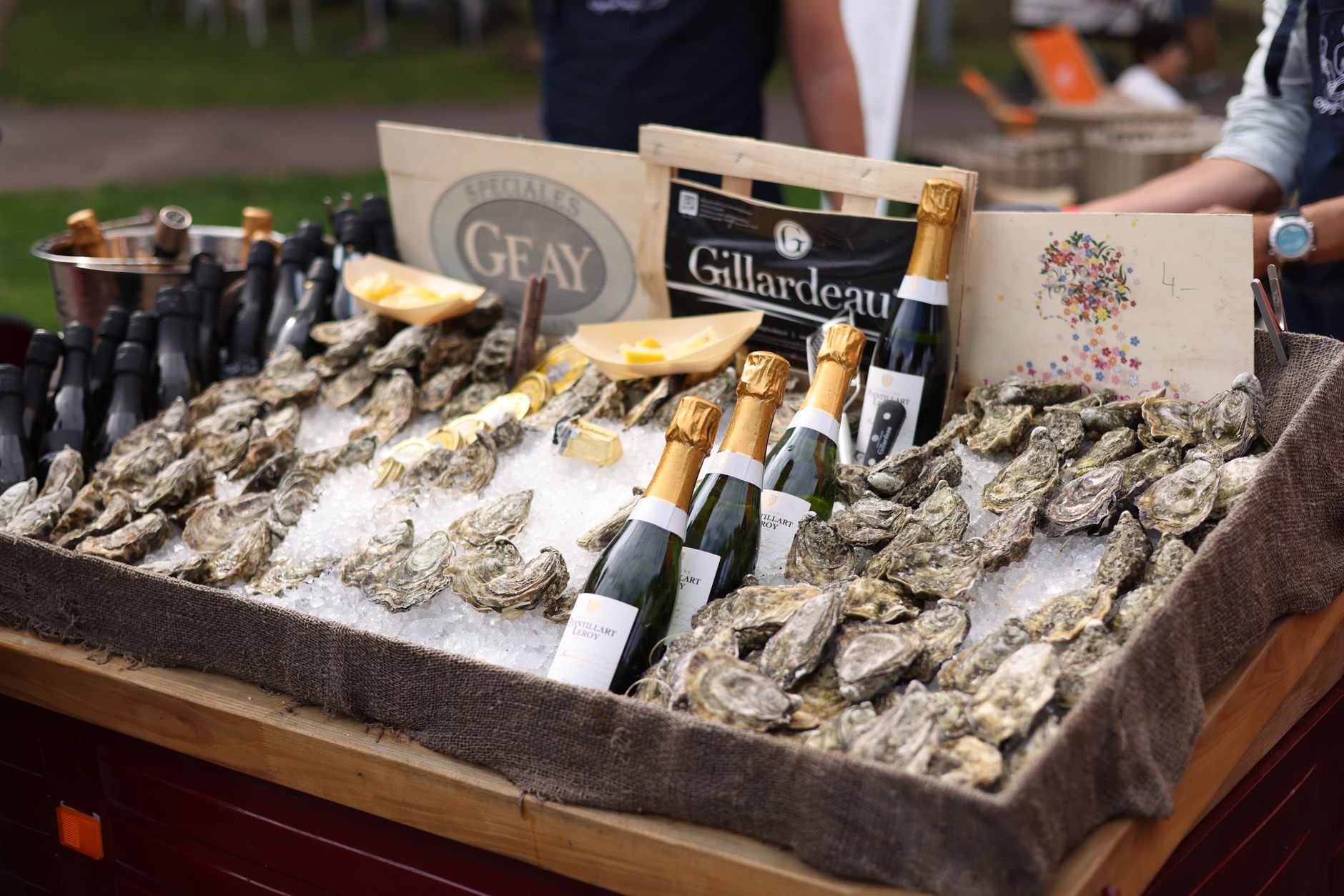
Charleston pulses with cultural energy year-round, shaped by its Lowcountry heritage, culinary identity, and deep artistic traditions. Winter draws food lovers and wildlife enthusiasts, with oyster festivals and the celebrated Southeastern Wildlife Exposition showcasing the region's natural abundance. Spring is the city's most festive season: the streets fill with performers, patrons, and visitors during the internationally renowned Spoleto Festival USA, while the Charleston Wine + Food Festival draws chefs and sommeliers from across the country. The Historic Charleston Foundation's festival season brings architecture tours and preservation-minded programming that honors the city's storied built environment. Summer quiets slightly but carries its own rhythm, with outdoor concerts and a lively local social scene anchored by rooftop bars and waterfront gatherings. Autumn ushers in a second cultural flourishing: the MOJA Arts Festival celebrates African American and Caribbean arts with performances, exhibitions, and community events that speak directly to Charleston's Gullah Geechee roots. The Charleston Literary Festival draws writers and readers in November, reflecting the city's long relationship with storytelling and letters.
Charleston's culinary identity is rooted in Lowcountry cuisine, a tradition shaped by West African, European, and coastal Southern influences that stretches back centuries. The Gullah Geechee people, descendants of enslaved West and Central Africans, are the cultural backbone of this food heritage, contributing rice-based preparations, slow-cooked greens, and techniques that define the region's cooking to this day.
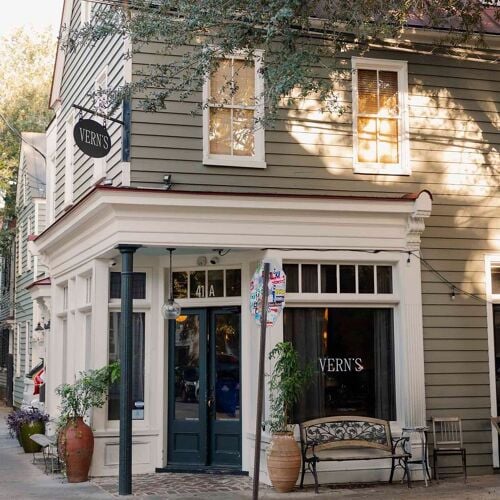

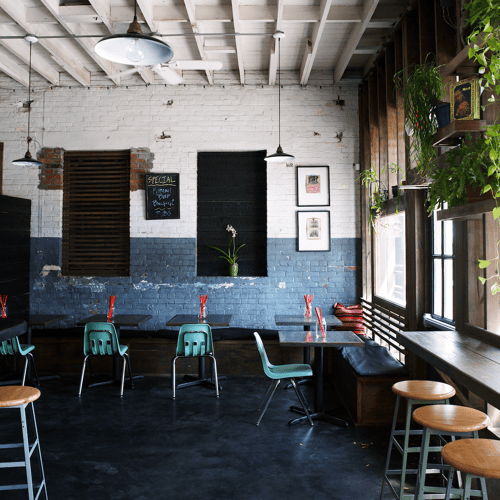
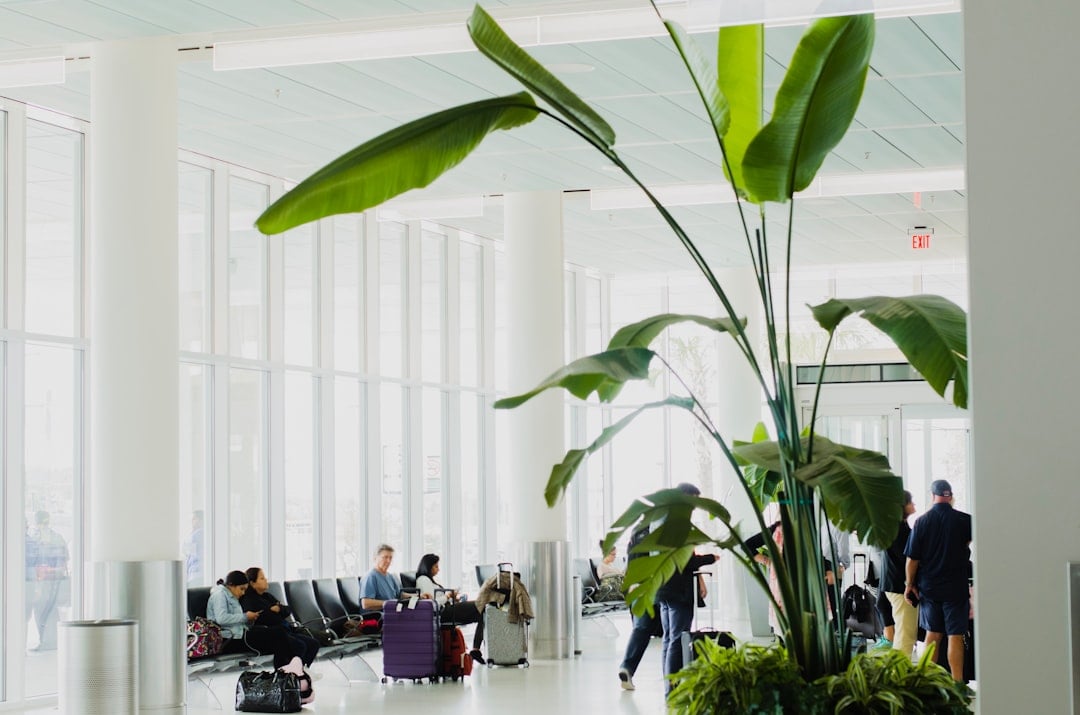
Charleston International Airport (CHS) is the main gateway,
located about 12 miles northwest of downtown, with direct flights from New York, Atlanta, Charlotte, Chicago, and other major hubs, plus rideshare, taxis, and rental cars readily available at the terminal.
Drivers from the north reach the peninsula via I-26 East,
which runs directly into downtown Charleston, with the drive from Charlotte taking approximately three and a half hours and from Washington D.C. around eight hours.
From Savannah, the drive up I-95 North to I-26 East takes under two hours,
making Charleston a natural pairing destination for travelers doing a broader coastal South road trip.
Amtrak's Silver Meteor and Silver Star trains serve Charleston,
stopping at the North Charleston station on Gaynor Avenue, about two miles from the historic peninsula, with connections to New York, Washington D.C., and Miami.
Greyhound and FlixBus provide intercity bus service into Charleston,
arriving near the North Charleston transit hub, which is a budget-friendly option for travelers coming from Savannah, Columbia, or other regional cities.
The French Quarter and King Street corridor are best explored on foot,
as the blocks between Broad Street and Calhoun Street are compact, flat, and dense with restaurants, shops, and historic sites that reward slow walking.
The free DASH trolley runs through the downtown peninsula,
connecting the Charleston Visitor Center on Meeting Street to the City Market and waterfront, making it a handy option for skipping a few blocks in the heat.
Uber and Lyft are the most practical options for reaching Folly Beach, Sullivan's Island, or Isle of Palms,
though surge pricing applies on busy weekend evenings, so budgeting around 20 to 35 dollars each way to the beaches is realistic.
Parking in the historic peninsula is tight and metered,
so visitors staying downtown are best served by using the parking garages near the Charleston City Market or the Aquarium Wharf rather than hunting for street spots.
Renting a car is worthwhile if you plan to visit outlying plantations like Middleton Place or Magnolia Plantation,
as these sites are 10 to 15 miles from downtown and not served by public transit.
Spring and fall are the most popular and comfortable seasons; book restaurants and accommodations well in advance if visiting during the Spoleto Festival USA (late May to early June) or the Charleston Wine and Food Festival (March). Summer is hot and humid with afternoon thunderstorms, so plan outdoor sightseeing for mornings. Tipping follows standard U.S. norms: 18 to 20 percent at restaurants, a few dollars for bartenders, and standard rates for rideshare. Most transactions are card-friendly, but small vendors at the City Market may prefer cash. Download the ParkMobile app if you are driving, as it covers most metered spots on the peninsula. Hurricane season runs June through November; check forecasts if visiting in late summer or fall. Charleston is generally safe in tourist areas, but as with any city, stay aware of your surroundings in unfamiliar neighborhoods after dark.
Three to four days is ideal for Charleston. That gives you time to explore the historic peninsula, visit key museums like the International African American Museum, stroll the cobblestone streets, enjoy the food scene, and make a day trip to nearby beaches like Folly Beach or Sullivan's Island. Two days covers the highlights if your schedule is tight.
Charleston is best known for its beautifully preserved antebellum architecture, cobblestone streets, and pastel-painted historic homes. It is also celebrated for its Lowcountry cuisine - including shrimp and grits and she-crab soup - its deep Civil War and Gullah Geechee cultural history, and its reputation as one of the top food cities in the American South.
Yes, Charleston works very well as a weekend trip. In two days you can walk the historic district, eat at standout Lowcountry restaurants, visit a museum or two, and still have time for a quick beach stop. It is a particularly popular weekend getaway from Atlanta, Charlotte, and Raleigh given its drivable distance from those cities.
Charleston sits in the mid-to-upper range for U.S. travel costs. Accommodation in the historic district tends to be pricey, especially on weekends and during peak season. Dining can range from affordable casual spots to high-end Lowcountry restaurants. Many of the best experiences - walking the streets, visiting parks, and exploring architecture - are free.
Spring (March to May) is the most popular time to visit, with mild temperatures and blooming gardens. Fall (September to November) is another excellent window with comfortable weather and fewer crowds than peak spring season.