
Baltimore, MD
A Journey guide to
Arlington sits at the geographic and cultural center of the Dallas-Fort Worth Metroplex, and it wears that position with confidence. This is a city built around big experiences: professional sports, world-class entertainment, and the kind of attractions that draw millions of visitors each year. It is not a city that asks you to slow down - it invites you to show up, cheer loudly, and make the most of every hour.
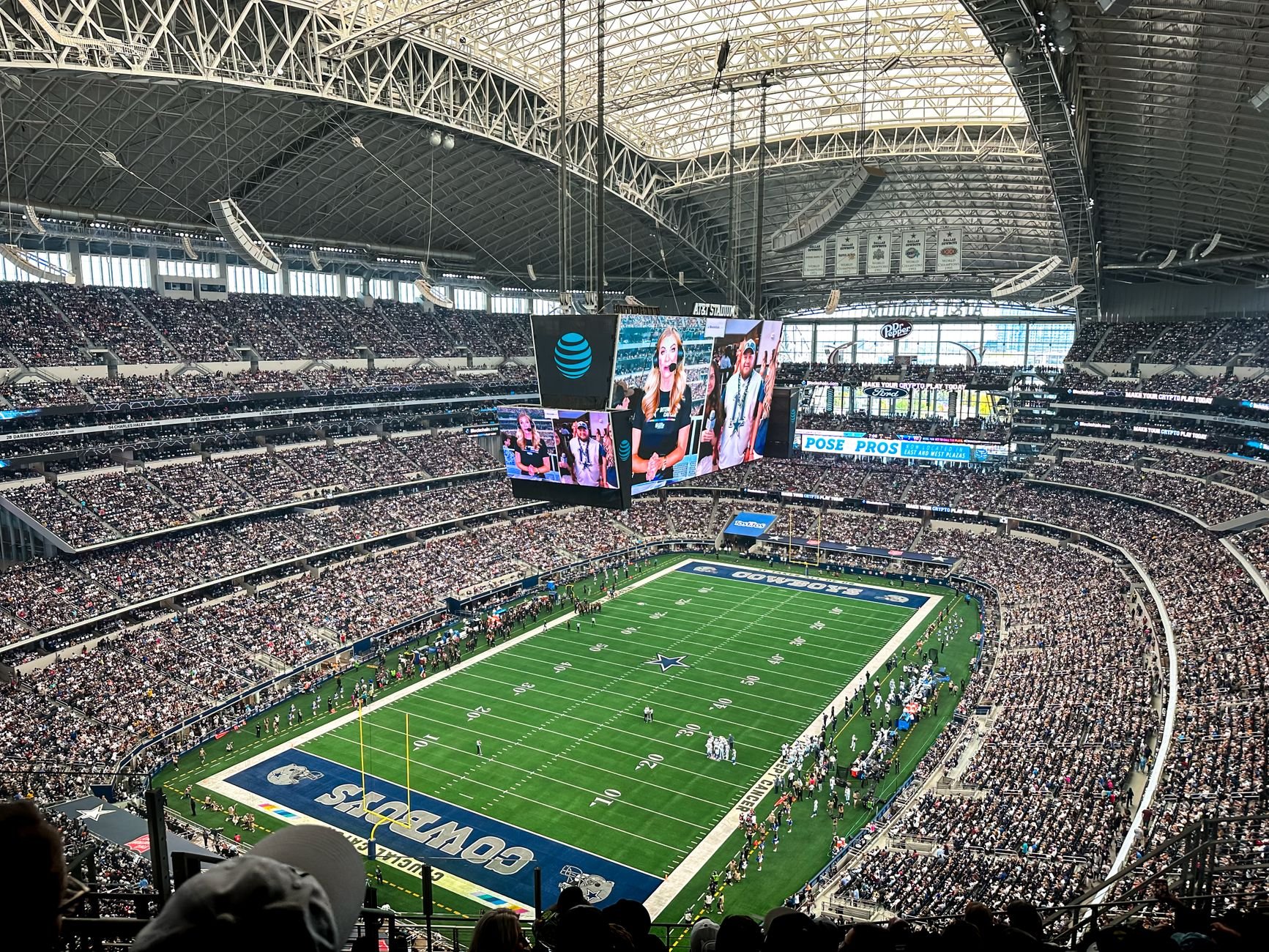
Sports are the undeniable heartbeat of Arlington. AT&T Stadium, home of the Dallas Cowboys, is one of the most iconic venues in American football - a gleaming architectural statement that hosts Super Bowls, college championships, and concerts alongside NFL Sundays. Just steps away, Globe Life Field serves as the home of the Texas Rangers, a retractable-roof ballpark that opened in 2020 and immediately set a new standard for the fan experience in Major League Baseball.
Beyond the stadiums, Arlington is home to one of the most visited theme parks in the United States. Six Flags Over Texas, the original Six Flags park, has been thrilling guests since 1961 and remains a landmark of American amusement culture. Adjacent Hurricane Harbor adds a water park dimension that keeps families returning across generations. The Entertainment District that anchors these venues is one of the densest concentrations of major attractions anywhere in the country.
Arlington attracts sports fans, families, and group travelers who want maximum impact from their visit. The city's position between Dallas and Fort Worth means visitors can easily extend their trip into world-class art museums, the Fort Worth Stockyards, or the cultural corridors of Deep Ellum - making Arlington an ideal base for exploring the full breadth of North Texas.

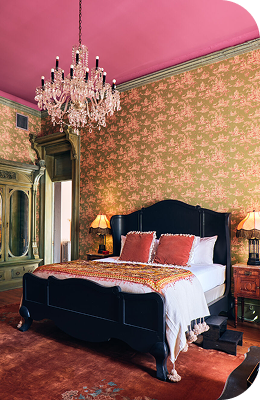

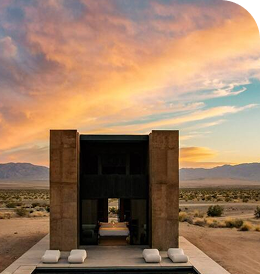

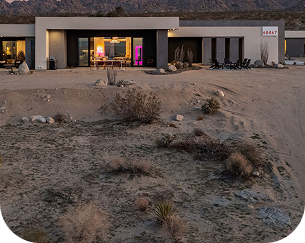

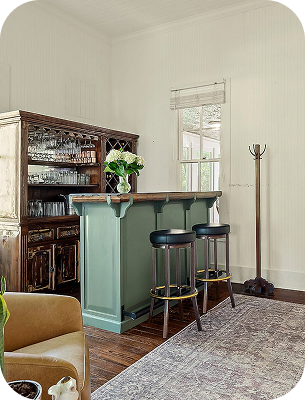





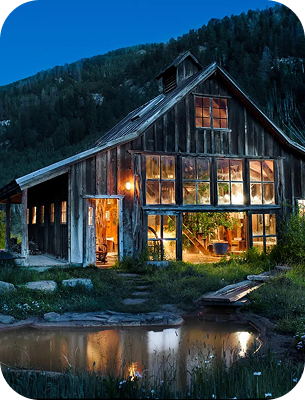

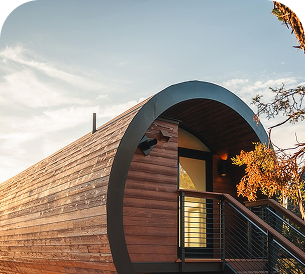

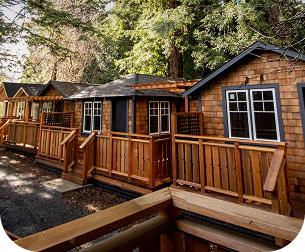

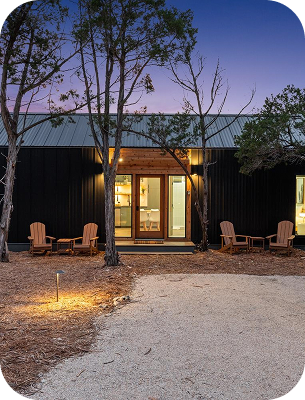

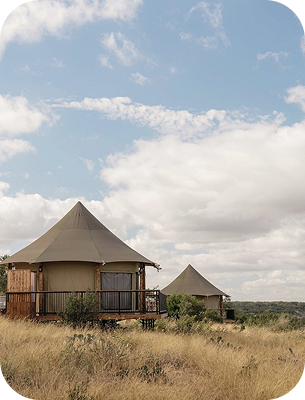

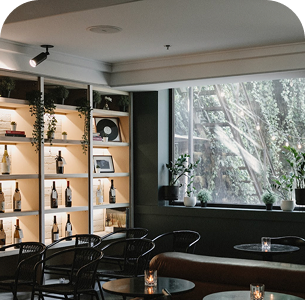

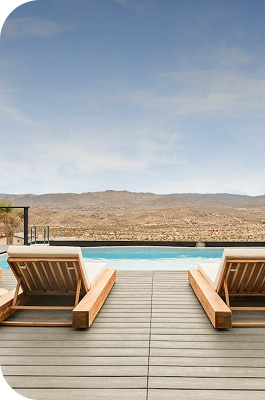

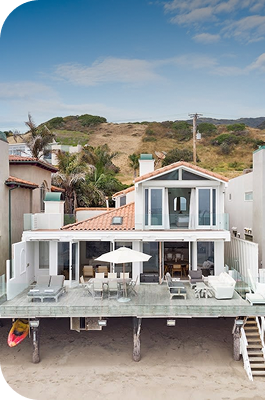

Journey connects travelers to a curated network of boutique hotels and distinctive residences around the world, all united under one rewards program. Explore handpicked stays for your trip while earning points, unlocking exclusive offers, and receiving rewards across the Journey collection.
Arlington occupies a strategic position in the heart of North Texas, sitting almost precisely between Dallas to the east and Fort Worth to the west along the Interstate 30 corridor. With a population exceeding 390,000, it ranks among the largest cities in the United States that does not have a commuter rail connection to a major urban center - a distinction that reflects its identity as a destination city rather than a pass-through.
The city's geography is defined by the rolling terrain of the Barnett Shale region, with the Trinity River watershed shaping its southern edges. The urban landscape is dominated by the Entertainment District, a concentrated zone in north-central Arlington where AT&T Stadium and Globe Life Field rise dramatically from the Texas plain, visible for miles and serving as unmistakable landmarks of the city's identity.
Historically, Arlington evolved from a small agricultural community founded in the 1870s along the Texas and Pacific Railway line. It grew steadily through the mid-twentieth century, accelerated by the post-World War II boom that transformed much of the Sun Belt. The arrival of Six Flags Over Texas in 1961 marked a turning point, signaling Arlington's ambitions as an entertainment destination. The relocation of the Washington Senators to become the Texas Rangers in 1972 cemented that trajectory, and the arrival of the Dallas Cowboys in 2009 elevated it to a national stage.
Today, Arlington is a majority-minority city with a richly diverse population that includes significant Hispanic, Black, and Asian communities. The University of Texas at Arlington, with an enrollment of over 40,000 students, gives the city a youthful energy and a foundation in research and innovation that complements its entertainment profile.
For travelers, Arlington delivers a distinctly Texan experience - large in scale, direct in character, and unapologetically proud of its role as the entertainment capital of the Lone Star State's most populous metropolitan region.
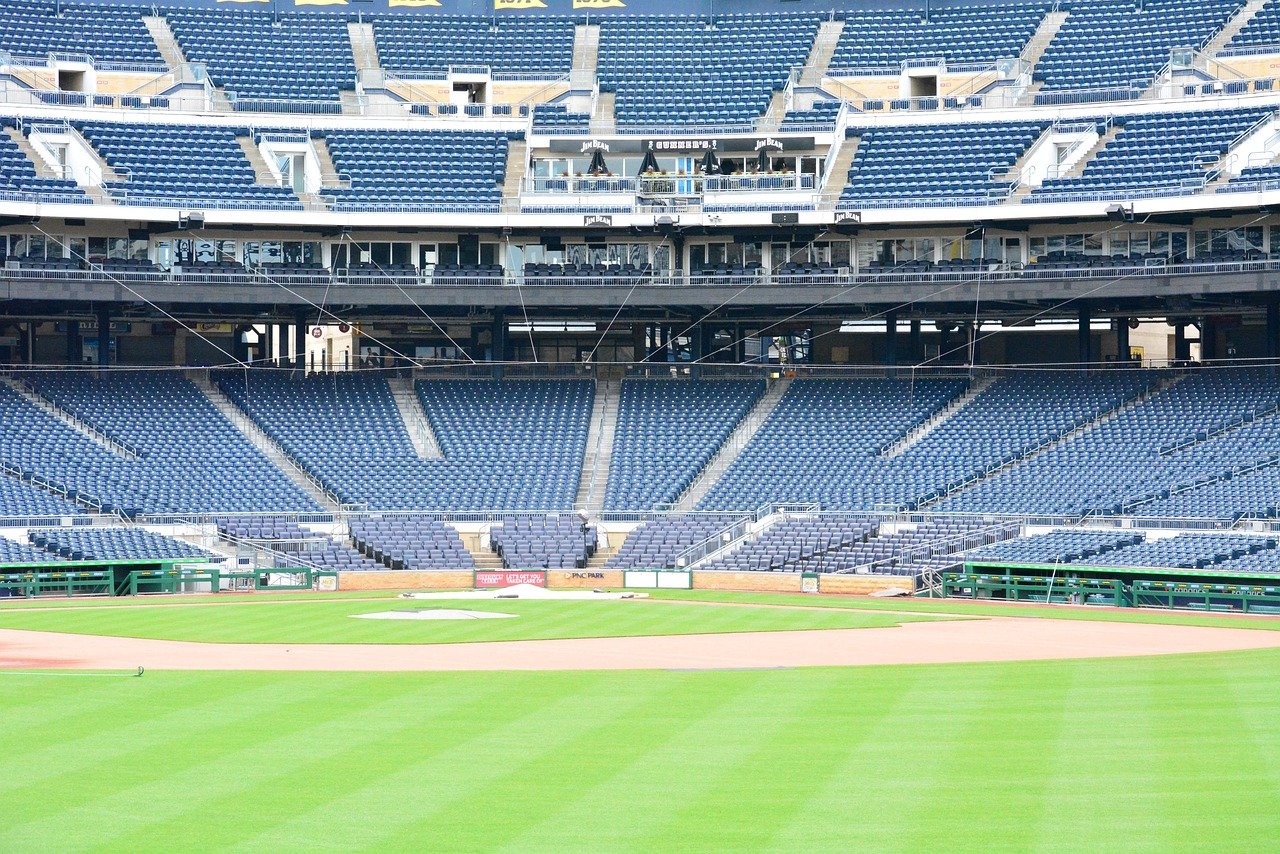
The sweet spot for visiting Arlington is fall, specifically October through early November. Crowds at Six Flags Over Texas thin out after the summer rush, yet the park remains open with its popular Fright Fest Halloween events drawing enthusiastic but manageable attendance. NFL season is in full swing at AT&T Stadium, and the Texas Rangers postseason runs into October, meaning sports fans can potentially catch multiple live events in a single trip. The Entertainment District hums with energy without the overwhelming summer peak.
Spring, particularly late March through May, is another strong window. Six Flags and Hurricane Harbor open for the season, the Rangers begin their home schedule at Globe Life Field, and the city's parks and outdoor spaces are at their most inviting. Be aware that spring is also severe weather season across North Texas, so travelers should monitor forecasts and have flexible plans.
Summer draws the largest crowds, especially families with school-age children. Hurricane Harbor reaches peak popularity, and the theme parks operate extended hours. The trade-off is intense heat that can make extended outdoor time taxing, particularly during midday hours. Visitors who do come in summer should plan water park days early and take advantage of evening events when conditions ease.
Winter is the quietest season for tourism in Arlington. Six Flags and Hurricane Harbor operate on limited schedules or close for portions of the season, but AT&T Stadium hosts major events including college football bowl games and concerts. Travelers seeking Cowboys games, stadium tours, or a less crowded visit to the Entertainment District will find winter an underrated option. Hotel rates tend to be lower outside of major event weekends, making it a practical choice for budget-conscious visitors.
The Entertainment District is the pulsing core of Arlington, anchored by AT&T Stadium, Globe Life Field, Six Flags Over Texas, and Hurricane Harbor. This is where the city's identity comes into sharpest focus - a dense corridor of major venues, tailgate lots, and fan-facing restaurants and bars that comes alive on game days and event nights. Visitors looking for the full Arlington experience begin and end here.
Downtown Arlington offers a quieter, more local counterpoint to the spectacle of the Entertainment District. The area features independent restaurants, coffee shops, and a walkable streetscape that reflects the city's growing investment in its urban core. It is a good base for travelers who want proximity to the big attractions without being in the middle of the crowd.
The neighborhood surrounding the University of Texas at Arlington brings youthful energy and a diverse dining scene to the city's midsection. Casual eateries, late-night spots, and a steady stream of student activity give this corridor a lively, unpretentious character. It is one of the more affordable and energetic parts of the city for visitors who want to eat and explore off the beaten path.
The River Legacy area along the Trinity River offers a natural escape within the city, centered on the 1,300-acre River Legacy Parks system. Trails wind through bottomland hardwood forests, making this a favorite destination for cyclists, runners, and families seeking green space. It is a reminder that Arlington has a quieter, outdoor-oriented side beyond its stadium lights.
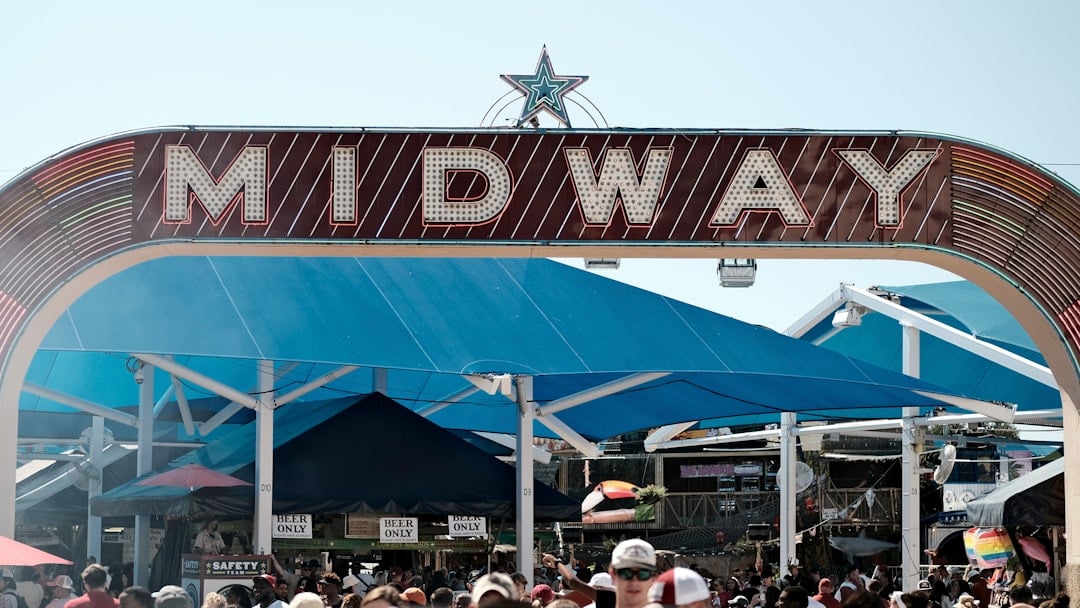
Arlington is defined by a handful of experiences that exist nowhere else in quite the same form - and that draw millions of visitors each year specifically to this city.
Game Day at AT&T Stadium
Attending a Dallas Cowboys game at AT&T Stadium is one of the most iconic sports experiences in the United States. The stadium itself is an architectural landmark, with a retractable roof, a massive HD video board suspended above the field, and a capacity that regularly exceeds 90,000. Even beyond NFL Sundays, the venue hosts college football championships, boxing matches, and major concerts that transform it into one of the most versatile large-scale venues in the world.
Texas Rangers Baseball at Globe Life Field
Globe Life Field opened in 2020 as one of the most fan-forward ballparks in Major League Baseball. Its retractable roof keeps guests comfortable through the intense Texas summer, and the stadium's design prioritizes sightlines, concessions, and the overall fan experience. Catching a Rangers game here is a quintessential North Texas summer ritual.
Six Flags Over Texas - The Original Park
Six Flags Over Texas holds a singular place in American amusement park history as the park that launched the entire Six Flags brand in 1961. Visiting here connects guests to over six decades of thrill-ride culture, with a lineup of coasters and attractions that has evolved continuously while preserving the park's foundational identity.
The Entertainment District Experience
The concentrated block of AT&T Stadium, Globe Life Field, Six Flags, and Hurricane Harbor creates an entertainment district unlike anything else in Texas. Visitors can move between a Cowboys game, a Rangers game, and a day at Six Flags within a single trip - an itinerary that is uniquely possible only in Arlington.
Arlington, Texas offers a packed roster of activities across every category, making it one of the most versatile destinations in the Dallas-Fort Worth Metroplex.
Outdoor Recreation
Arlington's parks and open spaces provide a welcome counterpoint to the city's big-venue energy. River Legacy Parks stretches along the Trinity River with over 1,300 acres of trails, wetlands, and forested terrain ideal for hiking, cycling, and wildlife watching. Lake Arlington offers fishing, kayaking, and waterside relaxation within easy reach of the city center.
Theme Parks and Thrills
Few cities in America can match Arlington's density of major amusement attractions. Six Flags Over Texas, the original Six Flags park dating to 1961, delivers roller coasters, live entertainment, and seasonal events across a sprawling campus. Adjacent Hurricane Harbor rounds out the experience with water slides, wave pools, and family-friendly attractions that keep guests cool through the Texas summer.
Arts and Culture
The Arlington Museum of Art anchors the city's cultural scene with rotating exhibitions that spotlight regional and national artists. The Levitt Pavilion Arlington hosts free outdoor concerts throughout the warmer months, making live music accessible to all. Theater Arlington brings professional stage productions to a dedicated local audience year-round.
Food and Dining
Arlington's dining scene reflects its diverse, sports-driven visitor base. The Entertainment District surrounding AT&T Stadium and Globe Life Field is lined with sports bars, barbecue joints, and family restaurants built for pre- and post-game crowds. Downtown Arlington has cultivated a more neighborhood-focused dining culture, with local breweries, wine bars, and eclectic eateries drawing a growing foodie following.
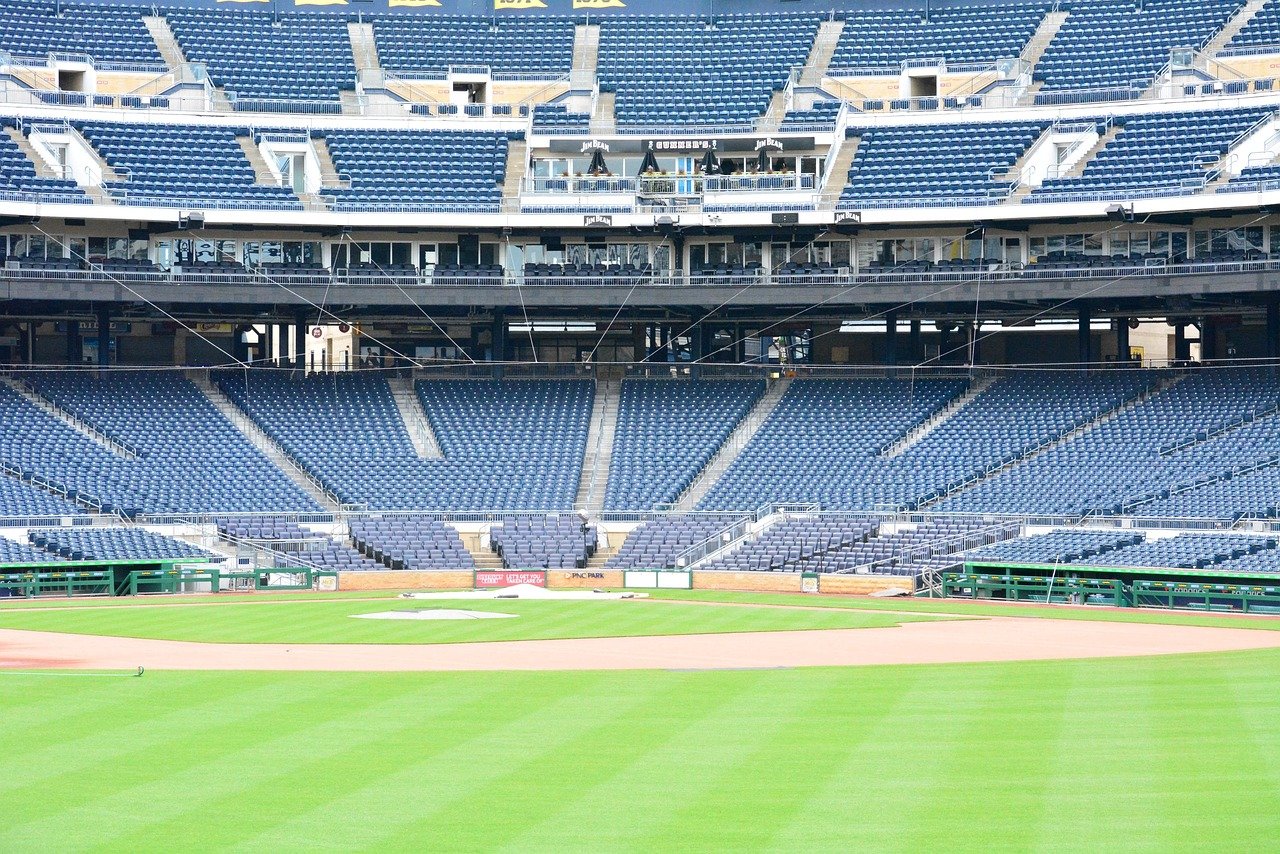
Start your Arlington trip at Globe Life Field for a behind-the-scenes ballpark tour or catch a Texas Rangers game. Grab lunch at one of the nearby sports bars along Randol Mill Road. In the afternoon, head to AT&T Stadium for a self-guided art and architecture tour. End the evening with dinner and drinks in the Entertainment District.
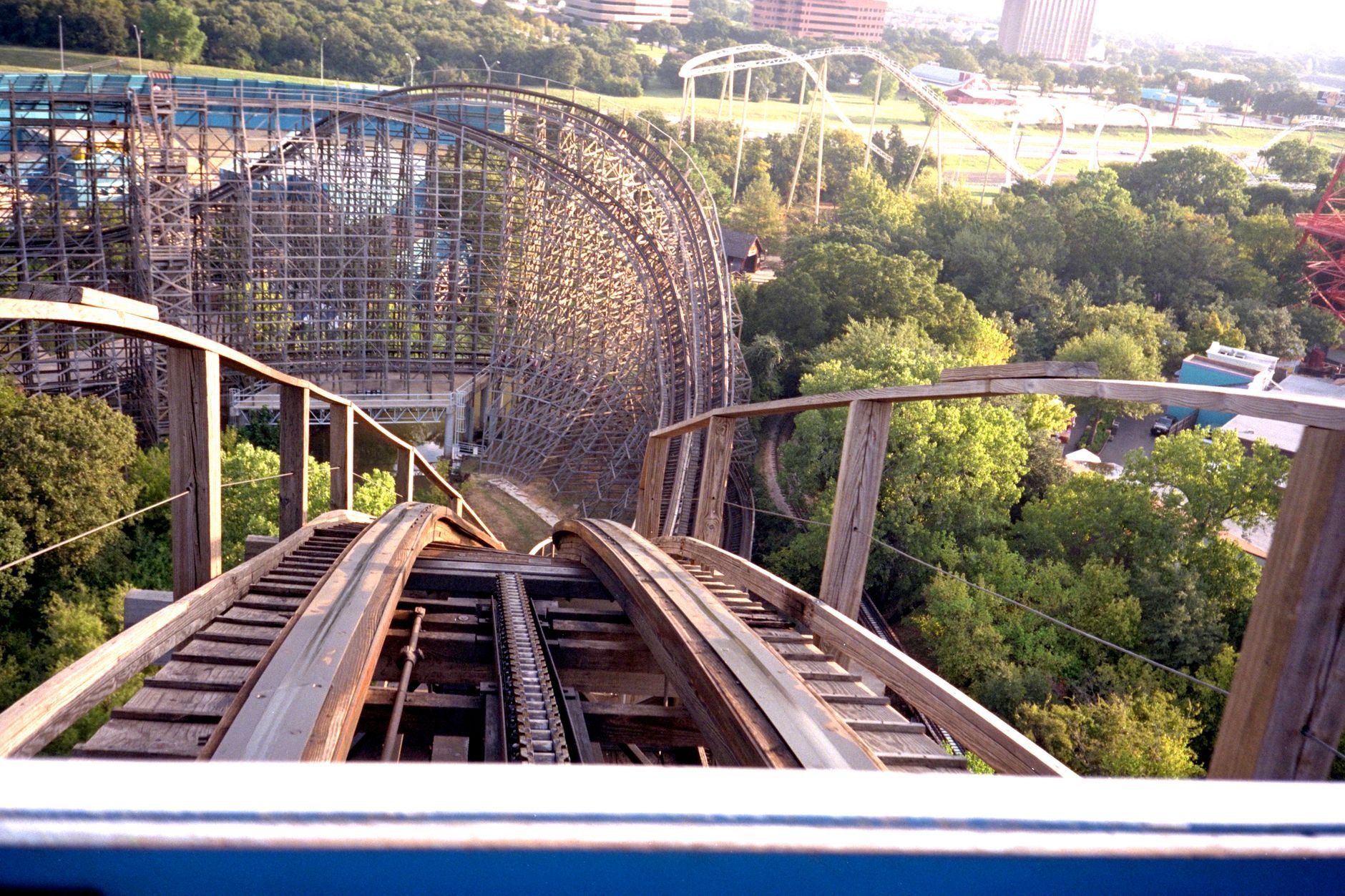
Spend the day at Six Flags Over Texas - arrive early to beat the crowds and ride the classic wooden coasters before lunch. Cool off at Hurricane Harbor water park next door in the afternoon. As the day winds down, explore the shops and restaurants along Collins Street for a casual dinner before heading back.
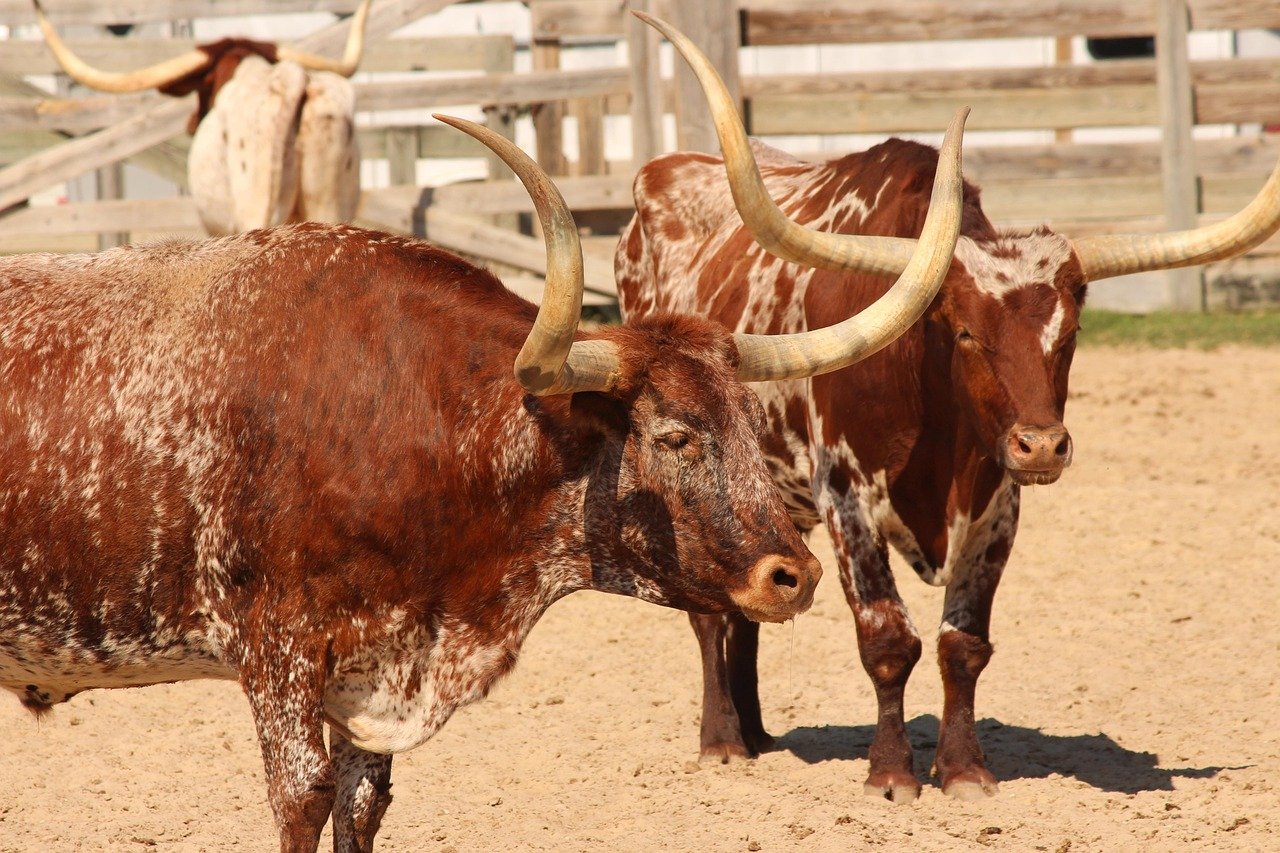
Use your final day to explore the wider Dallas-Fort Worth area. Head west to the Fort Worth Stockyards in the morning for the daily longhorn cattle drive and Western shops. After lunch on Exchange Avenue, drive east into Dallas to walk the colorful murals and live music venues of Deep Ellum before a farewell dinner in the neighborhood.
Arlington, Texas pulses with energy year-round, shaped by its identity as the entertainment capital of the Dallas-Fort Worth Metroplex. The city's calendar reflects its love of sports, spectacle, and Southern hospitality, drawing crowds from across the region for everything from opening day at Globe Life Field to the roar of NFL season at AT&T Stadium.
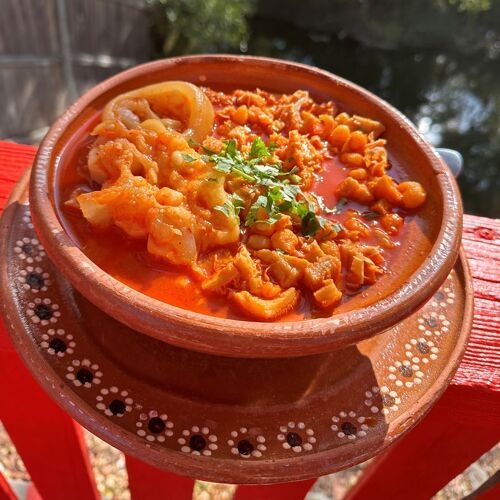
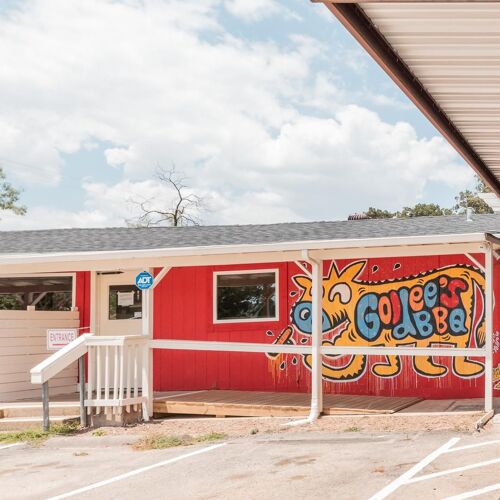
Arlington, Texas sits in the heart of the Dallas-Fort Worth Metroplex, and its dining scene reflects the bold, generous spirit of North Texas. The city is not a quiet culinary destination - it is a place where big flavors match big venues, and where feeding a crowd before or after a Cowboys game or Rangers matchup is practically an art form.
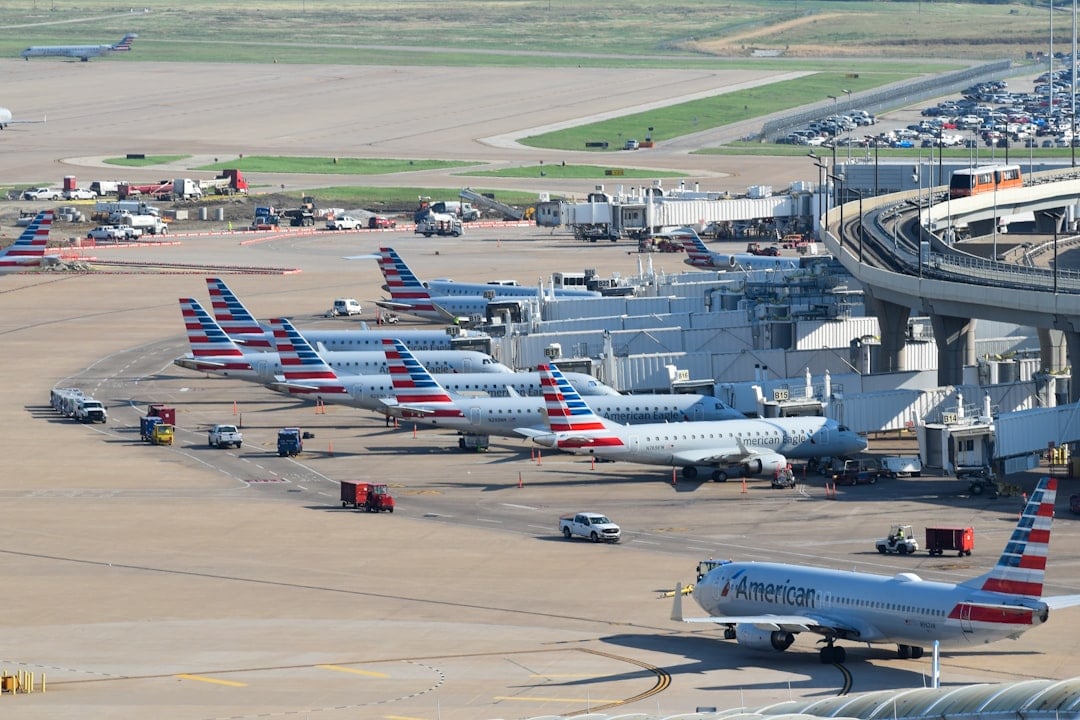
Dallas/Fort Worth International Airport (DFW) is the closest major gateway to Arlington,
sitting about 20 miles northwest of the Entertainment District, with rental cars, rideshare, and the Trinity Metro TEXRail commuter rail all available for onward connections.
Dallas Love Field (DAL) serves as a secondary arrival option,
located roughly 25 miles northeast of Arlington and primarily served by Southwest Airlines, with rideshare being the most practical connection to Arlington from there.
Interstate 30 is the main driving corridor into Arlington,
connecting the city directly to downtown Fort Worth about 15 miles to the west and downtown Dallas about 20 miles to the east, making it an easy drive from either direction.
Amtrak travelers arriving at Dallas Union Station
can reach Arlington in roughly 30 minutes via rideshare or rental car, as there is no direct rail service into Arlington itself.
Greyhound and FlixBus offer intercity bus routes into the DFW area
for budget travelers, with connections terminating in Dallas or Fort Worth from which a rideshare to Arlington typically runs 20 to 35 minutes depending on traffic.
The Entertainment District around AT&T Stadium and Globe Life Field is walkable,
making it easy to move between the stadiums, Six Flags, and nearby restaurants on foot during events without needing to move your car.
Uber and Lyft are the most convenient option on Cowboys or Rangers game days,
as designated rideshare pickup and drop-off zones near both stadiums help avoid the traffic and cost of event parking, which can run $30 to $75 or more.
Trinity Metro's Via Arlington on-demand transit service
covers local trips within Arlington for a low flat fare and can be booked through the Via app, though it works best for short hops rather than cross-city travel.
Renting a car is the most flexible option for visitors planning day trips,
since reaching the Fort Worth Stockyards, Deep Ellum, or other DFW destinations from Arlington is straightforward by car but difficult by transit.
Arlington rewards visitors who plan ahead, especially around major events. Buy tickets for Cowboys games, Rangers games, and Six Flags well in advance - popular dates sell out quickly and last-minute prices spike significantly. The Six Flags app allows you to purchase skip-the-line passes and mobile food ordering, which saves meaningful time on busy days. For stadium visits, both AT&T Stadium and Globe Life Field enforce clear bag policies, so check the venue website before you arrive. Texas summers are intense, with temperatures regularly exceeding 100 degrees Fahrenheit from June through August - carry water, wear sunscreen, and plan outdoor time for mornings or evenings. Tipping follows standard US norms: 18 to 20 percent at restaurants and for rideshare drivers. The area is generally safe for visitors, but the Entertainment District gets extremely congested on event nights, so build extra time into your schedule for parking and entry.
Two to three days is enough to cover Arlington's major attractions. One day handles AT&T Stadium or Globe Life Field if there is a game or tour. A second day works well for Six Flags Over Texas or Hurricane Harbor. A third day lets you explore nearby Dallas or Fort Worth, both within easy driving distance.
Arlington is best known as a major sports and entertainment hub. It is home to AT&T Stadium, where the Dallas Cowboys play, and Globe Life Field, home of the Texas Rangers. Six Flags Over Texas, one of the oldest and most visited theme parks in the country, is also located here, making it a top destination for families and sports fans.
Yes, Arlington is well suited to a weekend trip. Two days is enough to catch a game at AT&T Stadium or Globe Life Field and visit Six Flags Over Texas. Its central location between Dallas and Fort Worth also means you can easily add a half-day in either city without stretching your itinerary.
Arlington sits in a moderate price range. Hotel costs are generally lower than in downtown Dallas or Fort Worth. The biggest expenses are attraction tickets - Six Flags and game-day tickets can add up quickly. Dining and transport are reasonably priced. Booking tickets in advance and looking for bundle deals can reduce costs significantly.
Spring (March to May) and fall (September to November) offer the most comfortable temperatures for outdoor activities and attending games. Summer brings intense heat but is peak season for Six Flags and Hurricane Harbor, so book accommodations early if visiting July or August.