
Baltimore, MD
A Journey guide to
Austin has built a reputation unlike any other American city: a state capital that doubles as a counterculture hub, a tech boomtown that still fiercely guards its independent spirit, and a place where world-class barbecue pits and internationally acclaimed music venues share the same block. The city's unofficial motto, "Keep Austin Weird," is not just a bumper sticker — it is a genuine civic philosophy that shapes everything from its food scene to its architecture to its local politics.
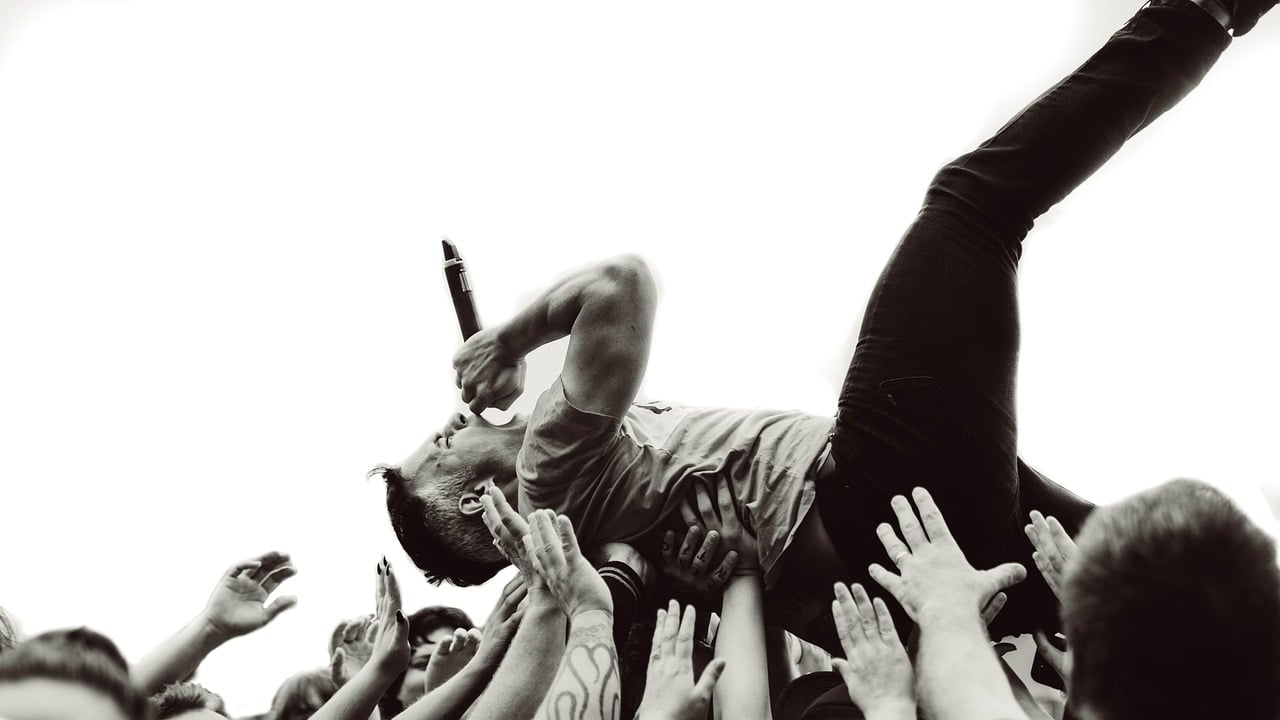
The live music credentials here are unmatched. Austin claims more live music venues per capita than nearly any other city in the United States, with Sixth Street, Red River Cultural District, and the Rainey Street corridor all serving as nightly stages for blues, country, rock, and everything in between. The city is home to the longest-running music program on American television, Austin City Limits, and draws musicians and fans from across the globe year-round.
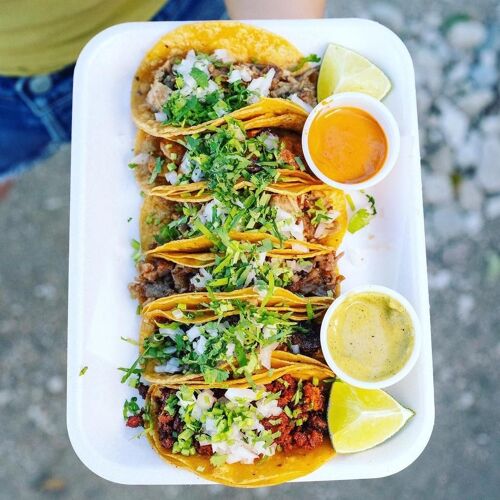
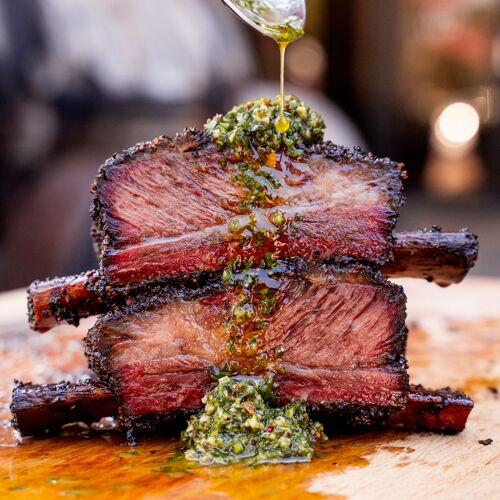
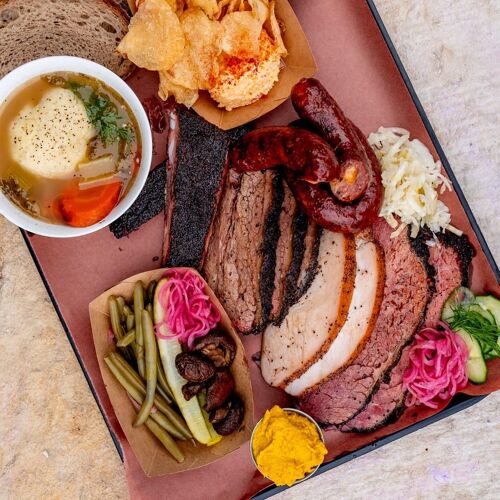
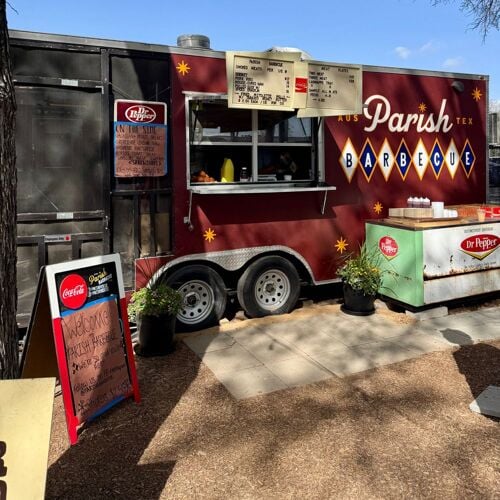
Food is the other pillar of Austin's identity. Central Texas-style barbecue — slow-smoked brisket, beef ribs, and housemade sausage — reaches its apex here, with legendary pits drawing lines that form before dawn. Beyond barbecue, Austin's restaurant scene spans Tex-Mex institutions, James Beard-recognized fine dining, and a relentlessly inventive street food culture that reflects the city's diverse and fast-growing population.
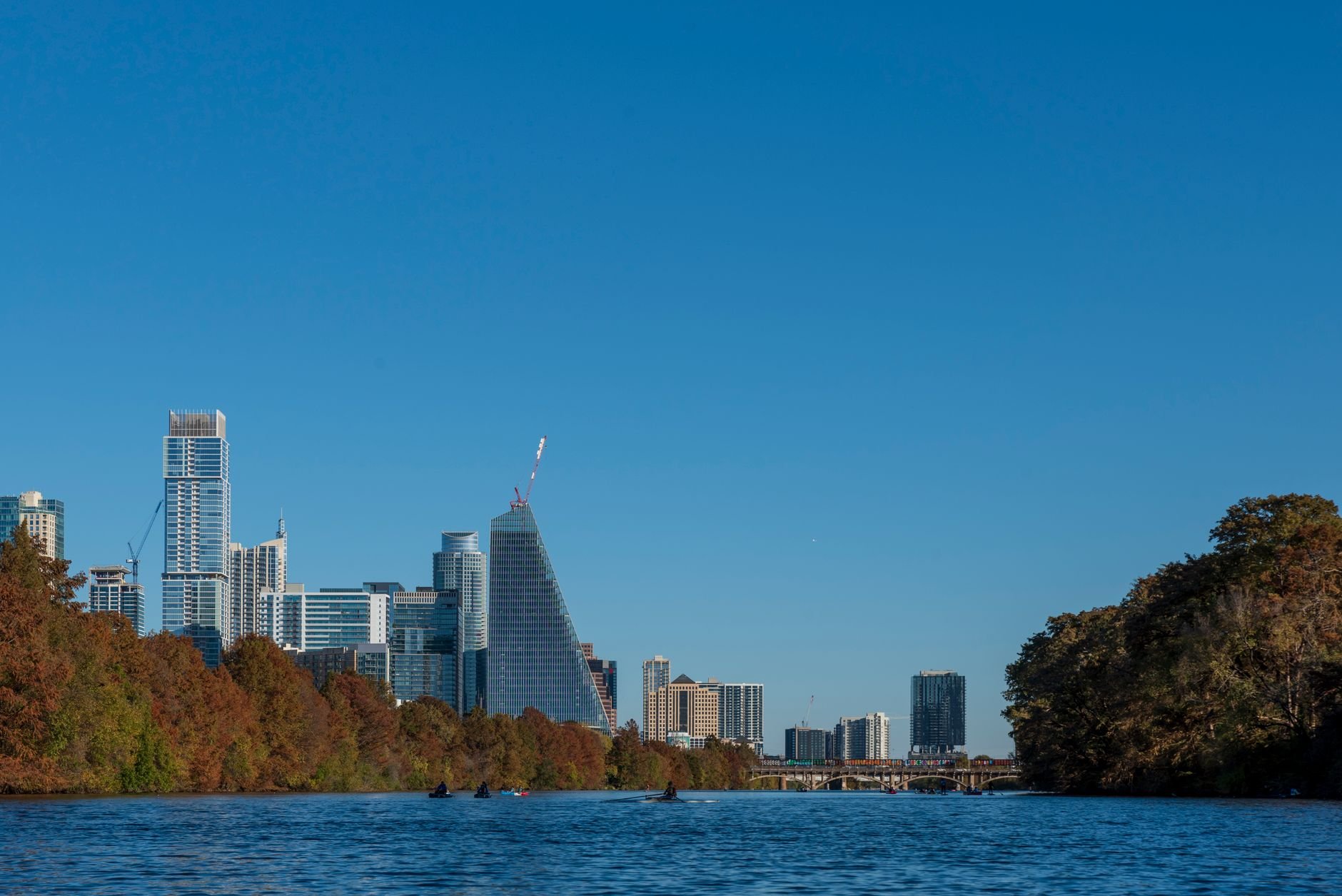
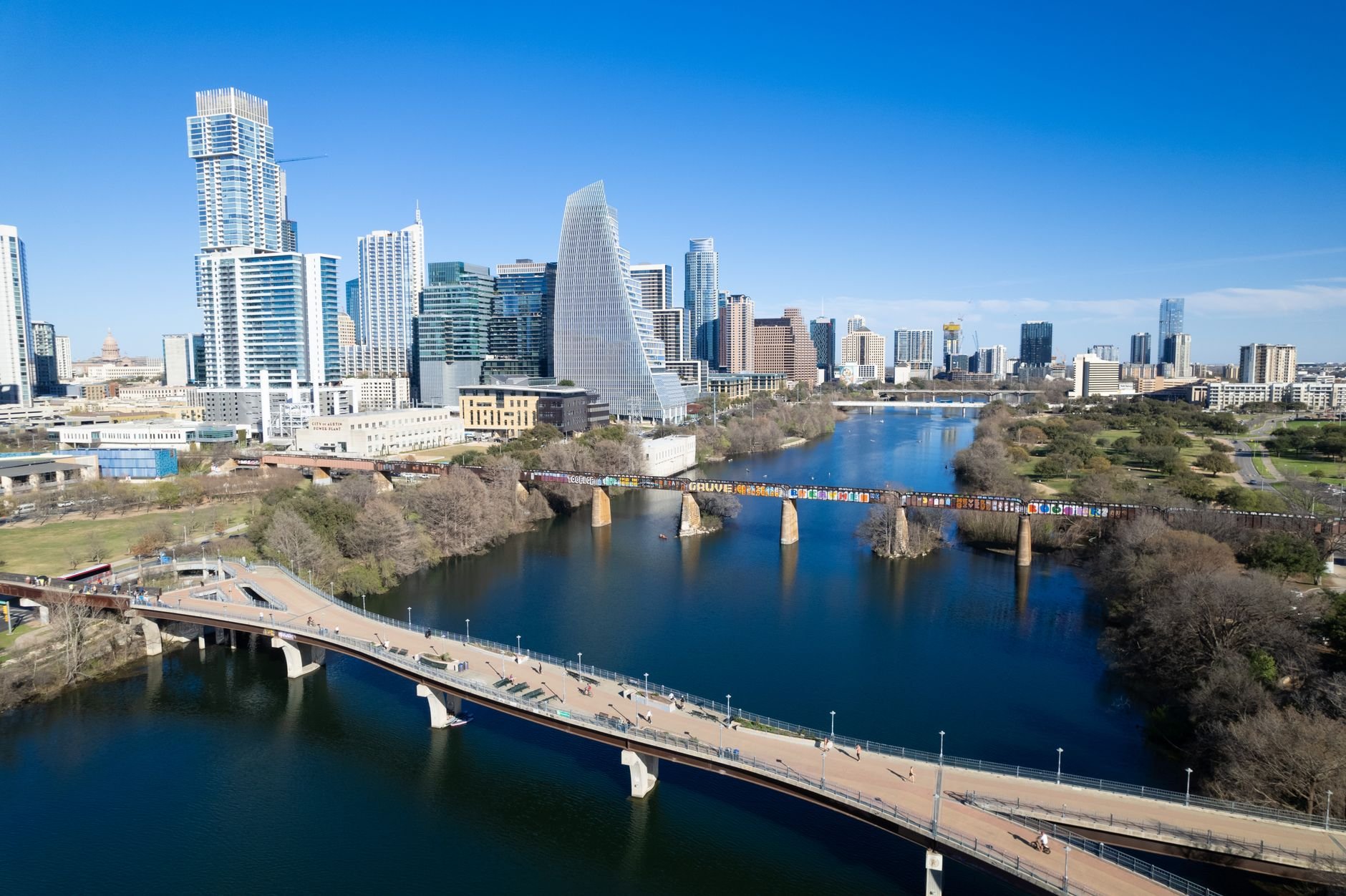
Austin also draws outdoor enthusiasts, entrepreneurs, and creative professionals in equal measure. The Colorado River (known locally as Lady Bird Lake) cuts through the urban core, offering kayaking, paddleboarding, and miles of hike-and-bike trails within minutes of downtown. The University of Texas anchors a strong academic and sports culture, while the Domain and East Austin neighborhoods showcase the city's dual identity as both a tech capital and an arts-driven community.


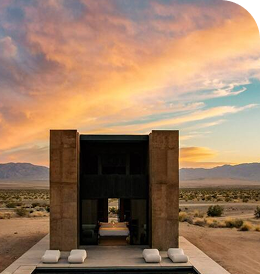

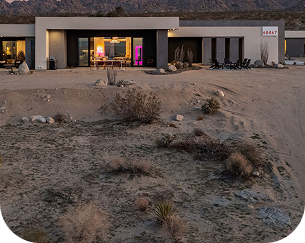

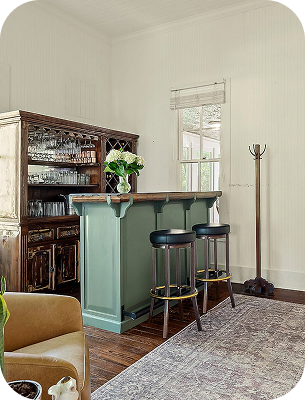

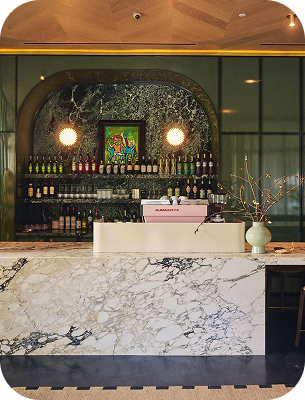

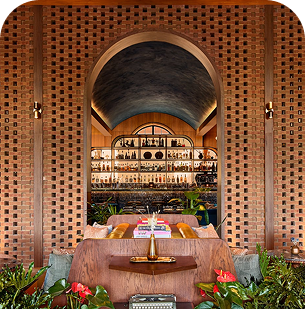

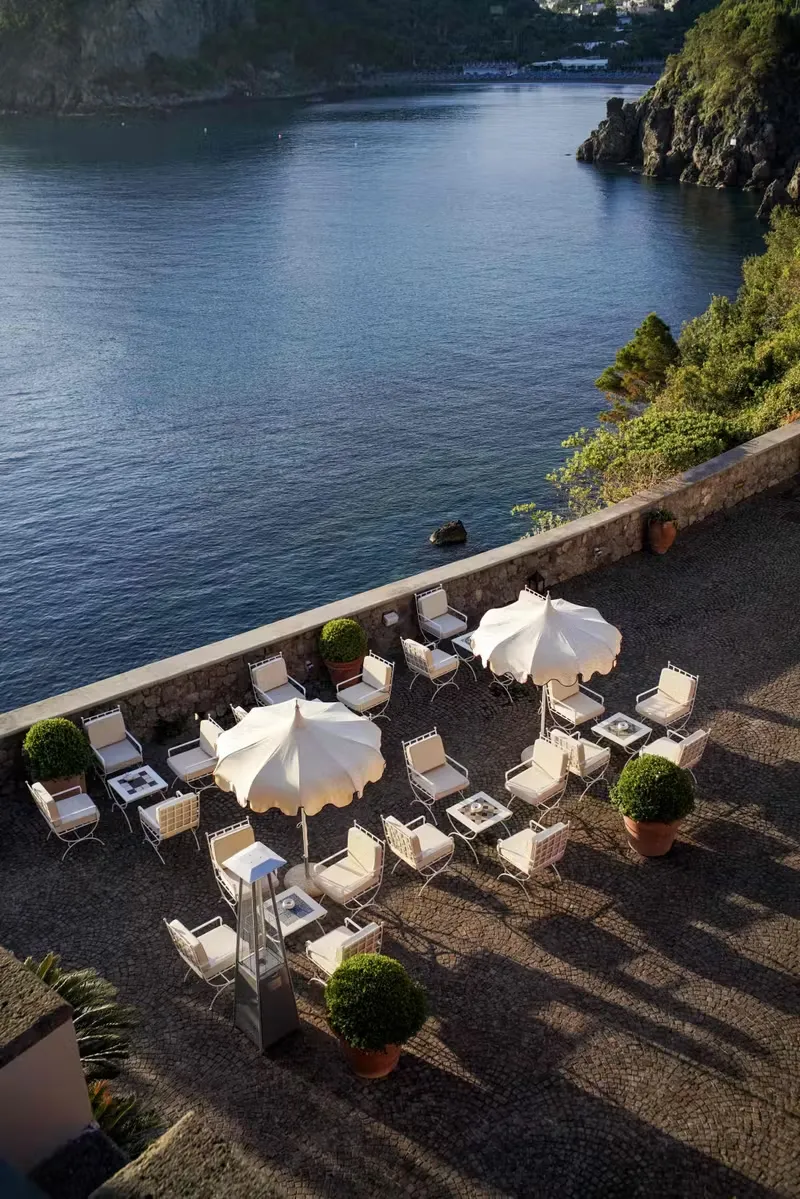

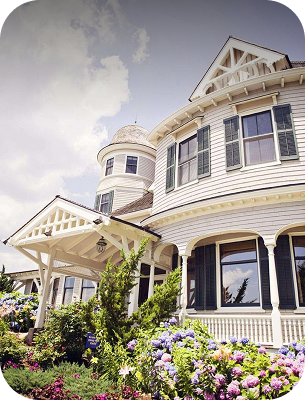

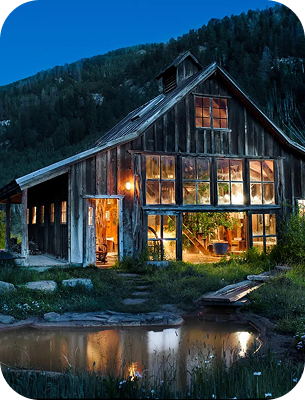

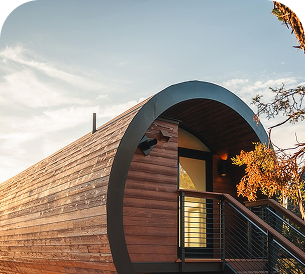

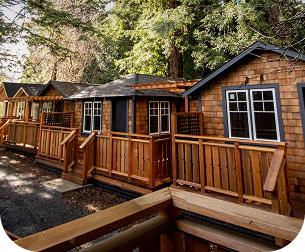

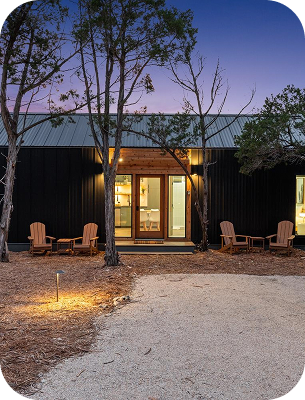

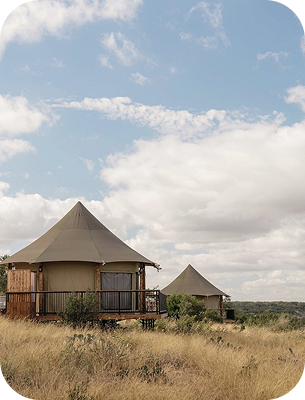

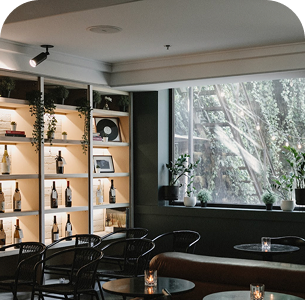

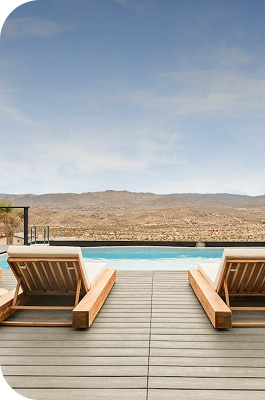

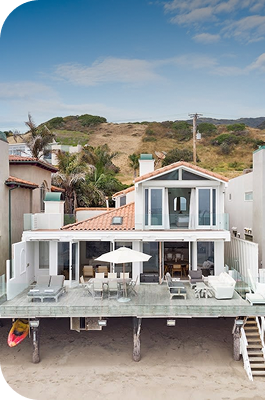

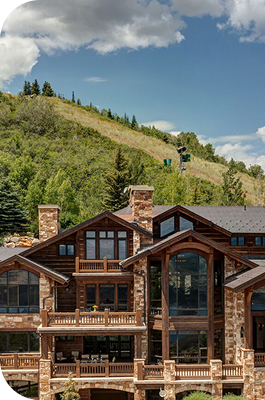
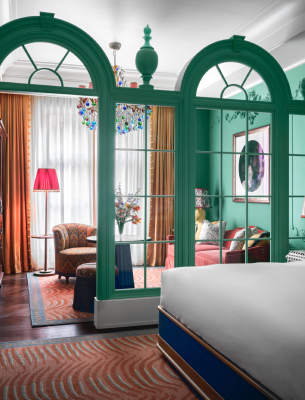
Journey connects travelers to a curated network of boutique hotels and distinctive residences around the world, all united under one rewards program. Explore handpicked stays for your trip while earning points, unlocking exclusive offers, and receiving rewards across the Journey collection.
Austin sits in the heart of Central Texas, straddling the Balcones Escarpment where the flat coastal plains give way to the rolling limestone hills of the Texas Hill Country. Lady Bird Lake — a reservoir on the Colorado River — forms a natural southern boundary to downtown, giving the city an unusually green and water-rich character for a major inland Texas metro. The surrounding landscape of cedar, live oak, and limestone bluffs defines the visual identity of the region and draws hikers, cyclists, and swimmers to the Barton Creek Greenbelt and Barton Springs Pool, a natural spring-fed swimming hole that has served as Austin's backyard since the 19th century.
Founded in 1839 and selected as the capital of the Republic of Texas before statehood, Austin has always occupied a symbolic position in Texas identity. The Texas State Capitol, completed in 1888 and built from distinctive sunset-red granite, remains the tallest state capitol building in the United States and anchors Congress Avenue, the city's ceremonial main street. For much of the 20th century, Austin was a mid-sized university town defined by the University of Texas at Austin, state government, and a fiercely independent music and arts scene that gave rise to artists like Willie Nelson, Janis Joplin, and Stevie Ray Vaughan.
The transformation of the past two decades has been dramatic. Austin is now one of the fastest-growing large cities in the United States, fueled by an influx of major technology companies, venture capital, and transplants from coastal metros drawn by Texas's business climate and Austin's quality of life. The population of the greater metro area has surpassed two million, and the skyline changes visibly from year to year. Yet Austin's core neighborhoods — East Austin's muraled streets, South Congress Avenue's vintage shops and taquerias, the historic Hyde Park district — retain a texture and character that resist easy homogenization. The city remains a genuinely distinctive place: ambitious and self-aware, proud of its past, and restlessly reinventing itself.
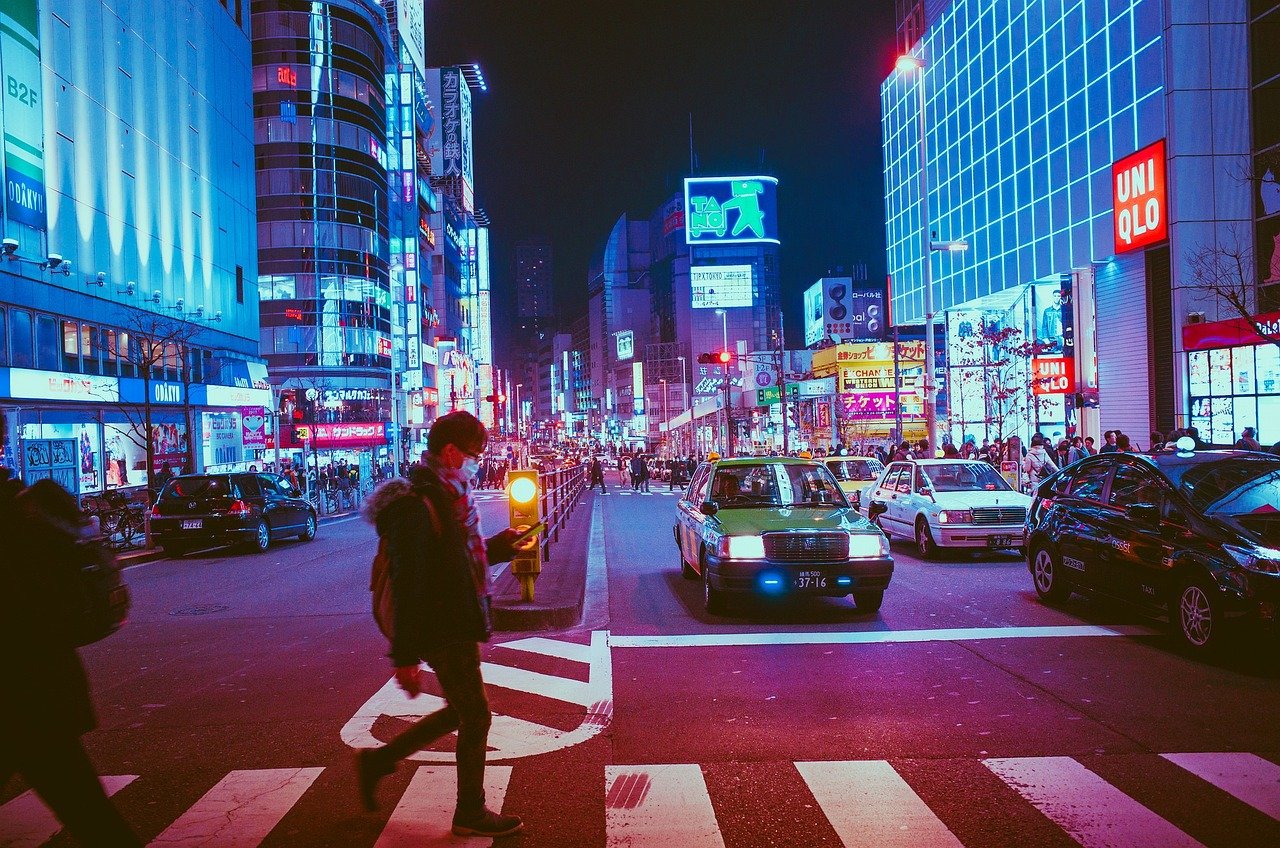
Choosing when to visit Austin depends largely on how much heat you can handle, how much you want to spend, and which experiences matter most to you.
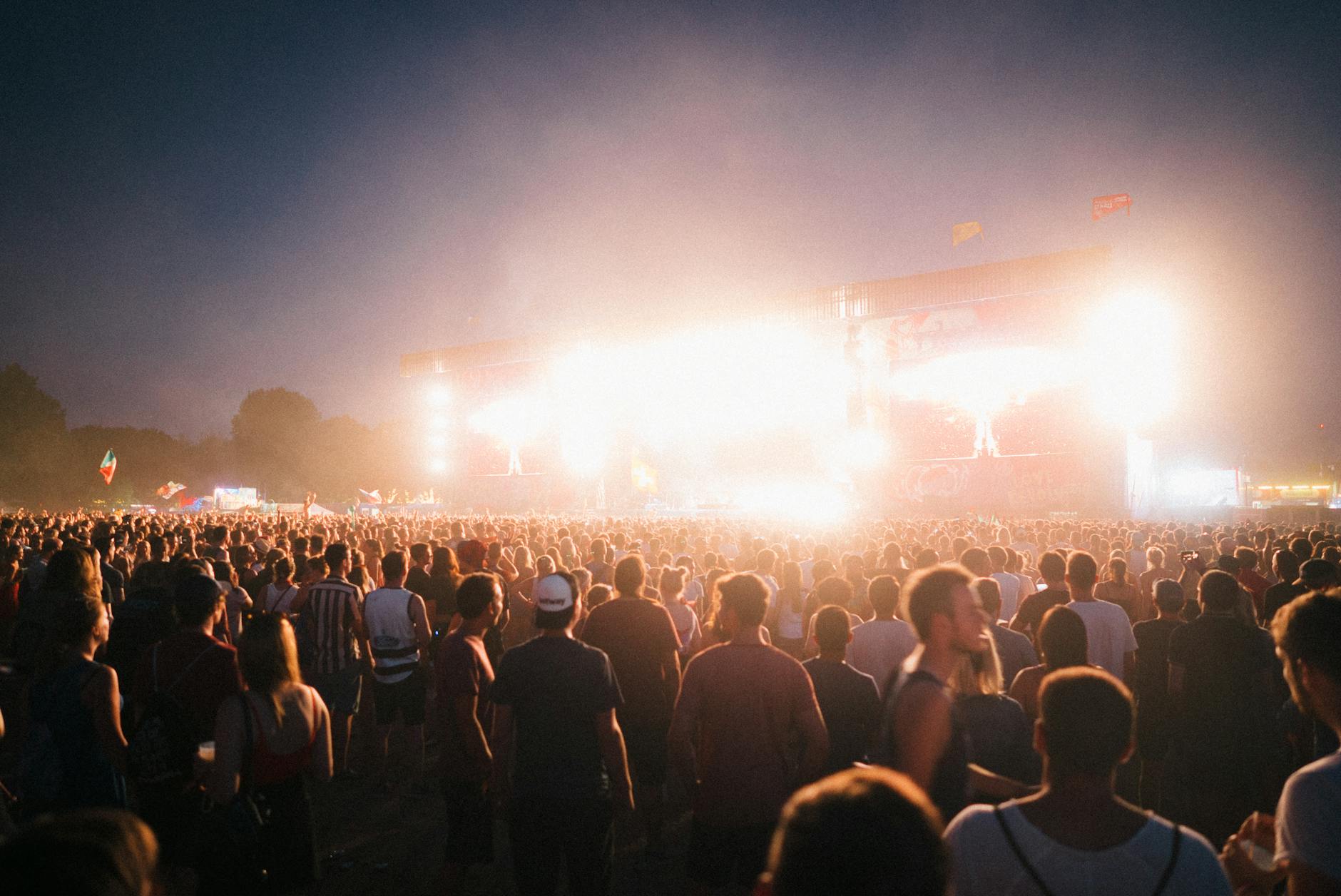
Spring, from March through May, is widely considered the sweet spot for first-time visitors. The city is energized by South by Southwest in March, one of the largest music and tech festivals in the world, which brings enormous crowds and premium hotel prices but also an unmatched concentration of live performances, film screenings, and industry events. Outside of festival weeks, spring offers ideal conditions for exploring the Barton Creek Greenbelt, kayaking Lady Bird Lake, and day-tripping into the Hill Country to catch the bluebonnet bloom along rural highways. Book well in advance if your dates overlap with SXSW or the Austin City Limits Music Festival.
Fall, from October through November, rivals spring as the best overall window. The Austin City Limits Music Festival in October draws major headliners to Zilker Park and is a bucket-list event for music fans, though it commands the same advanced planning as SXSW. Outside of festival weekends, fall sees thinner crowds, comfortable conditions for outdoor exploration, and a lively local dining and bar scene as the city settles back into its regular rhythm after the summer slowdown.
Winter, from December through February, is Austin's quietest and most affordable season. Crowds are minimal, hotel rates drop, and the live music scene remains active year-round regardless of season. It is a strong choice for budget-conscious travelers or those who prefer a more local, unhurried experience.
Summer, from June through August, is the least recommended window for outdoor-focused visits. The heat is relentless and outdoor activities are best limited to early mornings. That said, summer brings its own energy through pool parties, outdoor cinema, and a packed calendar of smaller music events for those who can adapt their schedule accordingly.
Austin's urban core pulses with energy day and night, anchored by the legendary Sixth Street entertainment corridor where live music spills out of dozens of bars and venues onto the sidewalks. The area blends government landmarks, high-rise hotels, and the iconic neon-lit strip that has defined Austin nightlife for decades. It is the city's most visited district and the natural starting point for any Austin itinerary.
Once a predominantly working-class neighborhood, East Austin has evolved into the city's most creatively charged district, packed with independent coffee shops, craft cocktail bars, art galleries, and some of the best restaurants in Texas. The streets retain a gritty, colorful character with murals on nearly every block, and the area draws a mix of longtime residents, young professionals, and food-obsessed travelers. East Sixth and East Cesar Chavez are the two main corridors worth exploring on foot.
South Congress Avenue is Austin's most iconic shopping and dining strip, lined with vintage boutiques, eclectic restaurants, food trailers, and the beloved Hotel San Jose. The street has a laid-back, sun-soaked atmosphere that captures the city's independent spirit perfectly, and the view looking north toward the Texas State Capitol is one of the most photographed scenes in Austin. Weekend mornings bring out locals and visitors alike for brunch and browsing.
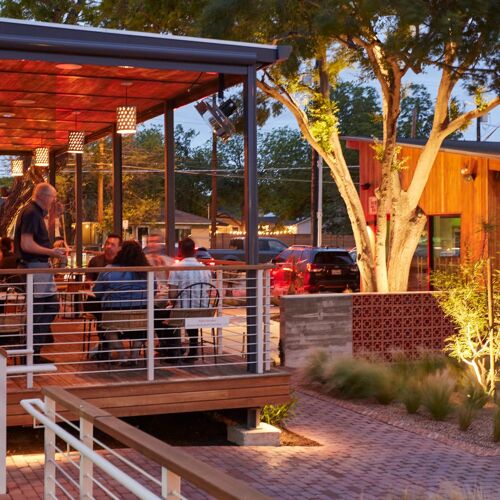
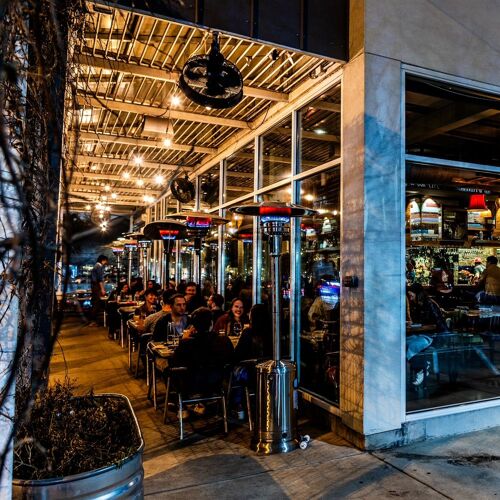
Rainey Street is a compact, walkable strip of converted bungalows turned bars and restaurants just southeast of downtown, offering a more intimate alternative to the Sixth Street scene. String lights, covered patios, and a friendly neighborhood vibe make it one of Austin's most charming nightlife destinations, popular with locals and visitors who prefer conversation over concert-level noise. The proximity to Lady Bird Lake also makes it a great base for a morning run or paddleboard session before the evening begins.
Located in North Austin, the Domain is the city's upscale mixed-use hub, home to luxury retailers, acclaimed restaurants, a lively hotel scene, and the headquarters of several major tech companies. It functions almost as a second downtown, with walkable streets, outdoor plazas, and a polished energy that contrasts with the scrappier character of central Austin neighborhoods. Travelers staying in North Austin or visiting the tech corridor will find the Domain a convenient and well-appointed base.
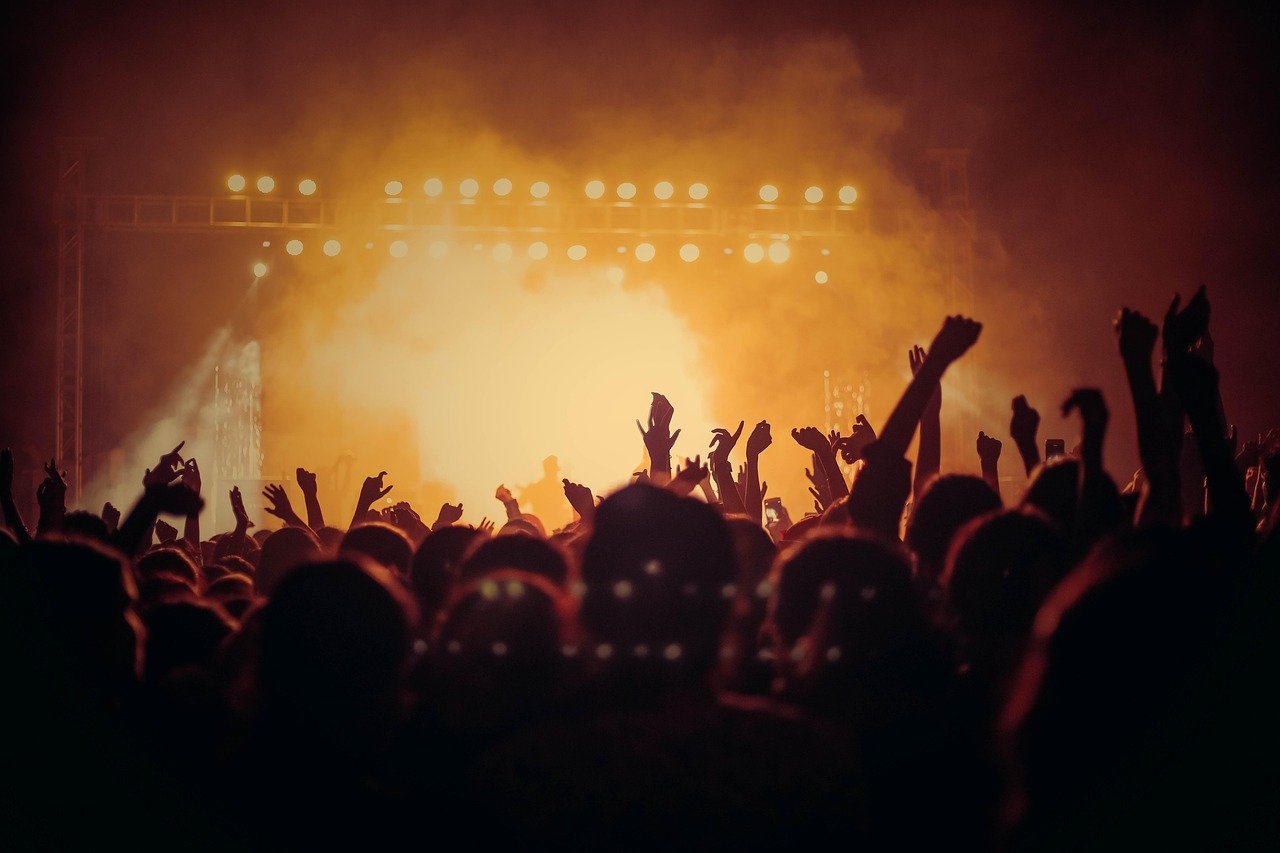
Austin is one of those rare cities where the signature experiences are not manufactured for tourists - they are simply what the city does, every single day.
Live Music on Sixth Street and the Red River Cultural District
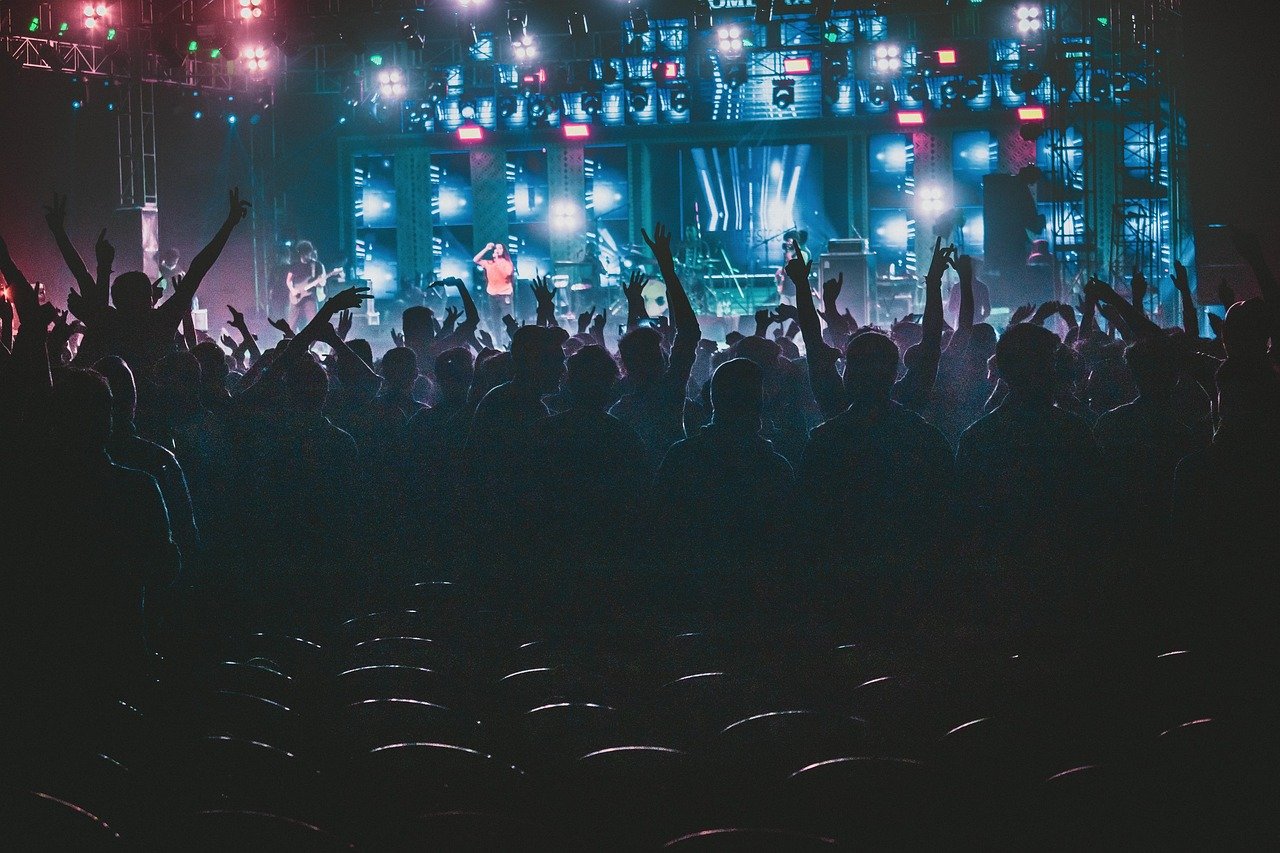
Austin's claim as the Live Music Capital of the World is earned nightly. The Red River Cultural District is the beating heart of the scene, with venues like Mohawk, Emo's, and Stubb's hosting everything from emerging indie acts to internationally touring headliners. Sixth Street transforms after dark into an open-air music corridor where the sound spills out of every door. Catching a show here - whether planned or stumbled upon - is the defining Austin experience.
Central Texas Barbecue
No food experience in the United States carries more pilgrimage energy than Austin barbecue. Pitmasters here slow-smoke brisket, beef ribs, and housemade sausages over post oak for up to 18 hours, producing results that are widely regarded as the gold standard of American barbecue. The tradition is serious, the lines are long, and the reward is exceptional.
South by Southwest (SXSW)
Each March, Austin becomes the center of the global creative universe. SXSW brings together music, film, technology, and culture in a sprawling, city-wide festival that transforms every venue, park, and street corner into a stage or screening room. For those who attend, it is an experience that belongs entirely to Austin.
Swimming in Natural Springs
Barton Springs Pool - a three-acre natural swimming hole fed by underground springs and maintained at a constant 68 degrees - is as much a social institution as it is a recreational one. Locals have gathered here for generations, and first-time visitors quickly understand why it holds such a central place in Austin's identity.
Together, these experiences define what makes Austin irreplaceable: a city where world-class culture, legendary food, and genuine outdoor life coexist without pretense.
Austin offers an extraordinary range of activities that reflect its dual identity as a culturally vibrant city and an outdoor-friendly destination rooted in the Texas Hill Country landscape.
Outdoor Recreation
The Colorado River, known locally as Lady Bird Lake, is the centerpiece of Austin's outdoor life. Kayaking, paddleboarding, and rowing are popular on the calm water, while the 10-mile Ann and Roy Butler Hike-and-Bike Trail loops the entire shoreline and draws runners, cyclists, and walkers daily. Barton Springs Pool, a natural spring-fed swimming hole inside Zilker Park, is a beloved Austin institution, offering a cool escape year-round. Nearby Barton Creek Greenbelt provides miles of hiking and swimming holes tucked into limestone canyon terrain.
Cultural Attractions
Austin's cultural institutions punch well above their weight. The Blanton Museum of Art on the University of Texas campus holds one of the largest university art collections in the country. The Bullock Texas State History Museum delivers an immersive look at Texas history and culture, and the LBJ Presidential Library offers a compelling window into American political history.
Arts and Entertainment
Live music is woven into the daily fabric of Austin. From intimate clubs on Red River Cultural District to outdoor stages at Stubb's Amphitheater, there is a show happening every night of the week. The city also hosts a thriving theater scene, independent cinema, and a packed annual events calendar anchored by South by Southwest (SXSW) and Austin City Limits Music Festival.
Food and Dining
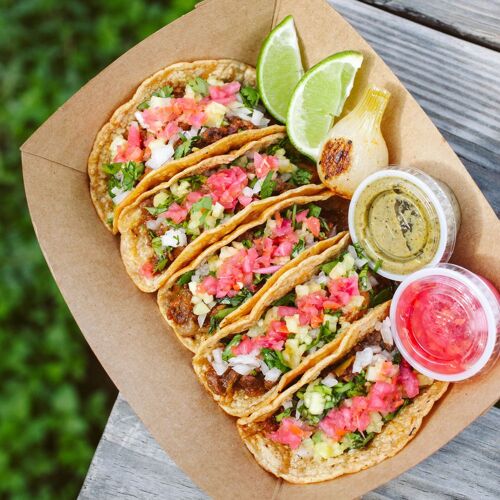
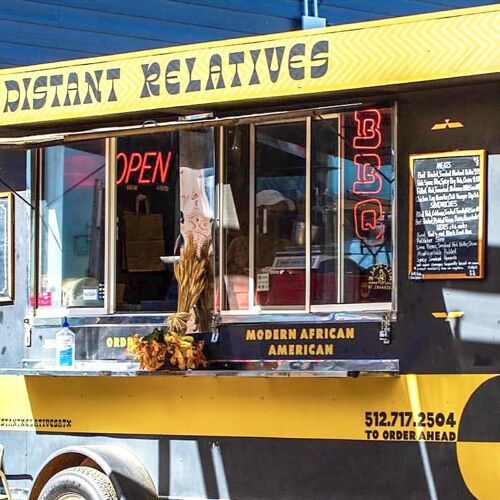
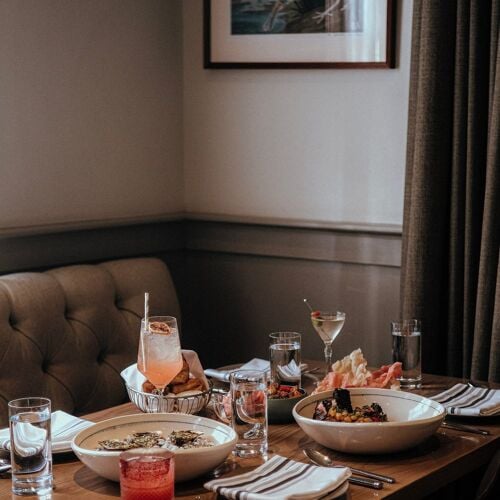
Austin's food scene is one of the most dynamic in the American South. Central Texas barbecue is the headliner, with celebrated pitmasters drawing long lines at spots across the city. Tex-Mex institutions, creative taco trucks, James Beard-recognized restaurants, and buzzing rooftop bars round out a dining landscape that rewards both adventurous eaters and comfort-food seekers.
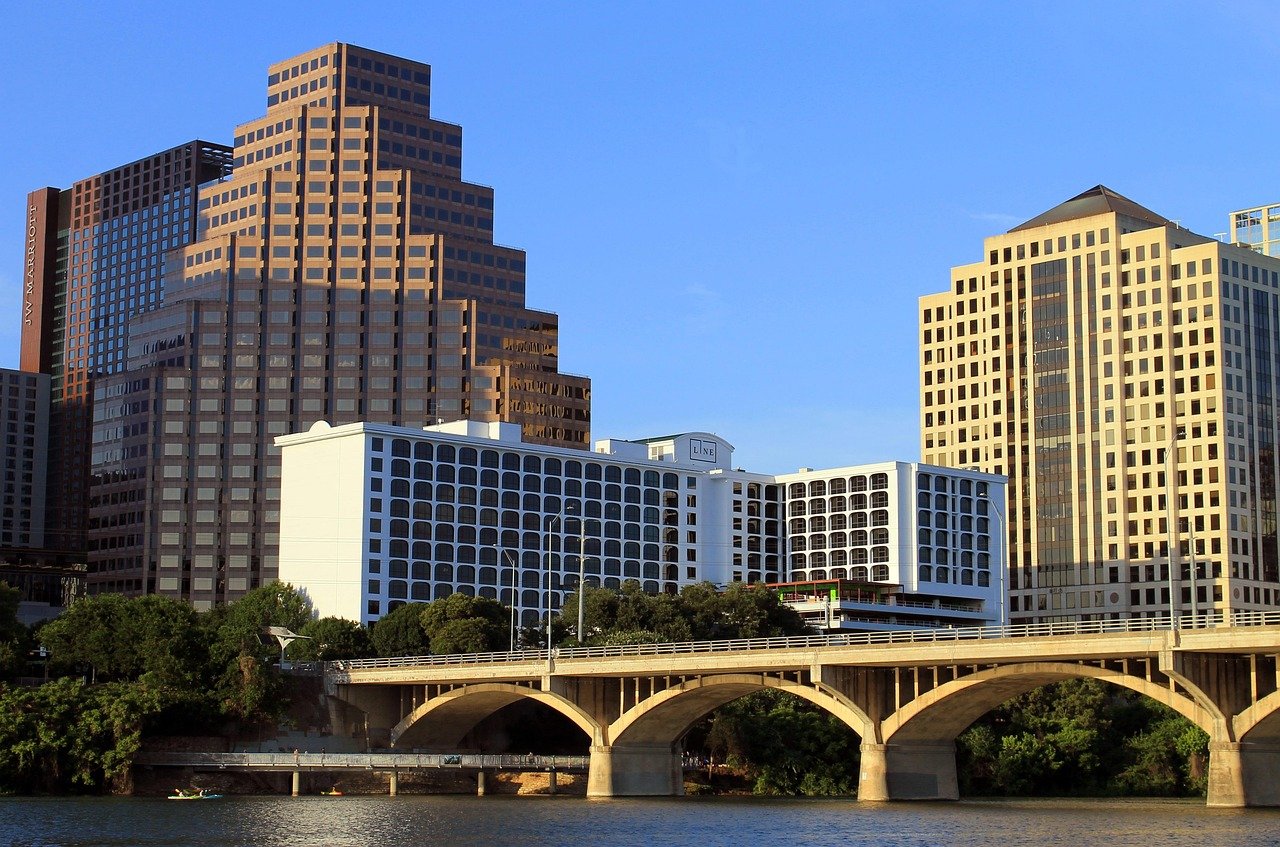
Start your morning with a pilgrimage to Franklin Barbecue on East 11th Street - arrive early to beat the line. Spend the afternoon exploring South Congress Avenue, browsing its boutiques and food trucks. As evening falls, head to the Red River Cultural District for live music at Stubb's Amphitheater or Emo's, where Austin's legendary nightlife truly comes alive.
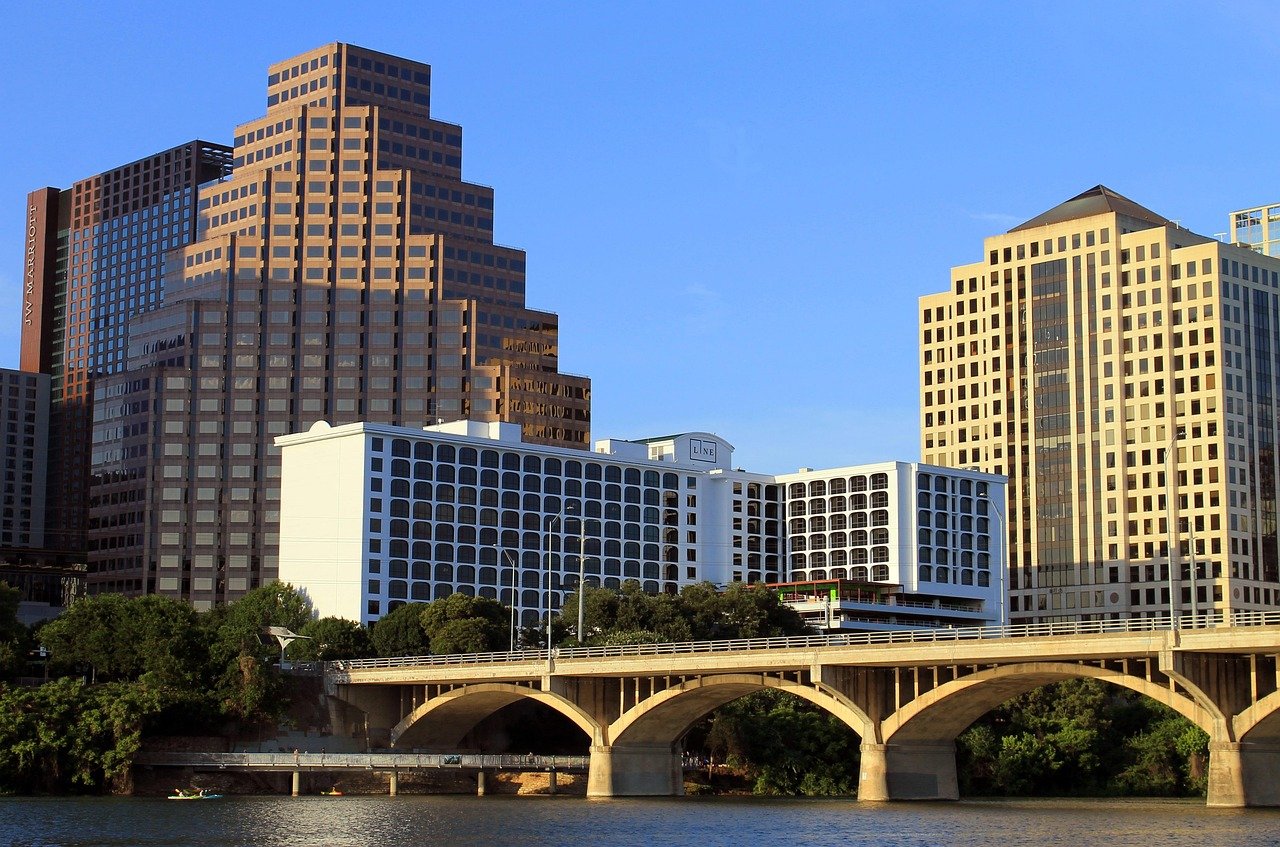
Begin the morning with a kayak or paddleboard session on Lady Bird Lake, then walk the Ann and Roy Butler Hike-and-Bike Trail. After lunch at one of the Rainey Street bungalow bars, head to the Blanton Museum of Art on the UT Austin campus. End the evening on Sixth Street, hopping between venues for a taste of Austin's eclectic live music scene.
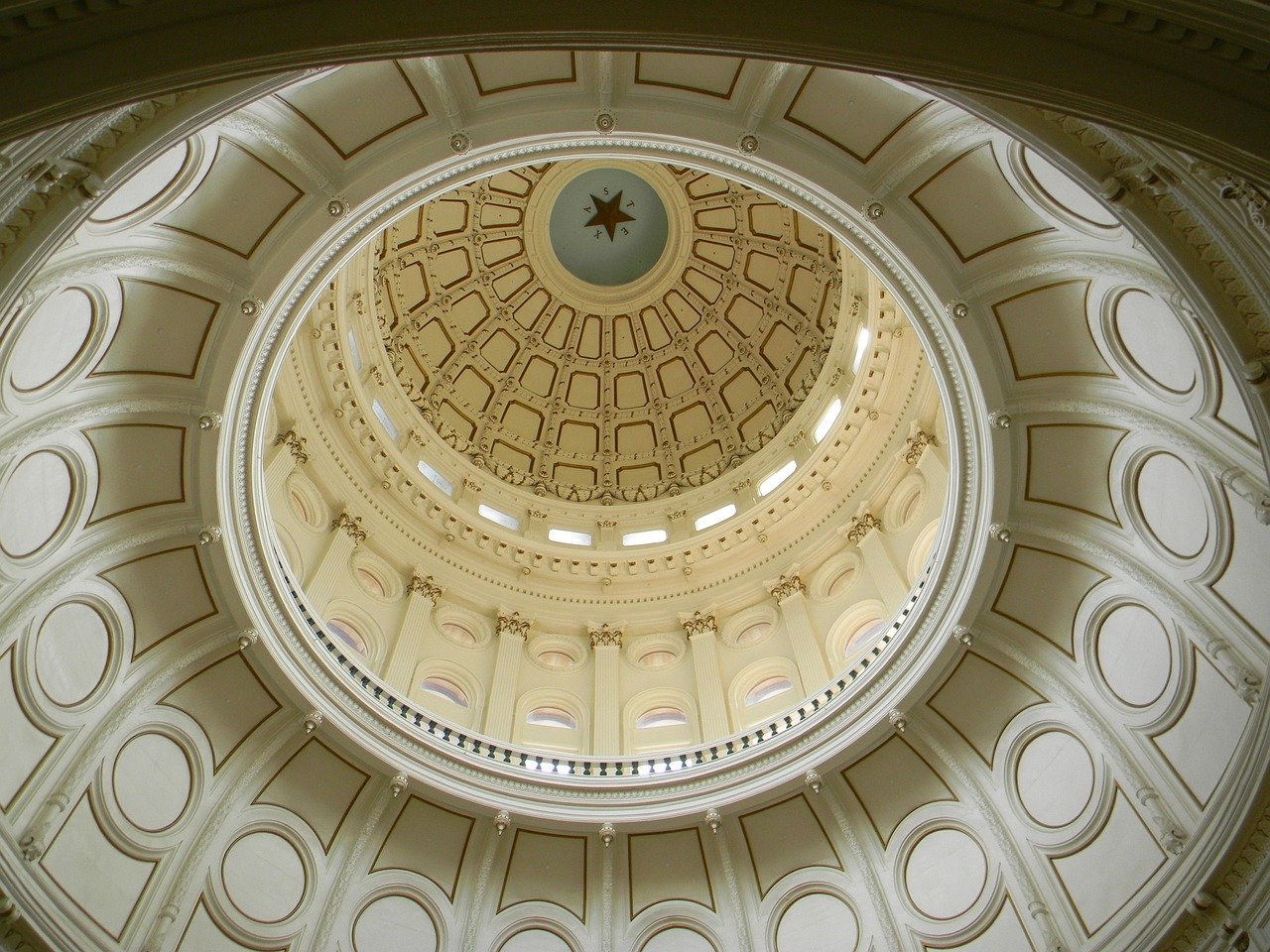
Spend the morning exploring the vibrant murals and coffee shops of East Austin, stopping at Patika Coffee or Cuvee Coffee. Head to the Texas State Capitol for a midday tour of the stunning grounds and building. In the afternoon, visit Barton Springs Pool for a refreshing swim. Close out your trip with dinner and cocktails in the hip Domain Northside neighborhood.
Austin pulses with energy year-round, shaped by a cultural calendar that reflects its identity as a music capital, outdoor city, and gathering place for creative communities. Spring brings mild weather and a wave of festivals that take over downtown streets and outdoor venues, while summer draws locals to the greenbelt and Lady Bird Lake for relief from the Texas heat. As temperatures cool in the fall, the city reaches a kind of peak energy, with massive events drawing visitors from across the country and around the world. Winter remains lively, with the holiday season bringing markets, live performances, and a quieter but no less spirited version of Austin's famously active nightlife.
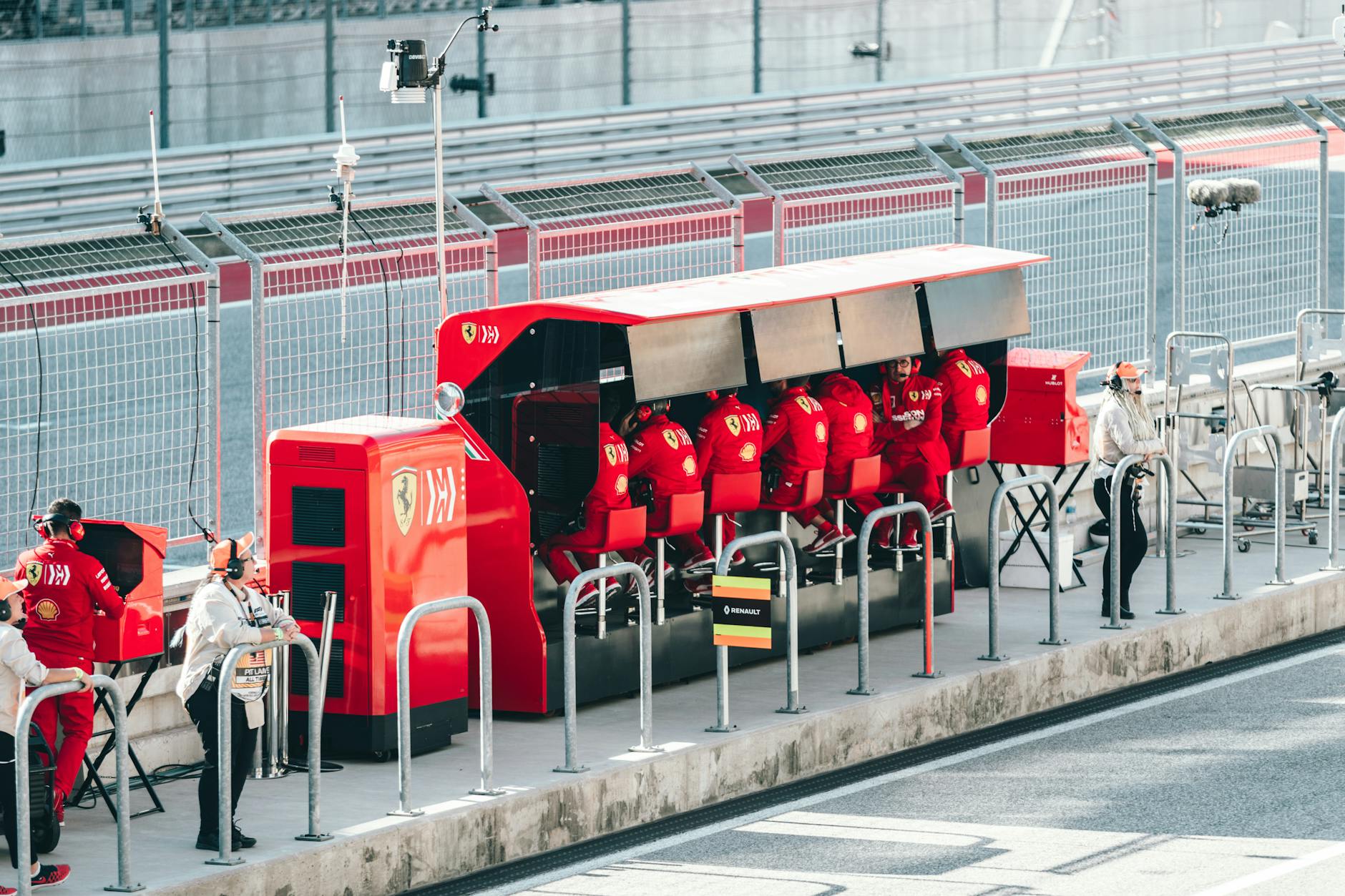
Oct 23, 2026 - Oct 25, 2026
Round 19 of the 2026 F1 season in Austin.
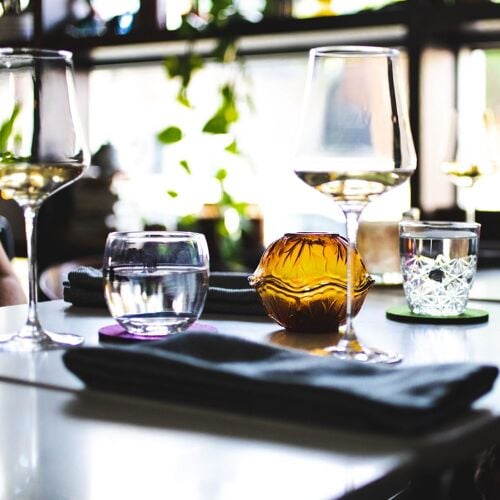
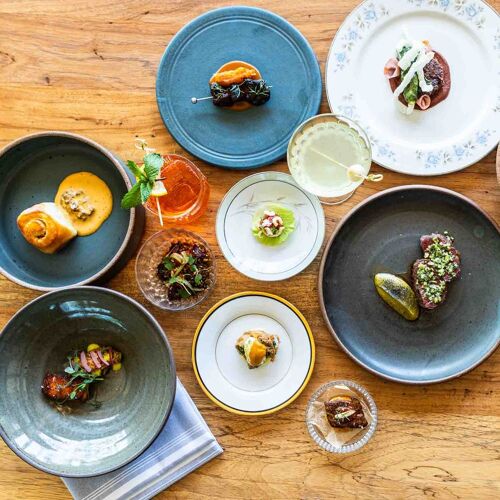
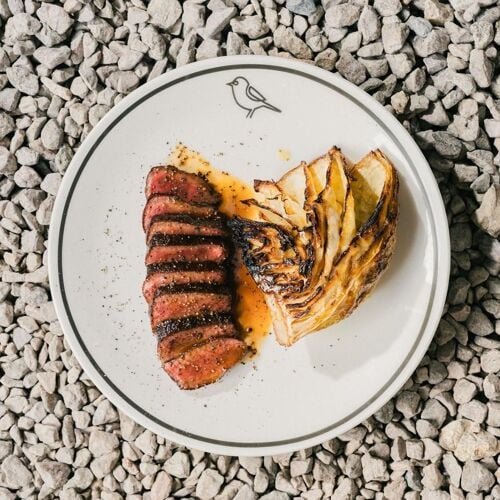
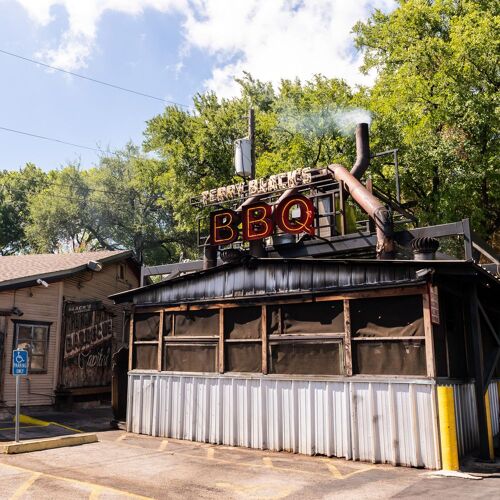
Austin's food culture is one of the most celebrated in the United States, built on a foundation of Central Texas-style barbecue and expanded by decades of culinary creativity. The city's barbecue tradition centers on slow-smoked brisket, beef ribs, and housemade sausage, with legendary pits like Franklin Barbecue and La Barbecue drawing lines that stretch around the block well before opening time. This is not fast food - it is a craft honed over hours and generations.

Austin-Bergstrom International Airport (AUS) is the main arrival point for most visitors,
located about 8 miles southeast of downtown, with rideshare pickup zones, taxis, and on-site rental car facilities all available within the terminal.
Interstate 35 is the primary driving corridor into Austin from both Dallas (about 3 hours north) and San Antonio (about 1.5 hours south),
though traffic through the urban core can be heavy during peak hours, so plan arrivals outside of morning and evening rush windows.
Highway 71 and Highway 290 connect Austin to Houston (roughly 2.5 to 3 hours east)
and serve as the main routes for road trippers coming from the Gulf Coast or the Texas Hill Country.
Greyhound and FlixBus both operate intercity bus service into Austin from Dallas, Houston, and San Antonio,
offering a budget-friendly alternative to flying for travelers already within Texas.
Amtrak's Sunset Limited stops in Austin three times per week,
but the schedule is limited and the station sits away from the city center, making it a practical choice only for travelers with flexible timing and a specific interest in train travel.
Rideshare apps like Uber and Lyft are the most practical way to move around Austin at night,
especially along Sixth Street and Rainey Street where parking is extremely limited and surge pricing is common on weekends, so budget accordingly.
The Capital Metro MetroRail Red Line runs from downtown Austin north to the Domain and Leander,
making it a useful option for visitors staying near the rail corridor, though trains run on a limited schedule and do not serve most tourist-heavy areas south of the river.
South Congress Avenue and the East Sixth Street corridor are walkable and compact,
so visitors staying in those neighborhoods can reach most restaurants, bars, and shops on foot without needing a car or rideshare for daytime exploring.
Lime scooters and Austin B-Cycle bike-share stations are available throughout central Austin
and offer a fast, affordable way to cover short distances between downtown, East Austin, and the Lady Bird Lake trail system.
Renting a car is worth considering if your itinerary includes spots outside the urban core,
such as barbecue destinations in Taylor or Lockhart, Hill Country wineries, or the Circuit of the Americas, all of which are difficult to reach without personal transportation.
Book tables at high-demand barbecue spots like Franklin Barbecue or La Barbecue well in advance, as lines form before opening and sell-out times can be as early as noon. For live music, most venues on Sixth Street and in the Red River Cultural District are walk-in with a cover charge at the door, but ticketed shows at venues like Stubb's or ACL Live should be booked ahead. Download the Moovit or Capital Metro app for real-time bus and rail schedules. Austin is a tipping city: 18 to 20 percent is standard at restaurants and bars, and tip prompts on counter-service screens are common. Summers are intensely hot, with temperatures regularly exceeding 100 degrees Fahrenheit, so carry water and plan outdoor activities for morning hours. The city is generally safe for tourists, but stay aware of your surroundings on crowded nightlife strips late on weekends.
Three to four days is ideal for a first visit to Austin. This gives you enough time to explore the live music scene on Sixth Street and Red River, sample the legendary barbecue, walk the Lady Bird Lake trail, and dip into neighborhoods like East Austin and South Congress without feeling rushed.
Austin is best known as the Live Music Capital of the World, with more live music venues per capita than almost any other U.S. city. It is also famous for Central Texas-style barbecue, its Keep Austin Weird independent culture, the University of Texas, and a booming tech and creative industry scene.
Yes, Austin works well as a weekend trip. In two days you can catch live music on Sixth Street, eat at a top barbecue pit, kayak or walk Lady Bird Lake, and explore East Austin's bars and restaurants. It is especially well-suited for visitors flying in from other Texas cities or the broader South.
Austin sits in the mid-range for U.S. city travel. Hotels and short-term rentals vary widely by neighborhood and season, but food costs can be reasonable - many beloved taco spots and barbecue joints are affordable. Costs spike significantly during major events like SXSW and Austin City Limits Music Festival, so timing matters.
Spring (March to May) and fall (October to November) offer the most comfortable weather, with mild temperatures ideal for outdoor activities and festivals. Summer brings intense heat and humidity, while winter is generally mild but can be unpredictable.