
Baltimore, MD
A Journey guide to
Dallas is a city that operates on ambition. Built not on a river or a port but on sheer commercial will, it has grown into one of the most economically powerful cities in the United States. Travelers come for a version of Texas that is polished and cosmopolitan without losing its edge — a place where oil money, tech investment, and a deep civic pride in culture and cuisine collide in genuinely unexpected ways.
The city's arts infrastructure is among the most impressive of any American metropolis. The Arts District in Uptown anchors a constellation of world-class institutions: the Nasher Sculpture Center, the Crow Museum of Asian Art, the Dallas Museum of Art, and the AT&T Performing Arts Center all within walking distance of each other. This is not a city that treats culture as an afterthought — it has invested in it deliberately and at scale.
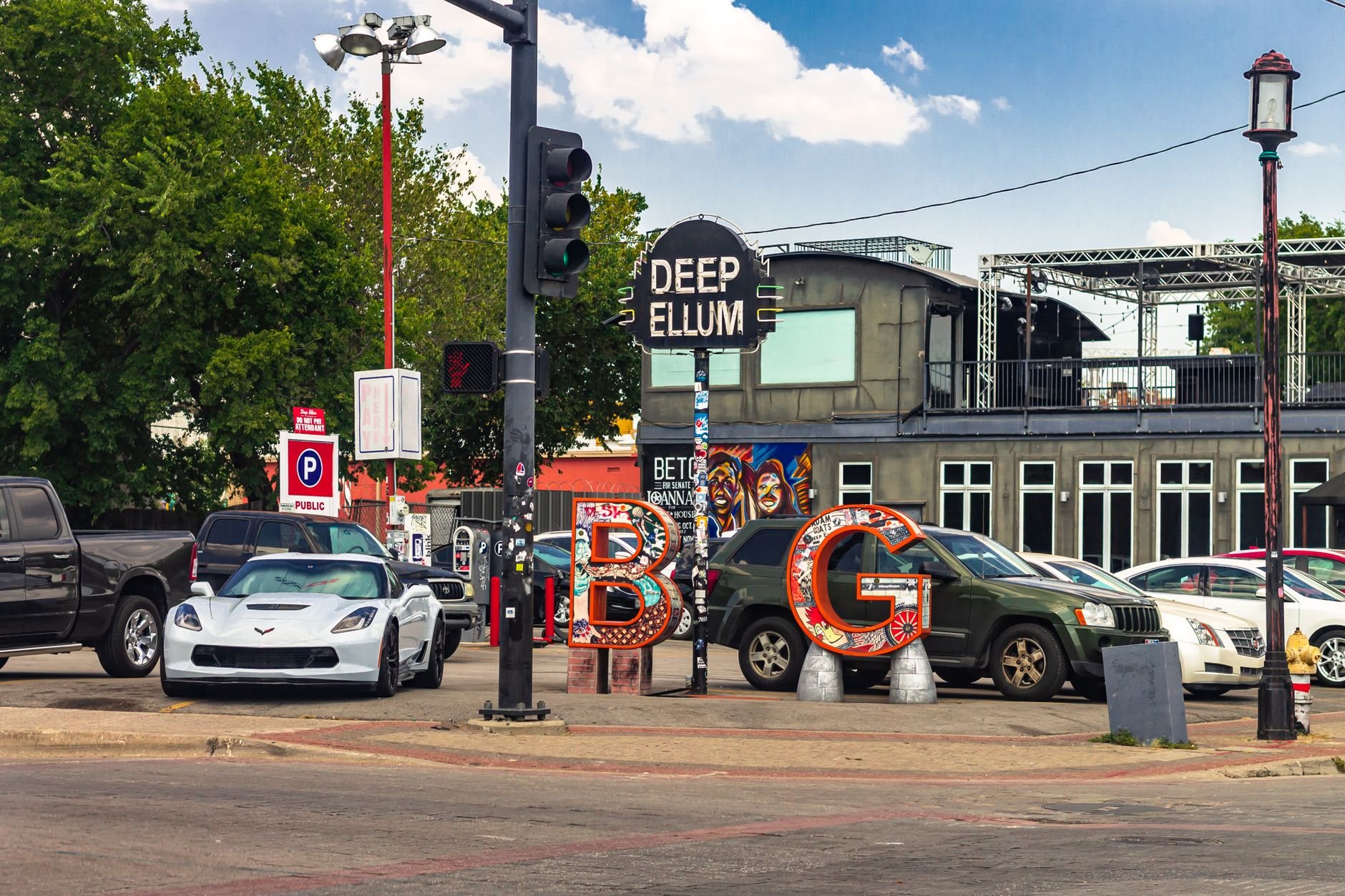
Food and nightlife in Dallas reward the curious traveler. Deep Ellum remains the city's creative and culinary heartbeat, a former industrial neighborhood now dense with live music venues, independent restaurants, and craft cocktail bars. Uptown and the Bishop Arts District offer a more refined but equally energetic dining scene, with chefs drawing on Tex-Mex, Southern, and international traditions with equal confidence.
Dallas draws a broad mix of travelers: corporate visitors attending conventions at one of the country's busiest convention centers, sports fans pursuing the Cowboys, Mavericks, Rangers, or Stars, luxury shoppers targeting NorthPark Center and Highland Park Village, and design-minded visitors drawn by the city's architecture and museum collections. The common thread is a destination that consistently delivers at a high level across every category of travel.

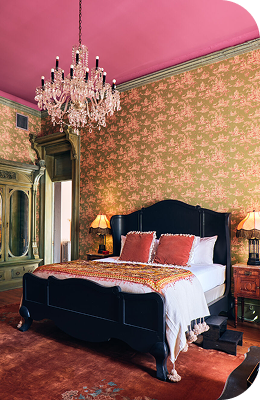

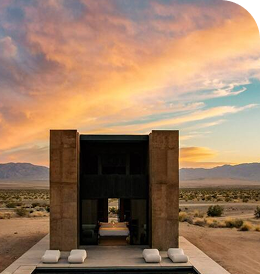

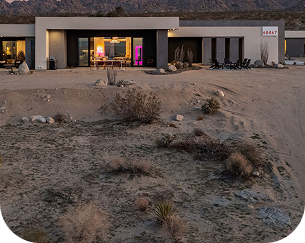

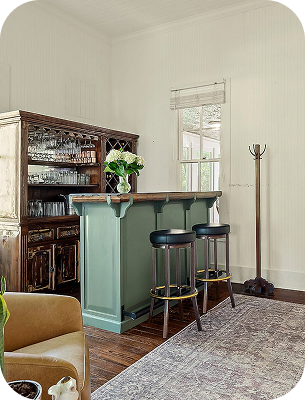

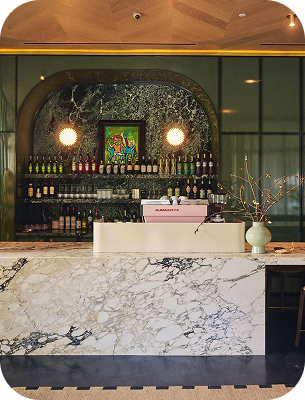

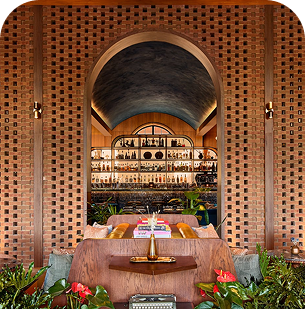

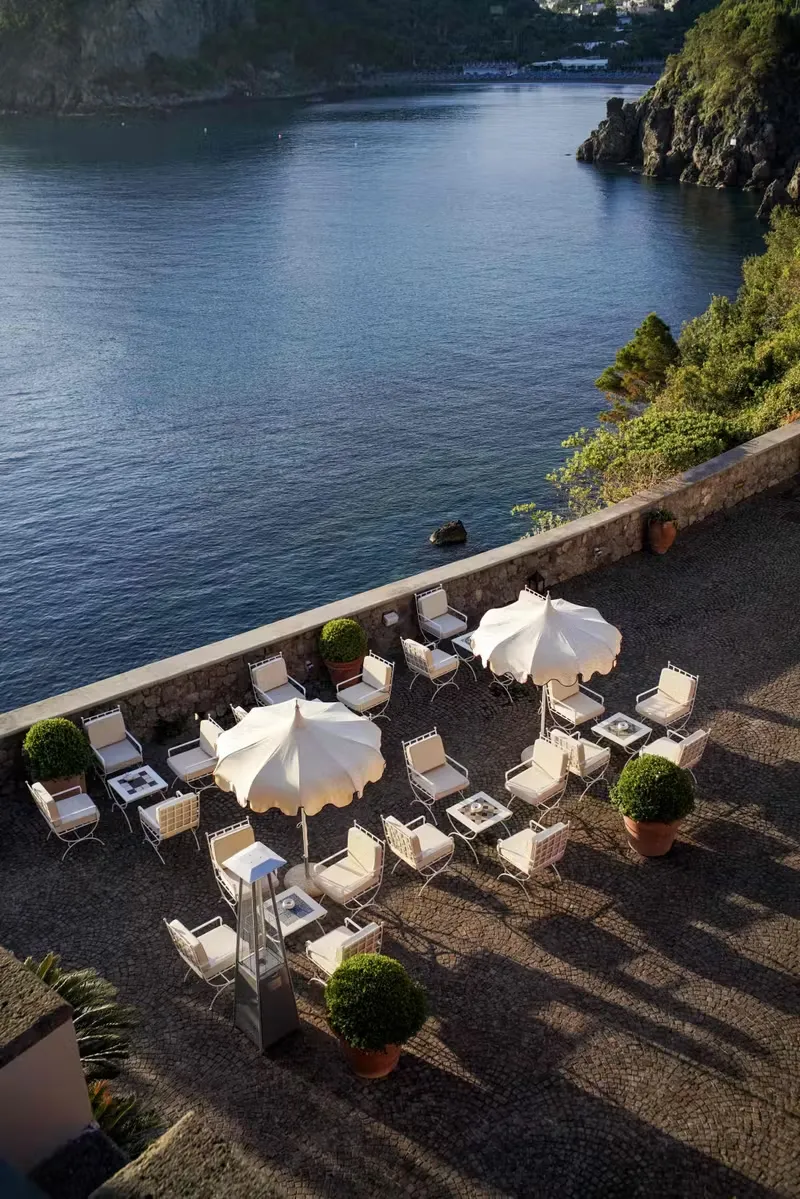

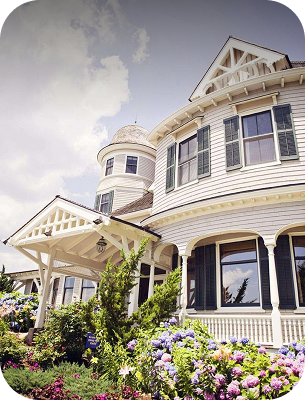

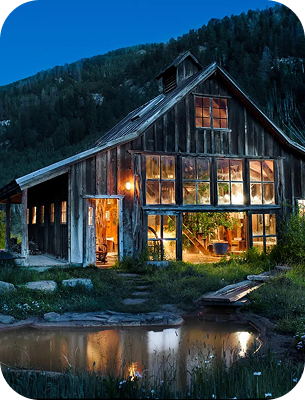

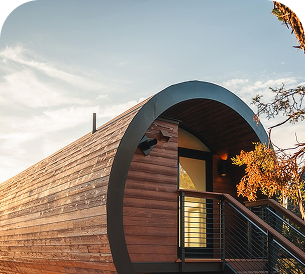

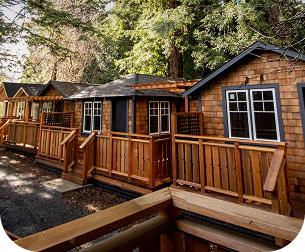

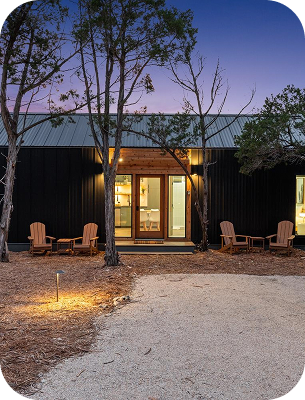

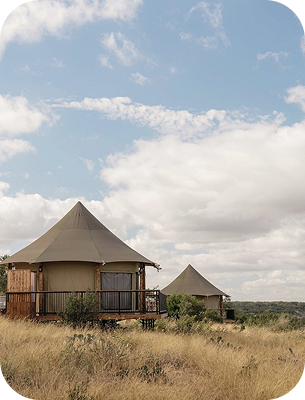

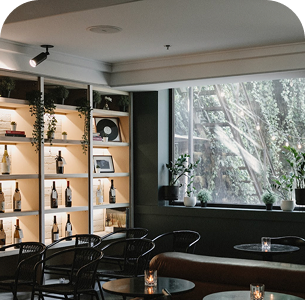

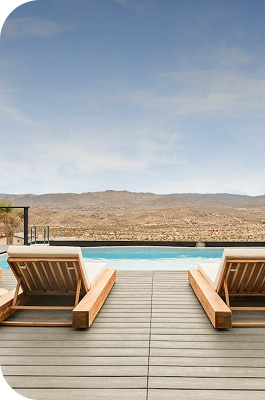

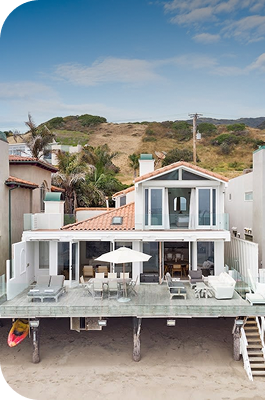

Journey connects travelers to a curated network of boutique hotels and distinctive residences around the world, all united under one rewards program. Explore handpicked stays for your trip while earning points, unlocking exclusive offers, and receiving rewards across the Journey collection.
Dallas sits in the northeastern corner of Texas on the rolling prairies of the Blackland Prairie, part of the broader Dallas-Fort Worth Metroplex — one of the largest urban agglomerations in the United States. The city proper covers more than 385 square miles, and its metropolitan area stretches across a dozen counties, encompassing a population that rivals the greater Chicago area. There is no dramatic natural geography here: no mountains, no ocean, no navigable river of consequence. What Dallas has instead is an almost entirely human-made identity, which makes it one of the more fascinating cities in America to understand.
Founded in 1841 and incorporated in 1856, Dallas grew rapidly through its position as a railroad hub and later as the center of the Texas cotton and oil industries. The discovery of oil in East Texas in 1930 transformed the city's financial character permanently. By the mid-twentieth century, Dallas had become a banking and insurance capital, and today it ranks among the top cities in the country for Fortune 500 headquarters, with companies including AT&T, ExxonMobil, and American Airlines anchored in the metroplex.
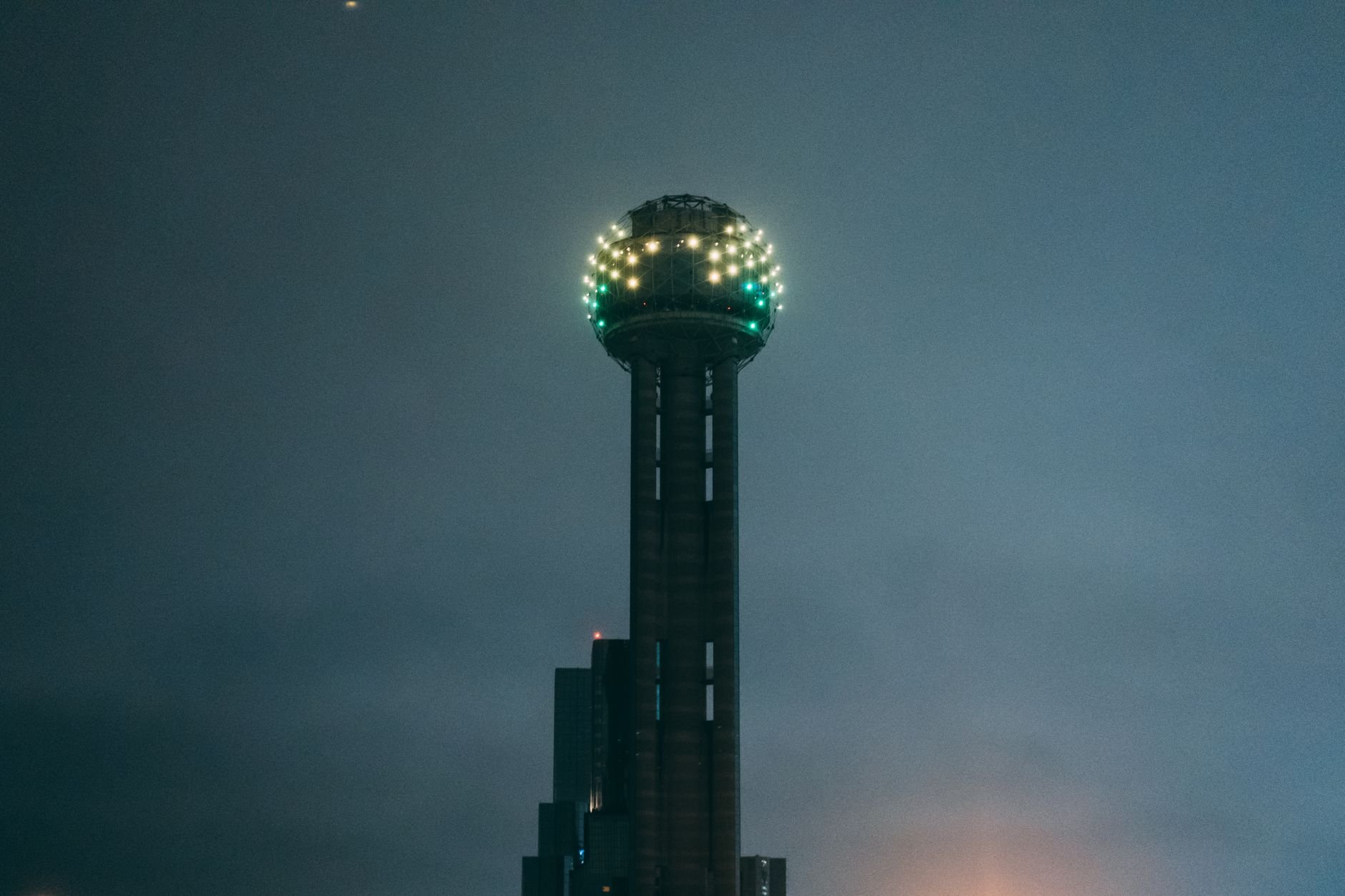
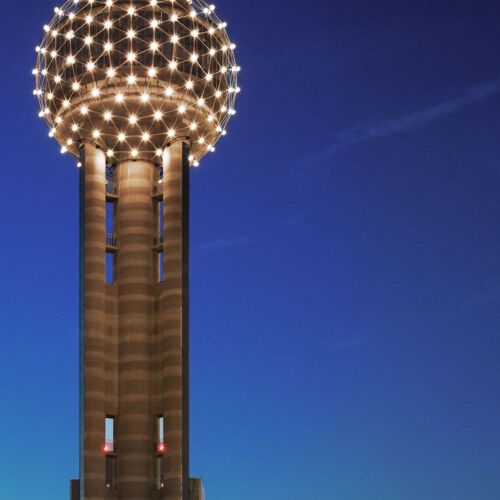
Culturally, Dallas occupies a distinct position in the Texas landscape. It is neither the laid-back creative capital that Austin projects nor the port city energy of Houston. Dallas is aspirational and image-conscious, with a civic culture that prizes excellence in architecture, fashion, and the arts. The skyline, anchored by the iconic geodesic sphere of Reunion Tower and the sharp geometry of Bank of America Plaza, is a visual statement of that ambition.
For travelers, Dallas functions as a city that rewards planning. The neighborhoods are spread across a large footprint, and each — from the historic West End to the design-forward Design District to the residential elegance of Highland Park — has a distinct character worth seeking out. DART light rail connects key areas, but much of the city's texture is best explored by car or rideshare. The overall atmosphere is one of confidence: Dallas knows what it is, and it delivers.
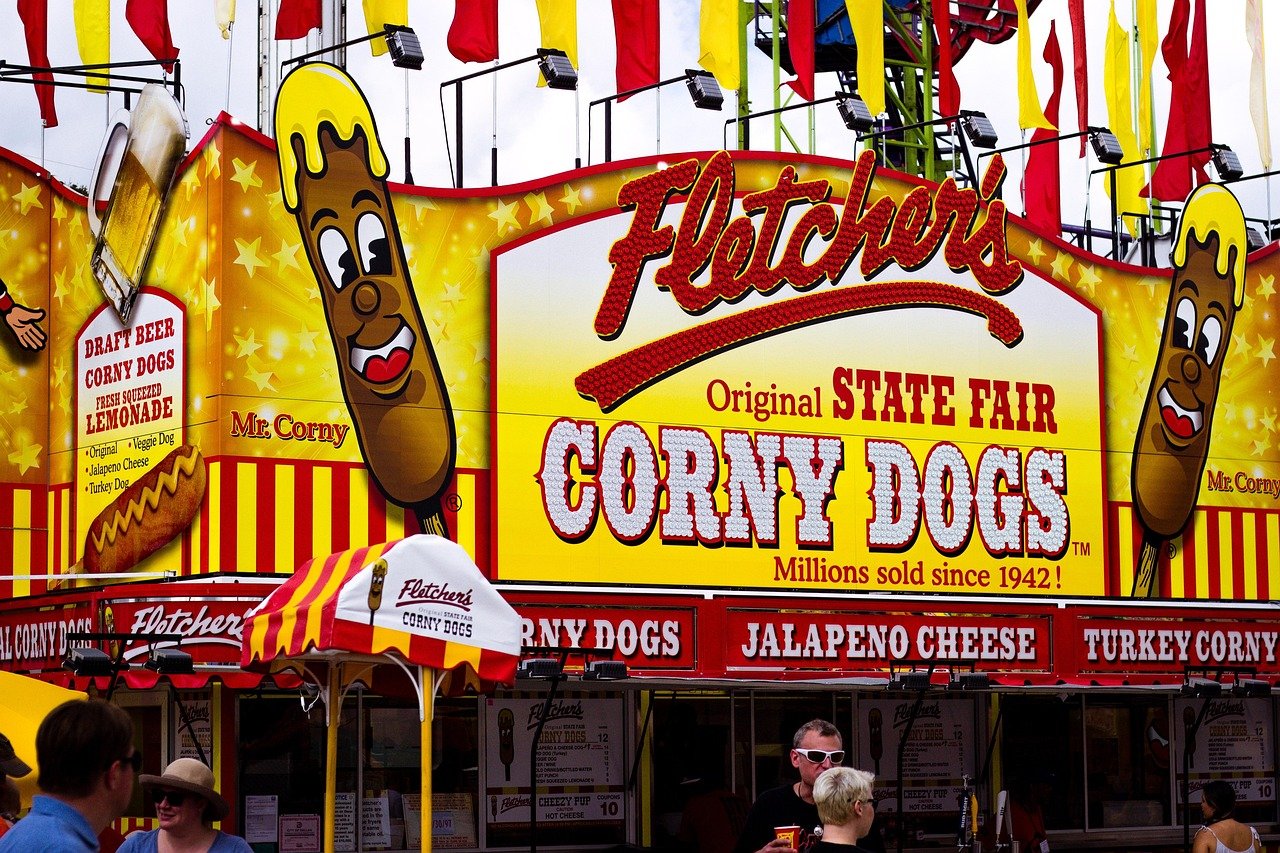
October and November are the sweet spot for most travelers to Dallas. Crowds are manageable, outdoor dining and walkable neighborhoods like Deep Ellum and the Bishop Arts District are at their most enjoyable, and the city's packed calendar of cultural events hits its stride. The State Fair of Texas runs through mid-October at Fair Park, drawing enormous crowds but delivering an experience that is genuinely iconic to the city. Sports fans will find the NFL, NBA, and NHL seasons all in motion from October onward, making fall an especially rewarding time for arena and stadium visits.
March and April offer a strong alternative, particularly for travelers interested in the arts. The weather is pleasant, spring blooms brighten the city's parks and green spaces, and major performing arts programming is active across the AT&T Performing Arts Center and beyond. Keep in mind that severe weather season begins in earnest in April, so flexibility in outdoor plans is wise.
Summer is the most challenging season for visitors who plan to spend meaningful time outdoors. The heat is punishing and sustained, and midday sightseeing can be exhausting. That said, summer does bring lower hotel rates in some segments and a lively nightlife calendar that keeps Deep Ellum and Uptown buzzing well into the late evening hours.
Winter draws fewer leisure travelers, which translates to easier access to top restaurants, shorter waits at museums, and competitive accommodation pricing. The holiday season in December is an exception, when the city dresses up and events fill the calendar. January and February are the quietest months overall, making them a practical choice for travelers prioritizing value and uncrowded experiences at Dallas's world-class arts institutions.
Dallas's most creatively charged neighborhood, Deep Ellum is a former industrial district transformed into a dense grid of live music venues, independent restaurants, craft cocktail bars, and street murals. The energy here runs late and loud, drawing everyone from blues purists to craft beer enthusiasts. It is the city's most authentic expression of counterculture and culinary ambition in one walkable stretch.
Uptown is Dallas at its most polished — a walkable, tree-lined neighborhood packed with upscale restaurants, rooftop bars, boutique hotels, and the city's celebrated Arts District on its northern edge. The McKinney Avenue Trolley connects its main corridors, making it easy to move between the Nasher Sculpture Center, the Dallas Museum of Art, and a thriving dining scene. This is where the city's professional class eats, drinks, and spends its weekends.
Tucked into the Oak Cliff neighborhood southwest of downtown, the Bishop Arts District is a compact, walkable enclave of independent boutiques, coffee shops, galleries, and some of the city's most inventive restaurants. The architecture is low-slung and historic, the pace is relaxed, and the crowd is creative. It offers a welcome counterpoint to Dallas's grander, more corporate scale.
Dallas has a set of experiences that are genuinely its own - things travelers come specifically for and cannot replicate anywhere else.
The Dallas Arts District
The Arts District is not just a cluster of museums - it is a civic statement. The Nasher Sculpture Center alone, with its Renzo Piano-designed pavilion and garden, is worth a dedicated visit. Pairing it with the Dallas Museum of Art and the Crow Museum of Asian Art in a single afternoon creates an experience of cultural density that rivals far larger cities. The district is walkable, architecturally striking, and largely free to enter.
Deep Ellum
Deep Ellum is the soul of Dallas that the skyline does not show. This former industrial neighborhood has been the city's live music and counterculture hub for nearly a century, with roots in jazz and blues that run deep. Today it is the best single neighborhood in Dallas for an evening out - dinner at an independent restaurant, live music at a storied venue, and a late-night cocktail at a bar with genuine character. It rewards wandering.
Dealey Plaza and the Sixth Floor Museum
Dallas carries a complicated piece of American history. Dealey Plaza, where President John F. Kennedy was assassinated in 1963, remains one of the most visited historical sites in the country. The Sixth Floor Museum, located in the former Texas School Book Depository, provides a serious and affecting account of the assassination and its aftermath. For many visitors, this is the defining stop in Dallas - a place that connects the city to a moment that changed the country.
Tex-Mex and Texas Barbecue
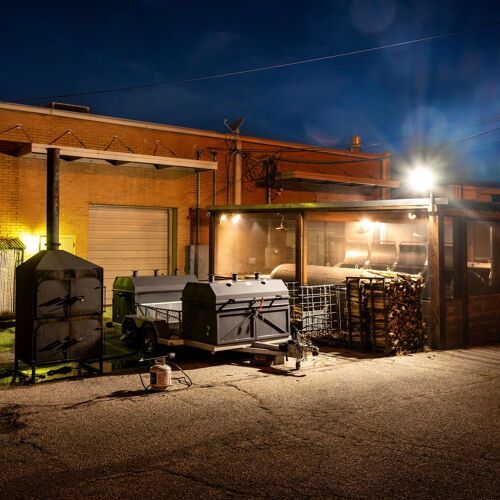
Dallas is one of the best cities in the United States for Tex-Mex, a cuisine that here is treated not as fast food but as a genuine culinary tradition. Alongside it, the Texas barbecue scene - brisket, ribs, and sausage smoked over post oak - draws dedicated food travelers from across the country. Eating well in Dallas means engaging with these two traditions at their source.
Dallas delivers a full spectrum of travel experiences, from world-class museums and live music to legendary food scenes and professional sports. Whether you are visiting for a weekend or an extended stay, the city rewards exploration across every category.
Arts and Culture
Dallas has built one of the most ambitious arts districts in the United States. The Dallas Arts District in Uptown concentrates an extraordinary collection of institutions within walking distance: the Dallas Museum of Art, the Nasher Sculpture Center, the Crow Museum of Asian Art, and the AT&T Performing Arts Center. Admission to the Dallas Museum of Art is free, making it one of the most accessible major collections in the country.
Food and Dining
The Dallas dining scene is confident and diverse. Deep Ellum is the city's culinary and creative heartbeat, packed with independent restaurants, craft cocktail bars, and live music venues. The Bishop Arts District offers a more curated neighborhood dining experience, while Uptown draws a polished crowd to its range of chef-driven restaurants. Tex-Mex, Southern barbecue, and globally influenced menus all coexist here without hierarchy.
Outdoor Recreation
Dallas is more outdoors-friendly than its reputation suggests. Klyde Warren Park, built over a freeway in the heart of the city, serves as a central green space for food trucks, yoga classes, lawn games, and community events. The Katy Trail stretches 3.5 miles through some of Dallas's most desirable neighborhoods, popular with runners, cyclists, and walkers year-round.
Arts and Entertainment
Deep Ellum remains the undisputed center of Dallas nightlife and live music, with venues ranging from intimate clubs to mid-size concert halls. The American Airlines Center hosts major concerts alongside NBA Mavericks and NHL Stars games. The city's theater scene, anchored by the AT&T Performing Arts Center, brings Broadway touring productions and resident companies to a high standard.
Shopping
Dallas takes shopping seriously. NorthPark Center is one of the country's premier shopping malls, integrating a permanent art collection alongside luxury and mainstream retail. Highland Park Village, built in 1931, is one of the oldest shopping centers in the United States and remains a destination for luxury brands.
Start the morning at the Dallas Arts District - walk through the Nasher Sculpture Center and browse the Dallas Museum of Art. Grab lunch at a cafe in Uptown, then explore the neighborhood's boutiques and architecture. In the evening, head to Deep Ellum for dinner at one of its independent restaurants, followed by live music at a local venue.
Spend the morning at Dealey Plaza and the Sixth Floor Museum for a sobering look at American history. Walk across the street to the Old Red Museum for more Dallas history. After lunch downtown, head to the Bishop Arts District in the afternoon for coffee, independent shops, and street art. End the evening with dinner and cocktails in this lively neighborhood.
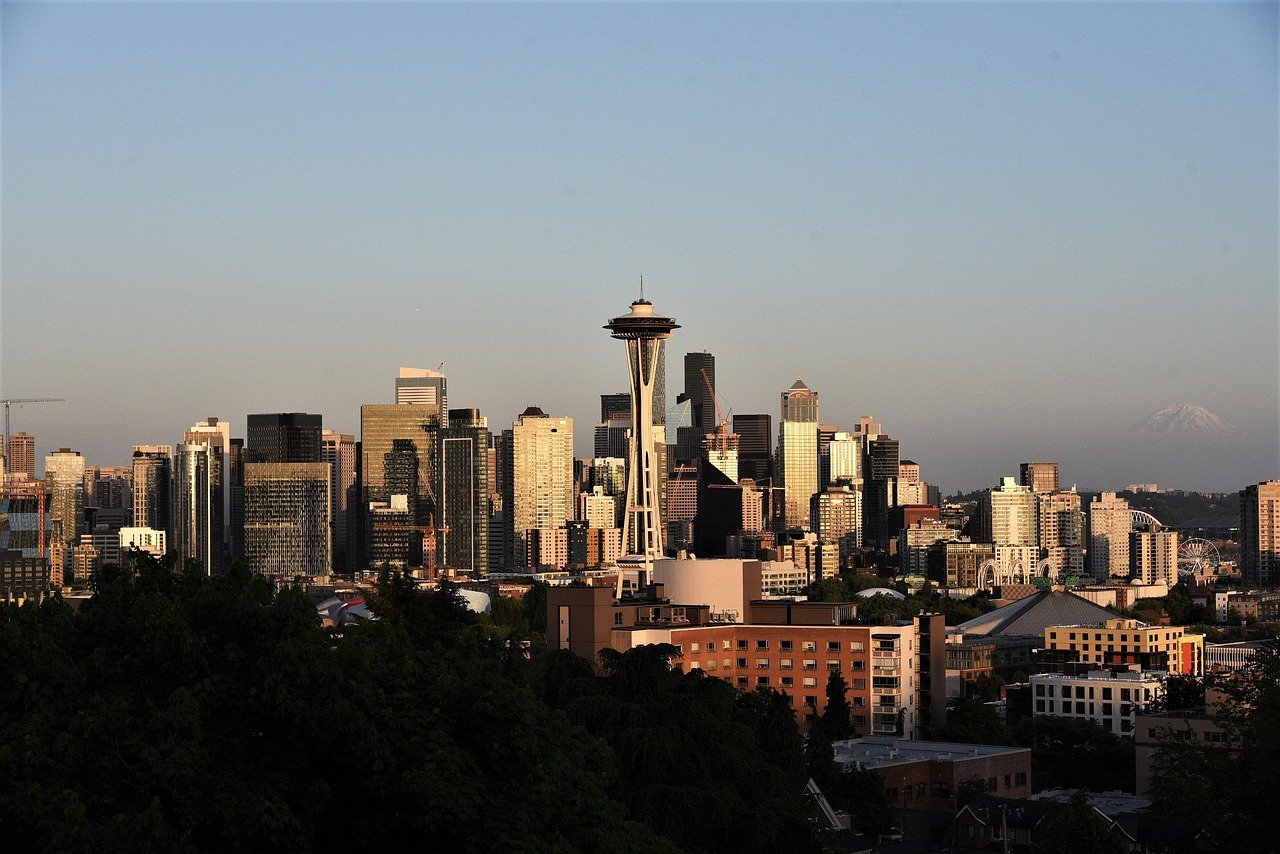
Begin the morning with brunch in Uptown, then head to NorthPark Center or Highland Park Village for world-class shopping. In the afternoon, visit Klyde Warren Park - a green space built over a freeway - for a stroll and food trucks. Wrap up the trip with a sunset skyline view from a rooftop bar and a final Tex-Mex dinner in the city.
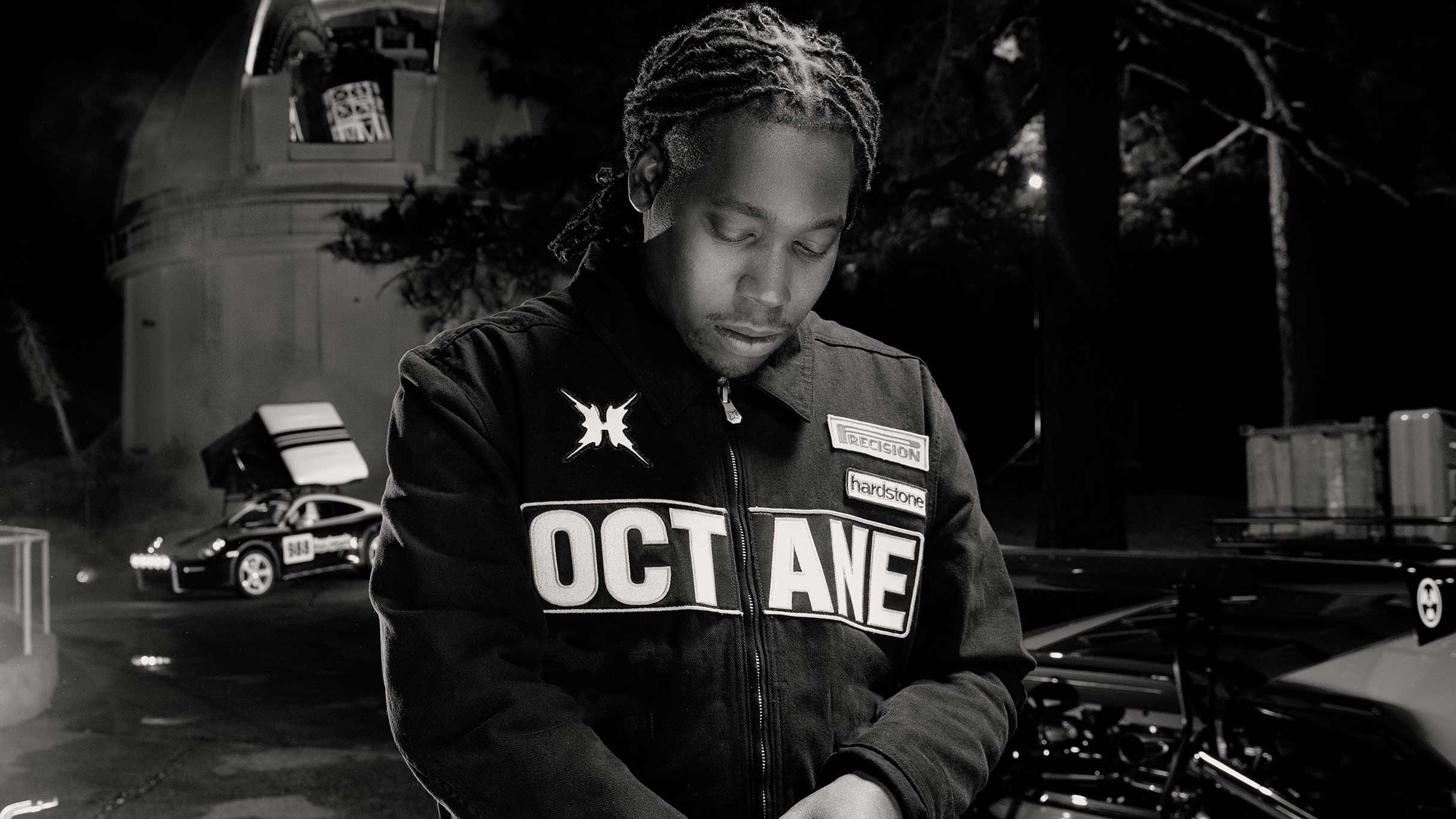
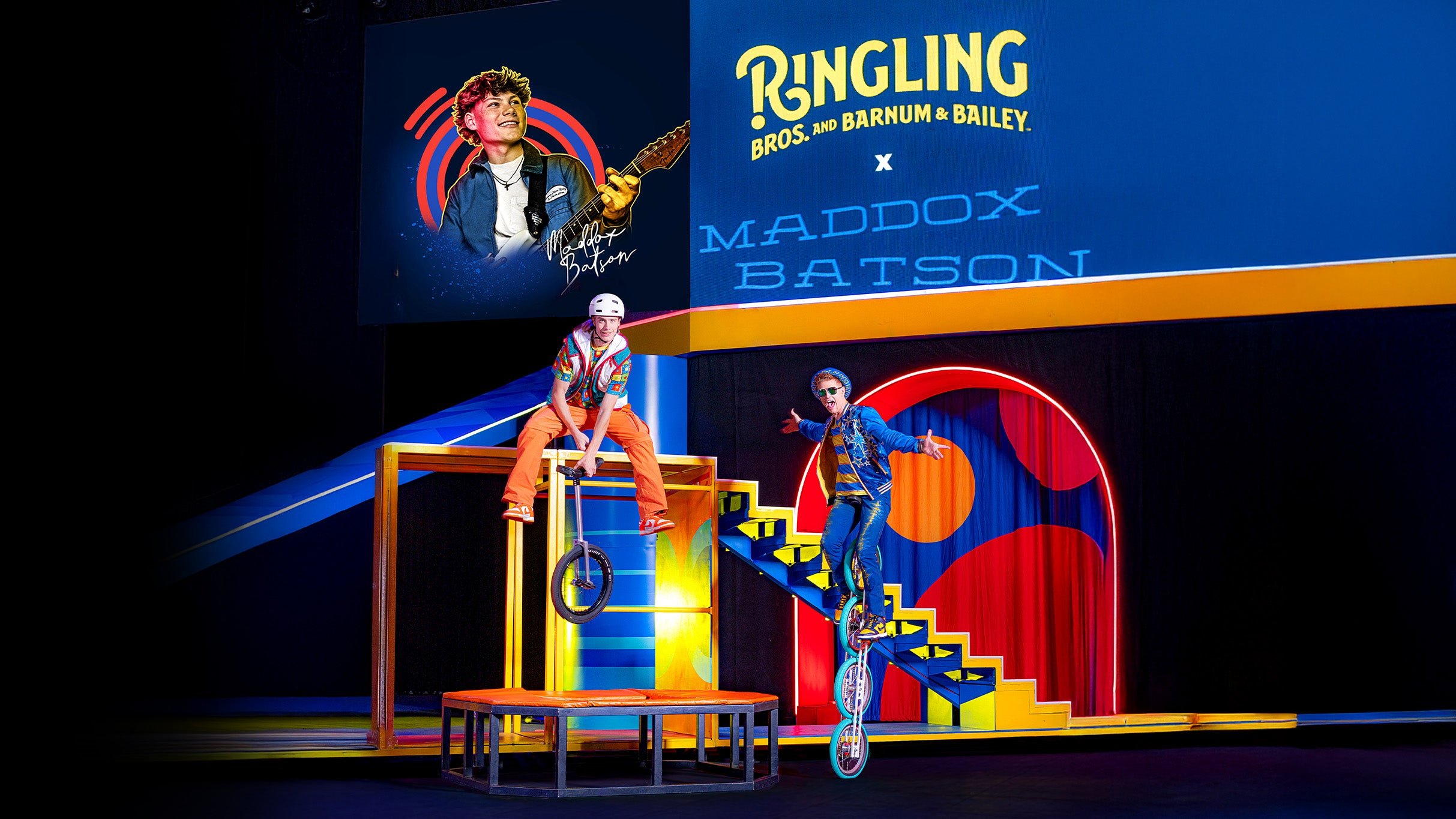
Dallas pulses with a distinct cultural calendar that shifts with the seasons, reflecting the city's outsized ambition and civic pride. Spring arrives with color at Dallas Blooms, the Southwest's largest floral festival, drawing visitors to the Dallas Arboretum before the city pivots to film and the arts with the Dallas International Film Festival in late April. Summer heats up in 2026 with the FIFA World Cup bringing nine matches — including a semi-final — to AT&T Stadium in Arlington, making Dallas one of the tournament's most prominent host cities. The FIFA Fan Festival at Fair Park extends the celebration into the city itself. As temperatures cool, the State Fair of Texas reclaims its place as one of the country's most beloved autumn traditions, filling Fair Park with more than three million visitors over its 24-day run. December closes the year with the BMW Dallas Marathon, a 55th-anniversary race that winds through the city's neighborhoods and draws tens of thousands of runners and spectators alike.
Jun 13, 2026
Aug 27, 2026
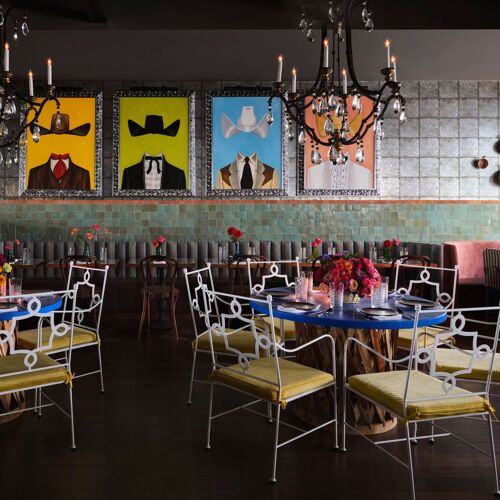
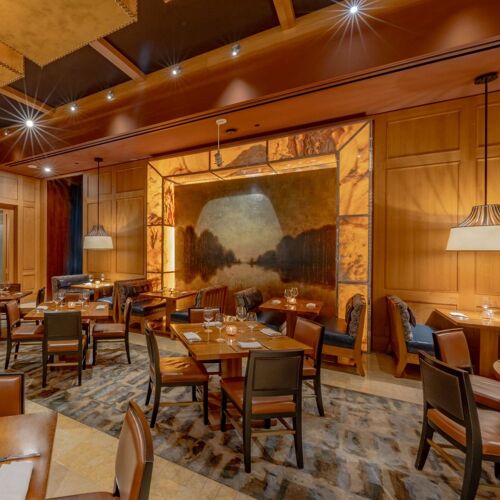
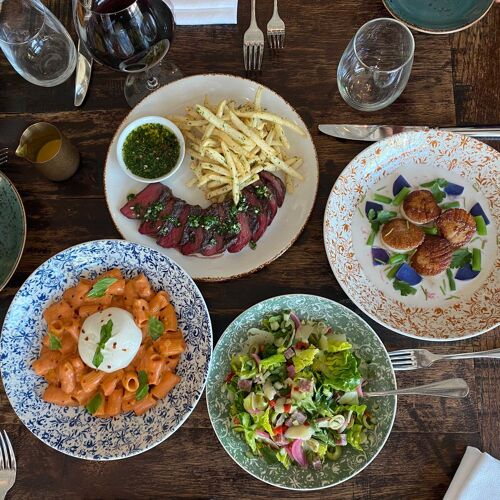
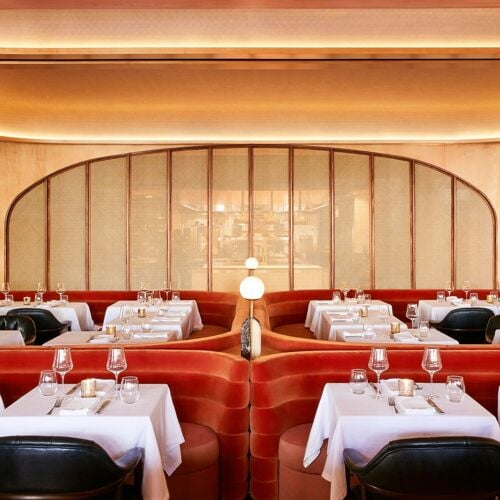
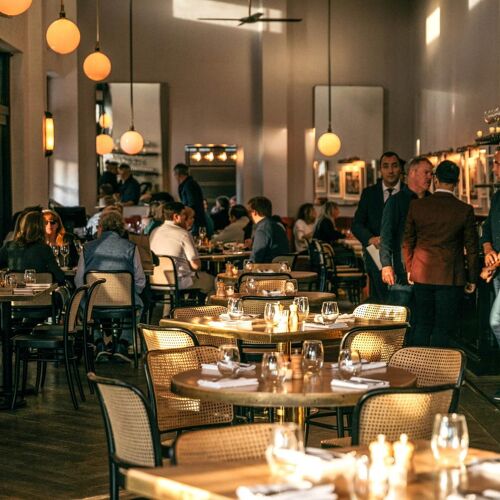
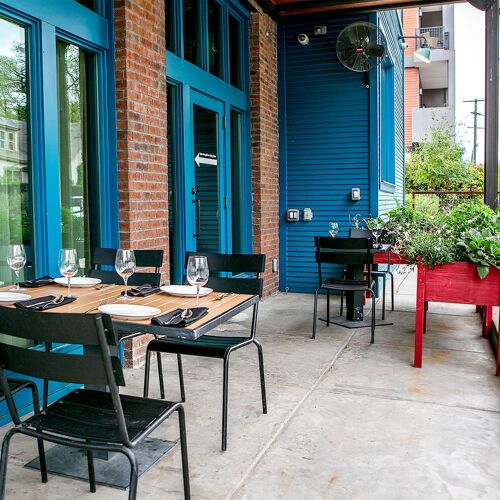
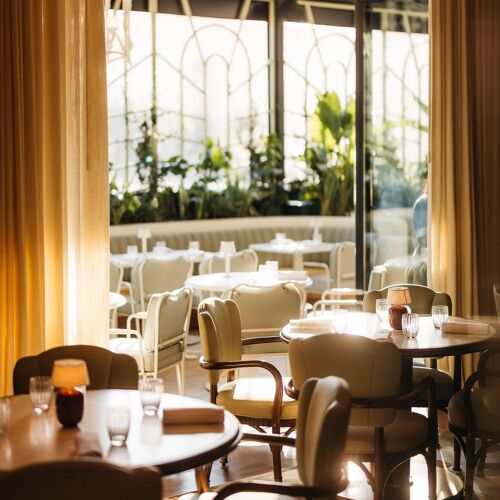
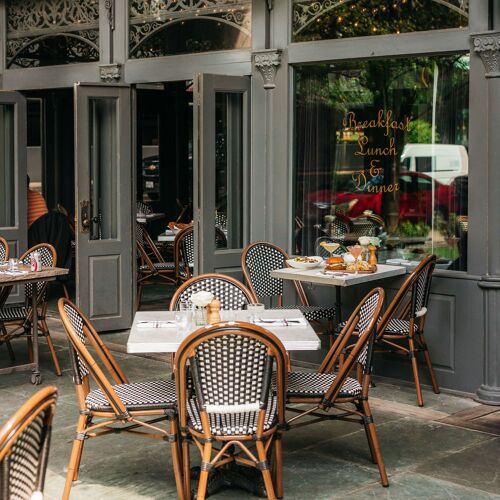
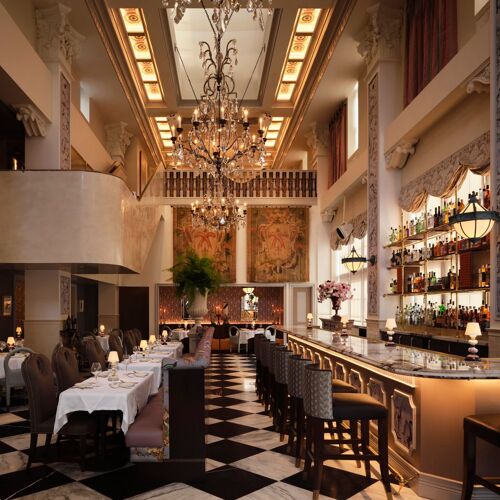
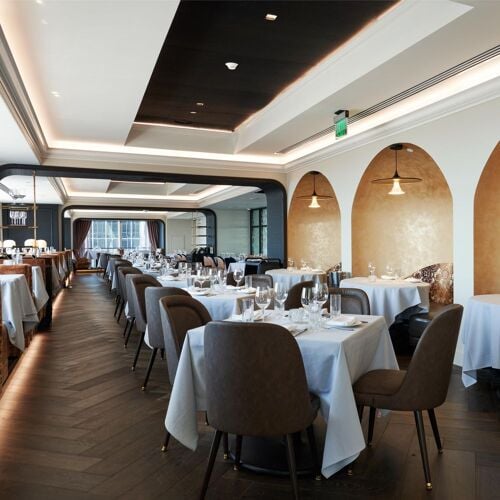
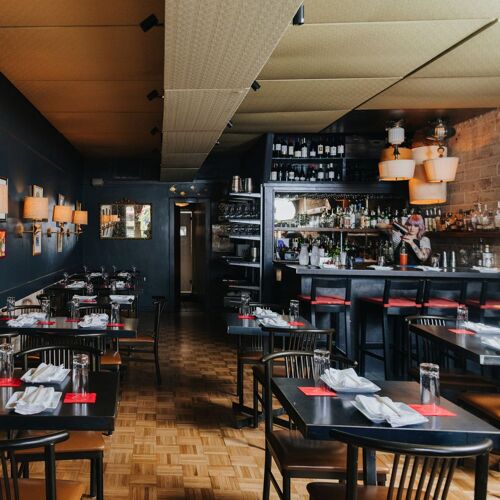
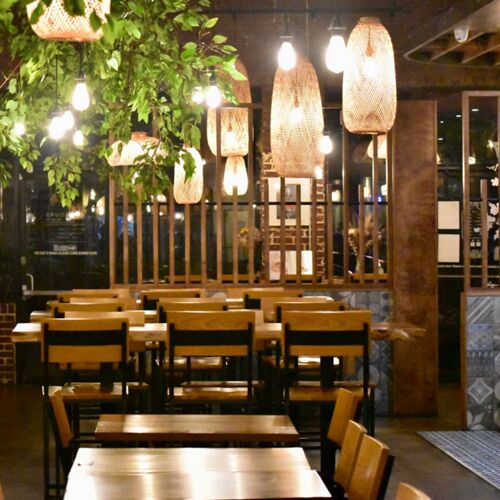
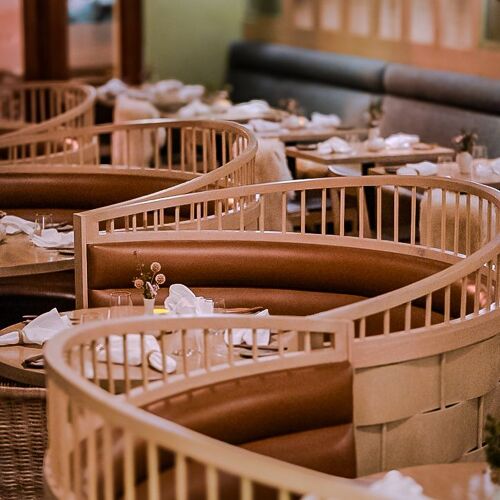
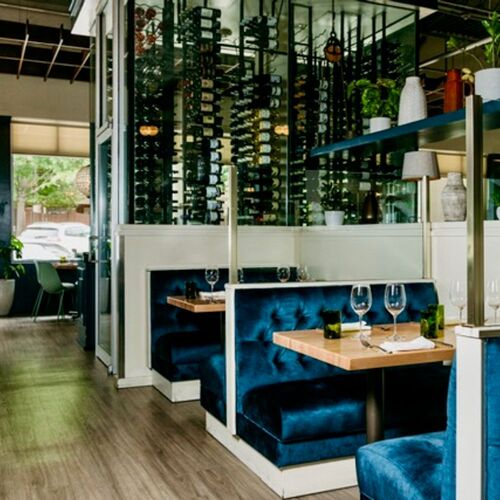
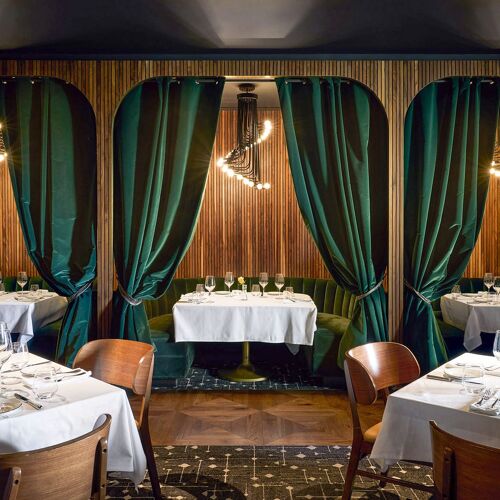
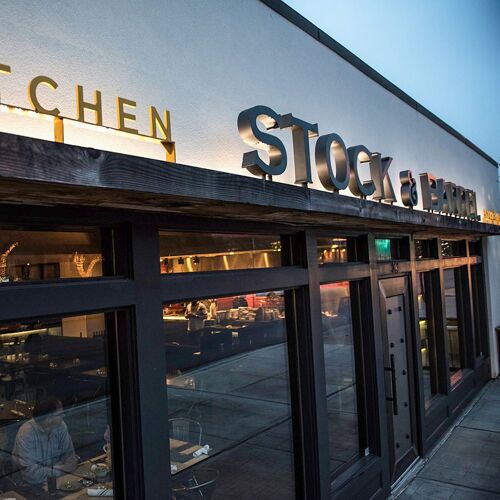
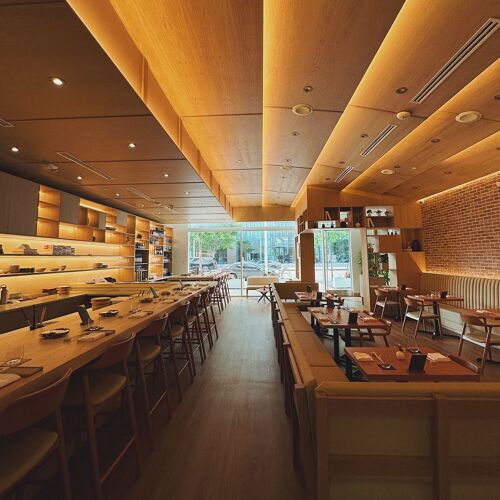
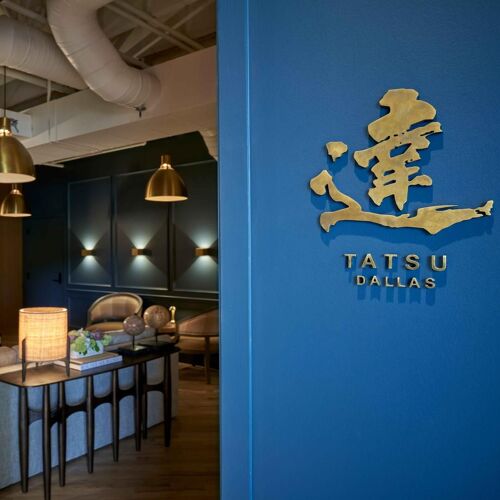
Dallas has built a food culture as outsized as its ambitions. The city is a genuine destination for serious eaters, blending deep Texan culinary traditions with a cosmopolitan dining scene that reflects its diverse population and considerable wealth.
Dallas/Fort Worth International Airport (DFW) is the primary arrival point for most visitors,
located about 20 miles northwest of downtown with DART Rail's Orange Line providing direct service to downtown Dallas in roughly 45 minutes, plus rideshare and rental car options throughout the terminal complex.
Dallas Love Field (DAL) is the closer and often more convenient option for domestic travelers,
sitting just 6 miles from downtown with rideshare typically running under 15 minutes and DART bus connections available for budget-conscious arrivals.
I-35E, I-20, and I-30 are the primary interstate corridors into Dallas by car,
with drive times of roughly 3.5 hours from Austin, 4 hours from Houston, and under 30 minutes from Fort Worth, though peak-hour traffic on all routes can add significant time.
Amtrak's Texas Eagle stops at Dallas Union Station in the heart of downtown,
connecting Dallas to Chicago to the north and San Antonio to the south, though departures are limited to a few times per week and advance booking is recommended.
Flixbus and Greyhound both operate frequent bus routes into Dallas from Austin, Houston, and San Antonio,
making intercity bus a budget-friendly option for travelers already in Texas, with the main bus terminal located near downtown.
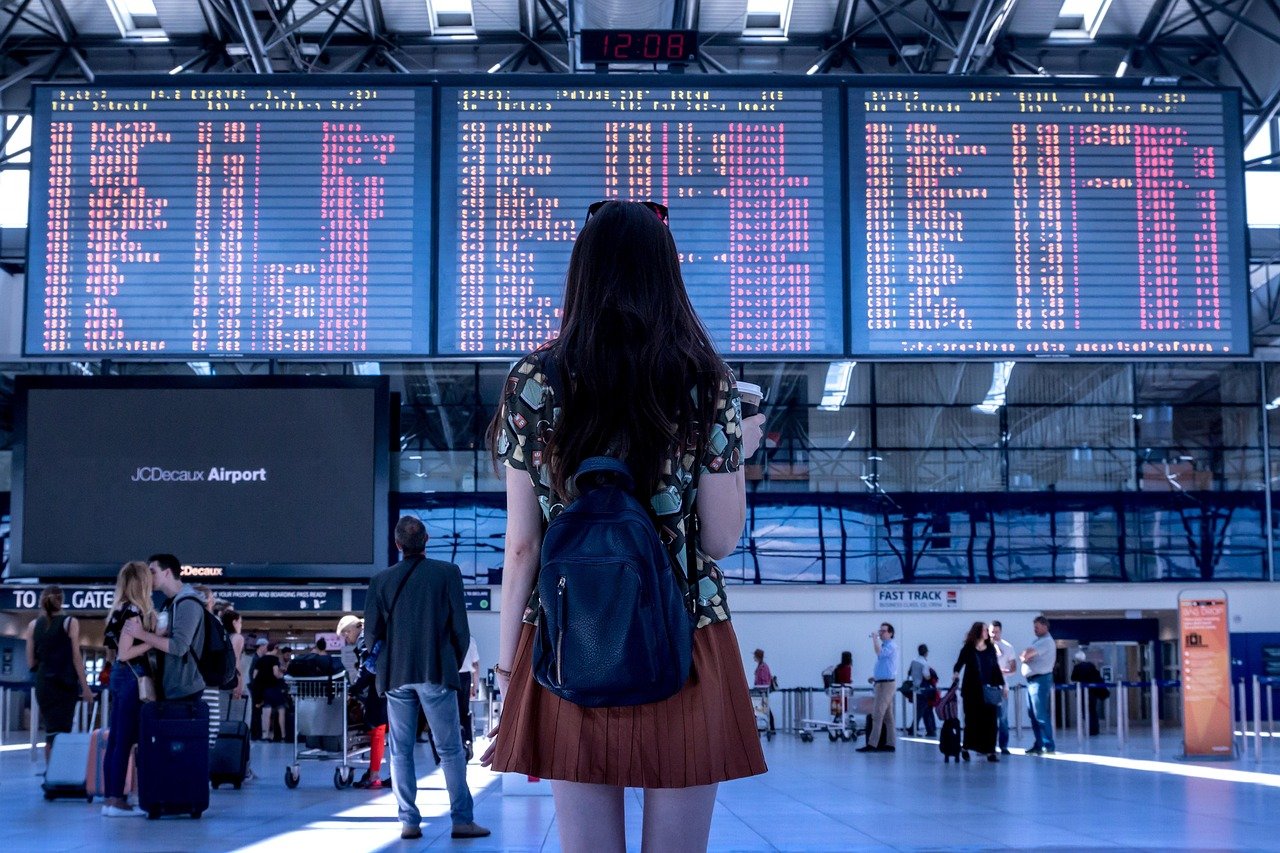
DART light rail connects downtown Dallas to Deep Ellum, Fair Park, and DFW Airport
via the Orange, Green, Red, and Blue lines, making it a practical option for airport arrivals and daytime sightseeing without the hassle of parking.
The McKinney Avenue Trolley runs free vintage streetcar service along McKinney Avenue in Uptown,
linking the neighborhood's restaurants, bars, and hotels to the edge of the Arts District — a convenient and charming way to cover the strip without a car.
Deep Ellum and the Bishop Arts District are both walkable once you arrive,
but they are several miles apart from each other and from downtown, so plan on rideshare or a rental car to move between them rather than attempting to walk.
Parking in Deep Ellum and Uptown on weekend evenings fills quickly,
so rideshare drop-off is often the smarter choice for dinner or nightlife, avoiding both the cost of lots and the time spent circling for street parking.
A rental car is the most flexible option for visitors planning to explore beyond the urban core,
particularly for day trips to Fort Worth, the Dallas Arboretum, or AT&T Stadium in Arlington, none of which are easily reached by public transit.
Dallas has a few practical realities worth knowing before you arrive. The heat between June and September is intense — temperatures regularly exceed 100 degrees Fahrenheit — so plan outdoor activities for early morning or evening and carry water. Tipping follows standard U.S. norms: 18 to 20 percent at restaurants and bars, a few dollars for rideshare drivers. Most Dallas restaurants and venues accept credit cards without issue, and cash is rarely necessary. The DART GoPass app handles transit fare purchases and is worth downloading if you plan to use light rail. For sports events at AT&T Stadium in Arlington or games at American Airlines Center, buy tickets in advance through official channels to avoid inflated resale prices. Dallas is generally a safe city for tourists in the main visitor neighborhoods, but like any large city, stay aware of your surroundings in unfamiliar areas after dark. Dress codes at upscale Uptown restaurants and clubs can lean smart-casual to formal, so check ahead if you are planning a night out.
Three to four days is enough to cover Dallas well. You can explore the Arts District, Deep Ellum, Uptown, and the Bishop Arts District without feeling rushed. Sports fans or shoppers may want an extra day. Dallas is a spread-out city, so having a car or ride-share budget helps you move between neighborhoods efficiently.
Dallas is best known for its booming economy, pro sports teams - the Cowboys, Mavericks, Rangers, and Stars - and a world-class Arts District that includes the Nasher Sculpture Center and Dallas Museum of Art. It is also recognized for its Tex-Mex and BBQ food scene, luxury shopping, and as a major U.S. convention and business destination.
Yes, Dallas works well as a weekend trip. In two days you can hit the Arts District, explore Deep Ellum for food and live music, and catch a game or visit a major museum. The city has a well-developed hotel market with options at every price point, and Dallas Fort Worth International Airport makes it easy to reach from most U.S. cities.
Dallas sits in the mid-range for U.S. city travel. Budget options exist across food and accommodation, but the city also has a strong luxury market - high-end hotels, fine dining, and premium shopping at NorthPark Center and Highland Park Village. Eating in Deep Ellum or the Bishop Arts District keeps costs reasonable without sacrificing quality.
Spring (March to May) and fall (September to November) offer the most comfortable temperatures for exploring the city. Summers are intensely hot, often exceeding 100 degrees Fahrenheit, so outdoor activities are best saved for early morning or evening during those months.