
Baltimore, MD
A Journey guide to
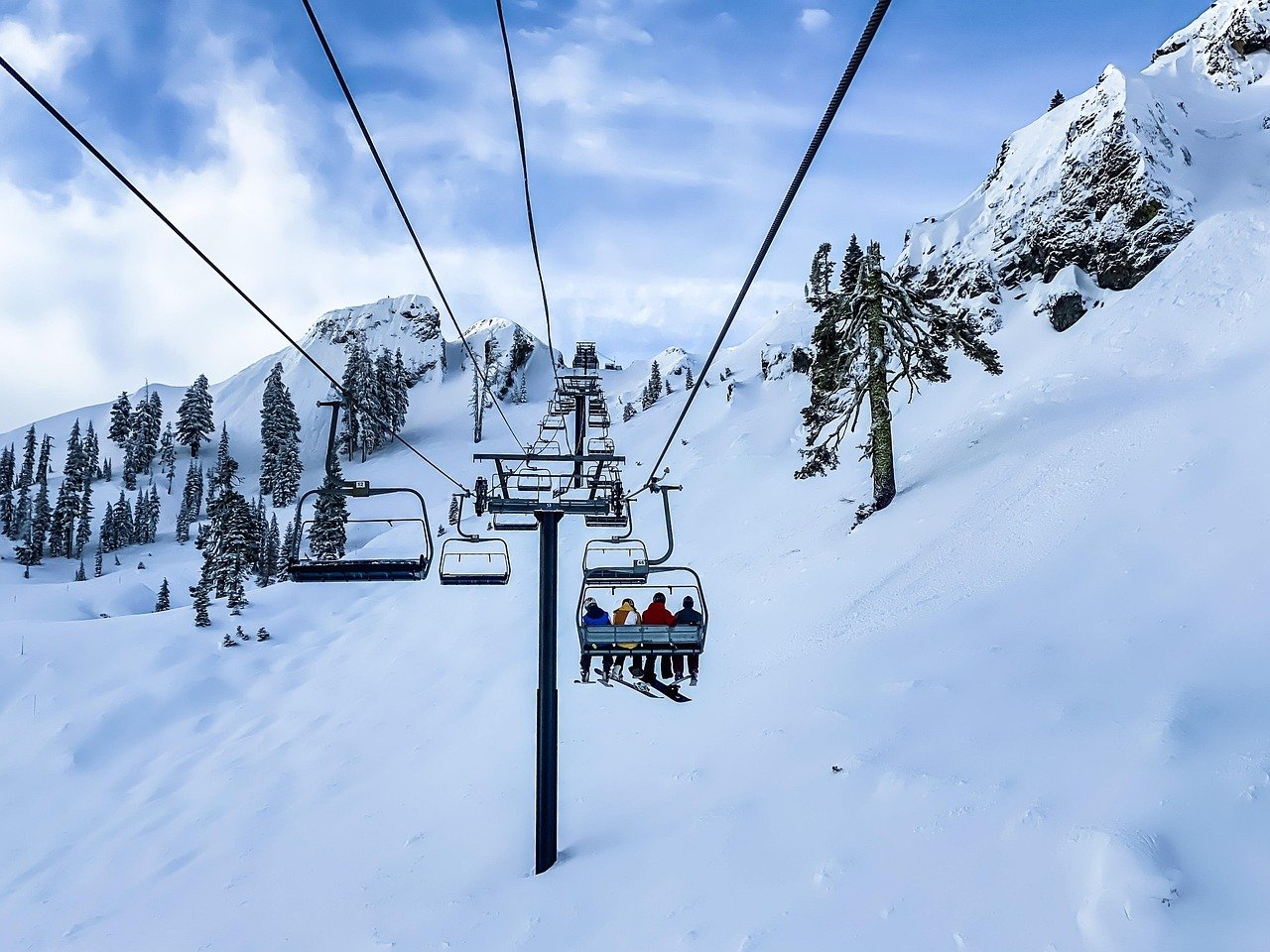
Alta is one of the most revered ski destinations in North America, built on a legacy of deep powder and an uncompromising commitment to the mountain experience. Sitting at the top of Little Cottonwood Canyon in Utah's Wasatch Range, Alta receives an average of over 500 inches of snowfall per year, drawing skiers from around the world who come specifically for the quality of the snow and the challenge of the terrain.
What sets Alta apart from other mountain resorts is its singular identity: it remains one of only a handful of ski areas in the United States that is ski-only, with no snowboard access on its slopes. This deliberate choice preserves a certain culture on the mountain, attracting a purist crowd of skiers who value tradition, terrain variety, and a less commercialized atmosphere than is found at larger, more resort-like destinations.
The terrain at Alta spans over 2,600 acres across two interconnected base areas, Albion and Wildcat, with runs ranging from gentle beginner slopes to some of the most demanding expert lines in the Intermountain West. Skiers can also access the adjacent Snowbird resort via a shared lift pass, dramatically expanding the available terrain for those seeking even more vertical.
Beyond skiing, Alta carries a deep historical identity. The town was once a booming silver mining settlement in the 1870s, and traces of that rugged past linger in the canyon's character. Today, Alta functions almost entirely as a mountain community oriented around the ski area, with a small collection of historic lodges, independent restaurants, and a guest population that tends to return year after year, season after season.






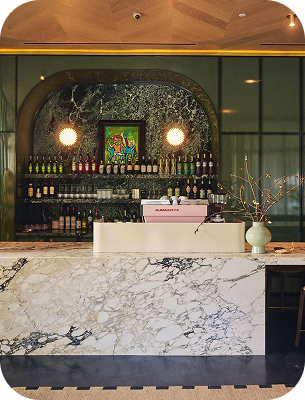

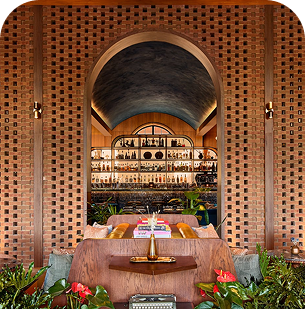

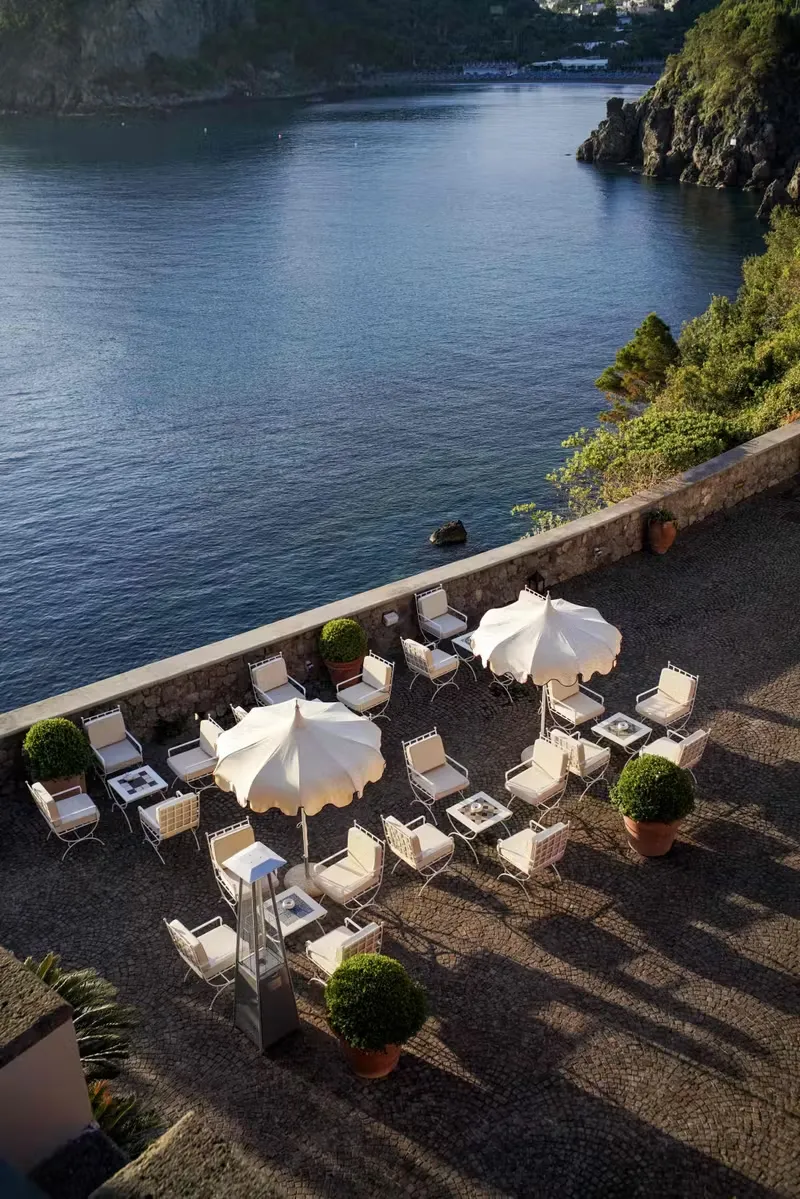

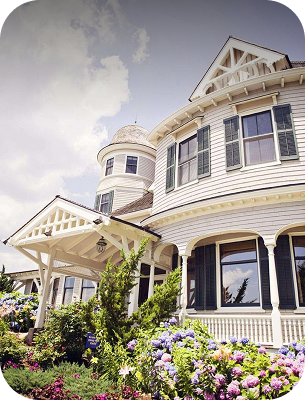





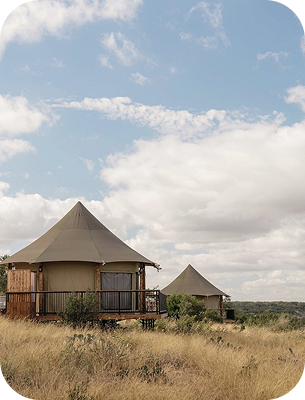

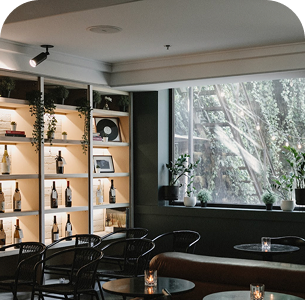

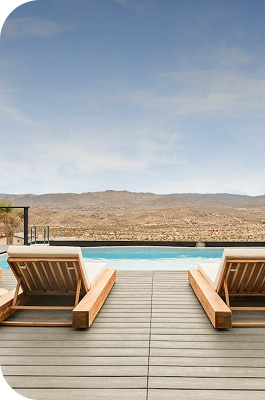



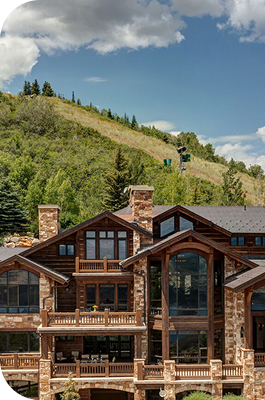
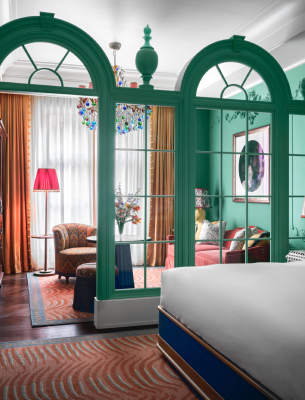
Journey connects travelers to a curated network of boutique hotels and distinctive residences around the world, all united under one rewards program. Explore handpicked stays for your trip while earning points, unlocking exclusive offers, and receiving rewards across the Journey collection.
Alta occupies a narrow glacially carved valley at the upper end of Little Cottonwood Canyon, approximately 25 miles southeast of Salt Lake City. The canyon itself is dramatic by any measure: sheer granite walls rise steeply on both sides, the road climbs sharply from the valley floor, and the sense of arrival at Alta feels earned. The town sits at an elevation of roughly 8,530 feet, with the ski area's highest point reaching above 10,500 feet.
The community is extraordinarily small by any conventional measure. Alta's permanent population numbers in the dozens, and the entire town exists in functional service to the ski area and its guests. There are no traffic lights, no chain hotels, and no shopping malls. What Alta offers instead is a concentrated, unhurried mountain experience rooted in a specific relationship between skier and landscape.
Historically, Alta's story begins not with skiing but with silver. The town was incorporated in 1872 during a mining boom that brought thousands of workers into the canyon. By the early 20th century the mines had played out, and the canyon fell quiet. Skiing arrived in 1938 when the first chairlift in Utah was installed here, and Alta began its second life as a mountain destination. The ski area was developed cooperatively, with the U.S. Forest Service playing a central role in its governance, a relationship that continues today and helps explain Alta's relatively restrained development compared to privately owned mega-resorts.
Alta's cultural identity is shaped by its regulars. Many guests return annually for decades, booking the same lodge rooms, skiing the same favorite runs, and participating in a community that feels more like a private club than a tourist destination. The lodges themselves, several of which have operated since the 1940s and 1950s, reinforce this atmosphere with their emphasis on communal dining, ski-in ski-out access, and a general absence of the amenities that define modern luxury resort culture. Alta is a place for people who take their skiing seriously.
Choosing when to visit Alta depends almost entirely on what you want from the mountain. For skiers, the prime window runs from mid-January through mid-March, when the snowpack is at its deepest, storm cycles are most frequent, and the legendary Wasatch powder is at its most reliable. Crowds are present during this peak period, particularly on weekends and holiday weeks, but Alta's ski-only policy and its position at the top of Little Cottonwood Canyon naturally limit the volume of visitors compared to more accessible resorts.
Early-season skiing, typically from late November through December, offers a quieter experience on the mountain with shorter lift lines and a more relaxed atmosphere, though snowpack can be variable before the heavy January storms arrive. Skiers willing to take that gamble are often rewarded with uncrowded runs and a more intimate feel at the lodges.
April is a hidden gem for experienced skiers. The ski area frequently remains open deep into the month, crowds thin considerably after spring break, and the combination of warm sunny days and consolidated snowpack creates excellent spring skiing conditions. Lift tickets are often discounted, and the laid-back end-of-season energy at Alta is a distinct experience.
Summer draws hikers and wildflower enthusiasts who want to explore the same terrain without snow, though services and amenities in the canyon are significantly reduced compared to winter. It is a peaceful, uncrowded time to experience Alta's alpine landscape.
Fall is primarily of interest to those visiting the broader Wasatch Range for foliage, as Alta itself has little infrastructure operating before ski season opens. Visitors looking to catch the aspen color should plan for September, when the canyon roads offer some of the most dramatic autumn scenery in Utah.
Albion Base is the heart of Alta's beginner and intermediate skiing, anchored by gentle groomers and the iconic Albion lift. The area has a welcoming, unhurried atmosphere with several of Alta's most historic lodges clustered nearby, making it the natural gathering point for families and returning guests. Its sunny southern exposure and wide-open runs make it the most sociable corner of the mountain.
Wildcat Base sits on the eastern side of Alta and draws a more advanced crowd with direct access to steeper terrain and the legendary powder stashes of the back bowls. The atmosphere here is quieter and more focused, attracting skiers who arrive early and head straight for the lifts. A handful of slope-side lodges and a no-frills base lodge give Wildcat a stripped-down, mountain-purist character.
Alta Village is the small cluster of lodges, restaurants, and services that forms the social core of the resort community between the two base areas. Historic properties like the Alta Lodge and Rustler Lodge have anchored this stretch for decades, giving it a warmth and tradition rarely found at modern ski resorts. After a day on the mountain, the village hums with skiers trading stories over locally sourced meals and fireside drinks.
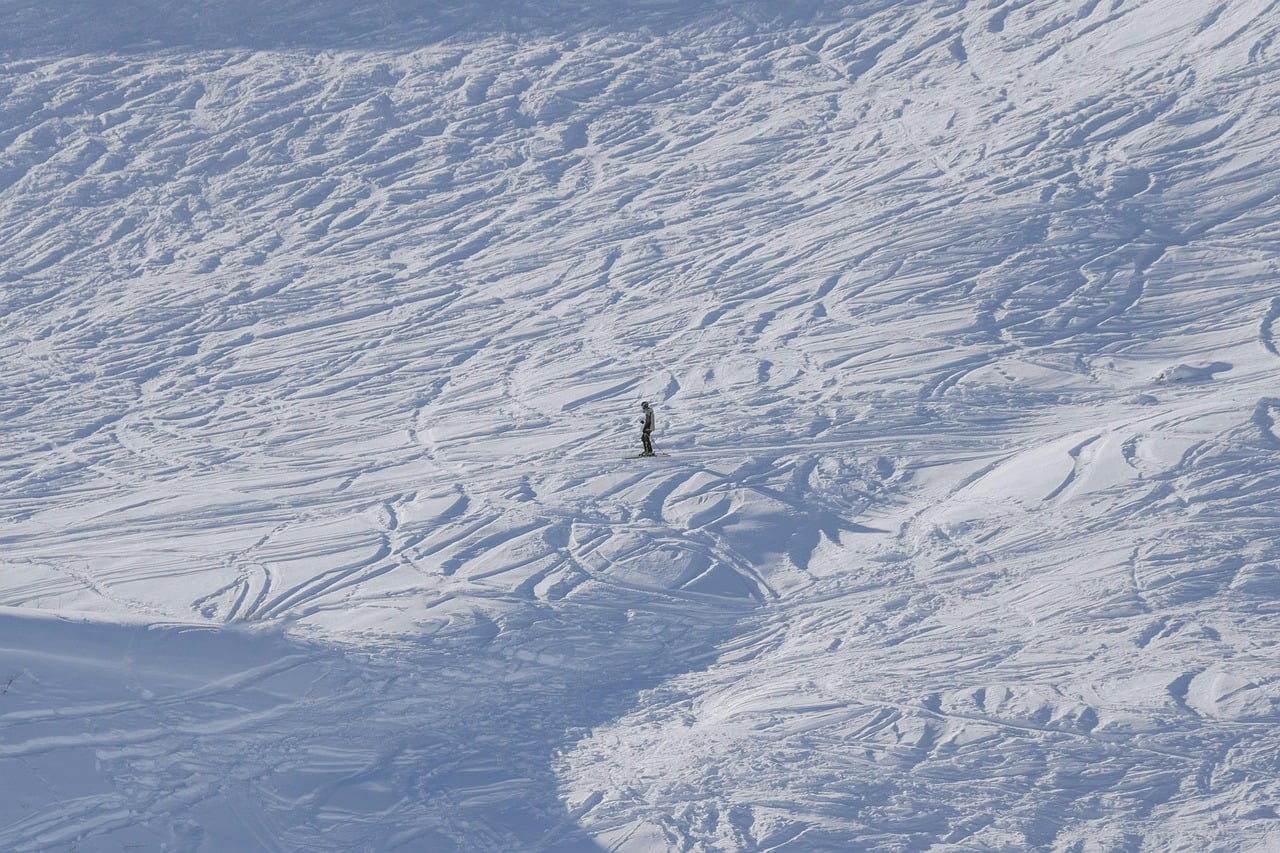
Alta, Utah exists for one reason: the skiing. More specifically, it exists for powder skiing of a caliber that few places on earth can match. Travelers come here not for resort amenities or après-ski spectacle, but for the snow itself.
The Powder
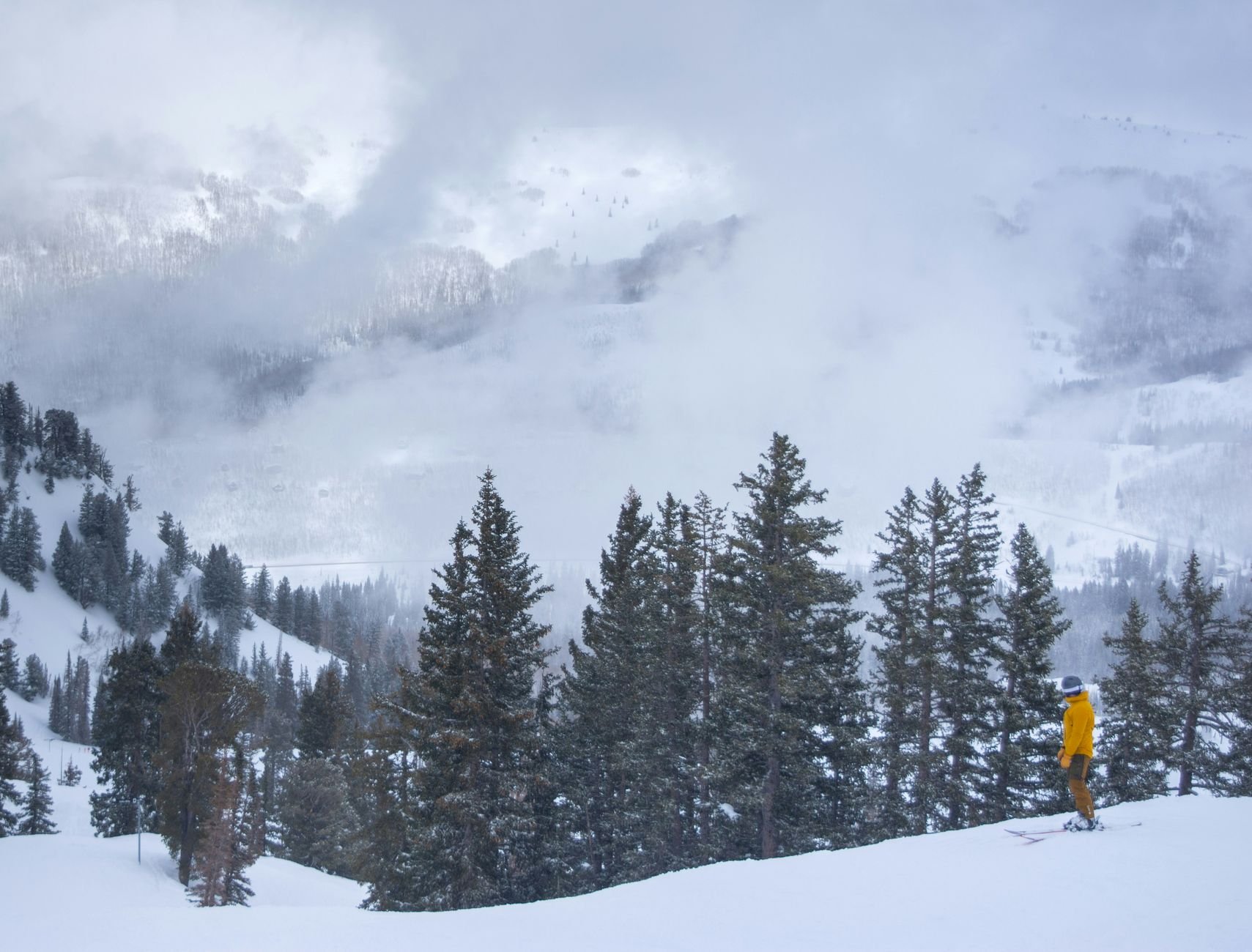
Alta receives an average of over 500 inches of snowfall annually, and the chemistry of the Wasatch snowpack produces some of the lightest, driest powder in the world. On a storm day at Alta, skiers line up before the lifts open and disappear into untracked snow that can reach waist-deep in the trees. This is the defining experience of Alta, the reason its devotees return every season without question.
Ski-Only Culture
Alta is one of the last remaining ski-only resorts in the United States. No snowboards. No terrain parks. This policy is not merely a rule but a philosophy, and it shapes everything about the mountain's atmosphere. The crowd is composed almost entirely of committed skiers, many of them multi-decade regulars who know every run by name. For a certain type of traveler, this culture is itself the draw.
Historic Lodge Life
Staying in one of Alta's original lodges, some dating back to the mid-20th century, is an experience unlike anything found at modern ski resorts. Places like Alta Lodge and Goldminer's Daughter have hosted generations of skiers and operate with a warmth and continuity that feels genuinely rare. Communal dining, wood-paneled interiors, and a guest culture built around the shared love of the mountain define the experience.
Albion Basin in Summer
Each July, the Albion Basin above Alta erupts in one of the most spectacular wildflower displays in the American West. Hikers come specifically for this bloom, a brief and vivid seasonal event that draws photographers and nature travelers to terrain that, just months earlier, was buried under feet of snow.
Alta, Utah offers a focused but deeply rewarding range of activities centered on mountain life, alpine terrain, and the culture of a historic canyon community.
Skiing and Snow Sports
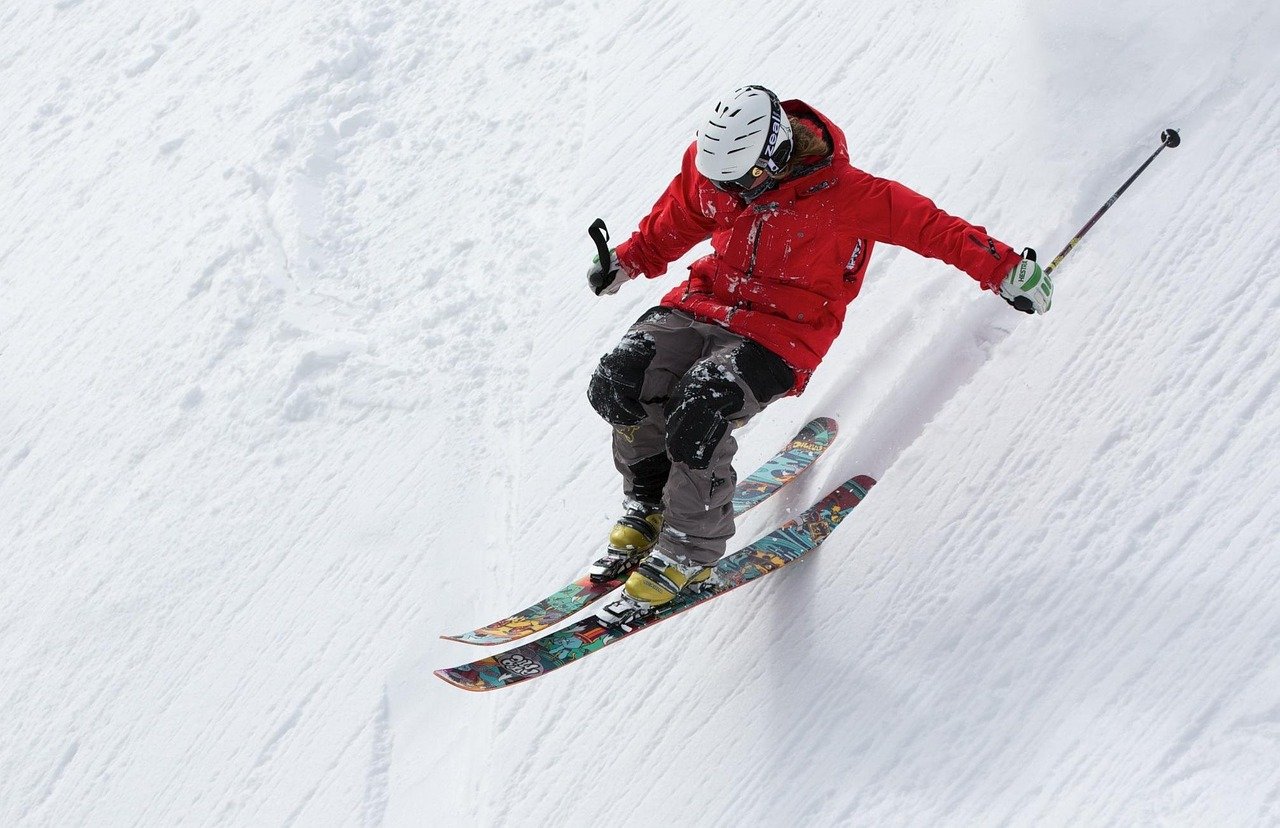
Alta's primary draw is world-class downhill skiing across more than 2,600 acres of terrain. With over 500 inches of annual snowfall, the mountain delivers some of the lightest, driest powder in North America. Runs span all ability levels, from wide beginner slopes in the Albion base area to steep, technical expert lines through the trees and chutes of the upper mountain. Alta is ski-only, meaning no snowboards are permitted, preserving a traditional atmosphere on the slopes.
Backcountry and Sidecountry Access
For experienced skiers seeking terrain beyond the boundary ropes, Little Cottonwood Canyon provides access to serious backcountry routes. Guided tours and avalanche safety courses are available for those looking to explore responsibly.
Scenic Exploration and Nature
The Wasatch Range surrounding Alta is spectacular year-round. In summer, the canyon transforms into a hiking and wildflower destination, with trails threading through alpine meadows and past glacial lakes. The Albion Basin area is particularly celebrated for its summer wildflower blooms.
Food and Dining
Alta's dining scene is intimate and lodge-driven, with a handful of independent restaurants and historic lodge dining rooms offering hearty, warming meals after a day on the mountain. The atmosphere leans rustic and communal, reflecting the resort's non-commercialized character.
Arts, Culture, and History
Alta's mining-era history adds cultural depth to the destination. Visitors can explore the canyon's silver mining legacy and the architectural character of its oldest lodges, some of which have operated continuously for decades.
Start with a morning warm-up run on Albion Base's groomed beginner and intermediate trails to get your ski legs under you. By midday, work your way toward the Supreme lift for Alta's classic mid-mountain terrain. In the afternoon, explore the Wildcat Base area for varied cruisers. Wind down with dinner and drinks at the Goldminer's Daughter Lodge, a true Alta institution.
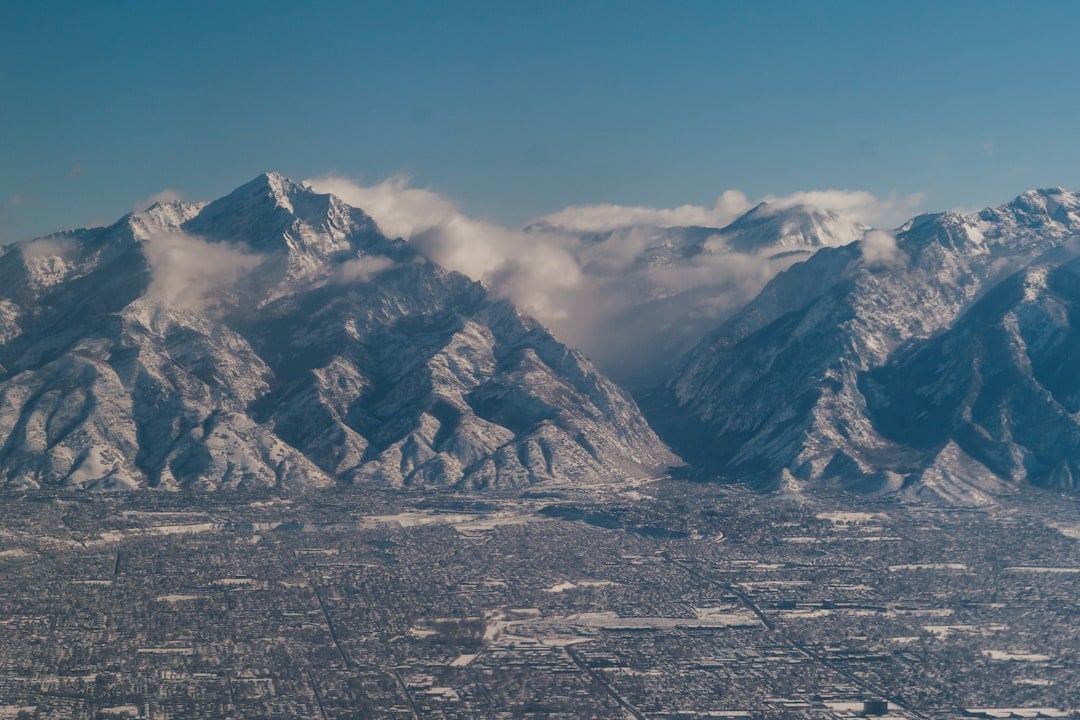
Dedicate the morning to Alta's expert terrain: hike the ridge to High Rustler or drop into Devil's Castle for steep, deep powder lines. After lunch at the Watson Shelter, connect via the Interconnect to Snowbird for an afternoon of expanded vertical and dramatic Wasatch views. Return to Alta at dusk and refuel with a hearty meal at Shallow Shaft Restaurant.
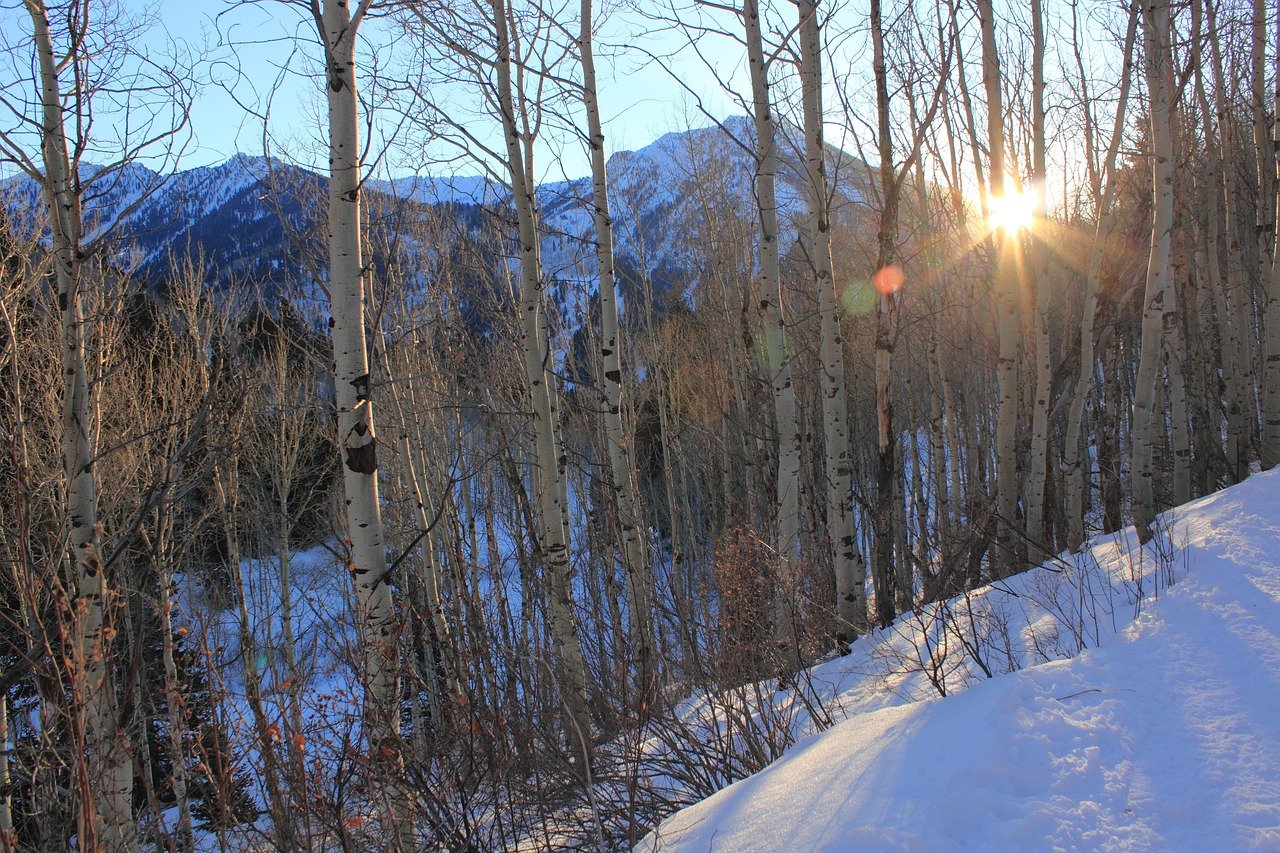
Spend the morning lapping the Cecret Lake area and Sugarloaf chair for some of Alta's most scenic and uncrowded terrain. After a final run, head down Little Cottonwood Canyon to Salt Lake City for an afternoon visit to the historic Temple Square neighborhood. End your trip with dinner in the vibrant Granary District before heading home.
Alta's calendar is shaped almost entirely by the mountain, with the ski season serving as the community's heartbeat and the warmer months offering a quieter but equally rewarding counterpoint. The resort town draws its identity from generations of skiers who return each winter, and the traditions that have formed around that loyalty give Alta a sense of continuity that few mountain destinations can match.
Alta's dining scene is small by design, shaped entirely by its identity as a ski-focused mountain community tucked into Little Cottonwood Canyon. The restaurants and lodges here cater to a crowd that has spent the day on demanding terrain and wants a satisfying, unpretentious meal at the end of it. Dining in Alta is less about culinary ambition and more about warmth, sustenance, and a sense of place.
Salt Lake City International Airport (SLC) is the primary arrival point for Alta visitors,
located approximately 25 miles from the resort with a drive time of roughly 45 minutes to an hour depending on canyon traffic and road conditions.
Utah Route 210 through Little Cottonwood Canyon is the only road into Alta,
and it is subject to avalanche closures managed by UDOT, so checking road conditions at udottraffic.utah.gov before departing is essential during heavy snowfall periods.
Canyon Transportation and other shuttle operators run scheduled service between SLC and Alta,
making door-to-door transfers a reliable option for travelers who prefer not to navigate the canyon road in winter driving conditions.
UTA ski buses depart from multiple Wasatch Front park-and-ride locations throughout ski season,
providing an affordable and stress-free alternative to driving, with routes specifically serving Little Cottonwood Canyon and Alta.
Renting a car with all-wheel or four-wheel drive is strongly recommended for visitors planning to self-drive,
as tire chains or AWD/4WD are legally required on Route 210 during many winter storm conditions.
Alta's free resort shuttle loops between the Albion and Wildcat base areas,
running throughout the ski day and connecting the main lodges so most guests never need to move their car once they have arrived.
The Albion and Wildcat base areas are walkable from slope-side lodges,
meaning guests staying at properties like Alta Lodge or Snowpine Lodge can reach the lifts on foot in just a few minutes.
Rideshare services like Uber and Lyft do operate in Little Cottonwood Canyon,
but availability is limited compared to Salt Lake City, and surge pricing is common during peak morning and afternoon windows, so plan accordingly.
Parking lots at Alta fill by mid-morning on busy weekend and holiday days,
so visitors driving up should aim to arrive before 8:30 a.m. or use the UTA ski bus to avoid the lot and the canyon traffic altogether.
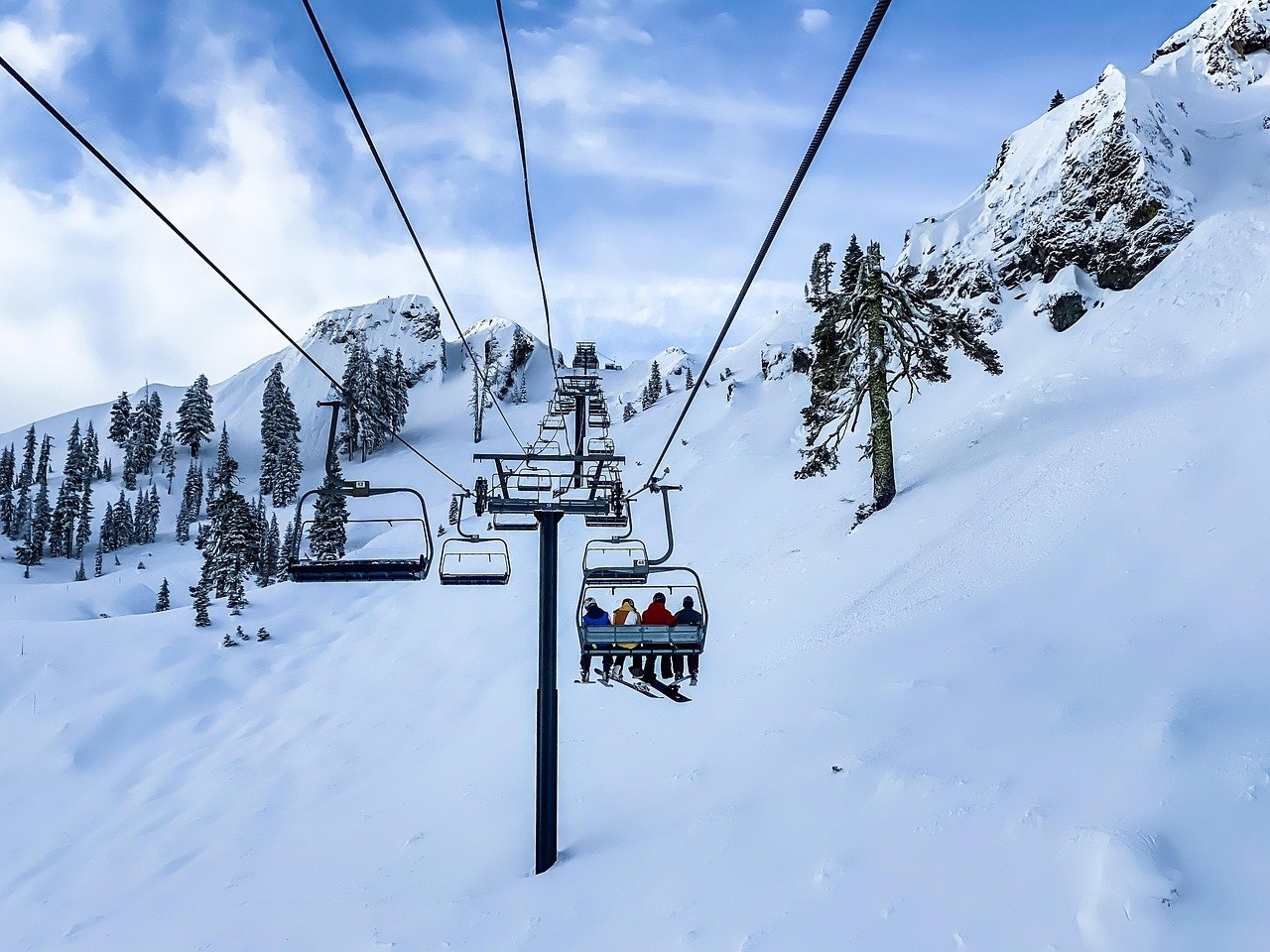
Alta operates as a ski-only mountain, meaning snowboards are not permitted on any of its lifts or runs. Confirm this before booking if snowboarding is part of your group's plans. Lift tickets should be purchased in advance online, as window prices are significantly higher and availability is not guaranteed on peak days. Alta's lodges frequently offer packages that bundle lodging, lift access, and meals, which can represent strong value and simplify daily logistics. Cell service in Little Cottonwood Canyon is unreliable, so download offline maps and save key phone numbers before heading up. Tipping is standard at lodge restaurants and bars. Altitude at Alta tops out above 10,000 feet, so first-day fatigue and dehydration are common: drink water consistently and ease into the terrain if you are arriving from sea level. Travel insurance that covers ski injuries and trip interruption due to road closures is worth considering.
Most skiers spend 3 to 5 days in Alta to make the most of its 2,600-plus acres of terrain across the Albion and Wildcat base areas. Adding access to adjacent Snowbird via a shared lift pass gives you even more vertical to explore. A longer stay rewards those who want to experience varying snow conditions and work through Alta's full range of runs.
Alta is best known for its exceptional powder snow - averaging over 500 inches per year - and its status as one of the last ski-only resorts in the United States, with no snowboard access on its slopes. It has a reputation for deep tradition, challenging expert terrain, and a no-frills mountain culture that draws devoted skiers back season after season.
Alta can work as a weekend trip, especially for skiers based in Salt Lake City, which is roughly 35 miles away. Two days gives you a solid taste of the terrain, though weekends can be busier on the slopes. For those flying in, a long weekend of 3 to 4 days is a better fit to justify travel time and costs.
Alta is on the pricier side compared to many ski destinations. Lift tickets, lodging at the mountain's historic lodges, and dining in the canyon all carry a premium. That said, Alta's lodges often include meals in their rates, which can offset costs. Budget-conscious skiers can save by booking early and staying in nearby Salt Lake City.
The best time to visit Alta is mid-January through March, when snowpack is at its deepest and powder conditions are most consistent. The resort typically operates from mid-November through April, with peak snow quality in the heart of winter.